

12 Best Porto Clubs and Nightlife Spots
After five years of navigating the steep hills of Porto, I have seen the city's nightlife evolve from quiet taverns to world-class electronic stages. The energy here is surprisingly raw and lacks the pretension often found in other major European capitals. Whether you want to dance in a former brothel or an underground tunnel, the variety is staggering.
This guide was last updated in April 2026 following my most recent trip to the northern capital. I have personally visited these venues to ensure the pricing and vibe checks remain accurate for your next visit. You will find everything from student-friendly dives to high-end sound systems in this Porto nightlife guide.
Porto is a city that thrives after midnight, so do not expect the dance floors to fill up early. Locals typically start their evening with a slow dinner before migrating toward the central Baixa district. Following this rhythm is the key to experiencing the city like a true Tripeiro.
Where's the Nightlife in Porto?
The nightlife scene is concentrated primarily in the Baixa district, specifically around the twin streets of Galerias de Paris and Rua de Cândido dos Reis. Walking through this area feels like a massive open-air party where every door leads to a different musical world. Most visitors start here before heading to the larger, darker clubs that stay open until dawn.
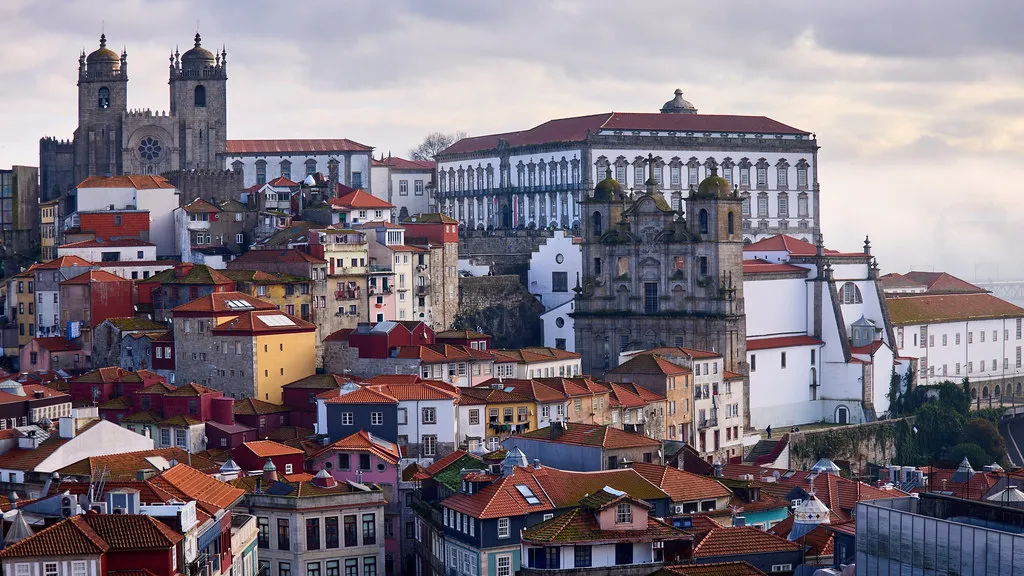
Four neighborhoods matter for planning. Baixa is the central party hub and the easiest for bar-hopping. The Passos Manuel corridor is the cultural and alternative spine, home to Maus Hábitos and Passos Manuel club. Ribeira offers riverside views and the Hard Club inside the Ferreira Borges Market. Foz, further west, attracts a more upscale crowd at venues like Industria and Twins Foz.
If you prefer a refined or historical atmosphere, the city offers several private and cultural institutions. Venues like the Ateneu Comercial do Porto represent the grand, traditional side of local social life. Similarly, the Clube Ingléses provides a glimpse into the historical merchant history of the city.
One mistake many first-time travelers make is spending the entire night in the Ribeira waterfront. While Ribeira is beautiful for a sunset drink, the bars there are often overpriced and lack a genuine local dance scene. Skip the tourist traps near the river once the clock strikes midnight, and move uphill to Baixa.
The Heart of the Night: Galerias de Paris Streets
The true spirit of a night out in Porto is found on the cobblestones rather than inside the venues. Galerias de Paris is a narrow pedestrian street where thousands gather to drink and socialize in the open air, and it runs parallel to Rua de Cândido dos Reis, forming a two-block party grid. You can find a great selection of the best bars in Porto along this single stretch.
Street drinking is the core ritual. Most bars pour your beer into a plastic cup so you can take it outside, and the etiquette is simple: buy a drink, move on to the next bar, repeat. A local quirk you will quickly notice is the intense loyalty to Super Bock beer over Sagres. Ordering a Super Bock is a small but effective way to show you understand the northern Portuguese culture.
Etiquette here is relaxed, but keep noise levels respectful near residential windows above the bars. Police generally allow street drinking as long as the crowd remains peaceful and within the designated zones. Arrive around 23:30 to catch the transition from quiet drinks to the outdoor party, and expect the street to be shoulder-to-shoulder by 01:00.
Bars You Can't Miss: Adega Leonor and More
Before the clubs fill up, the bars on and around Galerias de Paris carry the evening. Adega Leonor sits near the University of Porto and is the default pre-game for Erasmus students, with large beers typically under €3 and a famously chaotic crowd after 22:00. The queue spills onto the cobblestones by midnight on Tuesdays and Thursdays.
A few other names matter. Baixa Bar on Galerias de Paris is a classic cocktail spot with free-drink Tuesdays for students. The Box Porto is a hybrid bar-club where you can pick the next song on Friday nights, and it runs themed nationality parties (Italian, French, Brazilian) a few Thursdays each year. Candelabro, just off Rua do Bonjardim, leans into natural wine and a quieter conversation crowd — good for arriving by 21:00 before the street gets loud.
The general rule is to treat the bars as a warm-up. Drink prices are lowest here, crowds are less selective, and you get to scout the night before committing to a club door and its cover charge.
Plano B: The Multi-Genre Veteran
Plano B is the iconic veteran in the heart of Galerias de Paris, and it is the venue I send first-timers to when they want to understand Porto's sound. Three rooms across two floors cover house and techno on the main floor, live concerts in the Palco room, and a top-floor exhibition area that shifts between art and more relaxed DJ sets.
Entry costs €10 to €20 depending on the guest DJ, and the venue has hosted Jamie xx, Peaches, El Guincho, and Buraka Som Sistema over the years. Doors open around 22:00 and the room does not fill out until roughly 01:30. Head to the red-lit basement early to secure a spot on the dance floor before it gets packed.
The trade-off: Plano B has long queues on Saturday nights after 02:00, and the main-floor sound, while solid, is not as crisp as Gare's. If you arrive at 01:45 and the line looks 40 deep, cross to Pink or Pérola Negra and come back after 03:00 when the queue shortens.
Maus Hábitos: Culture and Alternative Beats
Maus Hábitos occupies the fourth floor of a parking garage on Rua de Passos Manuel, a few steps from the Coliseu do Porto. It is not just a club — it is a concert hall, art gallery, bar, and the Vícios À Mesa pizza restaurant rolled into one space. That multi-use layout is the point: you can arrive at 20:00 for dinner, see a live set at 23:00, and dance until 04:00 without leaving the building.
Entry runs €5 to €15 for most local DJ nights, and the programming leans alternative — recurring events include Batidão Baile Funk, Beyoncé Fest, and O Salgado Faz Anos. The crowd is urban, creative, and noticeably older than the Erasmus scene on Galerias. Expect more 25-to-35-year-olds than teenagers.
Time your visit around the dinner-to-club handoff. Arrive at 21:30 for pizza, move to the bar by 23:00, and you will be positioned for the DJ set without ever standing in a queue. I once went for a quiet pizza and ended up staying for a wild 03:00 synth-pop set.
Gare Porto: The Underground Techno Temple
Gare Porto sits directly next to São Bento train station on Rua da Madeira, and the venue's narrow tunnel shape is its signature. The room is long, low-ceilinged, and built for a single wall of sound — the Funktion-One rig pushes techno and house at volumes that compete with any club in Lisbon or Berlin. Nina Kraviz and Jeff Mills have played here.
Entry typically costs €15 to €25 and usually includes a drink voucher. Doors open around 23:30 and peak hours run 02:30 to 06:00. Wear earplugs if you plan to stand near the speakers — the bass is physical and can leave ears ringing for a full day.
The trade-off is claustrophobia. Capacity is real and the tunnel can feel tight on sold-out Saturdays, so go to the bar at the back if you need breathing room. On mid-week nights Gare is half-empty and oddly peaceful, which is the opposite of what the sound system is built for.
Pérola Negra: Disco in a Historic Setting
Pérola Negra on Rua de Gonçalo Cristóvão is a former brothel reborn as a disco-glam club, and the red velvet and neon traces of its previous life give the room a visual identity no other Porto venue has. The music leans disco, funk, and house, with themed 80s nights that draw Porto's creative crowd.
Entry costs €12 to €18, and the club is a five-minute walk from Trindade metro station — handy if you are staying uptown and want a pre-midnight arrival. Busiest on Friday and Saturday, slower and more relaxed on Thursdays. The dance floor is smaller than Plano B's, so it fills up faster and the energy peaks earlier, around 02:00.
Check the official social pages before going. Pérola Negra hosts rotating national and international DJs, and the advertised night changes the vibe dramatically — a disco set attracts a very different crowd than a house night.
Barracuda – Clube do Roque: Porto's Rock Haven
Barracuda – Clube do Roque on Rua da Madeira was founded by Rodas, the operator behind the legendary Cave 45 and Comix Bar, and it exists specifically to fill the rock and underground gap in a scene increasingly dominated by techno. Punk, indie, and classic rock carry the night, and the venue runs a regular concert program alongside its DJ sets.
Entry is often under €10 and sometimes includes a beer. The room is small, sweaty, and high-energy, which is exactly the point — this is not a space for posing. It sits just down the street from Gare Porto, so you can pair a rock-and-roll start at Barracuda with a late techno move-over to Gare after 03:00.
For anyone who finds electronic music tedious, Barracuda is the single most reliable pick in Porto. The crowd knows the lyrics, the drinks are cheap, and the door policy is famously relaxed.
Pink: The New Mainstream Concept
Pink opened at Rua Conde de Vizela 80, in the exact address that once housed the legendary Tendinha dos Clérigos. Osvaldo Fonseca, son of Tendinha's former owner Alberto Fonseca, took the space and rebuilt it as a mainstream pop and R&B room with a deliberately younger, Instagram-ready aesthetic. Where Tendinha was rock and grit, Pink is color and commercial radio.
Entry runs €10 to €15, and the venue caters to a fashion-forward, 20-to-28 crowd. Arrive before 01:00 if you want to skip the queue that builds outside the pink-lit doors on weekends. Drinks are standard for Baixa — expect €5 to €7 for a mixer.
Whether Pink is worth your night depends on what you wanted Tendinha to be. If you loved the old rock bar, go to Barracuda instead. If you are here for chart music and a photogenic venue, Pink is the most obvious pick in the city center.
Other Notable Clubs Worth Your Night
Five more venues round out the 12 best. Hard Club lives inside the historic Mercado Ferreira Borges in Ribeira and hosts large-scale electronic events and live concerts — the iron-arch architecture makes it the most visually striking venue in the city. Prices swing wildly with the performer, from €15 for a local DJ to €40 for an international act.
Other picks: Zoom is Porto's flagship LGBTQ+ club with high-production drag shows and house music in a renovated warehouse (entry around €15 with drinks). Passos Manuel occupies a vintage cinema building near the Coliseu, with an older, more reserved electronic crowd and a €10 typical door. Café Lusitano on Rua de José Falcão is the elegant, long-running LGBTQ+ alternative with drag performances and themed parties. Moreda, slightly east of the center, is a neighborhood favorite for Latin and African beats with free or very low entry.
For commercial house and a taxi-only commute, the Zona Industrial clubs west of the center still run late on Saturdays. Ask a driver for "Zona Industrial" and expect a €10 to €15 fare each way.
Clubs Where Erasmus Students Go All Night
The Erasmus calendar in Porto is weekly and predictable, which makes it easy to plan around if you want the student party energy or avoid it. Tuesday is Adega Leonor's biggest pre-game, with free-drink deals for students carrying ESN cards. Wednesday and Thursday are the strongest club nights — Lust Porto runs its flagship Erasmus event on Thursdays, and The Box Porto rotates nationality-themed parties the same night.
More Club is the fallback option: it opens every day of the year and runs until sunrise, which is why it absorbs the crowd whenever nothing else is scheduled. Plano B and Pink both draw a heavy Erasmus share on Fridays and Saturdays, but the crowd is more mixed with locals and tourists.
Practical rules for the student circuit: carry your student ID or ESN card, follow the Erasmus Porto Instagram and Facebook groups for the weekly schedule, and expect weeknight parties to feel bigger than weekend ones. Classes on Thursday morning will not thank you.
Vibe Check: How the Top Clubs Compare
Use this comparison to match a club to your night. Genre, crowd age, dress expectations, and the main trade-off are summarized below.
- Plano B — House, techno, live. Crowd 22-32. Casual dress. Iconic, but long queues after 02:00.
- Maus Hábitos — Alternative, funk, baile funk. Crowd 25-35. Smart-casual. Great multi-use space, shorter hours (closes around 04:00).
- Gare Porto — Techno, house. Crowd 23-35. All-black, casual. Best sound in the city, claustrophobic when sold out.
- Pérola Negra — Disco, funk, house. Crowd 24-35. Glam-casual. Unique venue, smaller floor fills quickly.
- Barracuda — Rock, punk, indie. Crowd 20-40. Whatever you want. Cheap, sweaty, limited capacity.
- Pink — Pop, R&B, commercial. Crowd 18-28. Fashion-forward. Photogenic, but a pricier drink list.
- Hard Club — Electronic events, live shows. Crowd varies. Event-dependent. Stunning venue, ticket prices swing hard.
- Zoom — House, pop, drag. LGBTQ+ focus, all ages. Expressive dress welcome. Best drag in the city.
- Passos Manuel — Electronic, sophisticated. Crowd 28-40. Smart-casual. Slower crowd, weekend-only.
- Adega Leonor — Pre-game bar. Crowd 19-25. Casual. Cheapest drinks, no dance floor.
If you only have one night, Gare for sound or Plano B for variety. If you have two, add Maus Hábitos for the cultural side. If you have three, work in Pérola Negra or Barracuda depending on taste.
Prices, Student Discounts, and Entry Fees
Budgeting for a night out in Porto is relatively easy compared to cities like London or Paris. Most clubs charge between €10 and €25, which almost always includes at least one drink credit. You can find more details on general nightlife in Portugal to compare prices across different cities.
- Cheap tier (under €10): Adega Leonor, Baixa Bar, Barracuda, Moreda. Beers €2 to €3.
- Mid tier (€10 to €15): Maus Hábitos, Pérola Negra, Pink, Passos Manuel. Mixers €5 to €7.
- Premium tier (€15 to €25): Plano B, Gare Porto, Zoom. Guest-DJ nights push closer to €25. Mixers €6 to €8.
- Event tier (€20 to €40): Hard Club when international acts play.
Students and Erasmus travelers should always carry an ID card or ESN card to take advantage of significant discounts. Many venues offer free entry or half-price drinks on specific nights, such as Tuesdays at Adega Leonor. Check the Erasmus Porto social media groups for weekly schedules and organized club nights.
A vital rule for saving money and time is the 2:00 AM peak arrival rule. If you arrive before 01:00, you might find the club empty, but arriving after 02:30 often means long queues and occasional door-price surcharges for guest-DJ nights. Timing your entry for 01:45 is usually the best way to beat the rush.
Late-Night Survival Guide: Getting Home Safely
Porto's public transport is limited after 01:00. The metro's last full service runs around 01:00 on weekends, and night buses cover only a handful of routes at roughly hourly intervals. If you are staying anywhere outside Baixa, plan the ride home before you are tired and cold at 05:00.
Uber and Bolt both operate reliably in Porto, and fares between Baixa and most central neighborhoods run €5 to €9. Expect a 10 to 15 percent surcharge between 02:30 and 04:30, and longer waits during rain — Porto rains hard and often, and driver availability drops when it does. Keep a backup app installed in case one goes surge-heavy.
A few safety notes. Downtown Porto is generally safe at night, especially around the crowded nightlife streets, but pickpocketing on Galerias de Paris is the main risk — zip your phone and wallet into an inside pocket. Walk in groups when cutting through quieter streets toward Bolhão or Trindade. Avoid the dark stairways below Aliados between 03:00 and 05:00 if you are alone.
If you are aiming for sunrise, finish the night at Tendinha-style late bars near São Bento, then walk 15 minutes down to the Ribeira riverfront. Watching the sun come up over the Douro is the traditional closer, and the first metro back up to the center runs around 06:00.
Beyond the City: The Sanatório de Valongo Viewpoint
For those who want an adventure that feels like a scene from a horror movie, head to Valongo. The abandoned Sanatório de Valongo is a haunting structure that offers an eerie backdrop for late-night explorers. It has become a popular spot for urban explorers and those looking for a unique viewpoint of the region.

Getting there at night requires a taxi, Uber, or Bolt, as public transport is non-existent after midnight. The ride takes about 20 minutes from the city center and should cost roughly €15 to €20 one way. Arrange a return ride in advance and pin the drop-off point in your map app, as drivers can be difficult to find in that remote area — I recommend booking the return car before you even set off.
Safety is a genuine concern. Never visit this location alone, always bring a high-powered flashlight, and wear shoes with grip. The structure is decaying, the ground is uneven in the dark, and mobile signal drops in patches. While the view of the city lights is stunning, the primary draw is the chilling atmosphere of the ruins — treat it as a late-night add-on, not a substitute for a full club night.
Frequently Asked Questions
What is the best area for clubs in Porto?
The Baixa district, specifically around Galerias de Paris, is the best area for clubbing. Most major venues are within walking distance of this central hub. This allows you to easily hop between different music genres in a single night.
How much is entry for Porto clubs?
Entry fees typically range from €10 to €25 at most popular venues. This price usually includes one or two drinks, making it quite affordable. Always check the official event page for specific guest DJ pricing.
Is there a dress code for Porto nightlife?
Most Porto clubs have a relaxed dress code, especially in alternative venues like Maus Hábitos. However, mainstream clubs like Pink may require a slightly smarter appearance. Avoid wearing flip-flops or beachwear to ensure entry everywhere.
Porto offers a nightlife experience that is both historic and cutting-edge, catering to every possible musical preference. From the dark techno tunnels of Gare to the glittering disco floors of Pérola Negra, the city truly comes alive after the sun sets. Remember to pace yourself and follow the local rhythm by starting late and ending even later.
Whether you are a student on a budget or a techno enthusiast seeking the perfect sound, these 12 spots provide the best of the city. Enjoy the unique street culture, respect the local neighborhoods, and always choose Super Bock over Sagres. Safe travels and enjoy the incredible energy of Porto's dance floors.


