
Ultimate Guide to Dublin Nightlife for 2026
Dublin offers a legendary evening experience that blends ancient history with modern energy. You will find cozy snugs and high-energy dance floors within a few minutes' walk of each other. Exploring dublin nightlife means embracing both the quiet pint and the lively traditional music session. Locals call a good night out "the craic" — which means the fun, the chat, and the atmosphere all rolled into one.
Visitors often feel overwhelmed by the sheer number of venues packed into the city center. Over 700 pubs sit within the central postcodes alongside speakeasies, boat bars, and converted churches. This guide names the specific venues, streets, and rituals that define 2026 Dublin nightlife. Expect exact prices in euros, closing times, and the etiquette you need to get past the door.
The city caters to every taste from quiet craft beer bars to multi-floor nightclubs. You will mix with students from Trinity, post-work office crowds from the Docklands, and visitors from every continent. Most central venues sit within a 20-minute walking loop south of the River Liffey. Plan a route before you leave your accommodation and you will rarely wait in a queue.
Key Takeaways
- Temple Bar is the tourist hub with pints around €8.50; Wexford Street and Smithfield are where Dubliners actually drink.
- The Nitelink bus runs only Friday and Saturday after midnight; plan your taxi app in advance on other nights.
- Whelan's, The Cobblestone, and The Workman's Club are the three can't-miss live music rooms.
- The Hacienda and The Blind Pig both require specific entry etiquette — knock, or book ahead.
Top Streets and Districts for Nightlife
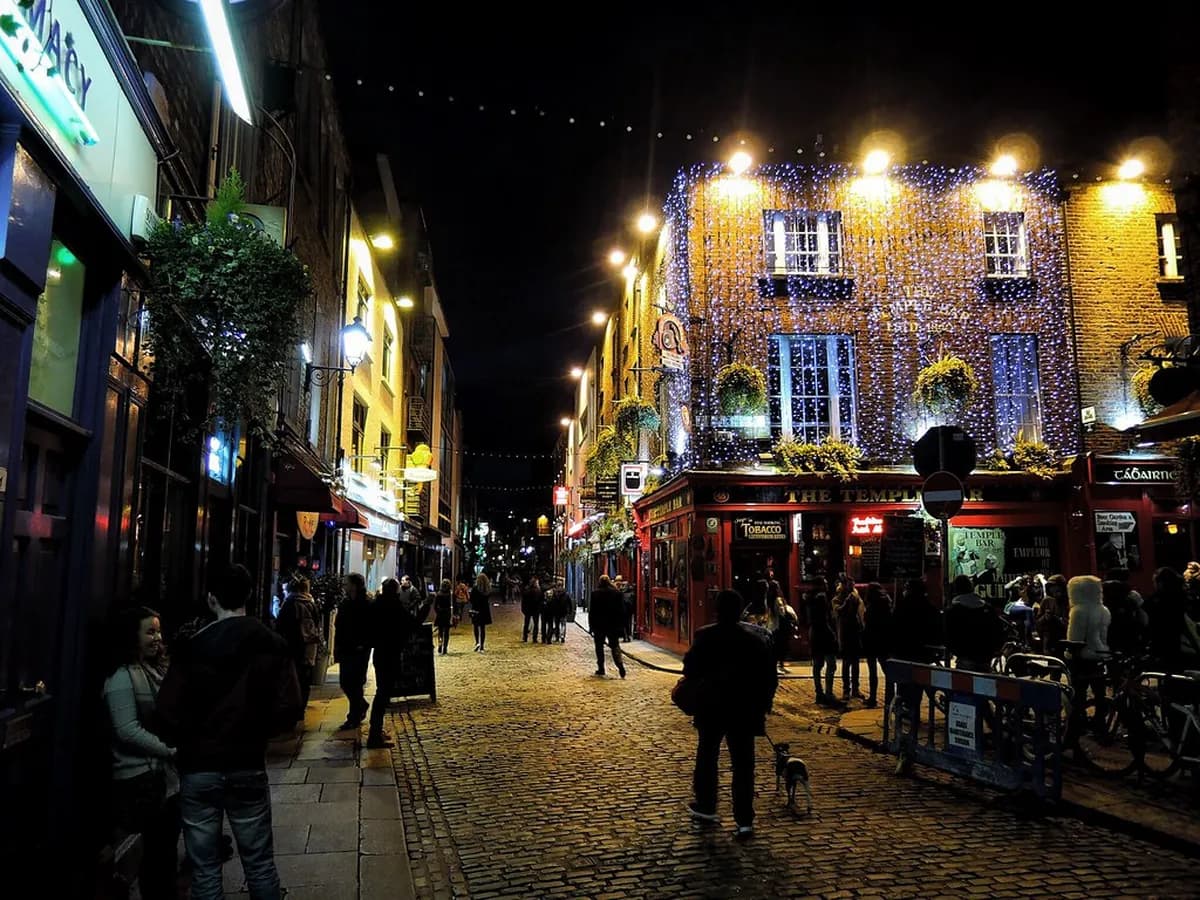
Temple Bar sits just south of the River Liffey and is the obvious first stop for visitors chasing the postcard version of Dublin. Cobbled streets, red façades, and trad music spilling from every door define the area. A pint of Guinness here runs €8.00 to €8.80, and venues stay busy from lunchtime to 12:30 AM on weekends. The crowd is tourist-heavy with stag and hen parties arriving most weekends.
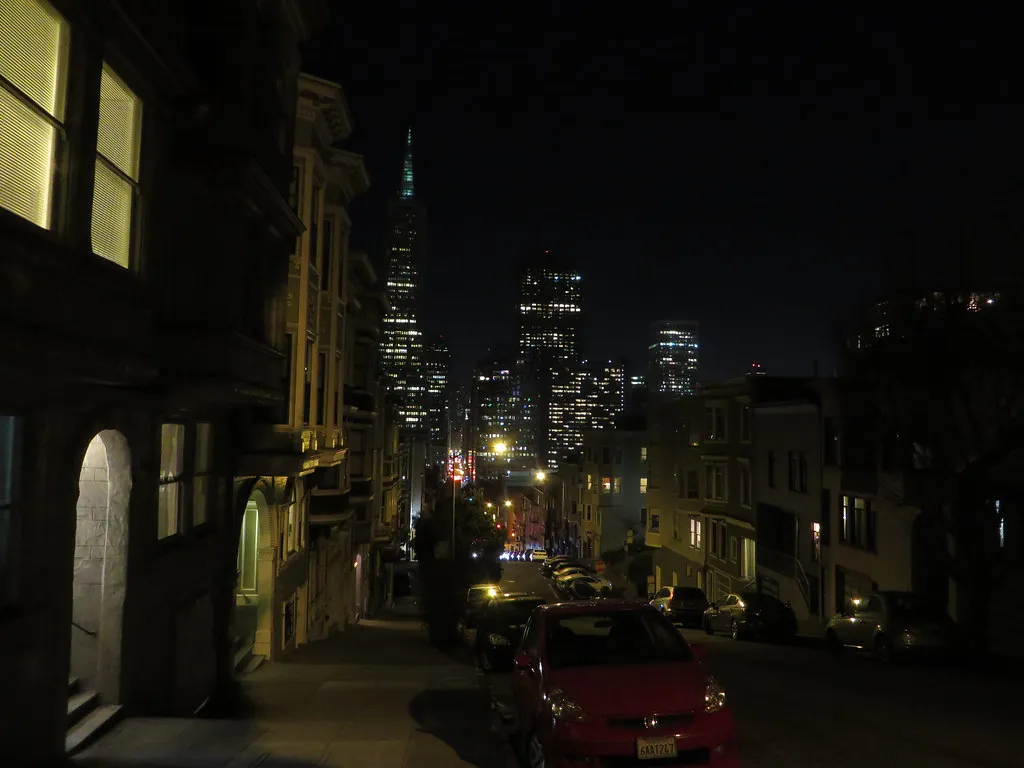
Wexford Street is where locals steer newcomers once they realise Temple Bar is the pricier option. This stretch between Aungier Street and the top of Camden Street holds Whelan's, Opium, and a cluster of cocktail bars. Pints sit around €6.80 to €7.50 and the crowd mixes students, creative professionals, and early-thirties regulars. Continue south and the street becomes Camden Street proper, lined with gastropubs and late-night restaurants.
Smithfield on the Northside has shifted from industrial quarter to what Time Out named one of Europe's coolest neighbourhoods. The cobbled square around the Jameson Distillery holds The Cobblestone, The Hacienda, and several craft beer bars. Walking from O'Connell Bridge takes about 12 minutes and drink prices drop by roughly €1 compared to Temple Bar. Expect a quieter, older, more local crowd than you find south of the Liffey.
Harcourt Street and Dame Lane cover the dedicated clubbing strip for 21+ crowds who want to dance until 3:00 AM. Copper Face Jacks, Dicey's, and the venues around Exchequer Street dominate this zone. Entry ranges from €10 to €20 and queues start forming at 11:30 PM as pubs close and clubbers migrate. George Street and South William Street handle the cocktail and boutique bar end of the scale.
Iconic Traditional Irish Pubs
The Brazen Head on Bridge Street claims to be the oldest pub in Ireland, with a licence dating to 1198. Low ceilings, wooden beams, and a stone courtyard make the Georgian interior feel genuinely ancient. Trad sessions run most nights from 9:30 PM and a pint of Guinness costs around €7.20. Arrive before 8:00 PM on weekends or you will struggle to find a seat anywhere inside.
The Cobblestone in Smithfield is the spiritual home of Dublin trad music, run by the Mulligan family for three generations. Sessions start at 7:00 PM nightly in the front bar and are free, but the pub enforces a "listener's etiquette" — no loud talking during a tune. The back room hosts ticketed gigs from €10 to €15. This is the pub locals recommend when someone asks where to actually hear trad.
Other essentials in the traditional category include Mulligan's on Poolbeg Street (a favourite of James Joyce), The Long Hall on South Great George's Street for Victorian interior, and Kehoe's on South Anne Street for the original snugs. Snugs are small enclosed wooden booths that were built a century ago for discreet drinking and still offer the quietest conversation in a crowded pub. You can explore more of these venues through our guide to dublin traditional pubs.
Ordering a Guinness correctly matters here. The two-part pour takes just under two minutes — the bartender fills three-quarters, lets it settle, then tops it off with a shamrock or straight head. Do not grab the glass before the top-up is done. Tipping is not expected but rounding up to the nearest euro is common in traditional pubs.
Legendary Live Music Venues
Whelan's on Wexford Street is the venue locals name first when asked about live music. Hozier, Glen Hansard, Christy Moore, and Ed Sheeran all played early shows in its 300-capacity back room. Tickets for most nights run €15 to €25 and the front bar stays open until 2:30 AM on weekends with no cover. The upstairs DJ room turns into a proper dance floor after midnight.
The Workman's Club on Wellington Quay spans four floors of programming that rotates between live bands, DJ sets, and cabaret nights. The main room holds 300, there is a rooftop bar from April to September, and late licence runs to 3:00 AM on weekends. Entry is free until 11:00 PM on most nights. The crowd skews to twenties-and-thirties indie and alternative fans.
The Grand Social by the Ha'penny Bridge hosts a mix of local emerging acts and touring Irish bands, with a beer garden that opens in warmer months. Vicar Street in the Liberties is the mid-sized theatre venue for seated gigs from comedy to folk, capacity around 1,000. Check listings on Oxegen, Singular Artists, or individual venue websites — tickets for Irish acts sell out two to three weeks ahead in 2026. You can browse more options in our roundup of the best bars in dublin that double as live music rooms.
Modern Cocktail Bars and Clubs
Dublin's cocktail scene has matured significantly over the past five years, with South William Street and Dame Lane leading the transition from "pints culture" to craft mixology. Peruke & Periwig on Dawson Street serves theatrical cocktails in a three-floor Georgian townhouse; expect €14 to €16 per drink. The Blind Pig covers the speakeasy angle — more on that below. Drury Buildings on Drury Street handles the stylish-but-accessible middle ground.
Opium on Wexford Street is the pan-Asian restaurant-nightclub hybrid that defines the upscale clubbing scene, with Japanese-influenced interiors, a long garden, and DJ sets until 3:00 AM. Entry is €10 to €20 depending on the lineup. Pygmalion on South William Street draws a mid-twenties crowd for house and disco sets. For techno and underground electronic, Index at District 8 in the Tivoli Theatre space hosts touring international DJs most Saturday nights.
Over on the clubbing strip, Copper Face Jacks on Harcourt Street is a Dublin institution — chart hits, GAA shirts welcome, a cross-section of every rural county working in the city on a Saturday night. It is touristy and entirely unpretentious. Dress codes across modern venues are smart-casual: clean sneakers are fine, sports shorts and football jerseys will get you refused. Drinks inside clubs jump to €9 to €11 per bottle or spirit-and-mixer. Our guide to the best clubs in dublin maps current lineups and door policies.
The Hacienda: Dublin's Most Exclusive Pub
The Hacienda sits on a quiet corner of Smithfield with its door always closed — and that is the point. There is no sign, no menu outside, and no doorman in the usual sense. You knock, and owner Shay Duignan decides whether to open. Entry requirements are famously unwritten; the walls inside are covered with photos of Shay with Taylor Swift, Hozier, Bono, and dozens of other celebrities who made it through.
Practical etiquette matters if you want to get in. Arrive as a small group of two or three (large groups rarely pass), dress reasonably but not overdressed, and do not turn up visibly drunk. Shay is in his seventies, eccentric, fond of round sunglasses and loud suits, and reads people in about three seconds. If you are refused, accept it graciously and move on — persistence will guarantee a permanent no.
Inside, the pub is small, warm, and holds maybe 30 people. There is a pool table, a properly curated spirits shelf, and a soundtrack that could be anything from Leonard Cohen to 1970s disco. Pints cost about €6.50. This is a lived-in locals' pub that happens to have a mythology — not a velvet-rope venue — so treat it as such.
MV Cill Airne: The Floating Bar on the Liffey
The MV Cill Airne is a 1961 passenger liner permanently moored on North Wall Quay in the Docklands. Originally built to ferry passengers between England and New York, she now operates as a bar and restaurant across two decks. The upper open deck is the draw — especially on Friday evenings when office workers from the surrounding financial district crowd aboard for post-work pints.
Expect a Guinness for around €7 and a cocktail menu in the €11 to €13 range. The kitchen serves a solid seafood-leaning menu until 9:30 PM. There is no cover charge but tables on the upper deck go fast between 5:00 PM and 7:00 PM Thursday to Saturday. Arrive by Luas (Red Line to The Point stop) or a 10-minute walk from Connolly Station.
The boat tilts slightly with the tide and the wind off the Liffey has bite even in summer, so bring a layer. If the weather turns genuinely wet the upper deck closes and the lower bar gets cramped — check the forecast before committing to an evening here. On a clear Friday sunset this is one of the most photogenic drinking spots in the city.
The Blind Pig: Ireland's Longest Running Speakeasy
The Blind Pig has operated since 2013 and is still the benchmark for prohibition-style drinking in Dublin. Here is the practical reality competitors gloss over: you must book first through the website, after which you receive an email with the address and entry instructions 24 hours before your reservation. Walk-ins are refused. The venue is on Suffolk Street but the entrance is deliberately hidden — you will not find it without the email.
Cocktails sit in the €14 to €17 range and lean heavily on 1920s classics, reworked Negronis, and bourbon-forward builds. Live jazz or piano runs Thursday through Saturday from 8:30 PM. The dress code is genuinely enforced: no sportswear, no bachelor parties, phones silenced. Groups are capped at six and most tables hold four.
Booking windows open roughly two weeks ahead and Friday and Saturday slots typically go within 48 hours. If you can only do walk-up speakeasies, Vintage Cocktail Club off Crown Alley and No Name Bar above L'Gueuleton are the closest equivalents — both still require a buzzer or an unmarked door, both still take bookings but accept walk-ins earlier in the week.
The Church: Drinks in a Restored Cathedral
The Church on Mary Street is a working bar and restaurant inside St Mary's, an 18th-century Church of Ireland parish deconsecrated in 1964. The 282-year-old pipe organ still dominates the back wall, the stained glass windows are intact, and the crypt below has been converted into a nightclub space. Arthur Guinness himself was married in the building in 1761.
The main floor handles food service until 10:00 PM with pub classics around €18 to €24. The bar stays open until 2:30 AM on weekends with a late DJ from 11:00 PM in the crypt. Entry is free until late, a cover of €5 to €10 applies for downstairs after midnight. The Summer terrace on Mary Street seats around 120 and runs from May through September.
For visitors interested in architecture more than nightlife, drop in for a pint between 3:00 PM and 5:00 PM on a weekday — the building is quietest then and you can actually see the ceiling detail. For a rowdier night, aim for Friday after 11:00 PM when the downstairs crypt fills. Combine it with The Hacienda (8 minutes walk) for a genuinely Dublin Northside evening.
The "Gay Spar" Chicken Roll: A Late-Night Dublin Rite
Ask any Dubliner what you eat after the pub closes and the answer is a chicken fillet roll from the Spar on Dame Street — known universally as Gay Spar. The 24-hour deli counter has been feeding post-pub crowds for over a decade. The shop sits opposite The George, Dublin's most famous gay venue, which gave the nickname, and the branch officially leaned into it during Pride 2022 with LGBTQ+ flags and a "Happy Pride from Gay Spar" banner.
The roll itself is specific: a soft white baguette, two hot fried chicken fillets from the counter, shredded lettuce, mayo, and — if you know what you are doing — a slice of cheese and a dollop of taco sauce. The whole thing costs about €6.50 and you eat it standing on the street at 2:00 AM. It is a rite of passage and genuinely restorative after a night on Guinness.
Other late-night food options worth knowing: Zaytoon on Camden Street for lamb kebabs open until 4:00 AM, Tolteca for burritos until 3:00 AM on weekends, and Elephant & Castle on Temple Bar for chicken wings until midnight. Avoid the grim fast food on Abbey Street unless you are truly desperate — the queues are long and the quality suffers. Before a night out, our best pubs in dublin guide pairs well with these late-night stops.
Sober-Curious and Quiet-Pub Options
Dublin's drinking culture runs deep but the zero-proof scene has expanded meaningfully by 2026 and almost no travel guide covers it. The Virgin Mary on Capel Street is Ireland's first fully alcohol-free bar — cocktails run €8 to €10, the kitchen stays open until 11:00 PM, and the crowd mixes curious visitors with Dubliners on a Dry January streak. Most pubs now carry Guinness 0.0, Heineken 0.0, and at least one zero-proof spirit like Seedlip or Silk Tree.
For travellers who find pub noise genuinely exhausting — including many neurodivergent visitors — there is a quieter tier worth knowing about. The Library Bar above the Central Hotel on Exchequer Street stays at conversation volume all night with leather armchairs and a fire in winter. P. Mac's on Lower Stephen Street plays candlelit folk at low volume. Searson's on Upper Baggot Street is a locals' pub that rarely goes above a rumble. None enforce music, none encourage shouting.
Accessibility also varies more than you might expect in historic Dublin pubs. The Brazen Head has a step at the entrance but ground-floor access inside; The Cobblestone is fully step-free through the side door if you ask; Whelan's has ramp access and an accessible toilet. Call ahead if it matters — most pub managers will describe layout honestly over the phone rather than promise online what they cannot deliver.
Essential Tips for a Safe Night Out
Closing times matter in Dublin because the rhythm of a night follows them. Pubs serve last orders at 11:30 PM Monday to Thursday, 12:30 AM Friday and Saturday, and 11:00 PM on Sunday. You get 30 minutes "drink-up time" after last orders. Late-bar and nightclub licences extend to 2:30 AM or 3:00 AM. From August 2024 reforms the Late Bar licence was standardised, so more venues now legally run to 3:00 AM than two years ago.
Transport after midnight needs planning. The Luas trams and regular Dublin Bus routes stop by 11:30 PM most nights. The Nitelink bus runs Friday and Saturday only, flat fare €4.50 with a Leap Card, routes 39N, 41N, 46N, 67N out to the suburbs. Taxi apps (FreeNow is the Dublin default) work well before midnight and after 3:00 AM; between closing time and 3:00 AM demand spikes and you will wait 20 to 40 minutes. A city-centre taxi within the canals costs €10 to €14.
Safety is generally high in the city centre but a few practical rules help. Stick to main streets between Temple Bar, Dame Street, Wexford Street, and O'Connell Street after 1:00 AM. The area around O'Connell Street north of the river has more street antisocial behaviour than the Southside — fine to walk through, not somewhere to linger. Never leave a drink unattended and be firm if touts or hawkers approach you. Gardaí (the police) patrol visibly on weekends.
Etiquette matters in a city where hospitality is a source of pride. "Buying your round" is expected in a group — if someone stands a pint for you, you return the favour. Do not mimic the accent. Use "craic" naturally — "how's the craic" is "how are things" and "good craic" means a fun night. Tip only in restaurants or if a bartender went out of their way; standard pub service does not expect a tip. Budget roughly €80 to €120 per person for a full night including dinner, drinks, a club entry, and a taxi home. A dublin pub crawl guide can cut costs and handle the navigation for you.
Explore More Dublin Guides
Keep planning your Dublin trip with these guides.
- 15 Best Bars in Dublin for a Great Night Out
- Best Dublin Clubs
- Best Pubs in Dublin
- Dublin Nightlife Areas
- Best Pub Crawl Dublin Guide
- Authentic Dublin Traditional Pubs
- Gay Nightlife Dublin Guide
- Best Live Music Venues in Dublin for 2026
- Temple Bar Dublin Nightlife
- 10 Things To Do In Dublin At Night Beyond the Pub
Explore nightlife in other cities
Frequently Asked Questions
What time do pubs and clubs close in Dublin?
Standard pubs usually close at 11:30 PM on weekdays and 12:30 AM on weekends. Late-night bars and clubs have licenses to stay open until 2:30 AM or 3:00 AM. For more details on European trends, visit Europe Nightlife Ireland for updates.
Is there a dress code for Dublin nightlife?
Most pubs are very casual and allow jeans and sneakers. Nightclubs may require a 'smart-casual' look, meaning no sports gear or work boots. It is always safer to wear a clean shirt and dark jeans for club entry.
How much does a pint of beer cost in Dublin?
Prices vary by location but expect to pay between €6.00 and €9.00. Temple Bar is the most expensive area with prices often exceeding €8.50 per pint. Local pubs outside the main tourist center offer much better value for money.
Is Dublin nightlife safe for solo travelers?
Dublin is generally a safe city for solo visitors who stay in busy areas. Stick to well-lit streets and use reputable taxi apps to get back to your hotel. Joining an organized pub crawl is a great way to meet people safely.
Dublin nightlife rewards visitors who go beyond Temple Bar and name specific venues before they leave the hotel. A night that starts with trad at The Cobblestone, moves to cocktails at The Blind Pig, and ends with a chicken roll from Gay Spar will show you more of the real city than a week of sightseeing. Respect the pour, respect the craic, and budget for the taxi home.
The venues in this guide — Whelan's, The Hacienda, MV Cill Airne, The Church, and the others — have each earned their reputation through decades of consistent character, not through marketing. Treat them accordingly, book ahead where booking is required, and Dublin will open up to you the way it does for its locals.