

Experience the Best of Amsterdam Nightlife in 2026
Amsterdam transforms into a vibrant playground once the sun sets over the iconic canals.
The city offers everything from world-class techno clubs on NDSM Wharf to historic brown cafes dating back to the 1500s.
Whether you want a 09:00 Sunday morning after-hours in Noord or a quiet jenever on the Jordaan, you will find a perfect spot here.
This guide helps you navigate the best venues for **amsterdam nightlife** during your next visit in 2026.
Key Takeaways
- Book tickets via TicketSwap or the venue's site. Doors at Shelter or RADION regularly sell out the day of release.
- Take the free GVB ferry from Centraal Station to NDSM Wharf. Ferries run 24 hours and cost nothing.
- Bring a Maestro debit card or cash. Many Dutch venues reject Visa or Mastercard, and drink tokens are common.
Amsterdam Nightlife Areas: Leidseplein, Rembrandtplein, NDSM
Amsterdam's club and bar scene clusters around three anchor neighborhoods, each with a distinct crowd and price point. Leidseplein in the Central Canal Ring mixes locals, students, and tourists. Rembrandtplein skews mainstream and commercial. NDSM Wharf in Amsterdam Noord is the industrial, alternative side.
Leidseplein hosts Paradiso (a former church on Weteringschans) and Melkweg (Lijnbaansgracht 234), two venues that anchor the city's live-music identity. Expect 10 to 20 EUR entry at smaller bars on Lange Leidsedwarsstraat and Korte Leidsedwarsstraat, with drinks running 5 to 9 EUR. Terraces on the square itself are overpriced tourist traps; the good bars sit one street back.
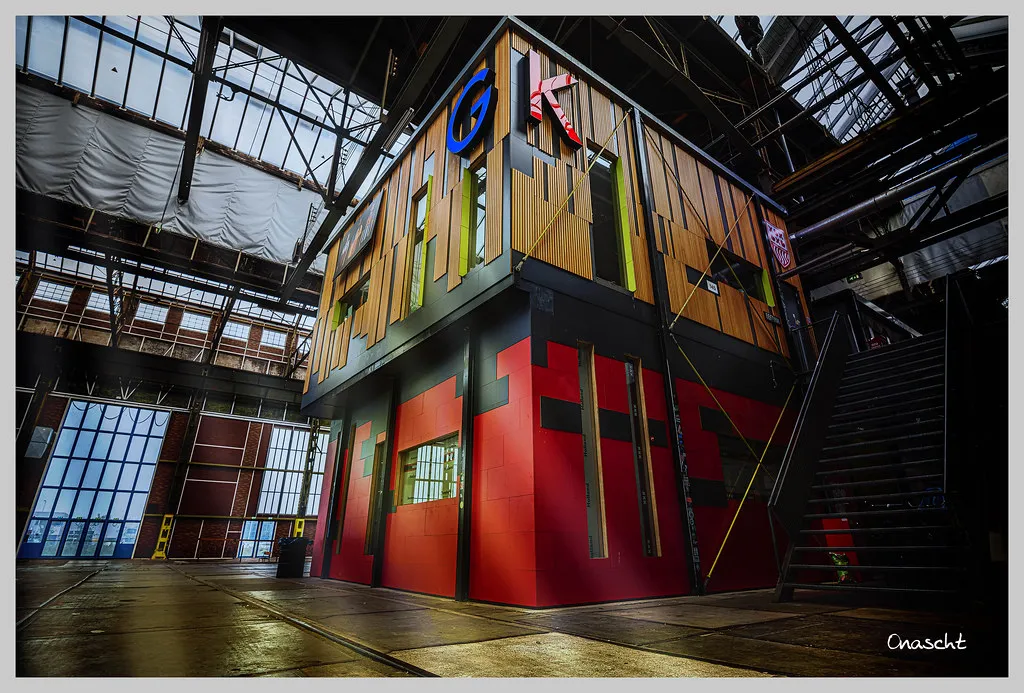
Rembrandtplein concentrates the city's biggest mainstream clubs: Escape, Club Air, and Claire. Reguliersdwarsstraat, just west of the square, is the gay strip and runs most of the city's queer nightlife. NDSM Wharf is reached by free GVB ferry F4 from Amsterdam Centraal in roughly 15 minutes. Shelter (underground, techno-focused) and Garage Noord are the two headline clubs here. For lodging close to the action, see our things to do in Amsterdam at night guide.
Red Light District: Bars and Brown Cafes in De Wallen
De Wallen (the Red Light District) is Amsterdam's most photographed neighborhood and its most misread. Skip the aggressive tourist bars on Warmoesstraat and head deeper. Hill Street Blues is a graffiti-covered alternative bar with a local crowd; 't Aepjen on Zeedijk 1, built in 1546, is one of the oldest wooden buildings in the Netherlands and still serves drinks nightly.
Under the 2026 Project 1012 rules, street dealing remains illegal and widely enforced, and window brothels are gradually being relocated to the planned Erotic Center south of the city. Photography of sex workers is strictly banned, and doing so will get you surrounded quickly. Keep your phone in your pocket on Oudezijds Achterburgwal and Oudezijds Voorburgwal.
For a structured introduction, a Red-Light District pub crawl starting near Players bar on Warmoesstraat is a safer first-night option than wandering in solo. Ignore anyone offering cocaine on the street: the powder is almost always flour, sugar, or washing powder, and buying from street dealers is the fastest way to lose 50 EUR.
Best Amsterdam Clubs by Music Genre
Amsterdam is a global capital of techno, but the scene is broader than the cliché suggests. Matching the club to the sound saves you a wasted cab fare.
- Techno and house: Shelter (Overhoeksplein 3), RADION (Louwesweg 1), Garage Noord, Thuishaven for Sunday daytime raves, and Ruigoord's monthly full-moon parties.
- Drum and bass: Melkweg's Cheeky Monday event is the weekly anchor. Doors from 23:00.
- Hip hop: Encore at De Melkweg, plus one-off nights at Paradiso's Basement. Prime and Claire on Rembrandtplein lean commercial hip hop and R&B.
- Jazz and live: Bimhuis on the IJ waterfront and Jazz Café Alto on Korte Leidsedwarsstraat. Paradiso books indie and rock on its main stage.
- Reggae and eclectic: Garage Noord and Claire rotate genre nights. Always check the listing, not just the venue.
Techno venues apply strict door policies: dark clothing, no button-downs at Shelter, and no large rowdy groups. Tickets for international headliners during Amsterdam Dance Event (ADE) in October 2026 routinely sell out the hour they drop. Set a TicketSwap alert. For a curated list see the best clubs in Amsterdam.
Relaxed Nights: Brown Cafes, Listening Bars, Cocktail Lounges
Not every Amsterdam night ends at 06:00 on a sweaty dance floor. The city has a deep café culture that locals call gezellig, roughly translating to cozy, unhurried, and warm. Brown cafes like Café Chris (Bloemstraat 42, opened 1624), Café 't Smalle in the Jordaan, and De Sluyswacht on Jodenbreestraat anchor the traditional end. Order a jenever (Dutch gin) rather than a cocktail to match the room.
The listening bar scene has expanded sharply in 2025 and 2026. Canvas on Wibautstraat, Radio Radio in East, and Volta in Noord play vinyl-only sets at conversational volume. Dress is smart casual rather than club wear, and most close by 03:00.
For cocktails, Door 74 on Reguliersdwarsstraat (reservation required, speakeasy-style) and Tales & Spirits near Dam Square sit at the high end around 14 to 18 EUR per drink. The alcohol-free and sober scene is growing as well: Surf Club offers zero-proof cocktails, and many listening bars carry a full non-alcoholic menu. See our best bars in Amsterdam guide for more.
LGBTQI+ Clubbing and Amsterdam's Drag Scene
Reguliersdwarsstraat is the historic gay strip and the default starting point. Club Nyx anchors the block with themed nights including 3xNyx till 09:00, and Soho sits next door for a more pub-style evening. Café Exit hosts drag bingo and weekly events. Prik on Spuistraat is a popular pre-drinks bar with an all-welcome crowd.
Drag has exploded in Amsterdam since 2023, with regular showcases at Gay Sauna NZ, De School reruns, and pop-up nights at Melkweg's smaller hall. Queer-focused dance nights at Garage Noord and RADION often sell out in advance. The Amsterdam Pride festival in late July 2026 turns the entire city into one rolling party, anchored by the canal parade down the Prinsengracht on the first Saturday of August.
Most LGBTQI+ events run strict respect policies: consent questions at the door, no photography on the dance floor, and awareness teams trained to intervene if guests feel unsafe. Rainbow-flagged venues are recognized citywide as safe spaces.
Private Group Events and Canal Boat Cruises
A private canal boat is the most distinctive Amsterdam group experience and the best pre-drinks you will ever have. Standard public evening cruises run 75 minutes from docks near Centraal Station and cost 25 to 45 EUR per person with drinks included. For groups of 10 to 20, a private charter from operators on the Singel or near Leidseplein runs 450 to 900 EUR for two hours.
For groups of 14 or more (bachelor, bachelorette, corporate), the constraints worth knowing: only licensed boats can enter central canals, and new 2026 emissions rules mean electric-only boats are required inside the Singelgracht ring. Catering must be pre-ordered (no open flames on most vessels), and the BYO alcohol option is cheaper than onboard bars. Book at least two weeks ahead for summer weekends and during ADE week.
For private club bookings, Jungle Club on Amstel 178 (capacity around 200) rents Monday through Wednesday for exclusive use. Rooftop venues like Canvas (on the seventh floor of the Volkshotel) work well for corporate receptions. See our things to do in Amsterdam at night for boat tour comparisons.
How to Find Gigs, Weekly Parties, and Daytime Events
Amsterdam nightlife is party-led, not venue-led: locals chase the lineup, not the address. The three tools that work in 2026:
- Resident Advisor (ra.co): the primary listings site for electronic music. Filter by Amsterdam and by week.
- Reddit r/Amsterdam: the weekly "going out" thread pins hidden warehouse raves and one-off parties.
- I amsterdam monthly concert and clubbing guide: official editorial curation, updated the first week of each month.
Daytime parties are a signature Amsterdam format, especially May through September. Thuishaven on Contactweg hosts Sunday afternoon raves that run until late evening. Lofi on Basisweg programs electronic DJs in a riverside warehouse. Der Hintergarten brings open-air techno to NDSM in summer. Tickets are typically 20 to 35 EUR.
Museum nights are the third lane. The Rijksmuseum, Stedelijk, and Van Gogh Museum open late on selected Fridays (19:00 to 22:00), and the annual Museum Night Amsterdam in early November turns 50+ institutions into one ticketed after-dark circuit. Art after dark is the best non-club option for a memorable Amsterdam night out.
Tickets, Payments, Dress Codes, and Amsterdam Nightlife Passes
Buy tickets in this order: the venue's own website first, TicketSwap second for resold sold-out events, then the Amsterdam Nightlife Ticket pass (complimentary entry to 30+ clubs across Rembrandtplein, Leidseplein, and near Centraal Station for 2 or 7 days) if you plan to club-hop without planning. Major ADE headliners can disappear in 60 minutes, so set an alert at release.
On payments, Amsterdam is stubbornly card-first but not in the way visitors expect. Most Dutch debit cards are Maestro (pinpas), and many venues refuse Visa and Mastercard outright. Some clubs operate drink-token systems where you pay one lump sum at entry and exchange chips at the bar. Carry at least 50 EUR in cash as a backup, and confirm card acceptance before ordering.
Dress codes vary more than competitor guides suggest. At techno bunkers like Shelter and RADION, wear dark clothing, avoid button-downs, and skip pristine white sneakers. Upscale cocktail bars on Reguliersdwarsstraat enforce smart casual: no tracksuit bottoms or flip-flops. For queer parties, expressive dress (leather, mesh, colour) is welcome and sometimes expected. Every venue publishes house rules on its site; read them.
Late-Night Food, Transport, and Safety Essentials
After-hours food in Amsterdam falls into three tiers. FEBO vending-wall kiosks (Reguliersbreestraat, Leidsestraat, and several near Centraal) sell hot kroketten and burgers 24 hours. The kapsalon, a pan of fries topped with shawarma, Gouda, salad, and sambal, is the classic post-club meal from kebab shops on Damrak, De Pijp, and around Leidseplein, and typically costs 7 to 10 EUR. For sit-down at 03:00, Café de Prins in the Jordaan and Bar Brouw in De Pijp stay open late weekends.
Getting home at night: GVB night buses run half-hourly after 00:30, flat fare roughly 5 EUR, and cover all major residential areas. Ferries from Centraal to Noord (lines F2, F3, F4) run 24 hours and are free. For trains beyond the city, check NS; for trams and metros, use the GVB app or 9292. Uber and Bolt operate citywide; a typical ride from Rembrandtplein to Oud-West runs 12 to 20 EUR. Avoid hailing street taxis: drivers sometimes fake a broken card machine to force an ATM detour.
Safety is generally high. Stay alert in crowded De Wallen for pickpockets, do not cycle drunk (the fine starts at 140 EUR and rises), wear a light on your bike after dark (50 EUR fine if caught without), and keep your phone off while cycling (170 EUR fine). The drinking age is 18; most clubs are 18+, a few specify 21+ or 25+. For drug safety, the GGD Public Health Service and Jellinek clinic offer anonymous substance testing, and buying from street dealers is never worth the risk.
Explore More Amsterdam Guides
Keep planning your Amsterdam trip with these guides.
- 7 Best Amsterdam Coffee Shops and Visitor Tips
- 10 Best Amsterdam Dance Events and Attractions
- Amsterdam Nightlife for Couples
- Ultimate Amsterdam Pub Crawl Guide
- Amsterdam Red Light District Guide
- 10 Essential Amsterdam Red Light District Rules
- Amsterdam Red Light District Tour
- Amsterdam Underground Nightlife
- Best Bars in Amsterdam
- Best Amsterdam Clubs
- Best Pubs in Amsterdam
- 12 Best Amsterdam Rooftop Bars
- Gay Nightlife Amsterdam
- Leidseplein Amsterdam Nightlife
- Rembrandtplein Amsterdam Nightlife
- 12 Best Things to Do in Amsterdam at Night
Explore nightlife in other cities
Frequently Asked Questions
What is the dress code for Amsterdam nightlife?
Most venues in Amsterdam prefer a casual but smart look for evening guests. Avoid wearing sports gear or flip-flops if you plan to visit upscale clubs. Many techno venues prefer dark clothing and comfortable shoes for long dance sessions. Check the official nightlife site for specific club rules.
Are clubs in Amsterdam expensive?
Entry prices usually range between 15 and 30 euros for most popular dance clubs. Large events or international DJ nights may cost significantly more if you buy at the door. Drinks like beer or wine typically cost between 5 and 9 euros inside the venues. Buying tickets online in advance can often save you 5 euros per person.
Is it safe to walk in Amsterdam at night?
Amsterdam is generally very safe for travelers walking through well-lit and busy central areas. You should stay alert in the Red Light District where crowds can become very dense. Avoid poorly lit alleys and keep your personal belongings secure from potential pickpockets in crowded spots. Using a bike is a great way to stay mobile and safe.
Exploring the city after dark reveals a different side of its historic and modern culture.
From the loud beats of a Shelter warehouse to the quiet charm of 't Aepjen, options are endless.
Plan your route early, bring a Maestro card or cash, and make the most of the diverse **amsterdam nightlife** scene in 2026.
Enjoy the freedom of the city while staying safe and respecting the local neighborhoods.


