

8 Best Techno Cities in Europe
I have spent the last decade navigating the industrial corridors and fog-filled basements of the continent's most famous dance floors. From the concrete cathedrals of Berlin to the hidden bunkers of Tbilisi, the European techno scene offers a rhythmic pilgrimage like no other. Our team has personally vetted these destinations to ensure they represent the cutting edge of electronic music culture.
We last refreshed this guide in April 2026 to account for venue shifts, 2026 festival dates, and the continued rise of new underground hubs in the east. Planning a multi-city tour requires a solid europe nightlife hub strategy to manage travel times, visa windows, and recovery days between cities.
Techno culture relies on a shared ethos of respect and anonymity, which defines the experience in every city listed here. Check out our broader guide to europe for general travel tips between your high-intensity clubbing sessions. Whether you chase industrial grit, open-air terraces, or politically charged basements, these eight cities cover the full spectrum for serious electronic music enthusiasts. Copenhagen deserves a spot on any techno itinerary too, led by the legendary Culture Box — see the best clubs in Copenhagen.
The Evolution of European Electronic Music
The movement traces back to the collapse of the Berlin Wall and the repurposing of abandoned power plants, bunkers, and industrial warehouses into sanctuaries for a generation seeking freedom through repetitive beats. What started in a handful of German and Dutch cities has spread east into Georgia and south into Italy over the last decade. The scene is now a multi-billion-euro industry that still guards its underground core.
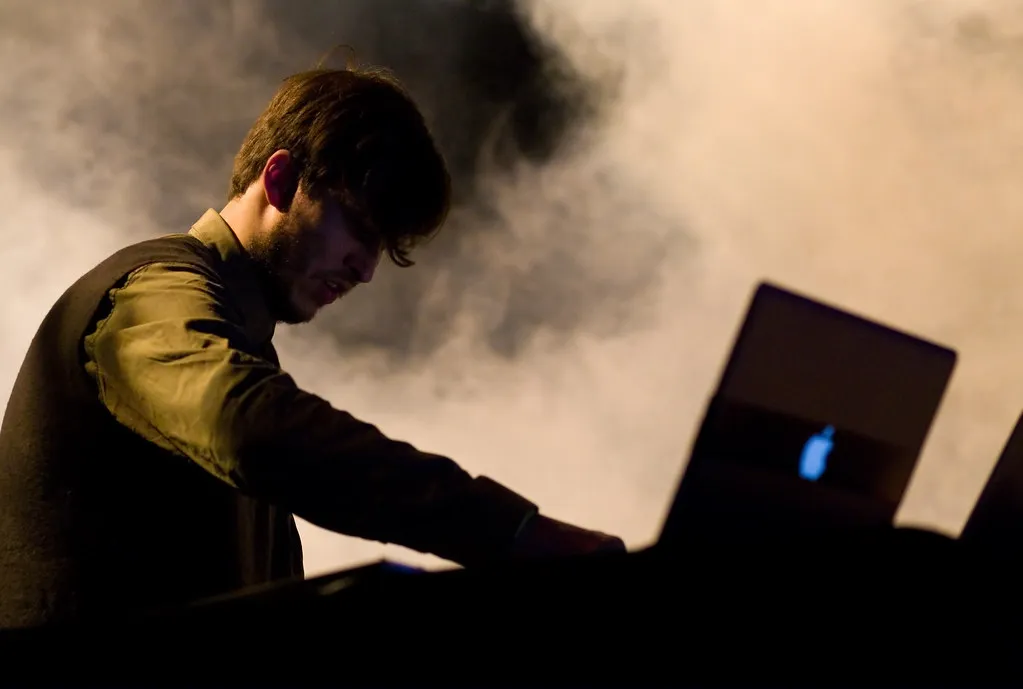
Many travelers consult lists from Hard Nights to find the loudest sound systems in each city. The sound has diversified into sub-genres like hard-groove, hypnotic, and broken techno, but the community remains tight-knit and protective. Understanding local etiquette is as important as knowing who is headlining on the main floor.
Techno is more than music; it is a social movement that often challenges political norms. In Tbilisi the dance floor has served as a site of protest against raids and drug policy; in Berlin it remains a haven for queer communities. That depth of meaning is what separates a true techno hub from a commercial nightlife destination.
Berlin, Germany
Berlin is still the undisputed capital, and its dominance is about density rather than any single venue. Clubs like Tresor, About Blank, Sisyphos, Watergate, and Berghain sit within a short U-Bahn ride of each other, and liberal licensing means parties can legally run from Friday midnight through Monday morning. Expect entry to most serious venues between 20 and 30 euros, with Berghain topping out around 25 to 30 euros for a weekend pass.
Berghain in the former power plant on Rüdersdorfer Strasse is the industrial temple everyone knows, and Tresor on Köpenicker Strasse has been pushing Detroit-influenced techno since 1991. Sisyphos in a former dog-food factory in Friedrichshain is the summer garden alternative, while About Blank leans political and queer. Skip the bottle-service clubs near Alexanderplatz that advertise techno; those are tourist traps.
Pro tip for the door: wear black, avoid groups larger than three, put your phone away before you reach the bouncer, and know who is playing that night. If you are rejected, walk to OHM, Tresor, or Ritter Butzke without a scene. Rejection is almost always about capacity balance, not you specifically.
Amsterdam, Netherlands
Amsterdam is Europe's industry hub, powered by Amsterdam Dance Event (ADE) in mid-October when the entire city becomes a five-day conference with over 2,500 artists across 200 venues. Outside ADE the scene is more specialist than Berlin's but just as serious, anchored by Shelter beneath the A'DAM Tower and Radion in a former dental school. Entry typically runs 18 to 40 euros depending on the headliner.
Take the free 24-hour ferry from Central Station to Buiksloterweg for Shelter, and arrive before 02:00 to avoid the heaviest queues. Radion hosts longer experimental programs, Garage Noord pulls a younger crowd near Noord metro, and De School's closure in 2023 shifted energy toward smaller spots like Thuishaven and Lofi. Book accommodation in Noord or Amsterdam-West if ADE is your target week — centrum prices triple and taxis get impossible after 04:00.
Dutch door policy is noticeably softer than German, but capacity is strict and pre-sale tickets are near-mandatory for anything touring. Dress code is relaxed; smart-casual black or techno-functional works anywhere. Bring a card, as most Dutch venues are cashless, and expect coat check to cost 2 to 4 euros on top of entry.
London, UK
London's strength is diversity — drum and bass, UK garage, industrial techno, and dubby broken beat all share space with European techno imports. Fabric in Farringdon remains the flagship for serious weekend programming with its famous Room One bodysonic floor, and E1 in Wapping has filled the warehouse void with a bespoke Funktion-One rig. Expect 22 to 40 pounds (roughly 26 to 47 euros) for entry, with advance tickets strongly recommended.
Tobacco Dock hosts Junction 2 warehouse series, Ministry of Sound anchors Elephant and Castle for nostalgia-driven big-room nights, and smaller spots like The Cause in Tottenham Hale and FOLD in Canning Town are where the post-pandemic underground has settled. Printworks closed in 2023, so do not rely on any guide that still lists it.
Licensing hours end earlier than Berlin — most clubs close between 06:00 and 08:00 — so arriving by 00:30 gives you a proper night. Door policy is the most relaxed of any major European techno city, but security is strict: come prepared for pat-downs and expect to surrender any liquids. Night Tube runs Friday and Saturday on the Central, Jubilee, Northern, Piccadilly, and Victoria lines.
Barcelona, Spain
Barcelona pairs industrial techno with open-air Mediterranean terraces, which no northern city can match. Razzmatazz in Poblenou hosts techno in its Loft room (check the lineup carefully — the main room is often indie), Nitsa inside Sala Apolo has been programming underground since 1994, and INPUT at Poble Espanyol leans harder and more industrial. General admission usually runs 18 to 28 euros and often includes one drink if you arrive before 02:00.
Summer is prime time, when La Terrrazza opens on Montjuïc from May through September with open-air house and techno, and the city hosts Sónar in mid-June and Off-Week around it. Moog near Plaça Reial is a 300-capacity vault for purists, and Macarena Club in the Gothic Quarter holds just 80 people with the DJ booth in the middle of the floor — arrive before midnight or forget about entry.
Spanish timing is late even by techno standards. Nothing meaningful happens before 01:30, peak is usually 03:00 to 06:00, and clubs often run until 07:00. Pace yourself with a late nap and a proper dinner, and plan for metro to resume around 05:00 on weekends if you finish before that.
Ibiza, Spain
Ibiza is the summer residency capital, running roughly from late April opening parties through early October closings. DC-10 near the airport remains the underground anchor with Monday Circoloco residencies, Hï Ibiza in Playa d'en Bossa competes with Ushuaïa for the biggest production budgets in the world, and Pacha keeps the 1970s legacy alive with eclectic programming. Entry is the most expensive in Europe at 50 to 90 euros for major nights, and a single long drink inside often costs 18 to 25 euros.
DC-10's Monday daytime terrace is the unmissable rite of passage, and Cova Santa hosts smaller, more intimate nights with curators like Black Coffee. Amnesia runs techno on Tuesdays with Cocoon and similar residencies. Book flights and accommodation four to six months in advance for June through September, or target shoulder-season opening and closing weeks in May and early October for lower prices and the most enthusiastic crowds.
The cost equation only works if you plan carefully. Stay in Playa d'en Bossa or San Antonio rather than Ibiza Town for club access, pre-drink at a beachside chiringuito, and use the Discobus night service (around 4 euros) instead of taxis that mark up heavily after 03:00. Skip Ibiza entirely if your budget is under 150 euros per day; Berlin or Barcelona will deliver better techno for a third of the cost.
Tbilisi, Georgia
Tbilisi is the only city on this list that genuinely rivals Berlin on musical integrity, and it does so at a fraction of the price. Bassiani beneath Dinamo football stadium is the temple — dark, hard, uncompromising — and its sister club Khidi under the Baratashvili Bridge holds industrial techno residencies most weekends. Entry is typically 20 to 40 lari (roughly 7 to 14 euros), which makes a full weekend cheaper than a single Ibiza cover.

Bassiani's door is among the strictest in Europe, but the policy is ideological rather than fashion-based — the team looks for people who understand the venue's political and queer-safe history after the 2018 police raids and the White Noise movement that followed. Read the code of conduct on the website before arriving. Mtkvarze and Left Bank fill out the scene, and Horoom Nights at Bassiani are dedicated queer evenings.
A crucial logistics note most guides miss: Georgia is not in the Schengen Area, so a Tbilisi trip uses none of your 90-day Schengen allowance. Most Western, EU, UK, and US passport holders get 365 days visa-free on arrival, which makes Tbilisi an ideal circuit-breaker between two separate Schengen stints. Book flights via Istanbul, Warsaw, or Vienna; the city is cheapest on weekdays and direct taxis from the airport cost around 30 lari.
Paris, France
Paris has the longest-running continuous techno scene in Europe after Berlin, anchored by Rex Club on Grands Boulevards, which has hosted electronic music since 1988 and still runs Laurent Garnier residencies. The French capital has a distinctive taste — cleaner, more melodic, more connected to the Detroit lineage — and a newer wave of industrial warehouse parties is reshaping the suburbs. Entry at Rex runs 12 to 22 euros, genuinely affordable for a capital.
Concrete closed in 2019, but its DNA lives on at T7 and Petit Bain, both floating venues on the Seine. La Machine du Moulin Rouge programs techno on weekends in its basement, and one-off warehouse parties via collectives like Possession and Dement3d happen across Pantin, Saint-Denis, and Aubervilliers — follow their Instagram for announcements 10 to 14 days out. These suburban parties often start earlier (midnight) and end by 07:00, aligned with RER schedules.
Paris door policy is moderate, but the scene rewards knowledge. Learn two or three current French residents (DJ Deep, Molly, D'Julz, Traumer, Mad Rey) so you can answer "who are you here to see" credibly. Night buses (Noctilien) cover most of the city between 00:30 and 05:30; the metro restarts around 05:30 on weekends, and a taxi across central Paris after close typically runs 18 to 30 euros.
Rome, Italy
Italy's scene runs on its own distinctive "industrial Italian" sound — darker, rawer, often more cinematic than German techno — and Rome is the best entry point. Spazio 900 in the EUR district is a 1,400 square-meter neoclassical hall used for major one-off events rather than weekly programming, while Neo Club near Piazza del Popolo runs smaller underground nights several times a week. Tickets for headline events run 25 to 45 euros; smaller nights are 10 to 20 euros.
Rome rewards planning because the best parties are event-driven rather than venue-driven. Check Ra.co, DICE, and local collectives like Stratosfear and Mutamento for dates two to four weeks ahead. If you are flexible, extend to Naples for Duel Club in a former NATO military base, or continue south to Catania for Afrobar, a beachfront venue with a sand dance floor that captures Sicily's unique "lido" clubbing culture in summer.
Italian timing is similar to Spanish — do not show up before 01:00. Roman nightlife is spread out, so plan around metro closing times (23:30 weekdays, 01:30 Friday and Saturday) or budget for 15 to 25 euros in cabs. Door policy is easygoing but Italian bouncers will refuse anyone visibly too drunk, a stricter standard than most travelers expect.
Vibe vs Accessibility: How the Eight Cities Compare
Choosing between these cities comes down to three variables: door strictness, dominant sonic style, and how much your budget can absorb. Berlin and Tbilisi sit at the strict end of the door spectrum and the hardest end of the sound spectrum. London and Amsterdam are moderate on both. Ibiza is easy on the door but brutal on the wallet. The table below summarises the trade-offs so you can match your temperament and budget to the right first stop.
- Berlin: door strictness HIGH, music industrial and hypnotic, entry 20 to 30 euros, weekend budget 200 to 300 euros.
- Amsterdam: door strictness LOW to MEDIUM, music technical and melodic, entry 18 to 40 euros, weekend budget 250 to 400 euros (double during ADE).
- London: door strictness LOW, music diverse (techno, DnB, UKG), entry 26 to 47 euros, weekend budget 300 to 500 euros.
- Barcelona: door strictness LOW, music industrial with open-air melodic, entry 18 to 28 euros, weekend budget 200 to 300 euros.
- Ibiza: door strictness LOW, music big-room house and tech-house with underground pockets, entry 50 to 90 euros, weekend budget 600 to 1000+ euros.
- Tbilisi: door strictness HIGH (ideological), music hard industrial, entry 7 to 14 euros, weekend budget 100 to 180 euros.
- Paris: door strictness MEDIUM, music melodic and Detroit-influenced, entry 12 to 22 euros, weekend budget 220 to 350 euros.
- Rome: door strictness LOW to MEDIUM, music industrial Italian and cinematic, entry 10 to 45 euros, weekend budget 180 to 280 euros.
If this is your first European techno trip, start with Berlin or Barcelona — both are forgiving entry points with enough venue density that one rejection will not ruin the night. Save Tbilisi and Ibiza for the second and third trips when you have calibrated expectations.
The Afters Ritual: Where Locals Actually Connect
Every serious techno city has a morning ritual that most travel guides ignore, and it is where the actual community bonds. The club closes at 10:00 or stays open until Monday, but the conversations, the next-week plans, and the friendships happen over coffee and eggs afterward. Missing the afters is missing half the culture.
In Berlin it is Sunday late lunch at Süsse Sünde or Commonground near Ostkreuz after Sisyphos, or Panorama Bar's upper floor at Berghain where you can sit by the window at sunrise. In Tbilisi, regulars move to the cafes around Vake Park or Fabrika's courtyard for khachapuri around 09:00. In Amsterdam, Spaghetteria Pasta Bar in Noord opens at lunch on Sundays and fills with post-club crowds. Barcelona's afters scene hits churros at Granja Dulcinea in the Gothic Quarter before sleep. In London, the classic post-Fabric move is Beigel Bake on Brick Lane for a 5 am salt beef bagel.
The social rule is simple: do not talk about what you took, do talk about the music you heard, and let someone else make the next-venue suggestion. Long-term regulars in every city I have visited got there through after-hours conversations, not through queueing at a second club. Build one slow breakfast into each weekend and the scene opens up.
How to Survive Strict Door Policies
Navigating the door at Berghain, Bassiani, or any serious venue is the most stressful part of a trip, and the rules are consistent across cities. Bouncers are balancing the crowd's vibe, gender ratio, and capacity in real time. Knowing the DJs playing that night is the non-negotiable baseline — not the top of the lineup, but at least one resident or opener by name.
Wear black or muted tones, avoid flashy logos and visible branding, and do not arrive with a large group. Two to three people is the sweet spot; solo entry is easier than a group of five. Do not be audibly drunk, do not film the queue, and do not negotiate if rejected. Walk away calmly and try the next venue — every city on this list has at least four serious alternatives within a short ride.
One Berlin-specific nuance: the Berghain Line Live Instagram page crowdsources real-time queue intel, and entering between 04:00 and 07:00 on Sunday morning is statistically easier than Saturday night. Bassiani in Tbilisi requires you to scroll through the club's code of conduct on the website and understand its queer-safe, anti-racist, anti-homophobic ethos — the door team explicitly filters for this.
Best Time of Year for Techno Travel
Timing changes the type of trip you will have. Mid-October (13 to 19 in 2026) is Amsterdam Dance Event, and the entire city becomes a conference plus festival with over 2,500 artists. Book accommodation and tickets four months ahead or pay triple. June through early September is Ibiza season; opening parties in the last week of April offer the same lineups for 30 to 40 percent less.
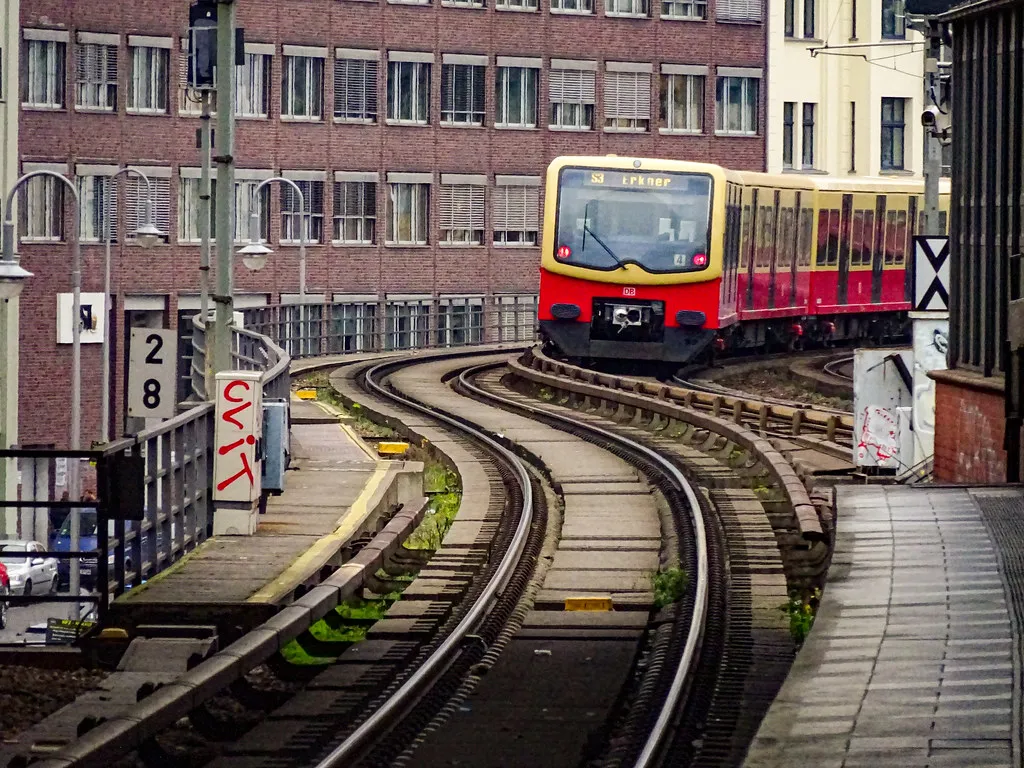
Mid-June brings Sónar in Barcelona (2026: 18 to 20 June) with Off-Week events across the city. Winter (November through February) is counterintuitively the best time for Berlin and London because the focus shifts into the dark indoor basements where the sound was designed to be heard. Tbilisi is excellent year-round but peaks in May and September during shoulder-season festivals.
Rome and Paris are steadier across the calendar because they rely on one-off events rather than seasonal programming. Follow Ra.co, DICE, and local collective Instagrams 10 to 21 days out to catch warehouse dates. Book accommodation near metro stations in every city — you will be coming home at sunrise, and a 20-minute walk at 07:00 on a cold morning will shape your memory of the night more than the music did.
Frequently Asked Questions
What is the best city for techno in Europe?
Berlin is widely considered the best city for techno due to its historical roots and massive club density. However, Tbilisi is rapidly gaining a reputation as the most exciting new underground destination in Europe.
How much does it cost to go clubbing in Europe?
Entry fees generally range from $15 in Tbilisi to $90 in Ibiza. Most major hubs like Berlin and Amsterdam average around $25 to $35 per night for high-quality techno venues.
What should I wear to a techno club in Berlin?
Wear dark, comfortable clothing and avoid flashy brands or expensive jewelry. The goal is to blend into the crowd and show that you are there for the music rather than for social status.
Europe remains the global heartbeat of electronic music, offering eight cities that each serve a different stage of a techno traveler's journey. Whether you choose the industrial grit of Berlin, the sunrise terraces of Ibiza, or the politically charged basements of Tbilisi, the experience will stay with you forever. Respect the local culture, look after your friends, and protect the scene you are visiting by leaving it the way you found it.
As the scene continues to evolve through 2026, venue changes and festival dates move quickly — bookmark each club's direct website rather than third-party aggregators. The best techno cities in Europe are those that prioritize community and sound above all else. Pack comfortable shoes, bring cash for coat checks, and prepare for a journey into the heart of the underground.