
Madrid Nightlife: 11 Essential Tips and Areas
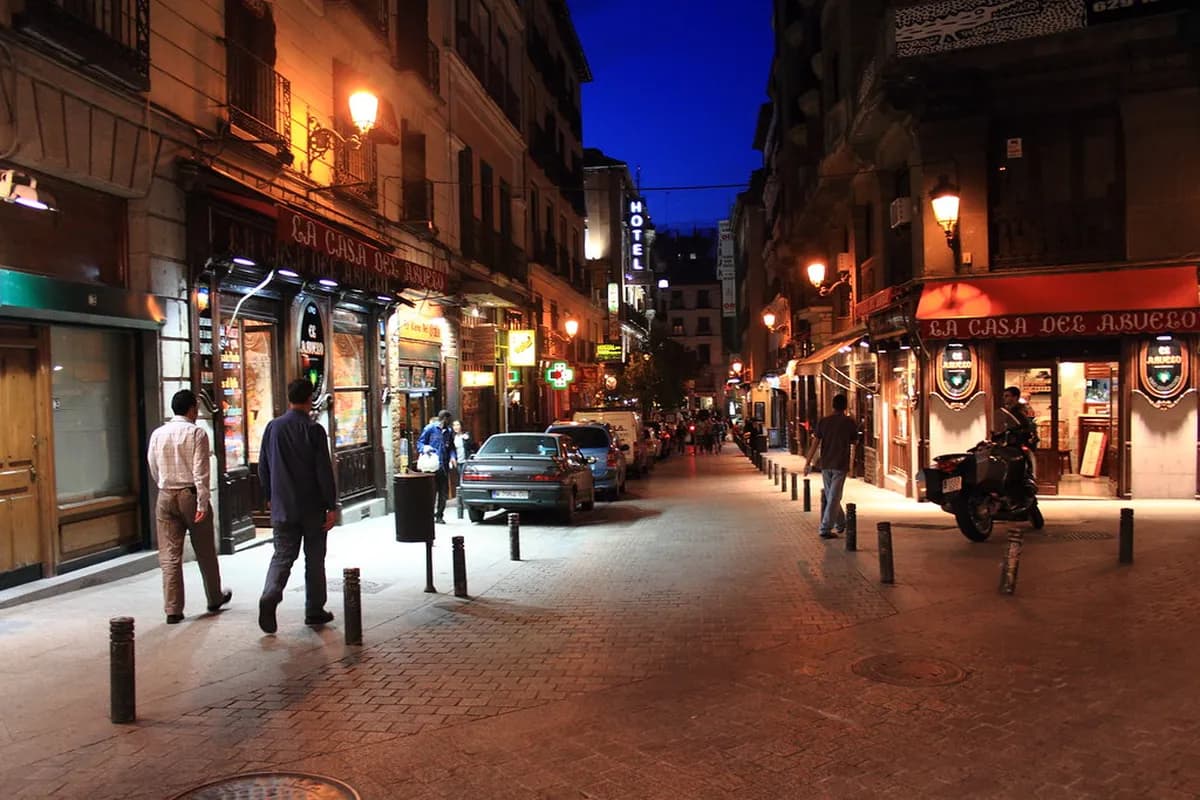
Madrid is a city that truly never sleeps, offering a vibrant energy that starts late and ends at sunrise. The streets of the Spanish capital transform into a playground for night owls as the sun dips below the horizon. Experience the legendary madrid nightlife by visiting diverse neighborhoods that each offer a unique atmosphere for every type of traveler. This guide explores the best districts and local secrets to help you navigate the evening like a true Madrileño.
Visitors often feel surprised by how late the locals begin their social activities in this bustling metropolis. Dinner might not even start until 10 PM, while the dance floors remain empty until well after midnight. Understanding these cultural rhythms is essential for anyone planning a night out in 2026. Prepare yourself for a marathon of music, dancing, and social connection that defines the Spanish capital.
Key Takeaways
- Start your night late: nothing happens before midnight in the main clubs.
- Explore diverse neighborhoods: each district offers a completely different music and social vibe.
- Use public transport: the Metro and night buses make getting home safe and affordable.
- Try the Tardeo trend: enjoy afternoon drinks in the sun for a more relaxed experience.
Madrid’s Nightlife Culture: When the Party Starts
The most important rule of the Madrid scene is that nothing happens early. Most locals do not head to bars until at least 11 PM or midnight. Walking into a club before 2 AM often means you will be the only person on the dance floor. Check the Official Madrid Portal for seasonal event schedules and updated venue hours.
A rising trend known as 'Tardeo' has changed how some people approach their weekends. This involves starting the party in the late afternoon with drinks and music in sunny plazas. It provides a more relaxed alternative for those who prefer not to stay out until dawn. Many bars now offer special afternoon sessions to cater to this growing crowd of early revelers.
Before hitting the big clubs, many groups participate in 'La Previa' or the pre-game phase. This usually happens at a friend's house or a small local bar with affordable drinks. It is a social ritual that allows friends to catch up before the loud music makes talking difficult. Expect this phase to last until at least 1 AM when the transition to larger venues begins.
Malasaña: The Indie Heart of the Movida Madrileña
Malasaña serves as the historic center of the 'Movida Madrileña' counter-culture movement from the 1980s. The neighborhood still retains its edgy, creative spirit with dozens of rock and indie bars. Vintage shops and street art line the narrow alleys, creating a bohemian backdrop for your night. You can find many of the best bars in Madrid tucked away in these historic streets.
The crowd here is generally younger and more alternative than in other parts of the city. Expect to hear plenty of classic rock, 80s hits, and modern indie tracks in the local venues. Plaza del Dos de Mayo acts as the central meeting point where the night often begins. Small, dimly lit bars offer craft beers and cocktails to a diverse mix of artists and students.
Many venues in Malasaña do not have strict dress codes, making it a very accessible area. Wear your favorite band t-shirt and comfortable shoes for a night of bar-hopping. The energy remains high until about 3 AM when many people move toward larger clubs nearby. It is the perfect place for travelers who prefer a relaxed and authentic local vibe.
Chueca: Madrid’s Vibrant LGTBI+ Hub
Chueca is world-famous for its inclusive atmosphere and high-energy nightlife scene. While it is the heart of the LGTBI+ community, everyone is welcome to enjoy the festive spirit. The neighborhood is packed with stylish cocktail lounges, drag bars, and massive dance clubs. Plaza de Chueca stays busy all night with people enjoying drinks at outdoor terrace tables.
Music styles in Chueca range from high-energy pop and disco to underground techno. Many clubs feature elaborate performances and themed nights that draw huge crowds on weekends. The trade-off for such popularity is that venues can become extremely packed and quite loud. Plan to arrive slightly earlier if you want to secure a spot in the more popular lounges.
This district offers some of the most creative drink menus in the entire city. Expert mixologists serve unique cocktails in beautifully designed spaces that feel both modern and cozy. The vibe is consistently celebratory and friendly, making it easy to meet new people. It is an essential stop for anyone wanting to experience the true diversity of Madrid nightlife.
La Latina: Tapas, Cañas, and Sunday Sessions
La Latina is the go-to destination for a traditional Spanish tapas crawl known as 'tapear'. Calle de la Cava Baja is famous for having a high concentration of historic taverns. Locals gather here to share small plates and glasses of beer or vermouth. The atmosphere is social and lively, with people often spilling out onto the sidewalks.
Sunday afternoons are particularly special in this neighborhood due to the Rastro flea market. After shopping, thousands of people head to La Latina for 'Sunday Sessions' that last all evening. It is one of the few times you will see Madrid bars packed during the daylight hours. The transition from daytime social drinking to nighttime partying is seamless in this district.
The trade-off in La Latina is that it can feel very crowded during peak weekend hours. Finding a table can be difficult, so be prepared to eat and drink while standing. This is part of the authentic experience that locals have enjoyed for generations. Keep your belongings close as the dense crowds can sometimes attract opportunistic pickpockets.
Huertas (Literary Quarter): Traditional Taverns and Live Music
Huertas is also known as the Literary Quarter because many famous Spanish writers once lived here. The area blends historic charm with a very active and tourist-friendly nightlife scene. Calle de las Huertas is the main artery where you will find endless bars and pubs. It is a great place to find best pubs in Madrid with international atmospheres.
Live music lovers should head to the various jazz and blues clubs hidden in the side streets. These intimate venues often host talented local and international performers every night of the week. The vibe is generally more sophisticated and relaxed compared to the loud clubs of Sol. It is an ideal neighborhood for a date night or a long conversation over drinks.
Many venues in Huertas cater specifically to travelers, so English is widely spoken here. You can find everything from traditional Spanish taverns to modern Irish pubs and wine bars. The central location makes it easy to walk to from most major hotels in the city center. Prices are moderate, though some spots right on the main street may be slightly higher.
Salamanca & Castellana: Sophisticated and Upscale Venues
The Salamanca district is where you will find the most exclusive and luxurious clubs in Madrid. Expect to see high-end fashion, luxury cars, and a very polished crowd in this area. Many of the best clubs in Madrid are located here and require guest list entry. Check the Madrid Destino site for information on high-profile gala events.
Dress codes in Salamanca are very strict compared to the rest of the city. Men should wear collared shirts and dress shoes, while women typically opt for elegant dresses. Bouncers will frequently turn away anyone wearing sneakers or casual athletic gear. The trade-off for the high entry price is a more spacious and glamorous environment.
Entry fees can range from 20 to 50 Euros, usually including one or two drinks. Table service and VIP areas are the standard for those who want a more private experience. The music usually leans towards mainstream house, commercial hits, and reggaeton. It is the perfect choice for a special occasion or a night of high-end indulgence.
Argüelles & Moncloa: The Student Party Scene
Argüelles and Moncloa are the primary hubs for the city's massive university population. Because of the students, the bars here offer some of the cheapest drinks in the capital. You will find many 'low-cost' bars where a bucket of beer is very affordable. The energy is young, loud, and unpretentious, focusing on fun rather than fashion.
The music in this area is a mix of Spanish pop, rock, and international hits. Venues are often smaller and more crowded, creating a high-energy basement party vibe. It is a great place to experience a night out without breaking your travel budget. Many bars offer 'ofertas' or deals on shots and mixed drinks throughout the night.
The trade-off for the low prices is that the crowd can feel very young. If you are over 30, you might feel a bit out of place in some of the more student-heavy spots. Drink quality can also vary, so stick to simple mixers or bottled beers. It remains a fantastic area for anyone looking for a wild and budget-friendly night.
Sol & Gran Vía: The Heart of the Action
Sol and Gran Vía represent the absolute center of Madrid and its most commercial nightlife. This area is home to massive, multi-story nightclubs that stay open until 7 AM. Promoters often stand on the street corners handing out flyers for drink deals and free entry. Consider joining a madrid pub crawl guide to meet other travelers in this area.
The venues here often feature impressive light shows, go-go dancers, and international DJs. Because it is the most tourist-heavy area, the crowd is incredibly international and diverse. You can find a party every single night of the week in the streets around Sol. The convenience of being in the city center makes it a very popular choice for visitors.
Be aware that some bars in this area can be 'tourist traps' with inflated prices. Always check the price of a drink before ordering if it is not clearly listed. Despite the commercial feel, the energy of thousands of people partying together is infectious. It is the best place to go if you want a big club experience without traveling far.
Late Dining in Madrid: Where to Eat After Midnight
No night out in Madrid is complete without a post-party meal in the early morning. The most iconic ritual is chocolate with churros at Chocolatería San Ginés on Pasadizo de San Ginés 5, a short walk from Sol and open 24 hours, seven days a week. Expect a queue out the door between 4 and 6 AM every weekend. A plate of six churros with a thick cup of chocolate runs about 5.50 EUR in 2026. You can find more dining tips on the Bloggin' Madrid page for foodies.
If you want alternatives that locals actually use, Chocolatería 1902 on Calle San Martín 2 opens nightly until 7 AM and has shorter lines than San Ginés. Chocolatería Valor on Postigo de San Martín 7 stays open until 2 AM on weekends and serves a slightly thicker chocolate preferred by traditionalists. For savoury, a 'museo del jamón' on Gran Vía or Carrera de San Jerónimo sells Iberian ham bocadillos for 2 to 4 EUR until 2 AM. Pizza and kebab windows along Calle Montera and Calle de la Luna stay open until 7 AM most nights.
These eateries double as social hubs where clubbers recover before the first Metro at 06:00. It is also a cheap alternative to an expensive late-night taxi home. Grab a seat, share a plate, and let the sugar kick in before you head back to the hotel.
Seasonal Nightlife Calendar: What Changes by Month
Madrid's scene shifts meaningfully across the year, and knowing the calendar saves you from mismatched expectations. From late June through early September, indoor clubs thin out as locals decamp to rooftop terrazas and outdoor pools. Fabrik, Kapital, and the bigger venues run lighter programming in August; some close for two weeks around the 15th. If you visit in summer, plan around terrazas in Chueca, Malasaña, and the Azotea del Círculo rather than basement clubs.
Early July brings Madrid Orgullo (Pride), the largest Pride week in Europe, centred on Chueca. Expect street parties spilling from Plaza de Chueca to Gran Vía, free outdoor stages, and clubs charging 25 to 40 EUR cover with lines from 23:00. Book accommodation in Chueca or Malasaña six months ahead. September through November is the local sweet spot: students return, club calendars relaunch, and terrazas still run warm weekends.
December pivots around Christmas lights on Gran Vía and Fuencarral, with bars packed from early evening onward. New Year's Eve concentrates in Puerta del Sol for the 12-grape countdown; most clubs sell pre-paid entry packages from 60 to 120 EUR including cava and cotillón. January and February are the quietest months, which is also when many venues host touring DJ residencies with lower door prices. If you want a Sunday session in La Latina, any month outside August delivers, but avoid the first Sunday after a long weekend when locals leave town.
Essential Tips for Going Out in Madrid
Navigating the city at night is generally easy thanks to a safe and efficient transport system. The Metro runs until 01:30 every night, providing a cheap way to get around. After the Metro closes, look for the yellow 'Búho' or night buses that cover most routes from Plaza de Cibeles and run roughly every 20 minutes until 06:00. Taxis and ride-sharing apps like Cabify, Uber, and Free Now are widely available; a cross-centre ride is usually 8 to 14 EUR.
Safety in Madrid is high, but you should still remain aware of your surroundings. Keep your phone and wallet in front pockets, especially in crowded clubs or plazas around Sol. Solo travellers should stick to well-lit main streets when walking between venues and watch for 'street promoter' scams around Gran Vía where wristbands are sold for venues that do not honour them. Never accept drinks from strangers, and keep your drink covered in packed clubs.
- Metro: open 06:00 to 01:30, single ride 1.50 to 2 EUR depending on zones.
- Night bus 'Búho' lines: 27 routes from Plaza de Cibeles, every 20 minutes until 06:00.
- Club entry: 12 to 20 EUR at mid-range venues, 25 to 40 EUR at Kapital or Fabrik, usually one drink included.
- Dress code: casual in Malasaña and Argüelles, smart casual in Huertas and Sol, collared shirts and closed shoes required in Salamanca.
- Guest lists: follow venues on Instagram for free-entry or reduced-cover links before midnight.
- Drinks: caña of beer 2.50 to 3.50 EUR, copa 8 to 12 EUR at most clubs, 14 EUR and up on rooftops.
Local Nightlife Etiquette and Vocabulary
Learning a few local terms will help you feel more like a local in the bars. A 'Caña' is a small draft beer, while a 'Copa' refers to a mixed drink. If you want a large beer, ask for a 'Doble' or a 'Jarra'. Tipping is not mandatory in bars, but leaving small change is always appreciated.
Spanish social culture is very inclusive and people often talk to strangers in bars. Do not be surprised if someone starts a conversation while you are waiting for a drink. The goal is usually social connection rather than just heavy drinking. Pace yourself with water and tapas to ensure you can stay out until the morning.
Respect the local residents by keeping your voice down when walking through residential streets. Madrid has strict laws against 'Botellón' or drinking in public squares and streets. Police may fine you if they catch you with open containers in public areas. Stick to the licensed terraces and bars to avoid any legal trouble during your trip.
Explore More Madrid Guides
Keep planning your Madrid trip with these guides.
- 18 Best Bars in Madrid
- 10 Best Madrid Clubs and Nightlife Guide
- 11 Best Pubs and Nightlife Areas in Madrid
- 12 Best Rooftop Bars in Madrid
- Huertas Madrid Nightlife Guide
- Live Music Venues Madrid
- Madrid Gay Nightlife Guide
- Madrid Pub Crawl Guide
- Best Bars, Clubs & Live Music in Madrid
- 12 Things To Do In Madrid At Night
Explore nightlife in other cities
Frequently Asked Questions
When do people go out in Madrid?
Most people in Madrid start their night around 11 PM or midnight. Clubs don't usually get busy until 2 AM and stay open until 6 or 7 AM. If you go out earlier, you will mostly find tourists. For more on timing, see our best rooftop bars in Madrid guide.
Is Madrid nightlife safe for solo travelers?
Yes, Madrid is considered one of the safest European capitals for nightlife. The streets are busy all night, which provides safety in numbers. However, you should watch for pickpockets in crowded areas like Sol. Always keep an eye on your drink in busy clubs.
What is the dress code for Madrid clubs?
Dress codes vary significantly by neighborhood. Malasaña is very casual, while Salamanca requires dress shoes and shirts. Most mainstream clubs in the center prefer a 'smart casual' look. Avoid wearing flip-flops or swimwear if you want to ensure entry into most venues.
How much does a night out in Madrid cost?
A typical night can cost between 30 and 70 Euros depending on your style. Beers are cheap at 3 Euros, but club entry fees are often 20 Euros or more. Eating tapas before heading out is a great way to save money on expensive club food.
Madrid offers one of the most exciting and diverse nightlife scenes in the entire world. From the indie bars of Malasaña to the luxury clubs of Salamanca, there is something for everyone. The key to a successful night is to embrace the local schedule and start your evening late. Don't forget to finish your adventure with a warm plate of churros as the sun begins to rise.
Whether you are looking for a wild dance floor or a quiet jazz club, the city will not disappoint. The energy of the Spanish capital is truly infectious and will leave you with lasting memories. Plan your route through these 11 essential areas to experience the best the city has to offer. Enjoy your journey into the heart of the legendary Madrid nightlife tonight.


