Helsinki Nightlife Guide: 8 Essential Tips and Top Venues
Helsinki transforms when the sun sets, especially during the white nights of summer or the glass-dark winter evenings. The capital runs on two tracks: a legendary underground techno circuit built around Kallio, and a design-driven cocktail scene in Punavuori and the city centre. Bars close at 02:00, clubs at 04:00 on weekdays and 05:00 on weekends, and a single afterhours spot keeps pouring until 08:00. This guide explains where to drink, when to arrive, what you will pay, and how to get home.
Nightlife here rewards a little planning. Age limits routinely jump to 22 or 24 at specific venues, alcohol is among the most expensive in the EU, and public transport thins out after midnight. Travelers often pair a trip to Finland with a night out in the capital because the scene packs Nordic sophistication into a compact, walkable city. Knowing the local rhythm — sauna first, Alko before 21:00, Kallio around 23:00, Ääniwalli at 01:00 — is what separates a smooth night from a cold, broke detour.
Key Takeaways
- Clubs close at 04:00 on weekdays and 05:00 on weekends; bars shut at 02:00–03:00, and Stidilä keeps going until 08:00.
- Age limits are frequently 22 or 24 at clubs like Kaiku and at cocktail bars such as Liberty or Death — check the door policy before you walk over.
- Budget a standard beer at 8–12 EUR, a cocktail at 14–18 EUR, and club entry at 10–20 EUR; state-owned Alko closes at 21:00 for cheaper pregame supplies.
- HSL night buses (prefix N, e.g. N11, N18, N21) run Fri/Sat every 20–40 minutes from Rautatientori and cost 3.20 EUR via the HSL app — a cross-town taxi runs 25–40 EUR.
- Kallio is for craft beer and underground techno; Punavuori for design-forward cocktails; city centre (Kluuvi/Kamppi) for big clubs like DTM and Hercules.
Helsinki’s Nightlife Scene: What to Expect in 2026
Helsinki nightlife runs on seasonal extremes and a serious commitment to electronic music. In summer the sky never fully darkens, so terraces at Grotesk, Mbar and Kaisaniemi stay active until 03:00 and weekend clubs empty into a pink dawn. In winter the schedule tightens around cosy interiors and the techno calendar — January through March is peak season for international bookings at Kaiku and Ääniwalli.
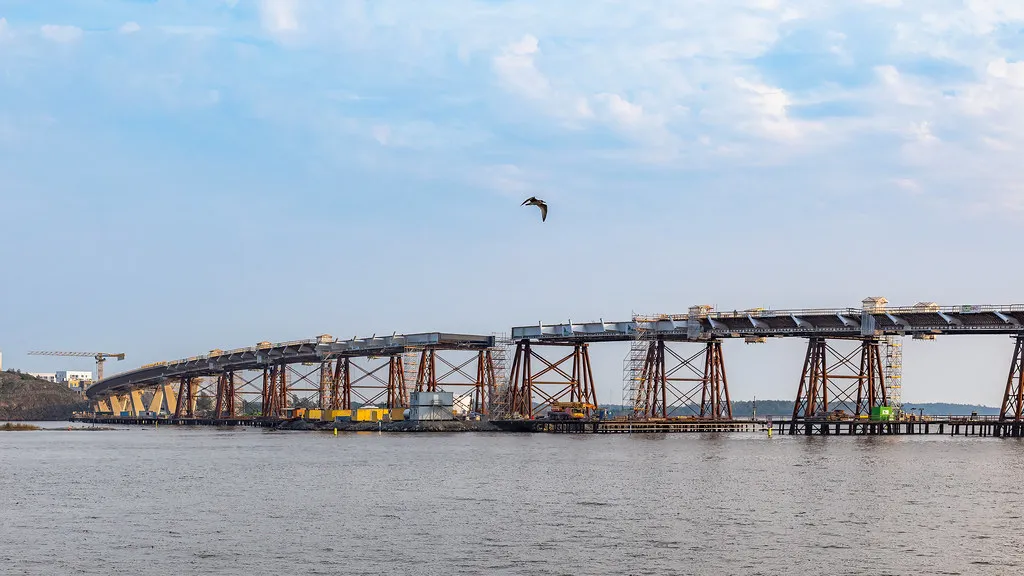
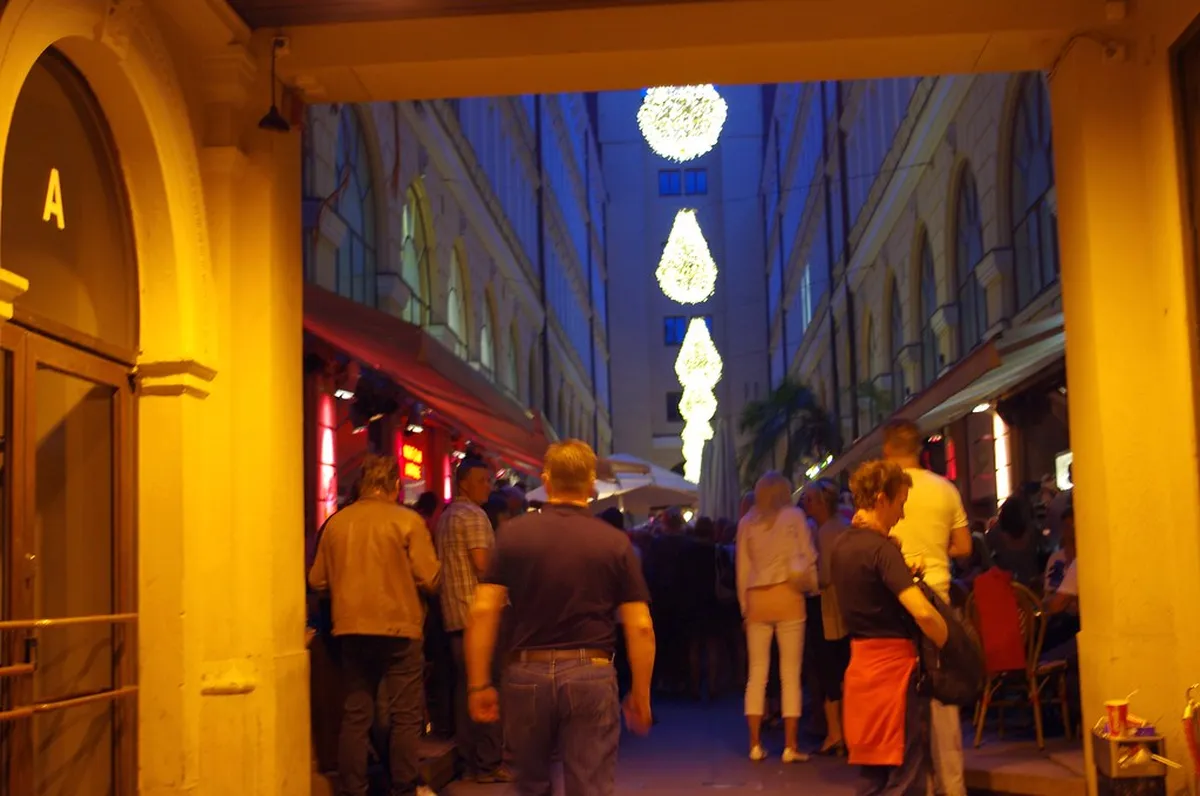
Do not expect Southern-European street bustle before 22:00. Finns start late after a home pregame ("kotibileet"), a sauna, or dinner with beers from Alko. Bars fill between 22:00 and midnight, clubs peak from 01:00, and the afterhours crowd migrates to Stidilä on Kaikukatu, licensed to 08:00. Helsinki is compact enough that a single night can realistically cover Punavuori cocktails, a Kallio club, and a sunrise walk past the Cathedral. Finland has some of Europe’s best-regulated nightlife — polite bouncers, visible security, and comfortable solo walking at 03:00 in the central districts.
Musically, the city punches above its weight: The Guardian placed Kaiku on its 25-best-clubs-in-Europe list, Post Bar is an underground reference point across the Nordics, and Flow Festival in August feeds the club circuit with international DJs who play afterparties at Ääniwalli and KULT.
Best Neighborhoods: Kallio vs. Punavuori vs. City Centre
Kallio, north-east of the main station, is the engine of alternative Helsinki. The corridor along Hämeentie and Vaasankatu is packed with pubs and craft beer bars where a pint runs 6–8 EUR — genuinely cheap by Finnish standards. The Kaikukatu "Bermuda triangle" of Kaiku, Siltanen and Kuudes Linja sits at the heart of the neighborhood, with Stidilä as the afterhours finisher. Crowd skews 20s–30s, students, artists, queer-friendly; dress is anything you want.
Punavuori, south of the central station, is the design district and home of Helsinki’s cocktail boom. Expect smaller rooms, Nordic-ingredient menus, and 14–18 EUR drinks. Liberty or Death, Pluto, Trillby & Chadwick and Apotek cluster around Uudenmaankatu and Iso Roobertinkatu. Smart-casual reads better here.
The City Centre — Kluuvi, Kamppi and Kaartinkaupunki — handles the mainstream. DTM Helsinki and Hercules (Makkaratalo building, Keskuskatu) run LGBTQ+ programming, Grotesk anchors Kaartinkaupunki for dinner-into-club nights, and chain clubs around Fredrikinkatu handle pop and top-40. Check weekly lineups on the MyHelsinki portal. Vallila (Ääniwalli) and Alppiharju (KULT) are dedicated club destinations — arrive at midnight, leave at dawn.
Top-Rated Bars and Cocktail Dens
The Helsinki cocktail scene has earned genuine international recognition. Bartenders work with Nordic ingredients — sea buckthorn, cloudberries, pine tips, spruce, smoked salt — in minimalist presentations. Menus change seasonally, drinks run 14–18 EUR, and tabs climb quickly. For the broader regional scene, see our guide to Finland nightlife.
Liberty or Death on Erottajankatu 5 is the Punavuori mixology standard-setter, with a moody low-lit room and a rotating menu of smoked negronis and rye-and-birch sours — seats fill by 22:00 on weekends. Trillby & Chadwick operates as an appointment-only speakeasy with one of the best stirred-drinks programmes in the Nordics. Grotesk at Ludviginkatu 10 pairs a Michelin Bib Gourmand dining room with a late-night DJ bar and a summer terrace that becomes one of the hottest outdoor spaces in the city centre from June through August.
Bar Kaisla on Vilhonkatu 4 holds Kallio’s beer-hall title with 100+ taps and pints at 6.50–8.50 EUR — honest, loud, denim-friendly. Mbar on Mannerheimintie 22 handles the dinner-to-drinks shift from its Lasipalatsi terrace. Chihuahua Julep enforces a strict no-phones policy — charming or annoying depending on your disposition.
Helsinki’s Best Nightclubs and Electronic Music Venues
Ääniwalli (Pälkäneentie 13, Vallila) is the flagship techno warehouse, reopened in 2024 after renovations with a 1,000 capacity and upgraded sound and lighting. Programming highlights include Korgy queer raves, Lil’ Tony’s Test Pressing nights, and VUM Open Air Sundays in summer. Doors open at 23:00, peak after 01:30.
Kaiku (Kaikukatu 4, Kallio) is the critics’ pick — The Guardian top-25-in-Europe, international house-and-techno bookings, a smaller and darker room than Ääniwalli. Next door, Kuudes Linja swings between Baltimore club, Finnish reggae and heavy techno, and Siltanen completes the Kaikukatu "Bermuda triangle" with a disco-ball living-room vibe that works when Kaiku is too intense. Post Bar at Kaikukatu 2 is the definitive underground room for experimental electronic music, curated by the Post Bar Posse.
KULT, a 2024 opening in the basement of the Alvar Aalto-designed Kulttuuritalo (Sturenkatu 4), runs a "black box" main hall for 500 people plus an upstairs mirror room. Tanner (Hämeentie 11) is a vegan café-bar with a Tannoy Westminster rig and Italo Disco nights, a strong starter for a Kallio crawl. DTM Helsinki and Hercules (Keskuskatu 8, Makkaratalo building) anchor the LGBTQ+ scene in the city centre. Pluto (Uudenmaankatu 20, Punavuori) draws a younger, indie-leaning crowd with retro pinball and 2000s-nostalgia DJ sets.
- Ääniwalli — industrial techno warehouse in Vallila, capacity 1,000, entry 15–20 EUR, peak after 01:30.
- Kaiku — world-class sound system in Kallio, entry 12–18 EUR, intimate and dark, bookings skew house and techno.
- Kuudes Linja — sibling venue on Kaikukatu, entry 10–15 EUR, eclectic mix from reggae to Darkroom techno.
- Post Bar — underground reference point in Kallio, entry 10–15 EUR, minimalist room, experimental lineups.
- KULT — 2024 opening in Alppiharju, entry 12–20 EUR, main hall plus mirrored upstairs.
- DTM Helsinki — LGBTQ+ institution in the city centre, entry 12–20 EUR, high-energy pop and electronic.
- Hercules — largest gay club in the metro area, entry 10–18 EUR, multiple floors plus covered terrace.
- Stidilä — Kaikukatu afterhours, open until 08:00, cover 5–10 EUR, the continuation spot when Kaiku closes.
Coffee and Café Culture: The Daytime Nightlife
Finns consume roughly 12 kg of coffee per person per year — the highest per-capita figure in the world — and that obsession structures the start of every night out. A late-afternoon "kahvitauko" is the socially acceptable way to meet friends before committing to alcohol, which is why Helsinki’s best cafés double as bar pre-games.
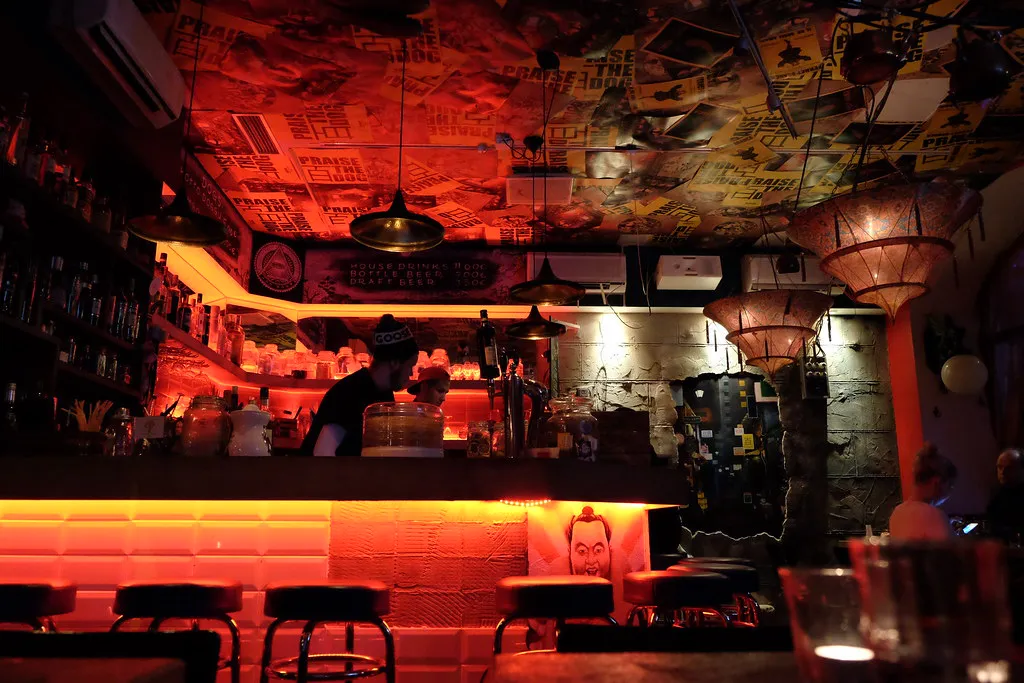
Kaffa Roastery on Pursimiehenkatu 29 in Punavuori is the third-wave anchor — single-origin pour-overs at 4–7 EUR, open 08:00–18:00. Heritage picks include Ekberg (Bulevardi 9, operating since 1852) for Finnish pastries and Café Regatta (Merikannontie 8, Töölö) for a waterfront cinnamon-bun detour.
The cleanest café-to-bar transitions are Siltanen (Hämeentie 13B) — a living-room-style café by day that flips to disco by 22:00 — and Tanner (Hämeentie 11), which serves a vegan Mediterranean menu until the DJ takes over around 21:00. Both save the cost and friction of switching venues. Practical move: aim for an espresso between 17:00 and 18:00 near where you want to drink, linger until the music shifts, and skip the separate dinner stop if your budget is tight.
The Local Pre-Game: Sauna, Alko, and Why Finns Arrive Late
A typical Friday does not start at a bar. Locals begin with a public sauna — Löyly (Hernesaarenranta 4), Allas Sea Pool near Market Square, or Kulttuurisauna in Hakaniemi — between 17:00 and 20:00, entry 12–22 EUR. Löyly has a restaurant and terrace bar, so one visit handles sauna, dinner and the first round. The sauna resets the social temperature and handles the shower question before an 05:00 finish.
The second half of the pre-game is Alko, the state-owned liquor monopoly and the only retailer for anything above 5.5% ABV. Central branches at Arkadiankatu 2 (Kamppi) and Hämeentie 3 close at 21:00 Monday–Saturday and are shut Sundays. A bottle of decent red at Alko is 9–14 EUR versus 35–50 EUR in a restaurant; a six-pack of craft beer is 14–18 EUR versus 45–60 EUR across six pub rounds. Finns stock up at 20:45, drink at home until 22:30, and enter venues already warmed up — which is why bars feel empty at 21:00 and why 15 EUR cover charges seem tolerable.
Skip this step and you blow your budget before midnight. The fix: book a 19:00 sauna slot, hit Alko by 20:30, meet friends at a Kallio apartment or café like Tanner by 22:00, and only then walk to Kaiku or Ääniwalli. It is the Helsinki equivalent of the Spanish tapas-before-club sequence, and it is what the scene is actually built around.
Practical Tips: Age Limits, Dress Codes, and Etiquette
Age limits are the single biggest source of door rejections. Legal drinking age is 18 for beer/wine and 20 for spirits, but private venues set their own rules: Kaiku, Post Bar and Ääniwalli typically enforce 20+, DTM often runs 22+, and specific cocktail bars and city-centre clubs run 24+. Club Vatican and similar karaoke/disco spots have historically enforced 22+ at the door. Check the venue’s Instagram the day of — policies change per event.
Dress runs casual-to-smart-casual. Kallio accepts anything short of athletic wear; Punavuori appreciates something considered; mainstream Fredrikinkatu clubs may refuse sneakers, sportswear, or stag-do uniforms. Winter cloakrooms (2–4 EUR) are mandatory.
Local etiquette rewards understatement. Finns give genuine personal space on the dance floor and are uninterested in loud pickup behaviour. The "observer culture" is real — a significant share of the crowd stands at the perimeter watching rather than dancing. Approaching people is fine, but read the response; a one-word answer is a signal to move on.
Solo travelers, and women in particular, should note that the social dynamic shifts after midnight as alcohol levels rise. Safety is high by international standards, but assertive attention from intoxicated locals in the central karaoke/disco strip is a recurring theme in visitor reports. Stick to the Kallio corridor, Post Bar, Kaiku and DTM — the crowds there are music-focused rather than pickup-focused, and door staff are attentive.
Budgeting for a Night in Helsinki: Price Comparison
Alcohol in Finland is among the most expensive in the EU. A pint of domestic beer in a Kallio pub runs 6.50–8.50 EUR; the same pint in a Punavuori cocktail bar climbs to 10–12 EUR. Cocktails start at 14 EUR in Kallio, 15–18 EUR in Punavuori, and 18–22 EUR at Liberty or Death or Trillby & Chadwick. Natural wine averages 11–16 EUR.
Club entry ranges widely. Free-entry weeknights are common at Post Bar, Tanner and Siltanen; Kuudes Linja and Pluto run 8–12 EUR; Kaiku is 12–18 EUR; Ääniwalli reaches 15–20 EUR and 25+ EUR for Flow afterparties. DTM and Hercules fall in the 10–15 EUR range. Winter cloakroom is 2–4 EUR, effectively mandatory.
Per-person budget tiers including an N-bus home: a Kallio night (2 pints, free-entry bar, 1 club at 10 EUR, 1 beer inside, cloakroom) runs 40–50 EUR; a mid-range mix (Punavuori cocktail, Kaiku entry, two drinks, cloakroom) runs 80–100 EUR; a full cocktail-and-Ääniwalli evening with taxi home runs 130–170 EUR. An Alko pre-game (12 EUR bottle split two ways) shaves 20–30 EUR off any tier.
Payment is effectively cashless — 95%+ of venues accept contactless cards or mobile wallets, some refuse cash. No tipping expectation; service is priced in. Keep a card on your phone plus a physical backup.
Getting Home: HSL Night Buses and Transport
Metro and most trams stop around 00:30–01:30, so the HSL night bus network carries the weekend crowd home. Night lines are prefixed with "N" and run primarily Fri/Sat from roughly 01:30 to 04:30, departing from Rautatientori and Kamppi bus terminal. A single AB-zone ticket via the HSL app is 3.20 EUR; a 24-hour day ticket is 9.00 EUR. Always check the HSL site or app for the current timetable.
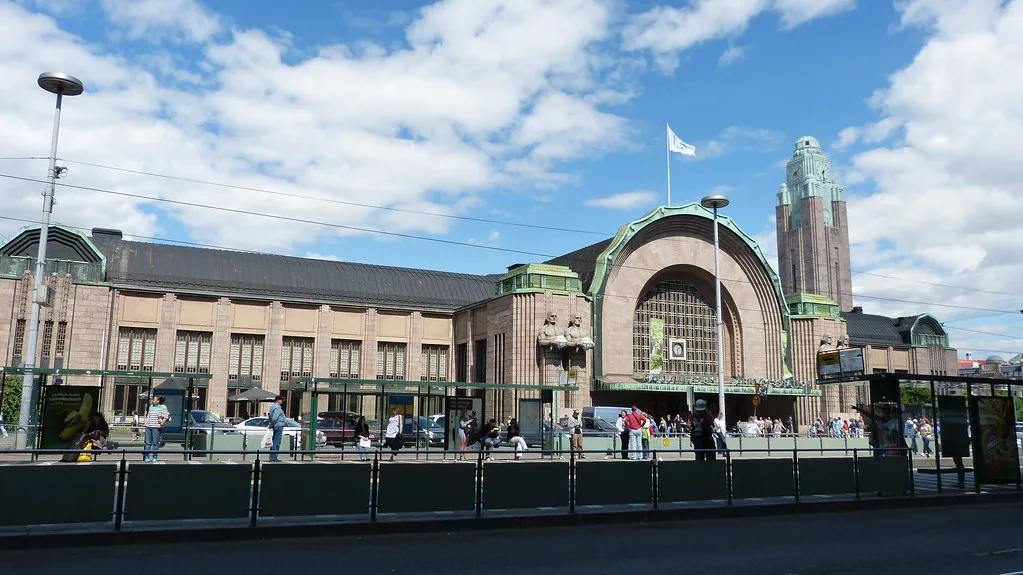
Core routes: N11 covers the south (Ullanlinna, Eira); N14 handles Lauttasaari and south-west; N18 runs to Munkkiniemi and Pohjois-Haaga; N21 serves Itäkeskus and the east; N94/N96 reach Itä-Helsinki suburbs. Lines depart Rautatientori every 20–30 minutes at peak. If you are staying central (Kamppi, Kluuvi, Punavuori, Kallio), walking is usually fastest — the downtown core is under 30 minutes end to end and safe at 04:00.
Taxis are the expensive fallback: 25–40 EUR cross-town, surge pricing after 02:00, thinning availability at peak. Call via Kovanen or Taksi Helsinki apps; Bolt and Yango operate but fleets are smaller. Four splitting approaches N-bus economics; solo or paired, the N-bus wins.
Two operational details: the HSL app accepts foreign cards and Apple/Google Pay without a Finnish SIM. If you miss the last N-bus, commuter trains from Rautatientori resume around 05:30 and bridge to the airport or southern suburbs. Plan your return route before the first cocktail.
Explore More Helsinki Guides
Keep planning your Helsinki trip with these guides.
Explore nightlife in other cities
Frequently Asked Questions
What is the legal drinking age and club entry age in Helsinki?
The legal drinking age in Finland is 18 for mild alcohol and 20 for spirits. However, many clubs in Helsinki set their own entry age limits at 22, 24, or even higher. Always check the venue's specific rules and bring a valid ID to avoid being turned away at the door.
Is Helsinki nightlife expensive for tourists?
Yes, Helsinki is known for being more expensive than many other European capitals. Expect to pay 8-12 EUR for a beer and 14+ EUR for cocktails. You can save money by visiting bars in the Kallio district or taking advantage of early evening happy hour deals.
What are the best areas in Helsinki for bar hopping?
Kallio is the best area for casual bar hopping with its high density of affordable pubs and dive bars. Punavuori offers a more upscale experience with stylish cocktail dens and wine bars. The city center is ideal for those who want to visit larger, mainstream nightclubs and lounges.
How do I get home after clubs close in Helsinki?
The HSL night bus network is the most reliable and affordable way to get home after midnight. These buses run frequently on weekends and cover most parts of the city. Taxis are available but are significantly more expensive than using public transport options.
Are there specific dress codes for Helsinki nightclubs?
Dress codes vary by venue but are generally casual in Kallio and smart-casual in the city center. Most electronic music clubs like Kaiku or Ääniwalli welcome creative streetwear. Upscale lounges may require a more polished look, so avoid wearing athletic gear if you plan to visit those spots.
Helsinki nightlife rewards travelers who respect the local sequence: sauna, Alko before 21:00, café or apartment pre-game, then Kallio or Punavuori after 22:30, with Kaiku, Post Bar or Ääniwalli running until 04:00–05:00 and Stidilä picking up the afterhours until 08:00. Budget 40–50 EUR for a Kallio night, 80–100 EUR for a mid-range mix, and pad 20 EUR for a taxi if you miss the last N-bus. Check door-age policies on Instagram the day of, bring photo ID and a contactless card, and plan the N-bus route home before the first drink. Do that, and the Finnish capital delivers one of Europe’s best-regulated, best-soundtracked, and most quietly intense nights out.