

10 Best Split Nightlife Venues and Experiences for 2026
Split transforms from a historic relic into a pulsing Adriatic hub once the sun dips behind Marjan Hill. I have spent several summers navigating the narrow limestone alleys of Diocletian's Palace to find the bars worth returning to. This guide reflects my most recent scouting trip in early 2026 to keep regulations and venue statuses current. You will find a city that blends ancient stone atmosphere with modern energy — without the relentless party-boat chaos of nearby Hvar.
The nightlife here caters to a wide spectrum of travelers, from backpackers seeking cheap beer to luxury seekers wanting harbor views. What makes Split unusual is the "restaurant-to-bar" transition inside the palace: many venues serve calamari at 21:00 and pour cocktails for a dancing crowd by 23:00. Last refreshed in February 2026, this article covers the new shop alcohol ban, the 02:00 Old Town curfew, and where to go after everything inside the walls has closed.
Key Takeaways
- Best for cocktails: Sanctuary Bar in the western Old Town.
- Best for dancing: Central Club for a high-energy cinema-style experience.
- Best for budget: Charlie's Bar is the top choice for social backpackers.
- Practical Tip: Buy alcohol from shops before 20:00 due to the 2026 ban (until 06:00).
- What to skip: Overpriced cocktail buckets on the main Riva promenade.
Understanding the Split Nightlife Scene
The evening usually begins on the Riva, the wide pedestrian promenade that separates the palace from the harbor. Locals gather here for an early coffee or an aperitif while watching the ferries depart for the islands. This area serves as the city's living room and provides a perfect vantage point for the sunset around 20:30 in summer. As the light fades, the crowd migrates into the labyrinth of the Old Town for dinner and cocktails.
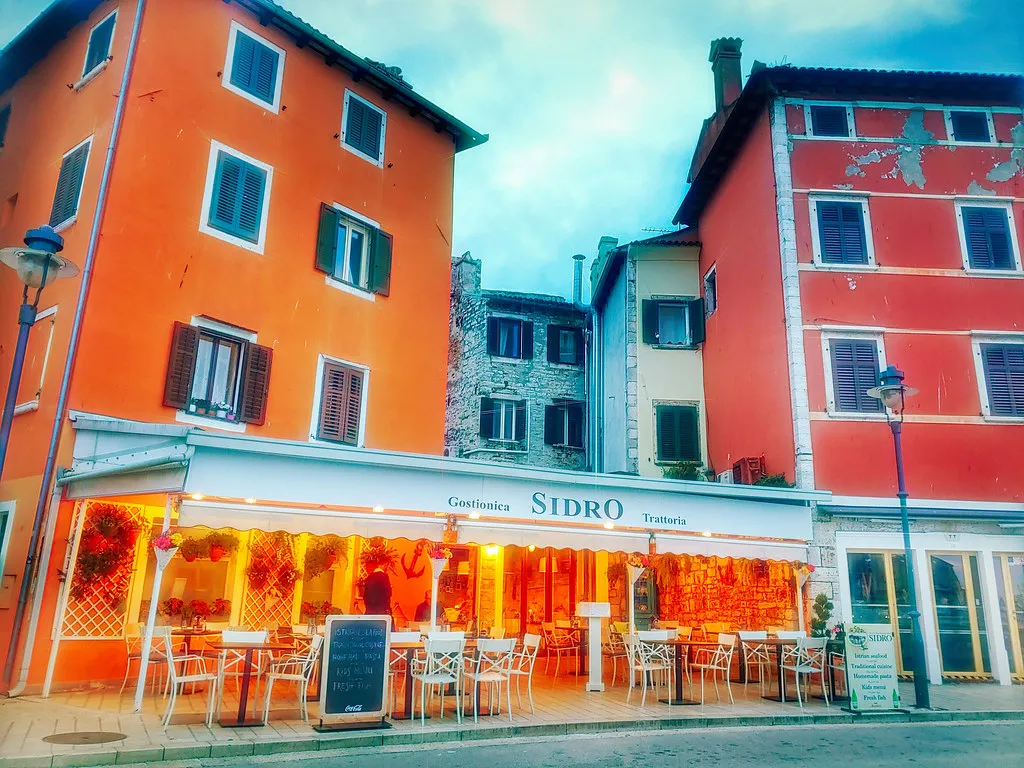
The transition from a quiet restaurant to a lively bar is a hallmark of the Croatia nightlife experience found in coastal cities. Many venues inside the palace operate as bistros during the day but clear their tables for standing room by 22:00. This shift creates a dynamic environment where you can start with a meal and end with a dance in the same room. Music levels rise significantly after dark, turning the ancient stone courtyards into intimate party spaces.
Neighborhoods play a major role in the type of experience you will have. Use the quick vibe map below to pick your zone before heading out:
- Diocletian's Palace (Old Town): historic, intimate, craft cocktails, closes 02:00.
- Riva waterfront: upscale lounges, harbor views, early start (18:00 aperitivo, last call 02:00).
- Bačvice Beach: high-energy, open-air, swimwear-friendly, runs until 05:00.
- Gripe / Poljud (west of center): bigger clubs, fewer tourists, best for a proper club night after midnight.
Best Bars in Split's Old Town (Diocletian's Palace)
The maze of limestone alleys inside Diocletian's Palace hides more than thirty bars, and most are unmarked, squeezed between rotisserie shops and souvenir stands. Street signs are essentially decorative — navigate by landmarks like the Peristyle, the Golden Gate, and the bell tower. You should check out the best bars in Split for a deeper venue-by-venue shortlist matched to your style.
Two reliable starter bars anchor almost every first night. Sanctuary Bar, on Kružićeva Street just past the rotisserie, is a craft-cocktail room where drinks run 10 to 16 USD and the Canadian bartender's wife runs the city's best pub crawl. A few steps away, O'Hara's Irish Pub plays original-era MTV videos and keeps pints at 5 to 7 USD — it is small, lived-in, and usually the first place where strangers end up at the same table. Both tend to fill by 21:30.
Beyond the starters, the palace rewards wandering. Charlie's Bar is the loudest room in the Old Town and the unofficial headquarters of the backpacker crowd; expect singalongs and standing-only by 23:00. Bokeria Wine Bar is the counterpoint — a large, relatively easy-to-find corner spot pouring Plavac Mali and Pošip for travelers who want a seated glass rather than a shouted beer. Marvlvs Library Jazz Bar, tucked just west of the Peristyle, swaps bass lines for vinyl jazz and is the move if you need a low-volume hour. Harat's Irish Pub offers a bigger, rowdier Irish scene than O'Hara's and spills drinkers onto the surrounding stone.
Top Waterfront Bars and Riva Lounges
The Riva is the city's catwalk at sunset, and its upstairs bars behind the restaurant row are where most nights should begin. ST-RIVA is the classic first drink: a narrow balcony bar holding about 25 people, good Croatian beer, and a neon cocktail-glass sign marking the staircase. Cocktails run 9 to 14 USD, and the venue serves from 08:00 until 02:00, so you can swing by for morning coffee or an 19:00 aperitif and still find the same barman in the same spot.
Roof 68, owned by the Olive Tree group, is a large wrap-around open-air lounge on the harbor with sofa seating and the best breeze in the city. It skews more polished than the palace bars — think linen shirts, not tank tops. Inbox Club at the eastern tip of the Riva offers a free or sub-15 USD open-air dance floor right next to the ferry docks, handy if you want to end the night with the Adriatic in view.
Be warned that the Riva hides a "guest-list" problem that trips up many first-timers. The Olive Tree has a small upstairs VIP room accessible only with a wristband; if you wander up without one, expect to be turned back sharply. Antique, a few doors down, routinely asks arrivals at the door whether they are on the "guest list," and a no can mean a no. The fix is simple: send a reservation request via Instagram DM earlier in the day, arrive before 23:00, and dress smart-casual. If you are refused, walk 60 seconds west to ST-RIVA, which has never asked anyone for a wristband.
Best Dance Clubs in Split for Late-Night Parties
Once the palace closes at 02:00, the dance crowd splits between the Bačvice beach clubs and the larger venues on the western edge of the center. The best clubs in Split offer house, techno, hip-hop, and Croatian pop depending on the night, and cover charges stay modest compared to Western Europe — most land between 10 and 30 USD.
Central Club is the city's closest thing to a megaclub: a two-level converted cinema near the Golden Gate with a professional sound rig and international DJs on summer weekends. Doors open at midnight and the last drink is poured around 05:00, with covers of 20 to 40 USD depending on the lineup. Vanilla Club, further from the center at Mediteranskih igara, programs live music and a slightly older crowd. Inside the palace, 305 Club is the single exception to the Old Town curfew — through a licensing quirk it stays open until 04:00 and leans hip-hop and R&B.
Bačvice Beach is the summer epicenter. The sandy cove east of the ferry terminal hosts a strip of open-air clubs whose dance floors are, quite literally, on the beach. Cover is typically 15 to 30 USD and drinks average 8 USD. The vibe is swimwear-friendly, barefoot, and runs on techno and Croatian alt-rock until sunrise. A ten-minute walk east from the ferries puts you in the middle of the action; a taxi home after 04:00 costs about 10 USD to most central accommodations.
Pub Crawls and Organized Nightlife Tours
Organized crawls run every night from late May through September and are the single best move for solo travelers. The largest operator launches from Sanctuary Bar around 21:00, hits four to five Old Town venues with included shots or discounted drinks at each stop, and ends with free or guest-listed entry at Central Club or 305 Club. The full experience lasts about five hours and costs 25 to 35 USD per person.
To join, walk into Sanctuary Bar between 18:00 and 20:00 and ask the bartender to add your name, or look for the bright-sign guides at the Peristyle square around 20:30. Most crawls cap at 40 people to keep the group manageable inside the smaller venues. Couples and pairs are welcome, but the energy skews toward mixed solo travelers in their 20s and 30s. Avoid any crawl that promises more than six stops — those usually rush you through uninteresting bars just to hit the count.
A tidier alternative if you prefer a smaller group is a local-guided "palace bar history" walk that focuses on the restaurant-to-bar transition inside Diocletian's residence, usually four stops and a slower pace. These tend to run 35 to 50 USD and are easy to find through your hotel concierge or Airbnb host.
What to Drink: Local Croatian Specialties
No night out in Dalmatia is complete without sampling Rakija, the traditional fruit brandy of the Balkans. It is served in small glasses at roughly 40% ABV and is sipped, not shot. Expect to pay 4 to 7 USD for a quality pour in the Old Town. The main varieties worth asking for by name:
- Travarica — herb-infused, slightly bitter, the most common apertif.
- Šljivovica — plum-based, rounded and sweet, the Balkan default.
- Viliamovka — pear brandy, delicate and floral, a better after-dinner pick.
- Lozovača — grape brandy, closer in profile to grappa.
- Medica — honey-infused, sweeter, often poured as a nightcap.
Wine drinkers should look for Plavac Mali, a robust Dalmatian red from the Pelješac peninsula that drinks like a zinfandel, and Pošip, a crisp full-bodied white originally from Korčula. Many palace bars source directly from Brač and Hvar vineyards. A glass of premium local wine typically costs 7 to 13 USD. A useful local trick when the sun is still out: order a "gemist" (white wine mixed with mineral water) or a "bevanda" (red with a splash of tap water) — it costs about 4 USD and keeps you hydrated for the long night ahead.
Beer drinkers will find Ožujsko and Karlovačko at every bar at around 5 USD for a pint. The craft scene has grown quickly, and breweries like LAB and Tap B now appear on taps at Fabrique and Bokeria for 7 to 10 USD. If you want something genuinely local, ask for Hajdučko, the partner beer of Split's beloved football club Hajduk — drinking one in a crowded bar will earn you instant goodwill with the regulars.
Practical Tips: Closing Times and Local Regulations
The most significant change for 2026 is the strict prohibition of alcohol sales in shops between 20:00 and 06:00. This ordinance applies to supermarkets (Konzum, Studenac, Tommy), convenience stores, and harbor kiosks throughout the city. Enforcement is serious — cashiers will refuse even a bottle of wine added to a grocery basket after 20:00. Plan ahead, buy supplies before the cutoff, and note that hotel minibars and bars themselves are unaffected. Duty-free purchases from the ferry terminal are also exempt, which is a common workaround for late ferry arrivals.
Bars inside the palace are required to stop serving and close by 02:00 on weekends, and many close at midnight Sunday through Thursday. To continue the night you must migrate to Bačvice Beach, Central Club, or 305 Club, all of which hold later licenses until 04:00 or 05:00. Security is strict about noise when you are exiting bars in the palace's residential area — not a soft suggestion but an enforced rule. Local police can issue on-the-spot fines of 60 to 130 EUR for shouting, singing, or playing music in the alleys after 23:00. Around 3,000 residents still live inside the palace walls, so the quiet-voice rule is more than etiquette.
Split is generally very safe, even late. Walking home through the well-lit main streets and the Riva is comfortable for solo travelers; police patrol both routinely. The only area to avoid after dark is the unlit park paths on Marjan Hill, which attract no foot traffic at night. Taxis are metered and honest — a ride from Bačvice back to central accommodation should cost 8 to 12 EUR. Bolt and Uber both operate in Split and are usually a couple of euros cheaper than a flagged taxi.
The Vestibule Klapa Ritual Before the Bars Open
Between roughly 21:00 and 22:00 every summer evening, a group of male klapa singers gathers under the open dome of the Vestibule — the circular Roman antechamber just off the Peristyle — and performs traditional Dalmatian a cappella for tips. The acoustics inside the 1,700-year-old dome are among the best in Europe, and four voices fill the space with no amplification whatsoever. Most travelers walk past it on the way to dinner without realizing what they are missing.
Stopping for 15 minutes before your first drink is the single most Split-specific way to start a night. Drop 2 to 5 EUR in the hat, stand close to the stone wall for the best resonance, and you will understand why locals romanticize this city the way they do. The singers rotate nightly, they are not running a tourist show, and their repertoire shifts between love songs and dockworker laments depending on the crowd. It is free, it lasts exactly as long as you want, and it sets the emotional tone for everything that comes after — a quieter counterweight to the chaos of Charlie's Bar a hundred meters away.
If klapa is not your speed, the same 21:00 window is also when locals linger over an aperitif at ST-RIVA or the Riva cafes before heading into the palace. Either way, the trick is to resist the instinct to start the night at 23:00. In Split, the hour before the bars get loud is the one that visitors remember years later, and it costs nothing.
Is Split Nightlife Worth It? (What to Skip)
Split offers a fantastic middle ground between the expensive luxury of Hvar and the quiet of smaller coastal towns. The variety of venues ensures that there is something for every budget and music taste. The value is highest when you stick to local spirits and explore the bars tucked away from the main promenade. Plan around one or two full nights and a recovery day — the Split pub crawl on the first night and a slower waterfront evening on the second is a proven pattern.
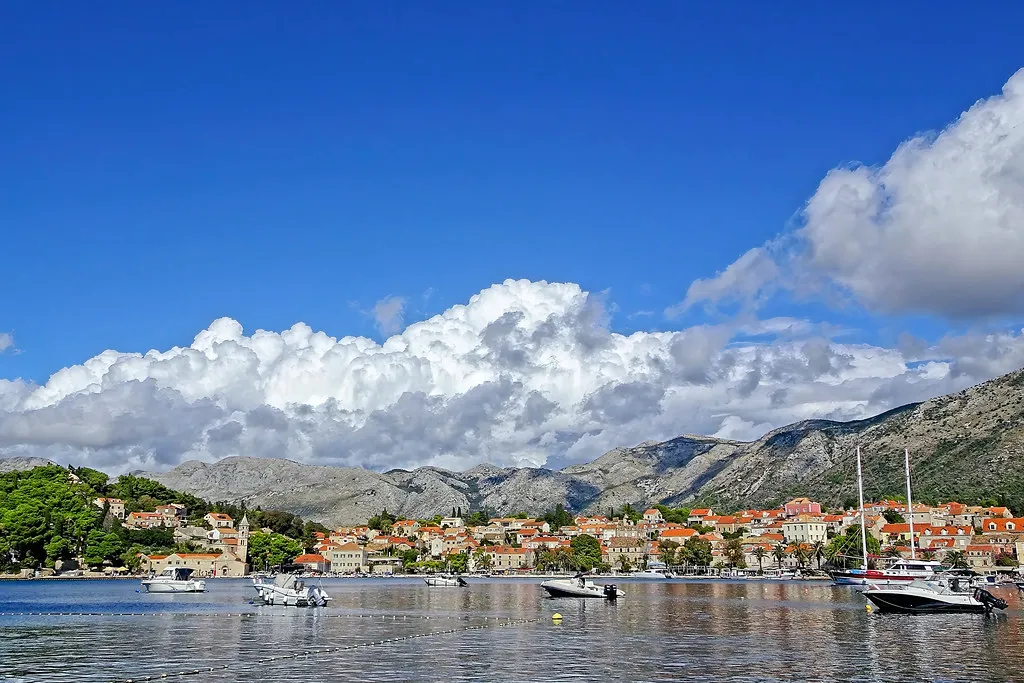
Avoid the giant plastic-bucket cocktails sold at the most visible stands on the Riva waterfront. These drinks use low-quality spirits and sugary mixers that guarantee a rough morning. Walk two blocks inland to find authentic bars using real ingredients for similar prices. Skip venues that demand a wristband at the door unless you have a reservation — the experience inside is rarely better than ST-RIVA, which welcomes everyone.
Overall, Split nightlife is absolutely worth two or three nights. The combination of Roman architecture and modern social life creates an atmosphere found nowhere else. Respect the residents, keep your voice down in the alleys after 23:00, and you will leave with the rare memory of dancing inside a 1,700-year-old palace without feeling like a tourist.
Explore nightlife in other cities
Frequently Asked Questions
Is Split nightlife expensive compared to other European cities?
Split is moderately priced compared to major hubs like London or Paris. You can expect to pay $5 for a beer and $12 for a cocktail. Prices are higher than in inland Croatia but lower than in Hvar or Dubrovnik.
What is the dress code for clubs in Split?
Most bars have a very casual dress code where shorts and t-shirts are acceptable. However, major clubs like Central require smart-casual attire. Avoid wearing swimwear or flip-flops if you plan to enter the larger late-night venues.
Are there any areas to avoid at night in Split?
Split is exceptionally safe for tourists even late at night. The city center and waterfront are well-populated and monitored by police. Just use standard precautions in the park areas of Marjan Hill which can be very dark after sunset.
Explore Split Nightlife by Scene
This guide is the hub for our full Split nightlife coverage. Go deeper on the scene that fits your night:
- Best Clubs in Split — the late-night dance floors, from Central on the Riva to the Bačvice beach clubs that run until 5 AM.
- Best Bars in Split — a venue-by-venue shortlist of the hidden Old Town bars inside Diocletian's Palace.
- Split Beach Clubs — the day-to-night beach-club scene at Bačvice and Žnjan along the Adriatic.
- Split Pub Crawl Guide — how the organized crawls work, ticket prices, and which operator to pick for group logistics.
- Split Boat Party — the full-day island party-boat trips to Šolta, Brač, and the Blue Lagoon, with prices and what's included.
- Split Stag Do — planning a group stag weekend: activities, where to stay, budget per head, and the 2026 rules to know.
- Heading elsewhere in Croatia? Compare the scene with our guides to Dubrovnik nightlife and Zagreb nightlife.
- Bačvice Nightlife in Split
- Live Music Venues in Split
- 7 Best Rooftop Bars in Split
- Split Gay Nightlife Guide
- 9 Best Things to Do in Split at Night
The nightlife in Split is a vibrant tapestry that reflects the city's long history and its modern coastal energy. By following this guide, you can navigate the 2026 regulations and find the best spots for any mood. Whether you are sipping Plavac Mali in a Roman courtyard, listening to klapa under the Vestibule dome, or dancing barefoot on Bačvice Beach, the experience is genuinely unique. Enjoy the Adriatic breeze and make the most of your time in this stunning Mediterranean destination.


