
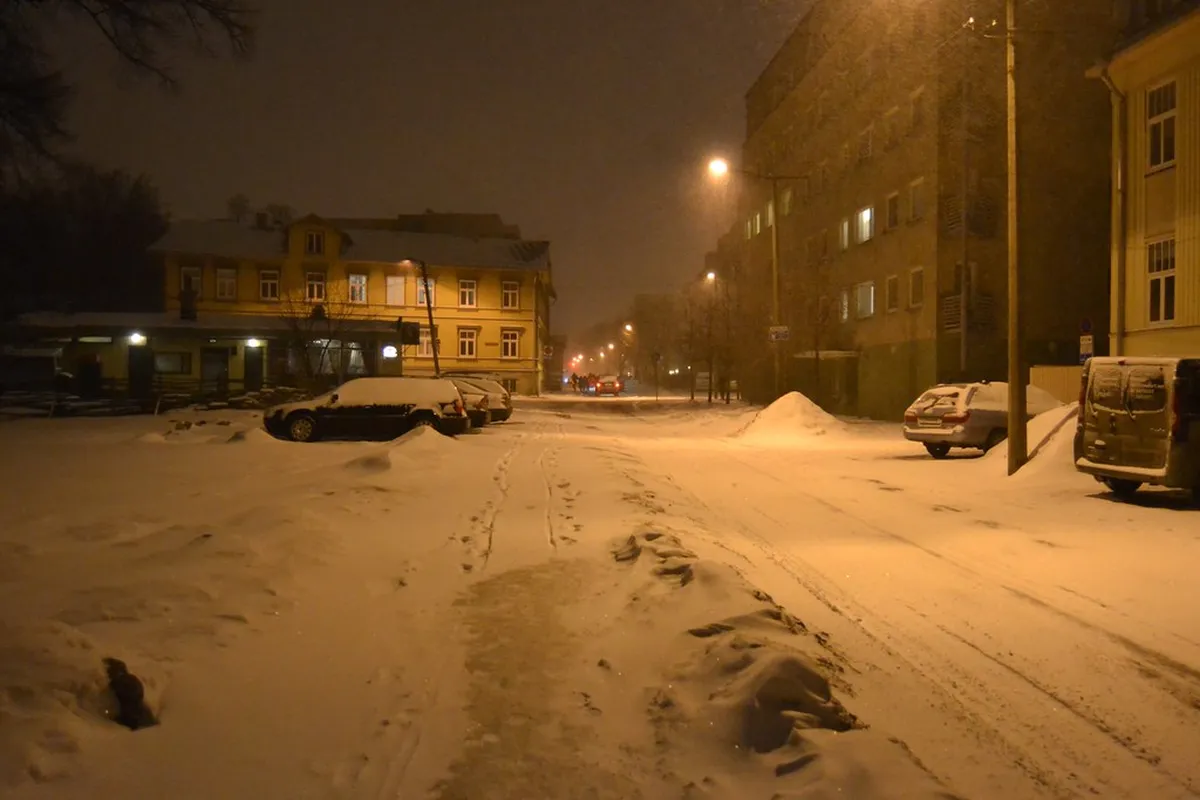
13 Best Ways to Experience Tallinn Nightlife
Tallinn packs a dense, district-driven nightlife into a capital you can cross on foot in under 30 minutes. Medieval cellar pubs sit a short walk from Soviet-era factory clubs, with craft taprooms, jazz basements, and seaside cocktail bars threaded between. The scene in 2026 is shaped by Estonia's craft beer boom, a wave of new openings in Noblessner, and a cruise-ferry crowd that still fills the Old Town from Helsinki every weekend.
This guide breaks Tallinn nightlife down by district so you can plan a single evening or a full weekend. You will find timing windows, named venues, price ranges in euros, transport tips using Bolt, and a warning about the local Millimallikas shot. Every district has a clear personality, and the smartest nights combine two of them rather than parking in one bar all evening.
Key Takeaways
- Start your night in the Old Town but head to Kalamaja for a more local, hipster vibe.
- Use the Bolt app for safe and affordable transportation between nightlife districts.
- Be cautious with the 'Millimallikas' shot—it is a spicy local tradition that packs a punch.
When do parties start in Tallinn?
Tallinn runs on a late schedule. Live music in pubs starts around 20:00, but there is almost no point arriving at a nightclub before 23:00. Dance floors stay half-empty until around midnight, and the real peak lands between 01:00 and 03:00. Most bars close between 03:00 and 04:00, and the major clubs run until 05:00 or 06:00 on Fridays and Saturdays. For event schedules and opening hours, check the official Visit Tallinn listings.
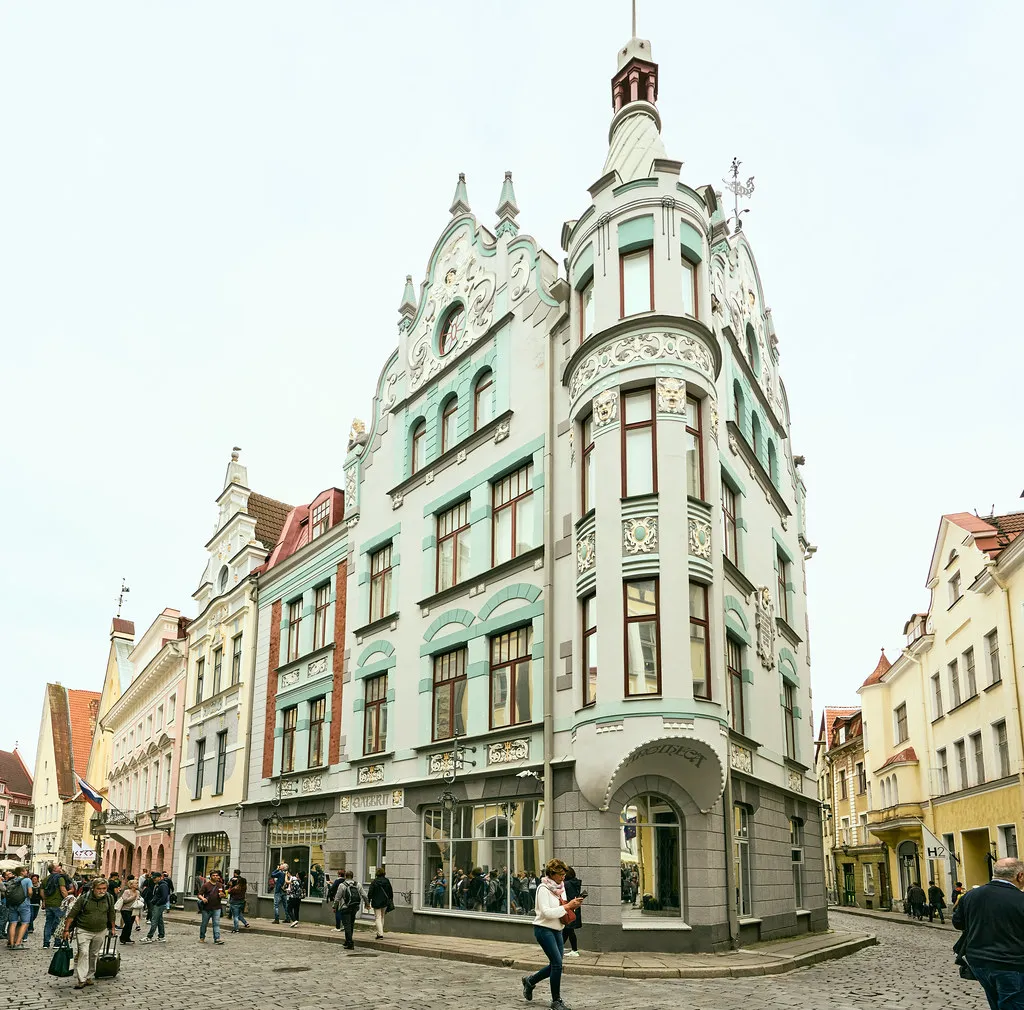
Weekends dominate. Thursday student nights are reliably busy at Telliskivi bars and student-heavy spots, but Sunday and Monday are very quiet — many smaller venues shut by 23:00 or close entirely. Summer white nights (June and early July) keep the streets lively under daylight past 23:00, while winter pushes the scene indoors to cellars and taprooms. Season matters for your plan: a winter Tuesday is a different city than a June Saturday.
Know the legal rhythm too. Drinking alcohol in public spaces — streets, parks, trams, bus stops — is illegal in Estonia, so the pre-game has to happen indoors. Quiet hours run 22:00 to 06:00 (and midnight to 07:00 before rest days), meaning neighbours can legally call the police on loud street noise. Most bar-hoppers are quiet on the walk between venues. You should be too.
OLD TOWN/CENTRAL TALLINN: The Heart of the Action
The walled medieval centre (Vanalinn) is where almost every visitor starts, and where a large share of Tallinn's pubs, lounges, and a handful of clubs concentrate. Town Hall Square (Raekoja plats) is the obvious first stop, but it is also the most expensive and most tourist-heavy pocket of the city. Move two or three streets out — onto Rataskaevu, Suur-Karja, Dunkri, or Vene — and prices drop while the crowd gets more local.
Reliable Old Town anchors include Hell Hunt (a 1993-opened pub on Pikk Street with ten rotating taps and plenty of Estonian craft), Valli Bar (a heritage-listed Soviet-era relic famous for the Millimallikas shot and Baltic herring sandwiches), and Beer House on Dunkri, which brews on-site and runs Bavarian food with karaoke nights. For a rockier room, Barbar on Sauna Street handles indie gigs and keeps its terrace open across seasons.
Weekends draw a specific crowd the locals call the "ferry problem": day-trippers and stag groups from Helsinki arriving on the 10:30 or 13:30 ferries, fuelled on cheaper Estonian booze, and mostly parked between Viru Street and Town Hall Square. It is loud, it is touristy, and it is harmless — but if you want the real Tallinn, leave the Old Town by 23:00 and head to Kalamaja or Noblessner. For a low-key pre-party dinner before you dive in, see our guide to the best bars in Tallinn.
Old Town cocktail bars: Perfect for Friends
The mixology scene in Tallinn has matured fast over the last five years and the Old Town now holds a cluster of serious cocktail bars. Cocktails typically run 11 to 15 euros, which undercuts Helsinki and Stockholm by roughly a third. Reservations are strongly recommended on Fridays and Saturdays — many rooms seat fewer than 40 people.
Frank Underground, tucked beneath a café on Sauna Street, is the most-awarded room in the city and leans into classic cocktails with Estonian spirits like Vana Tallinn liqueur. Sigmund Freud Bar on Vana-Posti plays medical-theme decor against a genuinely creative seasonal menu. Whisper Sister is a modern speakeasy behind an unmarked door, and Botaanik specialises in herb-and-botanical-forward drinks. For a rooftop with the best Old Town panorama, Horisont Bar on the 30th floor of the Swissôtel serves a Smoked Banana Sazerac and stays open until 01:00.
A quick contrast worth knowing: Old Town cocktail bars tend to feel polished and slightly formal, while Kalamaja's equivalents (see below) skew industrial and local-heavy. If you want glass-walled Nordic minimalism, head to Noblessner. If you want candlelight and vaulted ceilings, stay in the Old Town. Both cost roughly the same on the menu.
KALAMAJA: Hipster spots and quirky bars
Kalamaja, a ten-minute walk northwest of the Old Town past the train station, is Tallinn's trendiest evening district. The area used to house dockworkers and railway staff; today its painted wooden houses and converted factories pull in designers, musicians, and a student-heavy crowd that largely avoids the medieval core. Prices here are 10 to 20 per cent cheaper than in the Old Town for the same drink.
Telliskivi Creative City is the beating heart: a former rail-yard warehouse complex stuffed with bars, restaurants, galleries, and the Fotografiska photography museum, whose sixth-floor rooftop bar opens the skyline over to Toompea Castle. Inside the complex, Sveta Baar is the go-to for alternative DJ sets, Fono runs a Soviet-retro cocktail room with a "speakeasy" bent, and Terminal Records & Bar holds the city's largest vinyl collection alongside cocktails.
The district's wider street grid holds more. Möku, a second location imported from Tartu, runs craft beer, quiz nights, and bingo in a second-living-room atmosphere. Metsis Drinkery pours gin cocktails from Estonian producer Distillierium. Most Kalamaja venues close between 02:00 and 03:00, earlier than the Old Town clubs, so plan Kalamaja as your second stop, not your last.
ROTERMANNI QUARTER AND PORT AREA: Modern Vibes
Wedged between the Old Town and the harbour, the Rotermann Quarter is the city's glossy limestone-and-glass district — former grain silos and red-brick warehouses converted into offices, boutique hotels, and upscale bars. Nightlife here skews polished: wine lounges, gin bars, and business-travel-friendly cocktail rooms rather than dance floors. It is the right pick for a quieter, well-dressed evening.
BrewDog's Tallinn outpost sits on Rotermann square with the Scottish brewery's Punk IPA on draft, typically paired with neighbouring Flamm's flatbreads delivered across the doorway. Urban Bar, at the base of the Metropol Hotel, runs a strong live-music programme and keeps a rare indoor cigar lounge. Chicago 1933, a short walk toward the port, combines Prohibition-era decor with live jazz and swing most weekends.
Keep walking toward the water and the Port of Tallinn's newer waterfront bars open up, along with the Noblessner cocktail cluster a little further along the coast. The whole strip between Rotermann and Noblessner now walks in about 25 minutes and is well-lit — a pleasant evening route when the weather is mild.
Cocktail bars outside Old Town: Noblessner and Beyond
Noblessner, a former Tsarist submarine shipyard converted into a waterfront district, is Tallinn's most ambitious new cocktail destination. The sea-facing bars along the quay — with Iglupark saunas bobbing in the harbour as a backdrop — deliver sunset views that the Old Town simply cannot match. Expect slightly higher menu prices (cocktails 13 to 16 euros), Nordic-forward flavour profiles, and a crowd that skews 30+ and design-industry.
The standout concentration sits on Peetri and Tööstuse streets: a mix of hotel lobby bars, whisky rooms, and the area around the Põhjala taproom. The district quiets down earlier than the centre — most rooms close by 01:00 — so Noblessner works best as a pre-midnight opener rather than a late-night destination. A Bolt from the Old Town runs roughly 4 to 6 euros.
For something smaller, the Uus Maailm neighbourhood south of the train station is Tallinn's deep cut: a pocket of community-run bars, board-game cafés, and acoustic-music rooms where most patrons are neighbours, not tourists. It is the right move if you want to actually speak to locals. The density is low, though — pick one bar, settle in, and do not expect a crawl.
Clubbing until the wee hours: Top Nightclubs
Tallinn's clubbing scene is small but surprisingly strong on techno and electronic music, powered by a steady feed of international DJs and a tight community of Estonian producers. Peak hours are 01:00 to 04:00, cover charges run 10 to 20 euros, and most doors stay open until 05:00 or 06:00 on Saturdays. Dress codes vary — dark, minimal, and clean will pass anywhere; branded streetwear and trainers are accepted at most venues except the strictest techno rooms.
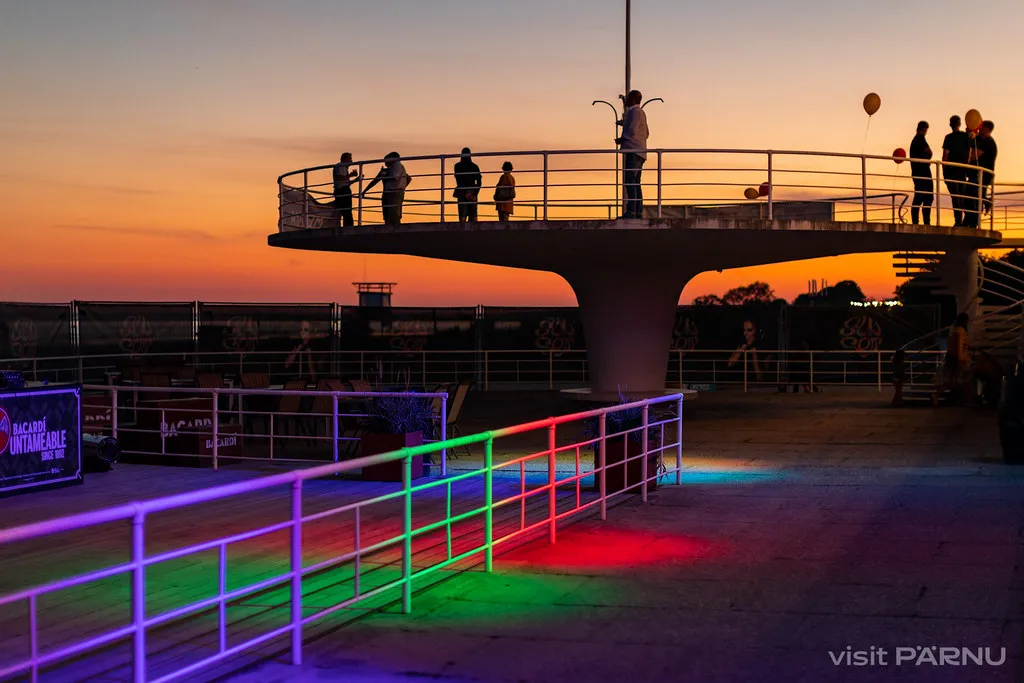
Club Hollywood, in a converted theatre on Vana-Posti Street, is the largest and most mainstream, running a mix of commercial hits, hip-hop, and Estonian DJ guest sets. Venus Club pulls a slightly older crowd with retro nights and Art Deco interiors. Hall, set inside a Noblessner factory hall, is the serious techno room — the one that pulls in international names for Resident Advisor-calibre nights. 9/11 in Kristiine is the underground deep-house option; smaller, grittier, and sweatier than Hall.
For something less intense, Baila in the Old Town runs a Latin-salsa room that fills up from 23:00 with live percussion nights. Club Studio, a two-floor Old Town venue, keeps mainstream pop downstairs and electronic beats upstairs — a reasonable option when you cannot agree with your group on one genre.
Where to go for beer: Tallinn's Craft Scene
Estonia's craft beer revolution, driven by Põhjala, Pühaste, Sori, and a dozen smaller breweries, has put Tallinn on the Northern European beer map. A local craft pint runs 5.50 to 7.50 euros, which is notably cheaper than Helsinki across the Gulf. There are two distinct beer cultures in the city, and they are worth splitting out.
Old Town beer, on one hand, leans traditional and pub-driven. Hell Hunt (est. 1993) carries house ales alongside international imports. Koht, a tiny Art Priidu-run beer cellar on Rataskaevu, stocks over 800 bottles in a fireplace-warmed stone basement. Beer House brews on-site and runs a beer-hall atmosphere with Bavarian food. These rooms are cosy, conversational, and close earlier (around 01:00).
Industrial taprooms, on the other hand, are where the experimental releases land. The Põhjala Taproom in Noblessner is the flagship: 24 rotating taps, a full kitchen smoking barbecue in-house, and an adjacent brewery tour. Purtse Telliskivi Tap Room and Pudel in Telliskivi Creative City push small-batch Estonian-only lists that the Old Town bars rarely stock. If you want to taste what Estonian craft is actually doing in 2026, skip the historic pubs and go straight to Noblessner or Telliskivi.
Wine bars around town: A Local Tasting Guide
Estonia does not produce grape wine at scale — the country is too far north — so Tallinn's wine bars are import-driven, with lists that lean heavily on Georgian, Portuguese, and natural European producers. Glasses typically run 7 to 11 euros, bottles 35 to 70. Two different moods are on offer and they are worth choosing between deliberately.
For atmosphere, the historic-cellar vinoteques win. Gloria Wine Cellar, a maze of vaulted stone rooms dug beneath Toompea hill, holds one of the deepest lists in the Baltics (several thousand labels) and is the right pick for a romantic, slow evening. Vixen Vinoteek near Viru Gate runs a dazzling selection with a casual-chic feel. Pan Y Vino, a Peruvian-run trattoria, is the dark horse with an excellent Spanish-leaning list and good bar snacks.
For a modern vinoteque mood, head to Kalamaja. Time to Wine runs a self-service model with 22 wines by the glass — pay by the centilitre, pour your own, taste broadly. Nudist Winery & Bar pours its own Estonian fruit wines (rhubarb, gooseberry, blackcurrant) alongside imports — the local fruit wines are genuinely worth trying once, and they are essentially impossible to find outside Estonia. Tiks Bar nearby is the low-key neighbourhood pick for a reasonably priced glass.
Bars with live music: Where to Get Your Groove On
Live music in Tallinn is stronger than the size of the city suggests, with at least five venues running calendars most nights of the week. The scene splits by genre and it helps to know which is which before you commit to a covered entry.
Philly Joe's Jazz Club, a small basement room on Väike-Karja in the Old Town, is the purist option: straight-ahead jazz, be-bop, and occasional Latin nights, typically with a 10 to 15 euro cover and table service. Sets start at 21:00 most evenings. It attracts a 35+ crowd who are there to listen, not chat.
Chicago 1933 in Rotermann is the broader option — live swing, jazz, acoustic rock, and blues rotated across the week in a prohibition-era room that also serves full dinners. Covers are usually free or 5 euros, and the crowd is mixed-age and talkative. For louder territory, Barbar in the Old Town handles indie rock and punk, while Von Krahli Baar near Town Hall Square runs a storied alternative-music calendar tied to the neighbouring experimental theatre. For what is playing during your visit, the Visit Tallinn event calendar and each venue's Facebook page are the reliable sources.
Six tips for making the most of Tallinn by night
Download Bolt before you leave the hotel. The Estonian-founded ride-hail is the dominant app in the city, and a typical late-night ride from Kalamaja to the Old Town or Noblessner to Rotermann runs 4 to 6 euros. Taxis flagged on the street charge noticeably more and are the classic tourist-overcharge trap — if you take one, insist on the meter running.
Handle the Millimallikas ("jellyfish") carefully. The shot is a mix of equal parts sambuca, tequila, and Tabasco sauce, traditionally served at Valli Bar and now poured across most Old Town pubs. It is a local rite of passage and a genuinely unpleasant experience for anyone not expecting the Tabasco. Chase it with juice, not more shots, and set a firm limit of one.
A few more practical things worth knowing. Public drinking is illegal — no open bottles on the street, in trams, or in parks. Quiet hours (22:00 to 06:00) are legally enforced, so keep the volume down between venues. The city is genuinely safe but pickpocketing does occasionally happen in the busiest Old Town bars on summer weekends; keep phones and wallets in front pockets or zipped bags. Water is free and safe from every tap. English is spoken almost everywhere under 40.
Book a place to stay in Tallinn: Best Areas for Nightlife
Where you sleep shapes the evening more than most visitors realise. The three nightlife-relevant areas each involve a real trade-off between proximity and noise, and the answer depends on how you intend to party.
The Old Town is the loudest and most central. Staying inside the walls (Vene, Pikk, or Viru streets) puts you within 5 minutes of every Old Town bar and club, but summer weekends — especially Friday and Saturday nights — are genuinely noisy until around 04:00, with bottle returns, ferry-crowd chants, and streetsweeper trucks at 05:00. Ask for a courtyard-facing room, or bring earplugs. Best for: one-night stag trips, couples who plan to stay out late, travellers who want to walk home.
Kalamaja is the quieter residential alternative. Most accommodation here is in refurbished wooden houses or small guesthouses; the district is peaceful after 23:00 but a 12 to 15 minute walk or 4 euro Bolt to the Old Town. Best for: travellers who want local mornings and trendy evenings. The Rotermann Quarter sits in between — polished, modern, central, slightly quieter than the Old Town — and is the right pick for business travel or luxury stays that still want nightlife within walking distance. Nordic Hotel Forum and the Metropol both anchor this area.
You may also be interested in: Related Evening Activities
Not every Tallinn evening has to end on a dance floor. Estonian sauna culture is one of the country's strongest traditions, and the floating saunas at Iglupark in Noblessner run late-night sessions (until 22:00) with Gulf of Finland swims in between rounds. Viimsi Spa north of the city and Kalma Saun in Kalamaja are the traditional-style picks. Budget 20 to 35 euros for a public sauna session.
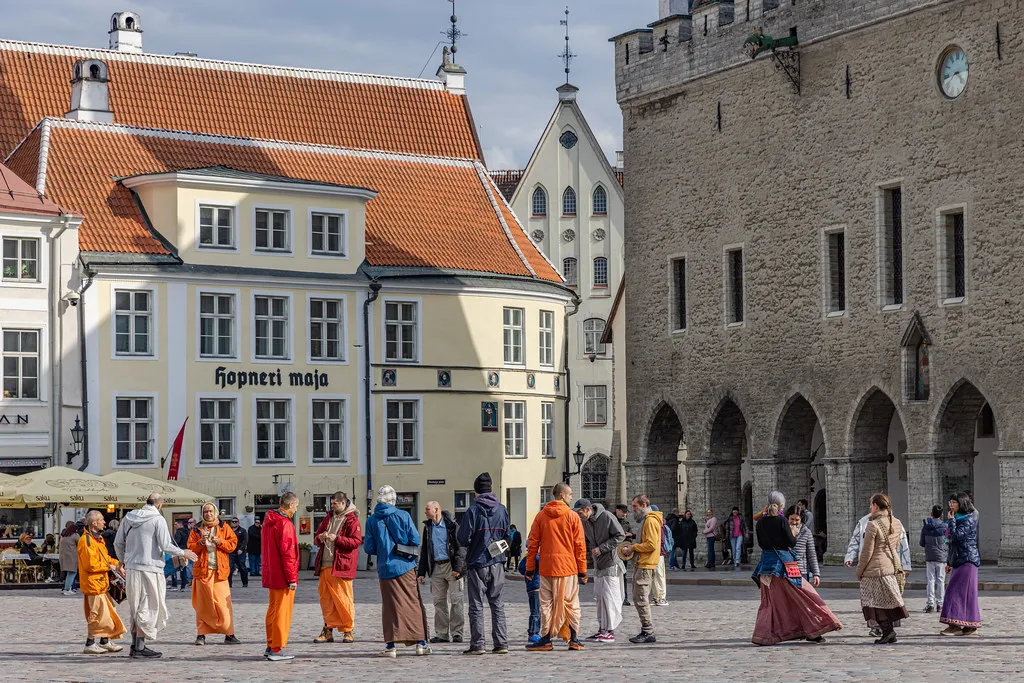
Late-night food is limited but exists. Pelmeni — Russian dumplings — are a classic 03:00 wind-down, and Pelmenipood near Town Hall Square serves them until 05:00 on weekends. Döner kebabs and börek line Viru Street for the after-club crowd. For a mellower close to the evening, the Reidi tee promenade along the coast offers a 30 minute illuminated walk back toward Pirita, past the cruise terminal and the Maarjamäe Palace.
For context beyond Tallinn itself, our Estonia nightlife guide covers other cities — Tartu's student-driven scene is the strongest alternative, while Pärnu peaks in summer as Estonia's beach-party town. Each has its own character, and if you have more than a weekend, combining two cities gives a much fuller picture of how Estonians actually go out.
Explore More Tallinn Guides
Keep planning your Tallinn trip with these guides.
Explore nightlife in other cities
Frequently Asked Questions
When do parties start in Tallinn?
Parties in Tallinn usually begin around 21:00 in local bars and pubs. Most nightclubs do not see significant crowds until after 01:00. If you want to experience the peak energy, plan to stay out until at least 03:00 on weekends.
What are the best hipster spots and quirky bars in Tallinn?
The best hipster spots are found in the Kalamaja district, particularly around Telliskivi Creative City. Venues like Pudel and various industrial-chic bars offer a relaxed, local vibe. These spots focus on craft beer and alternative music in renovated warehouse settings.
Which Tallinn nightlife options fit first-time visitors?
First-time visitors should start in the Old Town to experience the historic pub culture. Hell Hunt and the cocktail bars on Rataskaevu street are great entry points. After exploring the center, a quick trip to Telliskivi provides a perfect contrast to the medieval atmosphere.
How much should I budget for a night out in Tallinn?
A typical night out costs between 40 and 80 euros depending on your choice of venues. Craft beers usually cost 6-8 euros, while cocktails range from 10-15 euros. Club entry fees are often 10-20 euros, and using Bolt for transport is very affordable.
Is it safe to walk around Tallinn at night?
Yes, Tallinn is considered one of the safest capitals in Europe for night walks. The city center and major nightlife districts are well-lit and frequently patrolled. However, it is always best to use the Bolt app for late-night transport if you are traveling alone.
Tallinn nightlife rewards visitors who plan by district instead of by bar. A strong evening combines the medieval atmosphere of the Old Town with the industrial-chic energy of Kalamaja or Noblessner, threaded by a 4 euro Bolt and paced against the city's late 01:00-to-03:00 peak. Skip the ferry-crowd traps on Town Hall Square, try one Millimallikas for the story, and leave enough cash for a 10 euro techno cover at Hall if you want to see the real Tallinn after 02:00.
Whether you came for craft beer, Georgian wine cellars, techno, or jazz, the city delivers a genuine version of each without the scale or attitude of its Nordic neighbours. Book somewhere you can actually sleep, handle the Tabasco shot responsibly, and respect the quiet hours on the walk between venues. Done right, Tallinn after dark is one of the most varied nights out in the Baltics.


