

10 Best Porto Bar Experiences
After navigating the steep cobblestone hills of Porto for several years, I have discovered that the city's drinking culture is incredibly diverse. You might start your evening with a crisp Vinho Verde in a medieval alley and end it with a modern cocktail overlooking the Douro. This guide was last refreshed in April 2026 to reflect the newest openings, current pricing, and the latest operating hours across Ribeira, Cedofeita, and Vila Nova de Gaia. Every location listed below has been visited in person within the last twelve months.
Porto is currently experiencing a wave of mixology talent, moving beyond its traditional reputation as just a Port wine destination. Historical spaces like chapels, print workshops, and 19th-century pharmacies are being repurposed into sophisticated lounges that celebrate both local heritage and global trends. Whether you seek a quiet corner for a rare vintage or a high-energy rooftop, the city delivers exceptional quality at various price points. Expect to find traditional 'petiscos' snacks served alongside your chosen beverage at nearly every serious wine bar in town.
Exploring the Porto Nightlife Scene
The nightlife landscape in Porto is divided into several distinct pockets, each offering a different energy for your evening out. Ribeira provides the classic postcard views, but the real local magic often happens in the uphill neighborhoods like Cedofeita and Baixa. Navigating these areas requires a bit of stamina, as the city's verticality means you will likely be walking between different elevations. Most bars begin to fill up after 21:00, though sunset spots naturally peak much earlier.
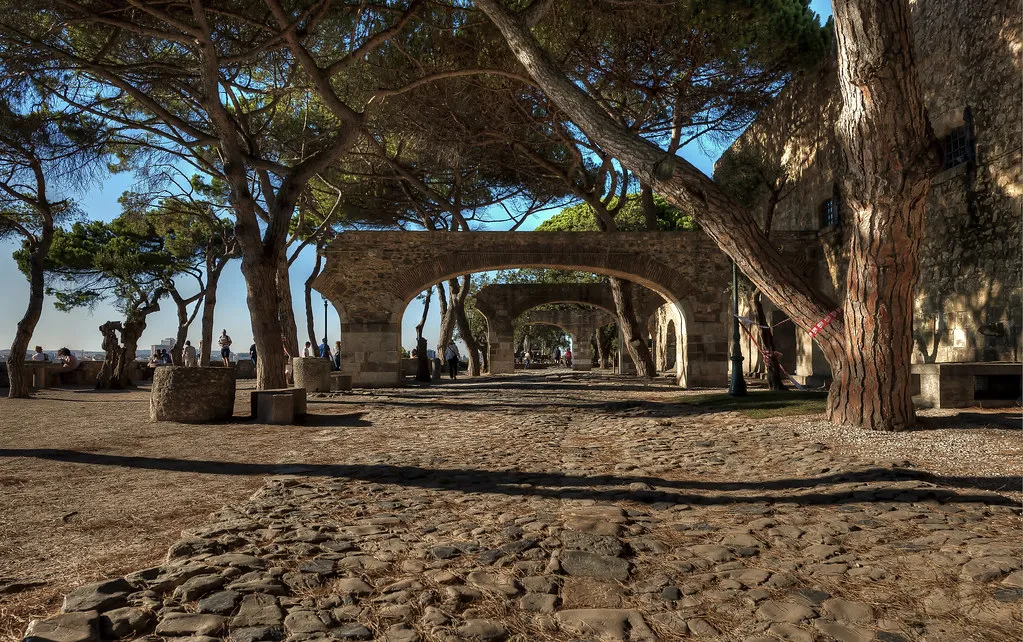
The Portugal nightlife scene is famous for its late starts and even later finishes. In Porto, the concept of 'petiscos' is vital, as small plates of cheese or cured meats help pace your drinking experience. You will find that wine bars often double as educational centers, where staff are eager to explain the nuances of the Douro Valley. Reservations are becoming increasingly necessary, especially for the more intimate cocktail dens and popular rooftop terraces.
While Port wine remains the iconic local export, the craft beer and specialty gin movements have taken firm root here as well. Many establishments now focus on organic or biodynamic bottles, reflecting a growing interest in sustainable Portuguese viticulture. Prices remain relatively affordable compared to Lisbon or other European capitals, making it easier to sample several high-quality venues in one night. Keep an eye out for 'Talha' wines — amphora-aged varieties, mostly from Alentejo — which offer a unique, earthy flavor profile that serious bars like Prova and Lado Wines pour by the glass.
The Best Wine Bars in Porto
Porto's wine-bar scene is the deepest in Portugal, with sommeliers trained to guide you from Vinho Verde in the north down to Alentejo and the amphora-aged talha tradition. The venues below focus on Portuguese producers, pour by the glass, and serve petiscos at the table so you can pace a full evening around the wine. Reserve ahead for the smaller rooms, especially Thursday through Saturday.
- Prova Wine, Food & Pleasure (Rua Ferreira Borges) — 50 wines by the glass curated by sommelier Diogo Amado. Glasses run 5–18 EUR. Open Tue–Sat 17:00–00:00. Ask for a talha flight; this was one of the first Porto bars to champion amphora wines.
- Lado Wines – Porto & Douro wine bar (Baixa, near Aliados) — a project by AVEPOD showcasing small-scale Douro producers. Classic wine tastings start at 30 EUR per person and can be booked online. Best for travelers who want to go beyond the big Port houses.
- Sala de Prova (Time Out Market, São Bento station) — run with ViniPortugal. Sample flights from 5 EUR; the beef tartare with oyster emulsion pairs beautifully with a white Douro. Open daily 11:00–00:00.
- Capela Incomum (Travessa do Carregal, Cedofeita) — a wine bar inside a converted 19th-century chapel with the original altar intact. Glasses 4–12 EUR. Opens 17:00 weekdays; arrive before 19:00 for the candle-lit seats near the altar.
- Botella – Food & Wine (Foz do Douro) — the only serious wine bar actually on the beachfront. Reach it on tram Number 1 from Infante. Plan for 20–35 EUR for a shared plates plus two glasses.
- Matriarca (between Aliados and São Bento) — three-story Port specialist where you can watch a bottle opened with red-hot tongs, a precious ritual called "porto a ferro" that only a handful of venues still perform.
- Onze Onze (Rua da Torrinha, Cedofeita) — handpicked natural-wine list with a young local crowd. Ideal for a late-afternoon start before dinner.
If you have never had talha wine, Prova and Lado are the two addresses that will usually have a bottle open. Staff typically pour a small tasting pour first so you can decide before committing to a full glass.
Top Cocktail Bars for Mixology
Porto's cocktail scene has exploded since 2022, with bartenders returning from London, Lisbon, and Copenhagen to open small, detail-obsessed rooms. Prices sit roughly 30% below Lisbon for equivalent quality, which is why the city now ranks high on industry awards despite its size. Most of these venues open around 18:00 and run until 02:00, later on Friday and Saturday.
- THE ROYAL COCKTAIL CLUB (Rua da Fábrica, near Livraria Lello) — the gold standard. Classic and signature cocktails 10–16 EUR, open daily 19:00–02:00. Head to the basement for a speakeasy vibe away from the ground-floor crowd. Their Negroni is the best in the city.
- Curioso Cocktail Bar (Cedofeita) — seasonal menu built around Portuguese botanicals, citrus, and local spirits. Expect 9–14 EUR per cocktail; opens at 18:00. Order the Porto Tonic variations if you want a Porto-specific twist.
- Meridians & Parallels (Praça dos Poveiros) — travel-themed menu with precise, measured pours. Cocktails 8–15 EUR from 18:00. Only a dozen bar seats, so arrive at opening to watch the build.
- Torto – Bar & Cocktails (near Carlos Alberto square) — dim lighting, DJs on rotation, graffiti on the walls. Cocktails from 9 EUR. The vibe skews East Village — good for the second round of the night.
- EDDIE.S.KLUB — rated 5.0 on Google with nearly 200 reviews, a small and bookings-only room. The clearest option if you want zero tourists.
- Estúdio Arte Bar — 4.9-rated arthouse space pouring low-ABV and zero-proof cocktails alongside classics. Good for a long conversation over one expertly built drink.
If you only have one cocktail night, stack The Royal (early) and Curioso (late). They are a fifteen-minute walk apart and give you the full range from speakeasy precision to botanical experimentation.
Best Rooftop Bars for Sunset Views
Sunset over the Douro is the highlight of most Porto nights. In summer the sun dips behind the Atlantic around 21:00, while in winter it slides under the horizon closer to 17:30. Arrive 45 minutes early to secure a west-facing seat — every rooftop below fills up on clear evenings, and none take walk-in reservations for the golden hour.
- Angel's Share at WOW (Gaia) — the most polished indoor-outdoor hybrid in the city, with floor-to-ceiling glass facing the Ribeira skyline. Glasses of wine 9–20 EUR; open daily 12:00–00:00. Ideal when rain rolls in.
- Espaço Porto Cruz (Gaia waterfront) — four-story multi-media space with a top-floor terrace and 360-degree river view. Cocktails and Port flights 7–15 EUR, Tue–Sun from 11:00.
- Base Porto (behind Clérigos Tower) — a garden rooftop on a modern shopping gallery. Beer and sangria 4–10 EUR, open daily noon–late. Casual, grass seating, excellent for a picnic-style afternoon.
- Sky Bar at Vincci Porto de Ponte (Gaia) — the cleanest view of the Dom Luís I bridge from the south bank. Signature cocktails 11–14 EUR.
- 17° Restaurant & Bar (Dom Henrique Hotel, city center) — 17th-floor indoor lounge overlooking the red-tiled roofs. Best all-weather option in central Porto.
On a rainy day, Angel's Share and 17° both keep the view through floor-to-ceiling glass. Base Porto offers blankets and heaters but becomes uncomfortable in heavy wind; if the forecast is poor, walk ten minutes to Capela Incomum and pair a Vinho Verde with candlelight instead.
Where to Find the Best Port Wine Tastings
The eternal debate is whether to cross the river to the Gaia lodges or stay in Porto for a tasting-room experience. Vila Nova de Gaia is the historical heart of the Port trade — the damp, cool lodges are essential to how Tawny and Ruby ports mature. Graham's, Taylor's, Ferreira, and Sandeman all offer guided tours with advance booking; prices start around 18 EUR and climb past 100 EUR for vintage vertical flights.
On the Porto side, smaller tasting rooms source from independent quintas and skip the trek across the bridge. They lack the grand scale and the evocative smell of old oak, but they are convenient if you only have two hours. Matriarca's red-hot-tongs ritual and Lado Wines' boutique-producer flights are the two most characterful Porto-side alternatives.
To help you decide, here is how the major Gaia lodges compare:
| Lodge | Basic tasting | Tour length | Best for |
|---|---|---|---|
| Taylor's | from 20 EUR | 90 min (self-guided with headset) | History depth; go at your own pace; peacocks in the garden |
| Graham's | from 25 EUR | 60 min guided | Premium vintages; best restaurant (Vinum) of all lodges |
| Ferreira | from 18 EUR | 50 min guided | Dona Antónia Ferreira's story; classical cellar tour |
| Sandeman | from 18 EUR | 45 min theatrical | First-timers; staff in Don costumes; right next to Porto Cruz rooftop |
| Ramos Pinto | from 18 EUR | 40 min | Side-by-side style comparison; quickest serious tasting |
| Cálem | from 20 EUR | 45 min + fado show | Port with live fado; most atmospheric evening option |
Most lodges are closed on Sundays outside peak season; Taylor's and Graham's stay open year-round. Book online 72 hours ahead — day-of slots are usually only available in your non-preferred language. A visit to the best clubs in Porto usually follows these refined afternoon tastings.
What to Eat: Best Restaurants and Bar Snacks
You cannot drink wine in Porto without eating. Most serious bars serve petiscos — small Portuguese plates designed to share — and refusing them is considered slightly odd. Here is the vocabulary you need on the menu: queijo da Serra (raw-milk sheep cheese from the Estrela mountains), presunto (dry-cured ham), alheira (game and bread sausage, originally Jewish), pataniscas (salt-cod fritters), moelas (slow-cooked chicken gizzards — better than they sound), and polvo à lagareiro (roasted octopus with olive oil and potatoes).

For bar snacks, Casa Portuguesa do Pastel de Bacalhau (Ribeira and Gaia) serves a single dish — a salt-cod and cheese croquette — paired with a glass of white Port you keep as a souvenir. Mercado Beira-Rio on the Gaia side is the best casual option when you want variety without sitting down; Mercado do Bolhão, reopened in 2022, is the city-center equivalent with a first-floor food hall above the fresh market.
For dinner with serious wine, book Cantina 32 or Flow for modern Portuguese, Ode Porto Wine House for traditional cod and octopus, and Vinum at Graham's for a Douro-paired tasting menu with sunset views. All four need reservations at least four days ahead. Majestic Café on Rua Santa Catarina is a tourist stop, not a dinner spot — visit for a coffee, not a meal.
Where to Stay in Porto: Neighborhood Guide
Your choice of neighborhood changes which bars you can walk to after dark. Porto is small — everything below is within 25 minutes on foot from the centre — but the hills are steep, and you will not want to climb them at 01:00 after three glasses of Douro red.
- Ribeira — the postcard waterfront. Best for first-timers and short stays; every Port lodge and the Luís I bridge are at your door. Downside: tourist pricing at dinner and steep climbs to Cedofeita bars.
- Baixa / Aliados — the central transit hub, closest to metro lines. Walking distance to Prova, Lado, The Royal, Matriarca. Best all-round base for a wine-and-cocktail trip.
- Cedofeita — the art and natural-wine district. Onze Onze, Genuíno, Capela Incomum, Curioso, and Torto are all here. Least touristy, best nightlife density, but fewer hotel options.
- Vila Nova de Gaia — south bank of the Douro. Perfect if your priority is Port lodges and rooftop sunsets. The Yeatman and Vincci Porto de Ponte both sit here. Plan to cross the bridge for every dinner, which is charming in summer and brutal in winter rain.
- Foz do Douro — the Atlantic-facing beach neighborhood. Reachable by the historic Number 1 tram. Good for a slow second visit; not ideal if you plan to bar-hop centrally.
For a deeper planning layer, cross-reference hotel locations with the Porto nightlife hotspots you care about most — a 1.2 km walk that looks flat on Google Maps can easily involve two steep uphill blocks.
How to Get to Porto and Around
Francisco Sá Carneiro Airport (OPO) is the gateway. The metro purple line (Line E) connects the airport to Trindade station in the city center for 2.85 EUR and takes roughly 35 minutes; trains run every 20–30 minutes from 06:00 to 01:00. Uber and Bolt are both active in Porto; an airport-to-Ribeira ride averages 18–25 EUR depending on traffic, or about half an hour.
Inside the city, everything in the historic core is walkable but vertical. The metro is clean and cheap — buy a rechargeable Andante card at any station and load 1.60 EUR Z2 tickets. The iconic Funicular dos Guindais links the Ribeira waterfront with the upper city (Batalha) and runs until 22:00 in winter and midnight in summer, which matters if you have been at a riverside bar and are not keen to climb 70 meters of stairs.
For crossing to Gaia after a Port tasting, the lower deck of the Luís I bridge is a 10-minute flat walk; the upper deck with the metro line is longer but offers the better view. The Gaia-side Teleférico cable car (6 EUR one-way) carries you from the Jardim do Morro metro station down to the waterfront lodges — convenient at arrival, less so on the return if you have had three tastings.
A Porto Drinking Timeline and the Porto Tonic Ritual
Competitor guides list the bars but rarely tell you when locals actually visit them. Porto runs on a specific rhythm that tourists frequently miss, and matching it is the single best way to avoid empty rooms at 19:00 and locked doors at 00:30. Use this as your hour-by-hour playbook.
Start at 18:30 with a Porto Tonic — equal parts white Port, tonic water, a slice of orange, and a sprig of mint over ice. It is the Portuguese answer to the Aperol Spritz, costs 4–6 EUR almost everywhere, and is the drink locals use to open the evening rather than close it. Any rooftop will pour one; Espaço Porto Cruz and Base Porto both specialize. From 19:30 to 21:00, move to a wine bar for petiscos — this is the main local drinking window, and all good rooms fill by 20:30.
The cocktail shift begins at 22:00 and runs until 02:00; arriving before 22:00 usually means you are one of only two tables. If you plan to continue past 02:00, the clubs on Rua da Galeria de Paris and Rua Cândido dos Reis take over — but plan your return in advance, as the metro stops running at 01:00 and the last funicular leaves Batalha at midnight in winter. After 02:00 your only options are walking uphill, a 6–12 EUR Uber, or pairing your final drink with one of the all-night bakeries on Rua de Santa Catarina that sell pastel de nata until dawn. Locals call this closing move matar o bicho — "kill the worm" — and it is a genuinely Porto way to end the night.
To Decant or Not to Decant: Understanding Wine Service
When ordering full-bodied Douro reds, you might notice the sommelier asking if you would like the bottle decanted. Many of these wines are bottled with minimal filtration, meaning they develop natural sediment over several years in the cellar. Decanting helps separate the clear wine from the solids while also allowing the complex aromas to open up. According to the IVDP (Instituto dos Vinhos do Douro e do Porto) official guidelines, vintage and older Late Bottled Vintage (LBV) ports almost always require this step to ensure a smooth pour.
For younger wines, the process is less about sediment and more about aeration to soften the tannins. If you are drinking a high-alcohol red on a warm Porto evening, decanting can also help the wine reach an ideal serving temperature of 16–18°C. Do not be afraid to ask for a decanter if the wine feels 'closed' or if you notice particles in your first glass. Most high-end wine bars in Porto will perform this service automatically for any bottle over five years old.
Interestingly, some modern winemakers in the region are moving away from heavy oak, resulting in wines that need less air. White wines from the Minho region, like Alvarinho, rarely need decanting but should always be served in chilled glassware at 8–10°C. The temperature of the room can drastically change the profile of a delicate wine within minutes. Always trust your palate; if the wine smells better after ten minutes in the glass, it likely needed more air.
Day Trips from Porto for Wine Lovers
If you have more than three nights in Porto, the Douro Valley is non-negotiable. The region — UNESCO-listed since 2001 — is where every bottle of Port begins. The classic day trip combines a morning São Bento-to-Pinhão train ride (3.5 hours, 27 EUR return, book the left-hand side for river views), a quinta tasting at Quinta do Bomfim or Quinta Nova, and a river cruise back to Régua before catching an evening train to Porto.
For a shorter outing, the Minho region and the Vinho Verde heartland is a one-hour drive north. Quinta de Soalheiro near Melgaço pours the finest Alvarinho in Portugal; combine with a lunch in Ponte de Lima, the oldest town in the country. Guided tours from Porto run 90–130 EUR per person including transport.
For travelers without a car, Portoalities, Douro Royal, and Living Tours all operate small-group Douro trips with two to three quinta tastings plus lunch. Book at least a week ahead in May through October; the region receives most of its foreign visitors between June and September, and the best quintas cap group sizes at eight.
Frequently Asked Questions
What is the best neighborhood in Porto for nightlife?
The Cedofeita and Baixa districts are the best areas for a diverse nightlife experience. They offer a mix of traditional wine bars and modern cocktail lounges within walking distance of each other. Most locals congregate here after 10:00 PM.
Do I need to book reservations for bars in Porto?
Reservations are highly recommended for popular cocktail bars and historic Port lodges in Gaia. Smaller wine bars usually operate on a walk-in basis, but they fill up quickly on weekends. Aim to book at least 24 hours in advance for rooftop spots.
What should I wear to a cocktail bar in Porto?
Porto has a relaxed but stylish dress code, so smart-casual attire is usually perfect. Avoid wearing flip-flops or beachwear to upscale cocktail lounges or hotel rooftops. Comfortable walking shoes are essential due to the city's many steep hills.
Porto's bar scene is a beautiful blend of ancient tradition and forward-thinking creativity. Whether you are sipping a rare vintage in a converted chapel, a Porto Tonic at sunset, or a modern cocktail after midnight, the city rewards travelers who match their pacing to the local rhythm. Remember to pace yourself with petiscos, plan your return before the funicular closes, and take the time to talk to the bartenders — Porto's drinking culture is built on conversation as much as on the glass.


