
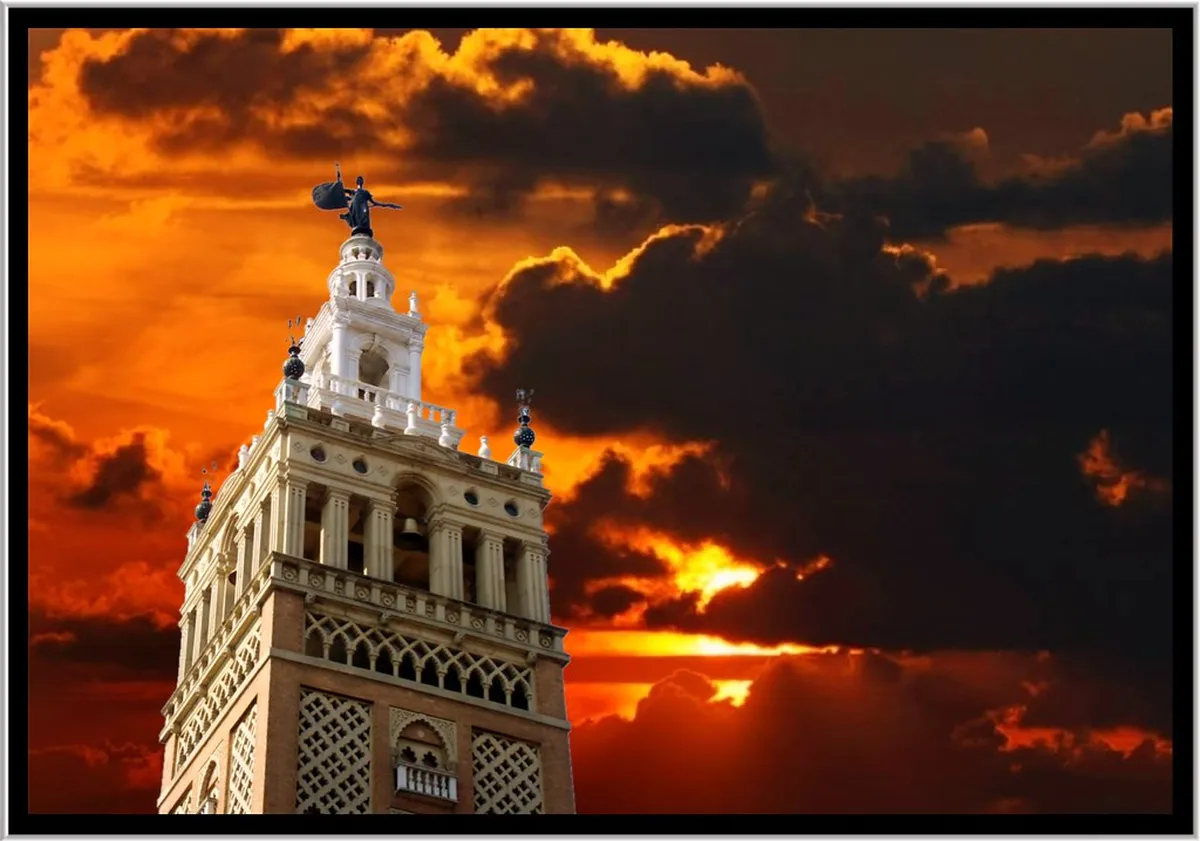
Seville Nightlife Guide: Best Clubs and Party Zones
Seville transforms into a vibrant playground of music and dance once the sun sets over the Guadalquivir River.
Travelers seeking the best seville clubs in 2026 will find a city that genuinely refuses to sleep before dawn.
Local culture pushes the evening much later than most visitors expect, and the party follows a strict rhythm across bars, terraces, and clubs.
This guide walks through the scene venue by venue, district by district, with prices, timings, and transport built for planning your night end to end.
Basics of the Sevillian Nightlife: Timing and Culture
The most important thing to know is the unofficial 2 AM Rule. Bars fill between 00:00 and 01:00, but the larger dance venues stay half empty until roughly 02:00, and the peak hours sit between 03:00 and 05:00. Arriving at a Seville club before 01:30 almost always means dancing to a near-empty floor.

A typical Sevillian night builds in three phases. Dinner wraps around 23:00, a round of cocktails follows at a pre-party bar from 00:00 to 01:30, and the club phase begins at 02:00. Plan to spend your early evening at the best bars in Seville to match the local pace.
Nightlife here is a marathon. Weekend clubs in the Cartuja and Plaza de Armas areas stay open until 06:00 or 07:00, and food stalls selling churros with chocolate open at dawn near Puente de Triana. You can find detailed schedule updates on Welcometoseville.com to plan your route.
Expect a high-energy, social atmosphere where hopping between venues is standard and staying in one spot all night is unusual. Groups move as units, typically covering two to four venues between midnight and sunrise, which is why districts and walking distances matter more than single-venue reviews.
Top 8 Best Nightclubs in Seville
The city mixes multi-floor mega clubs, seasonal terraces, and mid-sized rooms across every major genre from reggaeton to techno. Most clubs charge 10 to 25 euros at the door in 2026, with one drink usually included. Guest lists (covered below) can cut this cost.
High-end rooms like Antique Theatro and Lobby Club enforce a smart-casual look: closed shoes, no shorts, no sportswear. Student-heavy spots like Sala X and Holiday by Obbio are far more relaxed. Always check recent reviews on Premiumguest.com before heading out.
- Antique Theatro occupies a 2,500 m² former Expo 92 pavilion on Isla de la Cartuja. It runs three distinct rooms of electronic, commercial, and Latin music and still hosts after-parties for national awards. Expect 15 to 25 euros at the door, a glamorous dress code, and a crowd that skews late twenties and up.
- Uthopía lives inside the old Plaza de Armas train station and spreads three floors across 1,500 m². Each floor runs a different genre, usually house, reggaeton, and commercial pop, so a group with mixed tastes can split and reconvene. Entry runs 12 to 20 euros.
- Lobby Club on Reyes Católicos 23 sits in a 19th-century building near Triana Bridge. The decor is elegant and the music leans commercial hits; this is the polished, date-night option. Entry is around 15 euros with a stricter door.
- Sala X on Calle José Díaz is the city's indie, rock, and alternative live-music room. Entry varies by show, typically 8 to 18 euros, and the crowd is younger, more tattooed, and less concerned with how you are dressed.
- Holiday by Obbio at Jesús del Gran Poder 73 is one of Seville's oldest clubs, dating to the 1970s. It is the anchor of the Alameda area and runs 80s, 90s, and pop themed nights plus popular drag shows. Entry is 10 to 15 euros and the vibe is the most inclusive in the city.
- Líbano Terraza in Parque de las Delicias is a summer-only open-air venue (May to September). Palm trees, hookah service, and themed parties make it the peak-summer benchmark. Entry is around 15 euros.
- Bar Terraza Chile on Paseo de las Delicias is an art-deco riverside terrace named after the old Chile Pavilion. It runs all year but shines from May onward. Entry is 12 to 18 euros depending on the event.
- Abril Sevilla sits inside Hotel Meliá Lebreros on Calle Luis Montoto. Its 800 m² of futuristic design on three floors skews heavier on house and techno than most of the city. Entry is around 15 euros.
Vibe Check: Comparing the Top Clubs at a Glance
Not every Seville club fits every mood. The table below compares the main venues by dominant music, typical entry price, and door strictness, which is the combination most travelers actually need to decide between them.
| Club | Main genre | Entry (EUR) | Dress code | Best for |
|---|---|---|---|---|
| Antique Theatro | Electronic, Latin, commercial | 15–25 | Strict smart-casual | VIP nights, celebrity spotting |
| Uthopía | House, reggaeton, pop | 12–20 | Moderate | Mixed groups who want choice |
| Lobby Club | Commercial hits | ~15 | Strict | Polished date nights |
| Sala X | Indie, rock, alternative | 8–18 | Relaxed | Live music fans, students |
| Holiday by Obbio | 80s, 90s, pop, drag | 10–15 | Relaxed | LGBTQ+ crowd, inclusive nights |
| Líbano Terraza | Commercial, Latin (summer) | ~15 | Smart-casual | Open-air summer parties |
| Abril Sevilla | House, techno | ~15 | Smart-casual | Electronic music heads |
As a rule of thumb, if you are under 25 and on a budget, start at Sala X or the Alameda. If you are older, dress sharp, and want the full production, aim for Antique Theatro or Lobby Club. If you visit between late May and early September, swap any indoor club for Líbano or Chile.
Alameda de Hércules: The Alternative and Student Hub
The Alameda de Hércules district is the heart of the city's alternative culture. The long pedestrian plaza is lined with dozens of bars that cater to a younger, more relaxed crowd of students, artists, and travelers spilling out onto open-air seating.
Music here leans indie, rock, and alternative electronic. It is the ideal warm-up before heading to the bigger seville clubs. You can browse specific venue recommendations for students on Kadora.es for the best budget options.
The atmosphere is famously inclusive and is Seville's main LGBTQ+ hub. Most bars here charge no cover, beers sit around 2.50 to 3.50 euros, and a mixed drink runs 6 to 8 euros. You can easily spend a full evening hopping between venues without paying a single entry fee.
Late at night the plaza stays busy with groups grabbing food between drinks. The area feels less formal than the upscale clubs in the city center and offers a more authentic glimpse of how locals actually spend their weekends.
Calle Betis: Riverside Nightlife in Triana
Across the bridge in Triana, Calle Betis runs along the western bank of the Guadalquivir and faces the city skyline, the Torre del Oro, and the Giralda across the water. The bars line a narrow pedestrian strip, many with balconies and small terraces hanging over the river.
This is the area for those who want seville nightlife with a traditional touch. Several venues blend modern music with occasional live flamenco sessions, and you can walk the entire strip in about 15 minutes, ducking into whichever sound pulls you in. The street stays crowded until about 03:00.
Bars here range from narrow hole-in-the-wall rooms to multi-level venues with DJs on the upper floors. It is a mixed locals-and-tourists scene, so service is faster than at the big Cartuja clubs and prices are lower: beers at 3 euros, cocktails at 7 to 9 euros.
In warm months, the riverside breeze makes this the most comfortable place to drink outdoors in the city. Many people gather on Puente de Isabel II to watch the lights on the water before committing to a venue. Worth pairing with a dinner stop from our best tapas in Seville list before the bars fill.
Live Music, Sala X, and Flamenco Performances
Beyond traditional dance floors, the city has a thriving live music scene. Sala X and Sala Custom host national and international touring acts across indie, rock, and electronic, with most shows starting between 21:00 and 23:00 and tickets running 10 to 25 euros.
For something unusual, the Gran Hipódromo de Andalucía on the outskirts of Dos Hermanas hosts medieval tournaments, summer festivals, and occasional large-scale concerts. The venue sits about 15 km south of the city center. There is no metro line; plan on a 25 to 30 euro taxi each way, or check for event-day shuttle buses, which typically depart from the Prado de San Sebastián bus station.
No trip to Seville is complete without flamenco. La Carbonería on Calle Levíes offers free, informal performances most nights from around 21:00 and 23:00, making it the most accessible flamenco option in the city. Casa de la Memoria and Tablao El Arenal run more polished ticketed shows (18 to 39 euros) if you want the full tablao experience.
Check local listings for pop-up events in historic courtyards and converted warehouses. The city frequently uses unique architecture to host one-off music festivals, and these tend to be far less touristy than the big-name venues.
Seasonal Clubbing: Terrazas and the Summer Migration
Seville summers push into the low 40s Celsius, and the club scene physically moves outdoors to survive. From roughly mid-May through late September, the "terrazas" (outdoor seasonal clubs) take over as the dominant nightlife format. Some indoor venues reduce their programming or close entirely during July and August because the crowd simply migrates.

Líbano in Parque de las Delicias and Bar Terraza Chile on Paseo de las Delicias are the anchor summer venues. Both open around 23:30, fill between 01:00 and 02:00, and close at 05:00 or 06:00. Expect fountains, hookah service, and open-air dance floors rather than the production lighting of indoor clubs.
If you visit between October and April, skip the terrazas and head indoors to Antique, Uthopía, or Lobby. If you visit in late April, the Feria de Abril takes over the Los Remedios fairground for one week, with hundreds of striped casetas serving rebujito and running private flamenco dances until dawn; many public casetas are open, but most of the best ones require a member invitation, so ask your hotel about current-year access.
Tapas Tours and Late-Night Gastronomy
Food is built into the nightlife. Most Sevillians start evenings with a tapeo: a crawl of three to five bars, one or two tapas at each, moving across Triana, Alfalfa, or Arenal. This provides the carbs you will absolutely need to make it to 05:00.
Many kitchens stay open until midnight, and in the Alameda several stay open until 01:00 or 02:00 for a late refuel between venues. Expect 3 to 4 euros per tapa, 2.50 for a caña (small beer). Bar El Comercio near the Cathedral, Las Golondrinas in Triana, and Bar Antojo in the Alameda are reliable late-evening stops.
At dawn, follow the crowd to churros con chocolate. Bar El Comercio and Churrería El Atrio near Plaza del Salvador open by 06:30 and specifically cater to people ending their night. A plate of churros with thick chocolate runs about 4 euros and is the standard closer to a successful Seville night.
The social side of sharing small plates makes the early evening genuinely interactive; it is common to meet new people while standing at a crowded bar counter, which is why the tapa phase often sets who you end up clubbing with hours later.
Rooftop Terraces and Panoramic Views
Beyond the dedicated summer club terrazas, Seville has a separate layer of hotel rooftops that operate as sunset cocktail spots rather than full-on clubs. These typically open around 19:00, close by 01:00, and are ideal for the 20:00 to 22:00 pre-party slot before the real action starts.
Hotel Doña María has one of the only rooftops directly facing the Giralda, with cocktails around 12 euros. La Terraza del EME next to the Cathedral is the most photographed and also the most expensive (cocktails 14 to 18 euros). Hotel Inglaterra's rooftop on Plaza Nueva is more affordable and often less busy.
The views are genuinely unmatched, with the illuminated Giralda or the Torre del Oro framing most photos. Rooftop dress codes are usually stricter than Alameda bars: no shorts, no flip-flops, and men should skip athletic gear. Booking one hour ahead is wise on weekends because walk-ins are often turned away when full.
A sunset cocktail at a rooftop, followed by a tapa crawl, followed by the clubs, is the classic three-act sequence that most seasoned Seville visitors follow. It keeps you moving, spreads the spending, and lines up naturally with the city's late clock.
Guest Lists (Listas) and How to Get In Cheaper
Almost every major Seville club runs a "lista" system, and using one can cut your entry from 20 euros to free or "free before 02:30." Few tourist guides actually explain how the mechanics work, so here is the practical version.
Each club has a small team of PRs (public relations) who run WhatsApp or Instagram lists. You message their number (usually posted in the club's Instagram bio or linked from its story the day of the event) with your full name and the number of people in your group, ideally before 22:00. On arrival, you state your name at the door and show ID. Most listas are "free before 01:30" or "one drink included."
You will also find PRs handing out flyers near Plaza de Armas, around the Alameda, and outside the Cartuja venues from around midnight. Flyers usually mean a modest discount (5 euros off) rather than free entry, but they are easier to grab if you did not plan ahead. Always confirm what the list actually covers, because "lista" can mean anything from "skip the queue" to "free entry plus one drink."
One detail locals know and tourists often miss: most listas apply only to groups with a balanced or majority-female ratio. A group of six men is sometimes rejected or charged full price even with a list. Splitting a large male group into twos or threes across the door fixes this without issue.
Getting Home: Transport After the Clubs Close
Seville's metro stops running around 23:00 on weekdays and 02:00 on weekend nights, which means most of the club exodus happens after the metro is already dead. Two realistic options cover you: Tussam night buses (Búhos) and ride-hailing apps.
The Tussam night network runs six lines (A1 to A6) radiating from Plaza Nueva every 30 to 60 minutes between midnight and 06:00. Fares are 1.40 euros. Line A1 covers the Triana and Los Remedios side (useful after Calle Betis), while A3 reaches the Cartuja (useful after Antique). The Tussam website has live maps.
For faster, door-to-door transport, FreeNow and Uber both operate in Seville in 2026. Expect a 7 to 12 euro fare from the city center to most neighborhoods, rising to 15 to 20 euros at surge times between 03:00 and 05:00. Cabify is a local alternative with similar pricing. Street-hailed taxis are also reliable, and most Cartuja clubs have a stand directly outside.
If you are planning a big night and staying in an Airbnb outside the historic center, pin the address in your phone before you leave. Mobile data in basement clubs is often useless, and drivers occasionally refuse rides paid in cash for fares under 10 euros. Keep 20 to 30 euros cash as a backup regardless.
Practical Tips for Planning Your Night in Seville
Safety across the main nightlife zones is generally high in 2026. The Cartuja, Alameda, Calle Betis, and Plaza de Armas corridors stay busy and well-lit through sunrise, but pickpocketing in crowded bar-door queues is common. You can find venue ratings and traveler reports on Tripadvisor.com.
The minimum drinking and clubbing age is 18, but the major clubs ID everyone at the door regardless of appearance. Always carry a passport or national ID; photocopies are not accepted. Most venues take cards, but Alameda bars and smaller Triana spots still prefer cash, so carry 20 to 30 euros.
Pace yourself around the timing. Eating at 23:00, pre-drinking at 00:30, and entering a club before 02:00 matches the local rhythm; arriving at any club at 22:30 means dancing alone. If you want the full Sevillian experience, plan your arrival for the pre-party terrace hour (20:30 to 22:00) and push the main event toward 03:00.
For a longer stay, pair this guide with our 48 hours in Seville itinerary or explore wider Andalusian options at Europe Nightlife. Plan one full recovery day after a big night; Seville's dawn is magnificent but its mornings are merciless.
Frequently Asked Questions
What is the dress code for clubs in Seville?
Dress codes vary by venue. High-end clubs like **Antique Theatro** require a smart-casual look, meaning no shorts or sneakers. Alternative spots in the Alameda are much more relaxed, allowing for casual attire. It is always safer to dress up slightly to ensure entry into any venue.
What time do nightclubs open in Seville?
Most clubs technically open around midnight, but they do not get busy until 2:00 AM. The party usually peaks between 3:00 AM and 5:00 AM. Many venues continue operating until 7:00 AM on weekends. Check Europe Nightlife for more regional timing tips.
Which areas of Seville have the best nightlife?
The Alameda de Hércules is best for students and alternative vibes. Calle Betis offers great riverside bars in Triana. For massive dance clubs, the Isla de la Cartuja area is the primary destination. The city center also has several popular multi-floor venues near Plaza de Armas.
Is nightlife in Seville expensive for students?
Nightlife can be very affordable if you stick to the Alameda district or use guest lists. Many bars offer beer and tapas for just a few euros. Entry fees for large clubs usually range from €12 to €25, but these often include one or two drinks.
Seville offers a unique and high-energy nightlife experience that caters to every type of traveler.
Whether you prefer the alternative vibes of the Alameda, the glamour of Antique Theatro, or a summer night on the Líbano terrace, the city delivers.
Pace yourself, follow the local 2 AM rhythm, and use listas and night buses to stretch your budget further.
Enjoy the rhythm of the city and dance until the sun rises over the beautiful Andalusian capital.


