

10 Best LGBTQ Nightlife Cities in Europe
This guide ranks the ten European cities where queer nightlife is densest, safest, and most self-sustaining — not just during Pride, but every weekend of the year. We lean on published safety data from The Bottle Club and Numbeo, on-the-ground bar counts, and the practical neighborhood detail you need to book the right hotel. Prices, door times, and venue notes are current for Europe nightlife in 2026.
Every city section below names the specific gay village, a representative bar or club, a safety note, and who the scene fits best. A decision matrix at the end compares party intensity, safety scores, and typical drink prices so you can match a city to your budget and energy level. For a Nordic option with a relaxed, integrated queer scene, see our guide to Copenhagen nightlife.
How We Ranked These Cities
Three signals drove the order: total count of LGBTQ+ venues inside a walkable district, the Numbeo "walking alone at night" score, and hate-crime ratings pulled from The Bottle Club's 2025 analysis. Cities had to offer genuine year-round programming, not just Pride-week activation, to make the list.
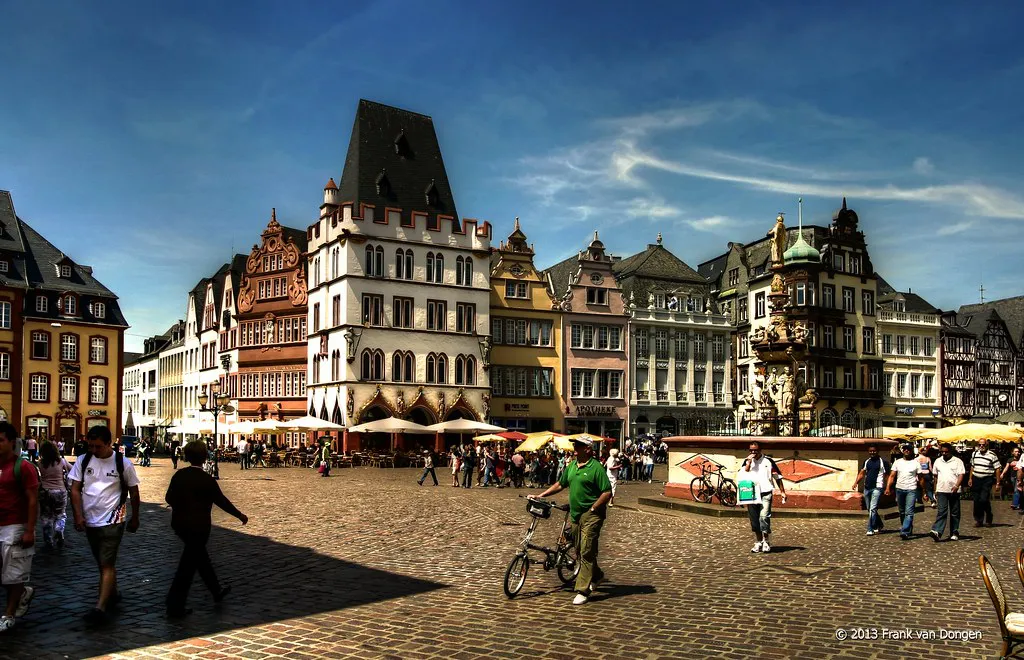
We also weighed neighborhood density. A city with 30 queer venues scattered across a 10-km radius scores lower than one with 15 concentrated on three streets, because what travelers actually need is a hotel within a five-minute walk of the scene. That's why Vinohrady, Chueca, Le Marais, and Schöneberg dominate the picks — the density is the point.
Berlin, Germany: The Industrial Heart of Queer Techno
Berlin sits on more than a century of queer history, from the 1920s Nollendorfplatz cabarets to the fall of the Wall that birthed today's mega-club scene. Schöneberg is the traditional gay village — pick a hotel near U-Bahn Nollendorfplatz and you can walk to Heile Welt, Hafen, and Prinzknecht in under ten minutes. For heavier nights, head to Friedrichshain for Berghain and KitKatClub, both of which run from Saturday night until Monday morning.
Expect cover charges of €15 to €25 and a strict door. Wear black, go in small groups, leave the cameras at home, and don't rehearse a speech — security can smell a tourist trying too hard. Drinks land at €5 to €10 inside most venues.
- Perfect for: techno devotees, history-minded travelers, nightlife marathoners who want to dance until noon
- Safety note: Schöneberg and Friedrichshain score 7.8/10 on Numbeo for walking alone at night; occasional verbal harassment reported in transit hubs after 3am
- Top bar recommendation: SchwuZ in Neukölln for drag nights, Berghain for the serious techno pilgrimage
Madrid, Spain: High-Energy Partying in the Chueca District
Chueca is the template every other gay village on this list copies. Metro Chueca drops you directly into a square where the bars spill onto the pavement from 22:00 until well past sunrise. The Bottle Club logged 98 bars with three-star-plus Google ratings inside the greater district, and the city posts a 7.1/10 hate-crime safety score — among the highest on the continent.
LL Bar is the legacy drag stage with nightly shows; Delirio and DLRO Live handle the late-night dance crowd. Drinks run €8 to €14. Book accommodation on Calle Hortaleza or Calle Augusto Figueroa to stay in the middle of it.
- Perfect for: drag superfans, first-time European Pride travelers, anyone who wants walkable density
- Safety note: Numbeo night-walk score 7.9/10; MADO Pride (first week of July) sees temporary police presence increase across the district
- Top bar recommendation: LL Bar for drag, Black & White for the classic Chueca crowd
Prague, Czech Republic: Affordable Nightlife and High Safety Ratings
Prague quietly outperforms most of Western Europe on the metrics that matter. The Bottle Club counted 52 LGBTQ+ bars — more than any other city in their ranking — concentrated mostly in Vinohrady, a residential neighborhood reached by Tram 11 or Metro A to Jiřího z Poděbrad. Numbeo's walking-alone-at-night score is a continent-leading 9.2/10, and the hate-crime index sits at 7.5/10.
The bigger selling point is cost. A pint at Q Café or Klub Termix runs €3 to €5; cocktails at the more polished Piano Bar top out around €8. That's a third of what you'd pay for the same night in Paris or Amsterdam, which is why Prague has become the budget pick for multi-night queer weekenders.
- Perfect for: budget travelers, couples wanting walkable safety, bachelorette-alternative trips
- Safety note: Numbeo 9.2/10 at night, one of the highest in Europe; Vinohrady feels genuinely residential rather than touristy
- Top bar recommendation: Termix for late-night dancing, Piano Bar for a pre-club cocktail
Barcelona, Spain: Beach Clubs and the Gaixample Scene
Gaixample — the grid bounded roughly by Carrer de Balmes, Gran Via, Aribau, and Diputació — is where Barcelona's queer life lives. Arena Madre, Metro Disco, and Museum Bar all sit within a ten-minute walk. August brings Circuit Festival, the largest gay circuit event on Earth, drawing 70,000 attendees and pushing hotel rates up threefold; book six months out or look at Sitges, 40 minutes south by train.
Cover charges are €15 to €30 and doors rarely open before midnight. Drinks are mid-tier: €8 to €12 for cocktails. Daytime is for the Mar Bella beach section or the clothing-optional Playa del Muerto near Sitges.
- Perfect for: sun-seekers, Circuit Festival crowd, travelers wanting a beach-and-club combo
- Safety note: Gaixample is well-policed and central; watch for pickpockets along La Rambla, not in the gay bars themselves
- Top bar recommendation: Museum Bar for a classy kickoff, Arena Madre for the main event
Amsterdam, The Netherlands: Historic Inclusivity and Canal-Side Bars
The Netherlands was the first country to legalize same-sex marriage in 2001, and Amsterdam's nightlife reflects that quiet confidence. Reguliersdwarsstraat is the historic queer street — SoHo, Taboo, and NYX are the anchor venues, all walkable from Koningsplein tram stop. Amstel 54 on the Amstel canal skews older and locals-heavy. Prik Bar to the north runs a friendlier mixed crowd.
Amsterdam Pride (last week of July or first week of August in 2026) is uniquely a canal parade — boats, not floats. Expect cocktails at €10 to €14 and beers at €5 to €7. The scene quiets down midweek, so plan Thursday to Saturday for the strongest programming.
- Perfect for: couples, first-time LGBTQ Europe travelers, Pride purists who want the canal parade
- Safety note: Numbeo night score 7.5/10; Red Light District adjacency can feel chaotic at 2am weekends
- Top bar recommendation: SoHo for early-evening drinks, NYX for the late dance crowd
London, UK: Diverse Queer Spaces from Soho to East London
London's queer scene is fragmented across three anchor areas and that's a feature, not a bug. Soho (Old Compton Street) is the legacy heart — G-A-Y Bar, Comptons, Admiral Duncan. Vauxhall hosts the cruise and circuit crowds at Royal Vauxhall Tavern and the now-revived Fire nightclub. Dalston and East London draw the queer alternative scene at The Glory, Dalston Superstore, and Metropolis.
Pride in London (usually last Saturday of June) pulls over a million people. Cover at most Soho venues is £10 to £18, and pints run £6 to £8 — London is the most expensive city on this list. The Tube stops running around 00:30 on weeknights; weekend Night Tube on lines like Victoria and Central covers most of the scene.
- Perfect for: alt-queer crowd, cabaret fans, travelers wanting three different scenes in one city
- Safety note: Numbeo 6.5/10 at night (lower than most cities on this list); stick to well-lit routes and licensed black cabs or Uber after 2am
- Top bar recommendation: The Glory in Haggerston for performance nights, Comptons for old-school Soho
Lisbon, Portugal: Intimate Fado Bars and Arraial Pride
Lisbon's scene concentrates in Príncipe Real and along Rua da Barroca in Bairro Alto — a 15-minute walk apart and both uphill. Trumps is the largest gay club; Purex Bar and TR3S run smaller, mixed crowds. Arraial Pride in late June is unusual in that it's free, outdoor, and family-friendly in tone compared to the circuit-heavy parties elsewhere.
Drinks are €6 to €10, lower than Madrid or Barcelona. The city's tram-and-hill geography means you'll want comfortable shoes — a mistake people make booking a hotel in Alfama and then realizing the gay bars are two steep neighborhoods away. Book near Praça do Príncipe Real instead.
- Perfect for: couples wanting a slower pace, Pride travelers who prefer outdoor festivals to circuit parties
- Safety note: Numbeo 7.4/10 at night; cobblestones are genuinely treacherous in heels or after several drinks
- Top bar recommendation: Trumps for late-night dancing, TR3S for a bear-friendly evening
Paris, France: Sophisticated Nightlife in Le Marais
Le Marais, the only officially recognized gay neighborhood in France, covers the 3rd and 4th arrondissements and is walkable from Metro Hôtel de Ville. Raidd Bar runs its famous shower show every night, Cox is the see-and-be-seen terrace, and Open Café anchors the daytime drinks crowd. For clubs, Le Club 18 is the oldest gay club in Paris (operating since 1974) and Scream Club does larger Saturday events in Bastille.
Cocktails are €12 to €18, among the priciest on this list. Paris Pride (last Saturday of June in 2026) is smaller than London or Madrid but runs through central landmarks, which makes for striking photographs. Closing times across Le Marais are 02:00 to 05:00 depending on the venue.
- Perfect for: style-conscious travelers, couples, visitors pairing nightlife with major museum days
- Safety note: Numbeo 6.7/10 at night; Châtelet-Les Halles station area can feel rough after midnight — take a Marais-side exit
- Top bar recommendation: Raidd Bar for the shower show, Le Club 18 for the oldest gay-club history lesson in the city
Brussels, Belgium: The Understated Capital of Inclusivity
Saint-Jacques is Brussels' quiet but concentrated gay district, a pedestrian zone four blocks from Grand-Place. Le Belgica is the go-to dive bar, La Réserve runs the leather and fetish crowd, and Chez Maman delivers drag dinners. The headline event is La Demence at Fuse nightclub — a circuit party that runs roughly eight times a year, not monthly, so check dates before you book flights.
Expect €10 to €20 entry at clubs and €6 to €10 drinks. Brussels flies under the radar compared to Amsterdam or Berlin, and that's part of the appeal — it's rarely crowded with tourists, and locals actually stay out past midnight.
- Perfect for: La Demence devotees, EU policy travelers, shorter two-night city breaks
- Safety note: Saint-Jacques is well-lit and central; avoid Gare du Nord and Brussels-Midi areas after dark
- Top bar recommendation: Le Belgica for local crowd, Fuse for La Demence nights
Cologne, Germany: A Year-Round Carnival Spirit and Queer Culture
Cologne hosts Germany's largest Pride (Christopher Street Day in early July, over one million attendees — bigger than Berlin's CSD) and a winter Carnival where half the city appears in costume. The gay scene splits between Rudolfplatz (the "Bermuda Triangle" of larger clubs) and the calmer Heumarkt area. Ex-Corner, Mumu, and Gloria Theater handle the main programming.
Kölsch beer runs €3 to €5 in traditional pubs — the cheapest pour on this entire list. Cover at dedicated gay clubs is €5 to €12. Reach Rudolfplatz on tram lines 1, 7, 12, or 15; nothing in the queer scene is more than a 15-minute walk from the station.
- Perfect for: beer-first travelers, Carnival-week visitors, anyone priced out of Berlin hotels
- Safety note: Numbeo 7.3/10 at night; Carnival week (early March or mid-February) means very heavy crowds and pickpocketing risk
- Top bar recommendation: Ex-Corner for the regular crowd, Gloria Theater for drag and variety shows
Two Scenes Worth a Side Trip
Two destinations missed the top ten on sheer bar count but deserve a mention because they solve different problems. Gran Canaria — specifically the resort town of Playa del Inglés — scored 10/10 on The Bottle Club's hate-crime index, the safest result in the entire study. The Yumbo Centre is the world's densest concentration of gay bars and clubs in a single shopping complex, and hotels like Axel Beach Maspalomas and Birdcage Resort operate as gay-exclusive properties. It's a flight, not a train, from mainland Europe — but the winter weather and all-male resort infrastructure make it unmatched for December-to-March escapes.
Brighton, on the UK's south coast, is the country's unofficial Pride capital. Brighton Pride in early August draws 500,000 attendees and past headliners have included Christina Aguilera, Kylie, and Britney Spears. The Kemptown scene around St. James's Street is walkable from the seafront, and Revenge remains the longest-running gay club in the city. Direct trains from London Victoria take 60 minutes — easy to pair with a London weekend.
Decision Matrix: Which City Fits Your Trip
Quick comparison across the metrics that most trip decisions actually turn on. Party intensity is a 1 to 10 scale based on venue count, closing times, and circuit programming. Safety is Numbeo's walking-alone-at-night score. Average drink is a mid-range cocktail or pint inside a typical queer bar in the main district.
- Berlin — party intensity 10/10, safety 7.8/10, average drink €6. Best for: techno devotees.
- Madrid — party intensity 9/10, safety 7.9/10, average drink €10. Best for: drag superfans.
- Prague — party intensity 7/10, safety 9.2/10, average drink €4. Best for: budget travelers.
- Barcelona — party intensity 9/10, safety 7.2/10, average drink €10. Best for: Circuit Festival crowd.
- Amsterdam — party intensity 8/10, safety 7.5/10, average drink €11. Best for: couples and Pride canal parade.
- London — party intensity 9/10, safety 6.5/10, average drink £8 (€9.50). Best for: alt-queer and cabaret.
- Lisbon — party intensity 6/10, safety 7.4/10, average drink €8. Best for: slower-paced weekends.
- Paris — party intensity 7/10, safety 6.7/10, average drink €14. Best for: luxury and style.
- Brussels — party intensity 6/10, safety 7.0/10, average drink €8. Best for: La Demence nights.
- Cologne — party intensity 7/10, safety 7.3/10, average drink €4. Best for: beer drinkers and Carnival visitors.
Visa and Entry Rules Queer Travelers Should Plan Around in 2026
One piece of planning that no nightlife guide on the current SERP actually covers: the entry paperwork has changed since 2024, and it affects how you structure a multi-city trip. The EU Entry/Exit System rolled out in late 2024 and the ETIAS pre-authorization requirement applies to most non-EU visitors from 2026 onward — a 7 EUR online form, valid three years, but it's processed per passport and can kick out borderline applications, so fill it at least 96 hours before departure.
The 90/180 Schengen rule still caps non-EU visitors at 90 days in any rolling 180-day period, which matters if you're chaining Berlin, Barcelona, Amsterdam, and Lisbon. The UK is separate: a UK ETA (visa waiver) has been mandatory for visa-exempt nationals since April 2025 if you're adding Brighton or London. Apply at least a week ahead. For trans and non-binary travelers, the practical advice is to travel with a passport whose gender marker matches how you present — several Schengen borders still flag mismatches and the Entry/Exit System biometrics make this friction more visible, not less.
How Many Days Do You Need
Berlin and London need at least three nights to see both the weeknight neighborhood bars and the Saturday marathon clubs. Smaller cities like Brussels, Prague, and Cologne work as two-night weekends — enough to see the main district without padding. Amsterdam during Pride week needs four nights because the canal parade is one day and the satellite events span the rest.

Timing matters more than length. Prague Pride runs the first week of August; MADO Pride in Madrid hits early July; Cologne CSD is early July; Amsterdam Pride is late July or early August. Outside Pride, focus on Thursday-to-Sunday arrivals — Monday and Tuesday nights across Europe are quiet, and several headline venues simply don't open midweek.
Frequently Asked Questions
Which European city has the most gay bars?
Prague currently holds one of the highest counts with 52 dedicated LGBTQ+ bars. Most of these are located in the safe Vinohrady district. This makes it an incredibly dense and affordable destination for nightlife lovers.
Is Prague safe for LGBTQ+ travelers at night?
Yes, Prague is considered very safe with a 9.2/10 safety score for walking alone at night. The queer-friendly Vinohrady area is particularly welcoming. Travelers should still exercise standard urban caution as they would in any major city.
What is the best neighborhood for gay nightlife in Madrid?
Chueca is the undisputed heart of Madrid's queer scene and one of the most famous gay villages in the world. It is packed with bars, clubs, and drag venues. The area is also highly rated for its safety and inclusivity.
Europe remains the world's premier destination for queer travelers seeking diverse and inclusive nightlife experiences. From the industrial techno of Berlin to the affordable charm of Prague, there is a city for every style and budget. By staying in dedicated districts like Chueca or Schöneberg, you ensure a safe and community-focused trip.
Remember to plan ahead for major festivals, file your ETIAS or UK ETA in advance, and check local safety ratings before you head out. Whether you are a solo traveler or with a group, these ten cities offer the best of what the continent has to offer. Enjoy the vibrant energy of the European scene and travel with confidence in 2026.