
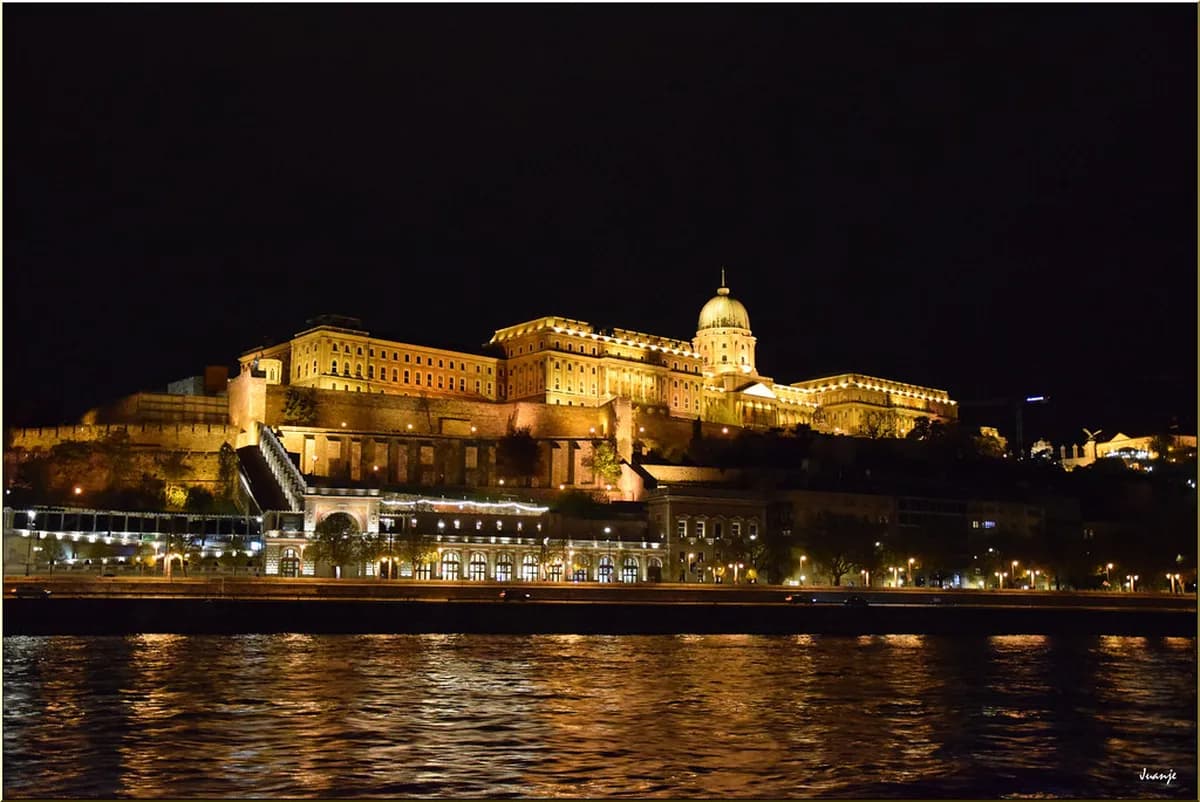
12 Best Budapest Clubs for a Wild Night Out
After five years of walking the gritty, neon-lit corridors of the Jewish Quarter, I still find new doorways in Budapest's nightlife. After dark, the city turns into a labyrinth of hidden gardens, repurposed warehouses, and opulent palaces that double as dance floors. This guide maps the 12 clubs that actually work in 2026, ranked by sound quality, atmosphere, and the real nights locals show up. Updated January 2026 after my latest winter trip to District VII.
The city's reputation for world-class partying is well-deserved, but the variety of Budapest nightlife can overwhelm first-time visitors. You might find yourself in a historic ruin pub one hour and a high-tech techno basement the next. Understanding the geography of the districts is essential for a seamless night out without wasting time in transit. Every venue here has been checked in person against 2026 opening hours, entry fees in forint, and the specific weekday each one actually peaks.
Ruin Bar to Nightclub: What the Terms Actually Mean
The word "ruin bar" (romkocsma in Hungarian) describes a specific Budapest invention: an abandoned tenement building salvaged into a bar-courtyard hybrid, furnished with mismatched sofas, bathtubs-turned-seats, and a tangle of string lights. The first was Szimpla Kert in 2002. By roughly 10pm every night, many of these ruin pubs pivot into proper clubs — the bar staff clear tables, a DJ takes a back room, and the Wednesday beer garden becomes the Saturday dance floor. Instant-Fogas is the textbook example.
A pure "nightclub" in Budapest, on the other hand, opens at 11pm, charges a door fee from the start, and plays a single genre all night: R&B at Peaches and Cream, techno at Aether, house at 4BRO Downtown. These venues do not serve dinner, do not have courtyards, and rarely open before Thursday. If you want to drink and talk, pick a ruin bar early. If you want to dance without distraction, pick a nightclub late.
Knowing the difference saves you both money and pacing. Ruin bars are free to enter before midnight and charge roughly 1,000-2,000 HUF after. Dedicated nightclubs charge 2,000-5,000 HUF at the door from opening, with Morrison's 2 topping out at 6,000 HUF for the Monday unlimited-drinks ticket. Most visitors stack one ruin bar plus one nightclub in a single night — that is the formula most of the guides behind this list follow.
Navigating District V, VI and VII on Foot
District VII, the Jewish Quarter (Erzsébetváros), is the epicenter. Kazinczy utca, Dob utca, and Akácfa utca form a walkable triangle where Szimpla Kert, Instant-Fogas, Aether, Vörös Neon, and Hello Baby Bar all sit within a 10-minute stroll. Cobblestones, shisha smoke, and English-speaking bar staff dominate this stretch. It is the correct starting point for anyone who wants to hop four venues in one night without taxis.
District V, the Inner City, is a 12-minute walk west from the Jewish Quarter across Deák Ferenc tér. This is where you find Akvárium Club under Erzsébet Square, Ötkert near St Stephen's Basilica, and the Danube waterfront that feeds into Sip & Sail: Processo Cruise. The crowd here trends older, better-dressed, and more cocktail-focused. District VI (Terézváros), just north of the Jewish Quarter, hosts Peaches and Cream on Nagymező utca and Hello Baby Bar on Andrássy Avenue.
A short summary of clubs in each district:
- District VII — Szimpla Kert, Instant-Fogas, Aether, Vörös Neon, Toldi, Hello Baby (west edge). Ruin-bar heavy, casual dress, best for bar-hopping.
- District V — Akvárium, Ötkert, Pontoon (riverside). Polished, card-only, stricter door policy.
- District VI — Peaches and Cream, Morrison's 2 (Grand Boulevard). Student-heavy, English-speaking bartenders.
12 Best Budapest Clubs for an Unforgettable Night (2026)
The 12 venues below cover every core scene in the city: ruin-bar culture, underground techno, mainstream R&B, palace-era grandeur, riverside summer parties, and cabaret. I have grouped them so a first-timer can work top to bottom and hit everything, or a returning visitor can jump straight to a genre. Pricing and hours are verified against each venue's official Instagram as of April 2026.
- Szimpla Kert — The world's first ruin bar and the one every pub crawl uses as a landmark. The labyrinth of decorated rooms, converted Trabant car in the main courtyard, and constant live acoustic acts make it unmissable for atmosphere. Entry is free until 10pm, then 1,500 HUF. Open daily 12pm to 4am at Kazinczy utca 14. Come for the visuals, not the dance floor — it is packed with tourists taking photos by midnight.
- Instant-Fogas — The merger of Instant and Fogasház produced Budapest's largest party complex: 7 dance floors, 18 bars, and a basement techno room called Lärm that runs until 6am. Entry 2,000 HUF before midnight, 3,000 HUF after, on Akácfa utca 51. Locals head straight to Lärm for unadulterated techno; commercial pop plays on the upper floors. This is where the Budapest Pub Crawl always ends.
- Morrison's 2 — The student HQ and the one club that matters on a Monday. The 6,000 HUF Monday ticket buys unlimited drinks until 4am; a standard weekend entry is 3,000 HUF. Seven dance floors, karaoke, foosball, and a ping-pong room under a heated courtyard at Szent István körút 11. The line on Mondays wraps the block — arrive before 11pm.
- Ötkert — Housed in a restored courtyard at Zrínyi utca 4, steps from St Stephen's Basilica, Ötkert is the highest-energy R&B and reggaeton room in District V. Entry is 1,000 HUF on Thursdays (the night locals rate), free for women on weekends with a 2,000 HUF cover for men. Doors open at 11pm, Thursday through Saturday. The crowd skews younger and more international than the District VII ruin bars.
- 4BRO Downtown — A polished nightclub on Király utca 13 combining a cocktail bar, restaurant aesthetic, and two dance floors — the upper one is the better room. Entry around 2,000 HUF, free for women on most nights. Open Friday and Saturday until 5am. Dress code is sharper here than the ruin bars: no athletic wear, no baseball caps. Skip the downstairs floor, which runs noticeably quieter.
- Akvárium Club — Literally under the pool of Erzsébet Square, this 1,300-capacity venue doubles as a concert hall and club. Ticket prices swing from free on event-less weekends to 8,000+ HUF for touring DJs. The sound system is the best in the Inner City. Check the calendar before showing up — on a quiet Saturday the main room can feel half-empty, but a booked night here beats any other club in town.
- Aether Club — Underground techno in a basement off Gozsdu Udvar, under Spíler bar. Entry 3,000-4,000 HUF, doors at 11pm on Fridays and Saturdays, closing at 6am. Known for a tight Funktion-One-style system, a no-photo policy, and bookings from Berlin residents including Objekt and DVS1. The room holds roughly 200 people, so arrive before 1am on headliner nights or you will not get in.
- Peaches and Cream — The R&B and hip-hop destination at Nagymező utca 46-48, on the strip locals call the "Broadway of Budapest." Entry 3,000 HUF on Friday and Saturday from 10pm, with doors closing at 4am. Drinks are cheap by club standards, and the crowd is overwhelmingly Erasmus students. Book a table in advance for groups of 6+ — the main floor gets uncomfortably tight after midnight.
- Toldi — By day it is one of the city's best art-house cinemas; by night the lobby transforms into a 200-capacity electronic room on Bajcsy-Zsilinszky út 36. Entry 1,500-2,500 HUF, events start after 11pm. Recurring party series like NIGHTDRIVE, Street Dreams, and Monday Session draw a distinctly more alternative, local crowd than the Jewish Quarter. Italo disco and synthwave dominate the programming.
- Hello Baby Bar — Set inside a 19th-century former library on Andrássy Avenue 52, Hello Baby pairs ceiling frescoes with a functional R&B/EDM dance floor. Entry 2,500-3,500 HUF, open from 10pm Thursday through Saturday. It runs recurring Erasmus welcome parties, which is the best night to go — the rest of the week can feel like the grand room is dressing up for no one.
- Vörös Neon — The only entry on this list that is not, strictly speaking, a nightclub. Vörös Neon revives mid-century Budapest cabaret with burlesque, drag, and variety shows, then opens the floor to dancing after 1am. Show tickets run 4,500-9,000 HUF depending on the performer. Located in District VII. This is the single venue other English-language guides to Budapest consistently skip.
- Pontoon — A seasonal open-air bar on the Pest-side riverbank next to the Chain Bridge, running April through September only. Entry is free, drinks run 1,500-2,500 HUF, and a DJ plays from around 8pm nightly. The crowd is noticeably older and more musically-literate than the Jewish Quarter — expect minimal techno and deep house, not top-40. The view of Buda Castle from the deck at sunset is the real reason to come early.
Seasonal Gardens: Summer Kertek vs Winter Basements
The Hungarian word "kert" (garden) is doing a lot of work on Budapest nightclub names — Szimpla Kert, Füge Udvar, Pontoon, Raqpart. Many of the city's best venues are genuinely outdoor from roughly May through mid-September, then pivot entirely indoors for the winter. Pontoon closes completely between October and March. Raqpart scales back to a covered deck. Szimpla and Instant both shrink their open-air courtyards under temporary roofs in November.
If you visit between December and March, the calculus shifts. Morrison's 2, Aether, Peaches and Cream, 4BRO Downtown, Hello Baby, and Toldi are fully indoor and stay at full capacity all winter. Vörös Neon, Akvárium, and the Lärm basement at Instant are heated, covered rooms that actually perform better in the cold months because the tourist glut thins out. Summer visitors should reverse the logic: prioritize Pontoon, Raqpart, and the Szimpla courtyard before they disappear.
One practical note on summer acoustics. District VII residents successfully lobbied for a noise ordinance in 2024 that caps outdoor courtyard sound after midnight on weeknights. In practice this means Szimpla's main courtyard turns acoustic after 12am Tuesday through Thursday, and the dance floor moves to the covered Lärm-style interior rooms. Do not plan a Wednesday outdoor party — it is not the venue's fault, it is the law.
Live Music to Dance Floor: Hybrid Venues
Budapest has a strong bench of venues where a live band plays the first set and the room transitions into a club around midnight. This is a far more mature format than the pure-DJ rooms and deserves its own mention. The best example is Akvárium Club: a touring indie band finishes at 11:30pm, the stage clears, and the resident DJ takes over until 4am without the crowd moving. Ticket prices cover both halves.
Toldi runs a similar format on "Monday Session" nights — a short live set, usually a local electronic act, feeds directly into a longer DJ stretch. Jazz bar Budapest Jazz Club on Hollán Ernő utca 7 programs trio sets until midnight that spill into a late-night cocktail floor. For Hungarian folk cross-pollination, Fonó on the Buda side hosts táncház (a folk-dance house) that ends with an open dance session where tourists are openly welcomed. None of these venues show up in the typical English-language "best clubs" lists, which skew younger and EDM-heavy.
LGBTQ+ Nightlife in Budapest: Where Locals Actually Go
The broader English-language Budapest club guides consistently skip LGBTQ+ venues, which is a meaningful gap given the scene's visibility and how welcoming it is despite Hungary's complicated political climate. The two dedicated clubs worth knowing are AlterEgo on Dessewffy utca 33 and Why Not Cafe on Belgrád rakpart 3. AlterEgo runs a Thursday-through-Saturday schedule with drag shows around midnight and a house-and-pop dance floor until 5am. Entry is 2,000-3,000 HUF.
Why Not, on the Danube, has a cozier bar-upstairs and dance-floor-downstairs layout, with a strong following among locals in their 30s. The crowd is international, welcoming, and noticeably less tourist-heavy than the District VII ruin bars. Both clubs have been running continuously since 2014+ and have strong door security. For non-dedicated nights that draw a mixed queer crowd, Toldi and Instant-Fogas' main floor are the usual choices. The Budapest Pride weekend in late June expands every Jewish Quarter ruin bar into an unofficial queer venue.
Closed Venues 2026: Do Not Show Up Here
Outdated English-language guides still list several venues that have permanently closed. Showing up at these addresses will cost you a taxi fare and half an hour. As of April 2026, the clubs below are no longer operating: Tesla Budapest (Kazinczy utca, closed 2021), Corvin Club (Blaha Lujza tér, closed 2023), Tütü (closed 2019), Larm (original location) — Lärm relocated inside Instant-Fogas and is still running, so check the address, and Kolor (the space is now 4BRO Downtown on Király utca 13).
Two more worth a heads-up. Ellátó Kert on Kazinczy utca still operates as a beer garden but dropped its club programming in 2024 — do not plan a DJ night here. Kuplung, the motorcycle-garage ruin bar on Király utca, reopened in 2025 with shorter hours (Thursday to Saturday only). Check Instagram the day of your visit; Budapest club openings and closures move faster than travel guides update.
What to Skip: Overrated Nightlife Experiences
Beyond the permanently closed venues above, a few common pitfalls still trap tourists. Avoid the bars directly on Váci utca — they are notorious for inflated prices, aggressive touts, and "free drink" offers that produce three-figure final bills. If someone on the street suggests walking you to "a better bar nearby," decline and walk away. Stick to the established venues in the Jewish Quarter or those recommended by a reputable Budapest pub crawl guide.
Szimpla Kert is a must-visit for its visual history, but it is not the best place for serious dancing. The main courtyard is often so packed with tourists taking photos that moving across the room becomes a challenge. Treat Szimpla as a place for a couple of drinks and visual exploration before moving to Instant-Fogas or Aether for the dance floor. You will find a much better musical flow at dedicated clubs.
Generic boat parties advertised by flyer distributors near Gozsdu Udvar can be overcrowded and serve poor drinks. If you want a river experience, book a reputable provider or stick to a Sip & Sail: Processo Cruise for better value. The "unlimited drinks for 6,000 HUF" trick only works at Morrison's 2 on Mondays — elsewhere, unlimited offers tend to pour very low-quality spirits. It is usually cheaper per drink to pay by the round at a Peaches and Cream than to fall for a street promoter.
Practical Tips for Clubbing in Budapest
Safety in Budapest is high by European capital standards, but standard late-night precautions apply. Solo travelers should stick to well-lit main streets — Király utca, Kazinczy utca, and Andrássy út are fine after 3am. Always book taxis through the Bolt app rather than hailing on the street; a flagged cab from outside Szimpla will cost four times the metered fare. The ATM near the entrance of Instant-Fogas has documented skimming history; withdraw cash at a bank machine inside the M2 metro instead.
Dress codes vary sharply. Ruin bars (Szimpla, Instant, Fogas) accept sneakers, shorts, and t-shirts without issue. Dedicated nightclubs in District V — 4BRO Downtown, Ötkert, Akvárium — enforce a smart-casual policy that rules out athletic wear and open-toed shoes for men. Hello Baby, despite the casual name, sits closer to the District V end of the dress spectrum. If you plan to visit a mix, wear dark sneakers, long trousers, and a collared or solid shirt.
Recovering the next morning is a local tradition. A visit to the Széchenyi Spa is the most popular way to sweat out the previous night. Stay hydrated through the night — most clubs hand out free tap water at the bar if you ask. Public transport resumes at 4:30am, and the 4/6 tram runs 24 hours along the Grand Boulevard, which covers Morrison's 2, Peaches and Cream, and the western edge of the Jewish Quarter. Night buses (901, 907, 914) cover everywhere else.
Frequently Asked Questions
What is the best night to go out in Budapest?
While Friday and Saturday are the busiest, Thursday is a local favorite for a slightly more authentic vibe. Morrison's 2 also hosts a famous Monday night party that is popular with students and travelers.
Are Budapest clubs expensive?
Budapest remains very affordable compared to London or Paris, with entry fees typically under $15. Beers usually cost between $3 and $5, while cocktails range from $7 to $12 at most mid-range venues.
Is there a dress code for ruin bars?
Ruin bars like Szimpla Kert have no formal dress code and welcome casual attire like t-shirts and sneakers. However, some central dance clubs may require a more polished look to enter after midnight.
Budapest offers a nightlife experience that is truly unique in Europe, blending historical grit with modern electronic sophistication. Whether you find yourself lost in the multi-room chaos of Instant-Fogas or sipping prosecco on the Danube, the city never fails to surprise. Respect the local residents in the Jewish Quarter by keeping noise levels down on Kazinczy and Dob utca when walking between the many best pubs in Budapest. With a bit of planning, the right district strategy, and the correct weekday for your chosen venue, your night in the Hungarian capital will likely be the highlight of your European travels.