

Best Nightlife in Europe: The 11 Best Party Cities for 2026
After a decade of traversing the continent's most legendary dance floors, I have curated this definitive guide to the best nightlife in Europe. From the gritty warehouses of Berlin to the sun-soaked shores of Ibiza, each city offers a distinct rhythm and culture. Every entry below has been re-verified against 2026 opening schedules, cover charges, and door policies so you can plan a trip without guessing.
Time Out's 2024 worldwide survey rated Berlin at 82% for nightlife quality and 48% for affordability, crowning it Europe's top party capital. That finding still holds in 2026, but the continent has ten other world-class party cities that each earn their place for a specific reason — techno, ruin bars, splavovi, beach clubs, or all-night bar streets. We have analyzed everything from the best clubs in Europe to budget bar streets and cheap nightlife to map each city to the traveler it actually suits. This is both a best-nightlife and a best-party-cities ranking: every city below is somewhere you can plan an entire trip around the night.
The 2026 season brings fresh DJ residencies, a Berlin VAT reclassification that quietly cut club ticket prices, and the usual seasonal rhythm where Mediterranean islands peak between June and September while Berlin and London stay year-round. Use the Vibe Check below to match your music taste and budget, then scroll to the city sections for the specific clubs, door rules, and "getting home" tips you need on the ground. For a Nordic addition to any of these routings, see our guide to Copenhagen nightlife.
Vibe Check: Matching City to Mood
Before booking, compare the eleven cities at a glance. "Intensity" reflects how hard the city pushes you toward all-night partying, not how fun it is — Lisbon at 3/5 is still better than many capitals at 5/5. Drink prices are average for a local beer in a mid-range club, converted to EUR in April 2026.
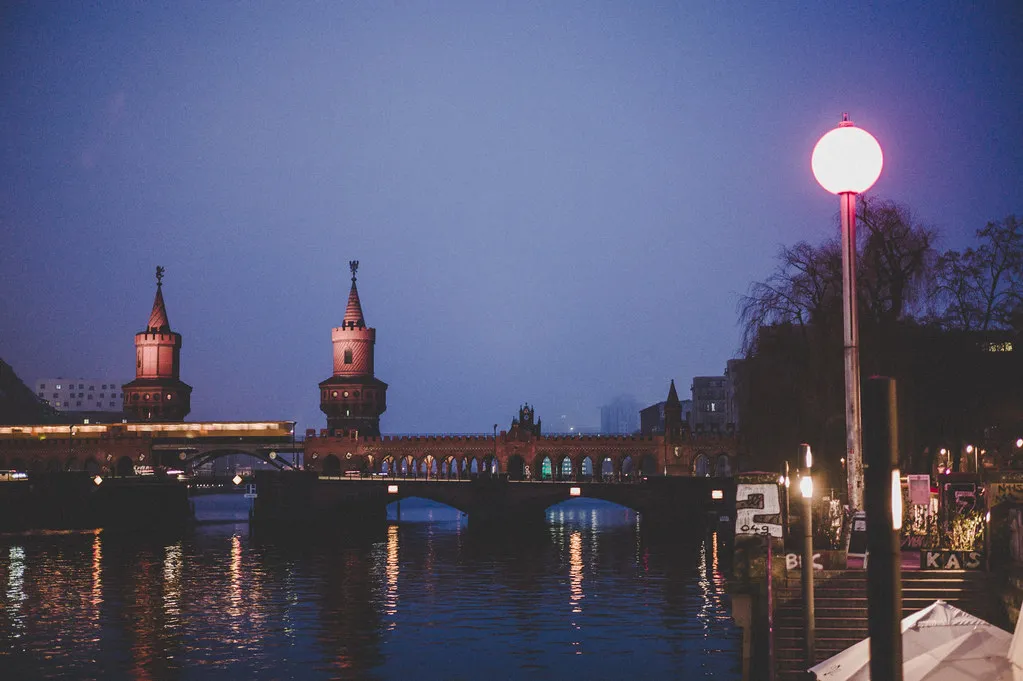
- Berlin: techno and house, beer ~€5, intensity 5/5, year-round, Sunday daytime raves.
- Budapest: eclectic ruin-bar electro and pop, beer ~€3, intensity 4/5, year-round.
- Ibiza: EDM, tech-house, trance, beer ~€10, intensity 5/5, strictly May to October.
- Barcelona: beach-club house and Latin, beer ~€6, intensity 4/5, year-round (summer peaks).
- Belgrade: Balkan house and turbo-folk, beer ~€3, intensity 4/5, splavovi season May to September.
- Prague: multi-genre tourist clubs, beer ~€2.50, intensity 3/5, year-round.
- Mykonos: luxury beach-club house, beer ~€12, intensity 4/5, strictly June to September.
- Budva: open-air EDM, beer ~€3, intensity 5/5, strictly July to August.
- London: drum and bass, techno, garage, beer ~£6, intensity 4/5, year-round.
- Lisbon: indie, bar hopping, riverside raves, beer ~€3, intensity 3/5, year-round.
- Amsterdam: deep house, techno, festival season, beer ~€6, intensity 4/5, year-round (peak May–Sept).
Berlin, Germany: The Techno Capital of the World
Berlin remains the world benchmark for techno, and 2026 is a cheaper year to visit than 2025. In January 2026 the German government reclassified club performances as cultural events, dropping VAT on ticket sales from 19% to 7% — many venues have passed most of that saving on, shaving €3–5 off the door at places like Tresor, ://about blank, and RSO. Door charges now typically run €15–22 rather than last year's €20–28.
The essential rotation for a first visit is Berghain (Friedrichshain, Friday midnight through Monday morning, €18–25), Tresor (Mitte, historic industrial techno, €12–20), ://about blank (Ostkreuz, outdoor garden, €12–18), and Sisyphos (Rummelsburg, weekend-long summer party, €15). For Berghain specifically, dress in dark minimalist black, go alone or in a pair, speak German if you can manage a greeting, and avoid showing up drunk or on a tourist coach schedule (3am Friday or 8am Saturday morning are the easiest slots).
Getting home is easy. The U-Bahn and S-Bahn run 24 hours on Friday and Saturday nights, and buses (M-lines) cover the gaps. Use FREENOW or Uber for taxis; Bolt has spottier coverage here than in Eastern Europe. Berlin's nightlife is the safest on this list for solo travelers, but keep your phone in a zipped pocket on the U8 line after 2am.
Budapest, Hungary: Ruin Bars and Thermal Sparties
Budapest invented the ruin bar — old abandoned courtyards turned into junk-shop drinking halls — and Szimpla Kert in the Jewish Quarter remains the archetype. Entry is free before 9pm, a half-litre of local beer runs €3–4, and the venue sprawls across two floors with a converted Trabant car as seating. For dancing, Instant-Fogas combines seven rooms of house, electro, and Balkan pop under one roof with a €5–8 cover.
The Szechenyi Baths host Sparties (spa parties) every Saturday from late spring through autumn. Tickets start around €55 and include unlimited bath access, DJs, and light shows in the outdoor thermal pools until 3am. Book online via the official Szechenyi Sparty site two to three weeks ahead; resellers charge double and sometimes deliver fake QR codes at the door.
Pickpocketing is the main risk in the Jewish Quarter after midnight. Two concrete scams to know: (1) "student" friendliness in Szimpla leading to a suggested second bar with a forced €200+ bill, and (2) cab drivers who refuse the meter. Use Bolt for any ride back to your accommodation — it is the dominant app in Budapest and prices a 10-minute trip at €3–5.
Ibiza, Spain: The World's Ultimate Clubbing Mecca
Ibiza is strictly seasonal. The opening parties run the last weekend of May, closing parties span the first two weeks of October, and between those bookends the island hosts the densest concentration of resident superstar DJs on the planet. Hï Ibiza in Playa d'en Bossa and Ushuaïa across the road are the two defining megaclubs; Pacha and Amnesia carry the legacy vibe. Tickets run €50–100 online in advance and €70–130 at the door.
Budget realistically. A standard night out (€75 ticket, €14 vodka soda x3, €30 taxi each way) totals around €150–180 per person. Pre-drink at Bora Bora beach bar (free entry, bring-your-own supermarket sangria is tolerated) or at your hotel. If you want to see what Ibiza is about without the megaclub cover, the sunset at Café del Mar in Sant Antoni remains free, and the closing parties at Amnesia in early October are cheaper and musically better than the August peak. See our guide to the best party islands in Europe for more summer picks.
Getting home is the weak point. The discobus runs fixed routes between San Antonio, Playa d'en Bossa, and Ibiza Town until 6:30am in peak season for €4, but from Ushuaïa to the north coast you need a taxi — and queues at 5am can exceed 90 minutes. Download TaxiClick (the official island app) rather than relying on Uber, which is limited here.
Barcelona, Spain: Beach Clubs and Late-Night Tapas Culture
Barcelona's party rhythm is uniquely Spanish: dinner at 10pm, bars at 1am, clubs at 3am, breakfast churros at 7am. The Port Olímpic strip delivers a row of free-entry bar-clubs facing the marina, while Opium and Pacha Barcelona sit directly on the sand with covers of €20–40 depending on the DJ. For indie and rock, Razzmatazz in Poblenou splits five rooms across genres with a single €20 wristband.
The neighborhood to beat is El Raval for lower prices and El Born for design-led cocktail bars. Avoid Las Ramblas bars past midnight — the drinks are diluted, the prices are triple, and the pickpocket density is the highest in Western Europe. Keep your phone in a zipped front pocket and your card separate from your cash.
The metro closes at midnight on weekdays and runs all night only on Saturdays. For Friday and weekday returns, Cabify and FREENOW are reliable; the street-hail white-and-yellow taxis also use meters honestly. A ride from Port Olímpic to central Eixample runs €10–14 at 4am.
Belgrade, Serbia: The Floating Splavovi of the Balkans
Belgrade's signature experience is the splavovi: floating river-barge clubs moored on the Sava and Danube. The season runs late April through September; most splavovi are free to enter, domestic beer costs €2–3, and the music ranges from deep house to Balkan turbo-folk. 20/44 is the serious techno splav on the Sava (small, intimate, sunrise sets), Freestyler is the glossy commercial option, and Shake 'n' Shake at the end of the Novi Beograd strip hosts the biggest mixed crowd.
In winter the party moves inland to Drugstore (industrial techno in a former slaughterhouse) and KPTM. Entry rarely exceeds €10. A full night including drinks, cover, and taxis typically costs €25–40 — making Belgrade the best value on this list alongside Prague. Our guide to Eastern Europe's party cities covers more Balkan routings.
Safety is better than the city's old reputation suggests, but two warnings. Splavovi quality varies week to week: check the Belgrade Night Map Facebook group the day you go, not a travel blog from three years ago. And never get in an unmarked "taxi" waiting outside a splav at 5am — use CarGo or Pink Taxi apps, which price a ride to Stari Grad at €4–6.
Prague, Czech Republic: Affordable Beer and Multi-Story Clubs
Prague pairs the cheapest beer in any European capital (€1.80–2.50 for a half-litre) with a weird, tourist-heavy club scene dominated by Karlovy Lázně — five floors of music genres near Charles Bridge, €10–15 cover. Locals avoid it. The real nightlife lives in Vinohrady and Žižkov: Cross Club (industrial steampunk décor, drum and bass, €5 cover), Roxy (electronic and live acts, €8–15), and Vzorkovna (the "Dog Bar," maze-like, legendary).
Skip the Old Town pub crawls. They funnel you into three overpriced venues on commission and ruin the evening for €30 upfront. Walk instead to Náplavka on the Vltava embankment from April through October for riverside beer stands, or to U Sudu for a four-floor underground labyrinth bar with honestly priced Pilsner.
The main Prague scam is the "gentleman's club" tout on Wenceslas Square promising "one free beer inside" — the tab at the end runs into hundreds of euros and bouncers physically block the exit. Stay on known streets, use Bolt or Liftago apps for taxis (a ride across the center is €4–6), and avoid paying in euros anywhere that accepts them — the exchange rate will cost you 30%.
Mykonos, Greece: Glamorous Summer Beach Parties
Mykonos runs from June through September and charges accordingly. Nammos on Psarou Beach, Scorpios on Paraga Beach, and SantAnna define the champagne-lunch-into-sunset-party circuit — expect €30–100 sunbed minimums, €18 cocktails, and a dress code that skews toward linen and designer swimwear. Cavo Paradiso, perched on a cliff above Paradise Beach, is the after-hours megaclub; doors open at 2am and the sunrise set is the one to stay for.

Book everything two to three weeks ahead in July and August. Sunbeds at Scorpios require credit card pre-authorization; Cavo Paradiso tables start at €1,000 minimum spend. For the budget-conscious, Paradise Beach Club (not the same as Cavo Paradiso) is walk-in with €10–15 beers and a younger, louder crowd.
Getting home on Mykonos is the constant headache. The municipal buses stop at 2am, Uber is not operational, and the official taxi rank at Fabrika square often has a 60–90 minute wait after 3am. Pre-book through your hotel concierge or share a ride organized by the beach club itself — Scorpios and Nammos both run return shuttles to town for €10 per person if you ask.
Budva, Montenegro: The Adriatic's Hidden Party Gem
Budva peaks for six weeks — mid-July through the end of August — and delivers the same Adriatic energy as Split's nightlife up the Croatian coast, but at Eastern-European prices. Top Hill, perched on a mountain above the old town, is the open-air megaclub capable of holding 5,000 people under the stars; tickets run €15–40 depending on the DJ, and international names like Solomun, Tale of Us, and Peggy Gou anchor the summer calendar. Trocadero in the old town is the smaller, glossier alternative.
The day scene focuses on beach clubs at Jaz Beach and Ploče Beach, where entry is €10–20 and a beer is €3–4. The old town imposes a 1am curfew inside the walls, which is why the party migrates to Top Hill or the promenade strip after midnight. Dubrovnik is a two-hour bus away and often pairs well for a four-night itinerary.
Getting home from Top Hill is a single-road descent; the club runs chartered buses back to Budva town for €5, and taxis queue at the entrance charging a fixed €10 fare. Never walk — the road is unlit, has no pavement, and locals drive fast. Currency is the euro despite Montenegro not being in the Eurozone, which simplifies budgeting.
London, UK: Diverse Venues and World-Class DJ Residencies
London's strength is breadth. Fabric in Farringdon remains the flagship for underground house, techno, and drum and bass (£15–30, open until 7am Saturday). Printworks closed in 2023, but its replacement Drumsheds in Tottenham now hosts 15,000-capacity shows with global headline acts. Ministry of Sound still anchors commercial electronic, and XOYO in Shoreditch runs the best thirteen-week DJ residency series in Europe.
For bars, Shoreditch, Dalston, and Peckham replaced Soho as the neighborhoods locals actually drink in. A pint runs £6–8, cocktails £12–16. Budget around £100–150 per full night out when taxis and tickets are included. London is expensive but uniquely walkable — you can bar-hop four venues across Shoreditch on foot in an evening.
The Night Tube runs all night Friday and Saturday on five lines (Central, Jubilee, Northern, Piccadilly, Victoria). After 2am use Uber or Bolt rather than black cabs, which charge nearly double. Never accept a lift from an unlicensed "minicab" touting outside a club — these are illegal and dangerous. Keep your phone out of sight on the pavement; moped theft spiked again in 2025.
Lisbon, Portugal: Bairro Alto Bar Hopping and Riverside Raves
Lisbon does the European pub crawl better than any city on this list because its bars are a single neighborhood — Bairro Alto, where roughly 200 small bars spill onto cobblestone streets and drinking on the street is legal. A caipirinha runs €3–5, entry is free, and the crowd moves between venues fluidly until 3am, when attention shifts downhill to the club strip.
The serious clubs are Lux Frágil on the riverfront (€15–30, the best sound system in Portugal, co-owned by John Malkovich) and Ministerium for techno at Praça do Comércio. In summer, outdoor venues like Village Underground Lisboa and boat parties on the Tagus extend the night past sunrise. Pensão Amor, a former brothel turned multi-room bar, is the must-see for atmosphere rather than dancing.
The Lisbon metro closes at 1am, but night buses run until 5am and ride-shares (Bolt, Uber, FREENOW all active) price a trip from Lux Frágil to Bairro Alto at €4–6. Solo travelers should read our guide to the safest nightlife cities in Europe for neighborhood-level safety tips — Lisbon is very safe, but Intendente and parts of Martim Moniz have a late-night drug dealing presence.
Amsterdam, Netherlands: Deep House and Festival Season
Amsterdam earns its place for two things: a serious deep-house and techno club culture, and the densest electronic-festival calendar in Northern Europe. The flagship clubs are Shelter (a basement room under the A'DAM Tower in Noord, late underground techno), Radion (a former dental school in Nieuw-West that runs marathon weekend programmes), and De Marktkantine for house and disco. For live-leaning nights, the legendary Paradiso (a converted church on the Leidseplein) and Melkweg remain the institutions. Covers typically run €15–25, and most serious clubs run late into Sunday.
The festival season is the real draw. Amsterdam Dance Event (ADE) in October turns the entire city into a five-day conference-and-club takeover with hundreds of events, while DGTL and the summer outdoor parties at the NDSM wharf draw international line-ups. Budget around €60–100 for a full night out once tickets, drinks (€6–7 a beer), and transport are included — cheaper than London or Ibiza, pricier than Eastern Europe.
Getting home is easy: night buses (the N-lines) run when the trams and metro stop, and ride-shares (Uber, Bolt) are reliable and price a cross-city trip at €10–15. As in Berlin, the serious techno rooms enforce a strict no-photo policy with camera stickers at the door — respect it. For more island and beach-club options, compare with our best party islands in Europe guide.
How Much Does a Night Out in Europe Cost?
The price gap between Eastern and Western European party cities is now the widest it has been in a decade. A full night out — cover, five drinks, taxis, and a 4am snack — runs €25–40 in Belgrade or Prague, €60–90 in Berlin or Lisbon, €120–160 in London or Barcelona, and €200–300 in Ibiza or Mykonos. Those figures assume you pre-drink at your accommodation rather than inside a megaclub.
Hidden costs bite hardest in the expensive tier. Cloakroom fees run €2–5 in Berlin and London and are non-negotiable in winter. Ibiza and Mykonos add VIP-only sections that raise the effective floor price by €50–100 even if you never sit there. Always carry €50–100 in local cash for smaller bars and splavovi — card terminals fail routinely at 3am, and ATMs inside clubs charge 10% convenience fees.
Affordable alternatives exist within each city. Berlin's Kreuzberg outdoor raves cost €5–10 versus €20 at Berghain. Barcelona's Gracia neighborhood bars undercut the Port Olímpic by half. Prague's Vinohrady is a third cheaper than the Old Town. Use public transport (London Night Tube, Berlin U-Bahn, Lisbon night buses) whenever available — ride-shares double or triple in surge pricing between 2am and 5am.
Mastering the Door: Berlin Policies and Club Etiquette
Berlin door policies are the strictest in Europe and the most misunderstood. Bouncers at Berghain, Sisyphos, and ://about blank look for signs that you understand what the club is — not a specific outfit. Go alone or in a pair (groups of four or more are refused on sight), speak a calm greeting in German, don't laugh or film the queue, and don't dress like you're going to a tourist bar. Black clothes, practical shoes, no statement branding. If you get turned away, leave without arguing — trying again the same night is a permanent ban.
A rule that surprises first-timers: most serious Berlin and Amsterdam techno clubs now enforce phone camera stickers at the door. Staff physically cover your rear camera with an opaque sticker and check it randomly on the dance floor. Taking it off, or photographing anything, gets you ejected without a refund. The same applies at De School and Shelter in Amsterdam. Respect it — the no-photo culture is what keeps the floor open.
Free earplug dispensers are now standard at any serious techno venue across Germany, the Netherlands, and Belgium; grab a pair at the bar. Water is free from bathroom taps in Germany (legally required), so you do not need to buy €5 bottled water on the dance floor. And if you are in a city with a strict drug law (UK, Hungary, Czech Republic), understand that possession charges apply to tourists the same as locals — no exceptions are made for being drunk or foreign.
What to Skip: Tourist Traps and Safer Alternatives
Some nightlife experiences consistently under-deliver for the price. Organized Prague and Budapest pub crawls funnel 40+ strangers into three venues on commission — low-quality drinks, generic music, and a €25–35 upfront fee that buys you watered-down shots. Walk yourself: Vinohrady in Prague and the Jewish Quarter in Budapest are self-guided routes with better bars.
In Ibiza, the VIP table experience is a €2,000–5,000 mistake for most travelers. You sit behind a velvet rope, watch other people dance, and pay ten times the floor price for a bottle of Grey Goose. Unless you are specifically there to network or impress a client, the main floor at Hï or Ushuaïa is a better experience for a tenth of the cost. Similarly, avoid generic "gentleman's club" touts on Wenceslas Square in Prague and around Rambla in Barcelona — the tab scam is real and has no legal recourse.
Lastly, be wary of copycat names. Paradise Beach Club in Mykonos is not Cavo Paradiso. Pacha Barcelona is not Pacha Ibiza. "Berghain" merch shops near Alexanderplatz have no relationship to the club. Read reviews for the specific venue you are booking, not the city, and confirm addresses against the official venue website rather than aggregator sites.
Explore More European Nightlife Guides
This hub ranks the continent's best party cities. Go deeper with our focused guides — by region, by music, by budget, and by trip type:
- Eastern Europe Party Cities
- Best Clubs in Europe
- Best Techno Cities in Europe
- Best Party Islands in Europe
- Best Beach Clubs in Europe
- Best Music Festivals in Europe
- Cheap Nightlife in Europe
- Safest Nightlife Cities in Europe
- LGBTQ+ Nightlife in Europe
- Bachelor Party Destinations in Europe
- Stag Do Destinations in Europe
- European Cities for Young Travelers
- New Year's Eve Nightlife in Europe
- 2-Week Europe Nightlife Itinerary
Frequently Asked Questions
What is the best city for techno in Europe?
Berlin is widely considered the techno capital of the world due to its industrial venues and 24-hour party culture. Iconic clubs like Berghain and Tresor offer unparalleled sound systems and a dedicated underground atmosphere.
Is nightlife in Europe safe for solo travelers?
Most European party hubs are safe if you stay aware of your surroundings and avoid excessive intoxication. Use reputable taxi apps and keep your valuables secure to prevent common street crimes like pickpocketing.
When is the best time to visit Ibiza for clubbing?
The Ibiza clubbing season runs from late May to early October, with opening and closing parties being the most sought-after events. July and August offer the busiest crowds and the most famous DJ residencies.
Europe's nightlife scene is a vibrant tapestry of sounds and settings that caters to every type of traveler. Whether you prefer the grit of a Berlin basement or the glamour of a Greek beach, these cities deliver unforgettable memories. Remember to respect local customs, keep your phone in your pocket when required, and plan your transport ahead of time for the best possible experience.
By following this guide to the top destinations, you can navigate the continent's most exclusive doors with confidence. The 2026 season — with cheaper Berlin tickets, a packed Ibiza calendar, and new outdoor raves across Lisbon and Belgrade — is set to be the strongest year for European nightlife since 2019. Pack practical shoes, keep your ID accessible, and prepare for a journey through the most legendary party cities in the world.


