
Lisbon Nightlife Guide: 7 Essential Tips & Areas
Lisbon nightlife truly begins when most other European cities are winding down for the evening. You should not expect to see crowds in the streets before 22:00 on most nights. Most locals finish dinner late and head to small bars around midnight for their first drink. This late-night rhythm defines the energetic Portuguese social scene and creates a unique atmosphere.
Finding the best bars in Lisbon requires understanding the distinct personality of each historic neighborhood. The city offers everything from gritty underground techno clubs to soulful Fado houses in Alfama. Whether you want to dance until dawn or sip wine on a terrace, Lisbon has something special. Our 2026 guide will help you navigate the hills and find the perfect spot for your vibe.
Quick Summary: Best for students is Bairro Alto. Best for trendy late-night vibes is Cais do Sodré. Best for culture and Fado is Alfama. Best for sophisticated cocktails is Príncipe Real. Best for industrial-cool music is LX Factory. This summary helps you choose your starting point based on your personal travel style. Prepare for a long night that often ends with sunrise over the Tagus River.
Key Takeaways
- Start your night late, as bars only get busy around midnight.
- Wear flat, grippy shoes to handle the slippery cobblestone hills.
- Try a late-night bifana sandwich to fuel your dancing until dawn.
- Use ride-share apps for safe and affordable transport after 01:00.
Lisbon Nightlife: What to Expect and When to Go
The most important thing to know about Lisbon nightlife is the incredibly late schedule followed by locals. Bars generally stay quiet until nearly midnight, when the streets of Bairro Alto begin to fill up. Clubs often do not see significant crowds until 02:00 or even 03:00 in some cases. Planning your evening around these times ensures you arrive when the energy is at its peak, not two hours too early.

Stage zero of any proper Lisbon night is the sunset drink at a miradouro, the city's many hilltop viewpoints. Locals gather at Miradouro de Santa Catarina (also called Adamastor), Miradouro de São Pedro de Alcântara, and Miradouro da Graça between roughly 19:00 and 21:00 with takeaway beers from a nearby kiosk or supermarket. Bringing your own bottle is normal and costs a fraction of a bar drink. Skipping this ritual means you miss the social heartbeat that actually warms up the city before the bars do.
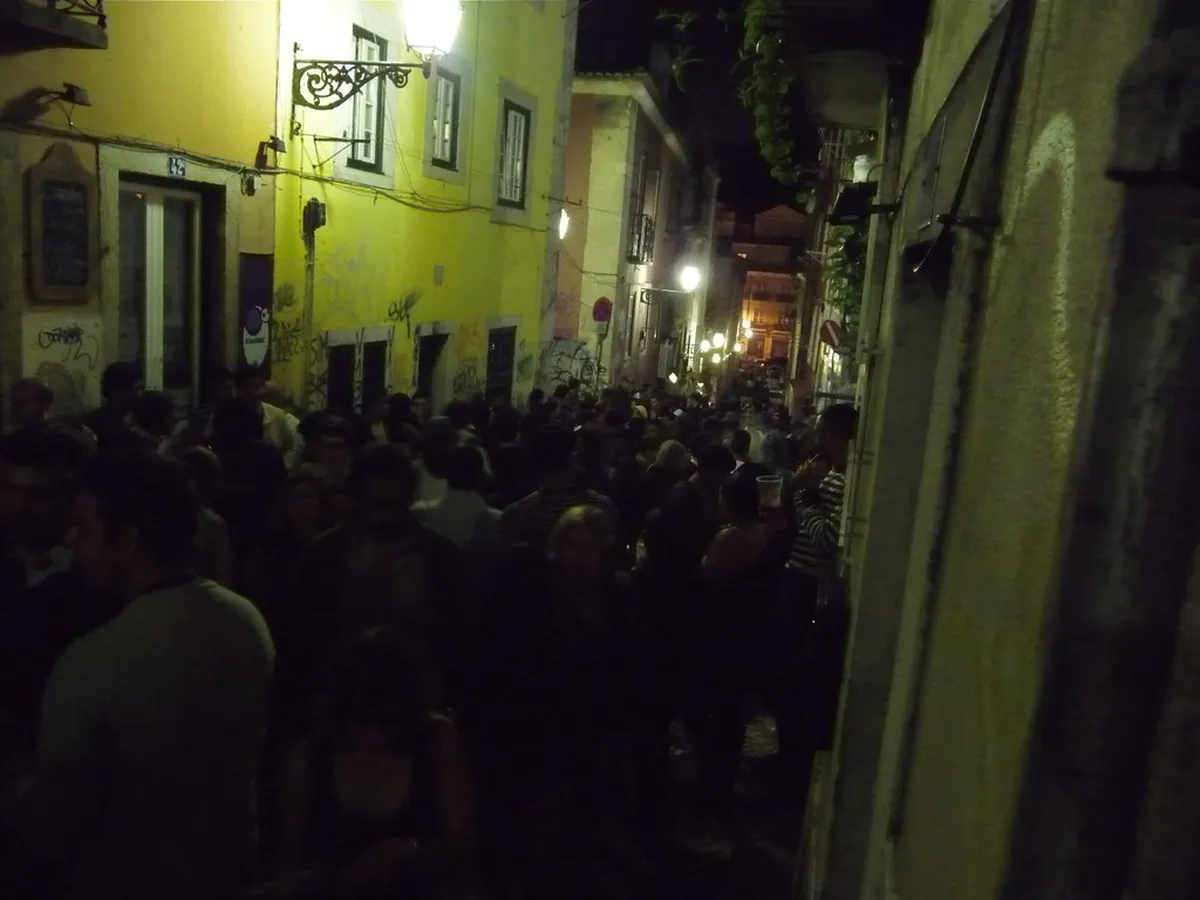
Lisbon is famous for its open-air drinking culture where people socialize in the streets rather than inside. This is especially true in 2026 as more venues embrace outdoor spaces and pedestrian-friendly zones. You will see thousands of people holding plastic cups while chatting in the narrow alleys of the center. The tradition makes the city feel like one massive, friendly house party every weekend night.
Dress codes vary wildly depending on the specific neighborhood and venue you choose. Bairro Alto is extremely casual, while the high-end clubs near the river expect a much sharper look. You should always check the specific requirements for major clubs to avoid being turned away at the door. Smart-casual works best if you plan to visit multiple areas in one evening.
- The Local Nightlife Timeline
- 20:00: Sunset drinks at a miradouro with a takeaway beer
- 21:30: Late dinner in a local tasca or TimeOut Market
- 23:30: First drinks in Bairro Alto
- 02:00: Moving down to Cais do Sodré clubs
- 04:00: Dancing at Lux Frágil or Ministerium
- 05:30: Bifana sandwich and the walk home
Bairro Alto: The Heart of the Party
Bairro Alto serves as the primary meeting point for anyone starting their night in the city center. This historic district packs more than 120 small bars into a tight grid of cobblestone streets like Rua da Rosa, Rua do Diário de Notícias, and Rua da Atalaia. Most people buy a drink inside and then stand outside to socialize with friends in the fresh air. It creates a massive, open-air party atmosphere that feels incredibly welcoming to newcomers and locals alike.
You should definitely try a shot of Ginjinha, the traditional Portuguese cherry liqueur, while exploring this area. Many small windows serve this sweet drink for 1.50 to 2 euros to passing pedestrians. It is a classic way to kick off your evening before heading into the louder music bars. Look for the oldest establishments to get the most authentic taste of this local favorite.
A word of warning that rarely makes it into guide articles: many Bairro Alto bars are notorious for watering down mixed drinks once a room is crowded. Before you buy a round for four people, buy one test drink and taste it. If it is obviously weak, walk two doors down. Standout venues where locals still drink well include Pub Português, A Capela, The Old Pharmacy, and Maria Caxuxa.
If you are traveling solo, booking Lisbon Pub Crawl Tickets is a fantastic way to meet people. These organized tours take you to several hidden gems that you might miss on your own. They also provide a safe environment for navigating the maze-like streets of the upper district. Most crawls include a few free drinks and skip-the-line entry to a club later in the night. The bars in Bairro Alto typically close around 02:00 to 03:00 on weekends, at which point the crowd naturally migrates down the hill toward the riverfront.
Cais do Sodré: Pink Street and Late-Night Clubs
Cais do Sodré has transformed from a gritty port district into the city's trendiest late-night destination. The famous Pink Street, officially Rua Nova do Carvalho, serves as the colorful epicenter of this neighborhood. You will find eclectic venues like Pensão Amor, which was once a brothel but now serves cocktails beneath mirrored ceilings in a former pole-dancing room. This neighborhood stays active long after the bars in Bairro Alto have closed their doors.
For those who prefer a view, checking out the best rooftop bars in Lisbon nearby is highly recommended. Many hotels in the area offer stunning vistas of the 25 de Abril Bridge and the river. Sipping a drink while watching the lights reflect on the water is a highlight for many visitors. These spots provide a more relaxed alternative to the crowded streets below.
The music scene in Cais do Sodré is incredibly diverse and caters to almost every possible taste. You can find everything from live rock and jazz to heavy electronic beats within a few blocks. Venues like Musicbox, tucked under the arches on Rua Nova do Carvalho, are legendary for their curated lineups and intimate, cave-like atmosphere. Sky Bar Lisboa by Seen above the Tivoli Avenida delivers the opposite extreme: glass walls, floor-lit DJ booth, and 14-euro cocktails.
Street food vendors also thrive in this area, offering quick bites to hungry partygoers between stops. The atmosphere here is slightly more intense and focused on music than the social Bairro Alto. Prices run noticeably higher on Pink Street than up the hill, and clubs typically charge a 15 to 30 euro cover after 01:00. Be prepared for larger crowds and higher energy levels as the clock strikes 02:00.
Príncipe Real and Chiado: Sophisticated Cocktails
Just north of Bairro Alto, Príncipe Real is the neighborhood locals name when they want a drink without the sidewalk-chaos volume. It is one of Lisbon's most affluent districts and the historic center of the city's LGBT community, which gives the bar scene a polished but warmly inclusive feel. The focus here is on quality over quantity, with serious cocktail menus and quieter rooms built for conversation.
Two venues define the district. Cinco Lounge on Rua Ruben A. Leitão is routinely ranked among Lisbon's top cocktail bars, with more than 100 drinks on the menu and bartenders who actually ask what you like. Pavilhão Chinês on Rua Dom Pedro V is the city's most unusual bar: ring the doorbell, step inside, and find five rooms packed with antique toys, colonial-era trinkets, and a working pool table. Expect to pay 10 to 14 euros for a cocktail in both.
Chiado, the slope that sits between Príncipe Real and the river, offers the rooftop side of this scene. Topo Chiado above the Carmo Convent ruins, Park Bar on top of a car park on Calçada do Combro, and the Rooftop Bar at Hotel Mundial all open in the late afternoon and are ideal for a first drink before dinner. They close earlier than Bairro Alto bars, typically around 00:00, so treat them as openers rather than finishers.
Príncipe Real and Chiado work especially well for couples, solo travelers over 30, or anyone who wants Lisbon atmosphere without shouting over their own drink. It is also the safest fallback when Bairro Alto is simply too loud to enjoy on a summer Saturday.
Alcântara and LX Factory: The Industrial-Cool Scene
Moving away from the historic center, Alcântara offers a more industrial and alternative nightlife experience. LX Factory is a creative hub housed in a former fabric warehouse beneath the massive 25 de Abril Bridge. During the day it is a shopping destination, but at night it transforms into a nightlife hotspot. Visitors will find unique bars with artistic interiors and plenty of outdoor seating options.
The docks area, known as Docas de Santo Amaro, features a long line of bars and restaurants. These venues offer a more polished experience with beautiful views of the yachts in the marina. It is a popular spot for groups who want to enjoy dinner and drinks in one location. The breeze from the Tagus River makes this a refreshing choice during the warm summer months.
Village Underground is another standout venue in this area, built from shipping containers and old double-decker buses. It hosts some of the most creative parties and electronic music events in the entire city. The industrial aesthetic provides a stark contrast to the traditional tiles of the city center. This is where you will find the more underground and experimental side of the local scene.
Getting to Alcântara is easy via a short taxi or ride-share trip from Cais do Sodré, usually 6 to 9 euros. The distance is too far to walk comfortably, especially if you are wearing dressier shoes. Expect a younger and more alternative crowd that values music quality over flashy decor. This area often feels less touristy than the main strips in the heart of town.
Alfama and Graça: Fado and Traditional Wine Bars
Alfama offers a much more traditional and soulful way to experience the city after dark. This is the home of Fado, the melancholic and beautiful folk music of Portugal that UNESCO recognized as intangible heritage in 2011. Many small restaurants and tascas host live performances that can last late into the evening. It is a deeply cultural experience that every visitor should witness at least once.
Traditional wine bars in Graça provide a quieter setting for those who want to avoid loud clubs. You can sample excellent Portuguese wines while enjoying views from the many miradouros. Vino Vero on Travessa do Monte lists its prices directly on the wall and pours orange wines and Dãos by the glass from around 4 euros. These spots are perfect for a romantic evening or a deep conversation with close friends.
While some Fado houses are designed for tourists, others remain very authentic and local. You should look for places where the performers and the audience share a genuine connection. Booking a table is often necessary for the more famous spots like Clube de Fado, which typically requires a 50 to 75 euro minimum including dinner. However, smaller venues like Tasca do Chico on Rua do Diário de Notícias operate on a first-come walk-in basis with only a drink minimum.
Choosing between a full dinner show and a casual tavern depends on your budget and interests. The comparison below helps you decide which type of Fado experience fits your night best. Both styles offer a unique window into the heart of Portuguese culture and history. Remember to stay completely silent during each fado; clapping mid-song is considered rude.
- Fado House Comparison
- Clube de Fado (Alfama): professional singers, elegant vaulted room, booking required, 50-75 EUR with dinner
- Tasca do Chico (Bairro Alto and Alfama): raw and crowded, walk-in only, 2-drink minimum around 10 EUR
- Sr. Vinho (Lapa): refined, fixed-price dinner and show from around 60 EUR, booking essential
- Mesa de Frades (Alfama): tiny tile-lined chapel, intimate and authentic, booking required, 40-55 EUR minimum
Best Clubs and Late-Night Music Venues
Serious dancers should head to the best clubs in Lisbon for a world-class experience. Lux Frágil on Avenida Infante Dom Henrique is widely considered the most famous club in the country, co-owned by John Malkovich since 1998. It features three floors, an incredible rooftop terrace, and a sound system that attracts top international DJs. Door staff are selective, so dress well, arrive in a mixed-gender group, and aim for 02:00 rather than midnight.
The bifana is the essential end-of-night ritual that guidebooks tend to mention in passing but locals treat as sacred. This hot pork sandwich, cooked in garlic, white wine, and paprika, is served from small snack bars and tascas that stay open until sunrise. A Merendeira near Cais do Sodré station runs 24/7 and pairs its bifana with a piping-hot bowl of caldo verde soup. Casa das Bifanas on Praça da Figueira is the classic central option. Expect to pay 2.50 to 4 euros for a sandwich and a small beer, and do not skip this step. A bifana at 05:00, eaten standing at a marble counter while the sky turns grey over the Tagus, is the memory most people take home.
Ministerium is another top choice, built into the vaulted arcades of Praça do Comércio directly on the river. This venue focuses heavily on high-quality techno and house music in a stunning stone-walled space. It attracts a dedicated crowd of electronic music lovers who stay until the very end. The central location makes it very convenient for those staying in the Baixa district. Incógnito in Santos is the oldest alternative club in the city and the place to go for indie, post-punk, and Britpop.
Planning your club entry is vital because cover charges vary significantly. Expect 15 to 30 euros depending on the DJ and the night, and most venues include a drink or two in that price. Always check the club's Instagram page the same week, because some nights are ticketed in advance and walking up cold can mean waiting 40 minutes in line only to be turned away.
Practical Tips: Safety, Dress Codes, and Getting Home
Navigating the city's terrain is the biggest challenge for anyone enjoying the nightlife scene. The steep hills and polished limestone sidewalks, called calçada portuguesa, make high heels a genuinely dangerous choice after midnight. The stones are waxed smooth by centuries of foot traffic and turn glassy at the first drop of rain or spilled drink. Opt for stylish sneakers, rubber-soled boots, or grippy flats. A useful rule: if you cannot sprint 20 meters uphill without slipping, the shoes will betray you at 03:00.
Safety is generally high in the city, but remain aware of your surroundings. You will almost certainly encounter the so-called looky-looky vendors in Baixa, Rossio, and around the Cais do Sodré square, quietly offering hashish, cocaine, or sunglasses. None of it is real and responding at all marks you as a target. Maintain eye contact briefly, say "não obrigado" once, and keep walking. Pickpocketing on tram 28 and in crowded bar doorways is a real concern; keep your phone in a front pocket or a zipped bag.
Public transport is your friend until it is not. The metro stops running at 01:00 on weekends, and night buses are limited. Uber and Bolt are both widely available, generally cost 6 to 12 euros within the center, and are safer than unmarked taxis. Always verify the license plate in the app before getting in. The Gira bike-sharing system works for flat riverfront stretches but is useless for climbing back up to Bairro Alto. If you are staying outside the center, check the Lisbon to Cascais Guide for the last train times.
One local trick worth knowing: the Cacilhas ferry from Cais do Sodré runs until roughly 01:30 and costs under 2 euros. Crossing the Tagus to Almada in the evening gives you the single best reverse view of illuminated Lisbon and the 25 de Abril Bridge from Jardim do Rio, and it empties the sunset crowd entirely. Many locals use it as a quieter pre-party dinner alternative before heading back for the late night proper.
Explore More Lisbon Guides
Keep planning your Lisbon trip with these guides.
Explore nightlife in other cities
Frequently Asked Questions
Is Lisbon nightlife expensive for tourists?
Lisbon offers a wide range of prices to suit every budget. You can find small beers for under two euros in Bairro Alto, while high-end cocktail bars may charge twelve euros or more. Entry fees for major clubs usually range from fifteen to thirty euros. Check European nightlife trends for more cost comparisons.
What should I wear to clubs in Lisbon?
Dress codes vary by venue. Bairro Alto is very casual, but clubs like Lux Frágil prefer a smart-casual or trendy look. Avoid flip-flops and gym wear if you plan to visit upscale clubs. Comfortable shoes are essential for navigating the city's famous hills and slippery cobblestones.
Are there any safety concerns for solo travelers at night?
Lisbon is generally very safe for solo travelers. Stick to well-lit areas and be cautious of pickpockets in crowded nightlife districts. Ignore street vendors in Baixa who may offer illegal substances. Using ride-share apps like Uber or Bolt is a safe way to return to your hotel late at night.
How do I get home after the metro closes?
The Lisbon metro closes at 1:00 AM every night. After this time, you can use night buses or affordable ride-share services like Uber and Bolt. Taxis are also readily available at designated stands near major nightlife hubs. Always confirm the fare or use the app to ensure a fair price.
Lisbon offers one of the most vibrant and welcoming nightlife scenes in all of Europe. From the sunset miradouros to the alleys of Bairro Alto to the Pink Street clubs of Cais do Sodré, variety is everywhere. Remember to pace yourself, build the night around the local timeline, and embrace the late hours that make this city so special. Your night in the Portuguese capital will likely be a memory that lasts a lifetime.
Whether you are looking for Fado, techno, a rooftop cocktail, or simply a bifana at dawn, you will find it here. The city's blend of tradition and modernity creates an atmosphere unlike any other destination. Pack your most comfortable shoes, charge your phone for the ride home, and prepare for an unforgettable adventure under the stars. Lisbon is waiting to show you its most energetic and soulful side after the sun goes down.


