

10 Best Ways to Experience Copenhagen Nightlife
The Danish capital transforms after the sun sets over the colorful harbor. You can find everything from underground techno bunkers to cozy candlelit wine bars within a 15-minute bike ride of the city center. Local residents often start their evenings with a casual drink in Vesterbro before drifting toward Kødbyen or crossing the bridge into Nørrebro. This guide explores the most vibrant corners of Copenhagen to make sure your 2026 night out is sharp, safe, and unforgettable. The Danish capital regularly earns a place among Europe's best nightlife cities.
Copenhagen nightlife is famous for its relaxed yet sophisticated atmosphere. Most venues embrace the concept of hygge, making even the loudest clubs feel welcoming rather than intimidating. Whether you want a wild warehouse dance floor or a quiet corner with natural wine, the city delivers. Prepare to navigate a diverse social scene that caters to every taste, subculture, and budget.
Working the neighborhoods correctly is half the battle. The industrial docks of Refshaleøen, the creative energy of Nørrebro, and the trendy density of Vesterbro each have a distinct pulse, and jumping between them is cheap thanks to the 24/7 Metro. This article pulls together insider tips, prices in DKK, and door-policy expectations so you can party like a local. Let us dive into the best spots for music, drinks, late-night food, and everything in between.
Key Takeaways
- Use the 24/7 Metro (M1, M2, M3 Cityringen, M4) to navigate the city safely and cheaply at any hour.
- Explore the Meatpacking District (Kødbyen) for a mix of industrial vibes and trendy dance floors.
- Carry a credit card as most venues are completely cashless and prefer digital payments.
Explore the Industrial Vibe of Kødbyen (Meatpacking District)
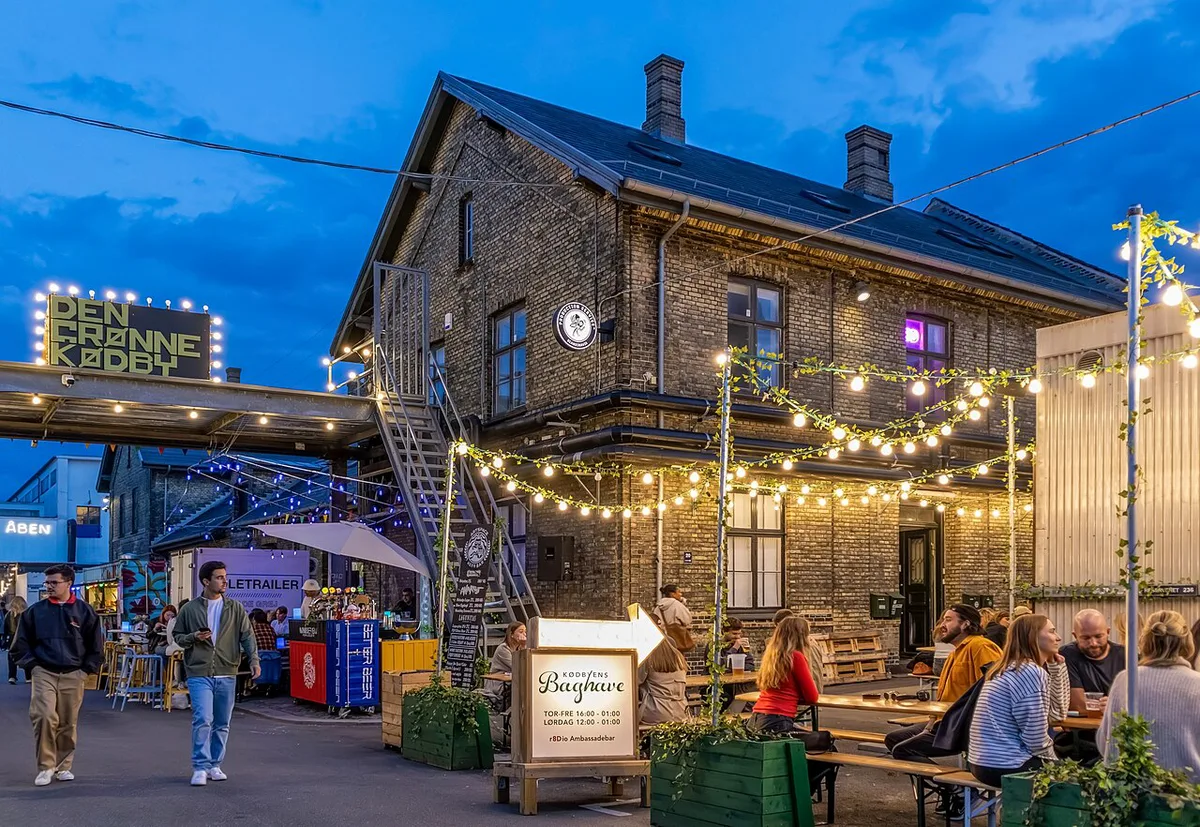
The Meatpacking District, known locally as Kødbyen, sits in Vesterbro and is the heart of the city's trendy social scene. The area once housed butchers and food production facilities, and those white-tiled buildings now host some of the 12 Best Bars in Copenhagen (2026): A Local's Nightlife Guide for a stylish night out. The industrial aesthetic provides a raw, honest backdrop that locals and visitors love in equal measure.

Jolene Bar at Flæsketorvet 81 is the legendary dance floor of the district, running a no-frills mix of indie, disco, and house until roughly 5:00 AM on Fridays and Saturdays. Bakken next door at Flæsketorvet 19 is grittier and free to enter, with outdoor seating that spills across the plaza in summer. Warpigs at Flæsketorvet 25 brews beer on-site and pairs it with American-style BBQ if you need to line your stomach before dancing.
H15 deserves attention for a different reason: the small adjoining club runs a weekly reggae session called Rub 'a' Dub Sundays, which is one of the only serious Sunday-night parties in the city. If you are visiting outside the Friday-to-Saturday peak, this is where to go. Dress here is casual Copenhagen trendy — denim, sneakers, and a leather jacket blend in perfectly, and there is no dress code enforcement worth worrying about.
Dance Until Dawn at World-Class Nightclubs
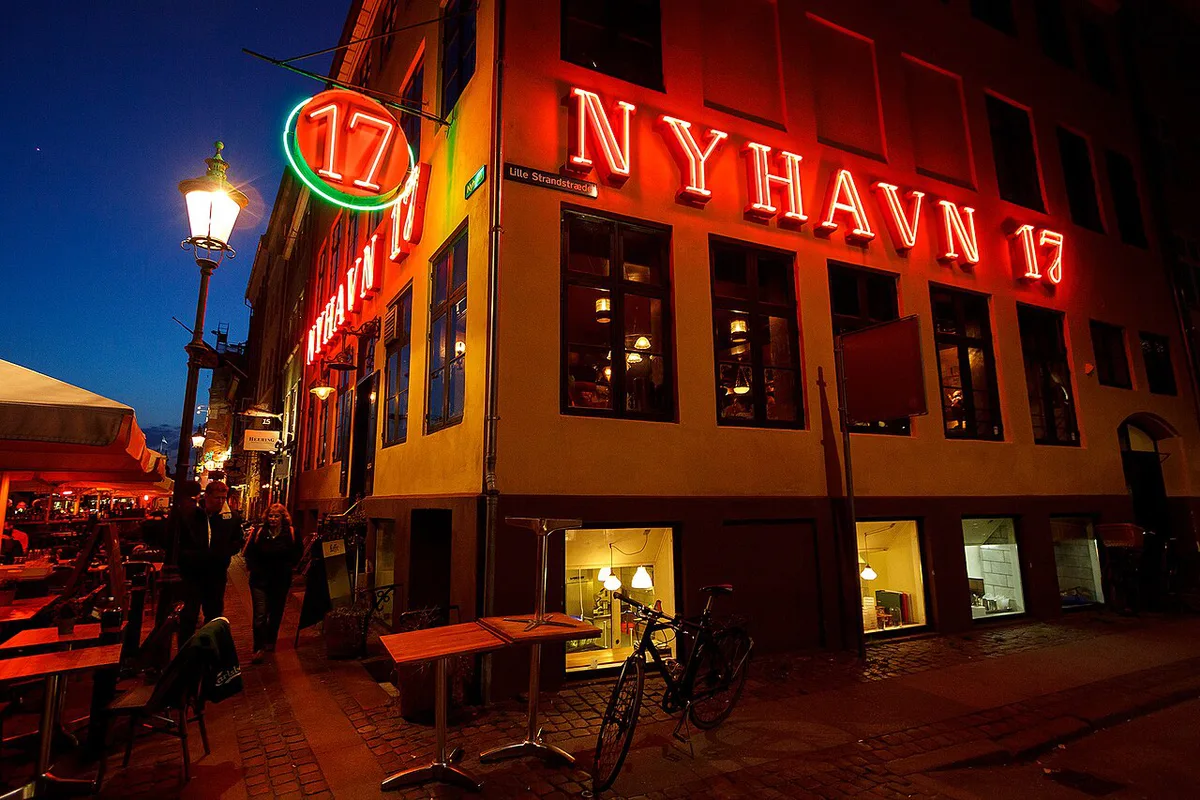
Electronic music fans find their sanctuary in the city's dedicated techno clubs. Culture Box at Kronprinsessegade 54 is the most iconic venue for underground beats, divided into three rooms (the Black Box main floor, Red Box, and White Box) with a state-of-the-art Function One sound system. International residents and guest DJs run from roughly midnight until 6:00 AM on Fridays and Saturdays.
For a truly unique experience, look for Den Anden Side ("The Other Place") in the basement of the historic Palads cinema at Axeltorv 9. This hidden queer-friendly underground club has a strict door policy, a focus on bass, house, and techno, and an intentionally dark atmosphere where nobody photographs the dance floor. It is widely considered a secret gem among the Copenhagen Nightclubs: 10 Best Clubs & Nightlife Spots (2026) for serious music lovers. Hive near Kongens Nytorv and Chateau Motel at Ny Østergade 14 offer louder, more commercial multi-room alternatives for first-timers who want variety over purism.
Clubbing here starts late, with peak hours between 2:00 AM and 5:00 AM. Many venues enforce a strict no-photos policy to protect guest privacy, which helps create the liberated feel that defines Copenhagen's dance floors. Always check the weekly lineup online because the same club can swing between deep house on Friday and peak-time techno on Saturday.
The Copenhagen nightclubs listed above only scratch the surface of the city's electronic scene. For a deeper dive with full opening hours, cover charges, and resident DJ notes, see our complete guide to the Copenhagen Nightclubs: 10 Best Clubs & Nightlife Spots (2026).
Understand Door Policies and Dress Codes
Copenhagen clubs are more welcoming than Berlin's infamous door staff, but strictness varies sharply venue by venue. Knowing the scale in advance saves an awkward rejection. Use this rough hierarchy when you plan your outfit and your arrival time.
- Den Anden Side and Culture Box have the strictest doors. Arrive in black, low-key, and knowledgeable about the night's DJ. Bachelor parties and loud groups of six or more are regularly turned away.
- Hive, Chateau Motel, and Rust run medium-strict doors. Smart casual works — clean sneakers, a plain shirt, no sportswear or football jerseys. Expect queues of 30 to 60 minutes after midnight.
- Jolene, Bakken, Warpigs, and most Kødbyen bars have no meaningful door. Walk in wearing whatever you wore to dinner and you will be fine.
- LGBTQ+ venues like Centralhjørnet and Jailhouse CPH screen for respect rather than style; homophobic or rowdy groups are declined but the dress code is genuinely anything goes.
The legal drinking age is 18 everywhere, and bouncers always ask for photo ID — a passport, Danish yellow card, or EU driver's license is accepted, but a plain paper copy is not. Clubs generally charge 100 to 200 DKK entry after midnight, and some waive the fee if you arrive before 11:00 PM.
Sip Sophisticated Drinks at Award-Winning Cocktail Bars
If you prefer a refined evening, the cocktail scene here is genuinely world-class. Expert mixologists use seasonal Nordic ingredients — sea buckthorn, birch sap, aquavit, dill — to build balanced drinks you cannot order anywhere else. Several Copenhagen bars have held spots on the World's 50 Best Bars list, and service is attentive without being formal.
Ruby at Nybrogade 10 remains the benchmark, housed in a listed 18th-century townhouse overlooking the canal with plush leather seating and a whisky room upstairs. Duck and Cover in Vesterbro offers a mid-century Danish design vibe and a shorter, more inventive menu. Lidkoeb hides behind an unmarked door on Vesterbrogade across three floors, each with its own character, and closes at 2:00 AM on weekends.
Cocktails generally run 110 to 150 DKK per drink. Ruby and Lidkoeb fill up by 10:00 PM on Fridays, so book a table through their websites or arrive before 8:00 PM if you want the window seats. For a cheaper but still sharp alternative, Kassen in the city center makes solid classics for 75 to 95 DKK.
Want the full shortlist? Our roundup of the 12 Best Bars in Copenhagen (2026): A Local's Nightlife Guide ranks every award-winning cocktail den and natural wine spot with addresses, price ranges, and the ideal time to arrive.
Relax in Cozy Wine Bars and Natural Wine Spots
Natural wine has reshaped Copenhagen's evening culture over the last decade. You will find dozens of bars dedicated to organic and biodynamic labels, many of them importing directly from small producers in the Jura, Piedmont, and Mosel. These venues lean into hyggelig — candlelight, wooden tables, soft playlists — making them perfect for the first drink of the night or a full slow evening.
Ved Stranden 10 is the must-visit, set directly across the canal from the parliament building at Slotsholmen. It offers a rotating selection of roughly 40 wines by the glass, and staff are unusually patient about talking through unfamiliar labels. Ancestrale near Refshaleøen and Fire Tyve on Blågårdsgade in Nørrebro both specialize in natural and biodynamic bottles, each with tight food menus built around cheese, charcuterie, and small plates.
Nørrebro holds the most interesting wine scene outside the center. Pompette on Møllegade is beloved for its affordable glasses (65 to 85 DKK) and its bustling sidewalk in summer. Most wine bars open at 5:00 PM or 6:00 PM and close around midnight; they are significantly quieter on Sundays and Mondays if you want an undisturbed table.
Sample Local Brews at Craft Beer and Budget-Friendly Pubs
Denmark is a global leader in the craft beer revolution, led by names like Mikkeller, To Øl, and Baghaven. You can visit several Mikkeller outposts across the city, the flagship being the stripped-down basement bar at Viktoriagade 8 with 20 rotating taps. Taphouse at Lavendelstræde 15 pours from 61 lines and attracts serious beer geeks and curious first-timers in equal measure.
For a more local and budget-friendly experience, head to Kihoskh at Sønder Boulevard 53 in Vesterbro. This is a hybrid between a corner grocery store and a neighborhood bar where you buy a bottle from the basement selection and drink it on the sidewalk with locals. It is one of the 10 Best Pubs in Copenhagen: Historic Brown Bars & Craft Beer (2026) for a casual, low-key start to your night — expect to pay 35 to 50 DKK for a beer instead of the 70+ DKK you will see inside a bar.
Traditional "brown bars" (brune værtshuse) also offer a glimpse into the city's working-class past. These are smoky, wood-paneled, and serve Carlsberg or Tuborg pilsners for 35 to 45 DKK. Eiffel Bar in Christianshavn and Palæ Bar near Nyhavn are classic examples. Visiting a brown bar is the fastest way to meet older locals and hear stories the glossy guides do not cover.
For a deeper dive into craft-beer taprooms and classic brune værtshuse, read our dedicated guide to the 10 Best Pubs in Copenhagen: Historic Brown Bars & Craft Beer (2026).
Experience Inclusive Fun at LGBTQ+ Nightlife Venues
Copenhagen is one of the most LGBTQ+-friendly cities in the world, and the nightlife reflects that with a constellation of dedicated bars, mixed-crowd clubs, and monthly queer parties. The legal and social landscape is genuinely easy: same-sex affection on the dance floor draws no attention, and most mainstream venues host queer nights at least once a month. It ranks among the top European destinations for LGBTQ+ nightlife.
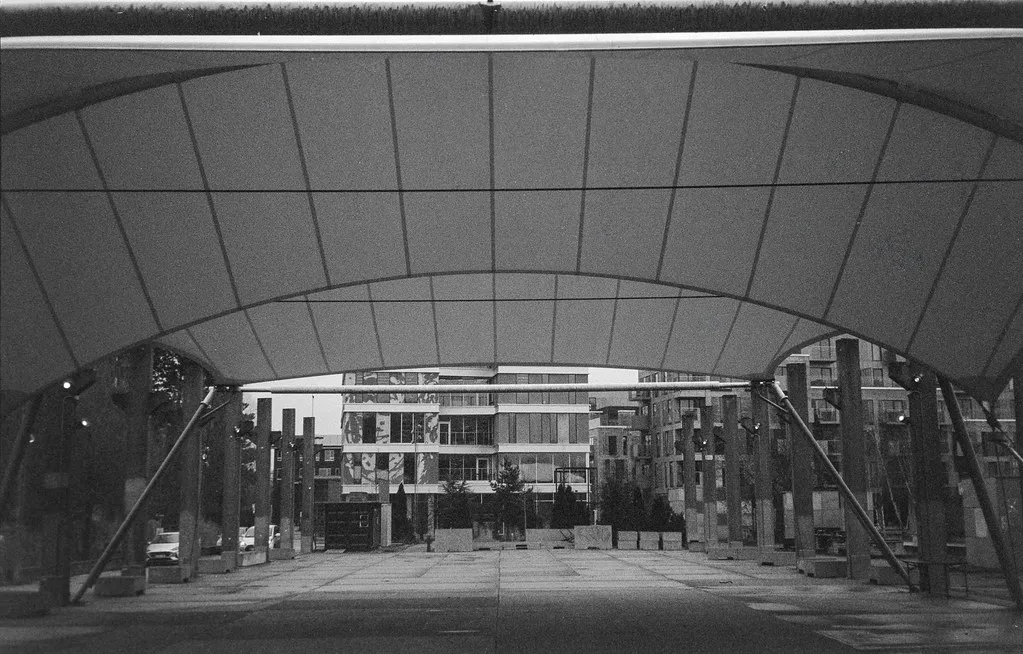
Centralhjørnet at Kattesundet 18 is the oldest gay bar in Denmark, open since 1917 and famous for extravagant Christmas and Pride decorations that stay up most of the year. It is welcoming to everyone, loud on weekends, and plays pop classics. Never Mind around the corner on Nørre Voldgade keeps the party going until 5:00 AM and pulls a young, dance-focused queer crowd.
Jailhouse CPH leans into a prison theme that is less serious than it sounds — the bar staff wear uniforms and the drinks have cell-block names. For bigger parties, watch for monthly events like Buttoss and Dunst, which rotate between Culture Box, Ved Siden Af, and warehouse spaces in Refshaleøen. Copenhagen Pride in mid-August transforms the entire city into a week-long street party.
Catch a Show at Iconic Live Music and Jazz Venues
The city has a rich live-music history, particularly around jazz. Jazzhus Montmartre at Store Regnegade 19A is a legendary basement venue that hosted Ben Webster, Stan Getz, and Dexter Gordon in the 1960s and still programs intimate nightly shows. Tickets run 150 to 300 DKK and often sell out a week ahead; the room seats roughly 80, so there are no bad sightlines.
Vega in Vesterbro, housed in a Vilhelm Lauritzen-designed mid-century building on Enghavevej, is the main indoor concert hall. The 900-capacity Store Vega hosts international rock, hip-hop, and indie acts; Lille Vega handles smaller touring bands and local favorites. Loppen in Christiania books punk, experimental, and breaking international acts in a former military barracks, and tickets rarely exceed 150 DKK.
For something less formal, check the schedules at Alice in Nørrebro (world music and jazz), Rust (hip-hop and soul on a weekly rotation), and Spillested Stengade (volunteer-run indie and experimental). H15's Rub 'a' Dub Sundays also deserves a mention here as the city's most consistent reggae and dub night.
Discover Underground Vibes in Refshaleøen and Nørrebro
Refshaleøen is a former industrial shipyard on the harbor's eastern edge that has become the city's warehouse-party epicenter. During summer, Reffen opens as an open-air street food market with DJ sets, fire pits, and harbor views until midnight. Werkstatt in the same complex is a raw industrial hall running massive late-night electronic parties — less polished than city-center clubs, attracting a more adventurous crowd willing to make the harbor-bus trip.
Hangaren, a free-standing warehouse near the Copenhagen Contemporary art space, converts into one of the city's best underground clubs with a cozy courtyard, bonfires, and international DJs including names like Hunee and Dax J. Summer is the peak season out here, with festivals like Karrusel, Distortion, and Strøm turning the peninsula into a multi-venue party zone, some parts of which are free.
Nørrebro on the other side of town offers a rougher, more multicultural alternative. Rust on Guldbergsgade blends hip-hop, soul, and a "hyggelig" bar vibe across three floors. Mayhem, hidden inside the squatted Bolsjefabrikken complex, runs experimental and noise nights in a tiny shed-like space. Nørrebro is also where the cheapest beer in the city lives, so it works as both a warm-up and a destination.
| District | Vibe | Best for | Late-night |
|---|---|---|---|
| Kødbyen / Meatpacking | Industrial, trendy, buzzing | Bar-hopping and dance floors like Jolene | Until ~5:00 AM Fri–Sat |
| Nørrebro | Multicultural, rough-edged, local | Cheap beer, natural wine, hip-hop at Rust | Bars to midnight, clubs later |
| Vesterbro | Trendy, dense, sophisticated | Cocktail bars and craft-beer taprooms | Cocktail bars to ~2:00 AM |
| Refshaleøen | Raw warehouse, harbourside | Summer street food and warehouse raves | Late electronic parties, seasonal |
| City Centre | Mixed, tourist-friendly, classic | Techno at Culture Box, jazz, brown bars | Clubs to ~6:00 AM Fri–Sat |
Fuel Up with Late-Night Street Food for Sore Heads
No night out is complete without a late-night snack to recharge. The classic Danish choice is a "pølsevogn" — a hot dog cart — found on street corners near main stations. A traditional "ristet med det hele" (grilled with everything) comes with crispy fried onions, raw onions, pickles, ketchup, mustard, and remoulade, all for roughly 40 to 55 DKK. Døp near Rundetårn is the premium organic version and stays open until 2:00 AM.
For a more substantial meal, Nørrebrogade is the late-night kebab and pizza corridor, busy until 4:00 AM or later. Kebabistan and Kebabery both pull honest 3:00 AM crowds and charge 70 to 95 DKK for a generous shawarma. In the city center, the 24-hour 7-Eleven locations sell decent Danish smørrebrød, sandwiches, and pastries if nothing else is open.
If you are still out at 5:00 AM and heading home, look for bakeries that open early. Juno the Bakery in Østerbro starts pulling cardamom buns from the oven around 6:00 AM. A warm bun with a coffee after a long night is a quietly perfect Copenhagen ritual.
Danish Bar Etiquette, Tipping, and Cycling Home
A few local norms separate smooth nights from friction. Tipping is not expected in Danish bars and restaurants — service is included in the price, and staff are paid a living wage. Rounding up the bill by 10 to 20 DKK is appreciated for exceptional service but never required; 15% tips feel American and can read as condescending.
Drinks are ordered one round at a time at the bar, not at tables, and there is no "buying the bartender a shot" culture. You make eye contact, say what you want, and pay with card on the spot. In winter, venues have free unmanned coat racks — leaving a jacket is normal and theft is genuinely rare, but valuables should stay in your pocket. Smoking indoors is banned except in a handful of licensed smoker's bars ("rygebar") marked on the door.
Most importantly: cycling home is part of the culture, but Denmark enforces a 0.5 g/L blood alcohol limit on bikes as well as cars. Police run checkpoints near Kødbyen and Nørrebro on Friday and Saturday nights, and a fine starts around 2,000 DKK plus a potential effect on your driving license at home. If you have had more than one beer, take the 24/7 Metro or walk — Copenhagen is compact and safe at night, and a DKK 24 single ticket is cheaper than any taxi.
Master the Logistics: Timing, Transport, and Currency
Planning logistics is the final piece. Most bars open around 5:00 PM or 6:00 PM, but clubs do not fill up until after midnight, and door queues begin around 11:30 PM. Thursday through Saturday are the main nights; Sunday belongs to H15 and a handful of wine bars, and Monday to Wednesday are noticeably quieter everywhere except brown bars and Mikkeller outposts.
The Metro (M1, M2, M3 Cityringen, M4) runs 24 hours a day, 7 days a week, with trains every 4 to 6 minutes on weekend nights. S-trains also run 24 hours on Friday and Saturday nights; weekday nights they stop around 1:00 AM and resume at 5:00 AM. A standard 2-zone single ticket is 24 DKK, a 24-hour CityPass Small is 90 DKK, and you can tap contactless bank cards directly at the Rejsekort poles — no app required. Night buses (lines starting with "1A," "2A," etc., with an "N" prefix overnight) fill the gaps on weekdays.
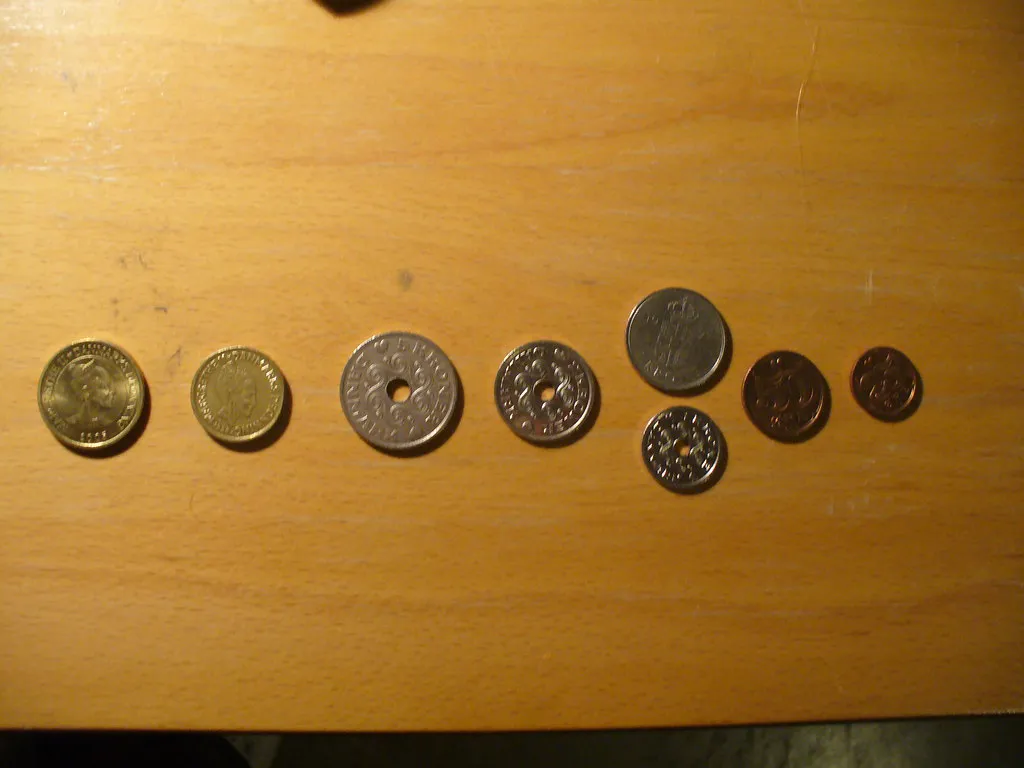
The currency is the Danish Krone (DKK), and most venues are entirely cashless. Expect roughly the following in 2026: beer 60 to 80 DKK, cocktail 110 to 150 DKK, wine by the glass 85 to 120 DKK, club entry 100 to 200 DKK, and a pølsevogn hot dog 40 to 55 DKK. A full night — two beers, one cocktail, one club entry, and a late snack — typically lands around 420 to 600 DKK (roughly EUR 56 to 80 or USD 60 to 87). Plan for a contactless card and keep a small reserve of cash only for the rare brown bar that still prefers it.
Explore More of Copenhagen's 2026 Nightlife
- Copenhagen Nightclubs: 10 Best Clubs & Nightlife Spots (2026) — a full breakdown of the city's top nightclubs, from Culture Box techno to underground warehouse floors, with door policies and set times.
- 12 Best Bars in Copenhagen (2026): A Local's Nightlife Guide — our curated guide to award-winning cocktail dens, natural wine spots, and the trendiest bars across Vesterbro and Nørrebro.
- 10 Best Pubs in Copenhagen: Historic Brown Bars & Craft Beer (2026) — where to find craft-beer taprooms, classic brown bars, and budget-friendly pints for a relaxed night out.
Explore More Copenhagen Guides
Keep planning your Copenhagen trip with these guides.
- 12 Best Bars in Copenhagen (2026)
- 10 Best Clubs & Nightlife Spots
- 12 Best Cocktail Bars in Copenhagen
- 10 Best Pubs in Copenhagen
- 12 Best Wine Bars in Copenhagen for Natural Wine, Food and Hygge
- Copenhagen Gay Nightlife Guide for Bars, Clubs and Queer Events
- 12 Best Things to Do in Copenhagen at Night in 2026
- 4 Best Areas Where to Stay in Copenhagen for Nightlife
Explore nightlife in other cities
Frequently Asked Questions
Where can I find budget-friendly bars in Copenhagen?
You should visit 'brown bars' or bodegas for the most affordable drinks in the city. Spots like Kihoskh in Vesterbro also offer great value by allowing you to buy bottles to drink outside. Many students head to the Nørrebro district for cheaper pints and a lively, youthful atmosphere.
What are the best nightclubs for techno in Copenhagen?
Culture Box is the most famous venue for techno and electronic music lovers. For a more underground experience, Den Anden Side in the basement of Palads cinema is highly recommended. Both clubs feature world-class sound systems and a dedicated community of dancers.
Is Copenhagen nightlife expensive?
Yes, the city is known for being relatively expensive compared to other European capitals. Expect to pay around 12-20 USD for a cocktail and 8-12 USD for a craft beer. You can save money by visiting local pubs or purchasing drinks at grocery-bar hybrids like Kihoskh.
What is the dress code for Copenhagen clubs?
Most clubs have a relaxed or trendy dress code rather than a formal one. For techno venues, wearing black or alternative styles is very common and often preferred. It is best to avoid sports gear or very formal suits unless you are heading to a high-end cocktail lounge.
Are bars in Copenhagen open on weekdays?
Many bars and pubs remain open throughout the week, though they close earlier than on weekends. You will find a steady crowd on Tuesday and Wednesday nights in popular areas like Vesterbro. However, the big nightclubs typically only open their doors from Thursday to Saturday night.
Copenhagen offers a nightlife experience that is stylish, safe, and genuinely fun without the attitude you find in bigger European capitals. From the industrial energy of Kødbyen to the cozy wine bars of Nørrebro and the warehouse parties of Refshaleøen, every neighborhood delivers a different slice of the same sophisticated scene. The 24/7 Metro and the city's compact footprint make it easy to chain three or four venues in a single night.
Whether you are dancing at Culture Box, sipping natural wine at Ved Stranden 10, or eating a midnight hot dog on Nørrebrogade, the Danish capital repays curiosity. Remember to embrace the local norms — no tipping, cashless payments, strict bike-BAC limits — and you will move through the city like a local. For more tips on European cities, check out our guide to nightlife in Denmark.
As you head out into the night, keep an eye out for the hidden gems: the basement cinema club, the grocery-bar hybrid, the Sunday reggae session. These are the experiences that separate a decent trip from a memorable one. Copenhagen continues to evolve, and 2026 promises even more adventurous venues, longer summer festival runs, and a party scene that rewards anyone who does a little homework.