

Barcelona Nightlife: The Best Clubs, Bars, and Local Tips
Barcelona transforms into a vibrant playground once the sun sets over the Mediterranean Sea.
The city offers a legendary mix of beach clubs, hidden speakeasies, and historic taverns for every traveler.
Energy pulses through every corner, from the narrow streets of the Gothic Quarter to the glitzy Port Olímpic.
This guide helps you navigate the diverse world of barcelona nightlife for an unforgettable evening in 2026.
Key Takeaways
- Clubs peak at 2:00 AM, so do not arrive before midnight or you will wait in an empty room.
- Use the NitBus N0 to N17 yellow lines for affordable transport after the Metro closes, or Línia 3 which runs 24 hours on Saturday nights.
- Book rooftop tables and Razzmatazz or Sala Apolo tickets in advance through the venue websites to skip the door line and save around 5 euros on entry.
- Dress smart-casual and never wear shorts or flip-flops at beach clubs like Opium, Pacha, or CDLC, or the door staff will refuse entry.
- Keep your phone in a front pocket along La Rambla and Passeig de Gràcia — the organized pickpocket rings target tourists who are slightly drunk and walking in pairs after 1:30 AM.
Best Neighborhoods for Nightlife in Barcelona
Barcelona's nightlife is not concentrated on one strip — it is split across five distinct neighborhoods, each with a clear personality and price point. Picking the right district for your mood saves you a long Metro ride and usually 10 to 15 euros on cover charges. The Gothic Quarter (Barri Gòtic) is the medieval core between La Rambla and Via Laietana, best for spontaneous bar hopping through narrow alleys. Expect small wine bars, flamenco taverns, and a tourist-heavy crowd until about 1:00 AM when locals arrive for the second wave.
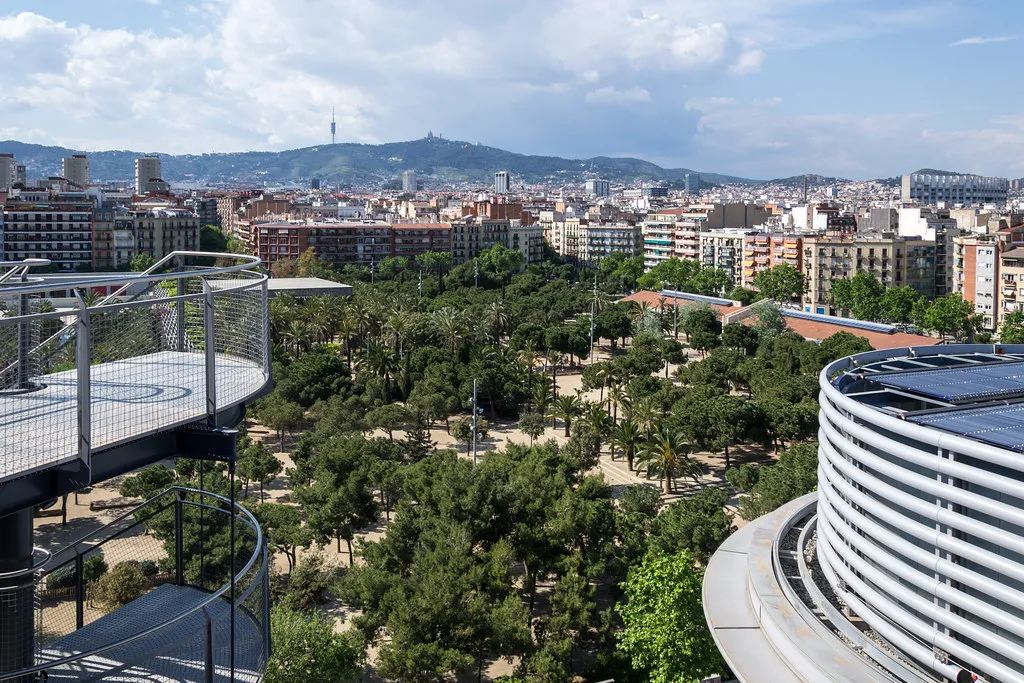
El Born, on the east side of Via Laietana around Passeig del Born, is the cocktail capital. The streets Carrer de l'Argenteria, Carrer del Rec, and Passeig del Born itself hold most of the speakeasies and wine bars. Drinks run 10 to 14 euros and the crowd is mixed local-international aged 25 to 40. El Born is a start-of-night district rather than a late-night one — most venues close at 2:30 AM.
Eixample covers the broad grid around Passeig de Gràcia and is the glossy, designer-dressed option. This is where you find Dry Martini, Slow Barcelona, and the big indoor club Razzmatazz on its Poblenou edge. It also hosts the gay scene along Carrer de Consell de Cent, nicknamed the Gaixample. Barceloneta and Port Olímpic are the beachfront zones where the megaclubs — Opium, Pacha, Shôko, CDLC — line Passeig Marítim. Expect the highest cover (15 to 30 euros) and the strictest door. Finally, Gràcia, up the hill past Diagonal, is the bohemian local option built around plazas like Plaça del Sol and Plaça de la Virreina where you drink 2.50-euro cans of Estrella until 2:00 AM without setting foot in a club.
- Gothic Quarter — medieval streets, vermouth bars, flamenco; 5 to 8 euros per drink; peak 11:00 PM.
- El Born — speakeasies and craft cocktails; 10 to 14 euros per drink; peak midnight.
- Eixample — upscale lounges and Razzmatazz; 12 to 16 euros per cocktail; peak 1:00 AM.
- Barceloneta / Port Olímpic — beach megaclubs; 15 to 30 euros cover; peak 2:30 AM.
- Gràcia — plaza drinking and indie bars; 2.50 to 6 euros per drink; peak 11:30 PM.
Best Bars and Pubs to Start Your Night
Bars carry the first three hours of any Barcelona night, so picking the right opener matters more than the club choice. El Born is where the famous speakeasies live. Paradiso, on Carrer de Rera Palau 4, hides behind a pastrami-sandwich fridge door inside a deli and has ranked in The World's 50 Best Bars for six consecutive years; signature theatrical cocktails cost around 16 euros and a 45-minute queue from 9:00 PM is standard, so arrive at opening (19:00) or book ahead. Bobby's Free, at Carrer d'Ataülf 4, sits behind a fake barbershop door — you need a nightly password posted to their Instagram story to get in, and cocktails run 12 to 14 euros.
Dr. Stravinsky on Carrer dels Mirallers 5 pours apothecary-style drinks with smoke, foams, and house-made tinctures for around 14 euros. For old Barcelona charm without the speakeasy theatre, El Xampanyet at Carrer de Montcada 22 has poured 2.50-euro glasses of pink cava alongside anchovies since 1929 and closes a hard 23:30 — come before 20:00 or you will queue outside. Boadas Cocktails at Carrer dels Tallers 1, just off La Rambla, is the oldest cocktail bar in the city (opened 1933) and serves stirred classics for 11 euros in tuxedo service.
For louder, shots-heavy stops, Espit Chupitos on Carrer d'Aribau 77 serves over 200 flaming and theatrical shots at 3 to 4 euros each — its Harry Potter shot and Boy Scout (toasted marshmallow) are tourist rites. Juanita LALá on Plaça Pau Vila 1 is the go-to for 6.50-euro mojitos on the Barceloneta side. Eixample's Dry Martini at Carrer d'Aribau 162 is where locals send visitors for perfectly-stirred 14-euro martinis; the bar has been counting (and chalking onto a board) every martini served since 1978, currently past 1.3 million.
For a rooftop pre-game, the Skybar at Grand Hotel Central on Via Laietana 30 gives an open 360° view of the Cathedral and Sagrada Família from the 11th floor, with cocktails at 15 euros and a strict no-shorts dress code. Our curated guide to the best rooftop bars in Barcelona covers more sunset spots including Terraza 360° at Hotel Barceló Raval and the Hotel 1898 rooftop on La Rambla.
Top-Rated Nightclubs in Barcelona
Barcelona's club scene is genre-split: techno and indie live in the city centre, while house, reggaeton, and commercial pop dominate the beachfront. The biggest inland venue is Razzmatazz at Carrer de Pamplona 88 in Poblenou, a five-room industrial warehouse that holds up to 2,000 people and runs different genres per room (Razz Club for indie rock, The Loft for techno, Lolita for electro-pop, Pop Bar, and Rex Room for hip-hop). Entry is 15 to 20 euros, includes one drink, and the line gets brutal after 1:30 AM on Saturdays — pre-book online to save the 5-euro door fee.
Sala Apolo at Carrer Nou de la Rambla 113 in Poble-sec is the beloved institution locals recommend above all others. Its legendary Nasty Mondays (indie rock since 2003) and Crappy Tuesdays (80s and 90s nostalgia) are the two most packed weeknights in the city; cover is 12 to 15 euros and the sound system is frequently called the best in Barcelona. Moog, a tiny 250-capacity techno basement at Carrer de l'Arc del Teatre 3 just off La Rambla, is where serious electronic fans end their night with 10-euro entry and Berlin-quality residents. Input High Fidelity Dance Club on Avinguda Rius i Taulet 8 runs strict no-phone, no-photo policies for underground techno Fridays and Saturdays, 15 to 18 euros.
The glossier inland clubs are Sutton on Carrer de Tuset 13 (Eixample), attracting footballers and a dressed-up 25-to-40 crowd at 20-euro cover and 15-euro drinks, and Bling Bling on Carrer de Tuset 8 right next door, known for a VIP-table culture and reggaeton-heavy Thursdays. Otto Zutz at Carrer de Lincoln 15 in Gràcia is a three-floor hip-hop and R&B warehouse with a 1,000 capacity and 15-euro cover. For alternative sounds — punk, indie, experimental — Sidecar on Plaça Reial 7 combines live concerts with DJ sets nightly. Our dedicated best clubs in Barcelona ranking breaks down each one by music genre and weekday.
Barcelona Clubs on the Beach
The beachfront cluster at Port Olímpic and Passeig Marítim is the most tourist-targeted stretch of nightlife in the city. Covers are higher (20 to 30 euros), drinks start at 15 euros, and the dress code is enforced strictly — closed shoes and collared shirts for men, no beachwear, no visible Hawaiian shirts. In return you get open-air terraces facing the Mediterranean, sunrise at 6:30 AM in summer, and the biggest visiting DJ names. Opium Barcelona at Passeig Marítim 34 is the most famous — Las Vegas-style production, international pop and commercial house, a champagne-spray culture, and queues after 1:00 AM that routinely stretch 90 minutes.
Pacha Barcelona, right next door at Passeig Marítim 38, carries the Ibiza brand and draws a slightly older, more affluent crowd with house residents on Saturdays; pre-booked tables start at 300 euros for four people including a bottle. Shôko at number 36 fuses an Asian-fusion restaurant (kitchen until midnight) with a beachfront club from 1:00 AM — R&B, house, and Latin. Carpe Diem Lounge Club (CDLC) at Passeig Marítim 32 leans Mediterranean-lounge with day beds, hookah, and deep house; yacht owners from the nearby marina keep the VIP tables full.
Wet Deck at the W Barcelona (Plaça de la Rosa dels Vents 1) runs Sunday pool parties from June through September — 30-euro entry, 18-euro cocktails, and a smart swim-chic dress code that the bouncers actually check. The Opium-Pacha-Shôko-CDLC strip only works in summer (May to September); in winter, most beach clubs cut to Thursday through Saturday opening, and CDLC often closes entirely between November and March. Verify hours on each venue's Instagram the day you go.
The Slow Barcelona Pacing Timeline
Tourists who treat Barcelona like London or New York burn out by midnight and miss the actual night. Locals follow a very specific rhythm built around the Spanish dinner hour, sobremesa (long table-talk after eating), and the fact that clubs do not fill until 2:00 AM. Pace yourself to match this timeline and you will still be standing when the sun rises over Barceloneta beach.
- 21:00 to 22:30 — Dinner. Tapas and vermouth in El Born or Gràcia, or a proper sit-down in Eixample. Never eat before 21:00; most good kitchens are empty that early.
- 22:30 to 00:30 — Cocktail bar. First round at Paradiso, Dry Martini, or Boadas. One or two drinks maximum — pace yourself.
- 00:30 to 01:30 — Pre-club bar. Move to a louder bar near your destination club: Espit Chupitos, Nevermind, or a plaza in Gràcia with cheap beers from the local supermarket.
- 01:30 to 02:30 — Club entry window. Arrive at Razzmatazz, Sala Apolo, or Opium. Queues get worst at exactly 02:00, so either beat it or wait out the peak.
- 02:30 to 05:30 — Dance floor peak. This is when locals actually dance. The DJ saves the biggest tracks for 04:00.
- 05:30 to 06:30 — Beach or churros. Buy a 2-euro beer from the sand vendors at Barceloneta and watch the sunrise, or queue for chocolate and churros at Granja M. Viader (Carrer d'en Xuclà 4, opens 09:00) or Granja La Pallaresa.
The core rule: one drink per hour before midnight, then pick up the pace. Spanish drinks are stronger than northern European pours (a gin-tonic is typically 5 to 6 cl of gin, nearly double a UK single), so three cocktails will hit you harder than you expect.
Late-Night Food and Post-Club Eats
Eating well at 03:00 is a Barcelona art form. Traditional tapas bars shut around midnight, but a second tier of kitchens stays open for the club crowd. Bar Ramón on Carrer del Consell de Cent 256 (Eixample) serves tapas until 01:00 on weekends and has one of the best patatas bravas in the city at 5 euros. Bodega 1900 by the Adrià brothers (Carrer de Tamarit 91) does elevated vermouth-hour classics until 23:30 — come before for a proper dinner.

For after-club food, the two institutions are Granja M. Viader for chocolate and churros (opens 09:00, so you wait through sunrise), and La Pallaresa at Carrer de Petritxol 11 which has been serving thick hot chocolate since 1947. Kebab-and-falafel shops on Carrer dels Escudellers and Carrer Ample stay open until at least 04:00 — Maoz Vegetarian (Plaça del Bonsuccés) and Bacoa burger (Ferran 40) are the reliable picks. Avoid the 24-hour pizza windows along La Rambla near Plaça de Catalunya; quality is poor and prices are inflated 30 to 50 percent.
Nightlife Tours and Bar Crawls
Organized pub crawls solve two problems for solo travelers: the language barrier at door negotiations and the awkwardness of walking into a local bar alone at 23:00. The standard Barcelona Pub Crawl on Plaça Reial (meets nightly at 23:00 from the centre of the plaza) costs 20 euros for four bars plus a club, includes free shots at each stop, and skips the club entry line at Opium or a rotating partner venue. Book through official tour platforms or directly at the meeting point — avoid street promoters waving flyers on La Rambla.
The Barcelona Tipsy Tour is a more curated walking option at around 30 euros that includes regional Catalan drinks (cava, vermouth, orujo, ratafia) across three traditional bars rather than the standard hostel-crawl circuit. For a culture-first evening, a flamenco dinner show at Palau Dalmases (Carrer de Montcada 20, El Born) runs nightly at 21:30 and 23:00 for 25 euros, and the intimate Gothic Quarter cellar Los Tarantos on Plaça Reial does 30-minute flamenco shows hourly from 19:30 at 20 euros. Our full Barcelona pub crawl guide compares operators and meeting points.
Nightlife Scams and What to Actually Watch For
Barcelona has Europe's highest per-capita pickpocket rate, and the thieves target nightlife tourists specifically because alcohol and crowds make you an easy mark. The scams are organized and follow a pattern — knowing the pattern neutralizes most of them. The La Rambla clip-thief operates between Plaça de Catalunya and Plaça Reial from 00:30 to 03:00 in pairs: one person bumps into you or offers to dance flamenco, the other lifts your back-pocket phone. Keep phones and wallets in front pockets only, and never set a bag on a bar stool or chair back.
The fake petition scam targets the corner of Plaça de Catalunya and La Rambla, often by women with clipboards claiming to support deaf or refugee charities — signing the clipboard requires you to pull out a wallet, and an accomplice lifts it. The beach thieves at Barceloneta (Platja de Sant Sebastià especially) genuinely do commando-crawl across the sand after 03:00 to grab bags from groups drinking at the shoreline; keep phones in a zipped front pocket, never on the towel. On Metro Línia 3 between Liceu, Drassanes, and Paral·lel — the main nightlife artery — confirmed pickpocket groups work the last two trains of the evening (23:45 and 00:15 weekdays) by creating a fake door-shove just as doors close.
Taxi scams at Port Olímpic after 03:00 are the other common one: unofficial drivers or meter-tampered licensed cabs will refuse the standard Tariff T1 (the night rate) and demand a flat 40 to 60 euros to the centre, which should cost 12 to 18 euros on the legal meter. Use the official app FreeNow or Cabify for fixed-price rides, or walk 200 metres inland to the Ronda del Litoral taxi rank where drivers queue under camera surveillance and must use the meter. Never get into a cab that refuses to turn on the meter.
Getting Home Safely: Transport After the Metro Closes
The Metro runs until 00:00 Sunday through Thursday, 02:00 on Friday, and 24 hours on Saturday night into Sunday morning — which means Friday night is the hardest for transport planning. Between 02:00 Friday and 05:00 Friday into Saturday, the yellow NitBus network (17 routes labeled N0 through N28) covers every major district with stops at Plaça de Catalunya and Plaça Universitat; fare is 2.65 euros single or free on a T-Casual 10-ride card (11.35 euros total). The N0 circles Plaça de Catalunya, N4 runs Barceloneta to Plaça d'Espanya, and N6 covers Poblenou-Eixample-Gràcia.
A licensed Barcelona taxi (black and yellow, with a green rooftop light when available) uses Tariff T2 (weekday night after 20:00) or T3 (weekend nights and holidays after 20:00) — T3 adds roughly 30 percent to the daytime rate. A 15-minute ride across the city should be 12 to 16 euros including the 4.35-euro night starting charge. For groups of four, splitting a taxi from Port Olímpic to Eixample is usually cheaper than four NitBus fares.
If you are staying within 30 minutes of central Barcelona, the simplest move is to walk during the 02:00 to 05:00 window — streets around La Rambla, Passeig de Gràcia, and Raval stay busy and well-lit until dawn. Bicing (the city bike-share) does not accept tourist registrations, but Cooltra and eCooltra e-scooter rentals operate citywide at around 0.27 euros per minute with nightly caps.
When to Visit for the Best Nightlife
Barcelona's nightlife peaks twice a year. Mid-June to early September is beach-club season: Opium, Pacha, Shôko, CDLC, and Wet Deck all run seven nights a week, and the outdoor terraces open across Eixample and Barceloneta. The trade-off is hotel prices — a mid-range room in El Born runs 180 to 260 euros in August versus 90 to 130 in March. The second peak is mid-September to mid-October, when temperatures drop to comfortable 22°C evenings, the beach clubs are still open, and prices drop around 25 percent from August highs.
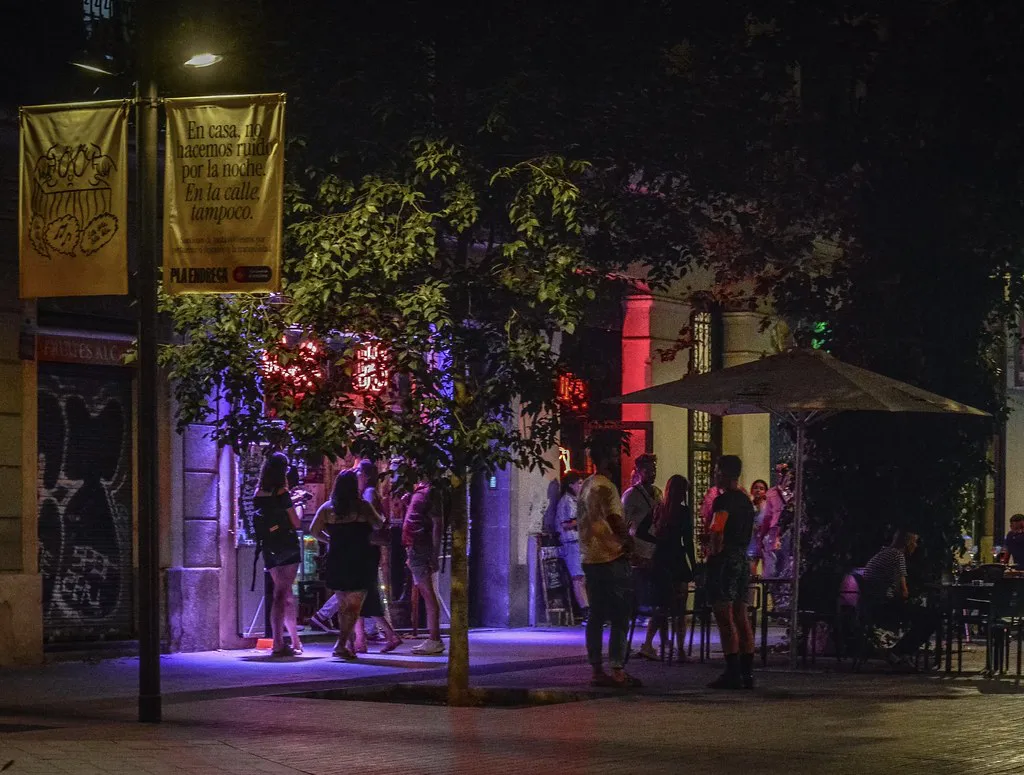
Festival weeks add another layer. Sónar (mid-June, across Fira de Barcelona and Poble Espanyol) is Europe's headline electronic festival with day and night-programme tickets at 95 to 275 euros for the three-day pass. Primavera Sound (late May into early June, Parc del Fòrum) fills the city with 200,000+ music fans and pushes club nights later than usual. La Mercè (September 21 to 24) brings free outdoor stages and concerts to Plaça de Catalunya, Plaça Reial, and the Port Vell waterfront — the best free-music week of the year. Winter (December to February) is the quietest stretch; most beach clubs close, but the indoor Razzmatazz-Apolo-Moog circuit runs year-round with fewer queues and better DJ bookings.
Explore More Barcelona Guides
Keep planning your Barcelona trip with these guides.
- Best Barcelona Pub Crawl Guide
- 10 Best Bars in Barcelona
- 8 Best Beach Clubs in Barcelona
- Best Barcelona Clubs
- 9 Best Cocktail Bars in Barcelona for 2026
- 15 Best Pubs and Bars in Barcelona
- 10 Best Rooftop Bars in Barcelona for Views & Drinks
- 14 Best Wine Bars in Barcelona for Catalan Bottles, Cava and Natural Wine
- Gay Nightlife Barcelona
- Gothic Quarter Barcelona Nightlife
- 17 Best Things to Do in Barcelona at Night
Explore nightlife in other cities
Frequently Asked Questions
What is the best time to go out in Barcelona?
The best time to start your night is around 10:00 PM for dinner and drinks. Most clubs do not become lively until 2:00 AM and stay open until 6:00 AM. For a guided experience, consider joining a Barcelona pub crawl guide to meet others.
Is there a strict dress code for Barcelona nightlife?
Dress codes vary significantly by venue and neighborhood. Beach clubs and upscale lounges require smart attire, including dress shoes and shirts. Neighborhood bars in Gràcia or El Born are much more casual, allowing jeans and clean sneakers for entry.
How much does a typical night out cost?
Expect to spend between 50 and 100 euros for a full night out. This includes dinner, a few drinks at a bar, a club entry fee, and a taxi home. You can save money by visiting smaller local bars or finding guest lists online.
Are clubs in Barcelona open every night?
Most major clubs are open seven nights a week during the peak summer season. In the winter, some venues may only open from Thursday through Saturday nights. Always check the specific venue's website for their current operating hours and special event schedules.
Barcelona offers one of the most diverse and exciting nightlife scenes in the entire world.
Whether you prefer a quiet glass of wine on a rooftop or dancing until dawn, the city delivers.
Remember to pace yourself and follow the local timeline for the most authentic experience possible.
Explore the many options available at Europe Nightlife Spain to finalize your party itinerary today.


