

7 Best Ways to Experience Kotor Nightlife
Kotor nightlife offers a unique blend of ancient charm and modern energy within the stone walls of a UNESCO World Heritage site. The atmosphere in the Old Town shifts dramatically after 5:00 PM when the massive cruise ship crowds depart for the day. This transition leaves behind a more authentic local vibe that truly comes alive under the moonlight. You will find everything from cozy wine cellars to high-energy clubs tucked into medieval corners.
Exploring the winding alleys at night reveals a different side of Montenegro nightlife that many day-trippers miss entirely. Whether you want to sip local Vranac wine or dance until dawn, this coastal gem has something for every traveler. The city manages to feel both intimate and electric as the sun sets over the Bay of Kotor. Planning your evening helps you navigate the strict noise rules and find the best hidden spots.
Key Takeaways
- The Old Town atmosphere improves significantly after 5:00 PM when cruise crowds depart.
- Maximus is a must-visit for its architecture but is best during peak summer months.
- Strict 1:00 AM noise laws mean you should move indoors for late-night music.
Understand the Kotor Nightlife Scene
The nightlife in Kotor is defined by its historic setting and a sophisticated yet adventurous tone. Unlike the sprawling party strips found in other Mediterranean hubs, the action here is concentrated within the Stari Grad. You can expect a mix of international hits, live rock, and the energetic beats of Balkan Turbo-folk. This local music genre is a high-tempo fusion of folk melodies and electronic pop that often surprises first-time visitors and can dominate playlists at certain late-night venues.
Noise ordinances are very strict within the city walls to protect the residents and historic structures. Most outdoor music must stop at 1:00 AM, which signals a mass migration to the indoor clubs or the venues just outside the walls. This timing creates a predictable flow to the evening as crowds move from open squares to enclosed rooms. Understanding this rhythm is key to making the most of your night out in 2026.
The local culture embraces a slow start with long aperitifs before moving on to heavier spirits like rakija, a traditional Montenegrin fruit brandy often poured as a welcome shot. Locals typically gather in the smaller squares around 21:00 to socialize before heading to the larger bars after 22:00. You will notice a relatively high standard of dress even in the more casual pubs, especially on weekends. Respecting these local norms helps you blend in and enjoy a more genuine experience.
Visit the Best Bars in Kotor Old Town
The heart of the evening begins in the stone-paved squares where bars spill their outdoor seating across the cobblestones. One of the most iconic spots is Pub "Old Town" Kotor (Google Maps), which functions as the unofficial kickoff point for hostel bar crawls from about 22:00 onward. The crowd skews loud, international, and singing along to classic rock and current hits. Expect shouted conversation, a rustic wood and stone interior, and a sore throat the next morning that you will consider well earned.
Caffe Bandiera is the everyday local counterpoint: quieter, cheaper, and anchored by after-work residents playing cards over pivo. Drinks are simple, the pours are generous, and the seating overflows onto the narrow street beside the cathedral. Right next door, Nitrox Pub & Eatery takes the opposite approach with over 230 cocktails and a signature "R.I.P." menu of drinks clocking up to 33% ABV. Most Nitrox cocktails run above 20 EUR, so treat it as a destination rather than a casual round. Travelers visiting outside peak season should check Google Maps before walking over, as Nitrox closes temporarily during the quietest winter weeks.
For the late slot, Letrika Caffe Bar near the northern gate converts from a daytime cafe into a DJ-led party with laser lights and smoke machines once the Old Town squares quiet down. It is cash-only, so bring euros before the short walk over, because no one leaves Letrika to hit an ATM. Holy Shot Bar nearby is the mid-evening detour for groups: 5 EUR per shot or 20 EUR for a round of six poured identically, served in a room engineered for bad decisions.
Party at Maximus: The Fortress in Disco Lights
Maximus is the undisputed king of the clubbing scene and one of the most architecturally unusual venues in Europe. The club is physically carved into the ancient fortress walls just outside the Sea Gate, providing a dramatic stone backdrop for a night of dancing. It features multiple levels and holds several thousand people during peak summer events. The sound system is world-class and pulls international DJs through the warmer months, particularly late July and August.
There is a significant trade-off to consider when visiting outside of July and August. On weeknights during the shoulder season, the cavernous space can feel eerily empty, with a small crowd swallowed by the scale of the room. Always check the Maximus event calendar online before committing your evening, especially from late October through May. The energy tends to peak after 02:00, once the Old Town bars have pushed their customers out the door.
Entry usually runs 5 to 15 EUR depending on the headliner and season, with surcharges for big-name DJs in August. Drinks inside are meaningfully more expensive than Old Town pubs, reflecting the club-scale overheads. The dress code is smart-casual and stricter than anywhere else in town, so swap the flip-flops and board shorts for closed shoes and a collared shirt or dress. Another option for serious clubbers is Secondo Porto, a local-leaning venue that draws younger Montenegrins and leans into Balkan and regional hits more than EDM.
Relax at Sophisticated Wine and Cocktail Bars
For a more refined evening, the city offers several excellent wine bars specializing in regional varieties. The Old Winery Wine Bar (Google Maps) is the top choice for tasting Vranac, a dark, full-bodied red that is the pride of the region. The tasting flight with charcuterie and coffee runs around 26 EUR per person, which is the best value introduction to Montenegrin wine anywhere in the Old Town. The jazz soundtrack and spacious interior make it equally suited to a pre-dinner pour or a laptop-friendly working happy hour.
A short walk away, Patisserie by Wine House occupies a tiny UNESCO-protected building dating to the 12th century, one of the oldest standing structures in the Stari Grad. It serves espresso martinis for around 8 EUR alongside a full coffee, cocktail, and dessert menu. Caffe Cesare rounds out the cocktail-forward options with expertly built drinks and a chic atmosphere that draws a slightly older, dressier crowd. Prices in these lounges sit above the casual pubs but reflect ingredient quality and pacing.
Jazz Club Evergreen is the only dedicated live music venue in the Old Town and absolutely deserves a reservation if you are in Kotor on a Saturday in summer. Bands play from 21:00 inside a spacious room with additional terrace seating, so performances run rain or shine. Arrive at least 30 minutes early or walk in during the afternoon to hold a table, because the crowd here knows what it is getting and fills the room quickly. Order an old fashioned or espresso martini, settle in, and let the groove carry you through the strict 1:00 AM outdoor cutoff.
Drink Up on a Kotor Rooftop
A small but impressive cluster of elevated bars lets you pair your drink with a view over the tile roofs and the bay. Rooftop Terrace Hippocampus, on top of Hotel Hippocampus inside the walls, is the most polished option and leans restaurant-heavy but serves excellent cocktails for pre-dinner spritzes and post-dinner nightcaps. The space is intimate at about ten tables, so stop by in person earlier in the day to reserve a slot, especially between 19:30 and 21:30.
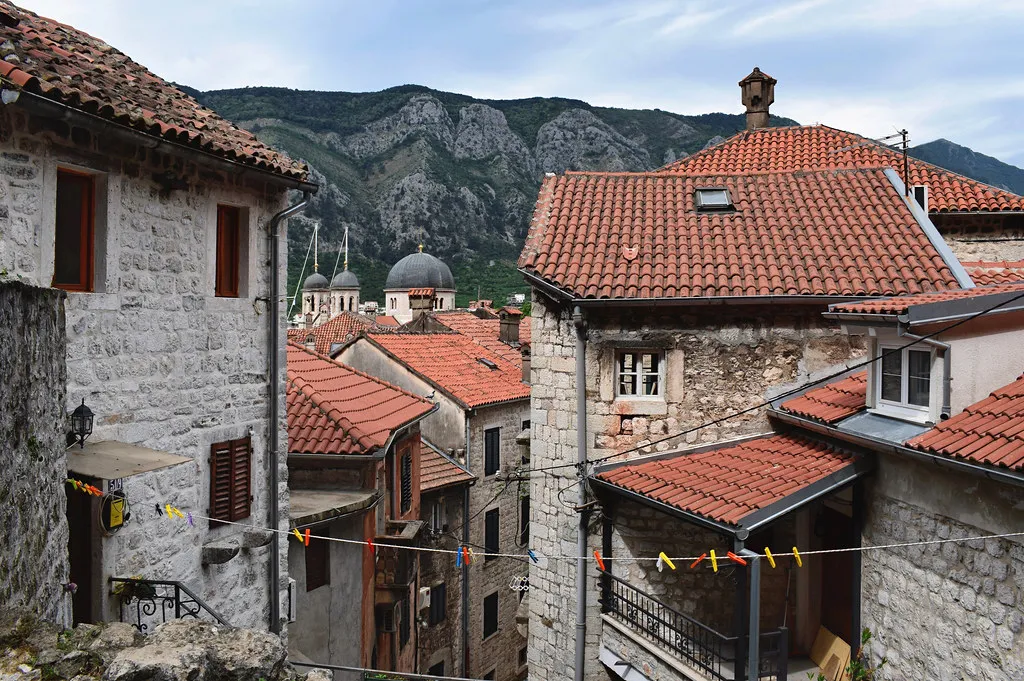
Citadela Restaurant holds a genuinely unique position as the only venue physically sitting on top of the Old Town city walls themselves. From its perch in the northeast corner, the views sweep across the Bay of Kotor and up toward the Vrmac mountains. The food and cocktails are average, but the scenery is unmatched and worth the price of one drink even if you eat dinner elsewhere. Bring a camera and plan around sunset for the best light.
For sea-level drinking, Little Bay north of Kotor Beach delivers waterfront seating just inches from the Adriatic. Service is slow and drinks are average, but the location at dusk is hard to beat if you are not in a rush. Most of the other waterfront venues between the Old Town and Kotor Beach skew tourist-trap, with inflated prices and inconsistent kitchens, so treat Little Bay as the most reliable option on that stretch.
Discover Nighttime Activities Beyond the Bars
If you prefer to stay away from the drinking scene, Kotor still offers plenty of evening magic. Taking an evening boat tour on the bay provides a stunning perspective of the illuminated city walls and the Our Lady of the Rocks island near Perast. Operators usually depart from the pier beside the main gate, run for about an hour, and charge roughly 20 to 30 EUR per person depending on the group size. The water is typically glass-calm after sunset, and the mirror reflection of the mountain villages is the photograph most visitors miss.
Walking up to the lower levels of the San Giovanni Fortress after dusk offers a surprisingly accessible city-light view. While the full 1,350-step hike is strenuous and unlit, the first two or three switchbacks behind the North Gate put you high enough to see the full bowl of the Old Town glowing below. Wear closed shoes, bring a phone torch, and do not attempt the full climb at night. The municipality has intermittently charged a daytime entrance fee of around 15 EUR since 2023, but late-evening hours are generally free.
A slower alternative is the Dobrota waterfront walk, which runs north out of the Sea Gate along the bay edge. The promenade is lined with piers, benches, and small chapels where locals sit out the heat of the evening. It is about a twenty-minute stroll from the main gate into the heart of Dobrota, making it a useful route home if you are staying in that cheaper accommodation belt just outside the walls.
Follow These Practical Tips for a Safe Night Out
Navigating the logistics of a night out requires some planning, especially around transport. Finding a taxi after 00:00 is surprisingly difficult because demand spikes just as drivers wind down for the night. Ask your bartender to phone a reputable company rather than flagging one in the street, or pre-book through a hotel front desk before you head out. If you are staying in the Old Town or anywhere in Dobrota, walking is almost always faster than waiting.
Kotor is generally very safe well into the early morning hours, with well-lit streets and constant pedestrian traffic inside the walls. Pickpocketing is rare but possible in the most packed bars during peak August, so keep wallets in front pockets and phones off outdoor tables. Solo walkers, including women, report the Old Town as comfortable at any hour. Outside the walls the lighting drops off quickly, so plan a direct route home rather than wandering Dobrota side streets late.
Payment culture is part of the logistics. Most bars accept cards, but Letrika Caffe Bar is cash-only and several smaller venues prefer cash after midnight when card terminals sometimes go offline. Keep 100 EUR on hand at all times, and when an ATM offers to convert the currency for you, always decline and let your home bank set the rate to avoid markups of up to 10%. Tipping is not expected, though rounding up is appreciated, and a server asking explicitly for a tip is a reliable tourist-trap warning.
- Nikšićko beer runs 3.00 to 4.50 EUR in most Old Town bars.
- A glass of Vranac wine is typically 5.00 to 8.00 EUR.
- Craft cocktails sit at 8.00 to 12.00 EUR, climbing to 20+ EUR at Nitrox.
- Soft drinks and bottled water cost 2.50 to 4.00 EUR.
- Maximus entry ranges from 5 to 15 EUR, higher for big-name DJs.
Plan for the 1 AM Last Call and Seasonal Closures
The 1:00 AM outdoor music cutoff is the single most important rule shaping a Kotor night out, and almost no competing guide explains what actually happens when it hits. The open-air squares empty within about fifteen minutes, and roughly half the bars lower shutters entirely rather than move operations indoors. The remaining action concentrates in three spots: Letrika inside the walls, Maximus just outside the Sea Gate, and Secondo Porto for a more local crowd. If you are still thirsty at 01:30 and everything around you looks dark, walk toward the Sea Gate rather than deeper into the Old Town.
Seasonal closures catch more shoulder-season travelers than any other factor. Nitrox Pub and Holy Shot Bar both close temporarily during the slowest winter months, sometimes with only a Google Maps note to warn you. Jazz Club Evergreen dials back its live-music calendar to occasional nights between November and April. Maximus operates on an event-driven calendar in winter, meaning Tuesday through Thursday nights can see the venue sit largely empty even when the door is open. Always cross-check the venue name on Google Maps and, where possible, an Instagram page within 24 hours of your visit.
If you arrive outside June to September and find a quieter scene than this guide describes, the fallback is to compress your night: start with a Vranac tasting at Old Winery around 20:00, move to Pub Old Town at 22:00 for the reliable year-round crowd, and finish at Letrika before 01:00. That three-stop circuit holds up across every month of the year.
Compare Kotor Nightlife to Budva and Tivat
Travelers often wonder how the scene here compares to nearby coastal towns like Budva. Budva is the true party capital of Montenegro, home to mega-clubs like Top Hill, open-air pool parties, and a beachfront promenade that pulses until 05:00 in peak summer. It is the better choice for travelers who want a large, loud, all-night dancing experience with thousands of other visitors. Kotor stays more focused on atmosphere, conversation, and the medieval setting inside smaller rooms.
Tivat offers a different register centered on the luxury marina of Porto Montenegro. The nightlife there is upscale and glamorous, catering to the yachting crowd, with lounges overlooking superyachts and cocktail lists that match the price tag. Expect cocktails in the 15 to 20 EUR range and a noticeably more exclusive feel than anywhere in Kotor. Between the three, Kotor sits comfortably in the middle: one world-class club, several characterful bars, and none of the mass-market crush of Budva.
Choosing the right base depends on your style. Many travelers sleep in Kotor for the charm and take a 25-minute bus to Budva for one big night out, returning by taxi for around 20 to 30 EUR in the small hours. Daytime buses run roughly every 30 minutes, but the last direct service back to Kotor leaves around 22:30, so build a taxi into your budget if you want to stay through the Budva peak. This split strategy lets you enjoy the best of both worlds during your stay in Montenegro.
Explore More Kotor Guides
Keep planning your Kotor trip with these guides.
Explore nightlife in other cities
Frequently Asked Questions
Is Kotor a party town?
Kotor is more of a social town than a non-stop party hub. It offers a vibrant bar scene and one major club, Maximus, but the vibe is generally more relaxed and historic than the intense clubbing scene found in nearby Budva.
What is the dress code for clubs in Kotor?
Bars in the Old Town are casual, but the Maximus nightclub often requires a more polished look. Avoid beachwear or flip-flops if you plan to enter the larger clubs, as security may deny entry based on attire.
How much does a drink cost in Kotor?
A local beer typically costs between 3 and 5 Euros, while cocktails range from 8 to 12 Euros. Prices are higher in the luxury lounges and the Maximus nightclub compared to the small pubs in the squares.
Is it safe to walk in Kotor Old Town at night?
Yes, the Old Town is very safe for walking at night due to its well-lit streets and constant pedestrian activity. Low crime rates and a friendly local atmosphere make it a secure environment for solo travelers and groups alike.
Kotor nightlife provides a memorable experience that balances historical beauty with modern entertainment. From the high-energy floors of Maximus to the quiet corners of a wine bar, the variety is impressive. You will find that the city truly shines once the sun goes down and the day-trippers have left. Embrace the local rhythm and enjoy the unique sounds of this Adriatic treasure.
Whether you are here for a single night or a week, the Stari Grad will keep you entertained. Remember to plan for late-night transport, respect the 1:00 AM noise cutoff, and double-check seasonal closures during shoulder months. The memories of dancing within ancient walls will likely be a highlight of your trip to Montenegro. Start your evening in a square and see where the winding streets take you next.


