

Gothenburg Nightlife
Gothenburg packs a surprisingly layered after-dark scene into a compact, walkable grid. Exploring the Sweden party circuit usually starts at Järntorget and radiates outward through five distinct neighborhoods, each with its own crowd and closing time.
You will find everything from basement jazz rooms and record-shop bars on Andra Långgatan to four-floor clubs on Avenyn that run until 05:00. The city also carries strong LGBT+ credentials and a mature craft-beer culture around Linné and Stigbergstorget.
This guide maps the scene neighborhood by neighborhood in 2026, flags the Swedish-specific rules that catch first-timers out (Systembolaget hours, 25+ door policies, garderob fees), and explains how to get home when trams stop running.
Key Takeaways
- Avenyn is for dress-code clubs (Park Lane, Yaki-Da, Lounge(s), Push) running until 03:00–05:00; Långgatorna is for cheap beer and indie bars with no door list.
- Most venues enforce a 20+ or 23+ age policy, and several Avenyn clubs quietly run a 25+ door — carry a passport, not a driving licence.
- Expect a 20–40 SEK obligatory coat check (garderob) from October to April; refusing it usually means being turned away.
- Last trams leave central stops around 00:30; after that switch to Nattbuss (night buses) or a Bolt/Uber back to your hotel.
The Gothenburg Nightlife Map at a Glance
Gothenburg's after-dark geography splits into five clusters within about 25 minutes of walking: Avenyn for mainstream clubbing, Järntorget for live music, Långgatorna for alternative bars, Linnéstaden for relaxed neighborhood drinking, and Stigbergstorget for the newer west-side scene. Most visitors base themselves inside this triangle and switch districts on foot or by tram lines 3, 6, 9, and 11.

Evenings start slow — bars fill from 20:00, clubs rarely queue before 23:00, and the true peak hits around 01:00. Avenyn and Järntorget are the only districts that run past 03:00, while Linné and Långgatorna wind down by 01:00 on most nights. Dress codes tighten as you move east toward Avenyn and loosen significantly in Långgatorna.
- Avenyn: Mainstream clubs, strict door, 00:00–05:00 peak, cocktails 140–180 SEK.
- Järntorget: Live venues and gastropubs, no real dress code, good for pre-club.
- Långgatorna: Indie bars, vinyl shops that serve beer, 18–20:00 crowd until 01:00.
- Linnéstaden: Wine bars, craft beer, relaxed 30s crowd, closes around 01:00.
- Stigbergstorget and Majorna: Rooftop pizzerias, jazz, concerts in old maritime buildings.
Clubbing Around Avenyn
Kungsportsavenyen is the city's main boulevard and its most commercial club strip. Trädgår'n remains one of Gothenburg's largest venues, alternating between touring concerts and weekend club nights, while Lounge(s) stacks multiple floors ending in a rooftop terrace so you can move between rooms without re-queueing at the door. Yaki-Da on Storgatan spreads four floors of live gigs and DJ sets across a single cover charge.
Park Lane is the institution of the strip — Saturdays run until 05:00, and hospitality-industry locals fill it on Sunday nights for an after-shift party. Valand, at the tram stop of the same name, sits inside one of the city's oldest club rooms beneath chandeliers and oil paintings; the music leans pop and golden classics. Push, one block away, programs house, disco, and 80s nostalgia for a dressier crowd.
Summer shifts the centre of gravity to Port Du Soleil's outdoor terrace, while Bakfickan — Park Lane's smaller sister bar tucked into Lorensbergsparken — draws an older cocktail crowd year-round. Entry on Avenyn typically runs 150–200 SEK cover with a 20–40 SEK garderob on top. Dress smartly: trainers and hoodies get refused at most doors after 23:00.
Around Järntorget and Its Live Music Stages
Järntorget anchors the western edge of the city centre and functions as the gateway to both Linné and Långgatorna. Pustervik has programmed the square since the 1920s under various names and still books the most interesting touring acts — their events calendar publishes six to eight weeks ahead, so booking in advance matters if a name you recognize is passing through.
Folk, the bar and restaurant next door, focuses on natural wines and organic food in a low-key room that works for a pre-gig meal. Zamenhof sits close by and covers more bases — food, drinks, occasional live music, and an arcade for groups who want a break from the bar. The square itself stays busy until around 02:00 on weekends, and the tram hub makes it the easiest pivot point if you want to jump districts mid-evening.
- Pustervik for touring indie, rock, and electronic acts.
- Folk for natural wine and a quieter late dinner before a show.
- Zamenhof for mixed groups who want food, drinks, and something to do between rounds.
Trendy Vibes around Långgatorna
The four parallel Långgatorna streets west of Järntorget are Gothenburg's alternative heartland. Andra Långgatan — immortalized by Swedish singer-songwriter Håkan Hellström — draws the youngest and most local crowd. Dirty Records operates as a vinyl shop by day and a craft-beer bar with Mediterranean vegetarian food by night, which makes it a strong early stop before the crowds arrive at 22:00.
Holy Moly builds a Mexican-inspired menu around live gigs, while Dansken offers a Danish-style hygge take with heavier food. Bivac pairs cooking with rotating DJs, and Bongo anchors the quieter nights with popular pub quizzes. Tredje Långgatan a block south is home to Made in China, where dim sum tables clear at 22:30 for resident DJs to take over.
Reviewing current threads on Reddit.com is the best way to track pop-up nights and recently opened spots here — turnover on Andra Långgatan is high. Cover charges are rare; beers run 60–90 SEK, making this the cheapest district for a full night out.
Inside the Moat — Hybrid Clubs and Themed Bars
The old city inside the moat (Innerstaden) holds the most idiosyncratic venues. Barabicu, right next to the Feskekôrka fish church, combines a Latin-American restaurant with a Friday and Saturday club floor spinning hip hop, funk, and disco. The kitchen runs until around 23:00, and the dance floor kicks in from 24:00 — it is one of the few places where you can genuinely eat and dance under one roof.
Nefertiti — "Nef" to regulars — is fundamentally a jazz club but holds one of the city's best dance floors, and books live music nearly every night of the week. Tranquilo is a Latin bistro that turns into a salsa floor after dinner service, with the semi-secret Stranger bar downstairs running cocktail competitions and special events. On Magasinsgatan you will find Puta Madre, which stocks Scandinavia's largest tequila range under chandeliers and velvet.
Steampunk Bar on Kungsgatan is the theme-bar standout of the SERP: costumed staff, smoking cocktails, and a food platter menu that shifts seasonally. It is genuinely different from the standard Nordic cocktail-bar template and worth one visit even if themed venues usually are not your thing.
Linnéstaden — Neighborhood Bars and Late Dinners
Linnéstaden, usually shortened to Linné, runs from Järntorget down to Slottsskogen along a tree-lined boulevard. The nightlife here is less about clubs and more about lingering over wine or craft beer — a good fit for a 30s crowd or anyone who wants a conversation rather than a dance floor. Kravall on Prinsgatan is the classic neighborhood bar, while Bar Robusta on Vegagatan pairs Italian-inflected food and drinks with monthly wine tastings.
Kafé Magasinet on Tredje Långgatan works as a café through the day and a pizza-and-wine spot at night, and Tacos & Tequila next door trades ceviche, tacos, and margaritas from a tucked-away courtyard. Bar Italia, Borgskogs, and Human along Övre Husargatan are better for an earlier dinner but stay open late enough to roll into a second round.
This is also where brunch recovery happens the next morning — Brunchoteket on Linnégatan serves all-day brunch, Coco Orangerie does weekend classics, and Egg & Milk leans American with bagels and pancakes. Arrive by 10:30 on weekends or you will queue.
On and Around Stigbergstorget
Stigbergstorget, on the western ridge above the harbor, has quietly become one of the most interesting nightlife pockets in the city. Moreno Pizza runs a rooftop terrace claimed to be the world's largest pizzeria and serves until around 23:00, making it a workable early stop. Oceanen is both a cultural centre and a concert venue — expect smaller touring acts and a relaxed dinner crowd underneath.
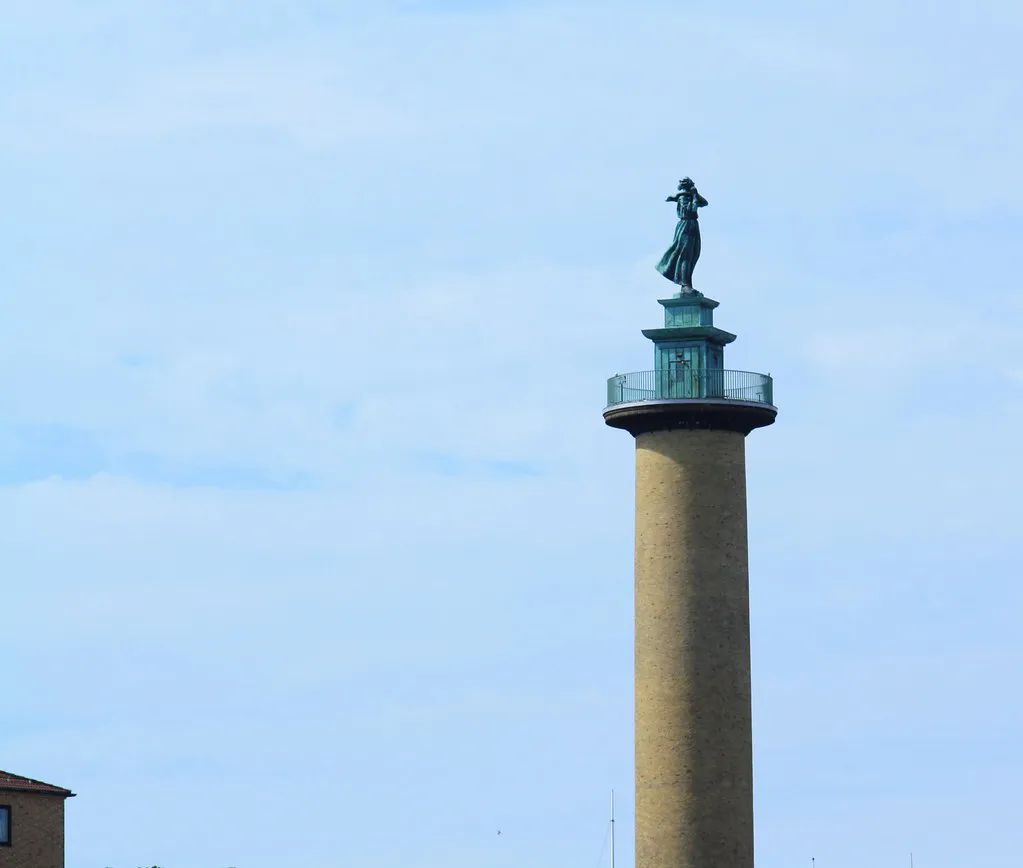
Skeppet GBG occupies the old Sjömanskyrkan seamen's church premises and programs concerts alongside its restaurant, while Fyrens Ölkafe rotates exhibitions and local-artist gigs. Heading down the hill toward Majorna opens up Utopia Jazz for live-music dinners, Musikens Hus & Hängmattan Kök & Bar for larger concert nights, and Stigbergets Shangri-La for the local brewery's full beer list on tap.
LGBT+ Bars, Clubs, and West Pride
Gothenburg consistently ranks among the more LGBT+-friendly European cities, and the scene operates year-round rather than just during Pride week. Gretas is the best-known queer club — the music moves from house to Swedish schlager depending on the night, and the crowd is mixed but dominant-queer. Bee Kök & Bar, inside the Saluhallen food hall, advertises as "straight friendly" and welcomes everyone to its dance floor without the tourist-bachelorette energy of larger Avenyn venues.
West Pride runs in June and paints the centre of the city in rainbow colours for a full week of parades, free concerts at Pride Park in Bältesspännarparken, and pop-up clubbing events. Book accommodation at least two months out if you are travelling for it. Outside of June, check Gretas's Instagram for themed nights, and note that many mixed bars on Långgatorna and around Järntorget are quietly queer-friendly without advertising it.
Cover Charges, Bar Crawl Tickets, and Advance Bookings
Budget for three distinct ticket types when planning a night out. Standard club cover runs 100–200 SEK at most Avenyn and Järntorget venues, usually flat-rate and not including drinks. A garderob (coat check) of 20–40 SEK is compulsory from roughly October through April — the staff will refuse entry if you insist on carrying a winter coat onto the dance floor.
VIP table reservations at Park Lane, Lounge(s), and Push require a minimum bottle spend, typically 3,000–6,000 SEK for a group of six to eight. Book four to seven days out, and expect to pay a deposit. Advance concert tickets at Pustervik, Trädgår'n, and Skeppet GBG go on sale six to eight weeks ahead and often sell out for touring acts — set a reminder rather than trying to walk up.
Guided bar crawls like the one listed on Trip Canvas are a useful shortcut if you are in town for a single night or travelling solo — a local guide covers three to five venues across roughly four hours, with mobile tickets, cancellation up to 24 hours before, and a flat per-person price that does not include your own drinks.
- Standard club cover: 100–200 SEK, flat, no drinks included.
- Compulsory garderob: 20–40 SEK October through April.
- VIP table: 3,000–6,000 SEK minimum spend, book 4–7 days out.
- Live music advance tickets: 6–8 weeks out for touring acts.
- Guided bar crawl: one ticket, three to five venues, fully refundable up to 24 hours.
Swedish Rules That Catch First-Timers Out
Sweden's alcohol laws shape Gothenburg nightlife in ways competitor guides rarely spell out. Systembolaget — the state-run off-licence — is the only place to buy anything above 3.5% ABV to take away, and it closes at 20:00 on weekdays, 15:00 on Saturdays, and does not open at all on Sundays. If you want beer or wine in your hotel room after a late arrival, plan around those hours.
Minimum legal drinking age is 18 in licensed venues, but many Gothenburg clubs enforce house minimums of 20, 23, or even 25 — Park Lane and some Avenyn doors run a 25+ weekend policy that is not always advertised. A Swedish driving licence is accepted as ID, but foreign visitors should always carry a passport: staff are trained on Swedish IDs and regularly refuse other formats without discussion. ID checks happen at the door, not inside.
A few more things. Tipping is not expected, and most places will decline card-tip screens politely if you try. Cash is nearly dead — almost everywhere takes card or Swish (the Swedish mobile payment app that tourists cannot use), so just use a card. And Swedish clubs enforce a strict no-fight policy: one shove and you are out for the night, sometimes blacklisted across the ownership group.
Getting Home After the Last Tram
Gothenburg's tram network is the fastest way between districts up to about 00:30 on weekends, when most central lines stop running. After that, the Nattbuss night bus network takes over until around 04:30, with routes that fan out from Brunnsparken toward the main residential areas and suburbs. A regular Västtrafik ticket covers Nattbuss too, so no separate fare is needed.
Bolt and Uber both operate in Gothenburg, and surge pricing around 03:00 on Saturdays routinely doubles the base fare — a 15-minute ride from Avenyn to Majorna can climb from 120 to 250 SEK. Taxi Göteborg is a reliable metered alternative if the apps are surging. Walking between central districts (Avenyn to Järntorget is about 15 minutes) is safe, well-lit, and common practice.
For a smoother exit, consulting Radissonhotels.com for central hotel tips pays off — staying within a 10-minute walk of Järntorget or Avenyn cuts your late-night transport costs to nothing. Most major club districts are within a 20-minute tram ride of the central station when service is running.
How to Plan a Smooth Gothenburg Night Out
Structure your evening around the Swedish tempo: dinner from 19:00, bar hop from 21:00, and clubs from 23:00 onward. Starting later gets you queuing behind locals who have already eaten — starting much earlier leaves you paying club cover for empty rooms. Groups of four or more should book a dinner reservation somewhere central (Järntorget or Linné are ideal) because walk-in waits push past 45 minutes on weekends.
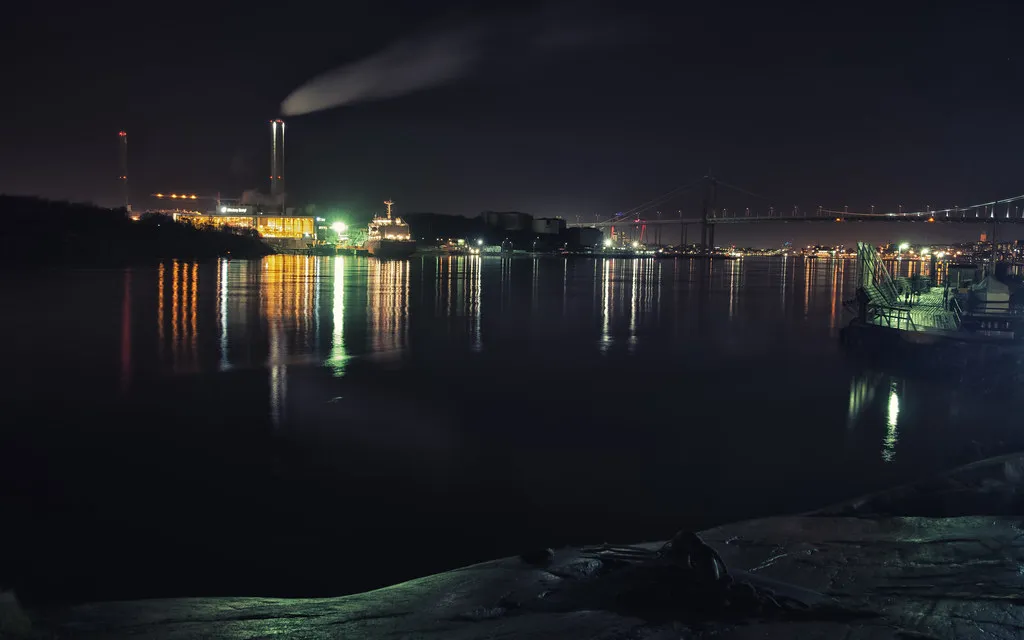
Check Goteborg.com for seasonal events and Yelp.com reviews for current crowd levels before committing to a venue. Many Gothenburg clubs list weekend DJ lineups on Instagram rather than their own websites, so searching the venue name plus "Instagram" usually finds the latest schedule faster than the official page.
Cross-reference any big concert nights at Trädgår'n or Pustervik — those nights redirect crowds away from the standard club circuit, which can mean shorter queues at Park Lane or Push. Reviewing Tripadvisor.com for same-week traveller notes helps confirm whether a venue you read about last year is still operating — turnover is real, especially on Långgatorna.
Explore More Gothenburg Guides
Keep planning your Gothenburg trip with these guides.
Explore nightlife in other cities
Frequently Asked Questions
Which gothenburg nightlife options fit first-time visitors?
First-time visitors should start at Avenyn for high-end clubs or Långgatorna for a more relaxed, local vibe. These areas offer a broad range of experiences that represent the city's diversity. You can find more details on specific venues at Goteborg.com for planning.
How much time should you plan for gothenburg nightlife?
Most people start their evening around 9:00 PM for drinks and head to clubs by midnight. The scene typically stays active until 3:00 AM or 4:00 AM on weekends. Planning a full night allows you to experience both the pub and club atmospheres.
What should travelers avoid when planning gothenburg nightlife?
Avoid wearing very casual clothes like sneakers if you plan to visit the upscale clubs on Avenyn. You should also avoid arriving too late, as popular venues often have long wait times after midnight. Always bring a valid ID, as age checks are very strict in Sweden.
Is gothenburg nightlife worth including on a short itinerary?
Yes, the nightlife is a central part of the city's modern culture and offers great social opportunities. Even a single evening in the Linné district can provide a memorable look at the local lifestyle. It adds a dynamic layer to any visit to the Swedish west coast.
Gothenburg's nightlife rewards travellers who treat it as a neighborhood puzzle rather than a single strip. Start at Järntorget, drift west into Långgatorna or Linné for the first few hours, then decide whether to dress up for Avenyn or stay in the alternative pocket until close.
Budget roughly 600–1,200 SEK per person for a full night including cover, coat check, two to three drinks, and a taxi home. Carry a passport, plan for the garderob, and remember that Systembolaget shuts early — the rest is about pacing yourself between the districts.
Whether you came for jazz at Nefertiti, a four-floor Avenyn club, a Pustervik concert, or a quiet Linné wine bar, the city supports all of it within one compact, walkable grid. Your night out here will likely be one of the more memorable stops on any Swedish west-coast trip.


