

The 10 Best Pubs in Amsterdam for an Authentic Experience
The best pubs in Amsterdam trade on a single Dutch word: gezelligheid. It translates loosely as cozy, conversational warmth, and it is the atmosphere every local brown cafe is chasing when it serves a Heineken on a wooden bar stained by three centuries of spills. This 2026 guide names the ten venues that deliver it — split between historic brown cafes (bruine kroegen), Dutch-only tasting rooms (proeflokalen), and the modern craft-beer taprooms that have reshaped the city since 2015.
Most of these pubs sit within a 20-minute walk of Centraal Station, concentrated in the Jordaan, Centrum, and a short ferry ride into Amsterdam Noord. Expect to pay 4.50 to 6 euros for a Dutch pilsner, 6 to 8 euros for a craft IPA, and 4 to 5 euros for a small tulip glass of jenever. Carry a debit card and a 20-euro note: several listed cafes still refuse non-Dutch Maestro cards or are strictly cash-only. Start here, and the rest of Amsterdam nightlife falls into place.
Proeflokaal Arendsnest: The Dutch Craft Beer Authority
Proeflokaal Arendsnest at Herengracht 90, in the Nine Streets canal district, is the single most respected tasting room in the country. The rule is simple and strict: every one of the roughly 50 beers on tap and 100+ bottles in the cellar is brewed in the Netherlands. Owner Peter van der Arend opened it in 2000 to prove Dutch beer deserved the same reverence Belgians give theirs, and the taplist now reads like a national who's-who — Oedipus, Jopen, De Molen, and wild-ale pioneer Tommie Sjef.
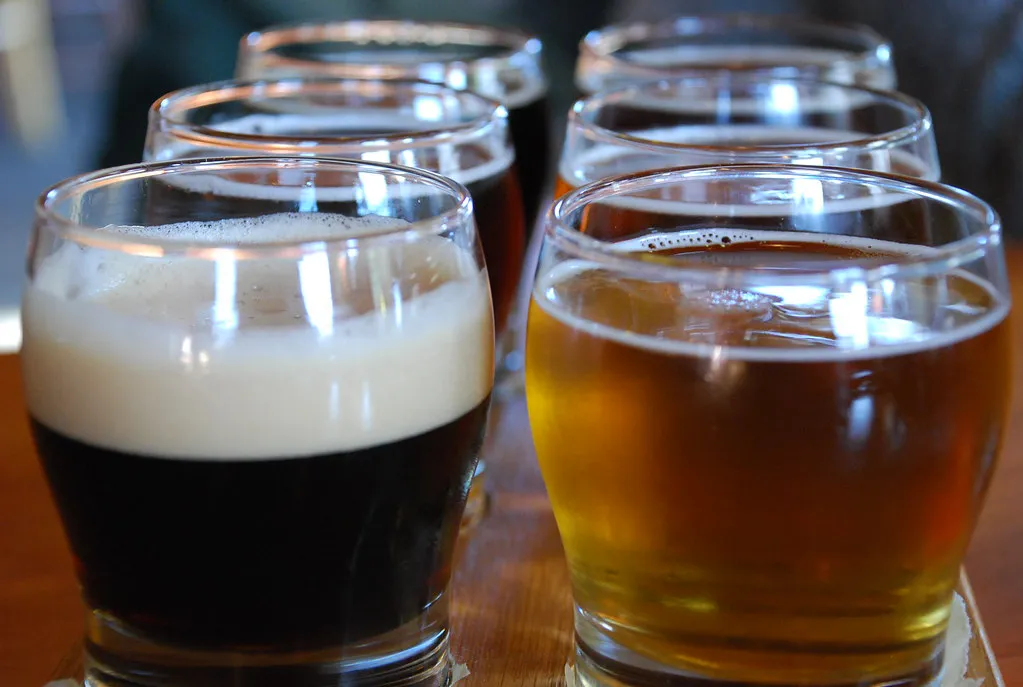
Order a tasting flight of four 0.1-liter pours for around 12 euros and ask the bartender to walk you through a lambic-style sour, a Zatte-style tripel, and whatever seasonal IPA is pouring that week. The canalside terrace opens around April and fills by 17:00 on warm evenings. Expect to pay 5.50 to 8 euros per standard pour; specialty bottles climb past 10. Cards are accepted including Visa and Mastercard, which is not a given at Amsterdam bars.
In de Wildeman: The Classic Bottle-List Bar
Tucked down a narrow alley at Kolksteeg 3, two minutes from Centraal Station, In de Wildeman still looks and smells exactly like the 18th-century distillery it once was — white tiled walls, a long wooden bar, and shelves lined with antique jenever jugs. It runs 18 rotating taps and a bottle list of roughly 250 beers that leans heavily on Belgian Trappists, German wheats, and British cask styles. Regulars come for the steady Cantillon supply, the London Pride on draft, and the fact that nobody here plays music louder than conversation.
Pints of the house beer sit around 5.50 euros; rarer lambics and aged sour bottles can reach 15 to 20. The bar closes at 01:00 weekdays and 02:00 on weekends, and it fills up by 20:00 on Fridays, so arrive early if you want a seat at the window. Children are technically welcome before 20:00 but rarely seen. Cards are accepted but tipping in cash is the norm.
Cafe 't Smalle and Cafe Chris: The Jordaan Brown Bar Classics
Cafe 't Smalle at Egelantiersgracht 12 is the postcard brown bar of the Jordaan — a two-story 1786 distillery with leaded-glass windows, brass lamps, and a pontoon that floats on the canal in summer. The beer list is short and Dutch-led; order a Brand Pils for 4.50 euros or a Hoegaarden wheat and claim a canal-side bench by 15:00. Bitterballen with mustard run around 8 euros for six pieces. The kitchen only serves snacks, so plan dinner elsewhere.
Two blocks north, Cafe Chris at Bloemstraat 42 claims the title of oldest pub in the Jordaan, trading since 1624. It is cash-only, the menu is bare-bones, and the toilet famously flushes from a chain pull in the main room. Expect Amstel or Grolsch on tap at 4 to 5 euros and a mixed crowd of old Jordaan regulars, students, and tourists who found it by accident. Thursday and Friday evenings get loud with singalongs of traditional levenslied ballads.
For the broader district, our things to do in Amsterdam at night walkthrough maps a dinner-and-drinks route that connects 't Smalle, Chris, and a canal-boat loop.
Cafe Gollem and Cafe Belgique: Belgian Beer Havens
Cafe Gollem opened on Raamsteeg in 1974 as the first specialty beer bar in the Netherlands. The original alley location is the one to visit — eight meters wide, low wooden ceilings, a chalkboard with 21 rotating taps and roughly 200 bottles. Order a Kwak in its signature hourglass-on-wooden-stand (8 euros), a Westmalle Tripel, or a Rodenbach sour. Gollem has since opened three more locations across town but the Raamsteeg room is the one with the history.
A short walk east, Cafe Belgique at Gravenstraat 2 is one of the smallest bars in Amsterdam — a single room that barely fits 25 standing drinkers. The taps pour eight Belgian beers including Delirium Tremens and La Chouffe, and the soundtrack leans toward 1960s garage rock. It sits a stone's throw from the Nieuwe Kerk, making it the easiest craft-beer pit stop between the Royal Palace and Dam Square. Cash is preferred; cards work above 10 euros.
In 't Aepjen and Het Papeneiland: Living Relics in the Centrum
In 't Aepjen at Zeedijk 1 occupies one of the last two wooden houses in central Amsterdam, dating to about 1550. The name translates to "In the Monkeys" — 16th-century sailors returning from the East Indies paid bar tabs with live monkeys they smuggled home, which is how Amsterdam's first zoo reputedly got its stock. The interior is low-beamed, candle-lit, and almost comically atmospheric. Order the house beer Aepjen Ale (5 euros) or a chilled jenever and sit at the back where the original floor still slants.
Het Papeneiland at Prinsengracht 2 is the stepped-gable building that appears on more Amsterdam postcards than almost any other structure. Inside, it has been pouring beer since 1642. It is best known locally for a thick-cut Dutch apple pie with whipped cream (6 euros) that former U.S. President Bill Clinton reportedly praised on a 2011 visit. A Grolsch draft runs 4.50 euros; the place closes at 01:00 on Friday and Saturday. The front terrace gets direct afternoon sun on the Brouwersgracht canal.
Brouwerij 't IJ: Craft Beer Under a Working Windmill
Brouwerij 't IJ sits at Funenkade 7 in the Oost district, at the base of De Gooyer — the tallest wooden windmill in the Netherlands, built in 1725. The brewery has operated on site since 1985 and produces certified organic beers, with the flagship Zatte (a 8% tripel named after Amsterdam slang for drunk) and Natte (a 6.5% dubbel) pouring year-round. A 0.33-liter draft costs 4.50 euros; a five-beer tasting flight runs 11 euros.
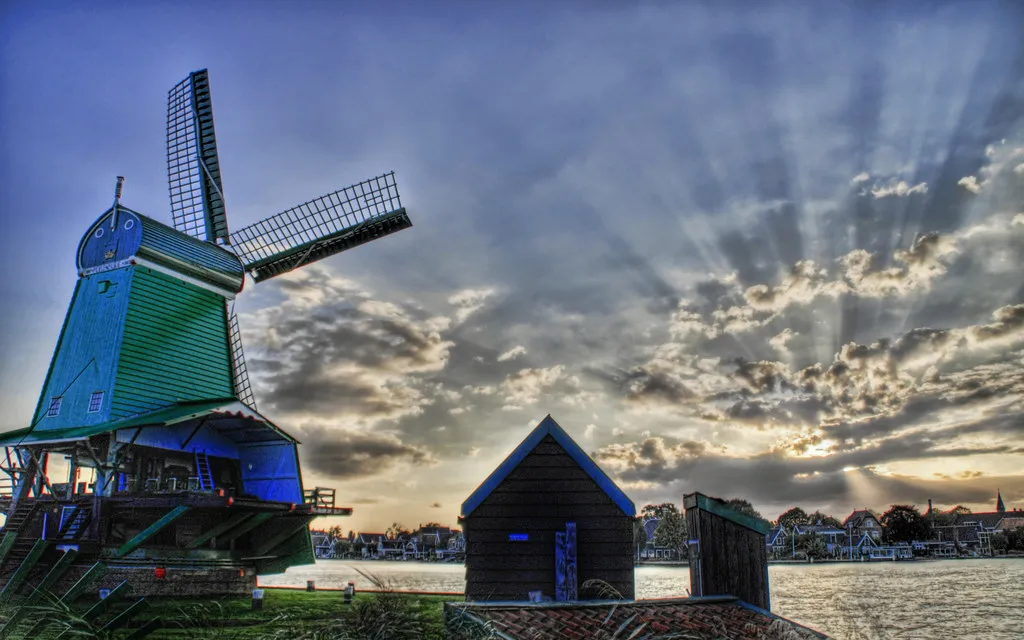
Reach it by tram 14 to Pontanusstraat or a 15-minute bike from Centraal. The taproom opens daily at 14:00 and closes at 20:00, which is earlier than most Amsterdam bars — this is the rare case where you should plan an afternoon drink, not a late-night one. Order a plate of Dutch sheep cheese and sausage (around 10 euros) to go with the Zatte. The outdoor benches facing the windmill are first-come; they fill by 16:00 on any sunny Saturday.
Hiding in Plain Sight: Cocktails That Beat the Brown-Bar Mold
Not every evening calls for a pilsner in a wood-paneled room. Hiding in Plain Sight at Rapenburg 18, a 10-minute walk east of Centraal, is Amsterdam's most consistently ranked cocktail bar and regularly appears on the World's 50 Best Bars longlist. The menu is organized by spirit, not by style — turn to the mezcal page, the rye page, or the agricole page, and the bartender builds something to your palate. Cocktails run 14 to 17 euros, no reservations accepted, and the small front room tends to fill by 21:00 on weekends.
If Hiding in Plain Sight is full, walk 12 minutes west to Tales & Spirits on Lijnbaanssteeg for theatrical smoked-glass-dome drinks, or to Flying Dutchmen Cocktails on Singel for the award-winning work of Tess Posthumus. Together they form a short cocktail triangle that complements — rather than replaces — the brown-bar circuit.
The Kopstootje: Jenever Ritual and Where to Do It Right
A kopstootje — "little headbutt" — is a tulip glass of jenever filled to the absolute brim, paired with a small Dutch pilsner chaser. The ritual is fixed: hands behind your back, lean over the bar, and take the first sip of the jenever without lifting the glass. Then straighten up, alternate jenever and beer sips, and finish both within 15 minutes. A proper kopstootje costs 6 to 9 euros depending on the jenever age.
Jenever divides into two main categories. Jonge (young) is neutral and grain-forward, closest to a light gin, and usually served ice-cold. Oude (old) contains more malted grain, often aged in oak, and tastes closer to an aged whiskey with malt and vanilla notes. For the gold-standard ritual, head to Proeflokaal Wynand Fockink on Pijlsteeg 31 — a distillery tasting room since 1679 — and ask for a Corenwyn oude jenever with a Wieckse pilsner. Bols, De Kuyper, and Rutte are the three big distillery brands to recognize on menus; a small-batch Rutte oude at 5 euros is the sweet spot for first-timers.
In 't Aepjen, Cafe Chris, and Papeneiland all serve jenever in the traditional way. Many modern craft-beer bars do not — asking for a kopstootje at a new-generation taproom will get you a polite but blank look. Pair your jenever stop with best rooftop bars in Amsterdam later in the evening for a classic old-meets-new Amsterdam night.
Brown Bar vs. Proeflokaal vs. Craft Taproom: How to Choose
The three categories serve different purposes. A brown bar (bruine kroeg) is a historic, wood-heavy cafe focused on atmosphere and Dutch pilsner at 4 to 5 euros; conversation is the product. A proeflokaal is a tasting room — narrower selection by category (Dutch-only, jenever-only, or Belgian-only), knowledgeable staff, and higher prices around 5.50 to 8 euros per pour. A craft taproom like Brouwerij 't IJ or Oedipus is rotation-driven, industrial-styled, and designed around food pairings and brewery tours.
If this is your first Amsterdam drinking night, pair one brown bar (Cafe 't Smalle or Papeneiland) with one proeflokaal (Arendsnest or Wynand Fockink). Beer specialists should go straight to In de Wildeman and then Gollem. Romantic dates work best at Hiding in Plain Sight early, followed by In 't Aepjen late. Large groups of six or more are usually turned away from the small brown bars — head to Brouwerij 't IJ or Hannekes Boom, which have space.
- First-timers: Cafe 't Smalle, then Proeflokaal Arendsnest, then a kopstootje at Wynand Fockink.
- Beer nerds: In de Wildeman for tap rotation, Gollem for Belgian depth, Brouwerij 't IJ for local.
- Romantic dates: Hiding in Plain Sight early, In 't Aepjen by candlelight late.
- Large groups: Brouwerij 't IJ, Hannekes Boom, or Oedipus in Amsterdam Noord.
Neighborhood Mapping: Planning the Evening by Foot
The Jordaan delivers the densest walking circuit of brown bars — 't Smalle, Chris, Papeneiland, De Twee Zwaantjes, and Cafe Tabac all sit within an 800-meter radius. A classic Jordaan crawl starts at 17:00 at 't Smalle for a canal-side apertif, moves to Papeneiland for apple pie and a Grolsch around 19:00, and ends at Cafe Chris for late-night singalongs.
The Centrum is where proeflokalen and cocktail bars concentrate: Arendsnest, Wynand Fockink, In de Wildeman, Gollem, Belgique, and Hiding in Plain Sight all fall within a 15-minute walk of Dam Square. De Pijp south of the center is younger, louder, and rewards a stop at Brouwerij Troost Westerpark or along Gerard Doustraat, which our best bars in Amsterdam guide maps in detail. Amsterdam Noord, five minutes across the IJ on the free NDSM or Buiksloterweg ferry, is the craft-beer frontier — Oedipus, Tula Cantina, and Pllek anchor a different kind of night.
Pub Etiquette, Cash, and Cards: What First-Timers Miss
Payment is the single biggest point of friction for visitors. Dutch bars overwhelmingly accept Dutch-issued Maestro and iDEAL, but a meaningful minority — especially older brown cafes like Cafe Chris, Papeneiland, and In 't Aepjen — refuse foreign Maestro, some Visa Electron, and occasionally even standard Visa debit cards issued outside the EU. Carry 50 euros in cash as a safety net. ATMs from Geldmaat charge roughly 2.50 euros per withdrawal.
Brown cafes operate on a pay-at-the-bar model, not a tab. You walk to the bar, order, pay immediately, and carry your own drink to the table. Servers do not patrol the room in the Anglo-American sense. Tipping is not expected; rounding up to the nearest euro is considered generous. Ordering is first-come at the bar — there is no numbered queue, and making eye contact with the bartender is how you get served. Do not wave cash or tap the bar.
Opening times cluster: most brown bars open at 11:00 or 12:00 and close at 01:00 weekdays, 02:00 or 03:00 on weekends. Craft taprooms like 't IJ close earlier at 20:00. A curated route through these is covered in our Amsterdam pub crawl guide. After 01:00, move to one of the best clubs in Amsterdam that hold late licenses until 04:00 or 05:00.
- Carry 50 euros in cash for older Jordaan and Centrum brown bars.
- Pay at the bar on arrival; tables do not run tabs in brown cafes.
- Do not tip beyond rounding up; it is not the local expectation.
- Arrive before 20:00 on Friday and Saturday for seating at 't Smalle, Wildeman, and Belgique.
Frequently Asked Questions
What time do pubs close in Amsterdam?
Most pubs in Amsterdam close around 1:00 AM on weekdays and 3:00 AM on weekends. Some venues with special licenses stay open later into the early morning hours. You can also find many best clubs in Amsterdam that operate until 5:00 AM for late-night dancing.
Is it expensive to drink in Amsterdam pubs?
A standard glass of beer usually costs between €4 and €6 in most local pubs. Craft beers and imported spirits will naturally be more expensive, often ranging from €7 to €10. You can save money by looking for happy hour deals in student-heavy areas like De Pijp.
Can you smoke inside Amsterdam pubs?
Smoking tobacco is strictly prohibited inside all public buildings and pubs in the Netherlands. Many establishments provide outdoor heated terraces where smoking is permitted for guests. Some specific 'coffeeshops' allow cannabis use, but these are separate from traditional pubs and bars.
Do I need to book a table at Amsterdam pubs?
Reservations are generally not required for casual pubs and brown cafes in the city. You can usually find a spot at the bar or a small table by walking in. However, larger groups or those visiting popular waterfront terraces in summer should consider calling ahead.
Amsterdam's pub scene rewards visitors who treat it as three overlapping worlds: historic brown cafes for gezelligheid, proeflokalen for serious tasting, and craft taprooms for the contemporary beer conversation. Name the ten venues above on a single night and you have seen the city's drinking culture across four centuries — from the 1550 wooden beams of In 't Aepjen to the 2020s tap rotation at Arendsnest.
Bring cash, pay at the bar, learn the word gezellig, and try at least one kopstootje before you leave. More neighborhood-by-neighborhood routes are available at europenightlife.com/netherlands. Proost.


