

10 Best Dubrovnik Nightlife Spots: A 2026 Party Guide
After my fourth summer scouting the Adriatic coast, I have realized that the dubrovnik nightlife scene is as much about architecture as it is about alcohol. Walking through the limestone streets of the Old Town at midnight feels like stepping onto a movie set where the history is real. The transition from a quiet sunset to a pulsing club night happens quickly here, often centered around ancient stone walls and hidden cliffside doors.
This guide has been last refreshed in May 2026 to include the latest cover charges and seasonal operating hours for every major venue. Whether you want to dance inside a 16th-century fortress or sip local wine in a quiet alley, the options are surprisingly diverse. You can find a high-energy party or a sophisticated lounge depending on which neighborhood you choose to explore after dark.
I remember wandering through a dark alley near the maritime museum and finding a tiny door that led straight to the sea. This was my first introduction to the 'hole-in-the-wall' bars that make nightlife across Croatia so incredibly famous among world travelers. Our editors have vetted each of these locations to ensure they offer genuine value and a safe environment for your evening out.
Key Takeaways
- Best Overall: Culture Club Revelin for the unique fortress atmosphere and top-tier sound system.
- Best for Sunset: Buza Bar I, provided you arrive by 16:30 to beat the cruise-ship crowds before golden hour.
- Best for Budget: Beer Factory Dubrovnik for reasonably priced local craft beer and a relaxed garden vibe.
- Best Rainy-Day: Cave Bar More, which offers a stunning natural indoor environment regardless of the weather.
Why Dubrovnik is a Unique Party Destination
The Adriatic sunset sets the stage for an evening that feels far more upscale than the rowdy party islands nearby. Locals typically start their nights late, often meeting for a coffee or a light aperitif around 21:00 before moving to bars. This late start means the best clubs in Dubrovnik do not truly peak until well after midnight.
Finding a seat at a popular wine bar requires a bit of strategy during the busy July and August months. The balance between historic preservation and modern entertainment creates a vibe that is sophisticated yet unpretentious. Most venues are located within the pedestrian-only Old Town, making it easy to hop between spots without needing a taxi.
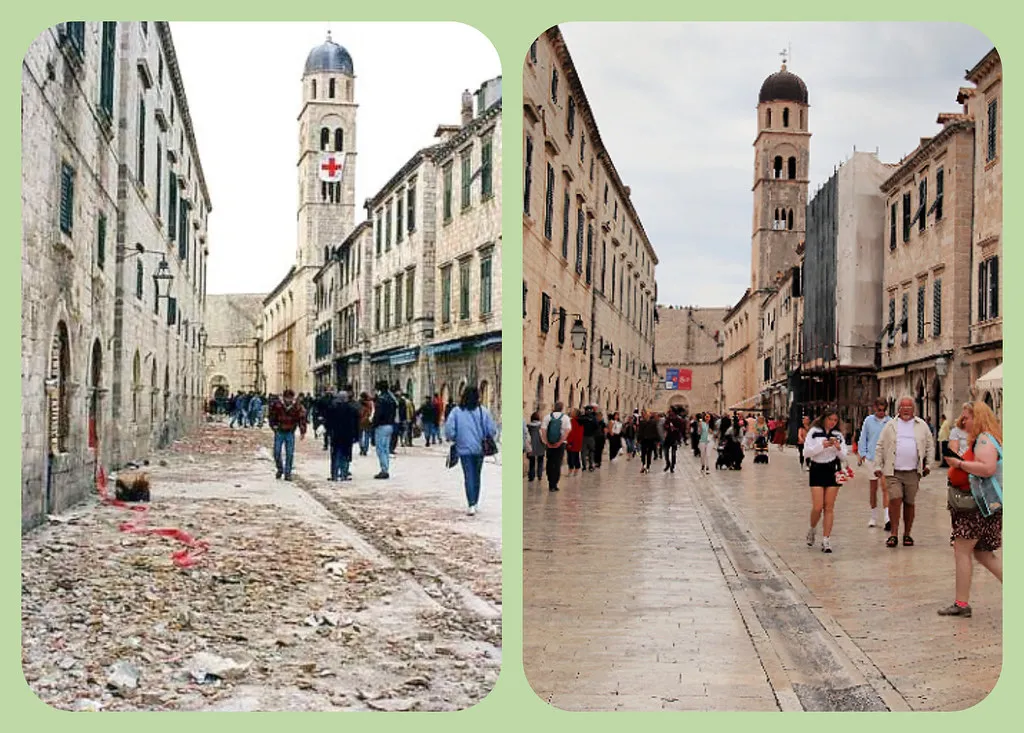
According to the local tourism authority, the city remains one of the safest destinations in Europe for nighttime exploration. Well-lit streets and a constant flow of people ensure that even solo travelers feel comfortable walking home at 3 AM. The limestone pavement actually glows under the streetlights, creating a magical atmosphere that you simply cannot find in modern cities.
The 23:00 Noise Rule: Why Dubrovnik Nightlife Moves Indoors
One quirk that catches almost every visitor off guard: Dubrovnik's Old Town is a living UNESCO World Heritage site, and roughly 900 residents actually sleep inside the walls. The city enforces a strict outdoor amplified-sound curfew of 23:00 in summer, which means any bar on the Stradun or tucked into an alley has to kill its speakers at eleven or pull the crowd inside.
This explains why the biggest clubs, Revelin and Banje, sit at the edges of the walls rather than in the center. It also explains why Troubadour and other Old Town jazz bars pack an early set from 21:00 and wind down by 23:30, while places like Culture Club Revelin only really start moving at midnight. If you arrive expecting Ibiza-style open-air parties inside the Stradun, you will be disappointed; the action rotates.
Use this pattern to your advantage. Plan a pre-midnight phase of cliffside drinks and jazz inside the walls, then shift to the fortress or beach clubs once the curfew kicks in. Locals do the same, which is why the main gates see a visible migration around 23:15 on any summer Saturday.
Best Nightclubs in Dubrovnik: Fortress, Beach, and Underground
The serious late-night scene in Dubrovnik is small but distinct. Three venues anchor it, each with a completely different atmosphere. All three are outside or on the edge of the Old Town walls, which is how they sidestep the 23:00 curfew and run until dawn.
Culture Club Revelin occupies a genuine medieval fortress at Ploče Gate and is the city's flagship club. Entry runs €20 to €40 depending on the DJ lineup, with doors at 23:00 and the floor peaking around 01:30. Book online for a discount of roughly twenty percent. The acoustics inside a stone fortress are powerful but uneven; the best dance-floor zone is directly under the central arch, while the side platforms are better for conversation. General admission is fine for most nights, but VIP is worth considering only for international headliner events when the floor gets dense.
Banje Beach Club sits on Banje Beach with the Old Town walls framing the view. By day it rents loungers; by night it runs open-air house and commercial dance music until around 05:00. Cocktails are €15 to €22, and there is no formal cover most nights. Bring a light jacket: the sea breeze turns cool after midnight, even in August.
Lazareti is the cultural soul of Dubrovnik's nightlife, housed in a 17th-century quarantine complex just outside the Ploče Gate. It is less a nightclub than a multi-room venue for electronic sets, live bands, film screenings, and art shows, with entry from €10 to €20. The historic quarantine barracks were built in the 1620s to isolate merchants arriving by sea, which makes the current use for underground music delightfully subversive. Check the Art Workshop Lazareti programme in advance because schedules vary by week.
Top Wine and Cocktail Bars in the Old Town
If clubs are not your scene, Dubrovnik's real strength is its small, atmospheric bars tucked into the limestone alleys. Many close by midnight because of the noise rule, but the evening window from 20:00 to 23:00 is where most locals actually spend their nights.
D'Vino Wine Bar, in a narrow passage off Palmotićeva street, serves more than sixty wines by the glass, heavily weighted toward Croatian labels from Pelješac, Korčula, and Istria. Glasses run €8 to €14, and three-wine tasting flights with short notes are an easy introduction to Plavac Mali, Pošip, and Malvazija. The indoor space seats about twelve; the outdoor steps take another twenty. Reserve ahead in summer.
Troubadour Hard Jazz Café, behind the Cathedral on Bunićeva poljana, is the city's longest-running live music bar. Sets start around 21:00 and run until curfew. No cover, though drinks carry a modest premium over nearby bars. The corner terrace faces the cathedral and makes for one of the most photographed nightlife scenes in the Adriatic.
Cave Bar More, inside a natural limestone grotto beneath Hotel More in Lapad, is the reliable rainy-night choice. Cocktails are €14 to €20, open daily from 10:00 to 24:00, and the stalactite-lit interior stays cool even in August. Take bus Number 4 or an Uber from the Pile Gate in about fifteen minutes.
Bard Mala Buza and Galerie Bar round out the old-town rotation. Galerie is famous for its oversized cocktail buckets served on cushioned steps, popular with the under-thirty crowd; it is tucked on a steep side staircase off the Stradun.
Buza Bar: How to Find the Hole in the Wall and When to Arrive
Finding Buza Bar is a rite of passage. From Gundulić Square, walk up the steps toward the Jesuit Staircase, then turn left along Ilije Sarake. Follow the narrow passage past the small maritime museum until you see a hand-painted sign reading "Cold Drinks with the Most Beautiful View" above a literal hole cut through the city wall. Duck through, and you are standing on a rocky terrace forty feet above the Adriatic. That is Buza I.
Buza II, also called Mala Buza, is reached by a slightly different route: head toward St. Ignatius Church, go past the blue-trimmed souvenir shop on Od Margarite, and descend a staircase marked only by a chalkboard. Mala Buza has more seating, a flatter terrace, and direct access to a swim ladder.
The timing trick nobody tells you: Dubrovnik's cruise-ship passengers have to be back aboard by 18:30 on most itineraries, which means tour groups descend on Buza between 17:00 and 18:15 and then vanish. Arrive at 16:30, order immediately, and you will still have a clean front-row seat when the ship crowd leaves. Sunset in July falls around 20:30, which gives you almost two hours of quiet golden light after the rush. Prices are high for what you get (a local Ožujsko beer is €8 to €12, cocktails €14 and up), and both bars close shortly after midnight because of the curfew.
Alternative and Local Nightlife Gems
Beyond the headline venues, Dubrovnik hides a handful of bars where the crowd skews local, the prices soften, and nobody is angling for an Instagram post. These are the spots worth searching out if you are staying more than a couple of nights.
Beer Factory Dubrovnik, on Od Polača near the Franciscan Monastery, is the friendliest pour in the Old Town. The garden seats about fifty, and the menu rotates Croatian craft like Lepi Dečki IPA and Medvedgrad lagers, with pints between €6 and €9. Open until 02:00 on weekends, it is the one late venue in the walls that stays social because the yard absorbs the sound.
Casablanca and other tiny stair-and-cushion bars on the side lanes west of the Stradun open around 22:00 and draw a mixed local-expat crowd. Drinks are cheaper than the waterfront, and the vibe skips the cruise-ship energy entirely.
Love Bar, near Gruž harbour about ten minutes from the Old Town by taxi, runs the only proper rooftop terrace in the city. It sits 140 square metres across a planted deck where the mint in your mojito actually came from the pots next to the railing. Worth the short ride on a clear night.
For live bands outside the Old Town, keep an eye on Club Otok on Lopud Island during summer weekends; several Dubrovnik residents take the ferry out on Saturdays for house sets that run past sunrise. If you are heading further up the Dalmatian coast, the bigger, later, club-driven nightlife in Split is a natural next stop for a different flavour of Croatian evening.
Top 5 Venues at a Glance
A quick decision matrix for the five spots you will likely choose between on any given night. Price level is a single-drink benchmark including tip.
- Culture Club Revelin: fortress vibe, price level high (€20 to €40 cover, €15+ drinks), house and electronic, best for a late serious dance night after 00:30.
- Banje Beach Club: open-air waterfront, price level high (€15 to €22 cocktails), commercial house, best for a warm weekend night with a sea view.
- Lazareti: underground and cultural, price level medium (€10 to €20 cover), electronic and live, best for alternative crowds and event nights.
- Buza Bar I and II: cliffside hole-in-the-wall, price level medium to high (€8 to €14 drinks), no music, best for sunset and early-night drinks before curfew.
- D'Vino Wine Bar: intimate wine-focused, price level medium (€8 to €14 per glass), quiet conversation, best for a pre-dinner or pre-club stop.
Old Town vs. Lapad: Where Should You Party?
Deciding where to spend your evening depends largely on the type of atmosphere you prefer after the sun sets. The Old Town is the undisputed center of the action, housing most of the best bars in Dubrovnik within its walls. Walking through these historic streets offers a high-energy experience where you are never more than a minute from the next drink.
Lapad provides a much more relaxed and local alternative to the tourist-heavy center of the city. This peninsula is home to several sophisticated hotel bars and quiet seaside lounges that are perfect for couples. Most travelers choose to start their evening in Lapad for dinner and then take a short taxi to the Old Town.
The transition between the two areas is simple thanks to the frequent bus service that runs until the early morning. Uber is also widely available, though prices tend to surge significantly once the main clubs begin to close. If you want to avoid the largest crowds, staying in the Lapad area for the entire night is a smart move.
Pricing and Average Costs for a Night Out
Budgeting in Dubrovnik requires planning; the city sits at the top of Croatia's price range. Cocktail prices at premium seaside venues like Banje Beach run €16 to €25 for a single drink. Wine drinkers should budget €9 to €13 for a glass of quality Pelješac red. A standard half-litre of Ožujsko beer is €6 to €9 in most Old Town pubs, with craft pours at Beer Factory running €7 to €10.
Cover charges at major clubs are the biggest single line item. Revelin entry ranges from €20 for a regular Saturday up to €40 for a guest headliner. Booking through the official Revelin event calendar online typically saves twenty percent. Lazareti events are cheaper at €10 to €20, and most bars, including Banje and Troubadour, charge no cover at all.
A realistic per-person budget for a full evening out (one sunset drink, dinner drinks, two cocktails at a beach club, and club entry) lands between €80 and €120 in peak season. Many bars offer happy hour from 18:00 to 20:00 with drinks thirty to fifty percent off, which is the single biggest lever for saving money. Always carry some cash; a handful of hole-in-the-wall bars still refuse international credit cards.
Dress Codes, Timing, and Safety
Dress code is casual almost everywhere except the two main clubs. Revelin and Banje ask for smart-casual after 23:00; no flip-flops, no swimwear, no tank tops for men. A button-down shirt or a summer dress clears the door without issue. Beach clubs during the day are more relaxed but expect a change of clothes once music switches over in the evening.
Timing matters more than almost any other city in Europe. Bars inside the walls fill between 21:00 and 23:00 and empty quickly after curfew. Clubs do not really warm up until 00:30. If you arrive at Revelin at 23:15 you will spend an hour watching bartenders set up; if you arrive at 01:30 you will queue thirty minutes. Aim for midnight arrival.
Safety is strong. Dubrovnik records among the lowest violent-crime rates of any European tourist city, and the Old Town is well-lit and patrolled. The two practical risks are pickpockets in crowded Revelin toilets and minor overcharging at unnamed bars on the Stradun; both are avoidable with basic vigilance and reviewing the bill before paying.
Late-Night Logistics: Food and Getting Home
Getting home after a late club night takes planning. Uber operates in Dubrovnik but tightens sharply after 03:00, when waits of twenty to forty minutes are normal and surge pricing doubles fares to Lapad. Pre-book the return ride by 02:45 if you can, or agree a pickup with a licensed taxi driver earlier in the night.
The Libertas night bus service runs limited routes between Pile Gate and Lapad on Friday and Saturday nights in summer, roughly at 00:30, 02:00, and 03:30. Schedules are pinned to the bus-stop post at Pile Gate; screenshots before you start the night are easier than trying to read them at 04:00. Walking from Pile to most Old Town apartments takes under fifteen minutes and is the most reliable option.
Late-night food in Dubrovnik is thin but survivable. Pekara Galeta near Pile Gate stays open until around 04:00 serving hot burek, cheese or meat, and fresh pizza slices for €4 to €6. A second reliable option is the kiosk bakery near the Gruž ferry port for anyone heading back to Lapad. Sit-down restaurants shutter by 23:30, so the late-night eating window is short and the bakeries are effectively your only option.
What to Skip: Avoiding the Tourist Traps
Generic bars directly on the Stradun often charge double for cocktails that lack any local character. Instead, seek out the bars tucked into the side alleys where the quality and value are much higher. Look for places where the menu is only in Croatian and English, not in six languages; that is a reliable signal.
Party boats that promise all-you-can-drink deals are frequently disappointing and overcrowded during the summer heat. They serve low-quality spirits and spend more time in transit than at interesting swimming spots. Spend that money on one high-quality cocktail at a cliffside bar instead.
While Buza's sunset is famous, arriving at 18:00 in July will leave you standing. Go at 16:30 or swing back at 22:30 for a quiet drink under the stars once the day-trippers have returned to their cruise ships. The atmosphere is much more peaceful, and the walk back through the silent Stradun is one of the best moments of any trip to the city.
Explore More Dubrovnik Guides
Keep planning your Dubrovnik trip with these guides.
Explore nightlife in other cities
Frequently Asked Questions
Is Dubrovnik safe for nightlife?
Yes, the city is remarkably safe for solo travelers and groups alike due to high police presence and well-lit streets. You should still exercise standard caution with your belongings in crowded clubs. Most locals are friendly and the Old Town remains active until the early morning hours.
What is the dress code for Dubrovnik clubs?
Most bars are casual, but major clubs like Revelin require a smart-casual dress code during the summer. Avoid wearing flip-flops or swimwear if you plan to enter the larger indoor venues after midnight. A simple button-down shirt or a summer dress is usually sufficient for entry.
How much does a cocktail cost in Dubrovnik?
You can expect to pay between €14 and €22 for a standard cocktail at most popular venues. Prices are higher at beach clubs and fortress venues compared to smaller alleyway bars. Always check the menu before ordering to avoid any surprises when the bill arrives.
The dubrovnik nightlife scene offers a rare blend of historical grandeur and modern party energy that is hard to find elsewhere. From the echoing stone walls of Revelin to the quiet sunset views at Buza, every evening here feels like a special occasion. Planning your night with a mix of iconic spots and local gems will ensure you see the best of the city.
Remember to pace yourself and enjoy the slow transition from a seaside dinner to a late-night dance floor. With its safe streets and stunning backdrop, this city remains one of the premier evening destinations in the entire Mediterranean region.


