
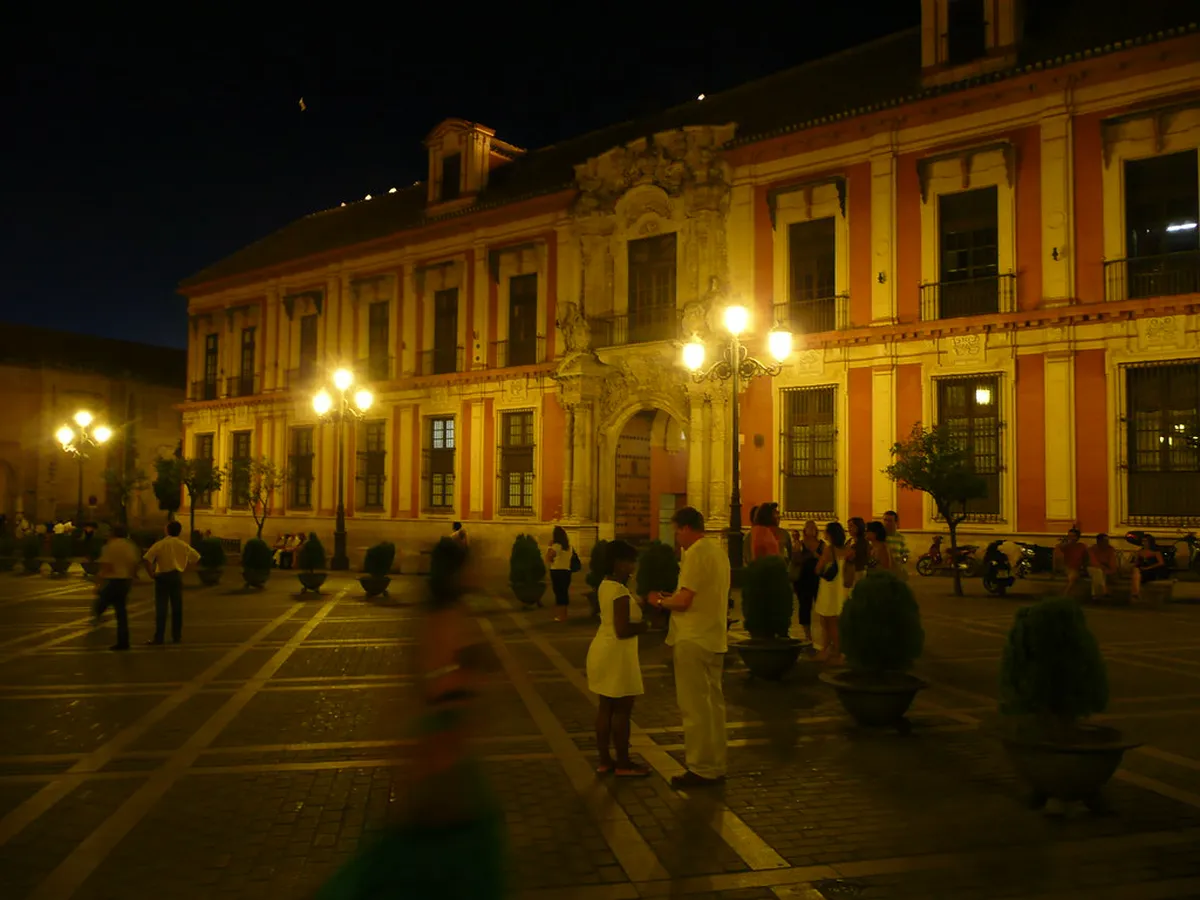
9 Best Seville Nightlife Areas and Experiences
After my fourth summer exploring the winding streets of Andalusia, I have realized that the sun never truly sets on this city. Seville nightlife is not just a series of bars; it is a cultural marathon that requires stamina and a local perspective. This guide was last refreshed in April 2026 to ensure venue details, opening hours, and seasonal patterns match the current year. Whether you seek the rhythm of flamenco or the pulse of a mega-club, the nightlife in Spain finds its most passionate expression here.
Visitors often find themselves surprised by the sheer energy that erupts after the clock strikes midnight in the southern heat. The city transforms as locals emerge from their late dinners to reclaim the plazas and riverside promenades for social connection. Our editors have vetted these locations to ensure they offer authentic experiences rather than just standard tourist fare. According to the latest data from Welcometoseville.com, the city's evening economy continues to thrive through diverse neighborhood hubs.
Key Takeaways
- Quick pick (Best overall): Alameda de Hércules for its inclusive and diverse range of bars.
- Quick pick (Best for families): Plaza de la Alfalfa in the early evening for a social, multi-generational vibe.
- Quick pick (Best rainy-day): La Carbonería for its indoor, cozy flamenco atmosphere and communal seating.
- Quick pick (Best free): A walk along the Guadalquivir River to enjoy the illuminated views of the Torre del Oro.
- Practical Tip: Always carry a physical ID, as many clubs are strict about age verification regardless of how old you look.
Is Seville Nightlife Worth the Late Start?
The first rule of enjoying the evening here is to forget everything you know about standard European dinner times. Most locals do not even consider sitting down for tapas until 21:30 or 22:00 during the warmer months. This delay creates a unique atmosphere where the streets are most vibrant when other cities are beginning to sleep. You will see multi-generational families sharing drinks in the plazas well past midnight.
Timing your energy levels is crucial if you plan to experience the full spectrum of what the city offers. Bars generally stay packed until 03:00, while the larger dance clubs do not open their doors until 01:00. If you arrive at a discoteca before 02:00, you may find yourself dancing alone on an empty floor. The real magic happens in those early morning hours when the heat finally breaks and the music takes over.
The social fabric of the city is woven into these late-night interactions across various historic neighborhoods. Unlike the clinical feel of some northern cities, the nightlife here is deeply rooted in conversation and shared space. Expect to find crowded bars where people spill out onto the cobblestones with glasses of tinto de verano or cold Cruzcampo. This accessibility makes the city one of the most welcoming destinations for solo travelers looking to meet people.
Tapas and Drinks: The Traditional Sevillian Start
Every real Seville night begins with a tapeo, a crawl through three or four bars where you order one plate and one drink at each stop rather than sitting for a full dinner. El Rinconcillo on Calle Gerona, the city's oldest bar dating to 1670, chalks your bill directly onto the wooden counter in the old way. Eslava in the San Lorenzo neighborhood draws longer queues for its honey-glazed pork ribs and its honey-pistachio slow-cooked egg, typically from 20:30 onward.
Drink choices matter more than most tourists realize, and ordering the right thing telegraphs that you know the rhythm of the city. Tinto de verano, a mix of red wine and gaseosa, is what locals actually drink in the summer heat rather than the heavier sangria marketed to visitors. A chilled fino or manzanilla sherry runs around 2.50 EUR a glass and pairs with nearly every tapa on the menu. For beer, ask for a caña rather than a pint, which is the small 200ml pour that stays cold in the Andalusian heat.
Budget roughly 15 to 25 EUR per person for a proper three-stop tapas crawl including drinks. Stick to bars where the locals are standing at the counter rather than seated tourists, as counter prices run 20 to 30 percent cheaper than terrace prices at many old-town spots. For more depth on specific dishes and neighborhoods, see our comprehensive bar guide for the exact crawl routes our editors use.
9 Best Seville Nightlife Areas and Experiences
Navigating the diverse options for a night out can be overwhelming without a clear plan for each neighborhood. We have categorized these nine selections to cover everything from bohemian hangouts to high-end riverside terraces. According to recent visitor reviews on Tripadvisor.com, the variety of music and price points is a major draw. Each of these spots offers a distinct window into the soul of the Andalusian capital after dark.
For those who enjoy a more alternative vibe, the northern part of the city provides a gritty but welcoming charm. In contrast, the riverside areas offer a more polished experience where fashion and views take center stage. We recommend starting in a traditional neighborhood like Alfalfa before moving toward the larger venues later in the night. This progression allows you to see the city transition from casual social gathering to high-energy party.
Be prepared for varying dress codes depending on which of these nine experiences you choose to pursue first. While the plazas are casual, the mega-clubs often require a more sophisticated look to ensure entry at the door. Always keep a few euros in cash handy, as some smaller traditional bars may still prefer physical currency for small tabs. The following list represents the absolute best of what Seville has to offer for the modern traveler.
Alameda de Hércules: The Hip and Alternative Hub
This vast Roman-era plaza, one of Europe's oldest public gardens, serves as the primary hub for the city's bohemian, artistic, and LGBTI+ nightlife communities. The two enormous pillars at the southern end mark the entrance and double as meeting points for visitors who are still learning the grid. Casual bars with sprawling outdoor terraces dominate the plaza, and prices here sit roughly 20 percent below tourist-zone averages.
Gigante Bar and Café Central handle the early-evening crowd from around 20:00, typically charging 3 to 6 EUR for a caña or a tinto de verano. After midnight the energy shifts to late-bars like Carambolo for reggaeton on three floors, Fun Club for indie rock, and Obbio by Holiday at Calle Jesús del Gran Poder 73 for LGBTI+ dancing until roughly 06:00. Walk north from Plaza Nueva for fifteen minutes; avoid the taxi, as drop-off is tricky and the approach is half the fun.
Arrive before 23:00 on Friday or Saturday if you want a table outdoors, because the plaza fills fast with locals. The area is walkable, but the blocks immediately north of the plaza can feel quieter at 03:00 and a Cabify back to the center runs around 6 to 8 EUR.
Calle Betis: Riverside Revelry in Triana
Calle Betis runs along the Triana bank of the Guadalquivir directly opposite the old city, and at night the low riverwall becomes one long informal terrace. Every building facing the water is either a bar, a flamenco tablao, or a restaurant, and the view back toward the Torre del Oro and the Giralda is the unofficial postcard of a Seville night. Cross the Puente de Isabel II on foot; the bridge itself is one of the best free experiences in the city after dark.
Early evening here is slow and scenic, with cocktails running 9 to 14 EUR at the more polished spots. By 00:30 the energy lifts sharply, especially on Friday and Saturday. T de Triana puts on live flamenco Thursday and Saturday nights without a cover charge beyond a one-drink minimum. The smaller streets one block back, like Calle Pureza and Calle San Jacinto, hide cheaper bars and genuine Triana taverns where cañas still go for 2 EUR.
If you visit in late July, Calle Betis transforms into the Velá de Santiago y Santa Ana, a street-wide festival of tents, live music, and dancing that runs from roughly 20 to 26 July. Hotel rates on this side of the river climb during those nights, but the atmosphere is unmatched.
Alfalfa and El Arenal: The Historic Heart and Student Scene
Plaza de la Alfalfa and the narrow streets slanting up toward Discoteca Tokyo at Cuesta del Rosario 12 form the undisputed student heart of Seville nightlife. This is where the University of Seville and the city's large Erasmus contingent begin most weekends. Expect crowds standing outside with plastic cups, drink prices starting at 2 EUR for a caña, and the loudest stretch between 23:30 and 02:00.
La Rebotica on Calle Pérez Galdós 11 is famous for its cheap mojitos and attracts a mixed student and tourist crowd, while Sopa de Ganso at number 8 runs themed nights aimed at international visitors. Cervecería Internacional on Calle Gamazo 3 pours 15 European beers on tap and stocks around 350 bottled brands, making it the default for anyone tired of lager. For something weirder, Garlochí is a five-minute walk away and deserves its own stop.
Across the old center, El Arenal sits between the Cathedral and the river and skews slightly older and more polished. It is a good transition neighborhood if you want to move from Alfalfa tapas to the riverside clubs without a taxi. Paseo de Cristóbal Colón, the wide avenue along its edge, is the warm-up zone for dressier venues and has its own rhythm covered further below.
Seville's Mega-Clubs: Dancing Until Dawn
Antique Theatro, housed in the former Expo 92 Olympic Pavilion on Calle Matemáticos Rey Pastor y Castro, is the benchmark for big-room nights in Seville. The club spreads 1,200 square metres over two floors with LED walls, video mapping, and a serious sound system; entry typically runs 15 to 25 EUR and usually includes one drink. In summer they open Rosso by Antique, an outdoor terrace of over 1,000 square metres with a 10,000-litre water feature that keeps the space cool past 05:00.
Alternatives matter here because Antique's queue and selective door can be frustrating. Uthopia in the old Córdoba station at Plaza de Armas runs three floors themed around Paris, India, and London, with a first-floor smoking terrace. Abril Sevilla on Calle Luis Montoto 118 channels 1990s New York design and pumps current Spanish pop and reggaeton. Alfonso, inside María Luisa Park, offers an open-air dance floor with mainstream music and is popular with a younger crowd during school terms. For the full venue breakdown, our guide to Seville clubs covers dress codes, door policies, and transport logistics per venue.
Dress code is real at the mega-clubs. Men in shorts, flip-flops, or athletic jerseys are routinely turned away at Antique and Abril; women have more latitude, but beachwear will be refused. Doors technically open at midnight but nothing happens until 01:30 at the earliest.
Flamenco Tablaos: The Soul of Seville
Flamenco at night is non-negotiable, and the real question is whether you want a ticketed tablao with a set programme or a drink-and-see-what-happens peña. For the ticketed route, La Casa del Flamenco in Barrio Santa Cruz seats around 60 and runs nightly 50-minute shows typically at 19:00, 20:30, and 22:00, with tickets around 22 EUR. El Patio Sevillano, active since the 1950s, delivers a larger-stage experience closer to 45 EUR including drinks.
For the raw route, La Carbonería on Calle Levíes is a former coal warehouse with no cover charge and a one-drink minimum of roughly 4 EUR. Performances start around 21:30 most nights; arrive at 21:00 to get a bench seat. Bar Anselma in Triana, at Calle Pagés del Corro 49, is smaller, rougher around the edges, and opens around 23:30; the owner herself often dances and the programme is loose by design.
Skip the "flamenco dinner show" packages aimed at tour groups. They charge 60 to 80 EUR for a mediocre meal and a rushed 30-minute performance sliced between sittings. Every serious flamenco fan in Seville eats first, then goes to a tablao or peña for the show on its own terms.
Rooftop Bars: Cocktails with a View
La Terraza de EME, on top of the EME Catedral Hotel at Calle Alemanes 27, is close enough to the Giralda that you can hear the bells from your table. Cocktails sit between 14 and 18 EUR and the terrace is open from roughly 17:00 until 01:00. Reservations are essential from May through September; walk-ins at 22:00 on a weekend are almost impossible.
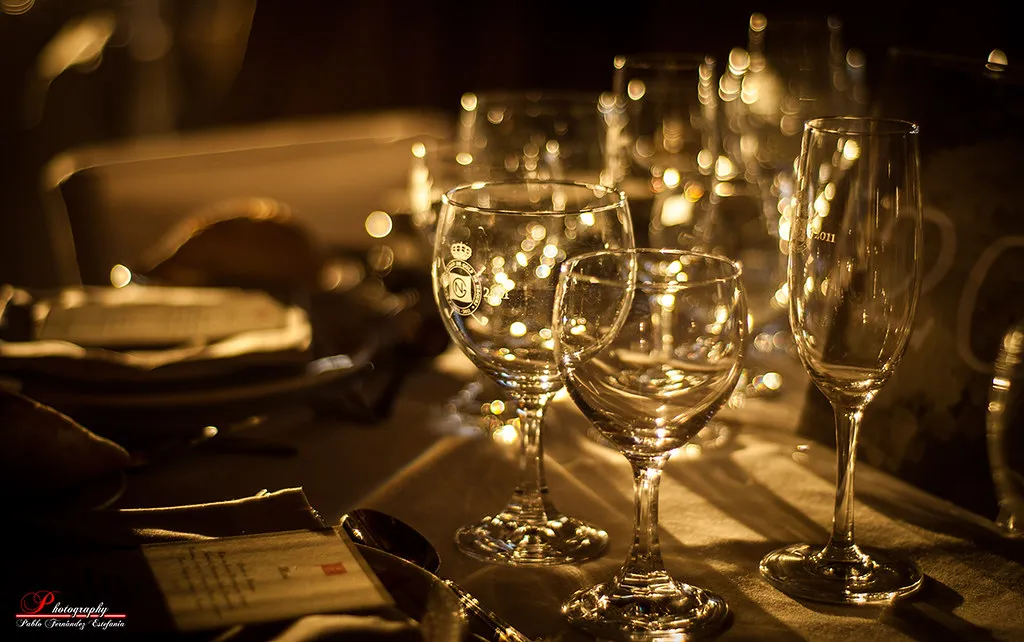
Hotel Doña María at Calle Don Remondo 19 offers a quieter alternative with similar Giralda views and live acoustic music on summer weekends. Puerto de Cuba on Calle Betis takes the terrace model at water level rather than rooftop, which is an easier booking and a better choice if the wind is up. Pura Vida Terraza faces the Guadalquivir and draws a slightly older crowd looking for conversation rather than a DJ.
Dress codes on rooftops are softer than mega-clubs but firmer than plaza bars. Closed shoes, a shirt with sleeves, and no athletic wear is the general rule. In winter the rooftops either close or pivot to covered seating with heaters, so always check the hotel's website before walking over.
Live Music Venues: Beyond the Mainstream
Sala X near Calle José Díaz in the northern part of the city is the default for indie, rock, and electronic live acts. The venue hosts both local Spanish bands and international touring acts, with tickets typically 12 to 25 EUR, and often pivots to club mode until 06:00 after the live set ends. A Cabify from the Cathedral runs 7 to 9 EUR and is the simplest transport given the location.
Fun Club on the Alameda is smaller and more intimate, specializing in indie rock and surf nights. Cover is 5 to 10 EUR on show nights and the venue tends to book acts that hit Madrid and Barcelona on the same tour. For jazz, Jazz Naima Sevilla on Calle López de Arenas runs live sets most nights of the week, including Sundays, with no cover but a two-drink minimum.
For electronic and underground scenes, the Joy Hostel team curates a rotating list of off-venue events and one-off warehouse parties; booking through their nightlife events calendar is the quickest way to find parties that local Instagram accounts leak the day before.
Paseo de Cristóbal Colón: Glamorous Pre-Clubbing
This wide avenue runs along the river from the Torre del Oro toward the Puente de San Telmo and is the city's dressier warm-up zone. Boga is the local favourite for gin and tonics, particularly with Puerto de Indias, the pink strawberry gin distilled just outside Seville. Expect to pay 10 to 14 EUR for a well-made gin tonic and to wait for a terrace seat from 23:00 onward on weekends.
The strip also includes Terraza Sojo next to the Triana bridge inside the Mercado Lonja del Barranco, playing chill-out and flamenco-fusion sets with a cocktail focus. Muelle Nueva York between the San Telmo and Los Remedios bridges skews toward mojitos and caipirinhas with an open-air stage. Terraza Manhattan next door books guest DJs and runs the latest into the night on this stretch.
The demographic here is local professionals 25 to 40 years old blowing off Friday steam, not tourists in shorts. Dress accordingly or expect a long wait at the rope. After 02:00 many of these crowds migrate toward Antique Theatro or Uthopia, and taxis along the Paseo are dense at that hour.
Garlochí: Irreverent Church-Themed Cocktails
Garlochí at Calle Boteros 26 in the Alfalfa district is the one bar in Seville that every guidebook mentions and most get wrong. The room is designed to look like the inside of a Semana Santa chapel, with velvet drapes, floats, religious icons, and actual incense burned at the door. The signature drink is the Sangre de Cristo, a blood-red cocktail of grenadine, champagne, and whisky served in a gold chalice, priced at roughly 8 EUR.
Open roughly 22:00 to 03:00, Garlochí is a one-drink curiosity stop rather than a destination for the whole night. The bar takes the theme seriously and the owner is known to eject visitors who treat it as a photo opportunity without buying a drink. Dress reasonably; the bar maintains the ambience on purpose and will refuse entry to anyone in beach attire.
Pair it with an Alfalfa tapas crawl or use it as a halfway point between Cathedral-area dining and the Alameda. Cabify drop-off is possible on Plaza del Salvador, a two-minute walk away, as the lanes around Boteros are pedestrian after dark.
Seasonal Nightlife Calendar: When Seville Actually Parties
Seville's nightlife is sharply seasonal in ways that no general guide explains well, and picking the wrong week costs visitors most of what they came for. Late April brings the Feria de Abril, a week-long fair on the Los Remedios fairground where private and public casetas serve rebujito, sherry mixed with 7-Up, until roughly 06:00. During Feria week, most central clubs and late-bars run reduced hours or close entirely because staff and crowds are at the fairground. If you are in town for Feria, commit to the fair and skip the clubs; if you want clubs, avoid Feria week.
August is the season nobody warns visitors about. Many mega-clubs close or switch to a skeleton Friday-only schedule because Seville empties for the coast; temperatures routinely hit 40 degrees and locals decamp to Cádiz or Huelva. The surviving August scene is rooftop, riverside, and terraza, not indoor clubs. Antique and Abril often close for two to three weeks around mid-August, so check the venue's Instagram before committing a night to them.
November through February runs on a different rhythm. Rooftop bars close or retreat indoors with heaters, Calle Betis feels half-empty midweek, and the late-night crowd shrinks. The upside is that flamenco peñas pack out and indoor venues like La Carbonería, Fun Club, and Sala X host their strongest programmes. Semana Santa, the week before Easter, shuts most clubs entirely while the city runs religious processions until 04:00; the bars near the procession routes serve until dawn as the brotherhoods pass.
March, May, June, September, and October are the balanced months where every venue type operates at full strength. These are the best weeks to book a Seville nightlife trip if you want the full spectrum of tablaos, clubs, rooftops, and terraces on the same visit.
The 6 AM Culture: A Seville Nightlife Survival Guide
Survival in the Sevillian night requires a shift in mindset regarding when a party actually begins and ends. Most major dance venues peak at 04:00, so if you try to go home at 02:00 you will likely be passing the largest crowds just arriving at the door. The endurance of the local crowd is legendary, often fuelled by late-afternoon siestas that provide a second wind.
Transportation during these late hours is surprisingly efficient if you know which services to prioritize. According to discussions on Reddit.com, Cabify is generally more reliable than street taxis, with typical fares of 5 to 10 EUR inside the old city and 8 to 14 EUR to Isla de la Cartuja for Antique. TUSSAM night buses, marked with an "N" prefix, run roughly every 30 minutes from the city centre to outlying neighbourhoods until dawn for 1.40 EUR per ride. Walking is often the best option within the historic core, but always stay in well-lit areas near the main plazas.
One of the most important traditions is the post-club meal that occurs as the sun begins to rise over the river. Locals flock to Kiosco de las Flores on the Triana bank for fresh churros dipped in thick, hot chocolate before heading home; a serving runs around 4 EUR. Churrería San Pablo in the old centre serves the same purpose on the opposite side of the river. This ritual provides a necessary caloric boost and a moment of reflection after a night of high-energy dancing.
Pace your alcohol given the length of the night and summer temperatures. Alternate cocktails with water or tinto de verano, which has a lower alcohol content than pure wine. The goal is to reach the 06:00 finish line energized rather than destroyed by the city's relentless pace.
What to Skip: Overrated Nightlife Traps
Not every experience marketed to tourists in the evening is worth your time or budget. Skip the "flamenco dinner shows" charging 60 to 80 EUR for a mediocre meal and a rushed performance sliced between sittings. You will find much more soul and better value at the smaller drink-only tablaos mentioned above.
Be wary of bars directly adjacent to the most famous monuments that do not display their prices clearly outside. Some establishments near the Cathedral inflate prices for international visitors during peak hours; a walk two blocks into the side streets often cuts your drink bill in half while doubling the quality. Authenticity is usually found where you hear more Spanish than English at the surrounding tables.
Finally, skip the clubs located too far outside the city limits unless there is a specific world-class DJ. The taxi cost and commute time can kill the momentum of a good evening, and Seville has enough variety within the central districts to satisfy almost any musical taste.
Seville Nightlife Comparison: Finding Your Vibe
Choosing the right starting point depends on the type of social environment you prefer. The Alameda is the clear winner for those who value diversity, alternative music, and a laid-back, inclusive atmosphere. Triana's Calle Betis offers a more traditional and scenic experience that feels deeply rooted in history. Our comprehensive bar guide details the specific drink specialties found in each of these distinct zones.
If you are a student or a young traveler on a budget, Alfalfa will be your primary base. The sheer volume of people and the low prices create an environment perfect for making new friends, with cañas starting at 2 EUR. For those seeking a more polished or romantic evening, the rooftops of El Arenal provide the necessary sophistication and views at 14 to 18 EUR per cocktail. Each neighbourhood has its own unspoken uniform, ranging from the casual tees of Alameda to the ironed shirts of Colón.
The beauty of the city's layout is that you do not have to commit to just one area for the entire night. Many visitors start with quiet tapas in Triana before crossing the bridge to the high-energy bars of El Arenal, then pushing on to Antique or Uthopia after 02:00. This flexibility allows you to curate a night that evolves along with your energy levels and interests. Seville rewards the curious wanderer who isn't afraid to step into an unknown doorway.
Explore More Seville Guides
Keep planning your Seville trip with these guides.
Explore nightlife in other cities
Frequently Asked Questions
What is the best area for nightlife in Seville?
The Alameda de Hércules is widely considered the best overall area for its diversity and vibrant atmosphere. It offers a mix of alternative bars, LGBTI+ friendly venues, and casual outdoor terraces. For a more traditional experience, Triana's Calle Betis provides iconic riverside views.
What time do clubs typically close in Seville?
Most major nightclubs in Seville stay open until 6:00 AM or 7:00 AM on weekends. Bars usually close around 3:00 AM, creating a natural transition for the late-night crowd. According to Barcelo.com, the peak energy usually occurs between 3:00 AM and 5:00 AM.
Is Seville nightlife safe for solo travelers?
Seville is generally very safe at night, even for those traveling alone, due to the high volume of people in the streets. Standard precautions should be taken in crowded areas to avoid pickpockets. Stick to well-lit main plazas and use reputable ride-share apps for late-night transport.
Experiencing the nightlife in this Andalusian gem is a rite of passage for any traveler visiting Southern Spain. From the soulful echoes of flamenco in a dusty warehouse to the neon lights of a riverside mega-club, the city offers a spectrum of joy. The key to a successful night is to embrace the local pace, start late, and keep an open mind about where the evening might lead.
As you plan your 2026 journey, remember that the best moments often happen in the unplanned gaps between the major sights. Seville is a city that truly lives after dark, and its people are its greatest attraction. Pack your comfortable shoes, prepare for a sunrise finish, and get ready to fall in love with the rhythm of the night.


