

8 Essential Tips for Sofia Nightlife: Bars, Clubs, and Safety
Sofia offers a unique blend of Eastern European charm and modern party energy that surprises many first-time visitors. The city transforms after sunset into a playground for locals and tourists seeking diverse entertainment options. Bulgaria's capital boasts everything from hidden candlelit speakeasies to massive clubs in Studentski Grad that stay open until dawn. Travelers often start their night by joining the Free Sofia Tour to learn about the city's landmarks before the sun sets.
Understanding the local rhythm is essential for anyone wanting to dive deep into the vibrant sofia nightlife scene. The city delivers a high-quality experience at a fraction of the cost found in Western European capitals: a beer for 3–5 BGN, a cocktail for 8–10 BGN, and a typical taxi home for under 10 BGN. You can find sophisticated cocktail bars nestled next to gritty underground clubs playing the latest electronic beats. This guide will help you navigate the districts, venues, and cultural nuances of this secretive party destination in 2026.
Whether you prefer a quiet drink or a wild dance floor, Sofia has a specific spot tailored to your tastes. Local hospitality is warm, English is widely spoken among younger bartenders, and the variety of music genres ensures every night feels like a new adventure. Prepare to explore a city where history meets a relentless drive for modern nightlife innovation. Let us dive into the essential tips that will make your Bulgarian nights truly unforgettable and safe.
Key Takeaways
- Use 'Taxi Me' or 'Yellow Taxi' apps to avoid common transport scams — Uber does not operate in Sofia.
- Explore the side streets around Shishman and Rakovski for the most authentic hidden bars in the city center.
- Carry 40–60 BGN in cash for tipping, cover charges at dive bars, and late-night squat-shop refills.
- Choose the Center for a sophisticated crawl; head to Studentski Grad for raw chalga and cheaper cover charges.
- Clubs do not fill until after midnight and often run until 6:00 or 7:00 AM on Friday and Saturday.
When to Experience Sofia's Nightlife (Timing and Best Nights)
The party schedule in Sofia follows a distinct weekly cycle that peaks between Thursday and Saturday. Thursday is the student warm-up night, when younger crowds fill bars in both Studentski Grad and the Center. Friday is the undisputed highlight, as locals blow off a week of work on dance floors until 6:00 AM. Saturday is looser and later, with no alarm clocks to worry about the next morning, so the party often stretches past sunrise.
Sunday is notably quiet in Sofia. Unlike Western European capitals, Bulgarians treat Sunday as a reset day, so bars run thin crowds and many clubs close entirely. Monday is dead. If your travel dates fall on Monday or Sunday night, focus on a long dinner with rakija or a live jazz set rather than hunting for a dance floor.
A typical Sofia night out starts around 20:00 with dinner in the City Center. Locals move to bars around 22:00–23:00, then to clubs around midnight. Bars open at 18:00 and typically run until 02:00; clubs usually open at 22:00 but do not fill until 00:30 at the earliest. Turning up at a club at 23:00 will find it nearly empty, even on a Friday — this is a common first-timer mistake.
Seasonal changes also reshape the scene. Summer pushes parties to rooftop terraces and riverside gardens, while winter drives the crowd into underground basements where the heating and heavy beats keep everyone warm. In warm months, the "bench party" culture covered below becomes central to how locals pre-game before paying club cover. Always verify opening hours on official Instagram or Facebook pages — schedules shift during national holidays like March 3rd (Liberation Day) and September 22nd.
Midweek vs. Weekend: What to Expect on a Tuesday or Wednesday
If your trip lands mid-week, you can still have a memorable night, but expectations need to shift. Tuesday and Wednesday favour low-key bar-hopping over big-room clubbing. Many of the larger Studentski Grad venues, including Club 33 and some chalga halls, stay closed or run with minimal staff on those nights. Central bars, craft taprooms, and piano bars remain consistently busy.
The mid-week trade-offs are genuine and often positive. You will secure tables at popular cocktail bars without a reservation, pay no cover at venues that charge 10–20 BGN on weekends, and catch live jazz sets at Sofia Live Club that sell out on Fridays. Bartenders have more time to talk, and you may stumble onto open mic nights or rock karaoke at places like Rock'n'Rolla Club.
The flip side is limited late-night dance options. If you want a proper midnight-to-sunrise club experience on a Wednesday, your realistic choices narrow to a handful of venues: Terminal 1 often runs themed weekday nights, and Yalta Club opens its downstairs room for deep techno sessions. For visitors prioritising the wild all-nighter, plan your Sofia stay to include at least one Friday or Saturday.
Key Nightlife Districts: Center vs. Studentski Grad
Sofia splits its nightlife into two major zones that demand different strategies. The City Center is compact, diverse, and walkable — a 30-minute stroll gets you from one end to the other, with venues clustered around Vitosha Boulevard, Georgi Rakovski Street, Ivan Shishman Street, and Tsar Osvoboditel Boulevard. Studentski Grad sits on the southern periphery, about 15 minutes by taxi from the Center, and feels like a city within the city built around 25 universities.
Choosing your base matters because travel between the two zones is awkward after the metro stops. Most tourists stay in the Center near Vitosha Boulevard to minimise taxi use. If you are specifically chasing the chalga experience or massive commercial club floors, booking a hotel closer to Lozenets or the NDK metro stop gives you easier late-night access to Studentski Grad venues.
District Decision Matrix
- City Center suits travellers who want diversity and atmosphere. Expect craft cocktails, jazz, speakeasies, techno, and piano bars within walking distance. Cover charges run 0–15 BGN, cocktails 12–20 BGN, and the crowd is an international and local mix in their mid-20s to 40s. Best for couples, solo travellers, and anyone over 30 who wants a refined evening.
- Studentski Grad suits travellers who want high energy and low prices. Expect chalga, commercial pop-folk, massive dance halls, and a 18–25 crowd. Cover charges run 5–15 BGN (Club Eleven is typically 5 EUR), drinks are 3–5 BGN cheaper per round, and the vibe is raw, loud, and unapologetically local. Best for groups, stag parties, and anyone who wants the Balkan club experience at its most intense.
- Hybrid night works well if you have energy: dinner and cocktails in the Center until 23:30, then taxi to Studentski Grad around midnight for the main dance floor. Many locals follow this rhythm on weekends.
Must-Try Sofia Nightlife Destinations (Bars and Clubs)
For a premium central club experience, head to Night Flight for its modern decor and high-energy atmosphere, or Yalta Club on Tsar Osvoboditel — established in 1959 and Bulgaria's first electronic music venue after communism fell. Yalta's two-room setup (panoramic upper room plus industrial underground) has hosted Ricardo Villalobos, Adam Beyer, and Hernan Cattaneo. Cover runs 10–20 BGN depending on the event.
For chalga — the must-see Balkan pop-folk genre covered in its own section below — the authentic experience is in Studentski Grad. Club 33 delivers the rawest local energy, where you will see the traditional napkin-throwing (salfetki) ritual that locals treat as a compliment to the singer. Plazza Dance Center on Atanas Manchev 12A is the bigger, polished option with two halls — one for pop-folk, one for disco. Club Eleven pulls an 18–25 crowd with regular live performances from Bulgarian singers and a 5 EUR cover.
Techno and electronic heads should also check Kupe on Slavyanska Street for industrial-aesthetic warehouse parties, and Tell Me Club at 12 Ivan Vazov for underground deep techno with cover typically 5–15 BGN. Terminal 1 in the Center is a genre-jumper with an aviation theme across two floors, rotating everything from 80s classics to underground rap depending on the weekday.
Cocktail enthusiasts should visit 5L Speakeasy Bar on Tsar Shishman 15, where you solve a key puzzle at the door to enter a prohibition-era space over two levels. Magic Bar on Tsar Asen 12 pairs award-winning cocktails with live magicians performing Friday 20:00 English shows and Saturday Bulgarian shows. For more bar-specific picks, explore the best bars in Sofia guide.
Craft beer drinkers should make HIGH FIVE Taproom on Hristo Belchev 29 a priority stop. Twelve rotating taps and two full fridges cover Bulgarian and pan-European breweries, with drafts at 5–8 BGN. If you want a guided route that hits four or five of the city's better bars with free club entry bundled in, the Pub Crawl Sofia starts at 21:00 and costs around 15 EUR — a reliable option for solo travellers looking to meet people quickly.
Chalga and Bulgarian Pop-Folk Culture
Chalga is Bulgaria's homegrown party genre, and you cannot understand Sofia nightlife without understanding it. The sound fuses Euro-house beats with traditional Balkan and Gypsy rhythms, powerful female vocals, and lyrics that swing between heartbreak and hedonism. It is polarising — some locals love it, others roll their eyes — but spending one night in a chalga club is the single most distinctive cultural experience the city offers.
The etiquette in a chalga venue has rules worth knowing. Tables are the social unit: groups order bottles of rakija or whisky with mixers rather than individual cocktails. When a singer performs live, patrons throw paper napkins in the air to signal approval — this is salfetki, a compliment rather than littering, and bar staff sweep up between songs. Buying the singer a drink by sending it to the stage is a common gesture among big-spending tables.
Studentski Grad is chalga's spiritual home, with Club 33, Plazza, and Club Eleven forming the main circuit. You will also find chalga mixed into late sets at some central venues, but the full experience — live singers, full tables, salfetki in the air — happens in the student district. Dress smart-casual; sportswear and flip-flops will get you turned away at the door of the bigger chalga halls.
Hidden Gems: Sofia's Secretive Candlelit Bars
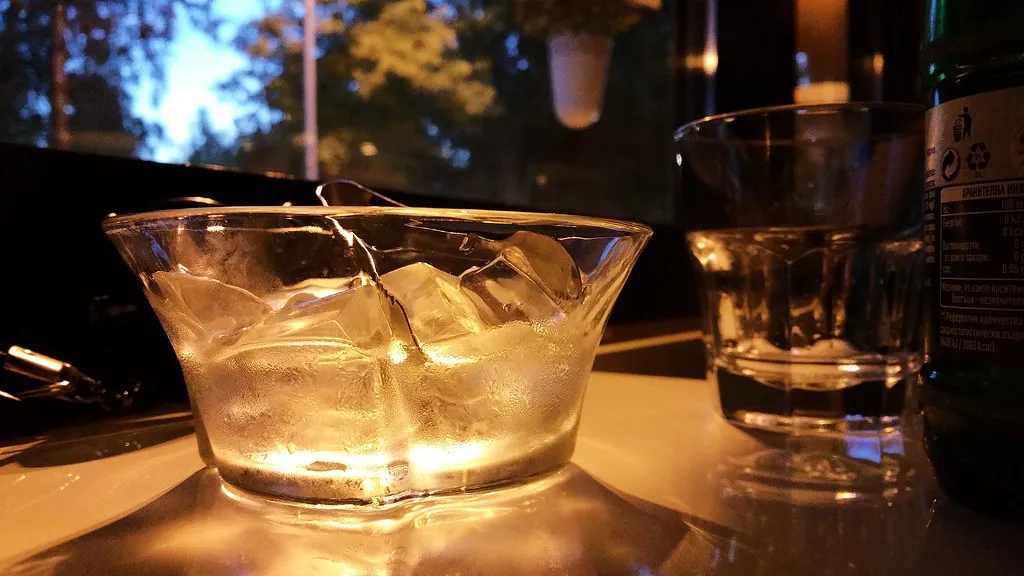
Sofia's most intriguing nightlife tradition lives in its clandestine, candlelit bars. Hambara (also known as Khambara or Candlebar) is the most famous, hidden behind an unmarked wooden shed on Ul 6 Septemvri 22. The venue housed an anti-communist printing press during World War II, producing underground newspapers that put their writers at genuine risk. The candles were practical then — they kept the building from looking occupied — and they remain today, lit across every table and along the bar. Phones and photos are strictly discouraged, which is part of the atmosphere.
The Apartment on Neofit Rilski 68 is another deliberately hidden spot, accessed via an unmarked door that looks like a residential flat. Inside is a medley of interconnected rooms furnished like a bohemian home — you help yourself to drinks from the fridge and leave money with a wandering barman. Art Bar at 21a Ul Angel Kanchev hides beneath Art Hostel down an unmarked grey stairwell and serves some of the cheapest beer and spirits in the city.
Finding these places takes effort. There are no neon signs. GPS pins drop you on the right street, but you will still walk past the entrance twice. Arrive before 22:00 on weekends if you want a seat — the candlelit rooms are small, and locals fill them fast. Respect the quiet: these are conversation bars, not dance floors, and loud tourist groups have gotten politely asked to leave.
Live Music and Cultural Nightlife Experiences
Live music runs deep in Sofia. The Sofia Live Club sits beneath the National Palace of Culture and hosts jazz quartets, international touring acts, and blues nights with excellent acoustics. Mixtape 5 on Bulgaria Boulevard is the bigger concert venue — two halls (750 and 200 capacity) running salsa, hip-hop, drum and bass, metal, and hardcore, with tickets typically starting at 10 EUR.
For rock and karaoke, Rock'n'Rolla Club on Graf Ignatiev 1 plays 80s and 90s classics (AC/DC, Guns N' Roses, Scorpions) with live rock bands several nights per week. Stroeja on Lege Street is a grittier underground venue for local band discovery. Bar Petak on Stefan Karadzha 1 has been running since 2008 with a genre-agnostic crowd — reggae one night, drum and bass the next — and draws the kind of eclectic regulars who make conversation easy.
Traditional Bulgarian taverns (mehanas) offer a different kind of evening. These rustic venues pair folk music and live dancing with hearty cuisine and free-flowing rakija. Guests routinely join the dancing as the night progresses, and the atmosphere leans family-friendly rather than club-oriented. Sofia also hosts major festivals that overlap with nightlife — the A to Jazz Festival in the park behind the Hilton each summer, and Sofia International Film Fest in spring — worth checking against your travel dates.
Getting Around Sofia Safely at Night
Sofia is one of the safer European capitals at night, with low rates of pickpocketing and violent crime compared to Barcelona, Rome, or Athens. The City Center is well-lit and feels casual even past midnight. That said, the main risk is transport — specifically the "fake taxi" scam, where unmarked or barely-marked cars charge tourists several times the legitimate rate. Legitimate operators clearly display company logos and per-kilometer rates on the window.
The most reliable way to book a ride is through the Taxi Me or Yellow Taxi mobile apps. Uber does not operate in Sofia, so these are the equivalent. Both apps show a fixed price estimate, track your driver live, and log the journey. A typical ride within the Center costs 6–10 BGN; a Center-to-Studentski Grad trip runs 10–15 BGN. Alternative reputable companies include OK Supertrans, 1 Euro, and Green Taxi.
If a driver refuses to turn on the meter, exit the vehicle. Never accept unsolicited rides from people approaching you at Sofia Central Station, the airport arrivals hall, or outside clubs at 4:00 AM. Restaurants and bars will happily call a licensed taxi for you — this is the standard local practice and incurs no extra fee.
For walking, the Center is safe and gorgeous after dark, with the Alexander Nevsky Cathedral, Russian Church, and Crystal Garden all illuminated. Stick to well-lit streets, keep phones out of back pockets, and walk in groups after 2:00 AM where possible. Emergency services across Bulgaria use 112, and most younger Sofians speak enough English to help if you need directions.
Sofia Local Logistics: Night Buses and Squat Shops
Two quirks of Sofia nightlife trip up nearly every first-time visitor and deserve their own section. The first is the night bus network — Sofia runs four dedicated night lines (N1, N2, N3, and N4) from roughly midnight to 04:00, a genuinely useful detail that almost no competing guide explains properly. Line N2 is the one that matters for party-goers: it connects the Center directly to Studentski Grad, turning what would be a 15 BGN taxi into a 1.60 BGN ticket (or 4 BGN for a 24-hour pass). N1 covers the northwest, N3 the northeast, and N4 the south. Download the Sofia Transport app or check Google Maps transit — both include the night routes.
The second quirk is the squat shop. These are tiny sub-pavement kiosks carved into the basement windows of old buildings, where you literally stoop down to order beer, cigarettes, snacks, or a shot of rakija through a street-level hatch. They emerged in the 1990s after communism fell, when shopkeepers found it cheaper to expand a basement window than build a new storefront. Most run 24 hours and charge half what a bar does — a 500ml beer costs 1.50–2 BGN versus 4–5 BGN inside.
The practical play: use squat shops between bars as your pre-game refuel, especially during the walk from Center to a late taxi pickup. You will find clusters on Graf Ignatiev, around Slaveykov Square, and near Sofia University. Another useful note on drinks ordering — a "small" spirit in Bulgaria is 50ml and a "large" is 100ml, which surprises visitors used to 25ml UK measures. Order accordingly unless you want to be home by midnight.
Practical Tips: Prices, Tipping, and Payments
Sofia remains one of Europe's most affordable capitals for nightlife. Budget 60–100 BGN (30–50 EUR) for a full night including drinks, a club cover, and taxis home. Beers in central bars run 4–7 BGN; cocktails 10–20 BGN; a shot of Bulgarian rakija 3–5 BGN. Club covers range from free mid-week to 30 BGN for international DJ nights. Street food after 02:00 — banitsa, kebapche, or a slice of pizza — costs 3–5 BGN.
Cash versus card is the single most confusing part for visitors, so here is the breakdown. Cards work reliably at: large clubs (Yalta, Terminal 1, Plazza, Night Flight), craft beer taprooms, hotel bars, central cocktail bars like 5L Speakeasy, and most mehanas in the tourist zone. Cash in Bulgarian Leva is required at: small dive bars, candlelit hidden spots like Hambara, squat shops, street food stands, night buses, most taxis, and all tipping scenarios. ATMs are plentiful in the Center and around Vitosha Boulevard — stick to bank-branded machines to avoid fees of 5–10 BGN per withdrawal.
Tipping is expected. Round up small bar bills; add 10% on restaurant or table-service checks. When paying by card, the tip is usually not included, so leave it in cash on the table. Taxi drivers expect 1–2 BGN for a standard ride. In clubs with bottle service, a larger tip on top of the 300–500 BGN minimum is customary and earns attentive service through the night.
Dress codes vary. Most Center bars are casual — jeans and a clean shirt are fine. Upscale clubs like Bedroom Premium and Sugar enforce smart-casual: no sportswear, no flip-flops, collared shirts preferred for men. Techno venues (Yalta downstairs, Kupe, Tell Me) are deliberately relaxed and welcome streetwear. Chalga clubs in Studentski Grad reward effort — dressed-up locals in tight tops and button-downs are the norm, and looking sloppy will flag you as a clueless tourist.
Explore More Sofia Guides
Keep planning your Sofia trip with these guides.
Explore nightlife in other cities
Frequently Asked Questions
Is Sofia nightlife safe for solo travelers?
Yes, the city is generally safe for solo travelers who stay in well-lit central areas. Use reputable taxi apps like Yellow Taxi to avoid scams when returning to your hotel. You can find more safety tips in our Europe Nightlife Bulgaria guide.
What is the legal drinking age in Bulgaria?
The legal drinking age in Bulgaria is 18 years old. Most bars and clubs will ask for a valid ID or passport at the entrance. It is important to carry a physical copy or a clear photo of your identification for entry.
Do I need to book tables in Sofia clubs in advance?
For popular clubs on Friday and Saturday nights, booking a table is highly recommended. Many venues reserve the best spots for groups who purchase bottle service. You can often make reservations through the club's official Facebook or Instagram pages.
Sofia's nightlife is a hidden treasure that offers something for every type of traveler. From the historical depths of Hambara's candlelit rooms to the raw chalga energy of Studentski Grad, the variety is immense. By following these safety, transport, and logistical tips, you can focus on enjoying the vibrant Bulgarian culture. The city's affordability and hospitality make it a top contender for any European party itinerary in 2026.
Remember to pace yourself, carry a mix of cash and card, and explore the side streets where the true local spirit resides. The mix of traditional music and modern beats creates an atmosphere you will not find anywhere else in Europe. Prepare for long nights that often end with sunrise over the Vitosha mountains and a banitsa from a squat shop. Sofia is waiting to show you its secrets if you are ready to dive into the night.


