

10 Best Ways to Experience Brussels Nightlife (2026)
Brussels runs on two parallel nightlife circuits: the centuries-old café culture built around Gueuze, Kriek and Trappist beers, and a newer underground scene that has made Fuse, C12 and Mirano references on the European techno map. The action is stacked inside a compact core between the Bourse, Saint-Géry and Ixelles, so you can swing between a 200-year-old brasserie and a warehouse rave in a single evening.
This 2026 guide is organised the way locals talk about going out: first by neighbourhood, then by what you actually want to do — beer, dance, jazz, opera or something more alternative. Every price below is in euros, the currency you will pay in, and opening hours reflect the winter season schedule confirmed for early 2026.
You will also find two things that most English-language guides leave out: a clear explanation of what the word "café" actually means in Brussels, and a working map of the Noctis night bus lines that get you home when the metro shuts at midnight.
Key Takeaways
- Best for beer lovers: Delirium Café for its 2,000+ bottle list near Grand-Place.
- Best for dancing: Fuse in the Marolles for world-class techno since 1994.
- Best for atmosphere: L'Archiduc for 1937 art deco and live jazz near the Bourse.
- Practical tip: Use the 11-line Noctis night bus network on Friday and Saturday; a regular STIB ticket (2.60 EUR) is valid.
- Local move: Order a Half-en-Half at A La Mort Subite — 50% young lambic, 50% aged Gueuze in the traditional brasserie version.
Top Neighbourhoods for Going Out (City Centre to Ixelles)
The City Centre — specifically the triangle between the Bourse, Place Saint-Géry and the Grand-Place — is where most visitors start. Bars sit shoulder to shoulder around the Halles Saint-Géry and stay open until 3am on weekends. It is the highest density of venues within walking distance, which is why it also draws the largest share of tourists.
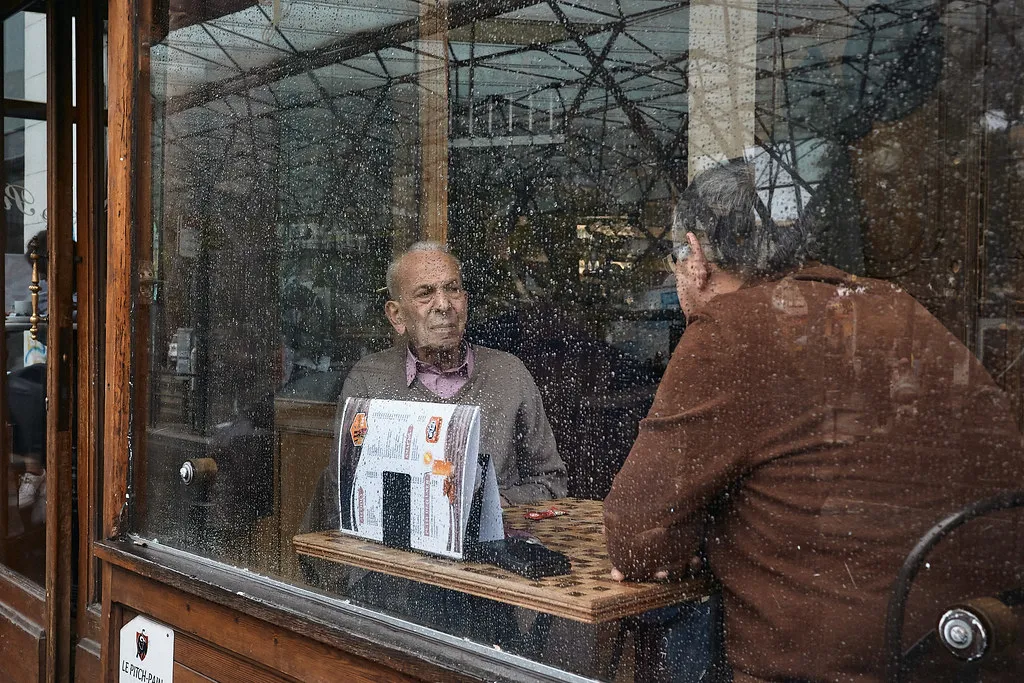
Ixelles splits into three very different zones. Châtelain is the upscale "bobo" (bohemian-bourgeois) pocket where wine bars, tapas rooms and thirty-somethings in careful clothes gather, with Wednesday evenings being the unofficial highlight. Cimetière d'Ixelles, around the Chaussée de Boondael, is the student belt serving the ULB and VUB campuses: cheap beer, happy-hour doubles, and the real heartland of guindaille culture. Flagey, between the two, centres on the art deco Flagey building and the Ixelles ponds, with a mixed crowd that skews slightly older and design-conscious.
Two other districts deserve a mention. The Marolles, below the Palais de Justice, is industrial and gritty after dark — this is where Fuse hides. Saint-Gilles and the Parvis de Saint-Gilles have the city's most diverse craft-beer terraces and a late-night queer-friendly scene anchored by Le Belgica nearby. For a deeper split by neighbourhood, see the best bars in Brussels guide.
Understanding "Café" vs "Club" in Brussels
The word "café" in Brussels rarely means a coffee shop. It refers to a traditional Belgian bar that serves beer from morning until after midnight, often with a wooden interior, mirrors and a low-key kitchen. Places like Café Belga, Chez Moeder Lambic and A La Mort Subite are cafés in this sense — you are there to drink beer and sit, not to dance.
A "club" (sometimes written boîte) is the dance venue. Doors usually open at 23:00, serious crowds arrive after 01:00, and closings land between 05:00 and 07:00. The critical difference for first-timers: cafés charge no cover, serve until 02:00–03:00, and let you linger. Clubs charge 10–25 EUR, have stricter door policies, and usually require cash for the cloakroom (2 EUR per item).
Legendary Beer Cafés and World-Record Pubs
Beer is the foundation of Brussels nightlife, and the city has four bars that every serious drinker eventually visits. Delirium Café in the Impasse de la Fidélité near the Grand-Place holds the Guinness World Record for its 2,004-bottle menu. Bottles run 4–9 EUR, it opens from 10:00 to 04:00 daily, and the basement is usually packed by 21:00 on weekends. Look for the pink elephant on the cobbled alley.
A La Mort Subite at Rue Montagne aux Herbes Potagères 7 is the opposite: a century-old brasserie with high ceilings, large mirrors and wooden benches, open 11:00–23:00. A glass of their in-house Gueuze or Kriek is 5–7 EUR. The brasserie also serves the classic Half-en-Half cocktail described below. For Trappists, Chez Moeder Lambic Fontainas near the Bourse offers a rotating tap list of Orval, Westmalle, Rochefort and Chimay, with beer flights (3 × 15cl) priced around 12 EUR.
Floris Bar, directly across from Delirium, stocks over 400 absinthes and a wide whisky menu — useful if your group has non-beer drinkers. A full walk-through of these addresses with seasonal openings is in the selection of Belgian pubs. For beer-style context across the country, the nightlife in Belgium overview explains Trappist, lambic and abbey categories.
Best Nightclubs for Techno and Electronic Beats
Brussels's techno scene sits in the same tier as Berlin and Amsterdam, anchored by a handful of venues that book internationally. Fuse at Rue Blaes 208 in the Marolles has been running since 1994 in a former cinema, capacity around 1,200, with a Room 01 that leans heavy techno and a Room 02 that swings between house and experimental. Friday and Saturday tickets are 15–20 EUR presale, 25 EUR at the door, with doors at 23:00. The Awareness Team stationed inside is reachable at letusknow@fuse.be if you need to flag anything.
C12, beneath the Gare Centrale, is a more cerebral choice — two rooms programmed toward hypnotic and Japanese-influenced techno, with the C11 smaller room for back-to-backs. UMI in the canal zone pairs a Studio room with a smaller Sub for house residents and guest sets; tickets sit around 15 EUR presale with a student discount at the door. Mirano near Saint-Josse hosts large thematic parties (Afrobase, Space x Mirano) with dress codes and a more mixed mainstream-to-electronic crowd.
For one-off parties, Madame Moustache on Quai au Bois à Brûler runs a rotating calendar of dancehall, 2000s hip-hop and Latin nights with tickets from 5 EUR early-bird to 15 EUR at the door. Our full best clubs in Brussels guide includes closing times and the door policies in detail.
Live Jazz and Contemporary Music Venues
Brussels has held a jazz scene since the 1920s, and three venues carry the tradition. L'Archiduc at Rue Antoine Dansaert 6 is the landmark — a 1937 art deco room with booths, a central piano and a mezzanine. It opens daily at 16:00 until at least 01:00, cocktails run 10–16 EUR, and weekend sets are where the best local and visiting players show up. Ring the doorbell to enter, which is standard practice.
Ancienne Belgique (AB) at Boulevard Anspach 110 is the mid-size concert hall everyone recommends. Acoustics are considered among Europe's best, capacity is 2,000 in the main hall, and tickets for international acts range 25–55 EUR. Schedules are posted months ahead and sell out fast. For rawer programming, Bonnefooi near the Bourse books local DJs and acoustic acts most nights with free entry, and runs late.
Smaller rooms worth a detour: The Music Village in the Îlot Sacré for intimate jazz dinners, and La Madeleine near Gare Centrale for indie and electronica pop-up concerts, which often spill into a Madame Moustache after-show for 8 EUR.
Classical Music, Opera, and High Culture
La Monnaie / De Munt at Place de la Monnaie is Belgium's national opera house and one of the continent's most storied — the 1830 performance of Auber's La Muette de Portici here triggered the Belgian Revolution. Tickets run 15 EUR for standing room to 150 EUR for stalls, performances start at 19:00 or 20:00, and dress code is smart rather than black-tie. Daytime guided tours of the costume workshops are 15 EUR and worth booking if you have a free afternoon.
Bozar (Palais des Beaux-Arts) on Rue Ravenstein hosts the Brussels Philharmonic, Belgian National Orchestra and chamber recitals in a Horta-designed hall. Most concerts are 20–70 EUR, with a young-audience tariff for under-28s bringing many tickets under 15 EUR. The Conservatoire Royal on Rue de la Régence programmes smaller-ensemble work and student recitals that are often free.
Alternative Arts and Multi-Disciplinary Spaces
A handful of venues sit between club, theatre and gallery — useful when you want the atmosphere of a night out without a pure drinking focus. Beursschouwburg on Rue Auguste Orts programmes experimental music, film screenings, talks and a seasonal rooftop bar. Events run from free to 20 EUR and attract a younger, more international crowd than the traditional cafés.
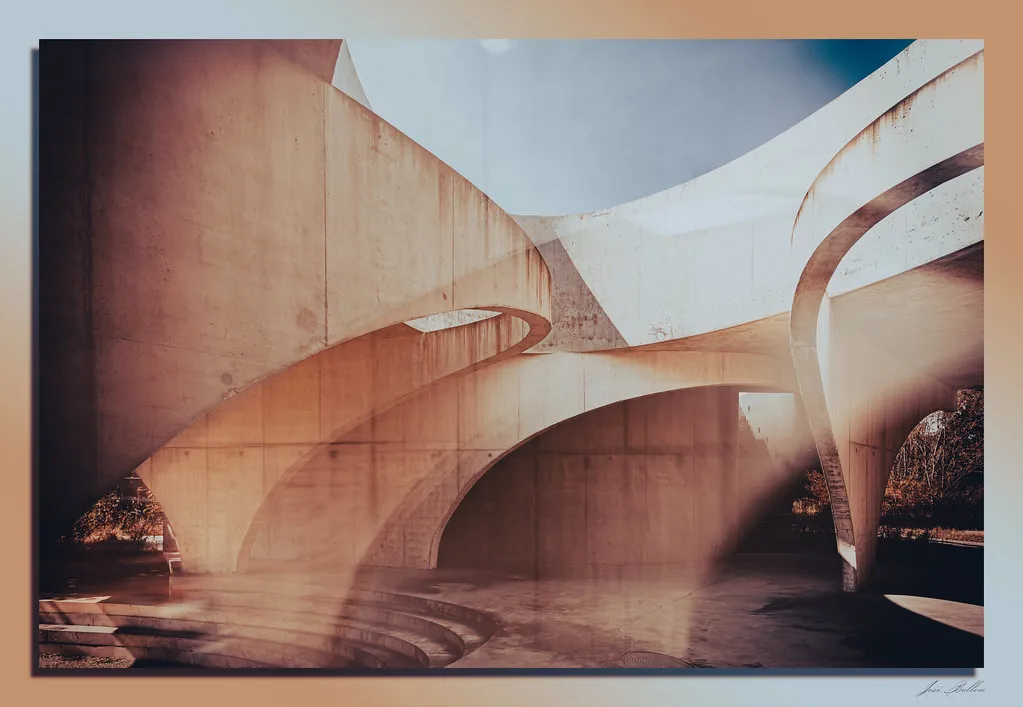
Kaaitheater on Square Sainctelette covers experimental dance and performance; Les Halles de Schaerbeek, a converted market hall, handles world music and large-scale contemporary work. For the completely off-beat, Recyclart (now at Gare Maritime after its original Chapelle station closure) keeps the city's DIY art-space spirit alive with combined exhibitions and late-night concerts.
Theatres and Performing Arts in Brussels
Brussels's theatre scene is split linguistically. The Théâtre National, Théâtre Royal du Parc and KVS (Koninklijke Vlaamse Schouwburg) cover French and Flemish drama respectively, with most shows between 12 and 35 EUR. KVS in particular often programmes English-language or multi-language productions, which matters for visitors.
For something lighter, the Théâtre Royal de Toone near the Grand-Place is a tiny puppet theatre running in a 150-year-old tradition — shows are in Brusseleir dialect with French or English surtitles, tickets around 12 EUR, and the adjoining bar serves Gueuze from the same family that has run the place for generations.
Major Annual Festivals and Nightlife Events
Brussels's nightlife calendar has four anchor events worth timing a trip around. Brussels Jazz Weekend in late May turns squares and courtyards into free open-air stages across three days. The Couleur Café festival at Tour & Taxis in late June is the city's main world-music and hip-hop festival, with tickets around 60 EUR per day. Les Nuits Botanique in late April and early May books indie and alternative acts across multiple venues in the Botanique complex.
For the techno and electronic diary, Listen! Festival in late March is the dedicated club-music week — venues across the city run back-to-back nights with one cross-venue wristband. Check the official Visit Brussels - Parties and Events calendar for exact 2026 dates and late additions. For student-oriented nights, Wednesday has become the new Friday in Brussels — weekly events like Nomad at Jungle Bar near the Grand-Place run 5–10 EUR with a free shot at entry.
The Guindaille Culture and the Half-en-Half Explained
"Guindaille" (verb: guindailler) is the Belgian student word for a night of heavy partying, and it comes with its own rituals. At its core it means coordinated drinking games, loud call-and-response singing of bapteme songs, and wearing the penne — a decorated corduroy cap that marks which faculty and university year the wearer belongs to. If you walk past a circle of students in pennes chanting in Latin in Cimetière d'Ixelles on a Thursday night, that is a guindaille. Visitors are welcome to watch from nearby terraces; joining the singing without context is awkward, but buying a round is always well received.
The Half-en-Half (also written Half en Half) is Brussels's signature drink, and it is worth clearing up a common confusion. At traditional brasseries like A La Mort Subite, it is 50% young lambic and 50% aged Gueuze, served at cellar temperature around 12 °C in a stemmed glass — the young lambic adds freshness, the Gueuze adds depth. A newer version, popularised in post-war champagne bars, mixes 50% still white wine with 50% Belgian sparkling wine. Both are called Half-en-Half; if you want the beer version, ask for "half-en-half bière" or "à la Mort Subite". Expect to pay 5–7 EUR either way.
Beer etiquette is worth a quick note. Each Belgian beer is served in its own shaped glass, and using the wrong glass is a small but real faux pas at traditional cafés. Orval in a tulip, Westmalle Tripel in a goblet, Duvel in a wide-mouth tulip — the bartender will always bring the right one, so do not ask to swap.
Getting Home: Noctis Night Buses and Late-Night Transport
The Brussels metro and tram network shuts around 00:30, which is exactly when most nightlife is warming up. STIB runs the Noctis night bus network to cover the gap: 11 lines (N04 through N18) operating every Friday and Saturday night from 00:00 to 03:00, departing from Place De Brouckère in the centre. A single STIB ticket (2.60 EUR) or any valid travel pass works on Noctis — no premium fare. Buses run every 30 minutes.
The line-to-district mapping is the piece that most guides skip. If you are heading home from a night out, use the table below to find the right line from De Brouckère or Bourse:
- N06 — Uccle and Drogenbos (useful for stays around Place Albert)
- N08 — Auderghem and Watermael (east of the ring)
- N09 — Ixelles, Châtelain, Flagey area
- N10 — Etterbeek and the Cinquantenaire / EU district
- N11 — Flagey and Boondael (Cimetière d'Ixelles student belt)
- N12 — Saint-Gilles and Forest
- N13 — Anderlecht (Abattoir and Circle Park venues)
- N16 — Woluwe-Saint-Pierre and Stockel
- N18 — Saint-Josse and Schaerbeek (Mirano catchment)
Collecto is the second option most visitors miss — a shared-taxi service that operates 23:00 to 06:00 seven nights a week. You book by phone (+32 2 800 3636) or the app, and it costs a flat 6 EUR per person between any two Collecto stops in the city. The pick-up points include Grand-Place, Dansaert and most nightlife districts, which makes it cheaper than Uber and more reliable than standard night taxis. Uber and Bolt run as well, with typical fares 12–22 EUR between central nightlife zones and Ixelles.
Safety, Dress Codes and Practical Tips
Brussels is safe for a European capital at night, but the risk profile is uneven. Around the Grand-Place, Bourse and Gare du Midi, pickpocketing in nightlife crowds is the main concern — keep your phone in a zipped inside pocket and do not leave bags on terraces unwatched. The Gare du Nord area and quiet stretches of the Marolles after 02:00 are the two spots where solo travellers should prefer a Noctis bus or Collecto ride over a walk.
Door policy is soft at most bars (smart-casual is enough) and stricter at Jeux D'Hiver in the Bois de la Cambre, Mirano and Madame Moustache on themed nights. Fuse and C12 are techno-focused and generally welcoming, but obvious bachelor groups get turned away. Most clubs are 18+ and will check ID; a passport or EU ID card works. Cash is still needed for cloakrooms (2 EUR per item) even where the bar takes cards.
Solo travellers fit in easily at cafés, which are built for casual conversation, and at Ancienne Belgique or L'Archiduc where the programming is the focus. For cluster nights out with friends, plan to start at Saint-Géry, pivot to a Flagey or Ixelles bar before midnight, then finish at a club in the Marolles or near the canal. For a broader Brussels trip, pair this with our best bars in Brussels breakdown.
Explore More Brussels Guides
Keep planning your Brussels trip with these guides.
Explore nightlife in other cities
Frequently Asked Questions
What is the 'guindaille' in Brussels?
The guindaille is a traditional Belgian student party known for high-energy singing, beer drinking, and specific festive rituals. It is most commonly found in the Ixelles district and represents the rowdy, joyful side of local university life.
How does the Noctis night bus work?
Noctis consists of 11 bus lines that run every Friday and Saturday night from midnight until 3:00 am. They depart from the Bourse station and use standard STIB tickets, making them an affordable way to travel home.
What is a 'half-en-half' drink?
A half-en-half is a classic Brussels cocktail made of 50% white wine and 50% champagne or sparkling wine. It is traditionally served in historic cafés like A La Mort Subite and is a refreshing local alternative to beer.
Brussels nightlife rewards planning by neighbourhood and category rather than chasing a single famous venue. Start with the café culture around Saint-Géry and A La Mort Subite, build up through Flagey or Ixelles for dinner-drink rooms, and finish at Fuse, C12 or L'Archiduc depending on whether you want techno or jazz. The compact geography means you can sample all three layers in one night.
Lock in your route by checking Noctis bus numbers against your accommodation before going out, and use Collecto as the 6 EUR backup. Brussels is one of the few European capitals where a 200-year-old lambic café and a 2026 techno bunker sit five tram stops apart — that combination is what keeps the scene distinctive.


