
Berlin Nightlife: 10 Essential Tips for Clubs, Areas, and Culture
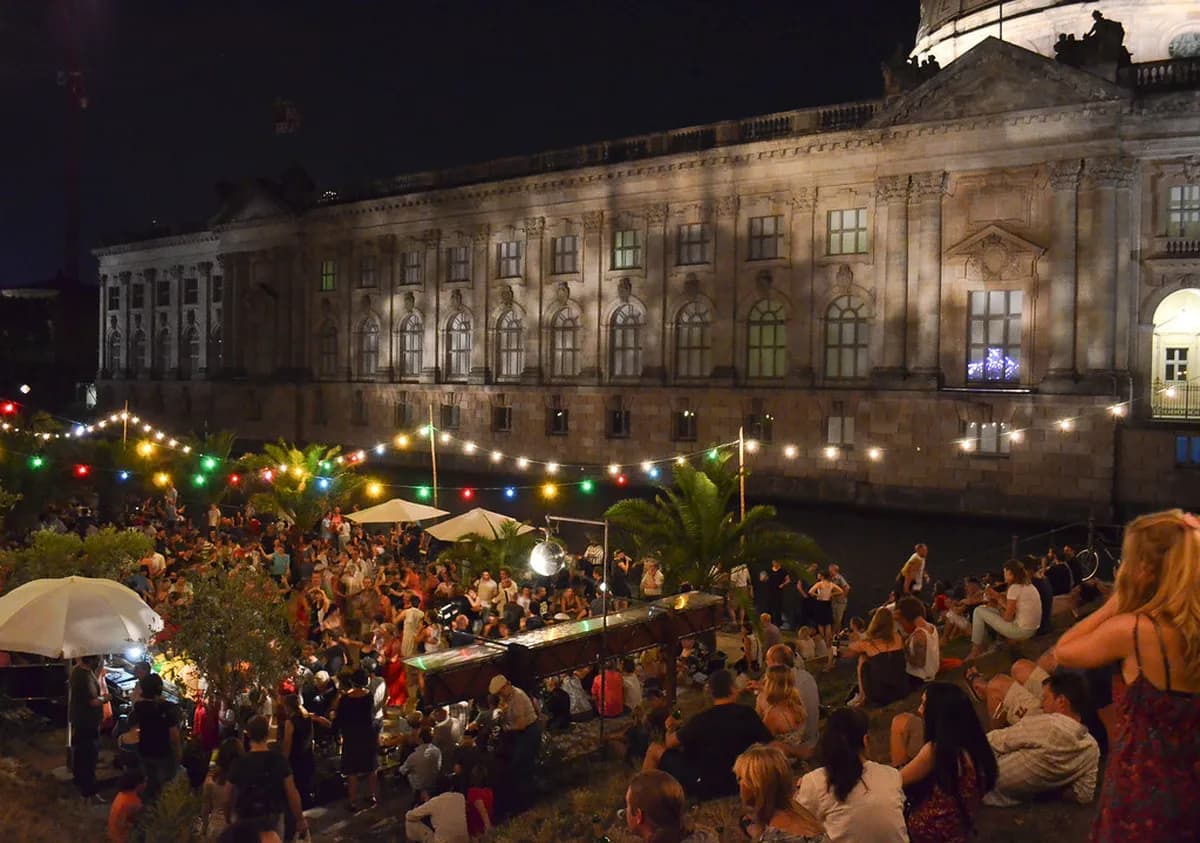
Berlin stands as the undisputed world capital of electronic music and late-night freedom. The city offers a unique energy that you simply cannot find in other European hubs. From industrial warehouses to hidden canal-side bars, the variety of experiences is truly staggering.
The local scene thrives on a philosophy of inclusivity and radical self-expression. Exploring the things to do in Berlin at night reveals a culture that values music over status. This guide will help you navigate the complex world of bouncers and beats.
Partying here requires a bit of local knowledge to truly enjoy the experience. You need to understand the history and the unwritten rules of the dance floor. Prepare yourself for a journey into the heart of the most famous clubs on the planet.
Key Takeaways
- Carry 80 to 120 Euros in small notes for entry fees, bar rounds, and coat check since most top clubs still refuse cards in 2026.
- Arrive alone or in a pair between 02:00 and 05:00 on Saturday night, speak quietly in line, and know at least one DJ on the lineup.
- Ride the weekend 24-hour U-Bahn and S-Bahn instead of taxis, and switch to night buses (M-lines like M10, N1, N8) on weeknights.
Understand the History: Clubbing in Berlin in the 1990s
The fall of the Berlin Wall in 1989 created a massive power vacuum in the city's center. Young people from both sides of the former border moved into abandoned industrial spaces. These empty bunkers, power plants, and factories became the first homes for a new sound called techno.
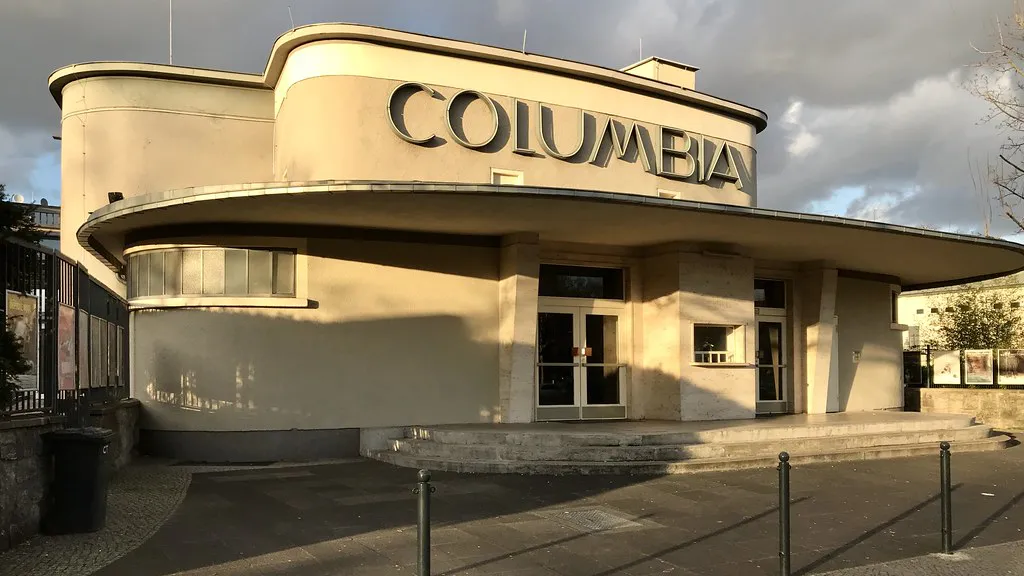
The Fall of the Berlin Wall History is deeply linked to the rise of club culture. Electronic music provided a common language for a generation that had been divided for decades. Tresor opened in 1991 inside the vaults of the old Wertheim department store near Potsdamer Platz, and UFO, E-Werk, and Der Bunker followed in quick succession.
This era also created the blueprint the city still follows in 2026. Parties ran from Friday evening until Monday morning, promoters treated the dance floor as a protected space rather than a commercial product, and photography was banned long before smartphones existed. The goal was community, not content.
In March 2024, UNESCO added Berlin techno to the German inventory of intangible cultural heritage, formalizing what ravers had known for thirty years. That recognition matters for visitors because it shapes how clubs are protected against noise complaints and gentrification, and it explains why Berliners defend their nightlife with unusual seriousness.
Choose Your Neighborhood: Top Berlin Nightlife Areas
Every district in the city offers a distinct flavor of entertainment and music. Finding your preferred Kiez, the Berlin word for a tight neighborhood, is the first step toward a successful night out. Each area caters to different moods, from hard-hitting techno marathons to relaxed riverside bars where conversations matter more than the BPM.
Friedrichshain remains the beating heart of the clubbing world for most international visitors. It houses Berghain, RSO.Berlin, Kater, and OXI within a short walk of the RAW-Gelände, a former railway repair site that now functions as a massive open-air playground for nocturnal explorers. Expect hard techno, long queues, and a crowd that treats Sunday morning as a second Saturday night.
Kreuzberg offers a more alternative and gritty vibe with legendary punk bars, canal-side summer spots, and multi-room electronic hubs. Club der Visionaere, SO36, and ÆDEN sit within walking distance of the Landwehrkanal, and you can wander between dive bars on Oranienstrasse, Turkish grill stands, and underground dance floors without ever booking a taxi.
Here is a quick comparison of the five main nightlife districts to help you pick a base:
- Friedrichshain leans into hard techno at Berghain, OXI, RSO.Berlin, and Lokschuppen. Cover charges run 15 to 25 Euros, crowds skew serious and international, and the district peaks between 03:00 and 10:00 on Saturday nights. Best for dedicated clubbers.
- Kreuzberg blends multi-genre clubs with punk bars, Turkish grill houses, and canal-side terraces. Cover charges sit at 10 to 20 Euros, and the vibe is alternative, multicultural, and dense with bars along Oranienstrasse and Kottbusser Tor. Best for bar hopping and first-timers.
- Neukölln delivers experimental electronic music, natural wine bars, and hipster dives around Weserstrasse and Schillerkiez. Many venues are free or charge 5 to 10 Euros, and you can start at a Spati and finish at a basement rave. Best for budget travelers and crate-diggers.
- Mitte runs upscale cocktail bars, rooftop lounges, and the historic Tresor inside a former power plant. Expect cocktails at 12 to 16 Euros and a more polished crowd around Rosenthaler Platz and Torstrasse. Best for a smart-casual evening before heading east.
- Prenzlauer Berg keeps things mellow with cozy pubs, beer gardens like the historic Prater, and small indie venues on Kastanienallee. Beers hover at 4 to 5 Euros and most bars close by 02:00. Best for an early drink before moving on to Friedrichshain.
Pick Your Sound: The Best Nightclubs in Berlin
Berlin is famous for techno, but the city's musical landscape is incredibly broad. You can find world-class house, disco, minimal, trance, jazz, and experimental electronic music every night of the week. Many venues specialize in a specific sound that attracts a dedicated local following, so match the club to the mood before you leave the hotel.
Finding the best clubs in Berlin requires checking the specific lineup for the night on Resident Advisor. The same room can be raw industrial techno on Friday and melodic house on Sunday. Always search the DJ name before you head out, because bouncers will sometimes ask who is playing to test whether you belong on the dance floor.
Watergate reopened in 2024 after a short closure and remains a strong choice for melodic house and river views across the Spree toward the Oberbaum Bridge. Kater, the rebranded Kater Blau, leans into eclectic, melodic, marathon sets on its riverside terrace. Sisyphos plays like a small festival with several dance floors, a lake, and pizza until sunrise.
For a more relaxed daytime experience, visit the canal-side decks of Club der Visionaere, open May through September on the Flutgraben. This spot is perfect for minimal techno in the afternoon sun with a cold Augustiner. Zenner in Treptower Park and Else on the Spree offer similar summer programming when the city refuses to go indoors.
Master the Door Policy: How to Get In
The door policy at many venues can seem intimidating and unpredictable to first-time visitors. Bouncers are not looking for the richest or best-dressed people in the line. They are curating the dance floor for the night, which means filtering out tourists who will film, drunks who will start fights, and groups that will not mix with the existing crowd.
Avoid arriving in large groups, especially if you are only men. Splitting into pairs or trios significantly increases your chances of getting past the front gate. Speak German or English softly, keep phones out of sight, and do not bring a camera strap or a visible backpack full of tourist gear.
Knowing the names of the DJs playing that night is often a requirement at stricter doors. Bouncers might ask who you are there to see, and a confident answer matched to the actual lineup is worth more than any outfit. If they say no, do not argue or ask for a reason. Walk away calmly and try one of the many other best bars in Berlin nearby.
Door policies vary dramatically between venues, so calibrate your strategy to the room:
- Berghain runs the strictest door in the city, with head bouncer Sven Marquardt known by sight worldwide. Go alone or in a pair between 02:00 and 06:00 on Saturday, wear all black, stay silent, and expect a 40 to 90 minute wait. Sunday afternoon is measurably easier than Saturday night.
- Sisyphos rewards cheerful, creative outfits and small friendly groups. Arrive before 23:00 on Friday or after 10:00 on Sunday morning, mention a specific floor or DJ, and avoid shouting English in the line.
- Watergate keeps a medium-strict door focused on melodic house fans. Smart but relaxed clothing works, groups of four or fewer pass easily, and going between 01:00 and 03:00 gives you the best chance.
- KitKat Club requires a real fetish or erotic-themed outfit. Latex, leather, or full nudity inside is standard, and jeans or sneakers are a hard no. Buy tickets online in advance to skip part of the queue.
- Tresor, OXI, RSO.Berlin, and Kater are moderate doors that mostly check vibe and sobriety. Arrive calm, dressed in dark colors, and with a genuine interest in the music.
Dress the Part: Berlin's Unwritten Style Rules
Fashion in the local club scene is often misunderstood by those visiting from abroad. You will rarely see suits, shiny dress shoes, or expensive designer dresses. The goal is a mix of comfort, utility, and a dark, understated aesthetic that shows you understand where you are.
Wearing black is a safe and popular choice for almost any electronic music venue. It helps you blend into the dark interiors and focuses attention on the music. Many regulars wear techno uniforms that include harnesses, mesh tops, cargo pants, and sturdy combat boots, though you do not need to cosplay to get in.
Avoid looking like a typical tourist or someone who just came from an office. Leave collared shirts, bright logos, and high heels at the hotel, and never show up in a club district wearing a backpack full of the day's sightseeing purchases. Sneakers are the standard footwear because you will likely be dancing for six to eight hours.
The most important rule is to look like you are there for the music. Expressing your own personality always beats copying a strict uniform, and overdressing often reads as trying too hard. Just make sure your outfit allows free movement and handles a room that will hit 30 degrees Celsius on the dance floor.
Fuel Your Night: Late-Night Berlin Food
Sustenance is vital when you plan on dancing until the sun comes up over the Spree. Berlin's late-night food scene is legendary for its affordability and high quality. You are never more than a few blocks away from a hot, satisfying meal, and most kebab shops in Friedrichshain and Kreuzberg stay open until 05:00 or later.
The Doner Kebab is the king of late-night snacks for both locals and travelers. Mustafa's Gemuese Kebap at Mehringdamm is famous worldwide but has massive queues, so locals prefer Imren Grill, Ruyam Gemuse Kebap in Schoneberg, or Rüyam Doner. A full kebab with salad and sauce runs 7 to 9 Euros in 2026.
Currywurst is the other essential, a sliced sausage in spiced tomato ketchup served with fries and a wooden fork. Curry 36 on Mehringdamm stays open until 05:00 and charges around 3.50 Euros for the classic portion. Konnopke's Imbiss in Prenzlauer Berg closes earlier but has been serving since 1960 and is worth a separate pilgrimage.
The Spati culture is a unique element of the Germany nightlife experience found in Berlin. These late-night corner kiosks sell 1 to 2 Euro beers, Club-Mate, snacks, and cigarettes to small crowds gathering on the sidewalk outside. Pre-drinking at a Spati on Wuhlischstrasse, Weserstrasse, or Revaler Strasse is a ritual that saves money and gets you into the right mood before the club line.
Respect the Culture: Awareness and Safer Spaces
Berlin clubs are more than places to dance. They function as sanctuaries for queer, trans, and other communities that were historically pushed out of mainstream nightlife. The city takes safety and inclusivity seriously compared to other global hubs, and most reputable venues publish a code of conduct on their websites.
Most larger clubs run Awareness Teams, a German nightlife invention from the early 2010s. These trained staff wear recognizable vests or armbands and are stationed near the dance floor, toilets, and smoking area. If someone is bothering you, if you feel unwell, or if you see a friend in trouble, approach them and they will handle it without involving police or security.
A strict photo ban is the other core pillar of Berlin club etiquette. Bouncers at Berghain, Sisyphos, RSO.Berlin, and many others place small stickers over the front and rear cameras of your phone as you enter. Taking photos or videos on the dance floor leads to immediate removal, and in some cases a ban for the whole season.
Respecting personal space and consent is non-negotiable in every reputable venue. The scene thrives because people feel free to be themselves without judgment. Ask before touching, do not stare, and remember that someone wearing very little clothing is not a signal for interaction. If you are unsure about something, ask the Awareness Team first.
Plan Your Logistics: Transport and Cash
Navigating the city at night is relatively easy thanks to a world-class public transport network run by BVG. On Friday and Saturday nights, the U-Bahn and S-Bahn run 24 hours, so you can ride U1 from Warschauer Strasse to Schlesisches Tor or S-Bahn from Ostkreuz to Alexanderplatz at 04:00 without waiting more than 15 minutes.
On weeknights from Sunday to Thursday, the U-Bahn and S-Bahn stop around 01:00 to 01:30, and a dedicated night network takes over. Look for MetroTram lines starting with M (M10 runs the critical Friedrichshain corridor) and night buses starting with N (N1, N2, N7, N8). They follow the main U-Bahn routes at 30-minute intervals until dawn. A single ticket in zone AB costs 3.80 Euros in 2026, and a 24-hour pass at 10.60 Euros pays for itself in four rides.
The biggest shock for international visitors is Berlin's stubborn cash-only economy. Berghain, Sisyphos, Tresor, Club der Visionaere, most Spatis, and many kebab stands still do not accept credit or debit cards in 2026. Draw 100 to 150 Euros from an ATM before you leave the hotel, because the nearest cashpoint to a club is often a 10-minute walk and charges a 4 to 6 Euro surcharge.
Budget roughly 70 to 120 Euros for a full night. Entry at major clubs sits at 15 to 25 Euros, a beer runs 4 to 5 Euros, a cocktail 10 to 13 Euros, coat check 2 to 3 Euros, kebab 8 Euros, and a night bus ride 3.80 Euros. Keep 1 Euro coins for the coat check and 50 cent coins for bathroom attendants at older venues.
Explore the Legends: Berghain, KitKat, and Sisyphos
A handful of specific venues define the global image of Berlin nightlife. Berghain is arguably the most famous club in the world, set in a former power plant on Am Wriezener Bahnhof in Friedrichshain. Its main floor has an 18-meter ceiling, a Funktion-One sound system, and a Klubnacht that runs from Saturday midnight to Monday morning. Panorama Bar upstairs plays lighter house, and Saule on the ground floor handles intimate techno and experimental nights.
The Time Out Berlin Nightlife Guide often highlights these iconic locations for their cultural impact. KitKat Club, open since 1994 at Bessemerstrasse 14, is famous for its fetish-friendly nights like Carneball Bizarre and Gegen. It has multiple dance floors, a swimming pool, and a dress code that is enforced at the door. Leave your street clothes in a locker and lean in.
Sisyphos offers a completely different experience that feels more like a three-day music festival. Built in a former dog food factory on Hauptstrasse in Rummelsburg, it spans seven areas including the Hammahalle main room, the Wintergarten, an outdoor beach with a small lake, a pizza stand, and a minigolf course. People often arrive Friday evening and leave Monday afternoon, sleeping in hammocks between sets.
While these clubs are amazing, do not let them be your only focus. The city has hundreds of smaller venues that offer equally incredible music. Check RSO.Berlin, Kater, OST, Else, Zenner, and ÆDEN for a less touristed experience, and remember that neighborhood bars like Silver Future, Wild Renate, and About Blank deliver memorable nights without the queue.
Visit in 2026: Club Closures and Peak Hours
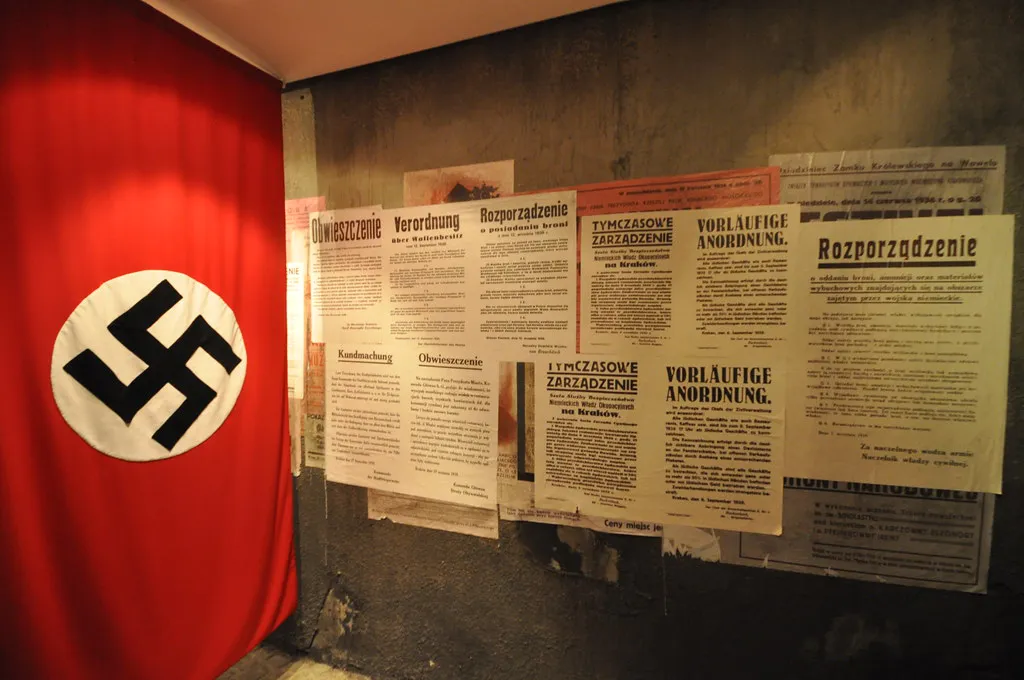
The Berlin club scene has shifted since most travel guides were written, and first-timers in 2026 need a current map. Between 2023 and 2025, rising rent, post-pandemic debt, and new commercial construction closed Watergate temporarily, Griessmuehle permanently, Kater Blau for a rebrand as Kater, and several smaller venues in Mitte and Kreuzberg. The ongoing wave, called Klubsterben or club death, has pushed the scene eastward toward Alt-Treptow, Rummelsburg, and Schoeneweide.
The practical takeaway: always confirm a venue is still operating on its own website or Resident Advisor within 48 hours of your visit. Several Google Maps listings still show addresses for clubs that closed in 2024. Book hotels near Warschauer Strasse, Ostkreuz, or Treptower Park rather than on Alexanderplatz if nightlife is your main reason to visit.
Timing inside the club is equally counterintuitive. The Berlin weekend peaks on Saturday from 04:00 to 12:00 and again on Sunday afternoon from 14:00 to 20:00. The biggest DJs play Sunday morning, not Saturday night, and the dance floor is often fullest when most tourists have gone to bed. Eat dinner at 21:00, sleep until 01:00, and arrive at the club at 02:30 to experience the real rhythm. Arriving at midnight like you would in London or New York marks you as a tourist and hurts your door odds.
One more practical warning for 2026: construction on the U5 extension and several S-Bahn maintenance blocks can disrupt weekend night service with little notice. Check the BVG app the morning of your night out, and save a backup walking route from the club to a 24-hour S-Bahn station.
Berlin Nightlife by Neighborhood: Quick Picker
Not sure which part of the city to base your night around? Use the table below as a fast reference. Each row maps to a distinct vibe, so you can match your mood to a district before you leave the hotel and plan your venue stops from there. Internal links point to the dedicated guides for each scene.
| Neighborhood | Vibe | Best For | Sample Spot |
|---|---|---|---|
| Friedrichshain | Hard techno, industrial, marathon sessions, serious crowds | Dedicated clubbers chasing the full Berlin experience | Best clubs in Berlin (Berghain, RSO.Berlin, OXI) |
| Kreuzberg | Alternative, multicultural, canal-side, bar-heavy | First-timers, bar-hoppers, mixed groups | Best bars in Berlin (ÆDEN, Club der Visionaere) |
| Neukölln | Experimental electronic, natural wine, budget-friendly Spati culture | Budget travelers, crate-diggers, late starters | Best bars in Berlin (Weserstrasse dive bars, basement raves) |
| Mitte | Polished cocktail bars, rooftop lounges, historic Tresor | Smart-casual evening before heading east | Best rooftop bars in Berlin (Torstrasse lounges) |
| Prenzlauer Berg | Relaxed pubs, beer gardens, indie venues, early close | Pre-drinks and low-key evenings | Best pubs in Berlin (Prater Biergarten, Kastanienallee bars) |
| Rummelsburg / Schoeneweide | Festival-scale, multi-floor, outdoor lakes, rising east scene | Weekend marathon sets, escaping Friedrichshain crowds | Best clubs in Berlin (Sisyphos, Else) |
A practical tip: most seasoned visitors start a Friday night in Prenzlauer Berg or Mitte for early drinks, migrate through Kreuzberg for dinner and bar-hopping, and arrive at a Friedrichshain or Rummelsburg club well after midnight. The neighborhoods are well-connected by U-Bahn U1, U8, and the night trams, so moving between them costs you only one ticket.
What's Changed in Berlin's Club Scene for 2026
Berlin nightlife is not static. The scene has adapted significantly since 2023, and visitors relying on pre-pandemic guides will find a noticeably different landscape. Here are the trends that matter most heading into 2026.
Earlier Opening Hours and Afterhours Culture
The traditional Berlin model of doors opening at midnight and peaking at 06:00 is increasingly giving way to a longer, more spread-out weekend arc. Several venues now open Friday evening from 20:00 or 21:00, running straight through to Sunday evening without closing. This means a Berghain Klubnacht that starts Saturday midnight can technically merge with a Sunday afternoon session that draws a completely different crowd. If you want the most concentrated energy, Sunday morning between 06:00 and 14:00 remains the undisputed peak window — DJs play their best sets, the dance floor is full, and regulars who stayed up all weekend are at their most present.
Cashless Tech vs. Cash-Still-King Reality
A handful of newer bars and mid-tier venues have adopted card terminals in 2025 and 2026, particularly in Mitte and the upscale Kreuzberg cocktail bar scene. But the flagship clubs — Berghain, Sisyphos, Tresor, Club der Visionaere, and the Spati network — remain predominantly cash-only. Do not assume that because one venue took your card last year, the next one will. The safe rule for 2026: draw 120 Euros before you leave for the night. Running out and hunting an ATM at 04:00 in Friedrichshain is a reliable way to miss the best DJ of the evening.
No-Photo Policies: Stricter Than Ever
Phone sticker enforcement has spread from Berghain to a wider circle of venues including RSO.Berlin, About Blank, and several mid-sized Kreuzberg spaces. Some clubs now check at the cloakroom that stickers are properly applied to both cameras. The rationale is not just privacy — it is about protecting the mental space of the dance floor so people can be present rather than performing for social media. If you genuinely want to document your trip, shoot the queue outside and the neighborhood streets before you enter. Inside, put the phone away completely.
The Post-Watergate Landscape
Watergate on the Spree at Falckensteinstrasse closed its doors permanently at the end of 2024 after more than two decades of operation. The closure — driven by rent pressure and changing neighbourhood dynamics in Kreuzberg — removed one of the most beloved melodic-house venues from the map. Its absence has pushed that audience toward Kater on the northern Spree bank, Else in Alt-Treptow, and Griessmuehle's successor venues further east. The loss reinforces the Klubsterben pattern: the city's nightlife geography continues to shift away from the inner districts toward the industrial east.
Rising Door Selectivity
Post-pandemic tourism rebounded faster than most operators expected, and several mid-tier clubs that once had open-door policies quietly tightened their criteria in 2024 and 2025. Even venues like Kater and Sisyphos, historically more welcoming than Berghain, now turn away large groups and visibly intoxicated arrivals more consistently than before. The practical upshot: the advice to arrive in pairs, stay sober enough to hold a conversation, and know the lineup applies at more venues than it did three years ago — not just at the city's most famous door.
Sustainability and Awareness Teams
Berlin's club culture has long led Europe on safer-space practices, and that continues to evolve. Several major venues have strengthened their Awareness Teams in 2025, increasing staff numbers, running regular training, and partnering with harm-reduction organisations such as KomMA and Eve & Rave. Some clubs now display QR codes at entry that link to consent and safer-use resources. If you see someone in distress, the Awareness Team vest is your fastest path to help — they are trained to de-escalate without involving police unless absolutely necessary.
Berlin Nightlife Budget 2026: What a Night Out Costs
Berlin has a reputation as an affordable European capital, and for nightlife that holds true compared to London or Amsterdam — but costs have risen noticeably since 2022. Here is a realistic breakdown for a single person doing a proper Friday or Saturday night out in 2026.
| Item | Budget | Mid-Range | Notes |
|---|---|---|---|
| Club entry (major venue) | 15 € | 20–25 € | Berghain/RSO.Berlin run 15–25 €; smaller venues 8–12 € |
| Club entry (smaller venue) | Free–8 € | 10 € | Many Neukölln basement spots charge 5 € or donation |
| Beer inside club | 4 € | 5 € | Augustiner Helles is the standard; cocktails 10–13 € |
| Cloakroom | 2 € | 3 € | Bring 1 € coins; some venues use tokens sold at entry |
| Döner kebab (post-club) | 7 € | 9 € | Friedrichshain and Kreuzberg stands; Currywurst 3.50–4 € |
| Spati pre-drinks (2 beers) | 2–3 € | 4 € | Club-Mate 2 €, beer 1–2 €; most don't take cards |
| Night transport (BVG) | 3.80 € | 10.60 € | Single AB ticket 3.80 €; 24h pass 10.60 € pays off by ride 3 |
| Taxi / rideshare (emergency) | 12–18 € | 20–30 € | Surge pricing 05:00–08:00; use BVG wherever possible |
Realistic total per night: A focused club night at one major venue — Spati start, entry, four drinks, cloakroom, döner, and BVG home — runs 55–80 Euros for a single person. Add a second venue, cocktails, or a taxi and you hit 100–120 Euros. Staying within the 24-hour BVG pass, pre-drinking at a Spati, and choosing a mid-tier venue over Berghain brings the floor down to around 45 Euros for a full night of dancing. Check the best bars in Berlin for pre-club options that won't drain your cash before midnight, and the best rooftop bars in Berlin if you want a scenic aperitivo before heading to the clubs.
Explore nightlife in other cities
Frequently Asked Questions
What area of Berlin is best for nightlife?
Friedrichshain is widely considered the best area for traditional techno and big clubs. Kreuzberg offers a fantastic mix of alternative bars and medium-sized venues. For a more local and artistic vibe, Neukölln is the place to go. Check out the best pubs in Berlin for a slower start.
What is the hardest club to get into in Berlin?
Berghain is famously the hardest club to enter due to its selective door policy. There is no guaranteed way to get in, but knowing the lineup helps. Avoid looking like a tourist and stay quiet in the line. Many people try several times before they finally succeed.
Why is Berghain so exclusive?
The exclusivity of Berghain is designed to protect the atmosphere and the privacy of its guests. Bouncers look for people who are there specifically for the music and the community. This ensures the dance floor remains a safe space for radical self-expression. It is not about status or money.
Is it hard to get into clubs in Berlin?
It can be challenging if you do not follow the local etiquette and dress codes. However, most people find a great spot if they are respectful and do their research. Avoid being drunk in line and don't go in large groups. There are hundreds of venues, so you will always find somewhere to dance.
Berlin offers a nightlife experience that is both intense and deeply rewarding for those who respect its rules. Whether you are seeking world-class techno or a quiet drink by the canal, the city has it all. Remember to carry cash, dress for comfort, and match your timing to the local weekend rhythm.
The secret to enjoying the city is to stay open-minded and explore beyond the famous names. You might find your favorite memory in a small rooftop bar in Berlin or a hidden basement in Neukoelln. Every night in this city is a chance to discover something entirely new.
Respect the local culture, look out for your friends, and immerse yourself in the music. The energy of the German capital will stay with you long after the sun comes up over the Spree. Enjoy your journey into the heart of the world's most vibrant party scene.


