

15 Best Beach Clubs and Insider Tips for Europe
I have spent the last decade scouting the shores of the Mediterranean to find the perfect sunlounger. European beach clubs have evolved from simple seaside shacks into massive lifestyle destinations for the global elite. This guide explores the most prestigious venues where the music, food, and atmosphere create an unforgettable summer experience.
This article was last refreshed in April 2026 to reflect the newest pricing, seasonal dates, and anchoring rules for the 2026 summer. Whether you seek a high-energy dance floor in Mykonos or a quiet cove in Puglia, these selections prioritize quality over hype. Planning a trip requires more than a towel: it requires knowing the right month to book, the right arrival route, and the real cost after the minimum spend clears.
The Evolution of European Beach Culture
The modern beach club was born on the sands of St. Tropez in the 1950s, when a wooden shack called Le Club 55 served lunch to the crew of Et Dieu crea la femme. Seven decades later the same template supports a multi-billion-euro industry stretching from the Algarve to the Turkish Riviera. Today the top venues blend a Michelin-calibre kitchen, a curated boutique, and a resident DJ programme into one full-day experience.
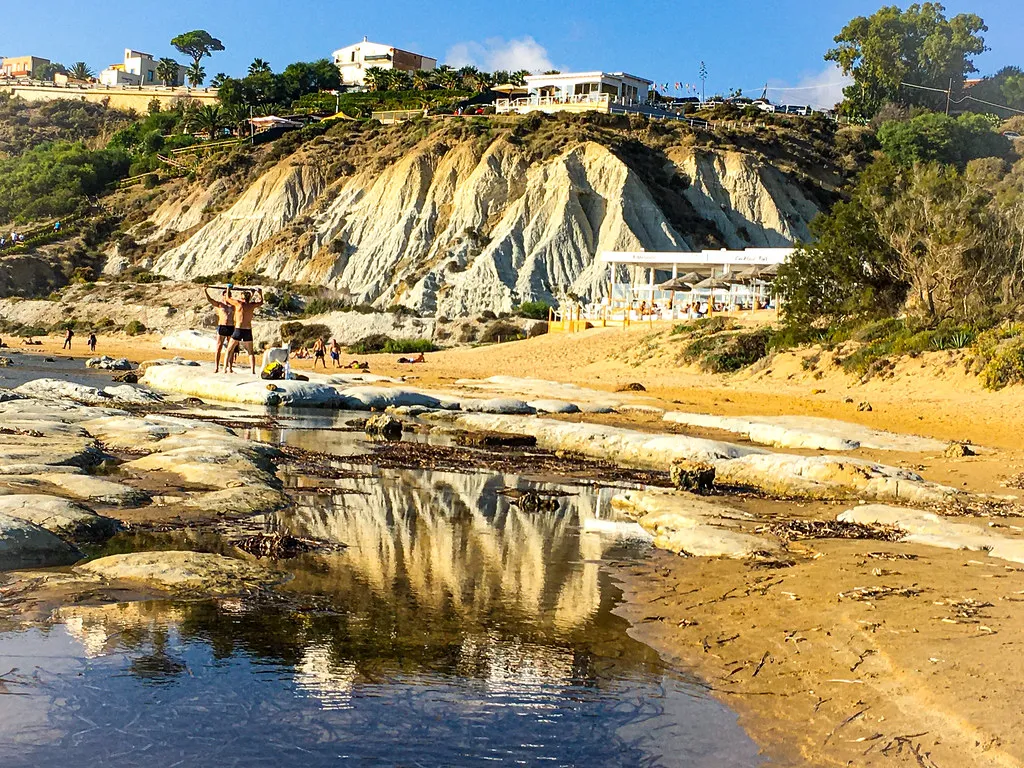
The Mediterranean season runs from late April to mid-October, with a sharp peak between 15 July and 25 August. In the Europe nightlife scene, beach clubs act as the daytime counterpart to the continent's nightclubs, carrying the same crowd from sun lounger to dance floor. Each coast has its own dialect: boho-acoustic in Mykonos, glossy house in Ibiza, understated rose culture on the French Riviera, and farmhouse-slow along Puglia's Adriatic.
15 Best Beach Clubs and Insider Tips for Europe
The list is grouped tonally so you can match a club to your mood. Each entry carries a Best For tag, euro pricing, opening window, and any yacht or shuttle notes. Reservations open as early as January for August, and Le Club 55 fills its August lunch book the moment the phone lines reopen. If you are building a multi-stop summer, cross-reference the Europe nightlife hub for ferry and transfer logistics. Most venues open at 10:00 or 11:00, pivot from lunch to lounge at 15:00, and dim the volume at sunset unless a booked DJ set extends the night.
- Marbella Club Hotel (Spain). Best for old-school Riviera glamour. The Golden Mile original runs its mint-and-white loungers daily from 11:00 until sunset, roughly 20:30 in high summer. A daybed sits at around EUR 80 to 150 depending on the week, and the raw-bar ceviche draws a Mexican-coastal menu that sets it apart from the usual grilled-fish circuit.
- Grand Hotel Victoria (Italy). Best for lake-meets-sea sophistication. The Lake Como beach club opened in 2024 with two infinity pools, a kids' zone, and Chef Maichol Morandi's kitchen. Day passes run EUR 55 to 110, doors open at 10:00 and close at 19:00, and the signature lakeside spritz is paired with local olive tapenade.
- MoYa Beach Club (France). Best for a cinematic Cannes cove. Hidden behind the Tiara Miramar, MoYa Beach Club opens mid-April through October at 10:00. Sunbed hire starts near EUR 65 and the scenic approach is the five-minute boat shuttle from the Palais des Festivals pier.
- Ushuaia Ibiza (Spain). Best for open-air daytime parties. Entry for the headline DJ sets runs EUR 60 to 100, while a VIP daybed typically carries a minimum spend above EUR 900. The beach zone opens at 11:00 and the main stage fires at 17:00. Hotel guests walk in free, which is why rooms sell out months ahead.
- Scorpios Mykonos (Greece). Best for the sunset ritual. The Paraga peninsula favourite charges around EUR 110 for terrace sunbeds, with cheaper beach-level beds lower down. Opening is 11:00 and the Sunday sunset ceremony, soundtracked by live musicians, needs to be booked at least three weeks out.
- Papaya Club (Croatia). Best for festival weeks. The Zrce Beach superclub on Pag Island is free during daytime pool parties and charges EUR 35 to 75 for Hideout Festival nights. The venue opens at 10:00 and the Novalja shuttle bus undercuts taxi fares through the whole season.
- Amante Ibiza (Spain). Best for a long lunch with a view. The Sol d'en Serra clifftop has sail-canopied tables and EUR 45 to 55 sunbeds that include a towel and welcome drink. Opening April 19 to October 19 at 11:00, it also runs open-air cinema nights once a week in peak season.
- Baracoa (Greece). Best for a family-friendly afternoon. The Skiathos club on Tzaneria beach rents a pair of loungers from EUR 20 and serves sardine-on-sourdough mezze from 09:00. The water stays shallow and calm, which is why parents with small children return year after year. Open May 1 to October 15.
- Calderisi Mare (Italy). Best for Puglian slow luxury. Owned by a nearby masseria, the club opens May through October at 10:00 on champagne-coloured sand near Savelletri. A lounger pair is EUR 50, beer starts around EUR 4.50, and the kitchen leans on garden vegetables and spaghetti alle vongole.
- Coral Beach Club (Croatia). Best for a post-Old Town afternoon in Dubrovnik. The Lapad cove hotspot opens May 1 to October 1, from 09:00 to midnight, with cream loungers from EUR 95 and resident DJs from 14:00. Payment is cashless on a wristband that you settle at departure.
- Nammos Mykonos (Greece). Best for pure spectacle. Psarou Beach's flagship regularly tops EUR 200 per sunbed and carries the steepest lunch cheque in the Mediterranean. Opens at 11:00 and peaks around 18:00. Dress code is strict designer resortwear and Chanel sunglasses count as essential kit.
- Le Club 55 (France). Best for the original myth. Pampelonne's founding club keeps its sunbeds modest at about EUR 35, but the restaurant tables are the real trophy. Doors open daily at 10:00. Book your August lunch exactly 30 days in advance at 09:00 Paris time or forget it.
- Blue Marlin Ibiza (Spain). Best for the yacht crowd. Cala Jondal's anchor-point club runs a EUR 140 per-person minimum spend and opens at 11:00. Sunday sessions with international DJs are the signature. The private water-taxi service collects guests off anchored tenders and drops them at the pier.
- Nikki Beach Marbella (Spain). Best for champagne-spray energy. White-themed Sundays, daybed packages from EUR 140, and an October closing party that draws the entire Costa del Sol. Opens 11:00 and the volume climbs in clean half-hour steps all afternoon.
- El Silencio Ibiza (Spain). Best for art-led quiet luxury. The Cala Moli cove venue opens at 12:00 with EUR 65 sunbeds and a rotating guest-chef residency. The pool deck faces due west, making it one of the finest sunset vantage points on the island's quieter side.
Entry Fee vs Minimum Spend: The Real Cost
European beach clubs split into two pricing models, and knowing the difference saves hundreds of euros per day. A flat rental fee pays only for the physical lounger plus towel and water, with food and drinks billed separately on top. A minimum spend converts into food and drink credit, which is a fairer deal if you plan to lunch at the club, but a poor value if you only want to swim and leave by 15:00.
- Nammos Mykonos: EUR 200 sunbed, no cap on lunch. Typical two-person lunch lands between EUR 450 and 900.
- Blue Marlin Ibiza: EUR 140 minimum spend per person in the main area, EUR 250 in front-line VIP.
- Ushuaia VIP: EUR 900 minimum spend for a four-person daybed, converts to drinks and food.
- Scorpios Mykonos: EUR 110 terrace sunbed flat, EUR 65 beach-level sunbed flat. Restaurant bill is separate.
- Le Club 55: EUR 35 sunbed flat, but the EUR 80 to 140 lunch cover is where the real spend happens.
Budget-conscious travellers should target afternoon rates. Many clubs on the Adriatic, Algarve, and Skiathos halve their lounger price after 16:00, which still leaves three hours of sun, the full dinner service, and a sunset DJ set. Oyana Beach in Marbella and Baracoa in Skiathos both sit below EUR 20 a pair all day, which shows how wide the spectrum runs before you get anywhere near Nammos numbers.
Hidden Costs and Service Charge Conventions
The line item that blindsides first-time visitors is not the sunbed, it is what lands around it. Most Mediterranean beach clubs add a 10 to 15 percent service charge to the food bill by default, which covers the table staff but not the beach boys who bring your ice bucket, rotate your umbrella, and walk your towel to the water. Tipping those beach staff EUR 5 to 10 per afternoon is the expected local convention, and doing it on arrival rather than departure materially changes how often they check on you.
Italy adds a coperto of EUR 3 to 6 per head on most restaurant menus including the beach-club ones, which is a cover charge for bread and table linens and is not a tip. In Greece and Turkey, a VAT line runs 13 to 24 percent and is usually already printed into menu prices, but some high-end Mykonos venues list prices ex-VAT at the bottom of the menu in small type. Always read the footer of the menu before you order the second bottle.
Yacht arrivals face a second cost layer: a tender-boy tip of EUR 10 to 20 per line secured is expected in Ibiza and Mykonos, separate from any docking fee. Water taxis from mainland ports run EUR 20 to 50 one way. These fees are rarely published on club websites, which is why travellers who budget only the sunbed rate report sticker shock at the end of the day.
Budget vs Luxury: Choosing Your Vibe
The European beach-club scene spreads across a clear spectrum from quiet luxury to high-energy party, and picking the right end of the scale matters more than picking the most famous name. Quiet luxury venues run on restraint: slower music, curated menus, space between loungers, and a dress code that rewards linen over logos. El Silencio in Ibiza, MoYa in Cannes, and Lido Bambu in Puglia sit firmly in this category and suit couples, solo travellers, and anyone recovering from a city break.
High-energy party clubs run on the opposite logic: volume, crowd density, celebrity sightings, and a bottle-service economy. Ushuaia Ibiza, Papaya on Zrce Beach, Nikki Beach Marbella, and Blue Marlin deliver that side, often with a set DJ lineup weeks in advance. The trade-off is that lunch quality and personal space both drop sharply after 15:00, and the music levels at Papaya and Ushuaia push past 100 decibels, which is a hard line for anyone sensitive to sound.
A middle tier serves travellers who want both halves of the day. Amante Ibiza, Coral Beach Dubrovnik, and Scorpios Mykonos open as calm lunch venues and transition to a livelier late afternoon, letting you read a book at noon and dance at 17:00. Further up the Dalmatian coast, the beach clubs in Split around Bačvice deliver the same lunch-to-sunset rhythm at a friendlier price point. Stacking one club from each tier across a week gives the most balanced trip.
Dress Code and Style Guide for High-End Venues
European beach clubs enforce dress codes far more seriously than Caribbean or Southeast Asian equivalents. The Pampelonne circuit, Nammos Mykonos, Marbella Club Hotel, and Nikki Beach all turn guests away at the lunch host stand for wearing board shorts, football jerseys, or visible activewear logos. The working default is a designer or plain swimsuit paired with a well-cut linen overshirt or kaftan, leather sandals, and a Panama or straw hat. Flip-flops are fine on the sand but are not accepted at the restaurant tables.
For the party-forward clubs in Ibiza and Mykonos, the look skews to monochrome white or pastel linen during the day, shifting into resort formal after 19:00. Scorpios Mykonos explicitly asks guests to move into cleaner dinner attire after sunset, which in practice means a long dress or collared shirt over chinos. In Croatia and Puglia the rules are lighter, but visible swimwear at the bar is still discouraged during service hours.
Most venues run an on-site boutique for underdressed arrivals, with prices well above mainland retail. The useful kit list for a Mediterranean beach-club day: two swimsuits, one linen cover-up, leather sandals, a light scarf for dinner, and closed-toe shoes if you continue to a nightclub.
Essential Planning: When to Visit and Booking Tips
July and August are roughly 30 to 50 percent more expensive than May or September. Shoulder months deliver the best balance, and early September sea temperatures actually run warmer than early June. Most clubs open in late April and close by 20 October, with the French Riviera trailing off earliest.
Booking platforms vary by region. Ibiza clubs use in-house apps or Beach-Inspector, while Mykonos and the Riviera favour phone reservations as a filter. Le Club 55 and Nammos only confirm lunch tables on direct calls; a week of concierge persistence beats an email chain. Always confirm 24 hours ahead, because a walk-in takes your bed if you are more than 30 minutes late.
For families, the shortlist narrows to Vila Vita Armacao in the Algarve, Baracoa in Skiathos, Coral Beach in Dubrovnik, and the Grand Hotel Victoria on Lake Como, all of which run dedicated kids' zones or shallow-water swim areas. The high-octane Ibiza and Mykonos names are adults-led and not the right call before teenage years.
Yacht Access and Arrival Logistics
Arriving by sea remains the most efficient route into the big-name Mediterranean clubs. Scorpios Mykonos, Blue Marlin Ibiza, Nammos, Amante, and Scorpios Bodrum maintain dedicated tender piers and a VHF-radio channel your captain will know. Expect a docking fee of EUR 20 to 80 plus the line-handler tip covered above.
- Easy yacht access: Blue Marlin Ibiza, Nammos Mykonos, Scorpios Mykonos, Amante Ibiza, Coral Beach Dubrovnik.
- Moderate yacht access: MoYa Cannes, Le Club 55, Calderisi Mare, Nikki Beach Marbella.
- Difficult yacht access: El Silencio (rocky cove, tender in chop only), Grand Hotel Victoria (Lake Como, private pier only), Marbella Club (no anchorage, car or shuttle only).
Anchoring rules tightened sharply in 2024 and 2025 to protect posidonia seagrass. The Balearic coast enforces no-anchor zones over seagrass beds with fines starting at EUR 1,000, and the French Calanques run similar exclusion zones. Clubs will not warn you; your captain will know the current chart but confirm before you book. Where anchoring is blocked, water taxis from the nearest marina run EUR 20 to 50 and outpace August coastal traffic.
Sustainability and Local Regulations
The 2026 regulatory landscape is the strictest to date. Ibiza extended its anti-noise curfew to 23:00 at residential-zone open-air venues, so Ushuaia now closes its outdoor stages on the minute. Balearic noise enforcement in 2024-2025 generated record fines and a handful of smaller clubs lost licences entirely. Plan a dinner or indoor-club continuation if you want the night to run past 23:00.
Marine reserves across the Cyclades, Balearics, and French Calanques either ban anchoring or require a park-portal permit. The Croatian coast enforces a yacht-waste levy, and single-use plastics are banned on most Blue Flag beaches in Spain and Italy. Reef-safe mineral sunscreen is required at several Sardinia and Balearic clubs, sold on site where needed.
The shift is not purely defensive. Lido Bambu in Puglia runs on near-entirely local masseria-garden produce, Scorpios Bodrum uses solar-assisted power, and Armacao in the Algarve has removed all single-use plastics. When these initiatives are genuine, they pair with higher-quality service and fresher ingredients.
Recent Trends and Emerging Hotspots for 2026
Three shifts define the 2026 season. First, the Turkish Turquoise Coast has moved from curiosity to headline: Scorpios Bodrum, Mezkla at AHÃMA, and Sea Me Beach near Fethiye pull the crowd that used to default to Mykonos at two-thirds the daybed cost. Second, the Algarve matured into a family-luxury alternative to Marbella, led by Vila Vita Parc's Armacao on the western coast.
Third, Ios replaced Mykonos as the youth and backpacker destination, with FarOut Beach Club and Pathos blending Ibiza-style DJ residencies and Cycladic taverna food. Sunny Beach in Bulgaria remains the deep-budget pick at a third of Ibiza prices. Ayia Napa keeps its all-night positioning with 250-plus bars and clubs inside a one-square-kilometre footprint.
The quieter story is Ibiza's north coast. Villages around Santa Gertrudis, Portinatx, and Cala San Miguel are opening adult-only, low-volume clubs such as the new Beach House, which prioritise Balearic slow luxury over nightlife. The north delivers the same island with none of the queues.
What to Skip: Overrated Beach Clubs to Avoid
Not every famous name earns the hype. The Playa d'en Bossa strip in Ibiza has become so crowded that a EUR 90 sunbed pressed against a stranger is not a luxury experience, and the bulk-capacity all-inclusive venues in Sunny Beach and Ayia Napa run mediocre kitchens that cancel the coastal atmosphere. My working rule: if a club has more than three rows of beds stacked back from the water, the experience is compromised. Recent reviews from the same month you plan to visit outperform star ratings from the previous summer.
Frequently Asked Questions
What is the best month to visit beach clubs in Europe?
The best months are June and September when the weather is warm but the crowds are manageable. July and August are the busiest and most expensive times to visit. Many clubs begin to close for the season in mid-October.
Do you need to book beach clubs in Europe in advance?
Yes, advance reservations are essential for top-tier clubs during the peak summer season. Some venues require booking weeks in advance for weekend spots. Walk-ins are rarely successful at iconic locations like Le Club 55.
How much does a daybed cost at a top European beach club?
Prices range from $30 at local spots to over $200 at luxury venues like Nammos. Many clubs use a minimum spend model where the fee goes toward food. Always check if the price includes towels and water.
Finding the best beach clubs in Europe is about matching the destination to your specific mood, budget, and arrival style. From the high-octane energy of Ibiza to the refined elegance of the Italian lakes, there is a shore for everyone. Book early, respect the new anchoring and noise rules, and budget for the service charges that sit beneath every menu price.
The Mediterranean summer is a fleeting but magical season that rewards those who plan ahead. Whether you arrive by yacht, water taxi, or hotel shuttle, the memories of a sunset across rose and seagrass will last a lifetime. Enjoy the music, the food, and the incomparable atmosphere of the European coastline in 2026.