
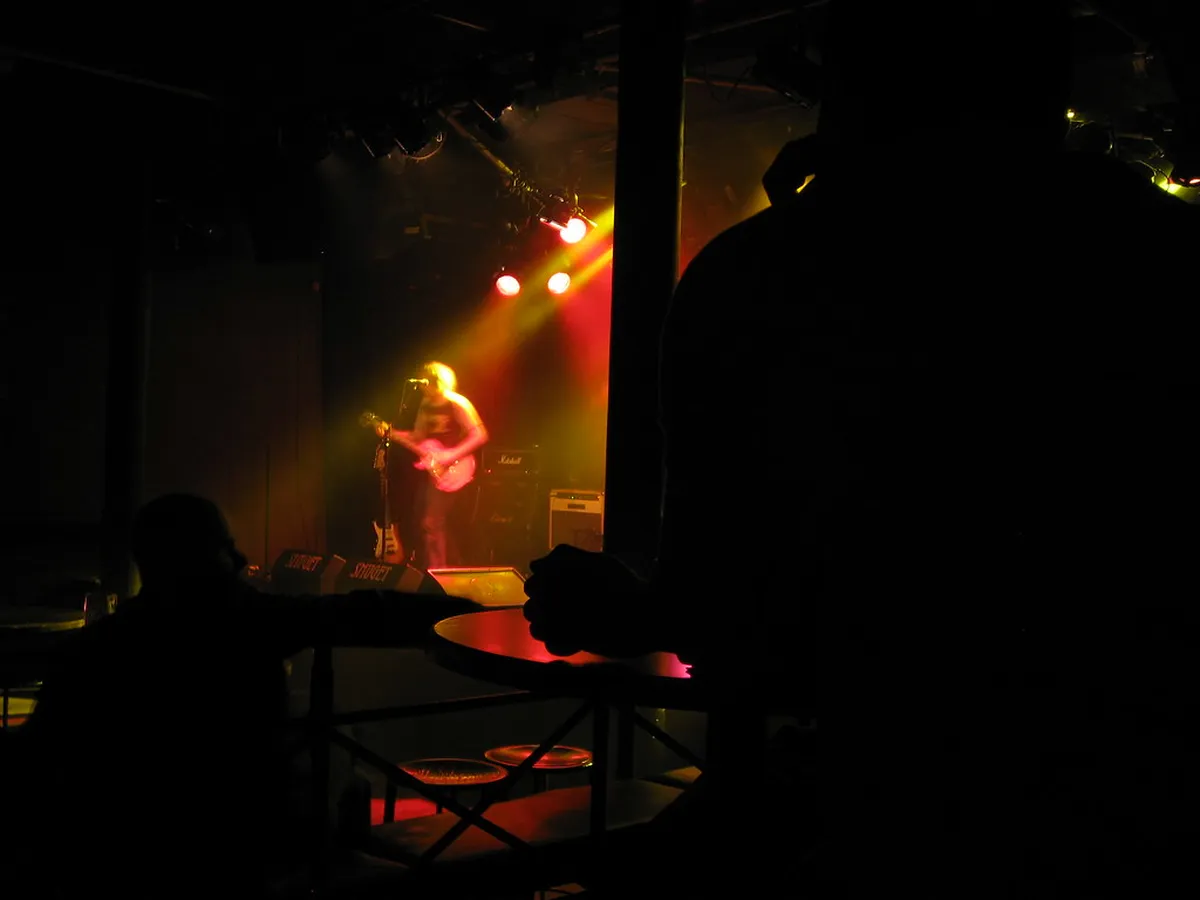
Ultimate Guide to Oslo Nightlife: Where to Party
Oslo in 2026 is one of Europe's most expensive night-out cities and one of the most rewarding if you know the playbook. A standard pint in Sentrum runs 100 to 130 NOK, bars sit empty until 23:00, and every venue in town stops serving alcohol at 03:00 sharp. Those three facts dictate everything about how locals drink. For a Nordic peer that runs on the same pre-party rhythm, compare our guide to Copenhagen nightlife.
This guide walks you through the neighborhoods worth your time, the Strøget nightclub plaza where half the city ends up on a Saturday, the cheaper corners of Grønland, and the ritual of the vorspiel that explains why the streets look dead at 22:00 and packed at midnight. You will leave with specific venue names, actual prices in NOK, transport routes home, and the Vinmonopolet closing-time trap that catches most first-timers.
Key Takeaways
- Beer in Sentrum costs 100 to 130 NOK; Grønland bars like Olympen and Mastermind drop that closer to 85 NOK.
- Buy spirits before Vinmonopolet closes at 18:00 weekdays or 15:00 Saturdays — supermarkets only sell beer up to 20:00.
- Legal drinking age is 18 for beer and wine, 20 for spirits; most clubs enforce 20 or 23 at the door.
- All bars stop pouring at 03:00 by city law. Night buses N12, N13, N18 run 01:00 to 04:00 on Fri/Sat; buy via the Ruter app.
- Grünerløkka is hipster and casual, Strøget is the clubbing strip, Aker Brygge is the expensive waterfront, Grønland is the budget play.
The Real Cost of Drinking in Oslo in 2026
Norway is the second most expensive country in Europe for alcohol after Iceland, and the reason is tax, not profit margin. Every bottle carries an excise tier based on strength, which is why a 0.5 L pint of mainstream pilsner lands at 105 to 135 NOK (roughly 9 to 12 EUR) in Sentrum bars and anywhere between 150 and 190 NOK for a cocktail. A glass of house wine hovers at 120 to 150 NOK. Budgeting 700 to 1,000 NOK per person for a solid four-drink evening is realistic before cover charges.
The cost structure also dictates timing. Supermarkets can only sell beer and cider up to 4.7% ABV, and they must stop at 20:00 Monday to Friday, 18:00 Saturday, and they never sell alcohol on Sundays. Anything stronger — wine, spirits, strong beer — is only available at Vinmonopolet, the state-run liquor monopoly. Vinmonopolet shops close at 18:00 on weekdays, 15:00 on Saturdays, and stay shut all Sunday. Miss those windows and the only alcohol you can buy is what the bars are already selling at triple the price.
This is why locals pre-game. Spending 300 NOK on a bottle at Vinmonopolet, splitting it four ways at a friend's apartment, and then showing up at a bar after midnight with only one or two drinks left to buy is the accepted national cost-control strategy. Accepting that rhythm is the single biggest change most visitors need to make.
Vorspiel Culture and the Midnight Rush
If you walk through Grünerløkka or Youngstorget at 21:30 on a Saturday, you will think Oslo's nightlife is dead. It isn't. Every Norwegian under 40 is sitting in someone's apartment doing a vorspiel — a pre-party built around cheap bottles from Vinmonopolet, a speaker, and a loose plan to meet at a bar sometime after 23:00. The word comes from the German Vorspiel, literally "prelude," and the ritual is so baked into the culture that bar managers openly expect empty rooms until 22:30.
Between 23:00 and 00:30 the city flips. Queues build outside The Villa, Jaeger, and every venue around Youngstorget. Cover charges at clubs kick in around 22:00 or 23:00 and run 100 to 200 NOK depending on the DJ. If you go straight from dinner at 20:30 without a vorspiel stop, you are doing it the tourist way — paying more, arriving into empty rooms, and eating the extra 200 NOK that a pre-party would have saved. Most hostels in Sentrum run informal common-room pre-parties; ask at reception on Friday afternoon.
The flip side of the vorspiel is the nachspiel, the post-party after the 03:00 closing time. Because bars legally must stop pouring at 03:00, groups migrate to someone's flat or hit Deli de Luca or 7-Eleven for late beers and head back out. The streets between 03:00 and 04:00 are the busiest part of the whole night.
Neighborhoods: Sentrum, Grünerløkka, Aker Brygge, Grønland
Sentrum, the central district around Youngstorget and Karl Johans gate, is the closest thing Oslo has to a single nightlife hub. Youngstorget square itself is lined with Kulturhuset, Youngs, and Internasjonalen, all within a 60-second walk of each other, and the Strøget alley runs off it with another cluster of bars. If you are staying at a Sentrum hotel, you can walk out the door at 22:30 and reach 15 viable venues in five minutes.
Grünerløkka, often just called Løkka, sits north of the river Akerselva and is the hipster-casual district. The vibe is craft beer, tattooed bartenders, vintage shops that double as bars, and outdoor seating along Olaf Ryes plass. It is the right choice for a bar-hopping night that doesn't end in a club. The tram line 12 or 13 from Jernbanetorget takes 8 minutes; walking from Sentrum takes about 20.
Aker Brygge and the newer Tjuvholmen pier are the upscale waterfront play. Expect 180 NOK cocktails, heated outdoor patios that stay open in winter, a crowd that booked a table, and a fjord view. This is where older locals and expense-account travelers land. It works best on summer evenings when the sun lingers past 23:00.
Grønland, immediately east of the central station, is the cheap and multicultural counter-offer. Beer runs 85 to 100 NOK at Olympen Mat & Vinhus (Grønlandsleiret 15), a renovated 1892 pub with crystal chandeliers, and Mastermind's rooftop looks onto the Barcode skyline for a fraction of Aker Brygge prices. The area is a 10-minute walk from Oslo S and feels more lived-in than the Sentrum tourist strip.
Majorstuen and Frogner, west of the center, skew older and quieter — wine bars, bistros, and Champagneria (Frognerveien 2) for sparkling wine with a dressier crowd. It is a better dinner-and-one-drink neighborhood than a full night out.
The Strøget Plaza: Oslo's Clubbing Alley
Strøget is a pedestrianized alley off Youngstorget that locals treat as a single venue with four front doors. Four bars cluster on the same stretch of cobblestone: Angst, Uhørt, Karusell, and Den Gamle Skobutikken. Cover is usually free if you arrive before 23:00, and most people bar-hop between them in a single evening without leaving the alley.
- Angst — the hipster anchor, small indoor bar with a patio that spills directly into the alley. Good for the 22:00 to midnight window.
- Uhørt — right next to Angst, slightly louder, later crowd, DJs by 01:00 on weekends.
- Karusell — known for swinging bench-couches and a more relaxed pace between dance shifts.
- Den Gamle Skobutikken — occupies a former shoe shop; grab a cocktail at the ground-floor bar, then climb to the rooftop patio for the best open-air view in central Oslo.
The plaza works because you do not commit to one door policy or one DJ — if Uhørt is slow you walk 10 meters and try Angst instead. Beer prices hold around 110 to 125 NOK across all four. For first-timers, Strøget is the single easiest address to remember: if a Saturday night plan collapses, head to Youngstorget, find the Strøget alley, and the night takes care of itself.
Top Bars and Cocktail Lounges
Himkok (Storgata 27) is the reference cocktail bar — ranked on the World's 50 Best Bars list most years and built around an in-house distillery that makes aquavit, gin, and vodka on site. Order off the menu named after its Norwegian-ingredient drinks (cloudberry, sea buckthorn, spruce). Expect to queue from 21:30 on Fridays; the bar does not take reservations and has a strict no-photography rule inside the main room.
Kulturhuset (Youngstorget 3) is a five-floor beast that rotates personalities — ground-floor beer hall, second-floor rooftop patio, basement club on weekends. It is one of the few places in Sentrum with house beer around 95 NOK during weekday happy hours (16:00 to 19:00). Our best bars in Oslo roundup covers Kulturhuset in more detail.
Crowbar & Bryggeri (Torggata 32) brews its own beer on-premises with 25+ taps rotating weekly. The signature Crowbar pork-knuckle sandwich and a resident pilsner around 95 NOK make it a solid dinner-plus-drinks anchor. Schouskjelleren Mikrobryggeri (Trondheimsveien 2) occupies the brick-vaulted cellar of an 1858 brewery on the Grünerløkka side; small, low-ceilinged, best in winter with a dark ale.
Summit Bar on the 21st floor of the Radisson Blu Scandinavia (Holbergs gate 30) delivers the panoramic cocktail view you want once in a trip — expect 190 NOK for a drink and a dress code tilted to smart casual. For aquavit, the Norwegian caraway-and-dill spirit that defines national drinking culture, ask for a flight at Olympen; they pour Linie Aquavit, the brand aged in sherry casks that round the Equator twice on a container ship before bottling.
Best Nightclubs and Dance Floors
The Villa (Møllergata 23-25) is the definitive electronic club — basement location, a Funktion-One sound system, and a weekend program that leans toward techno, house, and drum & bass. The room does not warm up until 00:30, and the 03:00 closing is enforced to the minute. Cover is usually 150 NOK and there is a strict over-20 policy.
Jaeger (Grensen 9) is the other key player for curated electronic music, with a courtyard patio that runs in summer and a cleaner sound system than most mid-sized clubs in Scandinavia. International names cycle through on Friday and Saturday nights; expect 150 NOK cover for headliners.
Blå (Brenneriveien 9) sits on the Akerselva river in Grünerløkka and books everything from jazz to hip-hop to experimental electronic nights. The outdoor patio is the city's best riverside drink in summer. Stratos Summer Club perches on the 12th floor of the Folketeateret building at Youngstorget 2A and runs as a rooftop club roughly June to August only — one of the few Oslo venues that lets you dance outdoors.
Pakkhuset (Tollbugata 32) in the Kvadraturen area is a bigger multi-floor option with a pop/hip-hop lean, and Storgata 26 runs a light-up disco floor that peaks around midnight with a mixed 25-to-35 crowd. Our best clubs in Oslo page has the full list with cover prices and door policies.
Live Music, Jazz, and Cultural Venues
Oslo takes live music seriously and the jazz scene is disproportionately strong for a city of 700,000. Herr Nilsen (C. J. Hambros plass 5) is the intimate 90-seat jazz room Down Beat magazine has called one of Europe's best — six nights a week of programming, cover around 200 NOK, and tables that must be reserved by phone for weekend headliners. Victoria Nasjonal Jazzscene (Karl Johans gate 35) is the bigger venue with internationally touring acts.
Parkteatret Scene (Olaf Ryes plass 11) is a 1907 cinema turned mid-sized concert hall in Grünerløkka, hosting indie rock, Nordic folk, and club nights on quieter evenings. Mono (Pløens gate 4) is the tight indie rock room in Sentrum where Turbonegro and Kaizers Orchestra played in their early years — it still breaks new Norwegian acts. Rockefeller Music Hall (Torggata 16) is the 1,350-capacity venue that books the bigger touring rock and hip-hop shows.
For classical music and jazz crossovers, Gamle Logen (Grev Wedels Plass 2) is the 1836 concert hall with the baroque interior; Edvard Grieg was the original proprietor. The Oslo Opera House on the waterfront runs pay-what-you-can rooftop concerts in summer. Tickets for most of these venues are sold through Ticketmaster or directly on the venue websites — physical post-office tickets, once common, are effectively phased out in 2026.
How to Find Cheap(er) Beer in Oslo
Nothing in Oslo is truly cheap, but several specific deals cut 30 to 50 percent off Sentrum prices if you know where to look. Los Tacos (five locations including Storgata 19 and Youngs Bar) runs a long-standing Wednesday evening promo with beers around 59 NOK — roughly half a Sentrum bar pint — alongside their 99 NOK taco plate. The deal runs all evening; arrive by 19:00 to get a table.
Mastermind (Grønlandsleiret 27) sits on a Grønland rooftop and pours beers in the 85 to 100 NOK range year-round, with a summer patio that looks onto the Barcode high-rise row. Olympen Mat & Vinhus a few doors down matches those prices on Norwegian craft beers and adds 1930s decor. Radio Løkka in Grünerløkka runs happy-hour pints around 89 NOK between 16:00 and 19:00 on weekdays.
For the cheapest option, the Oslo Beer Tour runs roughly weekly in high season and covers 4 bars with a drink at each for around 690 NOK — effectively the cost of four Sentrum beers plus a guide. Supermarket beer before 20:00 (or 18:00 Saturdays) is the other lever; a 6-pack of Ringnes at Kiwi or Rema 1000 costs 180 NOK and fuels a vorspiel cleanly. Our Norway nightlife overview covers how Oslo compares to Bergen and Trondheim on beer prices.
Magic Ice Bar Oslo: What the Entry Actually Includes
Magic Ice Bar (Kristian IVs gate 12) is the Sentrum ice bar that most travel listicles rank as a must-do and that locals mostly skip. What tourists don't get until after buying is that you do not buy drinks — you buy a 45-minute time slot, and entries happen on the hour. A standard ticket in 2026 is around 275 NOK and includes the thermal poncho, gloves, one signature drink served in a carved ice glass, and access to the ice sculpture gallery.
Inside temperature holds at roughly minus 5°C, which is why the poncho is non-negotiable and why most people find 45 minutes exactly right. Extra drinks during the session cost around 120 NOK each and are poured into fresh ice glasses. Book the 17:00 or 18:00 slot to combine it with a regular dinner afterward; later slots crowd up with cruise passengers on summer evenings.
The honest verdict: it is a novelty, not a night out. Do it once at the start of the evening and move on to a real bar. If you are deciding between Magic Ice and Summit Bar for a single standout drink, Summit Bar gives you the skyline view and a world-class cocktail for roughly the same total spend.
Practical Tips: ID, Dress Codes, and Getting Home
Bring a physical photo ID every night. Norwegian bouncers are among Europe's strictest and often refuse digital copies on phones. A passport, EU national ID, or driving license all work. Age enforcement is aggressive: legal age is 18 for beer and wine and 20 for spirits, but individual clubs set higher limits (20 or 23) and will check even obvious 30-year-olds at the door.
Dress codes in Sentrum clubs are smart casual at minimum — leave the running shoes and sports jerseys at the hotel. Aker Brygge cocktail bars and Summit edge toward a dressier standard; Grünerløkka and Grønland are relaxed. Cloakroom fees are typically 50 NOK per coat in winter and are essentially mandatory; coats draped over chairs tend to walk.
Payment is card or mobile only in most venues — Vipps (the Norwegian mobile payment app) and Apple Pay work everywhere, physical cash is nearly extinct. Tipping is not expected; rounding the card terminal up to the nearest 10 NOK for good service is generous enough.
Getting home after 03:00 is the one logistical trap. Trams and the T-bane metro stop around 01:00 most nights. On Friday and Saturday nights, night buses (nattbuss) run from 01:00 to around 04:00 — the key routes are N12 through Grünerløkka, N13 toward Majorstuen, and N18 east toward Grønland and beyond. A single Ruter ticket costs 43 NOK and a 24-hour pass 124 NOK in 2026, all bought through the Ruter app. Taxis from Sentrum to most neighborhoods run 220 to 350 NOK; Bolt and Uber both operate but surge aggressively between 02:30 and 03:30 when bars empty.
Where to Stay for a Nightlife-First Trip
Sentrum is the default for most first-time nightlife travelers because you can walk home from any bar in 15 minutes. Look for hotels in the triangle between Oslo S, Youngstorget, and Jernbanetorget — Thon Hotel Opera, Comfort Hotel Xpress Central, and Citybox Oslo all sit inside it at mid-range prices (1,100 to 1,800 NOK per night off-season).
If you prefer a calmer base, Grünerløkka puts you in the casual-bar district itself. The PS Hotell and Hotel Vika Atrium are the pick of the neighborhood; you trade a 15-minute walk or one tram stop into Sentrum for waking up next to coffee shops instead of tram tracks. For the luxury end, The Thief at Tjuvholmen sits on the waterfront next to Aker Brygge's cocktail bars and runs 3,500 NOK and up.
Grønland is the budget-smart location — Anker Hostel and Smarthotel Oslo put you 10 minutes from both Sentrum and the cheaper Grønland bars for well under 1,000 NOK per night. Avoid staying west of Majorstuen or out by Holmenkollen on a nightlife trip; taxis back get expensive quickly after night buses stop at 04:00.
Explore More Oslo Nightlife Guides
This guide is the hub for our full Oslo nightlife coverage. Pick the scene that fits your night and go deeper:
- Oslo Nightclubs & Best Clubs in Oslo — The Villa, Jæger and BLÅ, the Sentrum-to-Grünerløkka club map, cover charges, age limits, guestlists and bottle service.
- Best Bars in Oslo — neighbourhood favourites, rooftop and waterfront spots around Aker Brygge, and where to start the night.
- Best Cocktail Bars in Oslo — Himkok, Fuglen and the speakeasy scene, plus what a serious cocktail really costs in 2026.
- LGBTQ+ Oslo: Gay Bars & Clubs — London Pub, Elsker, queer-friendly dance floors and Oslo Pride.
- Best Irish Pubs in Oslo — The Dubliner and the city's pubs for Guinness, live football and trad music.
- Cheap Bars in Oslo — Grønland, Tøyen and the vorspiel-and-happy-hour playbook for drinking on a budget.
- Best Jazz Clubs in Oslo — Herr Nilsen, BLÅ's free Sunday session, Nasjonal Jazzscene and the Oslo Jazz Festival.
Explore nightlife in other cities
Frequently Asked Questions
Is Oslo nightlife expensive for tourists?
Yes, the city is known for high prices due to alcohol taxes. A beer usually costs over 100 NOK. Many travelers save money by attending happy hours or visiting bars in the Grünerløkka district where prices can be slightly lower.
What is the legal drinking age in Norway?
The legal age to buy beer and wine is 18, but spirits require you to be 20. Most nightclubs and bars in the city center set their own entry limits at 20 or 23 years old to maintain a specific atmosphere.
Do I need to tip at bars in Oslo?
Tipping is not mandatory in Norway as service is included in the price. However, rounding up to the nearest 10 or 50 NOK is appreciated for exceptional service. Most people simply pay the amount shown on the card terminal.
What time do clubs usually close in the city?
Most venues stop serving alcohol at 3:00 AM by law. Doors usually close shortly after this time. It is common for the streets to be very busy between 3:00 AM and 4:00 AM as everyone heads home.
Oslo nightlife in 2026 rewards preparation. The locals know the vorspiel is unavoidable, the 03:00 close is non-negotiable, and the difference between an 85 NOK Grønland pint and a 190 NOK Aker Brygge cocktail is a 10-minute walk. If you anchor your night in Sentrum or Strøget, factor Vinmonopolet's early closing into your Saturday plans, and pre-load the Ruter app with a 24-hour ticket, the city stops feeling expensive and starts feeling specific.
Pick one signature experience — Himkok for cocktails, The Villa for techno, Magic Ice for the novelty, Summit for the view — and build the rest of the night around cheaper Grünerløkka or Grønland stops. Bring your passport, wear something smarter than sneakers, and plan to be out until 03:30. That is how you do Oslo at midnight in 2026.