
10 Best Areas and Tips for Riga Nightlife (2026)
I still remember my first night in the Latvian capital, wandering through the winding cobblestone streets of the Old Town as the sun refused to set. The energy was infectious, shifting seamlessly from rowdy beer cellars to sophisticated rooftop lounges with views over the Daugava River. After visiting Riga five times over the last decade, I have seen the scene evolve from a stag-party hub into a diverse, creative playground organised around distinct neighbourhoods. Our editors have vetted these areas and venues to ensure you experience the most authentic and safe side of the city.
This guide was last refreshed in April 2026 to reflect current opening hours, prices, and which quarters are busiest on each night of the week. While the historic centre remains a major draw, the most exciting developments are happening in the repurposed industrial quarters just outside the medieval walls. You will find that Latvian nightlife offers a unique blend of Nordic cool and Eastern European hospitality. Whether you want a quiet glass of wine or a 4:00 AM dance session, Riga delivers a variety of high-quality options.
Key Takeaways
- Best Overall: Folkklubs ALA pagrabs for a mix of food, beer, and traditional Latvian culture.
- Best View: Skyline Bar for panoramic 26th-floor vistas of the city skyline and sunset.
- Best Alternative: Tallinn Street Quarter for a local, creative, and budget-friendly atmosphere.
- Safety Tip: Always use the Bolt app for taxis and avoid bars that use street touts to attract customers.
Old Town Riga: The Historic Heart of the Party
Old Town (Vecrīga) is where almost every first-time visitor starts the night, and with good reason. The medieval street grid between Doma laukums and the Freedom Monument packs dozens of bars, beer cellars, and clubs into a fifteen-minute walking radius. Most venues here stay open until 2:00 AM on weeknights and 4:00 AM to 6:00 AM on Fridays and Saturdays, and the cobbled squares around St Peter's Church and the Cathedral fill up from about 9:00 PM onward.
The standout in this quarter is Folkklubs ALA pagrabs on Peldu iela 19, a sprawling underground cellar serving local craft beer at roughly EUR 5 per pint and traditional dishes like grey peas with speck for around EUR 11. Live folk music and accordion nights run Thursday through Saturday from 21:00. Nearby you will also find Thirsty Bulldog, Armoury, Cuba Cafe, and B-Bārs on Doma laukums 2 for creative Black Balsam cocktails in the EUR 10 to EUR 13 range.
A common mistake is sticking only to the most visible pubs on the main squares. Venturing three blocks off Kalku iela usually halves the drink price and removes most of the tourist noise. As a local shortcut, skip the bars with English-only chalkboards out front; the ones with handwritten Latvian menus tend to be priced for residents.
Riga City Centre: Modern Lounges and Skyline Views
Walk ten minutes east from the Freedom Monument and the atmosphere shifts from medieval to mid-century modern. The City Centre (Centrs) is where glossy hotel bars, shisha lounges, and DJ venues dominate, drawing a slightly older and more polished crowd than the Old Town. Expect smarter door policies, longer cocktail menus, and drinks priced between EUR 11 and EUR 16.
The anchor here is Skyline Bar on the 26th floor of the Radisson Blu Latvija Hotel, where panoramic views over the spires stretch from the Freedom Monument to Jurmala. Arrive before 20:00 to avoid the EUR 5 weekend cover and to grab a window seat for sunset. Other reliable City Centre picks include Daiquiri Bar and Bar Six on Baznīcas iela for classic cocktails, Manana for Latin nights, and the lush rooftop Herbārijs atop Galleria Riga for garden-style botanical drinks.
Local's secret: most City Centre hotels run a quiet happy hour between 17:00 and 19:00 with cocktails at EUR 6 to EUR 8, even at the flashier rooftops. Staff rarely advertise it on the street.
The Quiet Centre: Sophisticated Art Nouveau Wine Bars
Known locally as Klusais centrs, the Quiet Centre is Riga's Art Nouveau district and home to the UNESCO-listed facades along Alberta and Elizabetes streets. The nightlife here is softer and more grown-up, built around wine bars, champagne rooms, and small cocktail lounges that usually close by 1:00 AM. If you are travelling as a couple or want a conversation-friendly evening, this is the right base.
For natural wines and a minimalist Nordic room, head to Gimlet Nordic Cocktail Bar on Kaļķu iela or Vīna Studija for accessible bottle lists from EUR 6 per glass. Trufelsivens (a champagne bar), Cloud Nine, and This Place Doesn't Need A Name round out the area. Combine drinks with a slow architectural walk down Alberta iela 13 and Elizabetes iela 10b; most Art Nouveau facades are floodlit until roughly midnight.
Local's secret: several buildings on Strēlnieku iela have inner courtyards with tiny listening-room bars that are invisible from the street. Step through any unlocked wooden door marked with a small brass plaque and you will usually find one within ten metres.
Tallinn Street Quarter: The Creative and Alternative Hub
Tallinas ielas kvartāls, a former industrial depot ten minutes north of the Old Town by taxi, is the clearest sign of how Riga's scene has changed since 2019. The old warehouses now host food trucks, murals, open-air cinema, pop-up DJ stages, and a rotating schedule of independent festivals. Entry to the grounds is free, drinks run EUR 5 to EUR 7, and the crowd is in their twenties and early thirties.
Weekend summer nights are peak Tallinn Street: by 22:00 the yard is packed, and the party spills onto the pavement until around 3:00 AM. Look for Autentika, Bolderaja, and one-off events posted on the quarter's Facebook page. In winter the outdoor section winds down but several indoor venues and saunas keep the block alive until midnight. Wear layers; the courtyards are exposed to the Baltic wind.
Local's secret: buy a drink from the tiny window at the back of the main yard rather than the central bar. It is run by the same team but queues are a third of the length on busy nights.
Local Underground: Avotu, Vagonu, and Briāna Streets
If the Old Town feels too polished and Tallinn Street too busy, the streets around Avotu, Vagonu, and Aristīda Briāna are where locals actually drink on a Tuesday. This is the grittier alternative to the tourist-heavy centre: the facades are unrenovated, the signage is in Latvian only, and a pint of craft beer rarely crosses EUR 4.50. The trade-off is honest: the block is rougher at 3:00 AM and you should take a Bolt home rather than walk.
On Avotu iela, start with Nurme bar and the Alus Rūme Trofeja brewery for regional beers, then swing by Krokodils for sharp low-cost cocktails. Over on Vagonu iela, the Vagonu Hall concert space, Laska V21, and 1983 Bar host rock, punk, and electronic nights that typically run EUR 5 to EUR 10 at the door. A short walk west, Labietis on Aristīda Briāna iela 9-2 pours some of the best experimental herb beers in the country from a courtyard shared with art studios and the well-known grunge club Depo.
Local's secret: the courtyard behind Labietis turns into an impromptu afterparty zone from roughly 23:00 most Fridays, when the studios upstairs open their doors for small gigs. Watch for the chalk sign at the gate.
Live Music Venues: From Jazz to the Riga Rock Cafe
Riga's live music scene is far deeper than the stag-era reputation suggests, spanning rock, jazz, folk, and a strong electronic underground. On the rock end, Riga Rock Cafe at Mārstaļu iela 2/4 is the reliable late-night option in the Old Town, with free entry most nights, local metal and rock bands on the small stage, and the basement open until 4:00 AM. Upstairs you will also find karaoke rooms and pool tables, making it an easy fallback when other bars close.
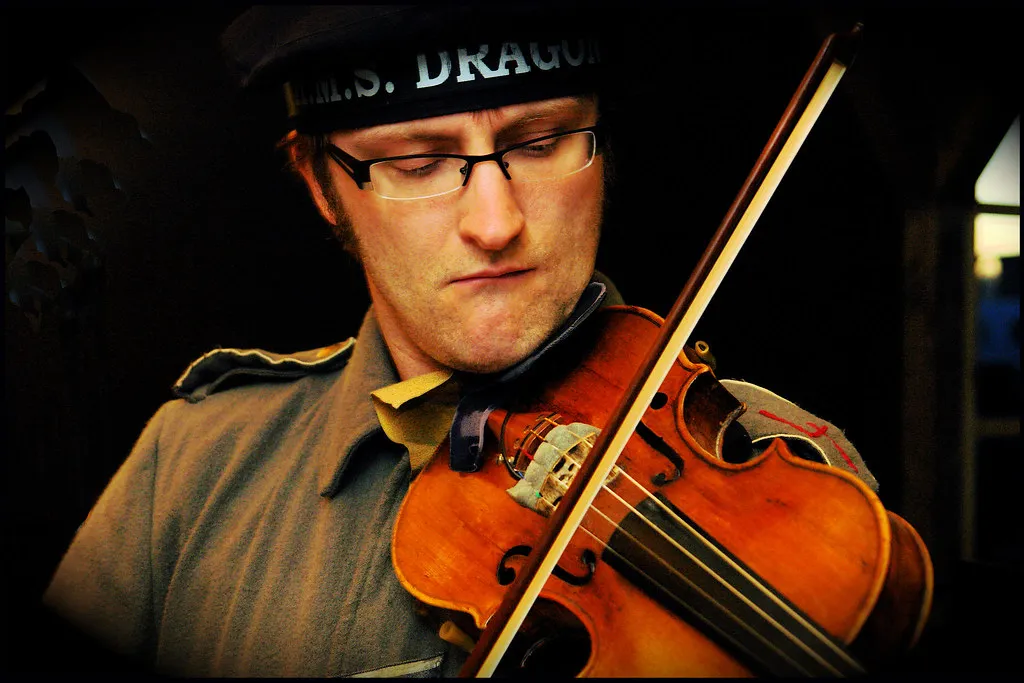
For jazz, head to M/Darbnīca in the Briāna quarter for vinyl sets and live ensembles in a converted workshop, or Nobody Writes to the Colonel (Pūce) on Peldu iela, widely regarded as Riga's original alternative live music venue. Folk and traditional Latvian music anchor the weekly calendar at Folkklubs ALA pagrabs, especially around public holidays. Club-scale acts and international tours typically land at Tower in the Teika neighbourhood, billed as the largest club in the Baltics.
Cover charges at live music venues generally sit between EUR 5 and EUR 15 and are often waived before 22:00. The Riga In Your Pocket website still publishes the most accurate weekly gig listings in English.
Cultural Evenings: Opera, Ballet, and Classical Music
For a dressier evening, Riga's classical scene is a genuine bargain. The Latvian National Opera and Ballet, in a white neo-classical building on the edge of the Old Town, sells tickets from around EUR 15 for restricted view up to EUR 65 for premium seats — a fraction of what comparable productions cost in Vienna or Berlin. Performances usually begin at 19:00 and the foyer bar serves champagne during the interval for EUR 5 to EUR 7. Latvia's ballet heritage runs deep, which is partly why Mikhail Baryshnikov trained here before emigrating.
Beyond the Opera House, the Great Guild Hall (Lielā Ģilde) on Amatu iela hosts the Latvian National Symphony Orchestra plus visiting jazz and chamber acts. For acoustics alone, try a concert at Riga Cathedral on Doma laukums; the organ programme runs most Wednesdays, Fridays, and Saturdays, and tickets are typically EUR 10 to EUR 20. Avant-garde theatre fans should check the listings at Dailes Theatre and the New Riga Theatre (Jaunais Rīgas Teātris), though most performances are in Latvian.
Book seven to ten days ahead through the official Latvia.travel site or the Opera's own box office. Many cultural venues also hold a small allocation of rush tickets at the door from 60 minutes before curtain.
Evening Tours: Guided Pub Crawls vs DIY Walks
Riga is a good candidate for a guided first night because the neighbourhood boundaries are not intuitive and the cheapest bars are genuinely hidden. A typical organised pub crawl costs EUR 15 to EUR 25, runs from 20:00 to 01:00, usually includes two or three welcome shots, and covers three Old Town bars plus a final club with free entry. Booking is straightforward through the free tour collectives that meet daily at the Town Hall Square or at St Peter's Church.
Be aware that many "free" tour platforms have raised their booking commissions sharply in 2025 and 2026, so what the guide actually keeps is sometimes less than the tip you give at the end. If you want to support the guides directly, tip in cash (EUR 10 to EUR 15 per person is fair) rather than adding a card gratuity through the platform.
The DIY alternative works well if you skip the crawl format entirely. Do an architecture walk through the Quiet Centre at dusk (Alberta iela, Elizabetes iela, Strēlnieku iela), finish at a wine bar, then take a Bolt to Tallinn Street for the late stretch. You will see more of the city, spend less, and avoid the stag-crawl herd that tends to cluster at the same three Old Town bars every night.
Safety After Dark: Avoiding Scams and Tourist Traps
Riga is a generally safe European capital, but it still carries residue from its "stag capital" years in the 2000s and 2010s, and a small number of predatory venues target tourists in Old Town alleys. The scams are consistent and avoidable. Walk away immediately if you see any of the following red flags.
- A "gentlemen's club" or strip bar where no prices are visible on the entrance menu.
- A stranger (usually a young woman or a man in a suit) who approaches you on the street and offers to take you somewhere with "free drinks" or "cheap champagne."
- A bar that hands you a drinks menu only after you have ordered, or brings bottle service you did not request.
- A card terminal that is turned away from you at payment, or a bill with rounded "service" charges north of 20%.
- An aggressive bouncer at the door who refuses to let you leave without settling a contested tab.
Most issues cluster on a handful of side streets off Kalku iela in the Old Town. Stick to the neighbourhood recommendations in this guide, check Tripadvisor.com reviews before entering an unknown venue, and trust your instinct — if a place feels scripted, it is. The best clubs in Riga are well-known, publicly reviewed, and list prices openly.
For transport, never take an unbooked taxi from a rank in the Old Town. The Bolt app is the local standard and transparently shows the fare up front. A typical 3:00 AM ride across the city centre is EUR 5 to EUR 8. Also keep in mind that cobblestones get slippery with rain and late-night beer, and the wind off the Daugava can be sharp even in summer.
The Black Balsam Primer: Drinking Like a Local
Almost every bar in Riga will offer Riga Black Balsam, and most guides list it without explaining what it actually is or how to survive it. It is a dark herbal liqueur developed in 1752 by a local pharmacist, aged in oak, and weighing in at a serious 45% ABV for the Classic bottle. The flavour is assertive — closest to a mixture of Fernet, Jägermeister, and cough syrup, with strong notes of wormwood and oak.
First-timers should never order Black Balsam Classic neat as a shot. A 40 ml pour will set your chest on fire and probably end your evening two drinks early. The locally preferred formats are much gentler. Ask for Balsam Currant (30% ABV, sweeter and far more drinkable) served over ice, or the signature cocktail "Black Magic" — Classic Balsam topped with hot blackcurrant juice in a mug, which is what most Latvians drink in winter. In summer, a "Black Balsam Breeze" (Balsam with tonic and lime) is the standard order at B-Bārs and most City Centre lounges.
Practical notes: shops sell 0.5 L bottles of Classic for about EUR 12, roughly half what you pay for the same volume in bar cocktails. A pre-dinner bottle shared between three people at your hotel, then a single bar cocktail on the way out, is the most efficient way to try it without blowing the budget or the night.
Seasonal Nightlife: White Nights vs Cellar Winters
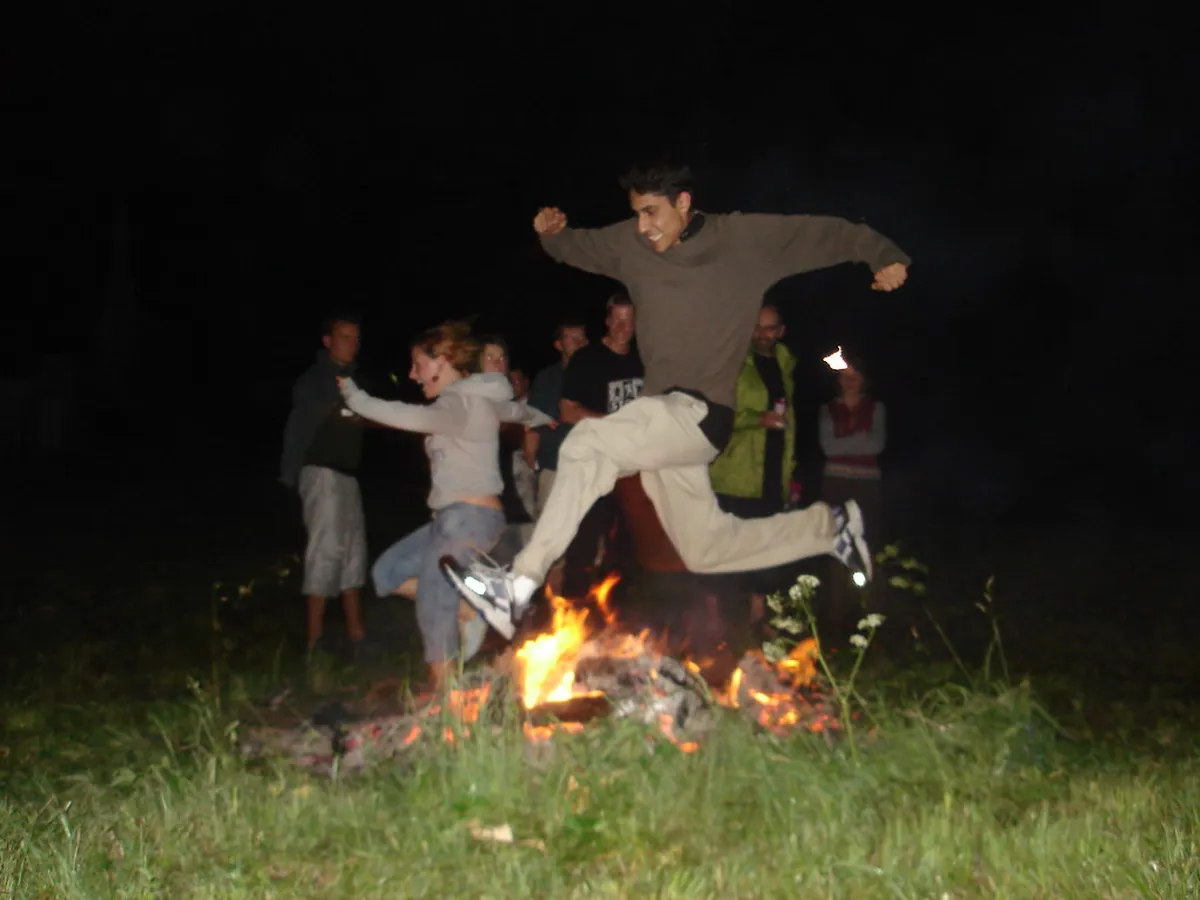
The time of year you visit fundamentally changes how Riga goes out. From roughly 10 June to 10 July, the "White Nights" mean the sun barely dips below the horizon — last light lingers past 23:00 and the sky never turns fully dark. Outdoor terraces, riverside parks, and the Tallinn Street Quarter reach peak capacity. Locals stay out much later in this period, fuelled by the endless daylight and warm Baltic breezes. The midsummer Jāņi festival around 23–24 June is the biggest party of the year; many residents head to the countryside, but the city still hosts open-air concerts and bonfires along the Daugava.
From November through February, the scene retreats underground into cellars and courtyard bars. Folkklubs ALA, Depo, and the Old Town beer caves steam with energy while the streets outside go quiet by 22:00. Temperatures routinely drop to -10°C, so venue cloakrooms (coat check, EUR 1 to EUR 2) become essential. The winter crowd is more local, the music leans folk and rock rather than EDM, and Black Balsam consumption visibly spikes.
Shoulder seasons are the honest sweet spot. April, May, September, and early October give you full terraces without summer crowds, hotel rates 25–30% below peak, and the clearest chance to see Riga's nightlife as residents actually experience it.
Is Riga Nightlife Expensive?
Compared to Western European capitals like London, Paris, or Stockholm, Riga is still one of the cheapest nightlife cities in the EU. A pint of local lager runs EUR 4.50 to EUR 6 in most Old Town bars, craft beer EUR 5 to EUR 7, and cocktails EUR 9 to EUR 13 in the Quiet Centre or EUR 11 to EUR 16 in a skyline lounge. Budget about EUR 45 to EUR 55 for a full evening of drinks and a club entry if you pace yourself.
Club covers are modest: free on weeknights at most venues, EUR 5 to EUR 15 on weekends or for international DJs. Late-night food is a steal — 24-hour cafeterias, kebab shops on Brīvības iela, and the "Lido" self-service chain all serve hot meals for EUR 6 to EUR 10. For the lowest prices head to Avotu or Vagonu streets; for genuinely free entertainment, the summer programme at Tallinn Street includes open-air cinema and DJ sets several nights a week.
Budget trick: most supermarkets (Rimi, Maxima, Mego) stock Black Balsam, local craft beer, and decent Latvian sparkling wine at roughly half the bar price. Pair a EUR 10 supermarket pre-game with one or two venue cocktails and you can have a strong night out for under EUR 30. Carry some cash — a handful of alternative bars in Avotu still struggle with foreign cards.
Practical Planning: Timing and Transportation
Riga follows a standard Northern European schedule. Bars start filling up around 20:00 for dinner and drinks, dance floors don't get busy until after midnight, and most major clubs stay open until 4:00 AM or 6:00 AM on Friday and Saturday nights. Arriving at a club at 23:00 will usually mean dancing with the staff for the first hour. If you want to pin down an exact itinerary, basing yourself in or near the Old Town keeps you within walking distance of most venues — our Old Town bars guide maps out the quarter street by street.
Public trams and buses run until around midnight, after which a limited night bus network takes over roughly every 30 to 45 minutes on main axes. Bolt is the gold standard for getting home at 3:00 AM, with rides across the city centre at EUR 5 to EUR 8. Walking between Old Town, City Centre, and the Quiet Centre is easy and mostly safe; anything beyond that (Tallinn Street, Avotu, Teika, the Briāna quarter) is better done by taxi after dark.
Dress codes are generally relaxed. Sneakers and jeans are fine everywhere except Skyline Bar and a few City Centre lounges, where smart-casual is expected. Winter cloakrooms charge EUR 1 to EUR 2 and are non-optional once temperatures drop. For a fuller day itinerary with evenings mapped in, see our best bars in Riga companion piece, which sequences venues by neighbourhood and closing time.
Explore More Riga Nightlife Guides
This guide is the hub for our full Riga nightlife coverage. Pick the scene that fits your night and go deeper:
- Best Bars in Riga — speakeasies, Nordic cocktail labs, rooftop lounges and folk cellars, organised by neighbourhood and price.
- Best Clubs in Riga — the city's nightclubs and dance floors, cover charges, face-control and how late they run.
- Best Bars in Riga Old Town (Vecrīga) — the Kaļķu iela and courtyard bar streets, the medieval cellars, and how to dodge the clip-joint scams.
- Best Craft Beer in Riga — Labietis, Nurme and Ārpus, the "pagan brew" taprooms and a brewery crawl for serious hop hunters.
- Riga Stag Do Guide — why Riga is the Baltic stag capital, daytime activities, party districts and a Friday-to-Sunday plan.
- Live Music Venues in Riga
- Riga Gay Nightlife
- Riga Nightlife Dress Code
- Riga Nightlife Prices
- 8 Things to Do in Riga at Night
Explore nightlife in other cities
Frequently Asked Questions
Is Riga safe for tourists at night?
Riga is generally very safe, but tourists should be wary of 'gentlemen's club' scams in the Old Town. Always check drink prices on a menu before ordering and avoid bars with street touts. Using the Bolt app for late-night transport is highly recommended for safety.
What is the legal drinking age in Latvia?
The legal drinking age in Latvia is 18 years old. You will likely be asked for identification at the entrance to clubs or when purchasing alcohol if you look under 25. Most venues accept a passport or a valid EU national ID card as proof.
What should I wear to go out in Riga?
Dress codes are mostly smart-casual across the city. While alternative spots like Tallinn Street Quarter are very relaxed, upscale rooftop bars may require nicer shoes and shirts. In winter, always utilize the venue's cloakroom for your heavy coats.
Riga offers one of the most diverse and affordable nightlife scenes in Northern Europe, catering to everyone from opera lovers to techno fans. By venturing beyond the main squares of the Old Town into the Quiet Centre, Tallinn Street Quarter, and the Avotu and Vagonu blocks, you can discover a world of creative industrial quarters and sophisticated cocktail lounges. Always remember to stay vigilant regarding prices in tourist-heavy areas, lean on Bolt for late-night transport, and respect the strength of Black Balsam. The combination of historic charm and modern energy makes the Latvian capital a premier destination for any evening adventurer.