
21 Best Bars in Budapest
After five years of navigating the cobblestones of District VII, I have seen the city's drinking culture evolve tremendously. The gritty ruin pubs that put the city on the map now share streets with sophisticated, world-class cocktail dens. This guide reflects my most recent scouting trip in late 2025 to find the most authentic experiences available today. I have updated this list for 2026 to ensure pricing, hours, and venue statuses are current.
Budapest offers a unique blend of historical decay and modern luxury you cannot find anywhere else in Europe. You might spend your evening in a former stove factory or a velvet-lined basement speakeasy behind an unmarked door. Understanding the Budapest nightlife scene requires knowing which spots are local favorites and which are tourist traps. Our editors have vetted each of these locations to help you plan the perfect night out in the Hungarian capital.
The Best Bars in Budapest Hungary
The heart of the action beats loudest in the Jewish Quarter, where most of the iconic venues are clustered within a five-minute walk of each other. Walking through these streets feels like a journey through time as century-old tenement buildings have been repurposed into vibrant drinking hubs. While the ruin pubs remain the primary draw, the city's mixology scene has earned international recognition, with several bars landing on The World's 50 Best list in recent years.
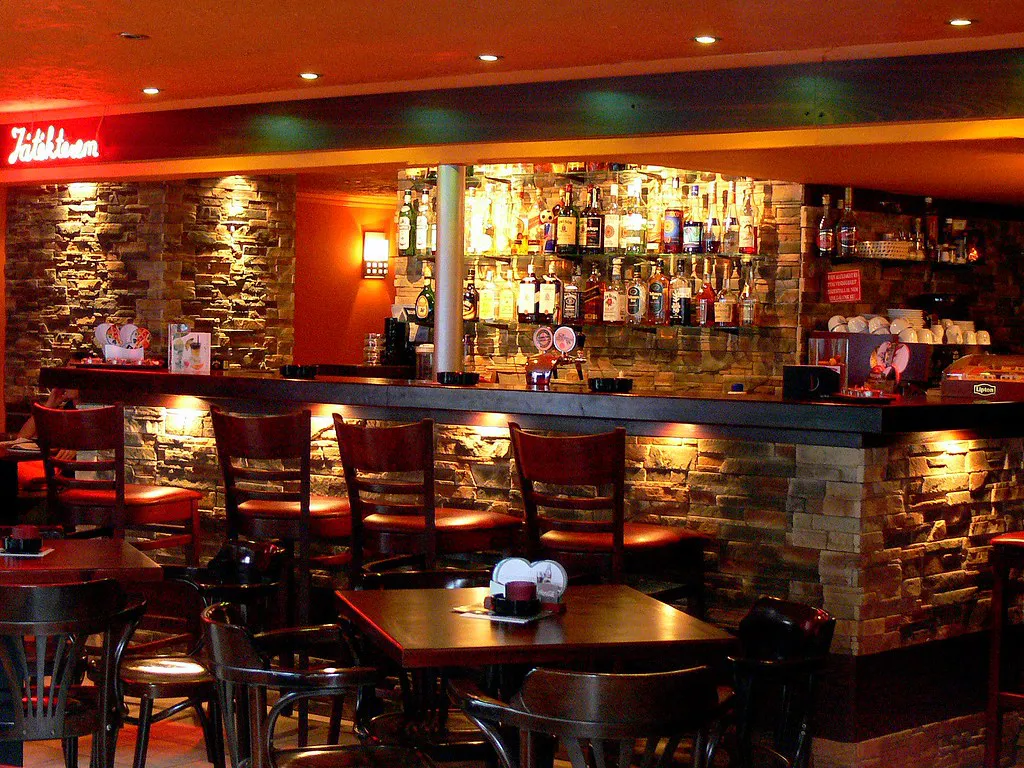
Travelers often feel overwhelmed by the sheer density of options across District VII. To help you navigate, this guide groups the best spots into four categories: legendary ruin pubs, high-end cocktail dens, wine bars, and scenic rooftops. Each category offers a different vibe, from chaotic dance floors to intimate, candlelit corners for quiet conversation. Choosing the right starting point is essential for a successful night in this high-energy city.
What Are Budapest's Ruin Pubs?
Ruin pubs (romkocsma in Hungarian) are bars set inside abandoned buildings, courtyards, and former factories in the old Jewish Quarter. The movement began in the early 2000s when a group of locals realized they could lease derelict pre-war tenements cheaply, fill them with flea-market furniture, fairy lights, and salvaged signage, and turn them into gathering places. What started as a scrappy workaround for high rent is now a protected cultural export.
The defining features are eclectic decor, sprawling multi-room courtyards, and a deliberate refusal to polish over the cracks. Inside Szimpla Kert or Anker't, you will find mismatched chairs, a rusted Trabant car, and ceiling installations built from bicycle parts. These venues preserve the memory of the Jewish Quarter's pre-war architecture, much of which was destroyed in WWII and neglected through the communist era. Visiting a ruin pub is closer to entering a living museum than a standard bar crawl.
Most ruin pubs are walk-in only, accept cards, and stay open until 3am to 6am on weekends. They cluster tightly along Kazinczy, Dob, and Kiraly streets in District VII, which makes exploring several in one evening easy on foot.
The Budapest Bar Scene: Ruin Pubs vs. Cocktail Bars
Budapest offers a stark contrast between gritty ruin pubs and polished cocktail dens. Ruin pubs deliver chaotic, high-volume atmosphere, cheap beer, and a come-as-you-are crowd. Cocktail bars focus on high-end service, theatrical presentation, and precise mixology techniques backed by world-ranking bartenders. Choosing between them depends on whether you want a loud dance floor, a refined date-night room, or a mix of both in one night.
Avoid the generic pub crawls sold by street promoters along Vaci Street. These tours often bypass the authentic best pubs in favor of venues that pay high commission rates. You will likely pay double for drinks and miss the historical charm of the truly local spots. Instead, use a self-guided approach or book a specialized cultural tour to see the real side of the city.
Expect to spend roughly 2,500 HUF (6 EUR) for a beer at a ruin pub and 4,500 to 6,500 HUF (11 to 16 EUR) for a signature cocktail at a top-tier bar. According to local tourism data, the Jewish Quarter remains the most visited nightlife district in Central Europe.
Szimpla Kert: The Iconic Original Ruin Pub
Szimpla Kert pioneered the ruin pub movement in 2002 inside a former stove factory on Kazinczy Street. The labyrinth of courtyards, bathtub seating, and a rusted Trabant car in the main yard makes it unmissable for first-timers. Expect to pay 2,000 to 3,500 HUF (5 to 9 EUR) for drinks, with the venue open daily from noon until 4am.
The trade-off is the crowd. By 9pm on weekends, the entrance queue wraps down Kazinczy, and the interior can feel like a music festival. Arrive before 6pm if you want to photograph the space or find a quiet bathtub bench. The Sunday morning farmer's market (9am to 2pm) is a lesser-known way to see the venue in daylight without the noise.
Instant-Fogas Complex: The 7-in-1 Party Hub
Two famous ruin pubs merged in 2017 to create this massive labyrinth featuring seven different dance floors and music styles under one roof. Entry is usually free, although drink prices range from 2,200 to 4,500 HUF (5.50 to 11 EUR) depending on which floor you find yourself on. The complex stays open until 6am daily, making it the default destination if you want to dance until sunrise.
Each floor runs a different genre, from house and techno to 80s pop and Balkan beats. Check the Fogashaz TripAdvisor listing for current event schedules. The cloakroom charges 500 HUF and is mandatory in winter, so factor that into your budget.
Mazel Tov: Stylish Jewish Quarter Garden Drinks
Mazel Tov on Akacfa Street is the upscale ruin pub: hanging plants, a glass roof, Mediterranean-Hungarian fusion food, and a grown-up crowd that actually talks over the music. Cocktails and wine run 3,000 to 6,000 HUF (7.50 to 15 EUR), and the kitchen serves food daily from noon to midnight.
This is the best choice for a stylish dinner that transitions naturally into drinks. Book a table at least a week ahead, especially for Friday and Saturday evenings, because it is perpetually full. For a deeper food angle, pair a visit here with a District VII nightlife walk.
360 Bar: Panoramic Rooftop Views and Sunsets
Located atop the former Paris Department Store on Andrassy Avenue, 360 Bar offers an unobstructed sweep of the Pest skyline and Buda Hills. Drink prices range from 3,200 to 6,500 HUF (8 to 16 EUR), with the bar open daily from 2pm until late evening. During winter, the team installs heated clear-plastic igloos so you can keep the view without freezing in the wind.
Arrive 45 minutes before sunset to see Parliament light up against the darkening sky. The igloos require a minimum spend of around 30,000 HUF (75 EUR) and must be reserved in advance through the 360 Bar website.
Boutiq' Bar: Theatrical and Instagrammable Mixology
This award-winning cocktail den on Paulay Ede Street focuses on creative presentations that often involve fire, dry ice, or drinks arriving inside small birdcages. Drinks typically cost 4,000 to 7,500 HUF (10 to 18 EUR) and the bar opens Tuesday through Saturday from 6pm until 1am. Order the Budapest Barbecue for a drink that arrives with a smoking marshmallow for a full sensory theater.
Reservations are effectively mandatory because the small, intimate room fills up within minutes of the doors opening. Look for the big blue door across from the Bohemtanya restaurant, as the signage is deliberately subtle.
Hotsy Totsy: A Cozy and Romantic Speakeasy
Tucked into a basement on Sip Street, Hotsy Totsy features brick arches, red velvet banquettes, and a dark, moody atmosphere perfect for couples. Cocktails run 3,800 to 6,500 HUF (9 to 16 EUR) and the venue is open daily from 6pm until 2am on weekends. The menu is printed on playing cards, with each suit representing a different cocktail style.
The trade-off is very limited seating, which can lead to 30-minute waits on weekends. Skip the menu entirely and tell the bartender your favorite base spirit and flavor preferences; the off-menu builds are consistently the best drinks in the room.
Black Swan: Trendy Vibes and Speakeasy Style
Black Swan on Klauzal Street is the place to be seen: sleek, red-velvet everything, a backlit bar, and a higher price point of 4,500 to 8,000 HUF (11 to 20 EUR) per drink. Hours run 6pm to 2am Wednesday through Saturday. Look for the door set into a firewall with a painted black swan; the entrance is deliberately unmarked.
The trade-off is the door policy and a slightly pretentious atmosphere on peak Friday and Saturday nights. The cocktail list lists only flavor profiles, not base spirits, which can be frustrating if you avoid certain bases; ask the staff directly before ordering.
Tuk Tuk Bar: Unique Asian-Inspired Flavors
Inspired by 1920s Shanghai, this small bar on Paulay Ede Street specializes in cocktails built around lemongrass, pandan, ginger, and Asian teas. Prices are moderate at 3,200 to 5,500 HUF (8 to 14 EUR) per cocktail, and it opens every evening except Wednesday. The hot, tea-based cocktails are a standout during winter.
The trade-off is the tiny physical size; it is unsuitable for groups larger than four, and weekend reservations are effectively required. Try drinks featuring Hungarian palinka mixed with Asian tea for a uniquely local-meets-eastern flavor profile.
Warm-Up Bar: Bespoke Cocktails for the Adventurous
Warm-Up Bar on Nagy Diofa Street famously has no printed cocktail menu. You tell the bartender your preferred spirits, flavors, and mood, and they build a drink on the spot. Custom drinks usually run 4,000 to 6,500 HUF (10 to 16 EUR), with the bar open daily from 7pm until 1am, extending to 2am Thursday through Saturday.
The most important tip is to tell the bartender exactly what you do NOT like. If you hate Amaretto, say so up front; otherwise you may end up with an Amaretto drink and a mildly frustrated bartender. Service is slow by design because every drink involves a conversation, so arrive with time to spare.
High Notes SkyBar: Luxury Cocktails with a View
On the seventh floor of the Aria Hotel on Hercegprimas Street, High Notes sits directly beside the domes of St. Stephen's Basilica. This is one of the most expensive spots in town, with drinks running 5,500 to 10,000 HUF (14 to 25 EUR). Hours are noon to midnight daily, and smart-casual attire is enforced.
The best view comes from the highest patio section, which is reservation-only with a minimum drink spend. Cocktails are competent rather than exceptional; you are paying for the Basilica at eye level, not for world-changing mixology.
Neverland: Immersive Entertainment and Drinks
Neverland on Dohany Street combines high-quality cocktails with themed escape rooms and a full bar. Drinks cost 3,200 to 6,000 HUF (8 to 15 EUR), and the venue is open from 9am for coffee until 2am on weekends. The Harry Potter-themed escape room is the most-booked of roughly a dozen themes.
The trade-off is the time commitment. An escape room runs 60 to 90 minutes, which means Neverland is a destination-evening rather than a one-drink stop. Book the escape room in advance and plan to arrive 30 minutes early for warm-up cocktails at the bar.
Seven: The Hidden Gem for Local Vibes
Seven on Wesselenyi Street is a distillery-bar hybrid that serves its own spirits from the Tokaj region, with a menu that visually maps each drink's sweet-sour-alcohol-fresh balance. Prices are reasonable at 2,500 to 5,000 HUF (6 to 12 EUR) per drink, and it opens Wednesday through Saturday from 6pm, closing Sunday through Tuesday.
This is the go-to spot if you want to escape the stag parties that dominate the nearby Kazinczy Street ruin pubs. Ask for the swing chairs in the window, and ask staff about the rotating seasonal infusions; they rarely appear on the menu.
DiVino Wine Bar: Best for Hungarian Wine Selection
Located right next to St. Stephen's Basilica on Szent Istvan ter, DiVino focuses exclusively on wines from young Hungarian winemakers. Glasses run 2,000 to 5,000 HUF (5 to 12 EUR), and the bar is open daily from 4pm until midnight. The outdoor terrace is one of the best people-watching spots in the city during summer.
Order a glass of dry Tokaji Furmint to experience the non-dessert side of Hungary's most famous volcanic wine region. The chalkboard menu rotates weekly, so ask staff for their current pick.
Doblo Wine Bar: Rustic Jewish Quarter Atmosphere
This atmospheric wine cellar on Dob Street features exposed brick, candlelight, and a deep selection of Hungarian and international bottles. Wine tastings and glasses range from 2,400 to 6,000 HUF (6 to 15 EUR), and they open daily from 6pm until 2am. Live jazz takes over on Wednesdays and Thursdays from around 9pm.
The trade-off is noise on live music nights, so pick a non-music evening if you want conversation. Their guided wine tasting flights (around 10,000 HUF for six pours) are a smart way to survey Hungarian regions in one sitting.
Most Bistro: Casual All-Day Dining and Drinks
Most Bistro on Zichy Jeno Street functions as a brunch spot by day and a lively bar with a secret courtyard by night. Beer and wine are budget-friendly at 1,200 to 3,200 HUF (3 to 8 EUR), and it is open daily from 9am until 1am. The hidden courtyard at the back is a fantastic place to escape summer heat with a cold drink.
This is a more relaxed, local-feeling alternative to the high-energy ruin pubs nearby. The kitchen stays open late, making it one of the better choices for a midnight snack paired with drinks.
Anker't Romkocsma: Minimalist Ruin Bar Experience
Anker't on Paulay Ede Street takes a minimalist approach to the ruin pub format: large concrete courtyards, industrial lighting, and fewer decorative flourishes than Szimpla. Drink prices are standard for the area at 1,800 to 4,000 HUF (4.50 to 10 EUR), and it opens daily from 4pm until late.
The trade-off is that the minimalist decor can feel cold during winter, as the space is largely open-air. In warmer months, a vegan food market operates here on Sunday mornings, making it one of the rare ruin pubs worth visiting in daylight.
Piritos Pub: A Local Favorite for Budget Drinks
Piritos on Kazinczy Street is a no-frills pub famous for cheap beer and its signature garlic toast (pirítós). Prices are among the lowest in District VII at 800 to 2,400 HUF (2 to 6 EUR) per drink, and it opens daily from 4pm. This is a smart starting point if you are traveling on a strict budget.
Order the classic Hungarian garlic toast with cheese to line your stomach before a long night. The outdoor seating area on Kazinczy is one of the best people-watching spots during summer weekends.
Csendes Letterem: Eclectic and Artistic Atmosphere
This former grand coffee house on Ferenczy Istvan Street is now filled with bizarre art, vintage toys, and mismatched furniture. Drinks cost 1,600 to 3,600 HUF (4 to 9 EUR) and the bar is open daily from 10am until midnight. The vibe is more intellectual and artistic than the rowdy party spots deeper in the Jewish Quarter.
Sit in the high-ceilinged main room to fully appreciate the strange collection of puppets, typewriters, and dolls hanging from the walls. It is one of the few places in District VII where a weekday afternoon coffee transitions naturally into an evening glass of wine without any change of mood.
Elesztohaz: The Hub of Hungarian Craft Beer
Set in a former glass factory on Tuzolto Street in District IX, Elesztohaz offers over 20 Hungarian craft beers on rotating taps. Pints cost 1,600 to 3,200 HUF (4 to 8 EUR), with hours of 3pm to 1am daily. A tasting flight of five beers runs around 3,500 HUF and is the fastest way to understand the Hungarian brewing scene.
The trade-off is the location, which is a 15-minute walk or short tram ride outside the main Jewish Quarter. The payoff is a crowd of locals rather than stag parties, plus one of the better outdoor courtyards in the city.
A Cocktail Treasure Map: Navigating District VII
To make the most of your night, start at Mazel Tov for a light Mediterranean dinner and a glass of wine around 7pm. From there, walk five minutes to Szimpla Kert to see the iconic ruin pub decor before crowds peak. Head to Hotsy Totsy or Black Swan once the sun sets for a change of pace into cocktail territory. This route covers the full spectrum of the Budapest pub crawl experience in under 90 minutes of walking.
Finish at the Instant-Fogas complex if you have the energy to dance until sunrise. District VII streets are generally safe, but stay aware of your belongings in crowded courtyards. Use ride-hailing apps (Bolt or Taxify) rather than hailing street taxis; street cabs near ruin pubs overcharge tourists at a notorious rate. Walking remains the best way to hop between these bars because most are within a 10-minute radius.
If you prefer a guided experience, consider the Budapest: Ruin Bars, Street Art, and Jewish Quarter Tour. A guide can explain the architectural history and point out hidden street art you would otherwise miss. Most tours start in the late afternoon, which is the ideal window to see the district transition from day to night.
Timing, Stag Parties, and the Palinka Shot Trap
The single biggest factor separating a great night from a mediocre one is the day of the week. Friday and Saturday evenings on Kazinczy Street are dominated by UK, German, and Dutch stag and hen parties; queues double, prices creep up on "tourist menus", and quality bartenders get stretched thin. Tuesday through Thursday evenings give you the same venues with a 60 to 70 percent local crowd, short waits, and staff who have time to actually talk. If your trip overlaps a weekend, spend Friday and Saturday on the Buda side or at non-Jewish Quarter cocktail bars, and save the ruin pubs for weekday nights.
Watch for the free palinka shot trick at tourist-facing ruin pubs. A waiter will arrive with a tray of small glasses described as "welcome shots from the house" and set them on your table. These shots often appear on your bill at 1,500 to 2,500 HUF each (4 to 6 EUR). The rule: if you did not order it, do not drink it, and politely ask the waiter to remove the tray. Real Hungarian hospitality palinka is poured by the bartender at the bar, not delivered unsolicited.
Accessibility is another underreported issue. Most ruin pubs occupy century-old buildings with no elevators, split-level mezzanines, cobblestone courtyards, and narrow stairs to restrooms. Wheelchair users and travelers with mobility limitations should prioritize ground-floor cocktail bars (Boutiq' Bar, DiVino, Most Bistro) and larger ruin complexes like Instant-Fogas, which has step-free access to at least its ground-floor bars. Szimpla's main yard is reachable but the upper rooms are not.
Where to Stay in Budapest (Jewish Quarter)
Staying in District VII puts every bar in this guide within a 10-minute walk, which is the single biggest quality-of-life upgrade for a bar-focused trip. Look for accommodation along Dob, Kiraly, or Wesselenyi streets; these are central but set one block back from the noisiest Kazinczy corridor, so sleep is actually possible. Budget travelers can find hostel beds from 7,000 HUF (17 EUR) per night, while mid-range Jewish Quarter hotels run 25,000 to 45,000 HUF (62 to 112 EUR).
If you are noise-sensitive, consider District V (Belvaros) around St. Stephen's Basilica instead. You lose 10 minutes of walking to the ruin pubs but gain DiVino, High Notes, and quieter streets. Pair either neighborhood with a half-day at the thermal baths to recover between nights, and plan for late checkouts, since most ruin pub sessions do not end before 2am.
Visiting Budapest: Practical Tips and FAQs
Tipping is common in Budapest but often included as a service charge on the bill. Always check your receipt for a szervizdij entry, which is typically 10 to 15 percent. If no service charge is listed, a 10 percent cash tip in forint is standard for good service at cocktail bars. Most venues accept credit cards, but having 10,000 to 20,000 HUF in cash is useful for smaller pubs and the occasional cash-only craft beer bar.
The best time to visit the bars is during the shoulder seasons of April-May and September-October, when outdoor courtyards are open but the crowds are thinner than peak summer. Winter offers a cozy atmosphere, especially at the rooftop bars that install heated igloos from November through February. For more regional context, check the European nightlife portal.
Frequently Asked Questions
What is the best area for bars in Budapest?
District VII, also known as the Jewish Quarter, is the primary hub for nightlife. Most iconic ruin pubs and cocktail bars sit within walking distance of each other here. You will find the highest density of venues between Király Street and Dohány Street.
Do I need to tip at bars in Budapest?
Tipping is common but often included as a service charge on the bill. Check your receipt for a 'szervízdíj' entry, which is usually 10% to 15%. If it is not included, a 10% cash tip is appreciated for good service.
Are ruin pubs in Budapest safe for solo travelers?
Yes, the major ruin pubs are generally safe and have professional security staff at the entrances. However, you should stay aware of your belongings in crowded areas like the dance floors. Solo travelers often find it easy to meet others in the communal seating areas.
Budapest remains one of the most exciting cities in Europe for anyone who enjoys a diverse drinking culture. Whether you prefer the historical grit of a ruin pub or the refined luxury of a rooftop, the city has it all. By following this guide and timing your visit mid-week, you can avoid tourist traps and find the truly authentic spots locals love. Enjoy your time exploring the unique nightlife of the Hungarian capital in 2026.