

8 Best Brussels Clubs for an Unforgettable Night Out
Brussels wakes up after midnight. While the chocolate shops and beer cafés of the Pentagon close by 23:00, the brussels nightlife scene opens a second city built on electronic music, bilingual street signs, and venues squeezed into former churches, cinemas, and shopping arcades. This guide covers the eight clubs worth your time in 2026, with dress codes, cover charges, and the practical logistics most travel blogs skip.
Expect to pay €15 to €25 at the door, start queuing at 01:00 if you want to avoid a 40-minute wait, and carry ID at all times — Belgian law requires it. Cover charges and closing times were verified against venue socials in early 2026, but always double-check Friday lineups before you leave the hotel. The clubs here span techno basements, high-gloss VIP rooms, and the Saint-Jacques gay strip, so pick the venue that matches your night.
Comprehensive event listings are maintained by Visit Brussels Nightlife, and the Xceed Brussels Event Calendar tracks international DJ bookings. Read on for the eight venues, then the neighborhood map, dress code rankings, pre-game strategy, late-night transport, and a genre table so you can plan without scrolling through Instagram at 02:00.
Fuse: The Legendary Techno Temple
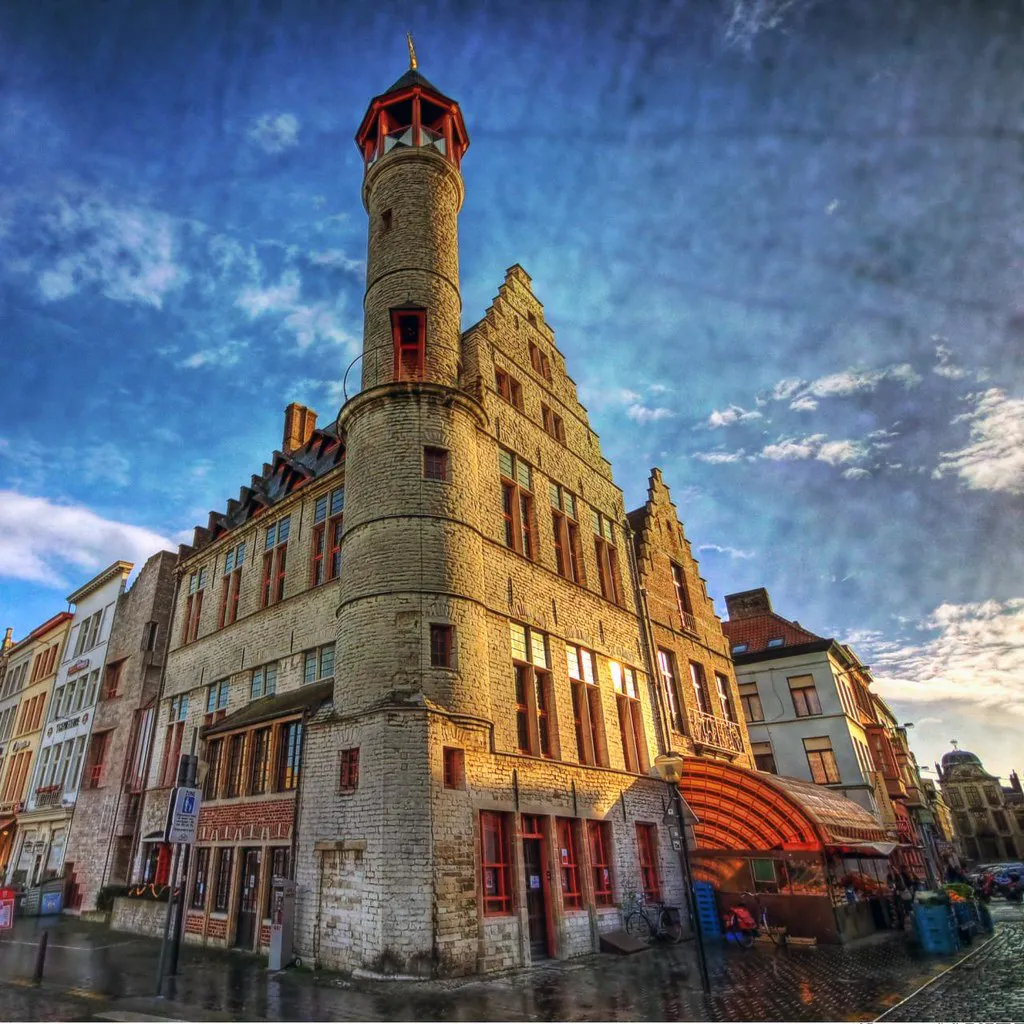
Fuse sits on Rue Blaes in the Marolles district and has been the benchmark for Belgian techno since 1994. The main room drops into a 360-degree neon bar before opening onto a colossal dancefloor, and the bookings read like a Resident Advisor hall of fame — Ben Sims, Jeff Mills, Amelie Lens, Robert Hood. A smaller upstairs room handles label showcases and house music.
Why to go: this is the club that put Brussels on the global electronic music map, and the end-of-night crescendo around 05:00 is genuinely legendary. Sunday gay nights are a separate institution and draw a mixed crowd from Paris and Amsterdam.
Atmosphere: sweaty, serious, and low on pretension. Doors 23:00 to 07:00 on Fridays and Saturdays, entry €15 to €25 depending on the lineup. Wear black, wear comfortable shoes, and do not bother with the sneakers-or-loafers debate — nobody at Fuse cares. Closest station: Brussels-Midi, a 10-minute walk.
C12: Alternative Culture in the Horta Gallery
C12 occupies the depths of the Horta Gallery, a historic shopping arcade directly under Brussels-Central Station. Run by the Deep in House collective, it calls itself a multidisciplinary platform rather than a club — the same room hosts art installations, local markets, and 12-hour New Year's Eve raves.
Why to go: the Function One soundsystem is the best in the city for deep bass, and the programming balances local techno with international heavyweights like Marcel Dettmann, Omar S, and Dr. Rubinstein. The venue is explicit about protecting freedom, diversity, and alternative culture — one of the few Brussels clubs with a published safer-space policy.
Atmosphere: low-key, underground, and gender-open. Entry €15 to €20, doors typically 23:30. Bring a €2 coin for the cloakroom locker and do not show up in a blazer — the vibe is Dr. Martens and open minds. The famous Bénédiction parties sell out two to three weeks ahead, so book early if your weekend lines up with one.
Mirano Brussels: A Retro Cinema Transformation
The Ciné Mirano opened in 1934, became a nightclub in 1981, and reopened in 2019 after a two-year renovation restored the gold-and-black Art Deco interior. The rotating dancefloor is the signature feature, along with balconies that look down onto the crowd like box seats in an old theater.
Why to go: Fridays run Moskow Diskow (techno and house), Saturdays shift to MORE+ for hip-hop and dancehall. This is the best club in Brussels for people who want one venue that covers both moods across a weekend without changing dress code.
Atmosphere: dressed-up but not fussy, with a mixed crowd of students, young professionals, and visiting DJs. Entry starts at €15 and doors close around 06:00. Arrive before 00:30 — the queues along Chaussée de Louvain stretch around the block by 01:30 on Saturdays. Nearest station: Madou.
Spirito Brussels: High-End Clubbing in a Former Church
Spirito occupies a deconsecrated Anglican church on Rue Stéphanie in Ixelles, and the decor — crystal chandeliers, tinted glass railings, RGB-lit gothic arches — has put it on several "most beautiful clubs in the world" lists. Two floors, multiple VIP areas, a huge central dancefloor, and a sound system tuned for both techno and house.
Why to go: the Sunday residency "On Sunday" run by DJ Lexx is a local favorite and pulls international house and techno acts for residents rather than tourists. Signature parties include DISCOCO and the all-female HER lineups.
Atmosphere: the strictest door in the city. Spirito enforces a smart-dress code — blazers, heels, tailored black — and will turn away sneakers and sportswear on sight. Entry €20 and up depending on the event, Fridays, Saturdays, and public-holiday eves from 23:00. The Halloween "Day of the Dead" edition is the hardest ticket of the year.
Bloody Louis: The Heart of Brussels Hip-Hop
Bloody Louis sits under Boulevard de Waterloo in the upscale Louise district and has, within a few years, become the default destination for hip-hop, R&B, and urban nights. Red-carpet floors, a packed main room, and bookings that range from Migos and Travis Scott to Diplo and the Martinez Brothers.
Why to go: this is where peak energy hits around 02:00 on a Saturday and stays there until closing. If you came to Brussels for anything other than techno, Bloody Louis is your first stop.
Atmosphere: young, beautiful, and competitive on the dancefloor. Cover €15 to €20 but big-name nights sell out on Xceed days in advance, so buy ahead. Dress sharp — sneakers fine if they are clean, but no sportswear. Closest station: Louise, a five-minute walk.
Birdy Brussels: Sophisticated VIP and Urban Beats
Birdy also lives on Boulevard de Waterloo, a short walk from Bloody Louis, but trades the rap-concert energy for something more cocktail lounge. Chandeliers, feathers, sparkly surfaces, and bottle service running from midnight until 06:00 on Saturdays.
Why to go: the best people-watching in the city, especially if you snag a table near the main bar. The crowd skews older and wealthier than most Brussels venues, and the music leans modern commercial hits, R&B, and urban.
Atmosphere: polished and cosmopolitan, with an enforced smart-casual dress code. Cover €20, table service is the standard way to experience it. Open Saturdays only — which makes it a weak Friday pick but a strong "last stop before brunch" option.
Madame Moustache: Eclectic Vibes and Themed Nights
Madame Moustache occupies a corner of Quai au Bois à Brûler near the Sainte-Catherine waterfront, and it is the antidote to every other club on this list. Rockabilly, 50s rock and roll, swing, funk, soul, disco — themed nights rotate through the week and the interior looks like a vintage Louisiana bar with too many mirrors.
Why to go: lower cover charges (€7 to €12), cheaper drinks, a smoking room with genuine character, and a crowd of locals, students, and disco lovers rather than stag parties.
Atmosphere: quirky, casual, and sweaty — the main dancefloor overheats fast. Open Tuesday to Saturday until 04:00. Wear a vintage-leaning outfit and you will fit in immediately; wear gym clothes and you will look like you are lost.
The Saint-Jacques District: Brussels' Premier Gay Scene
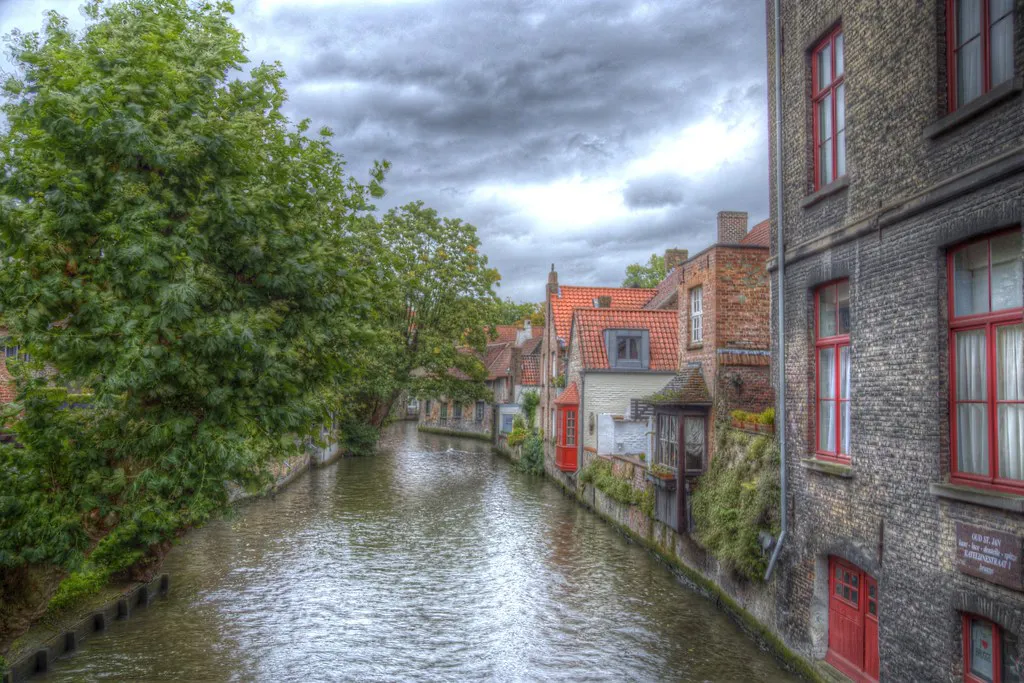
The eighth "venue" is a neighborhood. Saint-Jacques stretches around Rue du Marché au Charbon (Flemish: Kolenmarkt), a few minutes' walk south of the Grand Place, and it is the heart of the LGBTQ+ scene in Brussels. Bars open onto the street, signs are bilingual, and the strip runs from early evening until well past sunrise.
Why to go: the legendary La Demence circuit party (tickets €25 to €35, hosted at Fuse on Rue Blaes, scheduled roughly once a month) draws thousands from across Europe. On non-Demence nights, Chez Maman runs drag cabaret on Fridays and Saturdays, Le Belgica serves the semi-frozen house cocktail that shares its name, and Stammbar stays open seven nights a week with Sunday daytime sessions from 15:00.
Atmosphere: welcoming, loud, and genuinely mixed — straight allies, locals, and visitors all drink on the same streets. Start at Rue du Marché au Charbon for bars, walk to Fuse for big parties, or end at B.B. Bar for late-night dancing across two floors. The Rainbowhouse on Rue du Marché au Charbon 42 offers LGBTQIA+ information and a Friday DJ night from 22:00.
Brussels Club Neighborhood Guide
The nightlife clusters into four walkable pockets, and knowing which one you are in saves both taxi fares and queue time. Marolles and Midi (Fuse, plus pre-game bars on Rue Haute and Rue Blaes) is where rave-focused techno happens; Brussels-Midi Station is a 10-minute walk and the Noctis night buses depart from nearby. Central and Dansaert (C12, Madame Moustache, Saint-Géry drinking strip) is the easiest pocket for a first-time visitor, with Brussels-Central Station directly above C12 and the Bourse metro five minutes away.
The Louise and Ixelles corridor (Bloody Louis, Birdy, Spirito) is the upscale end of the city — dress better, pay more, and expect stricter doors. Louise metro and Porte de Namur cover most of it. Finally, Saint-Jacques (the gay district, running along Rue du Marché au Charbon and spilling toward the Grand Place) is the only pocket where you can bar-hop on foot from 22:00 until 05:00 without repeating a venue.
If you are staying near the Grand Place, any of the four is reachable in under 20 minutes by taxi. If your hotel is out near the European Quarter, budget for a €15 to €20 Uber one-way. For a broader take on lodging and logistics, see our Brussels city guide.
Music Genre Map: Which Club Plays What
The quickest way to choose a venue is to match your playlist to the room. Fuse and C12 are the techno and house picks — Fuse for scale and historic lineups, C12 for deep bass and underground programming. Spirito spans both techno and house depending on the night, with a smarter crowd. Mirano splits the weekend: Friday techno and house, Saturday hip-hop and dancehall.
Bloody Louis is the city's default for hip-hop, R&B, and urban, with Birdy serving a more polished version of the same genres with table service. Madame Moustache is the only serious pick for rockabilly, swing, funk, and disco — nowhere else in central Brussels plays vintage genres with conviction. And the Saint-Jacques strip covers everything from commercial pop at Chez Maman to circuit-party techno at La Demence-hosted Fuse takeovers.
- Techno: Fuse, C12, Spirito (Fri/Sat rotation)
- House: C12, Spirito, Mirano (Fri)
- Hip-hop and R&B: Bloody Louis, Birdy, Mirano (Sat)
- Commercial and urban: Birdy, Bloody Louis
- Disco, funk, rockabilly: Madame Moustache
- Drag cabaret: Chez Maman (Fri/Sat)
- LGBTQ+ circuit parties: La Demence at Fuse (roughly monthly)
Dress Codes and Door Policies, Ranked
Brussels is more relaxed than Paris but stricter than Berlin, and getting the dress code right is the single biggest predictor of whether you skip the queue or walk home. Here is how the eight venues rank from strictest to most casual. Spirito enforces a formal "Sunday best" — blazers, tailored black, heels, no sneakers, no sportswear, no graphic tees. Birdy is smart-casual with an upscale lean; clean sneakers are accepted, but only with a shirt rather than a hoodie.
Bloody Louis and Mirano sit in the middle: smart-casual, no sportswear, clean sneakers fine, and a shirt or dress reads well. Madame Moustache has no real dress code but rewards vintage — anything with a 50s or rockabilly edge plays better than a standard going-out outfit. Fuse and C12 are the most casual of the list; both welcome black T-shirts, Dr. Martens, and zero effort in the styling department, and both have turned away guests who showed up in suits looking lost.
Beyond clothing, door policies share a few rules. Carry photo ID — Belgian law requires it on you at all times, and clubs will refuse entry without it. Most venues use a one-in-one-out system after midnight, so arriving before 01:00 usually shortens the wait. Solo travelers are fine at all eight venues, though groups of men are occasionally held at Spirito and Bloody Louis; balancing the group with women or couples helps. Never argue with the bouncer — Brussels doormen have long memories and will remember your face on a return trip.
The Brussels Pre-Game Strategy
Club drinks in Brussels are expensive: expect €12 to €15 for a gin and tonic inside Spirito or Birdy, and €8 to €10 for a beer at Fuse. The locals pre-game at bars that close around 01:00 or 02:00 and walk to the club after — a habit worth copying if you want to avoid the €30-per-round trap. Head to some of the best bars in brussels in the Saint-Géry area before midnight; the pedestrianized Place Saint-Géry has roughly twelve bars within a two-minute walk.
For Fuse specifically, pre-game on Rue Haute or Rue Blaes in the Marolles — several cafés serve €4 beers until 01:00 and are a five-minute walk from the club door. For Bloody Louis and Birdy, the bars along Avenue Louise and Rue Jourdan are closer and fit the dress code. For a more traditional pre-club pub near the Grand Place, our list of the best pubs in brussels covers Le Belgica, Delirium, and the other classics.
Two rules the locals follow. First, pace Belgian abbey beers — a single Westmalle Tripel or Kwak is 8 to 10 percent ABV and hits harder than three pints of lager. Second, eat something substantial before the first drink. A late-night fry stand run is part of the ritual (Maison Antoine near Place Jourdan is the classic stop), and clubbers often pick up frites between the pre-game bar and the club queue.
Why Sunday Is the Locals' Night
Every travel blog tells you Brussels clubs are best on Friday and Saturday, and every local laughs at that. The weekend is when stag parties, day-trippers from Antwerp and Lille, and tourists pack the big rooms. Sunday is when the locals actually go out — and it is the single most useful calendar insight no competitor mentions.
Three specific Sunday programs run year-round and fly under the tourist radar. Fuse hosts its legendary Sunday gay nights with a mixed, older, music-focused crowd and shorter queues than Saturday. Spirito's "On Sunday" residency with DJ Lexx has been running for years and pulls serious international house and techno bookings — yet the dancefloor is never as packed as Saturday, so you can actually move. Stammbar opens a daytime Sunday session from 15:00 that turns into a late-afternoon dance party with a loyal regular crowd.
For visitors this means two things. If you arrive in Brussels on a Friday, do not burn your energy on Friday night — rest, explore the Grand Place, and save the heavy clubbing for Saturday plus a lighter, more authentic Sunday afternoon-into-evening session. If you are working a Monday, Sunday clubbing gets you home by 04:00 rather than 07:00, and the crowd is friendlier because nobody is trying to prove anything on a Sunday.
Late-Night Transport and Bilingual Navigation
Brussels at night has one logistical quirk that catches visitors out: the street signs are bilingual French and Flemish, and both names appear on maps and address boards. Rue du Marché au Charbon is Kolenmarkt, Chaussée de Louvain is Leuvensesteenweg, Avenue Louise is Louizalaan. Save venue addresses in both languages before leaving the hotel, and do not rely on Google Maps translating street names accurately after 02:00.
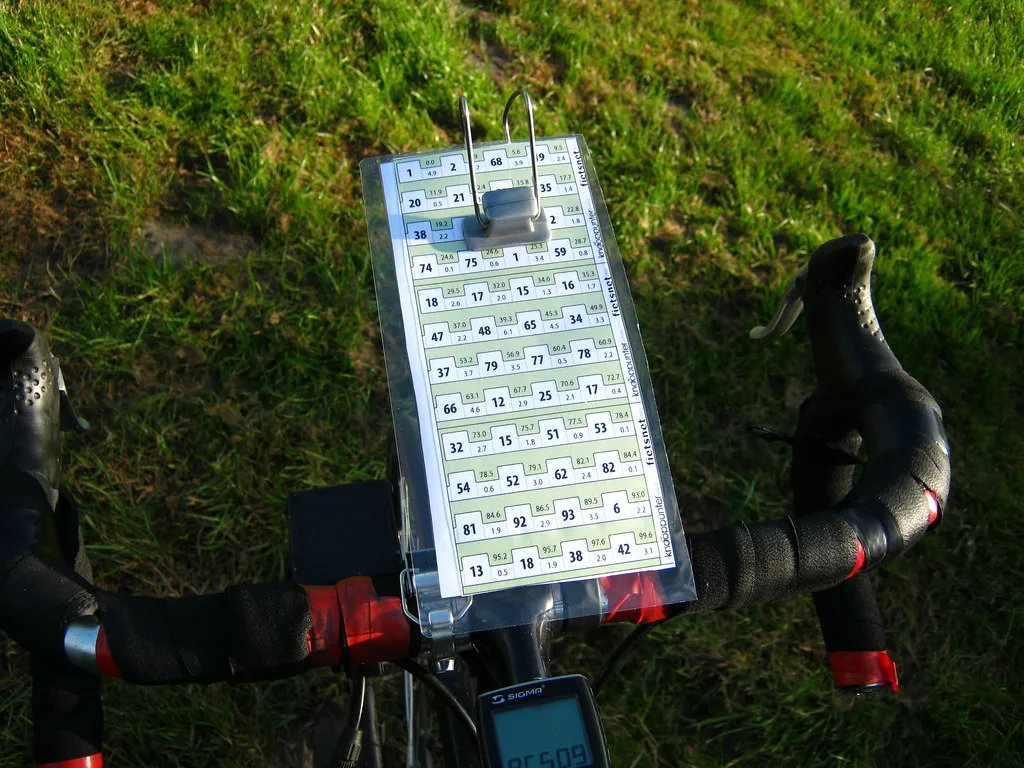
The Noctis night bus network runs every 30 minutes on Friday and Saturday nights from roughly 00:30 until 03:00, departing mainly from the Bourse stop in the city center and reaching most residential areas for €2.60. After 03:00 the only options are taxis and ride-share — Uber and Bolt both operate in Brussels, with typical fares of €10 to €15 for short hops within the city center and €20 to €25 out to the European Quarter or Ixelles.
Two safety notes for late nights. Avoid the pedestrian zones around Brussels-Nord station after 02:00 — the area is under redevelopment and feels uncomfortable for solo walkers. Around Delirium Village near Grand Place, pickpockets work the crowded alleys after midnight, so keep phones in front pockets. For a wider overview of the regional nightlife scene and additional city guides, see europenightlife.com/belgium.
Frequently Asked Questions
What is the dress code for clubs in Brussels?
Dress codes vary by venue. High-end spots like Spirito require formal attire, while techno clubs like Fuse are casual. Always check the club's social media for specific event requirements.
Which Brussels clubs are best for techno music?
Fuse and C12 are the top choices for techno lovers. Fuse is a legendary institution, while C12 offers a more modern, alternative electronic experience in a unique gallery setting.
Is there a gay district in Brussels for nightlife?
Yes, the Saint-Jacques district near the Grand Place is the heart of the LGBTQ+ scene. It features numerous bars and clubs, including the world-famous La Demence circuit parties.
How much are cover charges at top Brussels nightclubs?
Most major clubs charge between €15 and €25 for entry. Smaller venues or themed bars like Madame Moustache may charge as little as €7 to €12 depending on the night.
What time do clubs in Brussels usually close?
Most nightclubs in Brussels stay open until at least 6 am or 7 am. The peak energy usually happens between 2 am and 4 am on weekends.
Brussels nightlife rewards travelers who plan their venue to match their dress code, their music, and their neighborhood — not the other way around. Pick one club per night, pre-game at a nearby bar, carry ID, and if you are in town for a full weekend, save a Sunday session for the part of the city locals actually dance at.
From the techno cathedrals of Fuse and C12 to the gothic chandeliers of Spirito and the drag stages of Saint-Jacques, this is a capital that quietly holds its own against Berlin and Amsterdam. Go with a plan, a pair of decent shoes, and a €20 note for the door.


