
17 Best Milan Clubs and Nightlife Districts
After spending several summers exploring the Lombardy capital, I have learned that milan nightlife is as much about the look as it is about the music. The city transforms from a corporate fashion hub into a neon-lit playground where the aperitivo tradition sets the stage for the dance floor. This guide has been last refreshed in January 2026 to reflect current entry policies, venue status, and the 2026 event calendar.
Navigating the local scene requires understanding the distinct personality of each neighborhood, from the gritty warehouses of the periphery to the polished lounges of the center. Whether you seek a deconsecrated church or a high-fashion terrace, the variety here is surprisingly deep for those who know where to look. I have personally experienced the sting of a strict door policy and the thrill of a hidden basement set, so this list prioritizes practical success over hype.
Best Areas for Nightlife in Milan
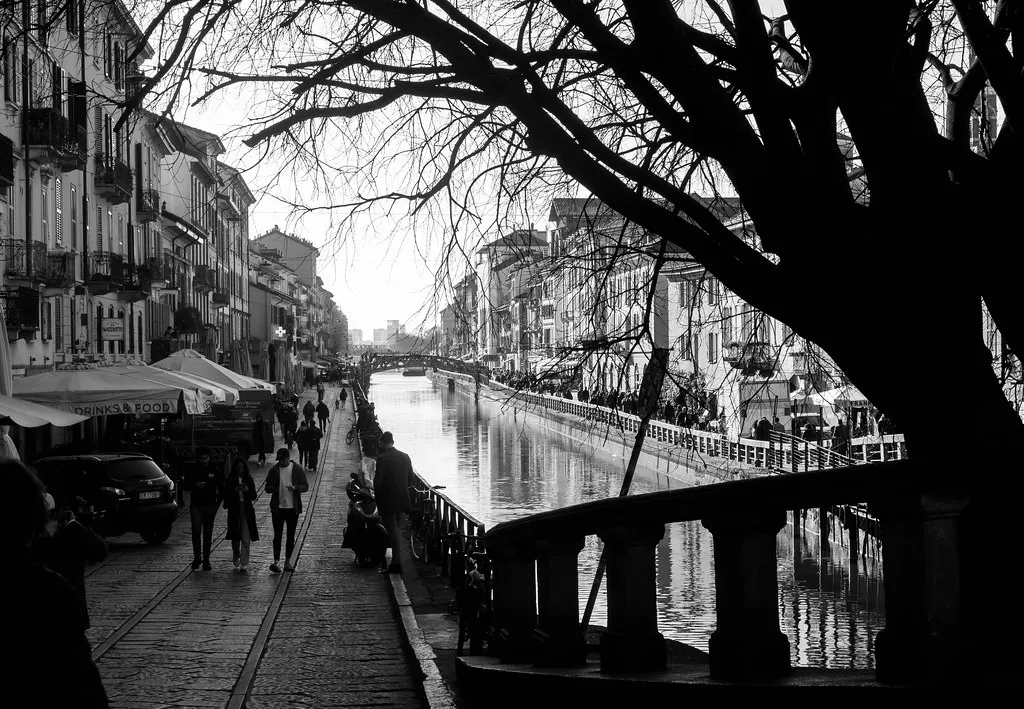
Milan's nightlife clusters into five recognizable districts, each with its own door policy, price ceiling, and crowd. Navigli, anchored by the two historic canals southwest of the center, is the casual entry point: dense with cocktail bars, craft-beer dens, and mid-tier clubs like The Rocket. Expect standing-room crowds on weekends and drinks in the €10–€14 range. You can find a detailed breakdown of the nightlife districts in Milano | YesMilano.it for further exploration.
Brera sits north of La Scala and keeps a more refined, cocktail-first atmosphere, while Corso Como — the pedestrian strip running from Porta Garibaldi to Piazza XXV Aprile — remains the fashion-door epicenter housing Hollywood Rythmoteque, 11Clubroom, and several velvet-rope lounges. Isola, just across the tracks, has become the alternative counterweight: jazz at Blue Note, divey live venues, and a scene that skews younger and less posed. The best concentration of best bars in milan for pre-club drinks sits along Ripa di Porta Ticinese in Navigli.
Two smaller zones are worth flagging. Porta Venezia has emerged as the city's LGBTQ+ hub, with Via Lecco as its main artery (Leccomilano, Mono Bar, Red Cafe). The Lambrate and Porta Romana areas — further east and south — host industrial venues like Magazzini Generali and afterhours spots catering to the post-dawn crowd. Avoid the immediate Duomo ring after 22:00: the bars overcharge for the view and most close by 01:00 anyway.
The Aperitivo Tradition and Iconic Bars
Milan's aperitivo ritual is not a warm-up — it's the first act. The custom began as medicine: in the early 1800s a Mr. Ramazzotti in Milan created Amaro Ramazzotti, and in 1862 Gaspare Campari launched his bitter aperitif inside the Galleria Vittorio Emanuele at what would become Bar Camparino. Bitter botanicals were sold to stimulate appetite; over a few decades they became the social lubricant that defined the Italian evening. Today, aperitivo runs from roughly 18:00 to 21:00, with a €10–€15 drink buying you access to a buffet that can easily substitute for dinner.
For the historic experience, Bar Camparino at the Duomo entrance of the Galleria is the non-negotiable stop — expect €14–€18 for a Negroni Sbagliato in a room that has not materially changed since 1915. Terrazza Aperol, a few steps away, offers the same view with more tourist volume and lower bar standards. For a Milanese vibe without the Duomo premium, head to Mag Cafè or Rita & Cocktails in Navigli, both known for craft pours and a buffet that actually justifies the price.
Two bars worth a detour: N'Ombra de Vin, a cavernous Brera wine cellar with antipasto boards priced by the slice, and Dry Milano near Porta Nuova, where pizza and craft cocktails share a menu in a posh industrial room. Nottingham Forest in Porta Monforte is the cult pick for bartending theatre — cocktails served in miniature bathtubs, ice sculptures, smoking glassware. Book ahead on weekends; the bar holds forty people at best.
17 Best Milan Clubs and Discos (2026)
The following venues represent the pinnacle of the city's dance culture, ranging from concert halls to deconsecrated churches. To help you choose, each entry lists the primary genre, typical hours, and price band. Most major clubs do not fill up until 01:00, so plan your arrival — and your aperitivo location — accordingly. For comparisons to scenes in other cities, see europenightlife.com/italy.
Entry fees typically range from €20 to €50 and often include one drink, though prices spike for named international DJ sets. I strongly recommend booking a guestlist spot or a table in advance through platforms like Top Clubs in Milano | Xceed to ensure entry. Security is notoriously selective at fashion-forward venues, so dressing the part is a requirement rather than a suggestion. Most doors now use digital ID scanning, so bring a physical passport or residence card — a photo on your phone will often be refused.
- Fabrique Milano (Via Fantoli)
- This massive industrial space serves as the city's premier venue for large-scale concerts and international electronic music events.
- Located in the eastern outskirts, it typically charges €25–€45 per person and opens from 23:00 until 05:00 on event nights.
- Take the 27 tram or a taxi from the center, and always buy tickets in advance to skip the longest queues.
- Tunnel Club (Via Sammartini)
- Nestled under the railway tracks near the Central Station, this intimate club is the heart of Milan's underground techno scene.
- The raw stone walls and low ceilings create a high-intensity atmosphere for serious music lovers rather than casual tourists.
- Entry usually costs €15–€25, and the best sets often happen after 02:00 when the crowd is fully locked in.
- Santeria Toscana 31 (Porta Romana)
- This multidisciplinary cultural hub combines live music, art exhibitions, a bookstore, and a vibrant courtyard for pre-clubbing drinks.
- It is the rare venue that works as a daytime workspace, an early-evening dinner spot, and a late-night dance floor on the same ticket.
- Costs vary by event, but the bar area is often free to enter and stays open until 02:00 on weekends.
- Il Gattopardo (Via Piero della Francesca)
- Set inside a deconsecrated church, this is perhaps the most visually stunning club in the city, with a massive central chandelier and vaulted ceilings.
- The music leans toward commercial house and pop, and the night includes theatrical performances and live dancers — closer to a Paris Crazy Horse revue than a standard DJ bar.
- Entry is by list only, so sign up in advance. Expect €20–€35 at the door and plan on smart evening attire to clear the selezione.
- Alcatraz (Via Valtellina)
- This giant warehouse in the Isola district hosts rock concerts, themed disco nights, and foam parties on alternating weekends.
- One of the most reliable spots for an unpretentious night with multiple rooms playing different genres.
- Operating hours are 23:30 to 04:30 Fridays and Saturdays, with entry fees typically under €20 for standard club nights.
- Mib Milan (Piazza Affari)
- Located in the financial heart at Via Gaetano Negri, this sleek venue combines an upscale restaurant with a high-energy dance floor after midnight.
- A favorite for the after-work and eighteenth-birthday crowd who want dinner and dancing without changing venues.
- Dress code is very strict; skip sneakers and opt for a classic blazer or cocktail dress. Hours 20:00 to 02:00.
- The Rocket Club (Alzaia Naviglio Grande)
- This Navigli staple plays indie, trap, alternative hip hop, and reggaeton to a younger, stylishly disheveled crowd.
- The vibe is less about showing off and more about music and a community of regulars.
- Entry is often cheaper than the big commercial clubs, usually €10–€20 depending on the DJ, with doors open from 23:30 until 05:00 — including Thursday nights.
- The Club Milan (Corso Garibaldi)
- Situated in the Brera/Moscova border, this venue is a magnet for international models, athletes, and the city's wealthy youth.
- The music is strictly commercial house and hip hop, with heavy emphasis on VIP table service and bottle presentations.
- It opens daily from 23:30 to 05:30. Tuesday nights are surprisingly famous for the themed 'Fidelio' parties.
- Just Cavalli (Viale Luigi Camoens)
- Now rebranded as JustMe, this luxury spot inside Parco Sempione offers an outdoor dance floor under the shadow of the Torre Branca.
- It is the quintessential Milanese experience where the fashion world meets the nightlife elite in a jungle-themed setting.
- Dinner and dance packages are common, with club-only entry starting at €30 and usually including one drink.
- Hollywood Rythmoteque (Corso Como)
- One of the most historic clubs in Milan, famous for hosting Hollywood celebrities and fashion icons across four decades.
- Small capacity (under 400) means the door is tight, and entry is nearly impossible without a guestlist or table. Contact a promoter or book via Night Clubs in Milan | Club Bookers.
- Hours 23:00 to 05:00, Monday through Sunday, with the biggest nights on Thursday and Saturday.
- Republic Milan (Piazza della Repubblica)
- This 400-square-meter boutique club focuses on curated house music and a very selected guest list in a sleek, modern space.
- The sound system is one of the best in the city, making it a favorite for local house purists rather than tourists.
- Table bookings are highly recommended; the dance floor is limited and fills by 01:00. Open Thursdays and Saturdays, 23:30 to 05:00.
- Volt Club (Via Molino delle Armi)
- Widely considered the most stylish club for house and techno, with a minimalist design, a 500-person capacity, and regular guest artists from the international techno scene.
- The door policy is notoriously difficult — they prioritize a specific 'cool' aesthetic over bottle spend.
- Arrive early and dress in dark, fashionable attire. Open Thursday through Saturday, 23:30 to 05:00.
- Amnesia Milan (Via Alfonso Gatto)
- Amnesia is a temple for techno and tech-house, regularly hosting the world's biggest DJs with a festival-grade light and sound rig.
- Located near Linate airport, it is a destination club that requires a taxi ride but rewards the effort.
- The club opens only on Saturdays and pre-holidays from 23:00 to 05:00. Tickets often sell out weeks in advance for major headliners.
- The Beach Milan (Via Arcangelo Corelli)
- This outdoor-leaning venue is the hot summer pick, featuring a tropical decor, multiple bars, and reggaeton-trap-pop programming.
- It works as a dinner-show venue first and a dance floor second, ideal if you want a progression rather than a pure club night.
- Operating Friday through Sunday from 19:30 to 02:00, with the heaviest action in May–September.
- Money Club Milan (Via della Moscova)
- A luxury club-and-restaurant where elegance and nightlife converge — international clientele, gourmet kitchen, signature cocktails.
- The crowd skews sophisticated rather than college-age; reggaeton nights exist but the dominant sound is commercial house.
- Entry €20–€30 with drink. Open Monday through Saturday, 19:00 to 04:00.
- Bobino Milano (Piazzale Stazione Genova)
- Bobino is famous for its massive garden and indoor lounge, making it a top choice for a high-end aperitivo that turns into a party.
- It attracts a slightly older, professional crowd that appreciates the buffet-style food and classic dance hits.
- Entry is often free or reduced during the early aperitivo window before the main clubbing starts.
- Magazzini Generali (Via Pietrasanta)
- This historic industrial venue has hosted legendary concerts and remains a cornerstone of the city's alternative electronic scene.
- The acoustics are excellent, making it a preferred spot for live electronic acts and experimental DJ sets.
- Check the schedule closely — the vibe changes drastically from hip-hop to underground techno depending on the night.
Live Music and Jazz Venues
If a three-hour techno set is not your idea of a night out, Milan's live-music layer is a serious alternative. Blue Note, the Isola outpost of the famous New York jazz club, runs two seated sets most nights (usually 20:30 and 22:30) with dinner service available. Ticket prices run €25–€45 depending on the headliner, and international touring acts sell out a week ahead. Book through the venue site rather than reseller platforms.
Nidaba Theatre, tucked off Via Gola in Navigli, is the opposite experience: divey, under-200 capacity, and built for blues, bluegrass, country, and soul acts with covers under €10. The Alcatraz mainstage — separate from its club nights — hosts national indie and rock tours when the disco side is closed. For classical-leaning and experimental programming, Santeria Toscana 31 and Triennale's occasional jazz evenings fill the gap.
Open-mic and smaller acoustic venues cluster around Porta Romana and Porta Genova. Arci Bellezza, a century-old cultural association in Porta Romana, runs Italian-singer-songwriter nights with a €5 membership card; it is the closest Milan gets to a true neighborhood listening room. For jazz students and side-project nights, check the Blue Note Sunday brunch slots, which routinely feature conservatory players at half the evening price.
Clubs by Genre, Vibe, and Price
The single most common mistake first-timers make is booking a club by its name-recognition rather than matching it to their music and budget. The table below sorts the major venues by sound, crowd, and typical spend per person (entry plus two drinks). Use it as a first filter, then cross-reference the venue entries above.
- Fashion / VIP tables / commercial house: Just Cavalli, The Club Milan, Hollywood Rythmoteque, 11Clubroom. Expect €80–€150 per person, strict door, sharp eveningwear required.
- Techno and underground electronic: Tunnel, Volt, Amnesia, Magazzini Generali. €30–€60 per person, relaxed-to-dark dress code, arrive after 01:00.
- Luxury dinner-club hybrids: Mib, Money Club, The Beach, Bobino. €60–€120 per person, dinner reservation recommended, smart casual to elegant.
- Indie, hip hop, reggaeton, younger crowd: The Rocket Club, Alcatraz (club nights), Santeria Toscana 31. €20–€40 per person, dress-code lenient.
- Spectacle and performance-led: Il Gattopardo (deconsecrated church, live dancers), Fabrique (concert-scale productions). €40–€80 per person, book ahead.
One rule cuts across all categories: the door selezione at fashion-door venues is based on your look at the door, not your booking history. A group of four men without a table and without elegant attire will be turned away regardless of what app confirmed them.
Fashion Week, Salone del Mobile and the 2026 Event Calendar
Milan's club calendar is not constant. Four weeks a year, the entire nightlife economy shifts into a higher gear and a tighter door, and visitors who show up without a plan find themselves locked out of the best venues even with cash on hand. Plan around these dates before you book a flight.
Milano Moda Donna (Women's Fashion Week): 24 February–02 March 2026. Salone del Mobile and Design Week: 20–26 April 2026. Milano Moda Uomo (Men's): 12–16 June 2026 and 19–23 September 2026. During these windows, venues like The Club Milan, Hollywood, and Just Cavalli run private brand events from Tuesday onward, effectively replacing open-door nights with invite-only parties. Public guestlists close by 21:00 the night-of, cover charges double at walk-up, and table minimums at Corso Como clubs can triple.
If your trip overlaps these weeks, book tables two to three weeks ahead and ask specifically whether the night is "private" or "open" — a legitimate promoter will tell you. Better still, shift your clubbing to the Navigli, Porta Romana, and Lambrate venues (The Rocket, Santeria, Magazzini, Tunnel) which stay open-door throughout. Amnesia tends to program its strongest Saturdays immediately before or after Fashion Week to capture the inbound crowd; tickets for those dates are typically on sale from late December.
Essential Tips: Dress Code, Guestlists, and Getting Home
Getting inside the better Milan clubs is a two-step process: (1) get your name on a legitimate guestlist and (2) pass the door appraisal. Guestlists work through promoters, the Xceed app, or direct Instagram DMs to the venue. A valid guestlist typically offers a €10–€15 discount on the door if you arrive before 01:00; after that hour the list usually closes and you pay the full walk-up price, assuming the bouncer agrees to let you in.
If you are traveling in a group larger than four — especially if the group is all-male — a table reservation is effectively the only way to guarantee entry. Tables at Corso Como and Moscova venues start around €400 in minimum spend for four people on a standard Friday and rise to €800–€1,200 during Fashion Week. Payment is usually locked in as a bottle order on arrival; sparkler-led presentations are theatrical rather than optional.
Dress code is enforced by bouncers with total discretion. Men should wear a collared shirt, dark trousers, and leather shoes — no visible sportswear, no logo-heavy streetwear, no shorts under any circumstances. Women have more latitude but smart dresses, tailored jumpsuits, or designer separates clear faster than denim-and-sneakers. I have personally watched a group in head-to-toe designer get turned away at Volt because the sneakers were too sporty; the door reads silhouette, not brand.
Public transport closes around midnight: Milan's metro stops running between 00:10 and 00:45 depending on the line, and ATM night buses (marked N1, N15, NM1, etc.) cover the main metro arteries on weekends until roughly 03:00. After that, use official white taxis from stands at Porta Garibaldi, Duomo, or Cadorna, or open FreeNow or Uber Black (standard UberX is restricted in the city). Expect €15–€25 for a ride across central Milan after 02:00, with a small night surcharge. Keep valuables zipped and do not carry passports loose — the club districts attract pickpockets at closing. General logistics are also covered at Nightlife in Milan | TripSavvy.
Frequently Asked Questions
What is the typical dress code for Milan clubs?
Most Milan clubs require an 'elegant' dress code. Men should wear button-down shirts and leather shoes, while women typically wear cocktail attire. Avoid sneakers or sportswear to ensure entry.
What are the best techno clubs in Milan?
Tunnel Club and Amnesia Milan are the top choices for techno enthusiasts. Tunnel offers an underground vibe near the station, while Amnesia features large-scale international DJ sets. Both prioritize music quality over fashion.
How do I get on a guestlist for a nightclub?
You can join guestlists via apps like Xceed or by contacting promoters on social media. Guestlists typically provide discounted entry before 1:00 AM. Always confirm your spot at the door by naming the list.
Milan offers one of the most sophisticated and high-energy nightlife scenes in Europe, provided you understand the local rules. From the 1800s aperitivo rituals at Bar Camparino to sunrise techno sets at Amnesia, there is a rhythm for every type of traveler. Dress sharp, arrive late, match the venue to your music rather than the name, and check the February, April, June, and September event calendar before booking. For more on where to base yourself in the city, see best rooftop bars in milan.


