

10 Best Lisbon Clubs and Nightlife Experiences (2026)
I have spent countless nights navigating the steep, polished cobblestones of the Portuguese capital to find the perfect beat. Lisbon's nightlife is not just a series of venues; it is a carefully choreographed movement from the hilltop bars down to the Tagus riverbanks. Our editors have reviewed every neighborhood to ensure this guide reflects the most current shifts in the local scene. Whether you want a historic literary guild or a warehouse techno rave, the city offers a diverse palette for every nocturnal traveler.
This guide was last refreshed in February 2026 after my most recent scouting trip through the bustling corridors of Cais do Sodré. I noticed that while the classic mega-clubs remain strong, smaller boutique spaces are reclaiming the city's creative heart. Understanding the Lisbon nightlife landscape requires knowing the 'Nightlife Map'—a natural progression that starts with sunset drinks and ends at sunrise. Most locals won't even think about entering a proper dance floor until well after the clock strikes two in the morning.
Lisbon remains one of the most affordable party destinations in Western Europe, yet it maintains a sophisticated edge that rivals Berlin or London. The city thrives on a mix of traditional Fado soul and cutting-edge electronic music that echoes through converted industrial warehouses. If you are planning a longer trip, you might even consider a day trip using the Lisbon to Evora route before heading back for the weekend party. Prepare for a marathon rather than a sprint as we dive into the best venues the city has to offer this year.
Lisbon Clubs: An Overview of the Scene
The geography of the city dictates the flow of your evening in a way few other European capitals do. Most nights begin in the narrow alleys of Bairro Alto, where hundreds of tiny bars spill their patrons onto the streets. This area acts as a social melting pot where backpackers and locals mingle over cheap plastic cups of beer. It is the essential starting point before the crowd migrates toward the river as the night matures.
Cais do Sodré serves as the middle ground, offering a grittier but high-energy transition between casual drinks and heavy dancing. The famous Pink Street is the visual centerpiece here, though the best music is often found in the surrounding side streets. As the bars here begin to wind down around 3 AM, the final migration to the industrial district of Alcântara begins. This 'Nightlife Map' is the secret to experiencing the city like a true Alfacinha.
Lisbon's scene stacks up well against Madrid and Barcelona in energy but stays cheaper across the board, with entry fees rarely exceeding €30 even for international DJs. The city blends Fado melancholy, Brazilian rhythms, and Berlin-inspired techno in a way that no other Mediterranean capital quite manages. Security at the larger venues can be selective, so a basic understanding of the door policy is vital for a smooth night. Entry fees often include a drink credit, which helps soften the blow of the initial cover charge.
10 Best Lisbon Clubs and Nightlife Experiences (2026)
The following selection represents the diverse spectrum of Lisbon's after-dark offerings, from high-concept electronic temples to historic private guilds. We have categorized these into three main clusters: the Riverside Giants, the Underground Staples, and the Cultural Icons. Each venue has been chosen for its consistency, sound quality, and unique contribution to the city's cultural fabric. Please note that pricing and hours can fluctuate during the peak summer months, so checking official social channels is always recommended.
Riverside venues like Lux Frágil offer the quintessential big-room experience with world-class acoustics and stunning views. For those seeking something more intimate, the underground spots in Príncipe Real provide a refuge for alternative sounds and LGBTQ+ crowds. We have also included a few 'sophisticated' alternatives for those who prefer a cocktail and conversation over a strobe-lit dance floor. This mix ensures that your trip captures every facet of the Portuguese capital's nocturnal identity.
- Lux Frágil Waterfront Electronic Temple
- This legendary waterfront venue defines the city's electronic scene across three distinct floors with world-class sound systems.
- Most visitors head straight to the rooftop for sunrise views over the Tagus River after a night of heavy techno.
- Entry fees range from €15 to €30 depending on the DJ lineup and your arrival time at the door.
- Arrive via the Santa Apolónia train station and bring your best fashion-forward attire to pass the selective security.
- Doors typically open at 11pm and stay active until 6am, but the peak energy hits around 3am.
- Musicbox Underground Cais do Sodré Vault
- Located under a bridge on the famous Pink Street, this intimate club focuses on eclectic live acts and bass-heavy DJ sets.
- The arched stone ceiling creates a unique acoustic environment that feels both historic and cutting-edge.
- Typical cover charges are between €10 and €20, often including one or two drinks at the bar.
- It is best for those who enjoy alternative genres and a crowded, high-energy dance floor in the heart of the action.
- Check the schedule online as they frequently host international indie bands before the club night begins.
- Ministerium Club Praca do Comercio Techno
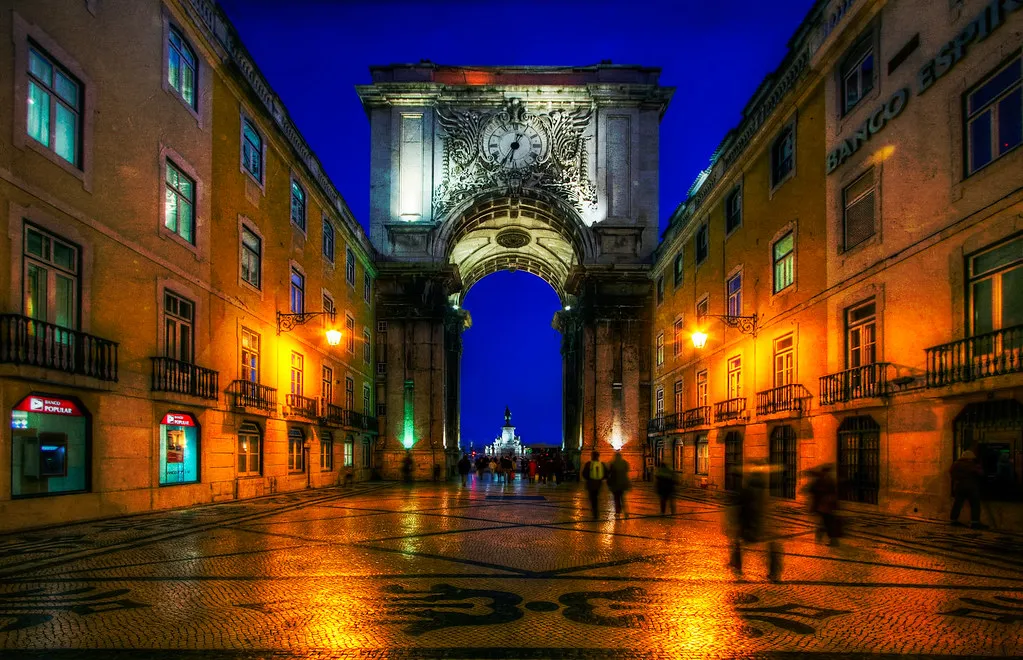
- Housed in a former government building on the city's most grand square, this club offers a cavernous techno experience.
- The minimalist industrial design contrasts beautifully with the 18th-century architecture visible just outside the doors.
- Expect to pay around €15 to €25 for entry, with prices rising for major international headliners.
- Take the green metro line to Terreiro do Paço for the easiest access to this central nightlife landmark.
- The sound system here is widely considered one of the crispest in Portugal for fans of pure electronic beats.
- Incognito Alternative Príncipe Real Hideaway
- This long-running basement club is a sanctuary for fans of 80s synth-pop, indie rock, and alternative dance music.
- The door is famously unmarked, adding a sense of discovery for those who manage to find the buzzer.
- Costs are very reasonable here, with entry usually around €10 including a drink for most of the night.
- It sits in the upscale Príncipe Real district, making it a perfect follow-up to a sophisticated cocktail nearby.
- Wear comfortable shoes because the small dance floor is almost always packed with a friendly, non-pretentious crowd.
- Park Rooftop Bairro Alto Sunset Lounge
- Perched atop a functional multi-story parking garage, this garden-style rooftop offers the best sunset views in the city.
- While it transitions into a clubby vibe at night, it is the perfect place for early evening deep house.
- There is usually no cover charge, but drink prices are slightly higher than the street-level bars in Bairro Alto.
- Access the venue via the elevator inside the parking lot on Calçada do Combro for a hidden-gem feel.
- Visit Park Rooftop early to snag a seat before the crowds arrive for the 9pm rush.
- Trumps LGBTQ+ Icon in Príncipe Real
- This is one of the largest and most famous gay clubs in Portugal, featuring two rooms of pop and house.
- The drag shows here are legendary for their high production value and energetic local performers.
- Entry typically costs between €10 and €20, and the venue welcomes a very diverse and inclusive crowd.
- It is located just a short walk from the Rato metro station in the heart of the queer nightlife district.
- Saturday nights are the busiest, so try arriving before 1am to avoid the longest lines on the sidewalk.
- Pavilhão Chinês Quirky Bairro Alto Museum Bar
- This venue is more of a living museum than a traditional club, filled with thousands of vintage toys and curiosities.
- It offers a sophisticated, low-energy alternative where the focus is on expertly crafted cocktails and deep conversation.
- There is no cover charge to enter, but you are expected to order from their extensive and creative drink menu.
- The atmosphere at Pavilhão Chinês is perfect for a mid-night break from the loud bass of the dance floors.
- Ring the doorbell to be let in by the waitstaff dressed in traditional red waistcoats for a touch of class.
- Dock's Club Riverside Mainstream Party
- Situated in the Alcântara docks, this large venue caters to a more mainstream crowd with pop, R&B, and hits.
- The outdoor terrace provides a great space to cool off while watching the ships pass on the Tagus River.
- Entry fees usually hover around €15 to €25, and they frequently offer special deals for ladies' nights.
- This is a great spot for groups or hen nights looking for a recognizable soundtrack and plenty of space.
- The dress code is slightly more formal here, so avoid trainers and sportswear to ensure you get inside.
- Grémio Literário Historic Chiado Private Guild
- For a truly unique experience, this private club offers a glimpse into the 19th-century intellectual life of Lisbon.
- While it primarily hosts private events, its garden and library are occasionally open for sophisticated cultural gatherings.
- Check their official site for event access, as it remains one of the most exclusive addresses in the Chiado district.
- The nearby Circulo Eça de Queiroz maintains a strict 202-member limit to honor the year the famous author died.
- Visit this area if you want to see the aristocratic side of Portuguese social life away from the neon lights.
- Clube de Fado Authentic Alfama Experience
- No night in Lisbon is complete without hearing the soulful, melancholic sounds of traditional Fado music.
- This venue in the historic Alfama district offers a high-end dinner and show that captures the city's ancient spirit.
- Expect to spend €30 or more per person for the experience, which usually includes a full Portuguese meal.
- It is a low-energy but high-emotion way to start your evening before heading to the modern clubs.
- Book your table at least a week in advance, especially if you are visiting during the busy spring or summer.
Bairro Alto: Where the Night Comes Alive
Bairro Alto is the bohemian heart where the evening begins, characterized by its 'standing room only' street culture across roughly 120 tiny bars packed into a few narrow blocks. The energy builds from around 9 PM and peaks between midnight and 2 AM, when the bars legally shut their doors and the crowd either walks downhill or keeps partying on the cobblestones. You can grab a cheap cocktail at Maria Caxuxa on Rua da Barroca for its retro 1970s vinyl vibe, or step inside Pavilhão Chinês for a museum-style cocktail experience.
A local warning worth heeding: several Bairro Alto bars are notorious for watering down cocktails, so buy one test drink before ordering a round for the group. Stick to the backstreets north of Praça Luís de Camões where the density of bars is highest; standouts include A Capela, The Old Pharmacy, and Pub Português. Expect to pay €3-5 for a beer and €6-9 for a caipirinha poured into a plastic cup.
I recommend moving on by midnight as the area can become overly congested with younger tourist crowds. The natural next stop is the walk downhill to Cais do Sodré, which takes about eight minutes via Rua do Alecrim. Alternatively, head south to the Miradouro de Santa Catarina for a quick breather and a view over the river before the next leg of the night.
Cais do Sodré: Riverside Revelry and Pink Street
Cais do Sodré was Lisbon's red-light district until the early 2010s, and that scruffy edge still defines its nightlife today. The iconic Rua Nova do Carvalho, painted bubblegum pink in 2011 as part of an urban regeneration project, is now the visual centerpiece of the area. Bars here transition into clubs around 1 AM and stay open until 6 AM, making this the neighborhood where the real dancing happens.
Pensão Amor is the crown jewel of the strip, housed in a former 1970s brothel with mirrored ceilings, erotic art, and a burlesque program that runs most weekends. Across the street, Sol e Pesca is a converted fishing tackle shop serving tinned sardines and vinho verde at the same prices locals pay, a genuinely weird Portuguese experience that few tourists find. The Red Frog speakeasy nearby has held a spot in the World's 50 Best Bars list for several years running — press the small red frog symbol on the wall to enter.
The energy here is infectious, but be wary of the generic bars on the main strip that aggressively solicit tourists with overpriced 'giant' beers. If you're tempted by K Urban Beach Club next door, note that the door policy is famously fickle and has ruined many a group's night. Stick to Musicbox under the arches for the most consistent late-night dance floor in the city.
Príncipe Real: Upscale and LGBTQ+ Friendly Spots
Príncipe Real sits just uphill from Bairro Alto and operates at a completely different tempo. This is Lisbon's most affluent nightlife neighborhood and the long-established heart of the LGBTQ+ scene, anchored by Trumps (the largest gay club in Portugal) and the smaller, sweatier Finalmente Club famous for its 3 AM drag shows. The trade-off is clear: drink prices run 20-40% higher than Bairro Alto, but the crowds are thinner, the music is curated, and the door staff actually check what you're wearing.
The cocktail scene here is where Lisbon competes with Berlin and London. Cinco Lounge holds a menu of over 100 drinks and is regularly cited among Portugal's best bars, while Foxtrot, an Art Deco basement speakeasy styled after 1920s America, has been delighting locals since 1978. For craft cocktails with a view, head to the rooftop at the Memmo Príncipe Real hotel on Rua Dom Pedro V.
This district pairs beautifully with Chiado-based dinner reservations or a pre-midnight drink before descending into the chaos of Bairro Alto. If you want a night that stays civilized, you can happily stay in Príncipe Real from 10 PM until 3 AM without ever stepping onto Pink Street. It is also noticeably safer for solo travelers and small groups who find the density of Cais do Sodré overwhelming.
Parque das Nações: Modern Nightlife and Large Venues
Built for the 1998 World Expo on Lisbon's eastern riverfront, Parque das Nações feels like a completely different city after dark. The architecture is glass and steel rather than 18th-century tile, and the nightlife reflects that with larger venues, sleeker crowds, and a heavier lean toward commercial music than the historic districts. The red metro line runs direct to Oriente station from the city center in under 20 minutes.
Lust in Rio is the anchor of the area, combining a Brazilian-accented restaurant, cocktail bar, and full club on a waterfront terrace. The dance floor kicks off around midnight with a mix of commercial hits, house, and Latin rhythms; expect a slightly dressier crowd than you'd find in Bairro Alto. For electronic music purists, Mome is the local favorite for deep house and techno, often hosting underground parties that stretch until 8 AM.
This neighborhood makes the most sense if you're staying in an Expo-area hotel or if the weather is warm enough to enjoy the outdoor riverside terraces. Otherwise, the commute back to central districts after 3 AM can be awkward unless you plan ahead with a rideshare or a night bus. I generally recommend saving Parque das Nações for a Saturday when you want space to breathe rather than the sardine-packed intensity of Pink Street.
Fado: A Unique Lisbon Night Out
Before the dance floors even open, many locals begin the night with a Fado dinner in Alfama or Mouraria. Fado is Portugal's UNESCO-recognized genre of melancholic folk song, traditionally performed by a single vocalist (the fadista) backed by a 12-string Portuguese guitar. The music is intentionally slow, emotional, and utterly wrong for dancing — this is a dinner-and-listen experience, not a pre-game.
Clube de Fado and Casa de Linhares are the two best-known houses in Alfama, both offering a full Portuguese dinner plus three sets of live Fado for €45-70 per person. For a grittier, more authentic experience at roughly half the price, Tasca do Chico is a cramped standing-room house on Rua do Diário de Notícias where locals actually outnumber tourists. Book at least a week in advance during spring and summer, as Fado houses sell out early.
The trade-off with Fado is cultural depth versus energy. You are trading the pounding bass of Lux Frágil for a deeply moving two-hour performance that will stick with you long after your trip ends. The practical move is to schedule Fado for 8 PM to 10:30 PM, then walk 10 minutes to Cais do Sodré to pivot directly into the club scene at its peak. This hybrid approach is how many locals structure a Friday or Saturday night.
Birthdays, Hen Nights, and VIP Table Booking
Groups celebrating birthdays, bachelor parties, or hen nights often default to booking VIP tables, but in Lisbon this is usually unnecessary. At Lux Frágil, a bottle-service table for six starts at €400-500 with a two-bottle minimum, guaranteeing queue-skip entry and a reserved area. At Dock's Club or Lust in Rio, packages run €300-400 and include a dedicated host. These are reasonable splurges for a 10-person group but overkill for couples or trios.
For most travelers, a guestlist or early arrival works just as well. Most clubs in Lisbon only get strict on door policy after 1 AM; if your group shows up at 11:30 PM or midnight, entry is usually automatic with the standard €15-30 cover charge. Concierge services like Clubbookers can arrange bottle service and skip-the-line access, but the markup (often 20-30%) means you trade authenticity and cost savings for convenience.
The honest rule of thumb: book a VIP table only if the group is 8+ people, if you are specifically celebrating something, or if you refuse to queue. For everyone else, arrive by midnight, tip the door staff €5 if the line is long, and save the €400 for cocktails and late-night bifana sandwiches at the 24-hour stalls around Cais do Sodré.
Guided Pub Crawls for Solo Travelers
Solo travelers and small groups often struggle to break into Lisbon's club scene because the energy is so social; walking into a sweaty Musicbox alone can feel like crashing someone else's party. Organized pub crawls and guided nightlife tours solve this by providing an instant group of 20-40 international travelers, plus a local guide who knows which bars are actually worth your time on any given weeknight.
Tipsy Tours runs the most popular option, typically €35-45 per person including welcome drinks at three Bairro Alto bars and guestlist entry to a Pink Street club. Lisbon Chill-Out Pub Crawl is the backpacker standard at €20-25, heavier on the drinking games and lighter on the curation. Both start around 9 PM and run until roughly 1 AM, by which point you've made friends with enough people to continue the night on your own.
The value here is social, not financial — you will spend roughly the same on a pub crawl as you would on an unguided night, but you'll end up with a travel group rather than drinking alone. This is the highest-leverage move for first-time solo visitors, especially on a Wednesday or Thursday when the city is less busy and the bars have more room for conversation.
What to Wear: Dress Codes by Venue Tier
Lisbon's dress codes are lenient by European standards, but there is a clear hierarchy that matters at the door. Dive bars in Bairro Alto and Cais do Sodré will admit anyone in clean clothes — jeans, t-shirts, and sneakers are genuinely fine, and overdressing here actually reads as awkward. For the Pink Street side bars and mid-tier clubs like Musicbox or Incognito, aim for smart-casual: dark jeans, a button-down or a nice top, and closed-toe shoes that can handle a sweaty dance floor.
The upper tier — Lux Frágil, Ministerium Club, Trumps on Saturday, and the Parque das Nações venues — requires genuine effort. Men should wear chinos or dark jeans with a stylish shirt and leather shoes; women can go for dresses, stylish tops, or well-cut trousers with elegant footwear. Avoid these across all tiers: football jerseys, athletic shorts, flip-flops, shirts with large branded logos, and Birkenstock sandals. A bouncer at Lux turned away three of my friends in 2024 for wearing the same Adidas track pants that would have passed at any Berlin club.
The weather plays a role too. Lisbon summers are hot and humid, so bring a thin long-sleeve you can layer over a tank for the door and remove once inside. Winter nights drop to 8-12°C, and the walk between Bairro Alto and Cais do Sodré is cold without a jacket. Most clubs have coat check for €1-3, which is worth every cent.
Getting Home After 3 AM: Using Lisbon's Night Bus Network
The Lisbon metro closes at 1 AM sharp, which is exactly when most clubs are hitting their stride. Almost every nightlife guide tells you to default to Uber or Bolt, and surge pricing from Cais do Sodré to Lux between 3 and 5 AM regularly hits €12-18 on weekends. What these guides miss is that Carris operates a full night bus network called Rede da Madrugada, which runs roughly every 30 minutes from midnight until 5 AM for €2.10 onboard or €1.85 with a Navegante card.
The most useful lines for clubbers are the 201 and 208 (Cais do Sodré to Oriente via Alcântara, passing near Lux Frágil and Dock's Club), the 202 (central Lisbon to Parque das Nações), and the 206 (Cais do Sodré to Algueirão via Benfica). Boarding happens at clearly marked stops on Praça do Comércio, Cais do Sodré station, and Marquês de Pombal. Buses are heated in winter, have CCTV, and are genuinely safe; I have used them dozens of times at 4 AM without incident.
The trade-off versus rideshare is time, not safety — a night bus from Lux to central Lisbon takes about 25 minutes versus 10 in an Uber, but it saves you €10-15 each trip. Download the Carris app before you go out and screenshot the route map, because mobile data can be spotty inside thick-walled clubs. This single piece of local knowledge will save a party of four roughly €40 per weekend night.
Practical Tips: Timing, Entry Cards, and Late-Night Food
Timing is the most common mistake visitors make when exploring the local club scene. If you show up at a major club like Lux before 1 AM, you will likely find an empty dance floor and a confused staff. The real party only begins to peak between 3 AM and 5 AM, so plan your afternoon nap accordingly. Many clubs stay open until the sun is high in the sky, especially on Friday and Saturday nights.
Entry fees are standard at most proper clubs and usually range from €10 to €30. It is common for this fee to be 'consumable,' meaning you get a card or ticket worth a certain amount of drinks. Keep your entry card safe, as losing it can result in a maximum charge fine of €50-100 when you try to leave. A small paper card lost on a sweaty dance floor has ruined more than one cheap night out in Lisbon.
Late-night food is its own ritual. The bifana (a thin roast pork sandwich in a crusty roll) is the classic 4 AM cure, available at the 24-hour kiosks around Cais do Sodré for €3-4. Pastéis de nata from the Manteigaria near Time Out Market are available until 1 AM, and the hot dog stands around Praça Luís de Camões stay open until sunrise. Check out the best bars in Lisbon for a pre-club drink to save money on venue prices.
Is Lisbon Nightlife Expensive?
Compared to cities like Paris or Ibiza, Lisbon offers incredible value for nightlife enthusiasts. A large beer in Bairro Alto can still be found for under €3, while cocktails in clubs typically cost between €10 and €15. Bottle service and VIP tables are available for those who want comfort, but they are not a requirement for a good time. Budget travelers can easily have a full night out for under €40 if they start with street drinks, take the night bus home, and skip cover by arriving before midnight.
The cost of getting around at night is also relatively low thanks to the abundance of ride-sharing apps and the Rede da Madrugada bus network. A trip from the city center to the Alcântara clubs rarely exceeds €10 via Uber, even during peak surge pricing. Public transport night buses are significantly cheaper at under €2.10. Always carry a bit of cash, as some of the smaller bars in the older districts may have a minimum card spend of €10.
For those traveling solo, joining a guided tour can be a cost-effective way to see the best spots without the guesswork. These social crawls often include skip-the-line entry and welcome drinks, which can pay for the tour itself. You can find more detailed pricing in our best rooftop bars in Lisbon guide for high-end options. Overall, the city remains a top-tier destination for those who want a world-class party without the world-class price tag.
Frequently Asked Questions
What time do clubs open in Lisbon?
Most major clubs open their doors around 11:00 PM or midnight. However, the dance floor rarely fills up before 2:00 AM, as locals prefer to linger at bars first. The party usually continues until 6:00 AM or later.
Is there a dress code for Lisbon clubs?
Dress codes depend on the venue's vibe. Casual attire is fine for Bairro Alto, but upscale clubs like Lux Frágil require a stylish, fashion-forward look. Avoid sportswear and flip-flops to ensure entry at most dance venues.
Are Lisbon clubs expensive?
Lisbon is quite affordable compared to other European capitals. Expect entry fees between €10 and €30, which often include a drink credit. You can find more details in our Portugal nightlife guide for regional comparisons.
Lisbon's nightlife is a vibrant, evolving organism that rewards those who are willing to explore beyond the tourist maps. By following the natural hill-to-river progression, you can experience the full spectrum of the city's nocturnal energy. From the soulful echoes of Fado to the pounding techno of the waterfront, there is a rhythm here for every traveler. Pack your most comfortable dancing shoes and prepare for a night that likely won't end until the sun rises over the Tagus.


