
10 Best Gdansk Clubs & Nightlife Experiences
Gdańsk runs three parallel nightlife scenes inside one compact coastal city. The Old Town hides clubs inside Renaissance townhouses and a WWII bunker, the Shipyards have converted steel warehouses into container bars, and neighbouring Sopot still plays the role of mainstream party capital for the whole Tri-City. Where you base yourself decides the kind of night you get.
This guide maps the venues that matter for 2026, the realistic entry fees in PLN, and the logistical traps that catch first-timers — last trains back from Sopot, cash-only container bars, and districts that swap character between midnight and 02:00. Start with the Gdansk nightlife overview if you need broader context, then come back here to pick specific venues.
Top Gdansk Nightclubs
Most of the core dance floors cluster inside the Main Town (Główne Miasto), within a 10-minute walk of Długi Targ. That keeps a bar hop realistic even in Baltic winter weather. Expect soft door policies at the door — photo ID is checked, flip-flops and tracksuits are refused, but smart-casual jeans and trainers clear the bouncer almost everywhere outside the rooftops.
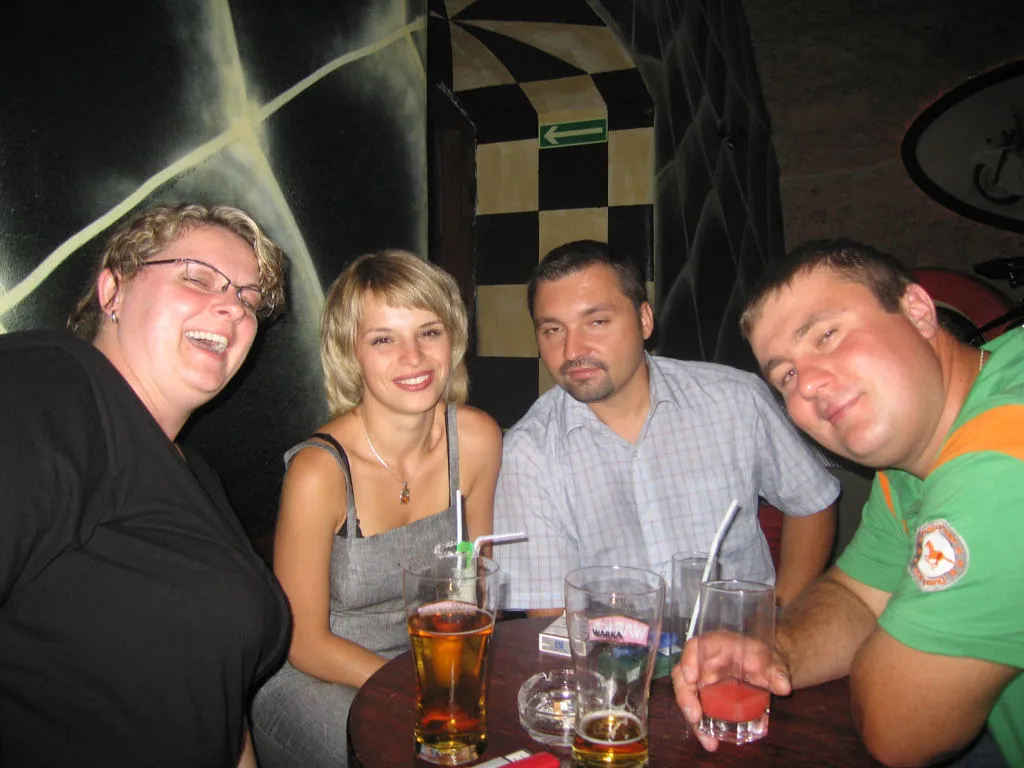
Bunkier Klubogaleria at Olejarna 3 is the signature venue — six floors built inside a surviving air-raid shelter, each floor running a different genre from commercial pop upstairs to drum & bass and techno in the lower bunker levels. Walls are metre-thick concrete, which is why it can run louder than anywhere else in the Old Town without neighbour complaints. Entry sits around 20–40 PLN on weekends, occasionally free before 23:00 with a flyer from nearby hostels.
Klub Muzyczny Parlament at Św. Ducha 2 is the three-floor workhorse of the scene, programming touring DJs and live concerts on rotation. It draws a student-heavy crowd midweek and a mixed tourist-local weekend crowd. Protokultura (also branded as B90) sits in the shipyards rather than the Old Town — it only opens for specific events, holds up to 1,500 people, and is worth checking in advance because when it is on, it is the biggest thing happening that night. For a stylish alternative, SASSY delivers rooftop lounge with a smart-casual dress code, higher cocktail prices around 30–50 PLN, and views over the Motława cranes.
The student-priced counterpart is Akademicki Klub Politechniki Gdańskiej „Kwadratowa" inside the Polytechnic campus in Wrzeszcz. Entry can be under 20 PLN, the beer sits under 10 PLN, and the line-ups lean rock, indie and alternative rather than commercial house. It is the single biggest gap in most tourist guides to the city.
- Bunkier Klubogaleria — multi-level WWII shelter, electronic and techno focus, 20–40 PLN entry.
- Klub Muzyczny Parlament — three floors, live concerts plus DJ nights, around 20–30 PLN.
- Protokultura / B90 — event-only megaclub in the shipyards, ticketed shows.
- SASSY — rooftop cocktail club, smart-casual, entry up to 60 PLN on DJ nights.
- Kwadratowa — Politechnika student club, the cheapest reliable door in the city.
Live Music Spots in Gdansk
Live music in Gdańsk is genuinely strong for a city this size — the shipyard legacy left behind large industrial halls that were cheap to convert into concert venues, which is why B90 and Stary Maneż both host mid-size international tours. Check Poland nightlife listings or venue Facebook pages about a week ahead, since most shows sell out at the door on Friday and Saturday.
Gazeta Rock Café in the Old Town is the reliable rock-and-roll meeting point, walls layered in memorabilia and a programme of local bands plus Polish rock tributes. Bruderschaft Pub at Chlebnicka 35/36 runs a Vinyl Tuesday night that pulls a loyal regulars crowd — low-pressure, craft beer, often free entry. Pro'Rock Pub near the waterfront plays rockier and heavier bills.
For something larger and ticketed, Stary Maneż in the Garnizon complex programs jazz, folk and indie acts inside a restored 19th-century riding hall; the attached Browar Vrest runs daily Happy Hours from 16:00 to 19:00 with half-price beer, which is a useful pre-show warm-up. Hard Rock Cafe Gdansk on Długi Targ is the tourist-friendly option and publishes its 2026 live schedule online.
Gdańsk Shipyards: Industrial Party Hubs
The shipyard district — Stocznia Gdańska, where Solidarity was born — is the single biggest shift in the city's nightlife over the last decade. Former assembly halls and shipping containers have been repurposed into two main clusters: Ulica Elektryków (Electricians' Street), where Lech Wałęsa once worked as an electrician, and the 100cznia container compound just up the road.
Ulica Elektryków runs the edgier programming. Drizzly Grizzly is the anchor club, balancing live bands with heavy electronic nights. Plener 33 opens at the rear as an open-air summer venue lined with street-food vendors and a small stage, usually from May through September. The vibe is post-industrial rather than polished — expect exposed pipework, graffiti, and bonfire braziers in shoulder season.
100cznia, a few steps away, stacks shipping containers around an artificial-beach courtyard. It is the softer, family-friendly afternoon option that turns into a bar crawl by 22:00. Street food runs 20–40 PLN a plate, beers are 12–16 PLN, and open-air cinema nights populate the summer schedule. Elektryków and 100cznia are best from late April through early October; in winter the programme shrinks to indoor-only stages, and you are better off in the Old Town.
Sopot: The Mecca of Nightlife
Gdańsk is great for bars and live music; Sopot is where the Tri-City actually goes to party. The 12 km between them is covered by the SKM commuter train in about 20 minutes, which means most partygoers treat Sopot as an extension of Gdańsk rather than a separate trip. The action is concentrated on ulica Bohaterów Monte Cassino — locally shortened to "Monciak" — a pedestrian strip running inland from the pier.
The heavyweight Sopot clubs for 2026 are Sfinks 700 (concerts and themed electronic nights), Dream Club (mainstream dance floors, later closing), Unique Club & Lounge and TAN Nightclub (both clubbier, Monciak). Beach bars on the sand west of the pier open from May onwards; a drink costs around 20–25 PLN and most spots play lounge house until sunset before switching to DJs. Cover at the main clubs sits between 10 and 30 PLN, slightly cheaper than equivalent Gdańsk venues.
Getting back is the piece most tourists underestimate. The SKM runs roughly every 10–15 minutes during the day but drops to hourly between about 23:00 and 04:30 on the overnight timetable, and some gaps exceed 90 minutes. A Bolt or Uber ride from Sopot to Gdańsk Old Town runs 40–70 PLN — worth budgeting in advance if you plan to close a club at 04:00.
Pijalnia Wódki I Piwa & Shot Bar Culture
No guide to Gdańsk clubbing is complete without Pijalnia Wódki i Piwa — a national chain of shot bars styled like a socialist-era milk bar, with formica tables, retro posters, and a deliberately cheap menu. A flavoured vodka shot typically costs 4–8 PLN, and a beer sits around 8–10 PLN, which is half what you pay in a proper club. The Gdańsk branches on Długi Targ and Piwna run 24 hours on weekends.
The food menu is intentionally minimal and Polish — pickled herring, steak tartare, żurek (sour rye soup), pickles straight from the jar — and is designed as cushioning between drinks rather than a meal. Regulars order a shot plus a chaser plus a herring dish as a set and move on within 20 minutes; it is a pit stop, not a destination.
Other budget-drink bars worth knowing are Setka and Bar Prolog — similar ethos, smaller chains, often fewer tourists. Combined, these places are the reason a long night out in Gdańsk rarely tops 150 PLN per person on drinks, even if you hit three or four venues.
Nightlife Costs in Gdansk
Gdańsk is roughly half as expensive as Berlin, Amsterdam or Barcelona for a comparable night and about 20% cheaper than Prague or Budapest. A realistic weekend budget runs 120–200 PLN per person (approximately 28–47 EUR) if you stick to Old Town clubs and shot bars. Add another 50–100 PLN if you cross to Sopot for a headline club night.
Typical 2026 prices look like this: a Polish beer on tap is 12–18 PLN in a mainstream bar, a craft pint is 16–22 PLN, a basic cocktail is 25–35 PLN, and a premium cocktail at a rooftop like SASSY or Sky Bar hits 40–55 PLN. Club entry is 20–40 PLN on Friday and Saturday, often free before 23:00 at Bunkier and Parlament. Rooftops and guest-DJ nights charge up to 60 PLN.
Cards are accepted everywhere in the Old Town, including by most street-food stalls. The shipyard container bars are less consistent — 100cznia vendors are usually card-friendly but some smaller Elektryków stalls still run cash-only or enforce a 20 PLN minimum on cards. Pull 200 PLN cash from a bank ATM (Euronet kiosks charge worse rates) before heading to the shipyards on a Saturday night.
Best Areas for a Pub Crawl
Gdańsk rewards a deliberate district strategy. Each of the three main nightlife zones has a personality that only really shows up after 22:00, and hopping between them by tram or Bolt costs under 15 PLN.
The Old Town (Główne Miasto and Stare Miasto) is the classic starter circuit. Begin at the Golden Gate, walk Długa and Długi Targ, and detour down Piwna and Chlebnicka for craft bars. You will hit Pijalnia, Brovarnia, Bruderschaft, Bunkier and Parlament inside a 700-metre radius. This is the safest, most lit, most tourist-friendly option.
Wrzeszcz, about 3 km northwest and accessible by SKM or tram lines 2, 6 and 8, is the local craft-beer neighbourhood — Garnizon complex, Stary Maneż Browar Vrest, Piwoteka, Stacja Food Hall on the top floor of Galeria Metropolia. It runs cheaper and more authentic than the Old Town but dies earlier, so plan Wrzeszcz as a 19:00–midnight leg and taxi back to the centre afterwards. The Shipyard circuit (Elektryków + 100cznia) is best after 21:00 and peaks around 01:00; keep this zone seasonal, roughly May through September.
Nightlife for Adults (40+ Scene)
The Tri-City has a genuine silver-club scene that most English-language guides skip entirely. These are not quiet wine bars — they are full dance floors running 70s, 80s and 90s hits for an over-40 crowd that wants to actually dance, just without the 19-year-old mosh.
Wydział Remontowy in Gdańsk leans industrial and hosts the cult "Walka Dekad" (Battle of Decades) parties mixing Abba, Queen, Modern Talking and 90s Polish disco-polo. Gorzko Gorzko runs wedding-style dance nights with a live host and familiar hits — unfussy and high-energy. Absinthe on Sienna Groble is open until 06:00, charges no entry fee, and leans toward a mixed 30–50 age range. Olivia Star Top, on the roof of the Olivia Star tower in Oliwa, is the elegant option: smart-casual dress code, panoramic city views, and 80s/90s playlists in a high-end setting. Kapitan Cook keeps the same era but in a more relaxed, slower dance vibe.
If you want a quieter night rather than a dancing one, Brovarnia Gdańsk in an 18th-century riverside granary is the go-to craft-beer destination — award-winning dark beer brewed on-site, hearty Central European food, no dancing. Sky Bar at the Holiday Inn is the rooftop cocktail alternative, and wine bars on Mariacka Street, like Literacka, give you cobblestone terraces for a quieter evening. Many of the 40+ dance clubs run free entry or discounts for women and for guests visibly over 40 — always worth asking at the door.
Unique Party Ideas in Gdansk
If a straight club night feels repetitive, Gdańsk leans into two specific alternatives that are stronger here than in most Polish cities. The first is boat parties on the Motława — evening cruises of two to three hours that include a DJ, a couple of drinks, and a loop past the illuminated cranes and Ołowianka island. Tickets sit around 90–150 PLN depending on season and open-bar options.
The second is vodka and craft-beer tasting tours. A vodka tasting typically costs 99 PLN per person, includes seven shots at four different bars, and comes with a Polish snack platter and a local guide; a craft-beer tour runs 99–199 PLN and usually takes 2–4 hours with English-speaking guides. Both are popular with stag and hen groups but work well for curious solo travellers too.
For something lower-key, Café Absinthe in the centre keeps a collection of ten-plus absinthe varieties and stays open past 06:00. Karaoke nights at Red Dog Saloon, and themed 80s or tropical nights advertised on Facebook a few days ahead, are the floor of the pop-up scene. A general-purpose pub crawl with English-speaking hosts starts around 80 PLN including shot deals at four or five venues.
Planning Your Night Out
Gdańsk is a safe city by European standards — lit, policed, walkable — but treat the basics seriously. Use licensed taxis (Neptun and Hallo Taxi are the established brands) or app-based rides like Bolt, Uber and FreeNow rather than unmarked cars waiting at club doors. The official city portal publishes verified transport and event information if you want a baseline reference.
Dress codes scale predictably: shipyard container bars accept anything including hoodies and trainers, Old Town clubs require smart-casual (jeans, closed shoes, clean shirt), rooftops like SASSY and Olivia Star Top expect a blazer or a dress. Bouncers check ID strictly — the drinking age is 18 and they will enforce it. Carry photo ID even if you look 35; a driving licence or passport copy is fine.
Public transport is genuinely useful until about 23:00, after which night buses on the N lines cover the main corridors but run roughly once an hour. The SKM to Sopot thins out past 23:00 and has overnight gaps — if you plan to close a Sopot club, budget for a 40–70 PLN taxi back to Gdańsk. Pay in zloty only (EUR and GBP are refused everywhere); for cash, use bank-branded ATMs rather than the yellow Euronet kiosks, which can mark up rates by 10–15%.
Frequently Asked Questions
What are the most popular clubs for people over 40 in Gdańsk?
Mature travelers often prefer sophisticated venues like SASSY or Brovarnia Gdańsk. These spots offer a more relaxed atmosphere and high-quality drinks without the intense noise of student clubs. Sky bars and wine lounges in the Old Town are also excellent choices for this demographic.
What is the average entry fee for clubs in Gdansk?
Most clubs charge between 20 and 40 PLN for entry on weekend nights. Some venues offer free admission for women or early arrivals before midnight. High-end rooftop lounges may charge up to 60 PLN depending on the event and guest DJ.
Is it safe to walk around Gdansk at night?
Gdańsk is generally considered a very safe city for tourists at night. Stick to the main streets in the Old Town and avoid poorly lit industrial areas alone. Using a registered taxi service or rideshare app is recommended for late-night travel.
How do I get from Gdansk to Sopot for nightlife?
The most efficient way is taking the SKM commuter train which runs frequently between the two cities. The journey takes approximately 20 minutes and tickets are very affordable. Taxis and apps like Bolt or Uber are also available for door-to-door service at night.
What should I wear to clubs in Gdansk?
Most venues follow a smart-casual dress code, so jeans and a clean shirt are usually sufficient. Avoid wearing sports clothes or very casual beachwear to ensure entry into major nightclubs. Some high-end lounges may require more formal attire like a blazer or dress.
Gdańsk works best as a three-zone nightlife city: Old Town for landmarks and genre-mixing clubs, Wrzeszcz for craft beer and student prices, and the Shipyards for summer industrial parties — with Sopot as the high-volume weekend finale. The budget stays low by European standards, the venues are genuinely distinct, and the 40+ silver-club scene is better than almost any city of comparable size.
Plan your route by district, carry a little cash for the shipyard containers, and check the last-train timetable before committing to a Sopot closing set. Done right, a night in Gdańsk costs a third of Western Europe and delivers twice the variety.