

Best Pubs in Berlin: A Local Guide to Top Spots
Berlin's drinking culture splits into three traditions a traveler should understand before picking a bar. Eckkneipen are the corner pubs of old working-class Berlin, where regulars hold court at reserved Stammtisch tables and a Pilsner costs 3.50 to 4.50 euros. Brewpubs and Bavarian-style beer halls cater to larger groups with house-brewed Helles and full meals. Craft taprooms in Wedding, Mitte and Prenzlauer Berg round out the scene with Berliner Weisse, IPAs and rotating guest taps.
This guide picks eleven venues that together cover every category, and groups them by Kiez (neighborhood) so a pub crawl stays walkable. Each entry flags cash-only policies, smoking status and the specific beer to order. If you want to pair these stops with dinner and a club finish, check the berlin nightlife guide for a full evening plan.
Prater Garten: Berlin's Oldest Beer Garden
Prater Garten in Prenzlauer Berg opened in 1837, making it the oldest continuously operating beer garden in the city. The chestnut-tree courtyard at Kastanienallee 7-9 seats around 600 people and runs April through September, weather permitting. A half-litre of Prater Pils runs 4.50 euros in 2026 and the kitchen serves Currywurst, pork knuckle and pretzels at beer-hall prices.
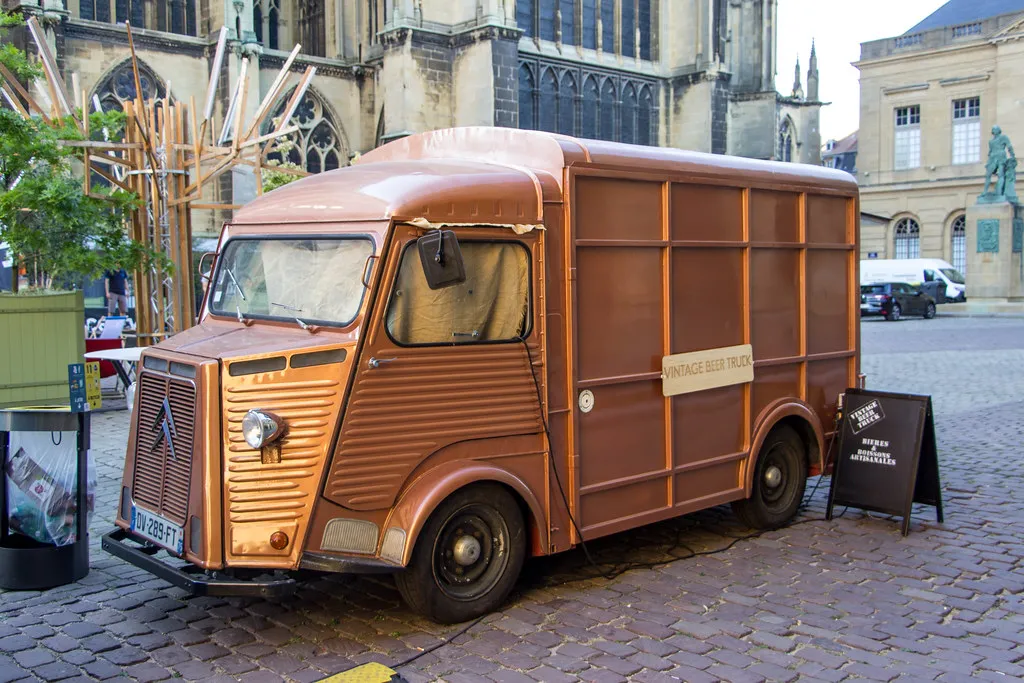
You order at the self-service counter, and your glass carries a 2-euro Pfand (deposit) returned when you hand the empty back. A year-round Gaststube (tavern room) behind the garden stays open through winter with hot Glühwein in December. This is a good starting point for a Prenzlauer Berg crawl — Kollwitzplatz and Schönhauser Allee are a ten-minute walk.
Zur Letzten Instanz: A Medieval Mitte Landmark
Often billed as the oldest pub in Berlin, Zur Letzten Instanz traces its foundations to 1621 and sits against a preserved section of the medieval city wall on Waisenstrasse 14-16. Napoleon Bonaparte reportedly dined by the green tiled stove that still anchors the dining room, and the name (The Last Instance) is a nod to the nearby courthouse where lawyers once brought their clients to drown their verdicts. Expect wood panelling, low ceilings and a menu built on Berlin classics: Eisbein, Boulette and Kasseler.
Two practical warnings locals will give you. This pub is historically cash-only for small bills, though as of 2026 it does accept cards for dining bills above 30 euros — keep 50 euros cash for a safe round. Reserve a table online if you arrive between 18:00 and 20:00, especially on Friday and Saturday, because walk-ins get turned away when the two dining rooms fill. A Schultheiss Pilsner is the correct order here.
Dicke Wirtin: Traditional Comfort in Charlottenburg
Dicke Wirtin (The Fat Landlady) on Carmerstrasse 9 is the classic West Berlin Kneipe experience, two minutes from Savignyplatz S-Bahn. Twenty Schnapps varieties line the back bar, the walls carry black-and-white photos of old Charlottenburg, and the kitchen runs late — you can get Königsberger Klopse or a bowl of Soljanka soup until 01:00. Prices are honest: a small Pilsner is 3.50 euros, a large Berliner Weisse with raspberry syrup 5.00 euros.
The crowd skews older than Friedrichshain, with regulars who have been coming since the 1980s. Service is brisk rather than warm, which is the West Berlin norm, not rudeness. Smoking is not permitted inside because the pub serves hot food — the 2007 Berlin smoking law only exempts single-room Kneipen under 75 square metres that serve no cooked meals. If you need a cigarette, the front terrace stays open year-round.
Hofbräu Berlin: A Bavarian Escape in Mitte
Hofbräu Berlin on Karl-Liebknecht-Strasse 30 is the 3,000-square-metre outpost of Munich's Hofbräuhaus, and yes, it is a tourist machine — but the beer is poured correctly and the 1-litre Mass of Hofbräu Original costs 11.90 euros in 2026, cheaper than most central rooftops. Oompah bands play from 19:00 Tuesday through Saturday, the menu runs to full roast knuckle and Weisswurst, and the vaulted timber hall seats around 1,000. Reservations through the website are essential on Friday and Saturday evenings.
This is not a substitute for an authentic Berlin experience, but it is a useful one-stop for large groups, visiting relatives, or travellers who want a predictable Bavarian night out without flying to Munich. The adjacent Lustgarten and Berlin Cathedral make it a natural stop on a Mitte sightseeing day.
Eschenbräu: The Craft Pioneer of Wedding
Eschenbräu on Triftstrasse 67 is tucked in a leafy Wedding courtyard and brews a rotating line of Kellerbier, Pils, Dunkel and seasonal Dampfbier on site. Glasses start at 3.80 euros for a half-litre, the garden seats 150 under chestnut trees, and the brewery distills its own spirits downstairs (ask for the house Weizenbrand). The address confuses first-timers — walk through the apartment-block archway and the biergarten opens behind the courtyard.
The you-bring-the-food rule is unusual and worth planning around. Eschenbräu does not operate a full kitchen; instead, guests are welcome to carry in takeaway from the Turkish grills on nearby Müllerstrasse, and the staff will provide plates and cutlery free of charge. Frozen pretzels and tarte flambée are available if you arrive empty-handed. This is pure Wedding: unpretentious, cheap and run by brewers, not marketers.
Brauhaus Georgbraeu: Riverside Pints in Nikolaiviertel
Brauhaus Georgbraeu sits directly on the Spree at Spreeufer 4 in the Nikolaiviertel, Berlin's reconstructed medieval quarter. The brewery, founded in 1992, serves only two house beers — a Hell (pale) and a Dunkel (dark) — and the signature 3-litre glass tower called the Bierturm costs around 21 euros and pours four pints on a built-in tap. In summer, the waterfront terrace catches the afternoon sun with Museum Island directly opposite.
The food menu is old-school German: Schweinshaxe, Currywurst, Kartoffelsuppe. Expect tour groups mid-afternoon between 14:00 and 16:00 and a quieter local crowd after 19:00. The brewery takes its name from the bronze Saint George and the Dragon statue at the entrance, which was originally cast for the Stadtschloss in 1865 and returned to Nikolaiviertel after the GDR demolition era.
Clärchens Ballhaus: A Legendary Mirror Hall
Clärchens Ballhaus on Auguststrasse 24 opened on 13 September 1913 and is one of the last surviving ballrooms of imperial Berlin. The upstairs Spiegelsaal (Hall of Mirrors) — with its cracked 1913 mirrors and faded gold stucco — is a bookable event space, while the ground-floor Ballsaal runs social dancing most nights. The restaurant pours Berliner Pilsner at 4.20 euros and serves a short menu of schnitzel and flatbread pizzas until late.
Check opening days before you go. In 2026 the venue runs Friday through Sunday from 17:00 to 22:00, and tango or swing nights require a small cover of 8 to 12 euros that includes entry to the dance floor. This is the most romantic pub on the list and ideal for a date; the cobbled forecourt in summer is unbeatable.
Marinehaus: Historic Shipping Authority Pub
Marinehaus at Märkisches Ufer 48 occupies the former 1900 Prussian admiralty building on the Spree. Its revolutionary footnote — the People's Marine Division briefly used the upper floors during the 1918-19 German Revolution — draws a certain type of Berliner. The ground-floor pub is a proper Gaststätte with dark wood, model ships on the shelves and a daily Kohlroulade or Grützwurst on the specials board. A Berliner Kindl Pilsner is 3.90 euros.
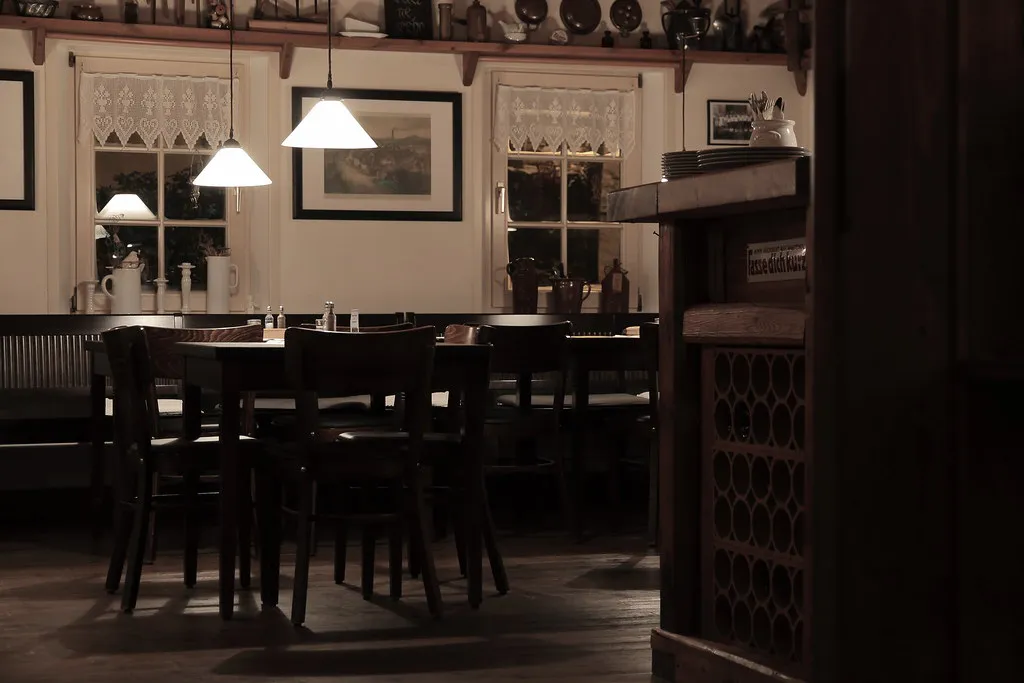
The terrace faces Fischerinsel across the river and is usable from April through October. Opening hours are 15:00 to midnight, which means it works as a late-afternoon stop after the DDR Museum or Märkisches Museum. Cash is preferred; cards work for tabs above 20 euros.
Marcus Bräu: The Cozy Microbrewery
Marcus Bräu on Münzstrasse 1-3 is a stubborn little throwback wedged between the glass towers near Alexanderplatz. Family-run and brewing on site since 1982, it serves exactly one house beer — the unfiltered Marcus Bräu Helles — at 3.30 euros for a half-litre, alongside Currywurst, meatballs and the cheapest Schweinebraten in Mitte at 9.80 euros. The pub holds maybe 40 people across two rooms and closes early (around 23:00), so come for an aperitif, not a late night.
It is one of the few remaining one-beer breweries in central Berlin, and it sits in what was East Berlin territory during the GDR, which explains the old-school fittings and the small guest rooms still let upstairs. Cash only — there is no card reader.
Kaschk: Craft Beer and Shuffleboard
Kaschk on Linienstrasse 40 in Mitte is the social hybrid of the list: Scandinavian-leaning craft beer upstairs (16 rotating taps from Stigbergets, Omnipollo and Berlin's own Schneeeule successors), a specialty coffee bar by day, and a full shuffleboard court in the basement that books by the hour for 28 euros. Glasses of Imperial Stout or Hazy IPA land between 5.50 and 7.50 euros; tasting flights of four 0.15L pours are 13 euros and a better way to calibrate your palate.
Book the shuffleboard online for Friday or Saturday night because walk-in availability after 20:00 is effectively zero. The staff is English-fluent and opinionated — ask what's new on tap rather than reading the board. Kaschk sits ten minutes from Rosenthaler Platz U-Bahn, which connects the rest of this list's Mitte stops. If you want to combine it with bars that lean harder into cocktails, see the best bars in berlin.
The East-West Beer Divide Nobody Explains
Berlin pubs still carry a quiet brand tribalism inherited from the Wall years that no guidebook covers. Schultheiss and Berliner Kindl were both West Berlin brewing powers that merged in 2006 under Radeberger, and together they dominate most Kneipen west of the old border — Charlottenburg, Wedding, Moabit. Berliner Pilsner, meanwhile, was the GDR-era state beer of East Berlin and remains the default tap in Friedrichshain, Prenzlauer Berg and the east-facing corners of Mitte. Engelhardt, the third old West brand, survives only as a nostalgia pour at a handful of Moabit pubs like Zum Stammtisch.
Ordering correctly for the neighborhood signals you know where you are. Ask for a Schultheiss at a Kneipe on Kastanienallee and you will get a confused look; ask for a Berliner Pilsner at Dicke Wirtin and it may not be on tap. The workaround: just say "ein Pils, bitte" and accept what they pour — it will be the local default. The one beer worth ordering by name anywhere is Berliner Weisse, ideally from Schneeeule or Brlo rather than the industrial syrup-forward version, which even many Berliners now reject.
Stammtisch Etiquette, Pfand and Cash Rules
Three small cultural rules prevent friction in traditional Kneipen. The Stammtisch is the regulars' table, almost always marked with a small brass or ceramic sign reading "Stammtisch" and often carrying a reserved wooden plaque on the wall. Sit there only if the landlord waves you over — otherwise you are effectively taking a local's assigned seat, and the reception will be chilly. Bar stools and any unmarked table are fair game. When you arrive, a quiet "Guten Abend" as you sit carries more weight than you think.
The Pfand (deposit) system applies to most beer-garden glasses, bottles and outdoor festival cups: you pay 1 to 3 euros extra up front and reclaim it by returning the empty to the counter. Keep bottle deposits separate in your pocket — supermarket Pfand on beer bottles is 0.08 euros, but pub-garden glass Pfand is 2 euros, and locals reuse both. On payment, cash is still the safest assumption outside craft taprooms. Venues like Zur Letzten Instanz, Marcus Bräu and most Eckkneipen either require cash or set card minimums of 20 to 30 euros. Draw 100 euros before starting a crawl. Tipping is modest — round up to the next euro or add 5 to 10 percent for full table service, and state the total you want to pay as you hand over the note (not with the change you leave behind).
Planning a Pub Crawl by Kiez
Berlin is too large for a single-night sweep across all eleven venues, so pick one Kiez and chain three to four stops. A Mitte itinerary works well: start at Zur Letzten Instanz for dinner at 18:30, walk twelve minutes to Marcus Bräu for the Helles, then finish at Kaschk or Clärchens Ballhaus depending on whether you want shuffleboard or dancing. Total walking is under 25 minutes and all stops sit between Alexanderplatz and Rosenthaler Platz.
A Prenzlauer Berg chain starts at Prater Garten by 17:00 (last summer sun in the courtyard), drifts ten minutes down Kastanienallee to a Kiezkneipe of your choice, then cuts west toward Muted Horn or Kaschk. A Charlottenburg and Wedding combined route pairs Dicke Wirtin at Savignyplatz with a U-Bahn hop (15 minutes on U7) to Eschenbräu in Wedding. For alternatives across the river and beyond pubs, see things to do in berlin at night.
Weeknights are quieter and more authentic at Eckkneipen — Tuesday and Wednesday evenings see mostly regulars, which is exactly the atmosphere travelers come for. Friday and Saturday need reservations at any venue with a kitchen after 19:00. A typical night (three pubs, two snacks, two rounds) runs 35 to 55 euros per person in 2026.
Budget and Late-Night Transport
Pub beer in Berlin runs cheaper than Munich, Hamburg or any Western European capital west of here. A half-litre Pilsner in a Kneipe is 3.50 to 4.50 euros, a craft pour 5.50 to 7.50 euros, a Bavarian Mass at Hofbräu 11.90 euros. Snacks fall between 5 and 12 euros. Cover charges do not exist at pubs — only at dance-floor venues like Clärchens Ballhaus on tango nights.
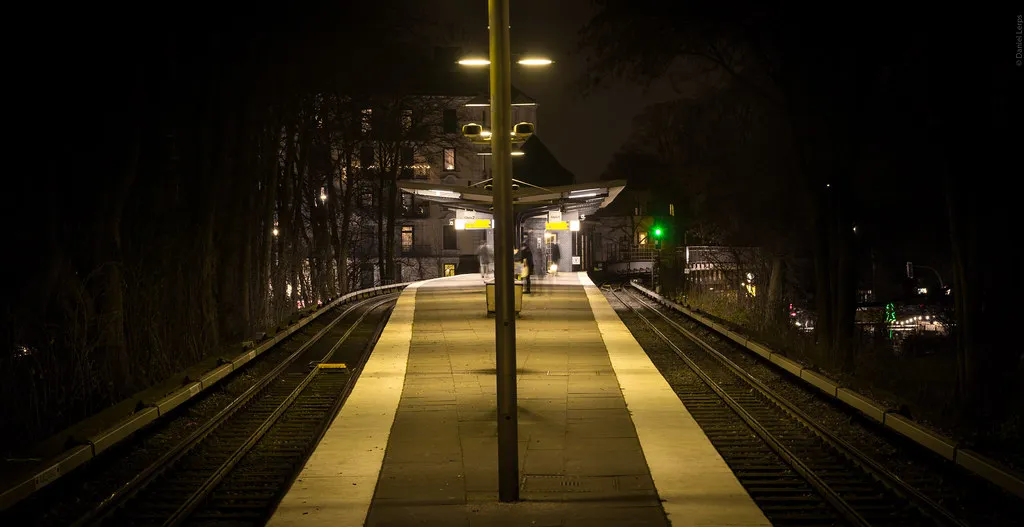
Night transport is easy to forget until you need it. U-Bahn and S-Bahn lines run all night Friday and Saturday, and the NightBus network (lines starting with N) replaces weekday U-Bahn service from 00:30 to 04:30. A single AB-zone ticket is 3.80 euros in 2026 and validates for two hours one-way. The BVG app handles routing, tickets and live disruption alerts. If you plan to pair the pub scene with a later nightclub, bookmark best rooftop bars in berlin for a pre-dinner stop with a view.
Berlin Pubs & Beer Gardens at a Glance
Use this table as a quick cheat-sheet before you head out. All eleven venues featured in this guide are listed with the details that matter most on the night: the neighborhood, what kind of venue it is, what to pour, and whether you need cash in hand. For how these styles fit together in a single evening, see the berlin nightlife overview.
| Pub | Neighborhood | Style | Beer Focus | Cash Only? |
|---|---|---|---|---|
| Prater Garten | Prenzlauer Berg | Beer garden (seasonal) | Prater Pils (house) | Self-service counter — cash easiest |
| Zur Letzten Instanz | Mitte | Historic Gaststätte (1621) | Schultheiss Pilsner | Yes for bills under €30 |
| Dicke Wirtin | Charlottenburg | West Berlin Kneipe | Berliner Weisse / Pils | No (cards accepted) |
| Hofbräu Berlin | Mitte | Bavarian beer hall (3 000 m²) | Hofbräu Original (1-litre Mass) | No (cards accepted) |
| Eschenbräu | Wedding | Courtyard brewpub | Rotating house Kellerbier / Pils / Dunkel | Cash preferred |
| Brauhaus Georgbraeu | Mitte (Nikolaiviertel) | Riverside brewpub | House Hell & Dunkel | No (cards accepted) |
| Clärchens Ballhaus | Mitte (Spandauer Vorstadt) | Ballroom pub / dance venue | Berliner Pilsner | No (cards accepted) |
| Marinehaus | Mitte (Märkisches Ufer) | Riverside Gaststätte | Berliner Kindl Pilsner | Cash preferred (<€20) |
| Marcus Bräu | Mitte (Alexanderplatz) | Microbrewery / family pub | Marcus Bräu Helles (one beer only) | Yes — cash only |
| Kaschk | Mitte (Linienstrasse) | Craft taproom / shuffleboard bar | 16 rotating international craft taps | No (cards accepted) |
| Brauhaus Georgbraeu (Bierturm) | Mitte (Nikolaiviertel) | Riverside brewpub (group format) | 3-litre Bierturm tower | No (cards accepted) |
Beer Gardens vs Pubs in Berlin: When to Go
Berlin has two distinct pub seasons and choosing the wrong format for the weather wastes the city's best drinking experience. Understanding the rhythm helps you plan a 2026 visit around what will actually be open and pleasant.
Beer-Garden Season: April to September
Berlin's outdoor Biergärten run from the first warm spell in April through the end of September, with Prater Garten and Eschenbräu's courtyard typically opening when temperatures clear 12 °C consistently — usually the second or third week of April. Peak season is June through August, when Brauhaus Georgbraeu's Spree terrace and Marinehaus's Fischerinsel-facing deck stay packed from 17:00 onward. In 2026 both venues pushed their terrace opening dates two weeks earlier than 2025 following a warm March, so it is always worth checking their Instagram for the first-open-day post rather than assuming a fixed date. Prater Garten's self-service beer garden closes when the last chestnut tree drops its leaves, but its year-round Gaststube keeps serving through January.
The golden rule for beer gardens: go early. The best seats under the chestnut trees at Prater fill by 18:30 on any weekday from late May onward. A 17:00 arrival in summer gives you the last sun, the best choice of bench, and a quieter ordering queue.
Cosy Indoor Pubs: October to March
Once the gardens close, Berlin's Eckkneipen come into their own. October through March is the season for dark-wood Kneipen, candlelit tables, and the slow pint that stretches two hours without anyone hurrying you. Zur Letzten Instanz, Dicke Wirtin and Marinehaus are all better in winter — the rooms feel intentionally scaled for cold weather, and the regulars who disappear to beer-garden terraces in summer reclaim their Stammtisch tables. Glühwein appears at Prater Garten's Gaststube in December alongside the usual Pils, and Hofbräu Berlin leans into its Bavarian style with seasonal Starkbier (strong lager) on the menu from late January through March. Craft taprooms like Kaschk operate year-round and see their heaviest weekday use in winter, when the shuffleboard court books further in advance than in summer.
For a fuller picture of Berlin evenings across every season, the best bars in berlin guide covers cocktail and wine bars that fill the gap when beer gardens are closed.
Berlin Pub Etiquette: Pfand, Stammtisch & Cash
This guide touches on etiquette throughout, but a consolidated reference makes the key rules easier to keep in mind before your first Kneipe. None of these are complicated — they are just local conventions that differentiate an awkward tourist visit from a smooth one.
- Pfand (deposit): Budget 1–3 euros extra per glass at any beer garden or outdoor festival venue. The deposit is refunded at the counter when you return the empty. Keep Pfand glasses separate from ordinary empties — supermarket bottle deposits are €0.08, pub garden glass deposits are €2. At Prater Garten the current rate is €2 per glass (2026).
- Stammtisch (regulars' table): A reserved table marked with a brass sign, a wooden plaque, or simply a small printed card. Do not sit there unless the landlord gestures you over. Any unmarked chair or bar stool is fair game. In most Kneipen the Stammtisch is occupied Tuesday through Thursday evenings — the nights locals actually drink.
- Cash in hand: Marcus Bräu accepts no cards at all. Zur Letzten Instanz and Marinehaus require cash for bills under €20–30. Eschenbräu works best with cash. Start every pub crawl with at least €80–100 in mixed notes. Drawing from an ATM mid-crawl after midnight in Mitte is fine but wastes time.
- Ordering protocol: At Eckkneipen, the barkeep often serves a regular before a new face regardless of arrival order — this is not hostility, just Kiez hierarchy. Eye contact and a simple "ein Pils, bitte" when they look your way is all that is needed. Do not wave your hand or call out.
- Tipping: State the total you want to pay as you hand over your note: "Mach's fünfzehn" (make it fifteen) is the standard phrasing. Do not leave coins on the bar after they have returned change — this reads as an afterthought rather than a considered tip.
- Smoking: Berlin's 2007 indoor-smoking law exempts single-room Kneipen under 75 m² serving no cooked meals. Dicke Wirtin (full kitchen) is smoke-free inside; several smaller Eckkneipen are not. If smoke is a concern, confirm before you sit — a quick look at whether there is a kitchen usually tells you.
- Prost vs Cheers: Make eye contact with every person in the group when you clink glasses. Breaking eye contact is considered bad luck in German pub culture and will draw a knowing look from any regular watching.
Frequently Asked Questions
What is the best time to visit pubs in Berlin?
Most pubs start filling up around 8 PM on weeknights and earlier on weekends. If you want a table at a popular historic Kneipe, arriving by 7 PM is a smart move. Many spots stay open until 2 AM or later. Check our best clubs in berlin guide if you want to dance after the pubs close.
Are pubs in Berlin expensive for travelers?
Berlin remains one of the more affordable Western European capitals for drinking. A standard beer usually costs between 4 and 6 Euros in neighborhood spots. Craft beer venues and tourist areas in Mitte will charge slightly higher prices. You can find more budget tips at Europe Nightlife for your trip.
Do I need to book a table at Berlin pubs?
Reservations are generally not required for traditional corner pubs and small bars. You can usually find a spot at the bar or share a communal table with locals. However, large craft beer halls or popular gastropubs may require a booking on Friday and Saturday nights. Calling ahead is always a good idea for groups of six or more.
Can I find non-alcoholic drinks in Berlin pubs?
Yes, almost every pub in Berlin offers a variety of non-alcoholic options. You will find alcohol-free beers, sparkling apple juice known as Schorle, and various sodas. Many modern craft beer bars also stock high-quality non-alcoholic IPAs on tap. This makes the pub scene inclusive for everyone regardless of their drinking preferences.
Berlin's pub scene rewards a traveler who picks one Kiez, walks between three or four venues, and matches the order to the neighborhood — a Schultheiss in the west, a Berliner Pilsner in the east, a Helles at any brewpub. The eleven stops above cover every tradition the city invented: the 1837 beer garden at Prater, the medieval Mitte of Zur Letzten Instanz, Bavarian scale at Hofbräu, West Berlin nostalgia at Dicke Wirtin, and the craft experiments at Eschenbräu and Kaschk.
Carry cash, return your Pfand glasses, stay off the Stammtisch, make eye contact when you say Prost. Those four rules will unlock any Kneipe on the list. Your 2026 Berlin evenings will feel less like tourist stops and more like the everyday Feierabendbier the city still protects.


