

9 Best Eastern Europe Party Cities
After five years of working the continent, I have found that the most electric nights still happen east of Berlin. The energy in these historic streets is unmatched by the polished West, and a full night out rarely breaks €40. I recently returned from a three-month loop through the Balkans and Baltics to re-check prices, doors, and opening hours for 2026. Everything below is current as of April 2026.
Planning a trip around nightlife in Europe requires more than knowing where the loudest music is. You need to understand the local drinking culture, from Hungarian Pálinka to Serbian Rakija, and you need to know which cities take card, which demand cash, and which bouncers will turn away sneakers. I once wasted four hours in Belgrade's Savamala looking for a basement rave because I assumed maps would behave like Western Europe.
Eastern Europe Party Cities at a Glance (2026)
Use this table to match a city to your budget and trip style before reading the full breakdowns below. Beer is a half-litre of local lager in a central bar; club entry is the typical weekend cover. All figures are April 2026 on-the-ground checks.
| City | Signature scene | Beer | Club entry | Best season | Intensity |
|---|---|---|---|---|---|
| Belgrade, Serbia | Floating splavovi river clubs | €2 | €0–8 | May–Sep (splavovi) | 4/5 |
| Budapest, Hungary | Ruin bars & thermal sparties | €2.80 | €8–15 | Year-round | 4/5 |
| Prague, Czechia | Cheap beer & multi-story clubs | €2.50 | €10–15 | Year-round | 3/5 |
| Krakow, Poland | Old Town pub crawls | €2.20 | €5–10 | Year-round | 3/5 |
| Warsaw, Poland | Modern clubs & underground raves | €3 | €10–15 | Year-round | 4/5 |
| Tbilisi, Georgia | Global techno frontier (Bassiani) | €1.80 | €15–25 | Year-round | 4/5 |
| Riga, Latvia | Intense Baltic Old-Town nightlife | €3.50 | €10–15 | Year-round | 4/5 |
| Vilnius, Lithuania | Hidden bars & affordable luxury | €3.50 | €8–12 | Year-round | 3/5 |
| Bratislava, Slovakia | Compact "Partyslava" stag scene | €2 | €5–12 | Year-round | 3/5 |
Budapest, Hungary: The Ruin Bar Capital
Budapest is still the region's heavy hitter thanks to the ruin bar circuit in the old Jewish Quarter (District VII). The original, Szimpla Kert on Kazinczy utca, opened in 2001 and remains the best — a maze of courtyards, mismatched furniture and a Sunday farmers' market until noon. Arrive before 21:00 on weekends or expect a 30-minute queue around the block.
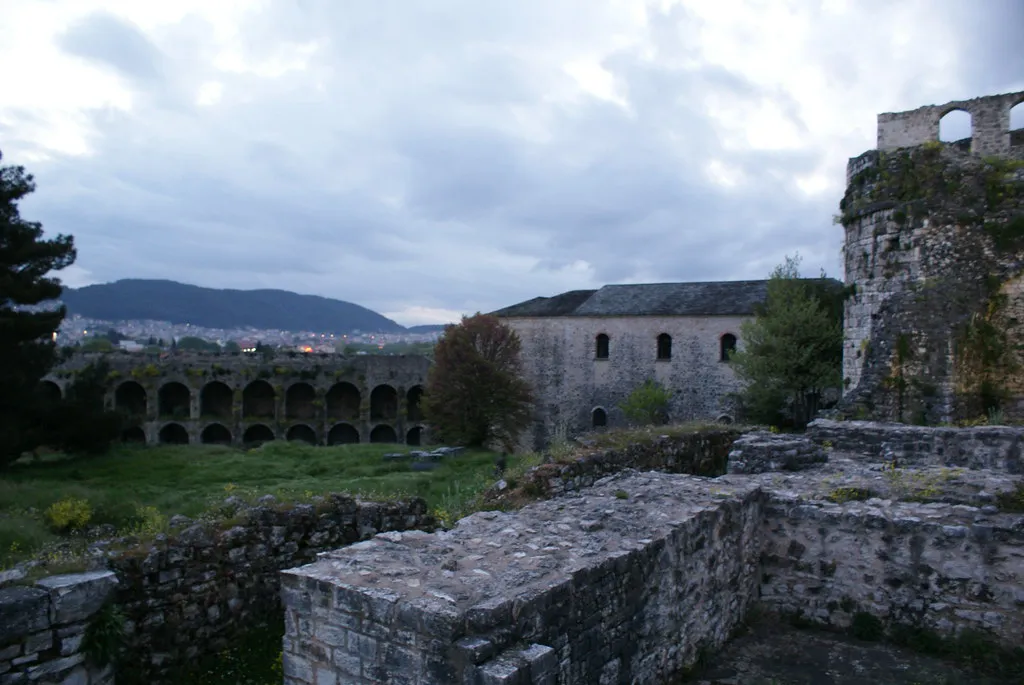
Beyond Szimpla, the budget winners are Instant-Fogas on Akácfa utca (seven dance floors under one roof) and Mazel Tov on Akácfa for a more refined cocktail crowd. For something the competitors skip: try the "sparty" nights at Széchenyi Thermal Baths — a Saturday pool party inside a Neo-baroque bathhouse, runs roughly February through September, tickets from €55 and sell out a week out. Pints of Dreher or Soproni run €2.50–€3.50, club entry €8–€15, and most venues are a five-minute walk from Astoria or Deák Ferenc tér metro.
Book a Budapest hostel in District VII rather than Pest's tourist strip — you walk home at 04:00 instead of paying for a Bolt. Book Your Budapest Hostel Here! to stay within the ruin bar cluster. Hungary still uses the forint (HUF) — not the euro — so pull cash from an OTP or K&H ATM and skip the Euronet machines at the airport.
Belgrade, Serbia: Floating Clubs and Balkan Beats
Belgrade was Lonely Planet's number-one global party city for a reason. From May through September the scene migrates onto the Sava and Danube rivers, where 40-plus splavovi (floating clubs) open nightly along the Ušće and Brankov Most stretches. Freestyler, Shake 'n' Shake and Hot Mess handle house and commercial; 20/44 handles techno and regional DJs. Entry is usually free for women before 01:00 and €5–€10 for men.
In winter, the scene moves indoors to Savamala and Dorćol — Drugstore (off Vojvode Stepe) is the serious techno room, while KC Grad hosts live alternative acts. Savamala bouncers are famously strict: no sportswear, no sneakers, no backwards caps. Dress smart-casual in dark clothes and you will clear most doors without trouble.
Serbia uses the dinar (RSD) and many splavovi are cash-only at the bar despite card-friendly entry booths — bring €30 worth of dinars for a night. Nearest budget hub is Belgrade Nikola Tesla (BEG), served by Wizz Air and Ryanair from most Western capitals. Check Out This EPIC Belgrade Hostel in Savamala for walking access to both the river and the Dorćol bar scene.
Prague, Czech Republic: Legendary Beer and Multi-Story Clubs
Czechs drink more beer per capita than any nation on earth, and Prague's old town proves it. The five-story Karlovy Lázně near Charles Bridge gets name-checked in every guide, but locals quietly avoid it — the music is middle-of-the-road and 80% of the crowd is on a stag weekend. Skip to Roxy on Dlouhá for drum-and-bass and techno, or Cross Club in Holešovice for an industrial, steampunk-decorated warehouse that books serious names.
The real value play is the Žižkov district, east of the main station — Prague's traditional working-class bar neighbourhood with the highest pub density in central Europe. A half-litre of Pilsner Urquell runs €2–€2.80 in a local hospoda versus €4.50 on Wenceslas Square. U Sudu on Vodičkova is a cellar bar maze that sprawls underground for six rooms.
Prague clubs peak late — don't bother showing before 23:30. The Czech Republic uses the koruna (CZK), not the euro, and Revolut or Wise cards beat airport exchange counters by 8–12%. Václav Havel Airport (PRG) is a Wizz Air and Ryanair hub from Budapest, Krakow and most Western cities for under €30 one-way.
Krakow, Poland: The Old Town Pub Crawl Destination
Krakow's Main Market Square (Rynek Główny) is surrounded by 300 bars within a five-minute walk — the highest bar density in Europe, most tucked into vaulted medieval cellars. Start at Pijalnia Wódki i Piwa on Szewska for €1.20 vodka shots, move through to Cień on Floriańska, then finish at Prozak 2.0 under the square itself for a six-room underground club open until 06:00.
The Kazimierz district, the old Jewish quarter just south of the centre, is where locals actually drink — Alchemia on Plac Nowy looks like a 1920s antique shop and hosts live jazz, while Singer Café on Estery has sewing-machine tables and a quieter cocktail crowd. Avoid the English-language pub crawls hawked around the square; they herd groups into empty venues that pay for the foot traffic.
Poland uses the złoty (PLN) — a pint runs €2–€2.80, a hostel bed €12–€18, and a late-night zapiekanka (baguette pizza) at Okrąglak on Plac Nowy is €3. Kraków-Balice (KRK) has direct Wizz Air and Ryanair links to most UK and European cities.
Vilnius, Lithuania: Affordable Luxury and Hidden Bars
Vilnius punches far above its size for a capital of 580,000 people. The Old Town, centred on Pilies and Vilniaus streets, is wall-to-wall bars by 22:00 on weekends — Bardakas and Šnekutis are the student picks, while Salionas (inside a 19th-century merchant's house) handles the craft-cocktail crowd. Opium Club on Islandijos hosts techno nights with Baltic and Berlin DJs for €8–€12 entry.
For something the other guides miss: walk across the Vilnelė river into Užupis, the self-declared "republic" of artists with its own constitution pinned on Paupio street. Užupio Kavinė serves drinks until 01:00 with terraces hanging over the river, and the whole quarter feels like a miniature version of Prague's Žižkov in the late 1990s — before the tourists arrived.
Lithuania uses the euro, which makes it the priciest Baltic capital on paper, but a proper night out still lands at €35–€45. Vilnius Airport (VNO) is a Ryanair and Wizz hub with direct links to London, Dublin and Warsaw from €25. Clubs fill late — don't arrive before 23:00.
Riga, Latvia: The Baltic's Most Intense Nightlife
Riga has the strongest stag reputation in the Baltics and it is earned. The Old Town's cobbled streets from Kaļķu iela to Skārņu iela host dozens of bars, with Folkklubs Ala Pagrabs under a 14th-century cellar serving 75 Latvian beers and live folk music nightly from 21:00. For clubbing, Piens (Aristida Briāna iela) and Autentika (Tallinas iela) run techno and house until 06:00 in a converted milk factory and printing works respectively.
A warning the listicles skip: Riga's Old Town has a well-documented scam circuit targeting lone male tourists. Women approach bars on Doma Laukums and lead groups to "strip clubs" off Krāmu iela where bills arrive at €400 and bouncers block the door. Stick to venues with published menus visible at the entrance, and never let an unsolicited hostess pick the bar.
Latvia uses the euro. Pints run €3–€4, hostel beds €15–€22, and Riga Airport (RIX) has airBaltic and Ryanair hubs with some of the cheapest fares in the region — London routes regularly drop to €18 one-way in shoulder season.
Bratislava, Slovakia: The Partyslava Experience
Bratislava turned itself into a stag weekend factory in the 2010s and the infrastructure is now extremely polished — for better and for worse. The Old Town around Michalská and Panská streets has dozens of pubs within 200 metres, with Slovak Pub (Obchodná) doing local Šariš beer at €1.80 a half-litre and traditional bryndzové halušky dumplings at €6. For clubs, Nu Spirit on Medená runs jazz-to-electronic and The Club on Rybné námestie handles late-night electronic in historic river-cave tunnels until 05:00.
Bratislava is small — you can walk the entire nightlife zone in 15 minutes — which is part of the appeal for groups, but means the scene feels repetitive after two nights. A smart play is to treat it as a Vienna weekend combo: Vienna is 60 minutes by RegioJet train (€9 one-way) and Bratislava is the cheaper sleeping base.
Slovakia uses the euro. Pints €1.80–€3, hostel beds €15–€20. Bratislava Airport (BTS) is a small Ryanair and Wizz hub, but Vienna International (VIE) is 45 minutes by direct bus and usually has better fares — check both before booking.
Tbilisi, Georgia: The New Global Techno Frontier
Tbilisi is the most interesting nightlife city in the wider region right now. Bassiani, set in the basement of Dinamo Stadium, is routinely ranked alongside Berghain as one of the world's top three techno clubs — no-photos policy, €15–€25 entry, and face control filters for aggressive behaviour rather than dress code. Khidi under the Georgian Academy of Sciences bridge handles harder industrial sets, and Mtkvarze on the riverside books Georgian and international DJs in a Soviet-era restaurant shell.

The catch: Tbilisi clubs genuinely don't fill until 02:00 and peak between 04:00 and 07:00. Don't eat dinner at 20:00 and head out at 22:00 like Central Europe — you will be alone in the room. Instead pregame at Fabrika, a converted Soviet sewing factory in Marjanishvili with a courtyard of bars, food trucks and hostel, until 01:00.
Georgia uses the lari (GEL) and Tbilisi is by far the cheapest city on this list for food and taxis — a proper khinkali dinner with wine runs €8, and a Bolt across town is €1.50. Club drinks are higher than Eastern European averages (€6–€8) because of the serious techno imports. Tbilisi International (TBS) has Wizz Air links to Warsaw, Krakow, Milan and Abu Dhabi; Ryanair does not fly to Georgia.
Warsaw, Poland: Modern Clubs and Underground Raves
Warsaw is the cleanest, most modern party city on this list and it tends to split travellers — some find it too polished versus Krakow's medieval chaos, others prefer the serious club culture. Smolna, on Smolna 38 in the pre-war tenement district, is the flagship electronic venue with a maze-like layout and weekly bookings from Polish and German DJs; entry €10–€15. Jasna 1 across the street runs the same crowd on alternating nights.
For rawer warehouse energy, Praga district east of the Vistula — long the working-class neighbourhood — now hosts Chmury, a beer garden and club complex on 11 Listopada street that turns into a rave after midnight. Praga is also where most of the city's summer outdoor parties land, especially around Ząbkowska street.
A practical note no one mentions: Warsaw clubs require registration at the door via an app (Going.app or individual club sites) on weekends, and walk-ups get turned away at Smolna and Chmury most Saturdays. Book the ticket by Thursday. Warsaw Chopin (WAW) and Modlin (WMI) are both Ryanair/Wizz hubs with cheap Western European links.
Cost of a Night Out: Price Comparison by City
Eastern Europe is still the cheapest nightlife region on the continent, but the 2022–2025 inflation cycle has separated the Baltic euro-zone countries (pricier) from the non-euro holdouts (still dirt cheap). Below is an approximate price index for a typical weekend night — half-litre of local beer in a central bar, hostel dorm bed, club entry — based on April 2026 on-the-ground checks.
- Belgrade: €2 beer, €12 hostel, €0–€8 club entry — the regional value leader, particularly for river season.
- Krakow: €2.20 beer, €14 hostel, €5–€10 club entry — cheapest EU capital for a weekend.
- Tbilisi: €1.80 beer in wine bars, €10 hostel, €15–€25 club entry — cheap everywhere except top techno.
- Budapest: €2.80 beer, €16 hostel, €8–€15 club entry — up 30% since 2022 but still good value.
- Prague: €2.50 beer in Žižkov, €4.50 on Wenceslas, €18 hostel, €10–€15 club entry.
- Bratislava: €2 beer, €18 hostel, €5–€12 club entry — cheap food, euro-zone prices for rooms.
- Warsaw: €3 beer, €20 hostel, €10–€15 club entry — priciest Polish city.
- Vilnius: €3.50 beer, €22 hostel, €8–€12 club entry — euro-zone premium.
- Riga: €3.50 beer, €20 hostel, €10–€15 club entry — watch the Old Town scam pricing.
Budget roughly €40–€50 per person per night for a proper weekend in the non-euro cities (Belgrade, Krakow, Tbilisi, Budapest, Prague) and €55–€70 in the euro-zone Baltics and Slovakia. See our europe nightlife hub for full breakdowns per city.
Ruin Bars and Regional Drinking Culture
The ruin bar concept started in Budapest in 2001 when Szimpla Kert occupied a derelict Jewish Quarter building for a pop-up that never closed. The formula — abandoned building, mismatched flea-market furniture, courtyards wired for DJs, cheap drinks, no investor polish — spread east through Bratislava's Michalská courtyards, Krakow's Kazimierz cellars and even Tbilisi's Fabrika complex. The appeal is the opposite of the Western superclub: low cover, unpretentious, rewards the curious wanderer.
Each country has a signature spirit you should taste once. Hungarian Pálinka is a fruit brandy (40–70% ABV) served ice-cold before meals — apricot is the starter flavour, plum the classic. Czech Becherovka is a herbal bitter served as a shot or with tonic ("Beton"). Slovak and Polish drinkers split between Becherovka and local vodkas — Poland's bison-grass Żubrówka with apple juice ("szarlotka") is the go-to. In the Balkans, Rakija (fruit brandy) is the universal shot — plum in Serbia, grape in Montenegro. Georgia runs on Chacha, a grape brandy that can hit 65% ABV and is typically offered by hosts as a welcome shot.
Decline politely once if you must, but a second refusal reads as rude in Serbia, Georgia and Hungary. If you drink, acknowledge the toast — "Živeli" in Serbian, "Egészségedre" in Hungarian, "Gaumarjos" in Georgian — and make eye contact.
Safety, Etiquette and Door Policies
Eastern Europe is broadly safer than most Western European party capitals at night — violent incidents are rare, and walking home at 03:00 in Krakow or Budapest is routine. The real risks are financial rather than physical: inflated taxi fares, drink-spiking by "ladies' club" hostesses, and overpriced tourist bars with undisclosed service charges. Always use Bolt, FreeNow or Taxify in these cities — never flag street cabs, especially at airports.
Door policies vary sharply. Belgrade's splavovi have the strictest "face control" in the region after Tbilisi — athletic wear, sneakers, baseball caps and large groups of men without women will be rejected. Tbilisi's Bassiani and Khidi filter for respectful behaviour rather than clothing, so wearing black and speaking quietly at the door matters more than the brand on your shoes. Budapest, Krakow and Prague are the most relaxed.
Solo female travellers report Tbilisi, Krakow and Budapest as the most comfortable late-night cities, with strong hostel pub-crawl networks and low harassment. Groups of men should be prepared to be turned away from certain venues in Belgrade and Riga — bring at least one woman in the group if you plan to hit splavovi, or accept that some doors will close. For more context see our europe nightlife hub.
Best Time to Visit: Seasons and Festivals
Season matters more in Eastern Europe than in the always-on West. Belgrade's splavovi season runs May to late September — outside those months, the river is silent and the city moves indoors. EXIT Festival inside Novi Sad's Petrovaradin Fortress (early July) is the regional anchor event, and accommodation within 50km sells out six months ahead. Sziget in Budapest (mid-August, Óbuda Island) is the other giant and drives hostel prices up 3x.
Winter shifts the scene to basements and cellars — Prague, Krakow and Vilnius are at their best from November through February when the cold pushes everyone indoors and pub crawls become survival strategies. Tbilisi techno actually peaks in winter because summer is too hot for the un-airconditioned concrete basements. Warsaw's Smolna and Chmury run strongest October to March.
The sweet spots are late May to mid-June (before the stag wave and EXIT) and mid-September to early October (post-festival, still warm, cheap). Weekday nights — especially Thursdays in Krakow, Prague and Warsaw — give you local students instead of British stag parties without losing atmosphere. Check the EXIT, Sziget and Unsound (Krakow, October) calendars before booking to either catch or dodge the festival spike.
Multi-City Logistics and the Cash-vs-Card Reality
The efficient way to hit multiple cities is to treat Wizz Air, Ryanair and airBaltic as your subway. Direct routes worth knowing: Budapest–Belgrade (Wizz, €25, 1h), Krakow–Warsaw (FlixBus €9, Pendolino €25, 2.5h), Prague–Krakow (FlixBus €22, 7h overnight), Warsaw–Tbilisi (Wizz, €70, 4h), Riga–Vilnius (Ecolines bus €14, 4h). Avoid Belgrade–Budapest by train in 2026 — the line is under reconstruction until late 2027 and the replacement bus is nine hours.
The detail nobody explains: each country on this list except the Baltic trio (Lithuania, Latvia, Slovakia) and Montenegro still runs its own currency. Hungary (HUF), Czech Republic (CZK), Poland (PLN), Serbia (RSD), Georgia (GEL). At small bars and all splavovi in Belgrade, cash in local currency is king — card terminals are slow or absent. Pull €60–€80 worth on arrival from a bank-branded ATM (OTP, K&H, PKO, Bank Pekao, Komercijalna) and skip the Euronet and MoneyBox machines that charge 12% markup. A Revolut or Wise card for card-friendly venues beats airport exchange counters every time.
A realistic five-night Eastern European loop looks like: fly into Krakow (2 nights, Old Town pub crawl), overnight bus to Prague (1 night, Žižkov cellars), Ryanair or Wizz to Budapest (2 nights, ruin bars and a sparty). All-in from London with hostels, transit and drinks: €380–€450.
Matching Cities to Your Trip Style
No single city wins all brackets. A quick persona matcher based on five years of sending groups through the region:
- Solo traveller wanting to meet people: Krakow first (pub crawl culture built for solo backpackers), then Budapest. Hostel crawls in both cities run 19:00–03:00 nightly.
- Serious techno pilgrimage: Tbilisi (Bassiani) and Warsaw (Smolna). Budapest's Instant-Fogas is the entry level if you need a warm-up.
- Stag or large group (6+ men): Krakow and Bratislava — both have mature stag infrastructure, polished activity operators, and doors that accept groups. Avoid Belgrade unless your group includes women.
- Couples and mixed groups: Budapest for ruin bars and sparties; Vilnius for cocktail bars and a compact Old Town.
- Budget backpackers under €40/day: Belgrade in summer, Krakow year-round, Tbilisi for food and taxis.
- Festival chasers: Belgrade and Novi Sad in July for EXIT, Budapest in August for Sziget, Krakow in October for Unsound.
The best Eastern European trips rarely hit more than three cities in a week — the travel is slower than the map suggests, and nights end at 05:00. Pick two or three that match your persona, leave the other six for the next trip.
Frequently Asked Questions
Which Eastern European city has the best nightlife for a budget?
Belgrade is widely considered the best value for money. You can find pints for under $3 and hostel beds for $15, while the river clubs offer world-class energy without Western prices.
Is Belgrade safer than Prague for a party trip?
Both cities are generally very safe for tourists. Belgrade has a very welcoming culture, while Prague has more issues with petty pickpocketing in crowded tourist areas near the Old Town.
What are ruin bars and where can I find them?
Ruin bars are eclectic nightlife venues built inside abandoned buildings and courtyards. You can find the original and best examples in Budapest's Jewish Quarter, specifically at Szimpla Kert.
Which Eastern European city has the best techno?
Tbilisi, Georgia is the region's techno destination — its brutalist warehouse clubs, led by Bassiani, have made it a global frontier scene that draws DJs and clubbers from across Europe. Budapest and Warsaw also have serious underground techno and rave circuits.
When is the best time for a party trip to Eastern Europe?
Most cities party hard year-round, but Belgrade is seasonal: its signature floating splavovi clubs run from late April through September, moving indoors in winter. Late spring to early autumn is ideal if you want river clubs and outdoor festivals; winter is cheaper and still strong for indoor techno in Tbilisi, Budapest, and Warsaw.
Do I need cash for nightlife in Eastern Europe?
Carry some. The euro-zone Baltics (Riga, Vilnius) and most clubs take card, but non-euro cities — Belgrade, Krakow, Prague, Budapest — still run cash-first at smaller bars, splavovi, and cloakrooms. Keep €30–50 in local currency on you, and avoid paying in euros where the local currency is standard (the exchange rate at the till can cost you 20–30%).
Eastern Europe remains the premier region for travellers chasing affordable, high-energy nightlife, and the 2026 lineup is stronger than at any point in the last decade. From Krakow's medieval cellars to Tbilisi's brutalist bunkers, the variety is staggering and the value is still unmatched. Pick two or three cities that fit your persona, prebook the festival-season hostels, and respect the face-control and cash-only realities of each country.
Drink responsibly, keep an eye on your belongings, and remember that a second refused shot of Rakija or Chacha reads as rude in most of the Balkans and Caucasus. The memories you make here will almost certainly beat the ones from your last Berlin or London weekend — at half the price.