10 Best Party Cities in Europe
After five summers spent navigating the Mediterranean beach clubs and dark techno basements of the north, I have seen Europe's nightlife evolve firsthand. Finding the perfect balance between high-energy dance floors and budget-friendly drinks requires more than just a quick search. This guide has been last refreshed in April 2026 to reflect the most current club door policies, Schengen rules, and pricing for the 2026 summer season.
Europe offers a diverse range of nocturnal experiences, from the legendary superclubs of the Balearic Islands to the gritty ruin bars of Eastern Europe. Whether you are a solo traveler looking for a community or a group planning a final blowout, these cities deliver consistent quality. We have vetted each location for its safety, accessibility, and unique cultural contribution to the global music scene.
Our editors have prioritized destinations that offer a mix of iconic landmarks and hidden gems to ensure your trip feels authentic. You will find that the Europe party scene is more accessible than ever if you plan your logistics carefully. Let us dive into the top spots where the music never stops and the energy remains unmatched.
How We Ranked These 10 Cities
Our rankings weigh four practical factors: music quality (sound systems, DJ residencies, scene depth), value (entry fees plus drink prices in EUR), season length (summer-only islands vs. year-round clubs), and logistics (airport access, late-night transport, safety). Cities that only deliver for a six-week window lose points against year-round capitals like Berlin and Prague.
We have personally visited every city on this list in the past three seasons and cross-checked current 2026 pricing with local resident-advisor threads and club websites. Expect entry fees to run 5–15 EUR higher than pre-2024 levels across the continent, with Ibiza and Mykonos seeing the steepest increases. Budget around 60 EUR per night in Eastern Europe and 150 EUR or more in the Balearic Islands once you factor in drinks and transport.
Berlin, Germany: The Global Techno Capital
Berlin remains the benchmark for serious clubbing in Europe thanks to its uncompromising dedication to music and a club culture that runs weekend-long without commercial interruption. Berghain, Watergate, Tresor, and ://about blank form the core of the scene, with peak hours falling between 03:00 and 08:00 on Sunday mornings. According to the Berlin Club Commission's 2025 report, nightlife contributes over 1.5 billion EUR to the local economy annually and employs roughly 9,000 people across 260 venues.
Expect to pay 18–30 EUR for entry to the major Friedrichshain clubs, with most doors opening around midnight Friday and not closing until Monday morning. The door policy remains the biggest hurdle for first-time visitors: bouncers at Berghain look for individuals who seem genuinely interested in the music rather than tourist thrill-seekers, and photography is banned inside almost every top-tier venue. Wear dark, understated clothing, arrive in pairs or solo rather than large groups, and research the lineup so you can name the DJ if asked.
Berghain introduced a digital reservation pilot for selected guest-list events in late 2025, but walk-up queueing remains the norm for regular club nights. If you get rejected, reroute to Tresor, KitKat, or Sisyphos rather than queueing twice at the same door, and use the U1 or S-Bahn until it restarts at 05:00 instead of paying 25 EUR for a taxi. The scene is most active from Thursday through Monday morning; Tuesday and Wednesday are effectively off nights.
Ibiza, Spain: The World's Superclub Hub
Ibiza hosts the biggest names in electronic dance music across purpose-built superclubs like Pacha, Amnesia, Hï Ibiza, UNVRS (formerly Privilege), and DC-10, with the season running from late May through the closing parties in early October. Ticket prices have climbed sharply: expect 60–95 EUR per night for headline residencies at Hï or Ushuaïa, with table minimums starting at 1,500 EUR. Many DJs hold weekly residencies, so the same Calvin Harris, Black Coffee, or Keinemusik set will be available multiple nights per week.
The cheapest way to experience Ibiza is through free-entry beach clubs like Bora Bora in Playa d'en Bossa or sunset bars in San Antonio, both of which welcome travelers with their own supermarket sangria. Use the Disco Bus (3.50 EUR flat rate) to travel between Playa d'en Bossa, Ibiza Town, and San Antonio rather than paying 30–50 EUR for taxis. Book club tickets two to three weeks ahead via resident websites rather than at the door, where prices jump by 15–20 EUR.
Ibiza is best paired with a two-night detour to Formentera for recovery, or to nearby Mallorca if you want lower prices and a less saturated scene. First-timers should base themselves in Playa d'en Bossa for walking access to Hï and Ushuaïa; mid-budget travelers will find better value in Ibiza Town.
Mykonos, Greece: High-End Beach Party Paradise
Mykonos offers a glamorous alternative to Ibiza with beach clubs like Scorpios, Nammos, Super Paradise, and Cavo Paradiso overlooking the Aegean Sea. The peak energy runs from late June through the second week of September, with July and August bringing the heaviest crowds and steepest prices. Entry fees range from 30–60 EUR at Cavo Paradiso, but the real cost is the sunbed: a pair at Nammos or Scorpios now starts at 150 EUR for the day and rises to 400 EUR at the beachfront row.
Arrive at beach clubs by 16:00 to catch the sunset-into-night transition, which is when the headline DJs start warming up; the main floors typically peak around midnight. Paradise Beach and Super Paradise attract a younger, more backpacker-friendly crowd at a fraction of the Nammos price, and both run daily shuttles from Mykonos Town for 2–3 EUR. If you want the Mykonos experience without the cost, ferry across to Ios — the same crowd migrates there for a week each summer and drinks are half the price.
Amsterdam, Netherlands: Deep House and Festival Season
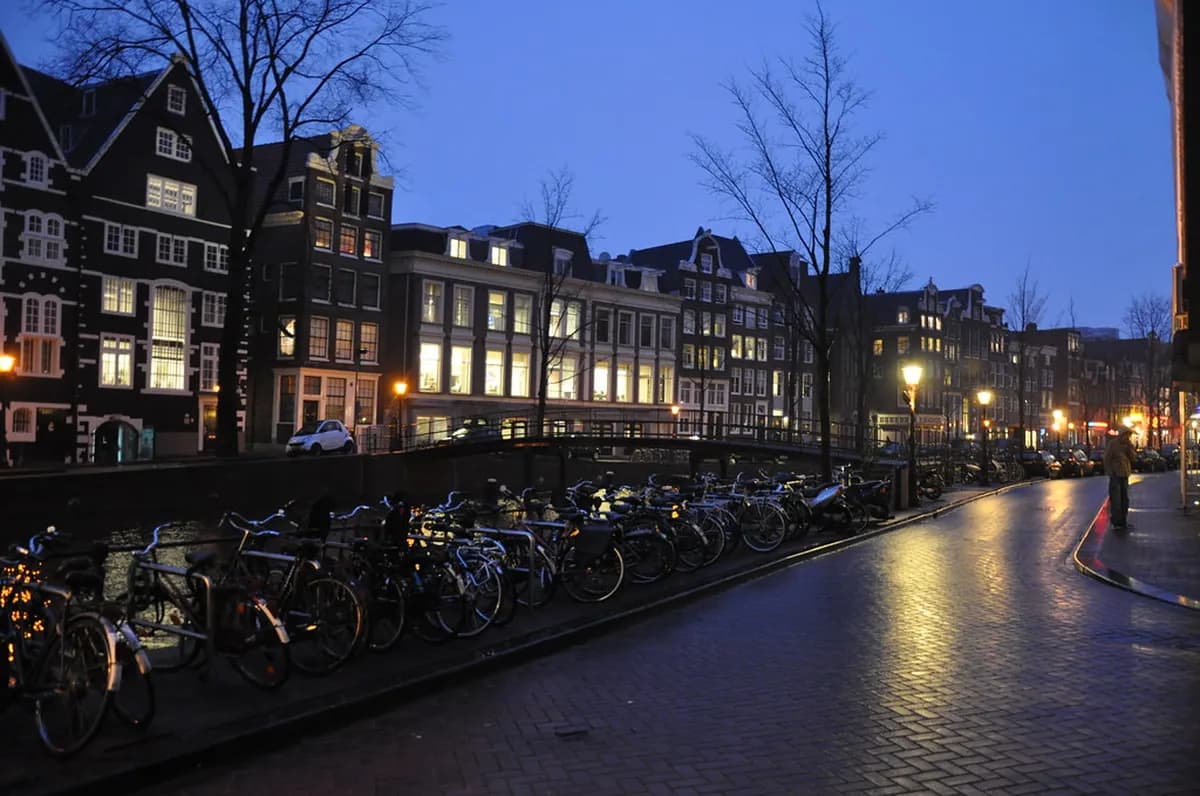
Amsterdam offers a sophisticated nightlife scene built around quality sound systems, progressive booking, and one of the most active festival calendars in Europe. Shelter, Radion, De School's successors, and Paradiso anchor the club scene, with the entire industry peaking each October during Amsterdam Dance Event (ADE), a five-day conference and citywide festival that draws over 450,000 attendees. Ticket prices for ADE events typically run 25–55 EUR, with top warehouse parties selling out weeks in advance.
Most cutting-edge venues are in Amsterdam Noord, accessible by the free 24-hour ferry from behind Centraal Station. Check Resident Advisor for lineups rather than chasing generic listings, because the Dutch scene favors local residents and rising producers over commercial headliners. The city also has a 24-hour license system: a handful of venues including De School's replacements hold extended licences, which means Sunday afternoon parties run deep into Monday morning.
Budapest, Hungary: Ruin Bars and Thermal Sparties
Budapest's District VII is the heart of the ruin bar scene, with Szimpla Kert, Instant-Fogas, and Mazel Tov built into abandoned buildings and decorated with eclectic secondhand furniture. Most ruin bars have no cover charge, while larger club nights at Instant-Fogas run 8–18 EUR and stay open until at least 05:00 on weekends. A local pint of Dreher or Soproni costs 3–4 EUR, making Budapest one of the best-value party cities on the continent.
The unique Budapest experience is the "sparty" — a thermal-bath pool party held most weekend nights at Szechenyi Baths during summer, with tickets at 55–75 EUR including entry, welcome drink, and locker. Try the local herbal liqueur Unicum at a ruin bar before heading to the larger dance floors, and consider Saturday's A38 boat on the Danube for deeper underground bookings. Budapest also hosts Sziget Festival each August, a week-long event on Obuda Island drawing 500,000 attendees across eight stages.
Prague, Czech Republic: Cheap Beer and Multi-Level Clubs
Prague delivers the cheapest serious nightlife on this list, with half-litres of Pilsner Urquell at 2–3 EUR in neighbourhood pubs and club covers rarely exceeding 15 EUR. The five-story Karlovy Lazne is the tourist anchor, while Roxy, Cross Club, and Fuchs2 carry the local underground scene. Czechs drink more beer per capita than any other country — around 128 litres per person annually — so the pub culture is genuinely baked into daily life rather than performed for tourists.
Skip the Old Town Square bars where pints hit 6–7 EUR and walk ten minutes toward Zizkov or Vinohrady, where the same beer costs half and the crowd is local. The PUB chain lets you pour your own beer from table-mounted taps and run drinking competitions against other tables, a uniquely Czech gimmick that actually works. Prague's party scene runs year-round with no seasonal dropoff, making it ideal for a weekend visit in March or November when Ibiza is closed.
Barcelona, Spain: Sunrise Parties by the Sea
Barcelona combines city culture with beachside clubbing at Opium, Pacha Barcelona, Shoko, and CDLC along the Barceloneta boardwalk. Club entry typically runs 20–40 EUR, but most venues offer free guest-list access before 01:30 if you sign up on their websites or with a street promoter you trust. Port Olimpic hosts a full marina of free-entry bars that run until 03:00, making it a cheaper warm-up strip before the bigger beachfront rooms.
Take Metro L4 to Ciutadella-Vila Olímpica and expect a 10-minute walk to the main beach clubs. Be particularly alert to pickpockets on Las Ramblas and around Placa de Catalunya after midnight — the district is safe but opportunistic theft is the single most common tourist complaint. Barcelona also hosts Primavera Sound in late May/early June and Sonar in mid-June, two of Europe's landmark festivals that book the city solid; reserve accommodation four to five months ahead for those dates.
Belgrade, Serbia: Floating Splavovi River Clubs
Belgrade's signature venues are the splavovi — floating clubs moored along the Sava and Danube rivers that operate from May through September. Popular splavovi include Freestyler, Shake 'n' Shake, and Lasta, most of which charge no cover but require a table reservation with a per-person drink minimum of 20–30 EUR. The scene shifts indoors in winter to KC Grad, Drugstore, and Klub 20/44, all of which book international techno and drum-and-bass names regularly.
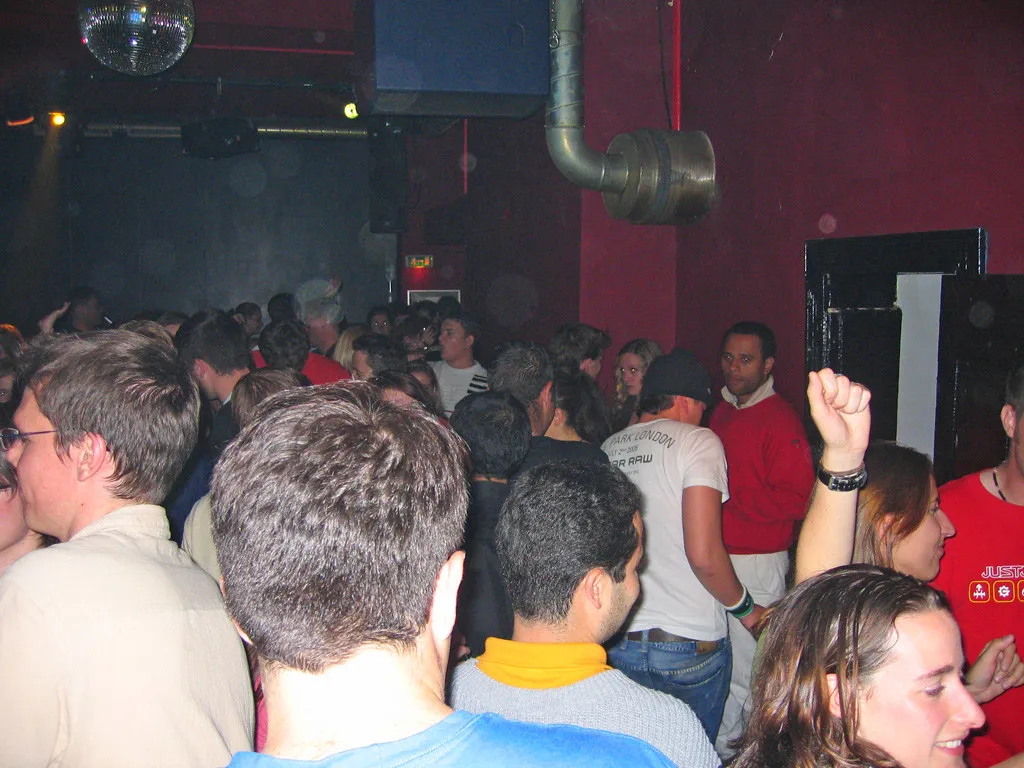
Belgrade is non-Schengen, so entries do not count against your 90-day Schengen allowance — a crucial detail if you are building a multi-city Europe party itinerary as a US, UK, Canadian, or Australian passport holder. Beer runs 2–3 EUR at splavovi, cocktails 5–7 EUR, and taxis across the city rarely exceed 5 EUR. Use Yandex or CarGo apps rather than hailing unmarked cars on the street.
Budva, Montenegro: Adriatic Open-Air Clubbing
Budva is the Adriatic's answer to Ibiza at a fraction of the cost, with Top Hill — a 5,000-capacity open-air amphitheatre perched above the town — leading the bookings. The club operates primarily from late June through the end of August, with tickets for major events at 20–50 EUR and no cover for smaller local nights. Because Budva's Old Town imposes a midnight noise curfew, the party migrates to the coastal strip known as Slovenska Plaza for late-night dancing.
Arrange a fixed-price taxi from Budva Old Town to Top Hill (expect 6–8 EUR) rather than walking the steep hill at night. Budva pairs naturally with Kotor (45 minutes north) for a lower-key daytime option and is a two-hour bus from Dubrovnik across the Croatian border. Montenegro, like Serbia, sits outside the Schengen zone, which helps multi-week itineraries.
Lisbon, Portugal: Pink Street and Riverside Rhythms
Lisbon's nightlife is anchored by the vibrant Pink Street in Cais do Sodré, the Bairro Alto district where drinking on the street is legal, and the legendary four-story Lux Frágil club on the riverfront. Entry fees run 10–25 EUR, with Lux charging 18 EUR on regular nights and up to 30 EUR for special bookings. The party starts later than most of Europe — expect Pink Street to stay quiet until 23:30 and club floors to fill after 02:00.
Start your evening with a cheap ginjinha (sour cherry liqueur) at 1.50 EUR per shot from the stand-up bars near Rossio, then move into Bairro Alto for open-air drinking before heading to Lux or Ministerium. You can check out my post on the best parts of Lisbon's wider culture for daytime recovery options. The city's hills are murder in heels, so flat shoes are a practical necessity.
The Yacht Week, Croatia: Floating Festival Week
The Yacht Week is a floating festival rather than a fixed city, where 50 to 60 skippered yachts sail the Croatian coast from Split for seven nights with themed party stops at exclusive island venues like Carpe Diem on Hvar and Zrce Beach on Pag. Packages start around 700 EUR per person for a shared cabin and climb past 2,500 EUR for private cabins on premium yachts, not including food, drink, or a kitty contribution for onboard provisions.
Book at least four to five months in advance for peak weeks in July and August; weeks at the edges of the season (late June or early September) are cheaper and calmer. You want to sail with people you know rather than strangers — a week at sea magnifies group dynamics significantly. If the Yacht Week itself is fully booked, "Sail Croatia" and "The Yacht Week alumni" chartered trips deliver 80% of the experience for roughly half the price.
Schengen Math, Accessibility, and the Details No One Mentions
Every US, UK post-Brexit, Canadian, Australian, and New Zealand passport holder is limited to 90 days within any rolling 180-day period inside the Schengen Area. A multi-city party tour of Berlin, Ibiza, Mykonos, Amsterdam, Budapest, Prague, Barcelona, and Lisbon will chew through that allowance fast. Splicing in Belgrade, Budva, or London between Schengen stops effectively resets your window of safe days inside — a tactic experienced multi-city travellers use but almost no party guide discusses.
Accessibility is another dimension competitors ignore. Berghain has step-free access to its main floor and a working lift to Panorama Bar, but many Budapest ruin bars are spread across multi-level abandoned factories with uneven floors. Lux Frágil in Lisbon and Pacha in Ibiza are both wheelchair accessible with advance notice via email. For hearing-impaired clubbers, Amsterdam's Shelter and Berlin's Tresor both run vibration-focused stages with Funktion-One sub arrays that are widely rated the most tactile in Europe. If accessibility matters, email venues before you book flights rather than assuming.
Finally, check each club's photo policy before you pull out your phone. Berlin venues cover your camera with stickers at the door; Ibiza megaclubs encourage photos for marketing; Budapest and Belgrade sit in the middle, tolerating discreet shots of your own group but never the dancefloor. Posting a stranger's face from a Berlin club to social media can get you banned and, under German data-protection rules, occasionally fined.
Party Traps to Skip in 2026
Several popular spots have become victims of their own success and now feel like tourist traps. The main pub crawl routes in Prague's Old Town lead to overpriced bars with aggressive atmospheres, and the Temple Bar district in Dublin charges nearly double for drinks compared to local spots ten minutes away. In Saint-Tropez, basic sunbed rentals now exceed 120 EUR before you order a drink, and unless you are specifically hunting a high-society experience, the value is poor.
Avoid clubs that rely on aggressive street promoters promising "free drinks" or "VIP access" — those venues almost always have hidden costs or lackluster music once you are past the door. Trust Resident Advisor, local Reddit threads, and reputable music blogs instead. Also skip organised pub crawls with 30+ participants; they cluster you into exactly the kind of loud, drunk tourist group that bouncers in Berlin, Amsterdam, and Lisbon actively reject.
Safety Protocol for Digital Nomads and Long-Stay Travelers
For those combining long-term travel with a heavy party schedule, balance and structure matter more than the actual night out. Many digital nomads base themselves in Belgrade or Lisbon because both cities combine affordable rent (600–900 EUR for a one-bedroom in a central neighbourhood) with world-class nightlife. Use the Europe nightlife hub for city-by-city cost breakdowns before you pick a base.
Set up a simple buddy agreement within your group: check-in times, a designated "sober second" who tracks the group, and a no-one-walks-home-alone rule. Most European cities are safe, but pickpockets target distracted tourists in Barcelona's Las Ramblas, Prague's Wenceslas Square, and Budapest's District VII exits. Keep digital copies of your passport and insurance on a cloud drive, use Uber or Bolt after 02:00, and store valuables in club cloakrooms for the 2–3 EUR fee rather than in your pocket.
Nightlife Day Trips From London
If you are based in London and want variety, several nearby cities deliver serious nightlife within a short rail journey. Brighton is one hour away by Thameslink or Southern from Victoria and St Pancras, featuring a vibrant LGBTQ+ scene and beachfront clubs that rival the capital at a fraction of the door cost. Manchester is two hours from Euston and known globally for its Warehouse Project series, which takes over industrial spaces from late September through New Year's Eve and books the world's top DJs.

Bristol offers a bass-heavy underground scene and is the birthplace of drum-and-bass and trip-hop; Motion is consistently ranked among the best clubs in the UK. Book Advance fares via Trainline two to three weeks ahead for Manchester and Bristol to save 60–70% versus same-day walk-up tickets. All three cities are genuinely walkable between venues, which means you spend your budget on drinks rather than Ubers.
Frequently Asked Questions
Which best party cities in europe options fit first-time visitors?
Prague and Budapest are ideal for first-time visitors due to their walkable centers and affordable prices. These cities offer a welcoming atmosphere with many bars that do not require strict dress codes or expensive tickets.
How much money should I budget for a night out in Europe?
Budget around $40 for Eastern Europe and $100 or more for major hubs like Ibiza or London. This should cover your entry fees, a few drinks, and a safe taxi ride back to your accommodation.
What is the best time of year for nightlife in Europe?
Summer is best for beach destinations like Ibiza and Mykonos, while cities like Berlin and Amsterdam peak during the autumn festival season. Check local event calendars for major ADE or Sonar festival dates.
Europe remains the premier destination for nightlife seekers, offering an unparalleled variety of music, culture, and social experiences. From the high-tech sound systems of Amsterdam to the historic ruin bars of Budapest, there is a city to match every traveler's preference. By planning your logistics, tracking your Schengen days, and staying aware of local door customs, you can ensure your trip is both safe and unforgettable.
Remember to pace yourself and prioritize the experiences that truly resonate with your musical tastes rather than just following the crowds. Whether you are dancing until sunrise in Barcelona or exploring the underground scene in Berlin, the memories will last a lifetime. Safe travels and enjoy the incredible energy that only the best party cities in Europe can provide.