

12 Best Bars in Copenhagen to Visit in 2026
My first night in Copenhagen involved a frantic search for a seat at a candlelit table during a winter storm. After a decade of visiting this city, I have learned that the best spots are often tucked behind unmarked doors. This guide reflects my personal favorites and was last refreshed in April 2026 for your upcoming trips. The local scene has transformed from simple beer halls into a sophisticated network of World's 50 Best Bars alumni, natural wine caves, and craft-beer taphouses. These venues help make the city one of Europe's best nightlife scenes.
Navigating the 10 Best Ways to Experience Copenhagen Nightlife landscape requires a bit of planning and a healthy budget. Most top-tier venues prioritize atmosphere and high-quality ingredients over high-volume service. Whether you seek a quiet corner for a glass of Riesling or a high-energy Mikkeller taphouse, the options are diverse. I have curated this list to ensure you find the most authentic experiences, grouped by neighborhood and drink style so you can build a practical crawl. This roundup of the best bars in Copenhagen spans every major style, so whether you compare Copenhagen bars by cocktails, natural wine, rooftop views, or craft beer, you can plan the ideal 2026 route in one place.
The Copenhagen Cocktail Scene: A Global Mixology Destination
The Danish capital has earned a reputation as a global leader in gastronomy, and the bar scene follows suit. Establishments here often mirror the minimalist aesthetic and high standards of the city's famous Michelin-starred kitchens. You will notice a heavy emphasis on seasonal Nordic herbs, homemade tinctures, and foraged ingredients in most cocktail menus. Several venues are listed in The World's 50 Best Bars Archive, and Ruby in particular hit number 22 globally at its 2013 peak.
The modern cocktail movement here traces back to Ruby's opening in 2007, which directly inspired Lidkoeb, Brønnum, and a generation of Vesterbro bartenders. Today the scene is defined by cross-pollination: Swedish brothers run Strøm, an American runs Balderdash near Nyhavn, and Portuguese bartender Humberto Marques helped build Curfew. That international talent layered onto Danish ingredient discipline is what pushes Copenhagen above Stockholm and Oslo for quality per drink.
Expect a slower, more conversational pace than London or New York. Drinks arrive in three to five minutes, the music stays below shout-level until after 11 PM, and bartenders genuinely want to talk about the menu. This is not a place to order a vodka soda and scroll your phone. Plan 90 minutes per bar minimum if you want the full experience.
Wine Bars and the Hygge Ritual
Hygge is not a buzzword; it is the fundamental design principle for almost every wine bar in the city. Expect low amber lighting, sheepskin-draped chairs, flickering taper candles, and tables close enough that you will overhear three conversations at once. The natural-wine movement is strong here, with most bars pouring low-intervention bottles from Austria, France, Italy, and Georgia alongside a short list of Danish fruit wines from Frederiksdal and Nordic Food Lab collaborators.
Villa Vino, Pompette, and Mother Wine anchor the central scene, while Ved Stranden 10 remains the winter-night favorite for canal views and Burgundy by the glass. Kjær & Sommerfeldt, operating since 1875, is the historic counterpoint where the wine merchant format means you can buy a bottle off the shelf and pay 155 DKK corkage to drink it at the table. Most wine bars fill up by 19:00 on Thursday through Saturday, so reserve or arrive right when doors open at 16:00.
Craft Beer and Danish Taphouse Culture
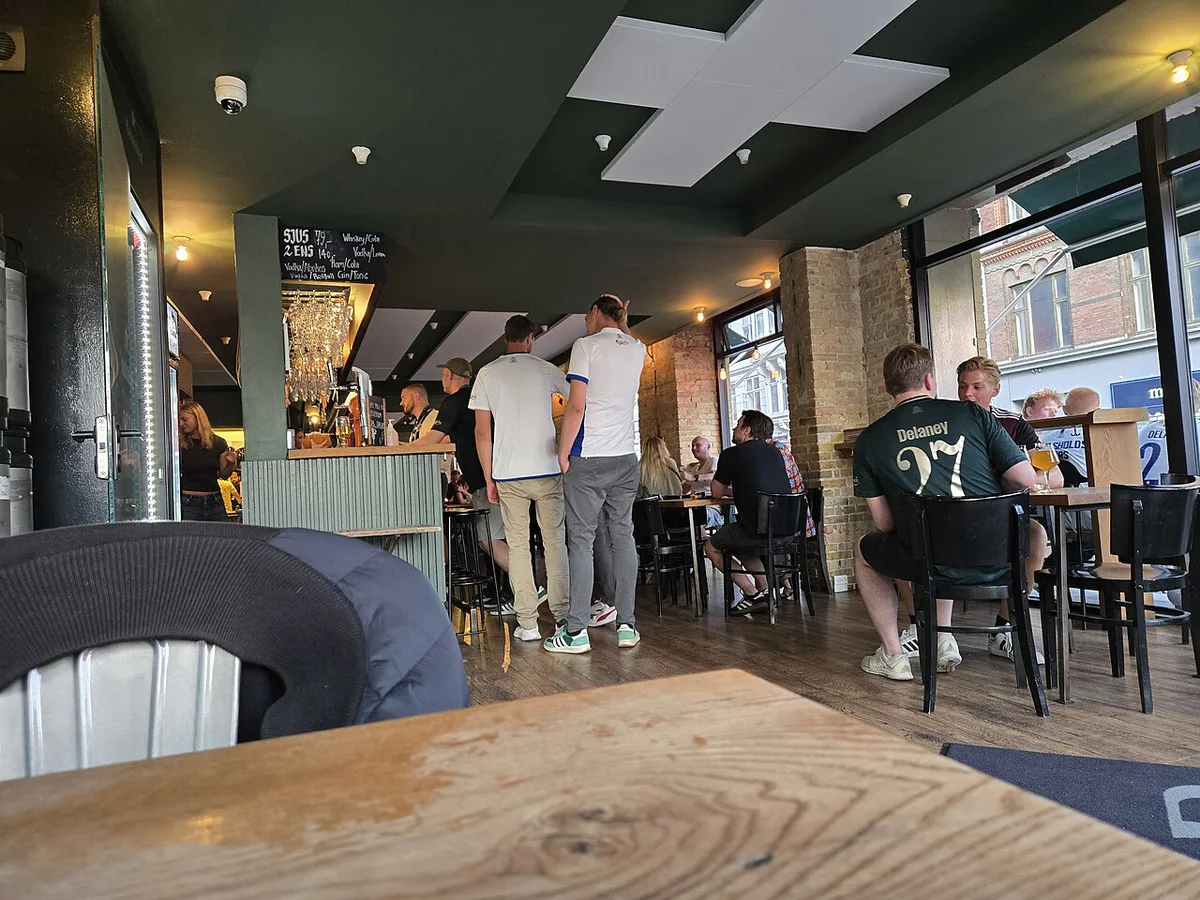
Denmark punches far above its weight on craft beer, and the Copenhagen taphouse scene reflects that. Mikkeller, founded in 2006 by former math teacher Mikkel Borg Bjergsø, operates a small constellation of bars across the city: the original Mikkeller Bar on Viktoriagade in Vesterbro, Mikkeller & Friends in Nørrebro, and the War Pigs brewpub in Kødbyen. Each pours a rotating lineup of 20-plus Mikkeller beers plus guest taps from Omnipollo, To Øl, and Hill Farmstead.
Taphouse on Lavendelstræde sits closer to the city center and runs 61 rotating taps with a live digital board showing exactly how many liters remain in each keg. For an even more local feel, BRUS in Nørrebro runs a brewery, restaurant, and bottle shop under one roof, and Nørrebro Bryghus on Ryesgade has been one of Copenhagen's longest-running brewpubs. Expect to pay 65 to 85 DKK for a 40-50 cl pour at these venues, cheaper than most cocktails but still pricey compared to Germany or Czechia.
12 Best Bars in Copenhagen to Visit in 2026
To help you navigate, I have categorized these selections into three distinct clusters: Iconic Cocktail Dens, Wine and Hygge, and Craft Beer plus Waterfront. Each offers something unique, from historic settings to cutting-edge audio systems for music lovers. The following list represents the pinnacle of Danish hospitality. If you are looking for more high-energy options, you might also enjoy the Copenhagen Nightclubs: 10 Best Clubs & Nightlife Spots (2026) for late-night dancing after 2:00.
Geographically the list splits cleanly: Indre By (city center) holds Ruby, Brønnum, Villa Vino, Kongens Bar, Kjær & Sommerfeldt, Taphouse, Balthazar, and Strøm. Vesterbro holds Lidkoeb and Duck and Cover. Kayak Bar sits on the harbor, and Bird is out toward Frederiksberg. A practical crawl starts at Ruby for a 17:00 cocktail, walks 10 minutes to Brønnum for the second round, then either pushes west to Vesterbro by taxi or continues in Indre By to Strøm.
- 1. Ruby Cocktail Bar
- This legendary speakeasy is hidden behind an unmarked door in a historic mansion on Nybrogade, directly across the canal from Christiansborg Palace.
- Cocktails run 120-140 DKK in a venue open daily from 16:00 until late; try the signature Tongue Jacuzzi with gin, passion fruit, and elderflower.
- The plush leather sofas, modern Danish furniture, and quiet side rooms make it perfect for intimate conversations.
- Reservations are essential on Friday and Saturday; walk-ins only work if you arrive before 17:30 on weeknights.
- 2. Lidkoeb
- Located in a converted 1886 pharmacy on Vesterbrogade, this three-story bar features a dedicated 200-bottle whiskey lounge on the top floor (Friday and Saturday only).
- Cocktails average 110-130 DKK and the bar is open daily from 16:00 to 02:00, with a courtyard beer garden that is one of the best summer drinking spots in the city.
- Order the Tyve Tyve with Tanqueray, cacao-nib-infused Lillet Blanc, and carrot-parsnip syrup, or the traditional Øl & En Snaps pairing.
- Same owners as Ruby, so the craft level is identical; book 48 hours ahead for Saturday whiskey lounge access.
- 3. Duck and Cover
- This basement cocktail bar in Vesterbro specializes in seasonal cocktails served in a mid-century modern living room setting on Dannebrogsgade.
- Drinks average 115-130 DKK and it opens at 16:00 Tuesday through Saturday (closed Sunday and Monday).
- The small first room is deceiving; turn left for the larger leather-lounge area, and ask the bartender for the off-menu One for the Terrace.
- Walk-in friendly on weeknights since the bar stays under the radar of most guidebooks.
- 4. Brønnum
- Situated next to the Royal Theatre on Kongens Nytorv, this historic venue features six interconnected rooms with original wood carvings and chandeliers; Hans Christian Andersen drank at a prior incarnation of the space.
- Cocktails range 130-150 DKK and the bar is open daily from 12:00 for coffee through to late evening service.
- The outdoor terrace offers prime Kongens Nytorv views; their signature glogg (Hennessy, Ruby Port, red wine, winter syrup) is the best in the city.
- Operated by the Ruby team, so quality is guaranteed; the rooms get progressively darker and more intimate as you move toward the back.
- 5. Villa Vino
- This central wine bar on Mikkel Bryggers Gade offers dozens of wines by the glass from Spain, Italy, France, Lebanon, and beyond in a candlelit pedestrian-street setting.
- Glasses run 85 to 150 DKK and the bar is open from 16:00 to 00:00 most days, with small plates of cheese and charcuterie to pair.
- The staff genuinely know the list, so ask for a tasting recommendation rather than scanning the menu cold.
- Book Friday and Saturday evenings; the pink-canopied outdoor terrace is first-come-first-served in summer.
- 6. Kongens Bar
- A traditional Danish bodega on Ny Adelgade with dark wood, brass fittings, and perfectly poured Tuborg; stays open until 03:00 on weekends.
- Beer runs 50-70 DKK and simple spirits 60-90 DKK, making it the cheapest option on this list and a welcome break from cocktail-bar prices.
- Check the chalkboard for daily specials on Danish schnapps and seasonal local craft beers; their gløgg in December is excellent.
- Fair warning for non-smokers: this qualifies as a small bodega under Danish law, so smoking indoors is legal and common.
- 7. Kjær & Sommerfeldt Wine Bar
- Operating since 1875 on Gammel Mønt, Copenhagen's oldest wine merchant features a wood-paneled tasting room hidden inside the shop.
- Wine by the glass ranges 90-180 DKK; alternatively buy any bottle from the shop and pay 155 DKK corkage to drink it at a table.
- Closes early by Copenhagen standards at 18:00 weekdays and 20:00 Saturday, so treat it as a pre-dinner stop rather than a late-night spot.
- Book a formal tasting session in advance if you want guided access to their rare vintages in the cellar.
- 8. Taphouse
- With 61 rotating taps on Lavendelstræde, this is the ultimate destination for craft beer enthusiasts in the city center, with digital boards showing live keg levels.
- 40 cl pours run 65-90 DKK and the bar is open daily from 13:00 until late.
- Ask for the taster flight (five 15 cl pours for 100 DKK) to sample across Danish microbreweries before committing to a full glass.
- Walk-in only, no reservations; Thursday evenings get crowded with office crews but turnover is fast.
- 9. Balthazar
- Tucked inside the Hotel d'Angleterre on Kongens Nytorv, this was Denmark's first dedicated champagne bar and remains its most luxurious.
- Champagne by the glass starts at 160 DKK and climbs quickly; cocktails 150-200 DKK, open Tuesday through Saturday from 16:00.
- Smart-casual is the minimum dress code here; swap sneakers for leather shoes and skip athletic wear entirely.
- DJ sets on Friday nights transform the elegant space; reservations essential after 21:00 on weekends.
- 10. Kayak Bar
- This floating bar on Børskaj sits on the canal under the Knippelsbro bridge and opens daily from 11:00 during the summer season (roughly May through September).
- Beer and wine run 60-90 DKK with a limited but well-curated list; food is better than the drinks menu suggests.
- Watch kayakers paddle by from the wooden deck, or rent a kayak from the bar itself to explore the harbor.
- No reservations; the outdoor tables fill by 15:00 on sunny days, so arrive early or plan for a weekday afternoon.
- 11. Strøm
- Located on Niels Hemmingsens Gade in Indre By, Strøm was the first bar in Europe to serve hand-crafted cocktails on tap, introducing the format in 2012.
- Drinks cost 110-150 DKK and the bar is open from 18:00 until 03:00 on weekends, with the signature Navigator menu guiding you by flavor profile rather than base spirit.
- The on-tap Dark & Stormy and Clipper are surprisingly complex and arrive in under 90 seconds, ideal if you are on a tight pre-dinner schedule.
- Founded by Swedish brothers Mikael and Andreas Nilsson who previously worked at London's top bars; won Best Atmosphere at the 2019 Bartender's Choice Awards.
- 12. Bird
- This listening bar near the Frederiksberg border pairs a minimalist Japanese-inspired interior with a custom-built vinyl sound system curated by audiophiles.
- Cocktails run 120-140 DKK in a venue that opens at 16:00 Thursday through Saturday; focus is on sound quality, so conversations stay low.
- Local DJs and collectors handle the selections, spanning jazz, ambient, Krautrock, and Japanese city-pop throughout the evening.
- Go on a Thursday to fully appreciate the acoustics; the room is intentionally small and weekends book out two weeks ahead.
| Type | Try | Vibe |
|---|---|---|
| Cocktail bars | Ruby, Lidkoeb, Strøm | Speakeasy polish, World's 50 Best pedigree, slow and conversational |
| Natural wine bars | Villa Vino, Kjær & Sommerfeldt | Candlelit hygge, low-intervention pours, knowledgeable staff |
| Rooftop bars | Nimb Roof, Illum rooftop | Seasonal summer views over the old town and Tivoli, view premium |
| Craft beer bars | Taphouse, Mikkeller | Dozens of rotating taps, taster flights, relaxed and unpretentious |
| Brown bars (bodega) | Kongens Bar, Eiffel Bar | Cheap Tuborg, dark wood and brass, late hours, often smoky |
Nightlife Practicalities: Peak Nights, Hours, and Prices
Thursday, Friday, and Saturday are the peak nights. Thursday is heavily Danish (a local tradition called Thirstday), Friday leans international, and Saturday mixes both. Sunday through Wednesday, many cocktail bars close early or shut entirely (Duck and Cover is closed Sunday and Monday, Balthazar is closed Sunday and Monday, Bird is open Thursday through Saturday only). Check individual websites before a weeknight visit or you will find locked doors.
Standard opening hours run 16:00 to 02:00 on weekends and 16:00 to 00:00 on weeknights. Traditional bodegas like Kongens Bar start earlier (14:00) and close later (03:00). The last metro runs until 01:00 on weeknights but runs 24 hours Friday and Saturday, so late crawls are easy to manage without a taxi.
Here is a rough price cheat sheet in DKK. Cocktails: 110-150 DKK at cocktail bars, 160-220 DKK at Balthazar. Craft beer (40 cl): 65-90 DKK. Wine by the glass: 85-180 DKK. Bodega pilsner: 50-70 DKK. Champagne flute: 130-200 DKK. Budget 400-600 DKK per person for a three-bar evening, or 300 DKK if you stick to beer and bodegas.
Neighborhood Crawl Planning: Vesterbro vs Indre By
Indre By (the city center, including Kongens Nytorv and the area near Christiansborg Palace) is the tightest cluster for a multi-bar evening. Ruby, Brønnum, Villa Vino, Kongens Bar, Kjær & Sommerfeldt, Taphouse, Balthazar, and Strøm are all walkable within 15 minutes of each other. Start at Ruby, walk to Brønnum, then Strøm, then finish at Kongens Bar for a late-night Tuborg. Total walking time is under 25 minutes.
Vesterbro is the alternative crawl, anchored by Lidkoeb and Duck and Cover within two blocks of each other on Dannebrogsgade and Vesterbrogade. Add Mikkeller Bar on Viktoriagade and War Pigs in Kødbyen for a beer-heavy night. Vesterbro has a grittier, post-industrial feel and is a 15-minute walk or 5-minute metro from the city center. For a mixed crawl, stay in Indre By for cocktails then taxi to Vesterbro around 22:00 when the dive-bar energy picks up.
If you are based near Nyhavn for lodging, most of these bars sit within a 10-15 minute walk. Consider the Copenhagen Card if you will also use public transport during the day; it covers metro and bus rides, which are useful for reaching Bird or Kayak Bar from central hotels.
Booking, Tipping, and Paying: What Locals Expect
Booking is mandatory for Ruby and Lidkoeb on Friday and Saturday, and strongly recommended for Brønnum, Balthazar, and Bird anytime. Villa Vino, Strøm, and Duck and Cover take walk-ins but fill up by 20:00. Taphouse, Kongens Bar, Kayak Bar, and Mikkeller locations are strictly walk-in. Most bookings are handled through the bar's own website or Resy; phone calls are usually not returned on the same day.
Tipping is not expected in Denmark because service is included in menu prices and bartenders earn a full living wage under Danish labor law. Rounding up to the nearest 10 or 20 DKK after a great experience is polite but optional; adding 10 percent on a card machine is over-tipping and may confuse the bartender. Most Danes do not tip at all.
Payment is cashless at nearly every bar. Most places accept international Visa and Mastercard with contactless; American Express is hit or miss. Diners Club and personal checks are dead. Danish locals primarily use MobilePay (a mobile payment app), but the app requires a Danish CPR number, so foreign visitors default to card. Keep a card with no foreign transaction fee for a multi-bar night, since each swipe from a typical US card adds 2-3 percent.
Smoking Rules Inside Danish Bars: What to Expect
One rule that surprises almost every visitor: Denmark still permits indoor smoking in bars smaller than 40 square meters that do not serve food. Kongens Bar, Eiffel Bar, and most classic bodegas fall under this exemption, so expect a genuinely smoky room even on a Tuesday. This is not a loophole the industry quietly uses; it is an explicit exemption in the 2007 Smoke-Free Environments Act that was renewed in 2010 and remains unchanged.
Every bar on the main list in this article except Kongens Bar is smoke-free indoors. Cocktail bars, wine bars, and larger taphouses (including Taphouse, Ruby, Brønnum, Lidkoeb, Duck and Cover, Strøm, Bird, Balthazar, Villa Vino, and Kjær & Sommerfeldt) are fully non-smoking. Outdoor terraces are fair game for smokers at all venues, including in winter when bars supply blankets and space heaters.
If you have asthma or a strong aversion to smoke, ask the bar whether it is a "rygebar" (smoking bar) before committing. The Danish term for smoke-free is "røgfri". This single question avoids an uncomfortable visit to a Kongens-style bodega and saves the money you would have spent dry-cleaning your coat the next day.
What to Skip: Avoiding Copenhagen's Tourist Traps
While Nyhavn is undeniably beautiful for a photo, the bars directly on the waterfront are overpriced and serve generic drinks. You will pay 180 DKK for a mediocre gin and tonic while looking at the same colorful houses you can see for free. Walk two blocks inland to The Union Local, Brønnum, or Balthazar for genuinely better quality at similar or lower prices. The same applies to Strøget, the main pedestrian shopping street, which has almost no authentic bars.
Generic hotel bars outside named boutique properties rarely match independent venues. Unless you are staying at D'Angleterre, Hotel Sanders (home of TATA), or Hotel Kong Arthur, skip the lobby bar and head to Vesterbro. Avoid bars with large colorful cocktail photos on boards outside; these cater to cruise-ship day-trippers and typically pre-batch drinks hours before service.
Be wary of Irish and American theme pubs in the city center if you want an authentic Danish experience. They are fun for football matches but do not reflect the mixology culture the city is known for. Stick to the places mentioned in this guide or explore the Denmark nightlife scene for more regional variety. Choosing a local bodega over a chain pub will always produce a more memorable night.
How Much Do Drinks Cost in Copenhagen?
Budgeting for a night out here matters because costs escalate quickly. A standard cocktail at a reputable bar costs 110 to 150 DKK (roughly 16-22 USD or 15-20 EUR). At Balthazar, expect 160-220 DKK per drink. Craft beer in a 40 cl pour runs 65 to 90 DKK depending on the venue, while a bodega pilsner costs 50-70 DKK. You can find more affordable options at the 10 Best Pubs in Copenhagen: Historic Brown Bars & Craft Beer (2026) slightly further from the center.
Wine prices vary widely depending on the vintage and the bar's natural-wine focus. Expect 85 to 110 DKK for a solid house glass in most central neighborhoods, rising to 140-180 DKK at wine-specialist venues. Bottle prices start around 450 DKK and climb sharply for biodynamic or cult producers. Happy hour specials exist but are rare at high-end spots; Taphouse and Mikkeller run early-evening keg discounts worth checking.
For a rough nightly budget: 300 DKK per person for beer-only in bodegas, 450-600 DKK for a mixed cocktail and wine evening, 800-1200 DKK for a high-end night that includes Balthazar or Ruby. The typical dinner-and-three-drinks evening lands around 800 DKK before tip, which matches Stockholm but sits above Berlin or Lisbon. If you would rather keep costs down, see how it compares with Europe's cheapest nightlife cities.
Rooftop Bars in Copenhagen: Summer Harbour Views
Copenhagen is a low-slung city, so a genuine rooftop bar with a skyline or harbour view is a seasonal treat rather than a year-round staple. Most rooftop terraces here open only from roughly May through September, and the best of them fill the moment the first warm evening arrives, so treat these as summer 2026 targets and always check the venue's own page for opening dates before you set out. When the weather cooperates, a rooftop aperitivo at 18:00 is one of the finest ways to start a Copenhagen bars crawl before you descend into the cocktail dens and taphouses below.
Nimb Roof, perched atop the Moorish-style Nimb Hotel inside Tivoli Gardens, is the most famous of the group, pouring cocktails and chilled wine over a leafy terrace that looks down on the amusement park. The rooftop terraces of the Illum department store on Strøget give you a central, casual spot for a glass in the sun with views across the old town rooftops, while out in the redeveloped Nordhavn district the tall former grain silo houses an upper-floor restaurant and bar with sweeping views over the Øresund and the harbour. Several harbour-front and city-center hotels also run seasonal rooftop terraces; because their names, hours, and prices change from summer to summer, confirm the current lineup locally rather than assuming last year's spot is still running.
Rooftop drinks carry a small view premium over street-level bars, so expect to pay a little more than the 110 to 150 DKK cocktail range quoted elsewhere in this guide. Book ahead for Nimb Roof and any hotel rooftop on Friday and Saturday, arrive early on the first clear evening after a rainy stretch, and bring a light layer since even July nights turn cool once the sun drops over the water.
Explore More Copenhagen Nightlife
Frequently Asked Questions
Is there a dress code for Copenhagen bars?
Most bars in Copenhagen have a relaxed, smart-casual dress code. Avoid wearing athletic gear or flip-flops at high-end cocktail dens like Ruby or Balthazar. Clean sneakers and jeans are usually acceptable in almost every venue across the city.
Do I need to book a table for bars in Copenhagen?
Booking is highly recommended for popular spots like Lidkoeb or Ruby on Friday and Saturday nights. Many wine bars operate on a walk-in basis, but arriving before 8 PM is wise. Use the bar's official website to secure a spot at least two days in advance.
Are bars in Copenhagen expensive?
Copenhagen is one of the most expensive cities for drinking in Europe. Expect to pay $15-$22 for cocktails and $8-$12 for craft beer. You can save money by visiting local bodegas or looking for early evening wine specials.
Copenhagen's bar scene offers a perfect blend of historic charm and modern innovation. From the hidden corners of Ruby to the audiophile sanctuary of Bird, there is a seat for every type of traveler. I hope this guide helps you navigate the city's nightlife with confidence and style in 2026.
Remember to pace yourself and enjoy the unique hygge atmosphere that makes this city so special. Whether you are sipping natural wine or a Mikkeller IPA, the quality here is truly world-class. Skål and enjoy your night out in the wonderful Danish capital!