

10 Best Copenhagen Clubs & Nightlife Spots (2026)
Copenhagen's club scene sits somewhere between Berlin's rawness and Stockholm's polish, with a tolerant door culture and sound systems that rival any European capital. The city runs on a Thursday-to-Saturday rhythm, with Kødbyen and Refshaleøen pulling the underground crowds and Indre By hosting the more mainstream and upscale rooms. Most dance floors stay empty until after 1:00 AM. That tolerant, high-quality scene puts it among Europe's best club cities.
This 2026 guide covers ten venues that consistently draw strong crowds, plus the practical details travelers actually need: door policies, entry prices in EUR, neighborhood vibe differences, and how to get home on public transport after closing. Last refreshed for the 2026 season.
The Copenhagen nightclubs on this list span the full range of the city's dance-floor culture, from Function One techno basements and shipyard warehouses to smart Indre By rooms with table service. Whether you want raw underground energy or a dressed-up bottle-service night, the sections below map each of the best Copenhagen nightclubs to a neighborhood, a price band, and a door policy so you can plan the right night before you arrive.
The Meatpacking District (Kødbyen): The Epicenter of Cool
Kødbyen, the former meat processing quarter in Vesterbro, is the single most concentrated nightlife zone in the city. The white industrial halls still carry tile floors and exposed pipes, and many venues reuse old cold rooms as dance spaces. Bars, restaurants, and intimate clubs sit within a two-minute walk of each other, so crawling between venues on foot is the normal approach.

The dress code across Kødbyen is relaxed. Jeans, sneakers, and a warm jacket are standard, and doors rarely turn people away for clothing. The crowd skews mixed-age on Fridays and younger on Saturdays, with a strong local-to-tourist ratio. For context on the surrounding area, see our guide to the 10 Best Ways to Experience Copenhagen Nightlife scene as a whole.
Three venues anchor the district and sit within 150 meters of each other. Jolene Bar, a converted butchery with mismatched furniture and a loud, unpretentious dance floor, charges no cover most nights and runs until about 4:00 AM. Bakken Copenhagen, directly opposite, leans harder into electronic beats with a cover around 90 DKK (roughly 12 EUR) and a Thursday program that is noticeably calmer than its Saturday rush. H15, a cafeteria by day, flips into an event space by night with a great sound system and a laid-back patio for breaks from the low end.
Culture Box: Copenhagen's Electronic Music Institution
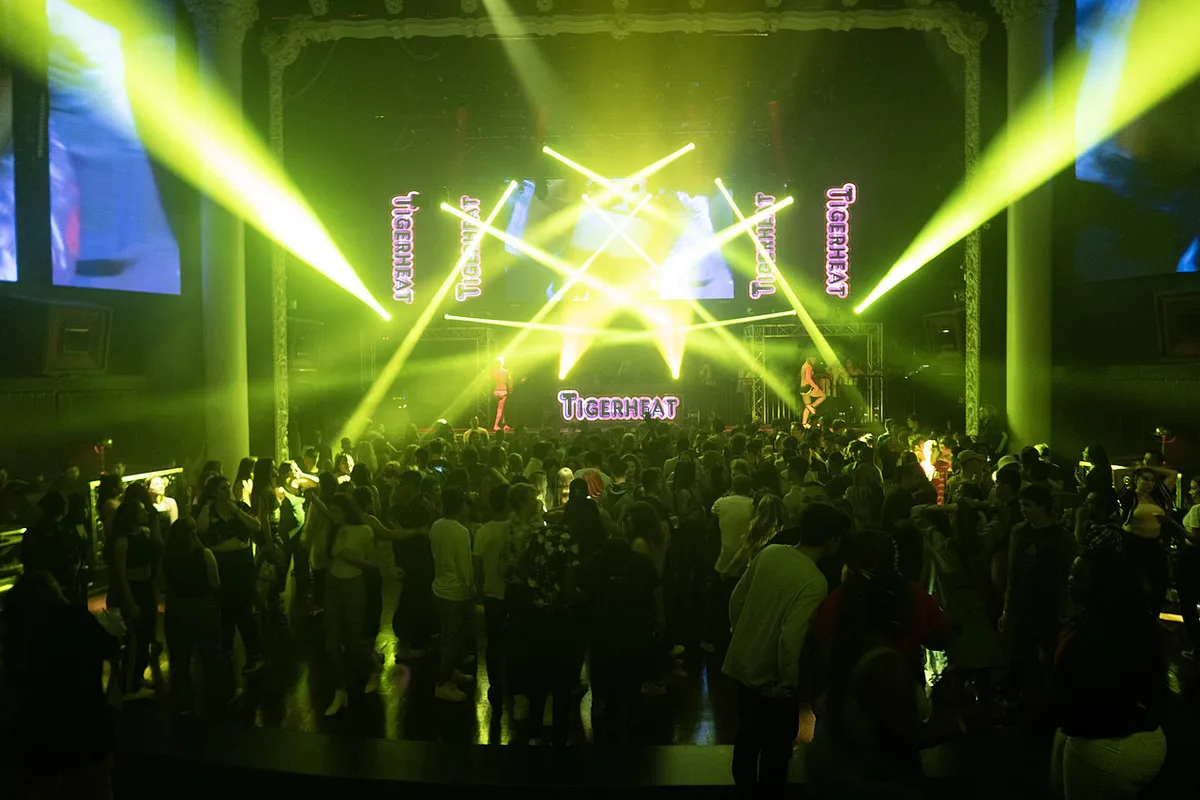
Culture Box, on the edge of Østerbro near Kongens Have, has been the city's most consistent electronic venue for more than two decades. The club runs three rooms: the main Black Box in the basement for harder techno, the ground-floor Red Box for house and bass, and the street-level White Box bar for warm-ups. Resident DJs and international bookings like Steffi, Astrid Engberg, and Developer appear on the Function One-grade system in the Black Box.
Entry typically runs 140 to 230 DKK (18 to 30 EUR) depending on the headliner and the night. Doors open at 23:00 on Fridays and Saturdays, and the basement usually runs until 06:00. The queue lengthens sharply between 00:30 and 01:30, so arriving before midnight or after 02:30 is the pragmatic move. The Copenhagen Card does not cover club entry, and ticketed international nights often sell out on Resident Advisor before door sales open.
Den Anden Side: Underground Techno and Queer Culture
Den Anden Side, meaning "The Other Side," sits in the basement of the old Palads cinema off Axeltorv and runs a Function One sound system in a low-ceilinged concrete space. The programming leans queer and creative: bass, electro, hard techno, and a strong rotation of Copenhagen collectives. A no-photo policy is enforced at the door, and most regulars respect it without being asked.
The door here is the strictest in the city, and it is worth understanding what door staff actually look for. Attitude matters more than outfit. Arriving in a loud group of six, speaking English at high volume, or talking about the venue's reputation on the way in will usually get you turned away. Going in pairs, staying off your phone in the line, and knowing which night you are there for (check the Resident Advisor listing before arriving) all help. Cover sits around 120 to 220 DKK (16 to 30 EUR).
Jolene Bar and Bakken: Unpretentious Dancing in Kødbyen
Jolene Bar is the Kødbyen venue most often mentioned by locals when out-of-town friends ask where to go. Drinks are served at a central horseshoe bar, and the DJ booth sits on the wall next to the dance floor rather than on a stage. The music bounces between disco, Italo, house, and the occasional surprise rock set. There is no cover on most weeknights, and a small one (around 60 DKK, roughly 8 EUR) on busy Saturdays after midnight.
Bakken Copenhagen, across the courtyard, runs harder and later. The room is smaller and sweatier, the queue forms earlier, and the sound system is pointed squarely at the dance floor. Both venues stop serving at roughly 05:00, and the last Metro from Enghave Plads is worth checking in advance since the walk to Copenhagen Central is about 12 minutes through well-lit streets.
Werkstatt and Refshaleøen: Industrial Summer Party Vibes
Refshaleøen, a former shipyard peninsula across the harbor from the city center, runs at a different scale and tempo than Kødbyen. Werkstatt, a converted industrial hall inside the Reffen street food area, hosts large-format parties with international DJs, full light rigs, and capacities several times that of a Kødbyen club. Programming runs mainly from May through September, with occasional winter takeovers. Expect 110 to 260 DKK (15 to 35 EUR) for tickets.
The easiest route is Harbor Bus 991 or 992 from Nyhavn to Refshaleøen, which runs until around 01:00 and treats a standard Rejsekort or DOT ticket as normal public transport. After that, a taxi back to Indre By runs about 180 DKK (24 EUR). Hangaren, a standalone warehouse with a courtyard and bonfires, often programs next to Werkstatt on festival weekends. During the summer season, stacking both in a single night is the classic move.
Upscale Clubs: HIVE, Château Motel, and Module
HIVE, in Indre By near Kongens Nytorv, is the closest thing Copenhagen has to a mainstream, dress-up club. Table service is common, entry on weekends starts at about 150 DKK (20 EUR) for non-list guests, and the dress code is smart: collared shirts, no sportswear, no sneakers for men at the main door. Fridays and Saturdays run from midnight to 06:00.

Château Motel, also in Indre By, spreads four floors across house, R&B, hip-hop, and a rooftop lounge. Cover sits around 160 DKK (22 EUR), and the crowd skews early-20s. Module, a newer techno-focused room in Vesterbro, takes the opposite angle with a minimalist dark interior, a strong resident booking policy, and doors that are about attitude rather than outfit. Tickets usually pre-sell for 140 to 170 DKK (19 to 23 EUR).
LGBTQ+ Nightlife: Copenhagen's Most Inclusive Spots
Copenhagen has one of the most integrated queer scenes in Northern Europe, and dedicated LGBTQ+ venues are concentrated in central Indre By around Studiestræde and Larsbjørnsstræde. Never Mind is the classic late-night disco, open seven nights a week with free entry most nights and a small, always-packed floor playing pop, disco, and high-energy classics. The busiest stretch is between 03:00 and 07:00, when other venues have closed.
Centralhjørnet, the oldest gay bar in the country, sits a few minutes away and is more bar than club but fills with a mixed crowd late on weekends. Oscar Bar & Café draws a slightly older, calmer crowd for cocktails and conversation. Den Anden Side, covered above, is the queerest of the techno rooms and programs explicitly queer nights on a regular cadence. Across all these spaces, the culture is genuinely mixed: straight allies are welcome, but the night belongs to the queer regulars.
Neighborhood Vibe Comparison: Kødbyen vs Refshaleøen vs Indre By
The three main club zones feel completely different, and choosing the right one matters more than picking a specific venue. Kødbyen, in Vesterbro, is the middle option: industrial but walkable, mixed crowds, moderate prices, and the easiest to bar-hop. Most first-time visitors should start here. It is a 15-minute walk from Copenhagen Central Station, and the nearest Metro stop is Enghave Plads on the M3 line.
Refshaleøen is the rawest of the three. There are no streetlights on the walk in, no corner shops, and the buildings are genuinely repurposed shipyard halls. The payoff is the scale: thousands of people across multiple floors, full light shows, and programming that competes with Berlin. It is a commitment — you pick your night, pre-buy your ticket, and plan the harbor bus route home in advance.
Indre By, the historic center, holds the upscale clubs and the LGBTQ+ core. Dress codes are stricter, drinks are pricier, and the crowd is more international. It works best for a mixed group where some people want to dance and others want to sit and talk, since there are plenty of late-night cocktail bars a block away from the main clubs. For a quieter alternative night before or after, consider the 12 Best Bars in Copenhagen (2026): A Local's Nightlife Guide.
| Club | Music | Vibe | Area |
|---|---|---|---|
| Culture Box | Techno & house | Institution, Function One system | Østerbro |
| Den Anden Side | Hard techno & electro | Underground, queer, strict door | Indre By |
| Module | Techno | Minimalist, resident-driven | Vesterbro |
| Jolene Bar | Disco, Italo, house | Unpretentious, walk-up | Kødbyen |
| Bakken Copenhagen | Electronic | Smaller, sweatier, later | Kødbyen |
| HIVE | Mainstream / mixed | Upscale, dress-up, table service | Indre By |
| Château Motel | House, R&B, hip-hop | Four floors, early-20s crowd | Indre By |
| Werkstatt | Warehouse techno | Large-format, industrial (summer) | Refshaleøen |
The Thursday Night Scene: Why Mid-Week Trips Work
Copenhagen is one of the few European capitals where Thursday is genuinely a real going-out night rather than a soft warm-up. The anchor reason is student culture: the University of Copenhagen, Copenhagen Business School, and several design schools run Thursday student nights with cheaper drinks and occasional free entry for ID holders. Kødbyen venues like Jolene and Bakken often run a lighter cover or none at all.
Thursday has three practical advantages for travelers. Queues at Culture Box, Den Anden Side, and Module are 60 to 80 percent shorter than Saturday, so you can actually walk up after midnight without losing an hour. Door policies are visibly more relaxed because staff are not rationing capacity. And weekday hotel rates in Copenhagen are roughly 30 to 40 percent below Friday and Saturday prices, making a Thursday-to-Saturday trip substantially cheaper than the standard Friday-Sunday. Most venues close an hour earlier on Thursdays (around 04:00 instead of 05:00-06:00), which is a fair trade.
Essential Nightlife Tips: Door Policies, Prices, and Timing
Door policies in Copenhagen are rarely about clothes and almost always about attitude, group size, and sobriety. Groups of more than four same-gender friends will be questioned or turned away at every underground venue. Visible drunkenness ends the night immediately — Danish bar staff are trained to refuse service rather than cut off mid-night, and the refusal extends to the queue. The fix is simple: go in pairs or threes, stay calm in line, and know the night's lineup or resident DJ.
Prices in EUR for a typical 2026 night out: a pint of local beer in a club is 8 to 10 EUR, a spirit-based cocktail is 14 to 18 EUR, and a shot is 5 to 7 EUR. The pre-gaming culture (drinking at home or at a cheaper bar before going to the club) is deeply normal here and not considered a tourist hack. Supermarkets like Netto and Rema 1000 sell beer until 22:00, and many hostels run "pre-party" hours before midnight.
- Bring photo ID — the legal drinking age is 18, and most clubs card everyone under what looks like 30.
- Carry a physical card or phone payment. Danish clubs are effectively cashless; DKK cash is often refused at the bar.
- Coat check is mandatory at most venues in winter and runs 20 to 40 DKK (3 to 5 EUR). The line at 04:00 is long — plan around it.
- Save 10 to 15 EUR by pre-gaming at 10 Best Pubs in Copenhagen: Historic Brown Bars & Craft Beer (2026) where happy hours run until about 21:00.
- Weekday closing is 02:00-03:00; weekend closing is 05:00-06:00. A few LGBTQ+ venues like Never Mind run later.
Getting Home: Copenhagen's 24-Hour Weekend Transport
One of Copenhagen's quiet advantages is that the Metro runs 24 hours on Friday and Saturday nights. The M1, M2, M3, and M4 all operate continuously from Thursday morning through Sunday night, which means a 40 DKK (5.50 EUR) single ticket gets you from Kongens Nytorv or Nørreport back to almost any hotel district without a taxi. This is unusual for European capitals and meaningfully lowers the cost of a night out.
From Kødbyen, walk to Enghave Plads on the M3 (Cityringen ring line). From HIVE or Château Motel in Indre By, use Kongens Nytorv on M3 or Gammel Strand on M4. From Refshaleøen, take Harbor Bus 991/992 back to Nyhavn until roughly 01:00, then it is a taxi or the night bus 6A. Rideshare through Uber exists but is priced roughly 20 to 30 percent above a standard metered taxi. Walking home is safe in central Copenhagen at any hour — the city has one of the lowest late-night crime rates in Europe.
Techno and Electronic Music: Copenhagen Nightclubs for the Underground
If you came to Copenhagen for techno, the city delivers a scene that punches well above its size. The flagship is Culture Box, the two-decade institution whose basement Black Box runs a Function One rig for hard techno while the Red Box handles house and bass — it is the single most reliable place to hear internationally booked electronic DJs any weekend of the year. Around it sits a cluster of smaller Copenhagen nightclubs that carry the underground weight: Den Anden Side in the old Palads cinema basement for queer-leaning hard techno and electro, and Module in Vesterbro for a minimalist, resident-driven room where the booking policy matters more than the marquee name. It holds its own among Europe's top techno cities.
The warehouse angle is what separates Copenhagen from tidier Scandinavian capitals. Across the harbor on Refshaleøen, the former shipyard peninsula, converted industrial halls like Werkstatt inside the Reffen area host large-format parties with full light rigs and Berlin-scale capacity, mostly from May through September. In Nørrebro and Vesterbro, pop-up and collective-run nights take over bars, courtyards, and old commercial spaces on a rotating basis, so the best move is to check Resident Advisor for the specific weekend rather than assuming a fixed venue. Sound quality is a genuine point of pride here: most serious rooms invest in Function One or comparable systems, and the crowd treats the music as the main event rather than a backdrop. Expect covers of roughly 120 to 260 DKK (16 to 35 EUR) depending on the headliner, and expect the underground doors to reward people who arrive informed, in small groups, and off their phones.
Bottle Service, Guestlists, Door Policy and Cover Charges (2026)
The practical mechanics of getting into and paying for a Copenhagen club night split cleanly along neighborhood lines. At the upscale Indre By rooms — HIVE and Château Motel especially — table and bottle service is a normal way to guarantee entry and a seated base for a group. Booking a table usually means a minimum spend rather than a flat fee, and it is arranged directly through the venue's site or by email a few days ahead; walk-up bottle service is possible on quieter nights but not something to rely on for a Saturday. Guestlists at these venues genuinely help: getting on a promoter's or the venue's own list before midnight typically means reduced or free entry and skipping the main queue, and most lists are managed through Instagram or the club's booking form.
Cover charges in 2026 run from zero at casual Kødbyen bars on weeknights to about 60 to 90 DKK (8 to 12 EUR) for busy Saturdays there, 140 to 230 DKK (18 to 30 EUR) at Culture Box and the techno rooms, and 150 to 170 DKK (20 to 23 EUR) at the smart Indre By clubs. Ticketed international nights at Culture Box, Den Anden Side, and the Refshaleøen warehouses frequently pre-sell out on Resident Advisor before any door sales open, so buy ahead when a headliner is named. Door policy across the underground is about attitude, group size, and sobriety rather than a dress code — go in pairs or threes, stay calm and off your phone in line, and know the night's lineup. The smart clubs invert this with an actual dress code: collared shirts and proper shoes for men, no sportswear or sneakers at the main door. Everywhere, plan for a cashless bar and a mandatory winter coat check of 20 to 40 DKK (3 to 5 EUR).
Explore More Copenhagen Nightlife
Frequently Asked Questions
What is the dress code for Copenhagen clubs?
Most clubs in Copenhagen are quite casual, especially in the Meatpacking District where jeans and sneakers are perfectly fine. However, upscale venues in the city center may require smart attire like dress shoes and shirts. Always check the club's website for specific rules.
How expensive is a night out in Copenhagen?
A typical night out can cost between $60 and $120 per person including entry fees and a few drinks. You can save money by visiting bars with happy hours or by using the Metro instead of taxis. Expect to pay about $20 for club entry.
What time do clubs in Copenhagen usually close?
Most major nightclubs stay open until at least 5:00 AM or 6:00 AM on Friday and Saturday nights. Some underground venues may continue even later if the crowd is still active. Weekday closing times are much earlier, often around 2:00 AM.
Copenhagen rewards travelers who match the venue to their mood: Kødbyen for relaxed walk-up nights, Refshaleøen for one committed big-room experience, Indre By for upscale or LGBTQ+ spots. Thursday delivers most of the same quality for less money and shorter queues. Plan your route home on the 24-hour weekend Metro, pre-game to offset drink prices, and treat door staff like humans — the city's scene opens up quickly when you do.