

17 Best Things to Do in Barcelona at Night
After spending three summers living near the El Born district, I have learned that Barcelona only truly breathes once the sun sets. The heavy Mediterranean heat fades into a balmy breeze, and the city's architectural skeletons take on a hauntingly beautiful glow. Whether you seek the rhythmic stomp of flamenco or a quiet glass of vermouth in a hidden plaza, the options below are ranked from highest-booking-demand to free local strolls. This guide was refreshed in April 2026 to reflect the new Bunkers del Carmel curfew, current ticket prices in EUR, and the 2026 Festes Majors schedule.
Planning an evening here requires a shift in your internal clock because locals rarely dine before 21:00 and clubs do not fill until after 01:30. The streets remain vibrant long after midnight, especially during the legendary Festes Majors that take over neighbourhoods with music and fire. To make the most of the list, consider grabbing the 2-Day Barcelona Night Card for €10 or the 7-Day Pass for €20, which waives cover charges at venues like Opium, Pacha, Bling Bling, Luz de Gas and Otto Zutz.
1 & 2. La Pedrera Night Experience vs Casa Batlló Magic Nights
Barcelona's two Gaudí houses each run a distinct after-dark show, and most travellers only have one free evening to choose between them. The La Pedrera "Night Experience" on Passeig de Gràcia 92 is a semi-guided tour of the interior ending with a projection show on the warrior-chimney roof and a glass of cava, typically €39 and around 90 minutes. Casa Batlló's "Magic Nights" runs from mid-March through November on the Dragon Roof Terrace with a live jazz, blues or flamenco concert, costs €59–€79 and leans social rather than contemplative.
Choose La Pedrera if you want architecture-first, a structured narrative and a shorter time commitment. Choose Casa Batlló if you want a concert on a rooftop with a drink in hand and are happy to arrive for doors at 20:00 and stay past 22:30. Both sell out 3–4 weeks ahead in June, July and September, so book before you fly rather than on arrival. Our best rooftop bars in Barcelona guide covers nearby pre-show drink spots within a five-minute walk of either house.
3. Dark Past Night Walking Tour Through the Gothic Quarter
The 2-hour Dark Past walk typically starts at Plaça de l'Àngel near the Jaume I metro stop at 20:00 or 21:00 and costs around €19 per adult. A local guide leads you through the vaulted alleys of El Call, past the bullet-marked walls of Plaça de Sant Felip Neri and into the lanes of El Born, narrating the Spanish Inquisition, plague pits and medieval trade-guild feuds. It covers the same ground as the daytime Gothic Quarter tour but empties of crowds after dark and feels genuinely atmospheric rather than photo-stop heavy.
Wear rubber-soled shoes because the medieval flagstones are slick after the 19:00 street-cleaning wash. Groups are capped at around 18 people, so 48 hours' notice is usually enough in low season and 4–5 days in summer.
4. Flamenco: The Soul of Spain in Barcelona
Flamenco is Andalusian, not Catalan, but Barcelona's tablao scene is among the best in Spain because Andalusian migrants carried the tradition north in the 20th century. Tablao Cordobes on Las Ramblas 35 runs multiple shows nightly from 18:00 to 22:30 and pairs a one-hour performance with either a drink (around €45) or a buffet dinner (€75–€85). Palacio del Flamenco in Eixample and Los Tarantos on Plaça Reial are the other two venues with live-musician credentials rather than recorded backing tracks.
Request seats in the first or second row if you want to feel the zapateado foot percussion through the floor — the back rows lose half the intensity. Avoid the "Paella + Flamenco" combos touted on Las Ramblas because the food is almost always frozen and re-heated. Pair the show with dinner at a real tavern afterwards using our best bars in Barcelona shortlist.
5. Magic Fountain of Montjuïc Light Show
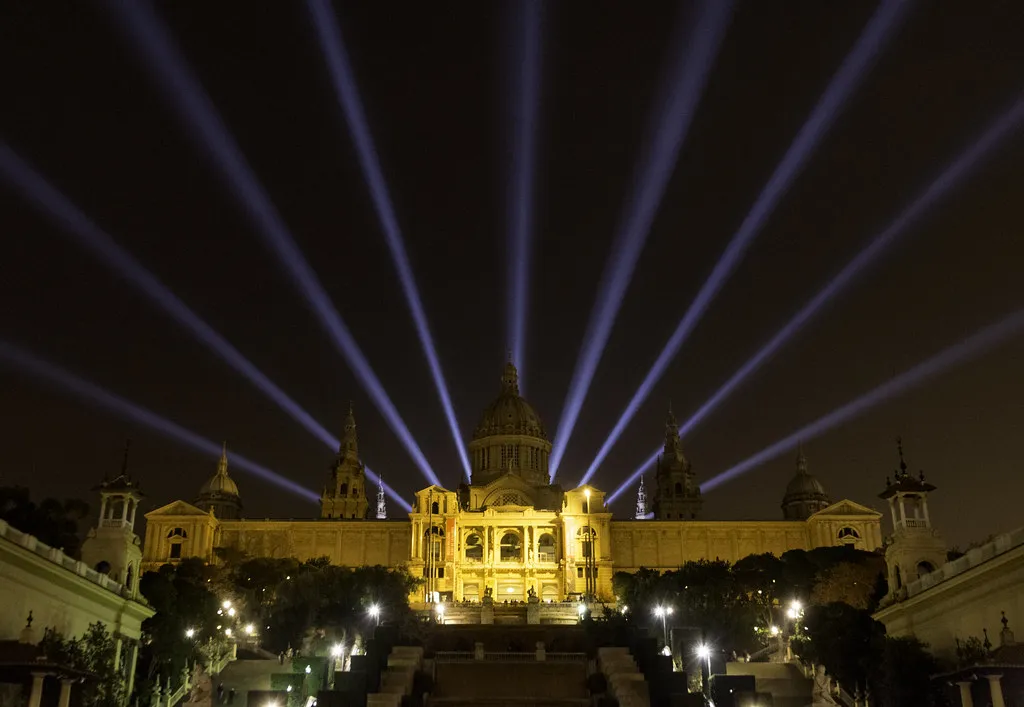
The Font Màgica sits at the foot of the MNAC museum, a 7-minute walk from Plaça d'Espanya metro. Shows are free and run Thursday to Saturday, typically 21:00 to 22:00 in summer and 20:00 to 21:00 in winter, but the schedule shifts each month and pauses entirely in January and February for maintenance. Check the municipal website the day of your visit because the fountain also closes during droughts and city restrictions.
The best vantage is from the steps halfway up toward the MNAC, not from the base — the higher angle lines up the water jets with the palace backdrop. Pickpockets target this crowd aggressively; wear your daypack on your front and never set a phone down on the step beside you.
6. Sunset Sailing Cruise and Barcelona Boat Party
Two different boats, two different moods. The calm option is a 2-hour sunset catamaran or classic yacht cruise departing Port Vell or Marina Vela between 18:00 and 20:00 depending on season, €25–€40, with a glass of cava included and optional live Spanish guitar. Couples and anyone over 35 should pick this one.
The louder option is the Original Barcelona Boat Party, which runs April through October, includes four free drinks, caps at 200 passengers and dumps you at an Opium or Pacha afterparty. Tickets are around €40 and sell out 10–14 days ahead in July and August. Bring a light layer either way — the breeze drops the perceived temperature by 5°C once the sun clears the horizon.
7. Evening Tapas and Wine Tasting Tours
A guided tapas crawl through El Born or Poble-sec is the fastest way to learn how Catalans actually eat — vermouth first, small plates over three hours, never a single main course. Expect €66–€104 for a 3–4 hour tour with 4–6 stops including bars that opened in the 1920s and still refuse reservations. Devour Tours and Secret Food Tours are the two operators most consistently praised.
Book 5–7 days ahead in high season, more like 10–14 days if you want a Friday or Saturday slot. Skip lunch the day of your tour — portions are generous and the tour always ends with dessert or a late-night churros stop at a traditional xurrería.
8. Concert at Palau de la Música Catalana
Palau de la Música Catalana on Carrer Palau de la Música 4–6 in Sant Pere is a UNESCO World Heritage modernista masterpiece by Lluís Domènech i Montaner, finished in 1908 — the building itself is the reason to go, not the programme. The inverted stained-glass skylight, mosaic-tiled pillars and sculpted Wagner busts above the stage make even a mid-tier guitar recital worth €20–€40. Flamenco nights, classical chamber concerts and Spanish guitar evenings run several times per week.
Sit in the stalls centre block rather than the upper tiers because the ornate balcony railings partially obstruct the sightline. Arrive 30 minutes early to photograph the foyer and mosaic columns before the doors open.
9. Opera and Night Out at the Liceu Theatre
Gran Teatre del Liceu on Las Ramblas 51–59 is the grandest opera house in Spain, a 2,292-seat auditorium that has burned down twice and been meticulously rebuilt. The 2026 season includes La Gioconda, Manon Lescaut and Falstaff. Restricted-view seats in the gods start at €15 and principal-level stalls reach €200+ for opening nights.
Dress code is smart rather than black-tie for regular performances, but premieres pull out the city's old-money crowd in full evening wear, so pack at least one jacket or blazer if you plan to attend. Book at least 2 months ahead for weekend shows — mid-week is much easier.
10. Live Music Venues and Jazz Clubs
Harlem Jazz Club on Carrer de la Comtessa de Sobradiel in the Gothic Quarter is the oldest jazz basement in the city — €10–€18 cover including first drink, sets from 22:30, tiny dance floor. Jamboree on Plaça Reial runs jazz at 20:00 and 22:00 then converts to a hip-hop and R&B club after midnight. Sala Apolo in Poble-sec and Razzmatazz in Poblenou host larger indie and electronic acts with international touring schedules.
Arrive 20–30 minutes before showtime at the smaller venues because seating is first-come and the floor space fills quickly once the band kicks in.
11. Hidden Cocktail Bars and Speakeasies
Paradiso, hidden behind a refrigerator door inside a pastrami shop on Carrer de Rera Palau 4 in El Born, consistently ranks in the World's 50 Best Bars. Drinks average €15 and the digital queue via QR code outside the shop is the only reasonable way in — walk-ins wait 90 minutes or more on weekends. Dr Stravinsky two blocks away runs a house-distilled apothecary concept, and Dry Martini in Eixample is the old-school counterpoint, serving the same gin martini recipe since 1978.
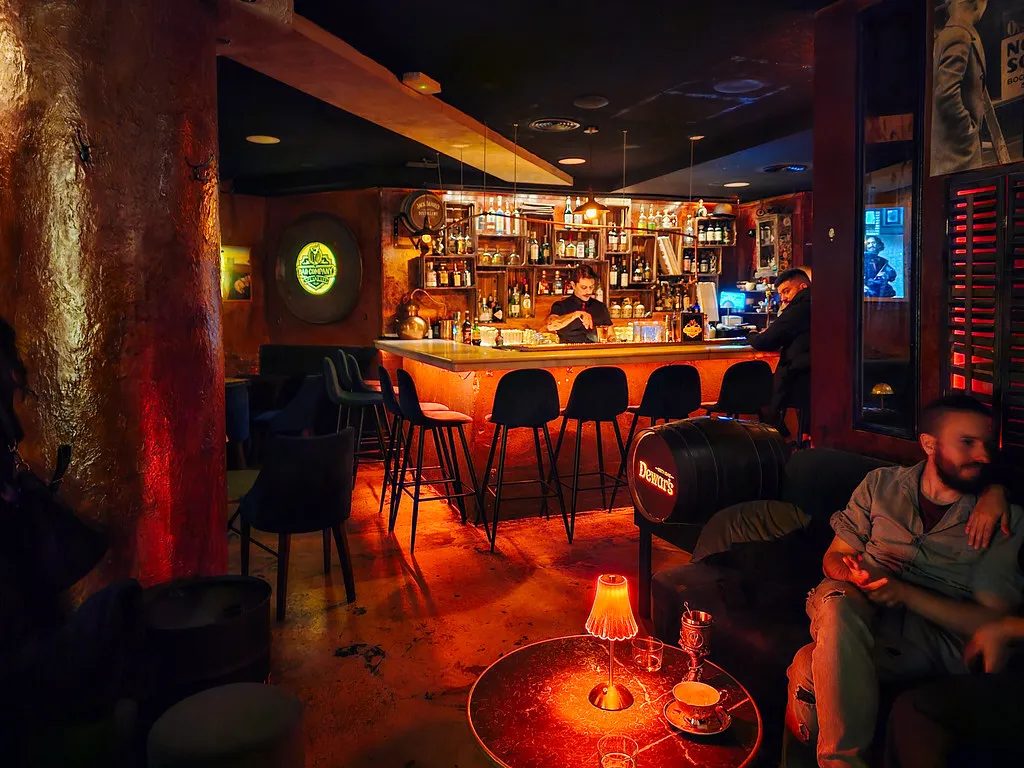
These bars are concentrated in El Born and lower Eixample, which means you can hit two or three on foot in an evening. Most open at 19:00 and take last orders around 02:30.
12. Barcelona Clubbing — and When Locals Actually Arrive
The most important rule of Barcelona clubbing: if you arrive at 23:00, the dance floor will be empty and you will feel tricked. Locals eat dinner until 22:30, have a first drink at a bar until midnight and do not set foot inside a club until 01:30. Tourists who show up at 23:00 pay full €20 cover to stand in a half-empty room for two hours.
The big beach clubs are Opium, Pacha, Shôko and Eclipse along Port Olímpic, plus Bling Bling on Carrer Tuset for house and Otto Zutz up in Sant Gervasi. Covers run €15–€25, drinks €12–€16, and most stay open until 06:00. Our best clubs in Barcelona guide breaks down music policies, door-check strictness and guest-list options by venue. The Barcelona Night Card bypasses cover at most of these.
13. Icebarcelona on the Beach
Icebarcelona on the Port Olímpic seafront keeps the interior at −5°C, hands you a thermal poncho and gloves at the door, and serves cocktails in ice-sculpted glasses. Entry is around €20 including one drink, and the recommended stay is 45 minutes before your fingers protest. It is gimmicky but a welcome 20-minute reset on a humid July night, especially before heading into the beach clubs next door.
Combo tickets bundling Icebarcelona with an Opium or Shôko entry are available at the door and save about €8 versus buying separately.
14. Nightmare Horror Museum Experience
Nightmare Barcelona in the Raval is a 20-minute walk-through haunted house run by trained actors who use total darkness, strobe, fog and physical contact. Tickets are about €15, it stays open until 01:00 on Friday and Saturday nights, and it pairs well with a post-show drink to laugh off the adrenaline.
Skip it if you are travelling with children under 14, anyone with heart conditions, or anyone who genuinely dislikes being touched by strangers in the dark — they take the immersion seriously.
15. Illuminated Buildings Photo Walk (Free)
The best-value night in Barcelona costs nothing. Start at Plaça de Catalunya at 21:00, walk up Passeig de Gràcia past Casa Batlló and La Pedrera while the facades glow under warm floodlights, then cut right on Carrer de Mallorca toward Sagrada Família, which looks cathedral-ethereal lit from below. Loop back via the Arc de Triomf and Palau de la Música for a full 90-minute photo circuit.
For a Sagrada Família rooftop view without climbing any tower, the rooftop bar at Sercotel Hotel Rosselló (Carrer del Rosselló 390) sits three blocks away and frames the basilica spires against the night sky — order a €9 vermouth and you get the shot most travellers never see. A small travel tripod transforms the long-exposure Sagrada shot; handheld at 1/15 second will look shaky.
16. Sunset Views at Bunkers del Carmel (Check the 2026 Curfew)
The Bunkers del Carmel on Turó de la Rovira are the anti-aircraft emplacements of the Spanish Civil War and, until recently, the city's worst-kept sunset-picnic secret. Because of noise complaints from residents the gates now close at 19:30 in summer and 17:30 in winter, which for most of the year means you see the view before sunset rather than during it.
In April and October sunset lands around 20:30 and 19:15 respectively, so you will catch the final golden hour on the way down. Take the V17 bus from Plaça de Catalunya or an €12 taxi — most drivers do not know the bunker road, so ask for Restaurant Delícies and walk the last 5 minutes uphill. Bring your own snacks; there is no shop.
17. Local Neighbourhood Festes Majors
If your trip falls between July and September, skip at least one night of planned activity to stumble into a Festa Major. The Festa Major de Gràcia in mid-August is the famous one — entire blocks of Carrer Verdi and Carrer de la Fraternitat are decorated by residents according to themes voted on months in advance, and the winning block draws queues around the corner. Sants in late August and Poble-sec in July are quieter, more local alternatives.
Expect free neighbourhood concerts, communal dinners on trestle tables, and the correfoc fire-run where costumed devils spray sparks from fireworks. Wear cotton rather than synthetics and a cap if you plan to stand near the correfoc route — stray embers land often.
Is Barcelona Safe at Night? Specific Streets, Specific Advice
Barcelona is safe for a major European city, meaning violent crime is rare and pickpocketing is constant. The Eixample grid, Gràcia, Sant Antoni and upper Sarrià-Sant Gervasi feel entirely residential at night and are fine to walk solo. Be more cautious on lower Las Ramblas (south of Plaça Reial toward the port) after 01:00, the lower Raval streets west of Carrer de l'Hospital, and the beachfront between Bogatell and Mar Bella after the bars close around 03:00.
The metro is safe but intensely pickpocketed on Lines 3 (green) and 4 (yellow) between Plaça de Catalunya and Sagrada Família — wear your bag on your front. Solo travellers: the Gothic Quarter is fine when busy but feels different in the narrow alleys after 02:00, so prefer Eixample or Gràcia for late returns. Our best pubs in Barcelona guide flags each venue's neighbourhood safety rating.
Keep a photo of your passport on your phone, carry €30–€50 cash plus one card, and use official black-and-yellow taxis or Cabify rather than hailing unmarked cars at the beachfront. Women walking home alone after 02:00 report Cabify as the most comfortable option because the driver and route are tracked.
Late-Night Transport: The NitBus Network
The metro shuts at midnight Sunday through Thursday and 02:00 on Friday, then runs all night Saturday into Sunday morning. Every other night you need the NitBus. Almost every NitBus line converges on Plaça de Catalunya every 20 minutes between 22:40 and 06:00, so memorising one stop (Plaça de Catalunya) covers the entire city.
Key lines worth knowing: N4 runs Plaça de Catalunya to Ciutat Vella and Barceloneta; N6 and N8 hit the Port Olímpic beach clubs; N0 is the airport line back to El Prat. Your standard T-Casual or T-Usual travel card works identically on NitBus — no separate fare — which is why a single-journey taxi from Port Olímpic to Eixample at €18 is often worse value than a 15-minute bus that costs €1.25. Always check which side of Plaça de Catalunya your line departs from, because the stops wrap around all four sides of the square.
Dress Code and Timing Expectations
Barcelona runs on a later schedule than Northern Europe or North America. Restaurants open for dinner at 20:00 but do not get busy until 21:30, and kitchens take last orders at 23:30–00:00. Cocktail bars fill between 23:00 and 01:00, clubs between 01:30 and 04:00. An afternoon nap from 17:00 to 19:00 is how locals sustain this schedule — copy it.
Dress code is smart-casual everywhere except the beachfront clubs at Port Olímpic, where Opium, Pacha and Shôko bar-men in shorts, sports jerseys, flip-flops and athletic shoes. Closed shoes and long trousers get you in; a button-down shirt makes it automatic. Gràcia and El Born bars do not care what you wear as long as it is not beachwear, and the Liceu opera still respects a jacket on premiere nights.
Frequently Asked Questions
What time do clubs in Barcelona usually get busy?
Clubs in Barcelona typically start filling up around 1:30 AM or 2:00 AM. Locals usually spend the earlier hours at tapas bars or best rooftop bars in Barcelona before heading to the dance floor. Most venues stay open until 6:00 AM on weekends.
Is the Metro open all night in Barcelona?
The Metro only runs 24 hours on Saturday nights. On Fridays, it closes at 2:00 AM, and from Sunday to Thursday, it shuts down at midnight. During closing hours, the NitBus system provides reliable transportation across the city.
What should I wear for a night out in Barcelona?
Opt for a 'smart-casual' look to fit in most places. While Gràcia and El Born are relaxed, beachfront clubs require closed shoes and long trousers for men. Avoid beachwear or athletic clothing if you plan on visiting upscale cocktail bars.
Barcelona at night is a sensory feast that rewards those who are willing to stray from the main tourist drag. From the shimmering lights of the Gaudí houses to the rhythmic pulse of the beach clubs, there is a rhythm for everyone. If you are still looking for more inspiration, check out nightlife options in Spain and our Barcelona nightlife hub to compare venues side by side. Embrace the late hours, stay aware of your surroundings, and let the Catalan night lead you to an unforgettable adventure.


