
Oslo Nightclubs: 20 Best Clubs in Oslo for 2026
After my fifth winter exploring the Norwegian capital, I have watched the local scene solidify into one of Europe's most respected electronic music destinations. Oslo's nightlife is defined by high prices and short operating hours, but the quality of sound systems and the commitment of resident DJs is genuinely hard to beat. This guide was updated in June 2026 to reflect the current door policies, cover charges, and age limits across the city.
Navigating Oslo nightlife requires local knowledge around geography and timing more than it requires money. Almost every serious club sits inside a fifteen-minute walking radius across Sentrum, Youngstorget, Torggata, and Grünerløkka. Whether you want underground techno, riverside jazz, or a cozy dance floor with 1990s pop, the best clubs in Oslo serve a surprisingly diverse late-night scene for a capital of 710,000 people. If you are searching specifically for night clubs in Oslo rather than relaxed bars, focus on The Villa, Jaeger, Ingensteds, Oslo Street Food, Youngs, and Mabou first; those are the rooms most likely to feel like a proper dance night after midnight.
20 Best Oslo Clubs and Nightlife Venues
We have grouped these venues into four clusters to help you match music to mood. The first group is underground electronic (techno, house, disco), the second is alternative riverside indie and jazz along the Akerselva, the third is social hubs with games and food, and the fourth is historic live-music institutions. Most clubs charge 100 to 250 NOK at the door on Friday and Saturday nights, with lower fees or free entry on weekdays.

Norwegians typically start late after pre-drinking at home, so do not be surprised if venues look empty before 23:00. Arriving between 22:30 and 23:15 is the sweet spot: you slip past the door before the queue builds, and the dance floor fills around you. Always carry a physical passport or national ID card, as driver's licenses from outside the Nordics and photos of passports are routinely refused.
For pre-clubbing drinks, check our companion guide to the best bars in Oslo. If you prefer a lighter night, several of the venues below (Cafe Sor, Tilt, Parkteatret) work perfectly as first stops before you commit to a proper dance floor.
- The Villa Oslo Dancing Underground Techno Hub
- This basement venue at Mollergata is the crown jewel of the city's underground electronic scene with two dance floors and a Funktion-One sound system.
- Entry runs 150 to 200 NOK with doors opening at 23:00 on Fridays and Saturdays; the age limit is 20, strictly enforced.
- Arrive by 23:15 for a minimal wait; by 00:30 the queue routinely stretches down the block and the one-in-one-out policy kicks in.
- Jaeger Intimate House and Disco Spot
- Located at Grensen 9, Jaeger runs a famous "window to the world" DJ booth and hosts a different guest resident every single night of the week.
- Cover charges range 100 to 150 NOK and the age limit is typically 20 on weekdays, 22 on Saturdays.
- Thursday disco sets are the local secret, roughly half the crowd of Saturday with the same booking quality.
- BLÅ Riverside Indie and Jazz Institution
- Set in an old industrial building on Brenneriveien 9C beside the Akerselva, BLÅ is the spiritual home of Grünerløkka's alternative scene.
- The Frank Znort Quartet plays every Sunday night for free, a decades-old Oslo ritual that generic guides skip.
- Cover varies 0 to 200 NOK depending on the act; the riverside patio stays open until roughly 01:00 on summer weekends.
- Ingensteds Eclectic Arts and Beats Venue
- A former textile factory at Brenneriveien 9B directly next door to BLÅ, offering a more polished, art-forward clubbing experience.
- Best for house, soul, and occasional live electronic acts in a high-ceilinged industrial room.
- Entry is typically 150 NOK on Saturdays and the venue stays open until 03:30, the legal maximum in Oslo.
- Cafe Sor Chill Vibes and Cocktails
- A relaxed cafe on Torggata by day, Cafe Sor transforms into a vibrant dance floor with global beats from roughly 23:00.
- Entry is usually free or a token 50 NOK, making it a favorite for students and budget travelers.
- The mojitos are genuinely good, though the small floor gets packed shoulder-to-shoulder after midnight on Saturdays.
- Tilt Arcade Games and Craft Beer
- Primarily a bar at Hausmanns gate 28 with vintage pinball and arcade machines, Tilt opens a basement DJ room on weekends.
- No cover on the main floor, open daily until 03:00, with roughly 20 rotating craft beers on tap.
- Ideal if you want to dance casually without the pretension or age scrutiny of dedicated clubs.
- Parkteatret Historic Cinema Turned Club
- An iconic Grünerløkka landmark at Olaf Ryes plass 11, Parkteatret doubles as a concert hall and a high-ceilinged bar with an excellent sound system.
- Club nights usually follow live shows, featuring indie, disco, or electronic sets until around 03:00.
- The outdoor terrace on Olaf Ryes plass is one of the best people-watching spots in Oslo during summer.
- Angst Hipster Haven in Stroget
- Tucked inside the Stroget passage off Rosenkrantz gate, Angst is a small bar famous for eclectic wallpaper and a fashion-forward crowd.
- Entry is free but the venue is so small that one-in-one-out starts by 22:00 on Saturdays.
- This is the strongest opening stop of the night if you want to brush against Oslo's creative set before hitting The Villa or Jaeger.
- Aku-Aku Tiki Bar Tropical Escape
- Inspired by Thor Heyerdahl's Pacific expeditions, this tiki bar on Thorvald Meyers gate 32 is a kitschy break from sleek Scandi minimalism.
- Cocktails run 140 to 180 NOK with a playlist of surf rock, exotica, and retro pop.
- A great palate cleanser between heavy techno at The Villa and a late jazz session at Herr Nilsen.
- Oslo Street Food Swimming Pool Dancefloor
- Housed inside the historic Torggata bad at Torggata 16, the main dance floor literally sits in the old drained swimming pool from the 1920s building.
- Food stalls run all evening; the club flips on every Friday and Saturday from 23:00, with up to 900 dancers and a 23+ age limit once the DJs start.
- Check https://www.oslo-streetfood.no/ for the current weekend residency lineup.
- Youngs Oslo Multi-Level Party Spot
- This massive venue at Youngstorget 3 runs a pizza restaurant upstairs and a gritty basement club for electronic and live music.
- The basement opens at 23:00 on Fridays and Saturdays with a 150 NOK cover and a mixed 20+ crowd.
- A solid mainstream option for large groups who want food, bar, and dance floor under one roof.
- Brod og Sirkus Neighborhood Social Club
- On Tordenskiolds gate 3, Brod og Sirkus combines a pub feel with bingo, live podcasts, and late-night DJ sets until 03:00 on weekends.
- The covered former alleyway that forms the main room is genuinely unique and attracts a slightly older, 25-to-35 crowd.
- A good call if you want dancing without the age-scrutiny door policy of Sentrum clubs.
- Mabou Small and Cozy Dance Club
- Near the Royal Palace at Hegdehaugsveien 25, Mabou is known for intimate size and a consistent focus on house, R&B, and 1990s and 2000s throwbacks.
- The age limit is often 23 or 25, which keeps the crowd in the mid-20s to mid-30s bracket.
- Dress slightly sharper than you would for BLÅ or The Villa, as door staff here are more selective about sneakers.
- Revolver Gritty Rock and Indie Basement
- At Mollergata 32, Revolver is the go-to for the city's alternative rock and punk crowd, with a bar upstairs and a club basement.
- Concerts happen 3 to 4 nights a week, and the post-show DJ sets push indie and guitar music until close.
- Cover is a modest 100 NOK and the beer list is roughly 20 NOK cheaper than the upscale lounges.
- Kafe Haerverk Experimental Music Hub
- A small venue at Hausmanns gate near the Hausmania arts complex, focused on jazz, noise, and avant-garde programming.
- The atmosphere is inclusive and music-first rather than image-driven, with a mostly over-25 crowd.
- Entry prices depend on the performance; check their Instagram the morning of your visit.
- Soria Moria Historic Torshov Venue
- Also branded as Cosmopolite, this historic building in Torshov at Sognsveien hosts world music, jazz, and soul events in a grand ballroom.
- Slightly outside the walking radius but reachable in ten minutes on trams 11, 12, or 18 from Sentrum.
- The ballroom is breathtaking and offers one of the most elegant dance floor experiences in Norway.
- Herr Nilsen Classic Jazz Club
- At C. J. Hambros plass 5 across from the Tinghuset, Herr Nilsen is a dedicated jazz sanctuary that has hosted international legends for over three decades.
- Shows typically start at 21:00 and the bar stays lively until 01:00 or 02:00.
- The perfect nightcap spot if the pounding bass of The Villa has finished your ears.
- Gustav Intimate Jazz at Amerikalinjen
- A high-end jazz club in the basement of the Amerikalinjen hotel at Jernbanetorget 2, styled as a New York speakeasy.
- Sessions and booking details are posted at https://amerikalinjen.com/eat-and-drink/jazz-club-oslo/.
- Reservations are highly recommended; the room seats fewer than 60 people and fills quickly on weekends.
- Skaugum Secret Courtyard Party
- Hidden behind an unassuming entrance near Solli plass, this three-story courtyard venue is a summer-season favorite.
- Different music on every level, ranging from house on the ground floor to 1990s pop on the roof.
- Outdoor heaters make it viable in shoulder seasons, but it truly shines in July and August.
- Heidi's Bier Bar High-Energy Apres-Ski
- Very commercial but hard to argue with the energy; people dance on tables and sing along to Eurodance remixes.
- No cover before 22:00, after which the line forms fast with a younger 20-to-25 crowd.
- Worth it only if you actively want loud pop hits, large beers in steins, and zero pretension.
Top Oslo Clubs at a Glance: Comparison Table
The five venues below are the ones I send every first-time visitor to, ranked by music programming and consistency rather than popularity. If you only have one night in Oslo, start with The Villa for techno, BLÅ for indie, or Jaeger for house and disco. Cover charges below are typical weekend prices in 2026 and can rise 50 to 100 NOK for international headliners.
- The Villa - techno and house, age limit 20, Sentrum (Mollergata), cover 150 to 200 NOK.
- Jaeger - house and disco with nightly guest DJs, age limit 20 to 22, Sentrum (Grensen), cover 100 to 150 NOK.
- BLÅ - indie, jazz, and live electronica, age limit 20, Grünerløkka (Akerselva riverside), cover 0 to 200 NOK.
- Oslo Street Food - eclectic weekend DJ sets on the old swimming pool floor, age limit 23 after 23:00, Torggata, cover 0 to 100 NOK.
- Mabou - house and R&B with a mature crowd, age limit 23 to 25, Sentrum West (Hegdehaugsveien), cover 100 NOK.
Use this as a decision shortcut: if you want pure underground electronic music, start at The Villa; if you want a more social, varied atmosphere with food options, Oslo Street Food delivers; and if you want zero door stress, BLÅ on a Sunday for Frank Znort is the lowest-risk pick in the entire city.
The Oslo Nightlife Hub: Walking Distances Between Venues
Oslo's clubbing geography is compact enough that you can hit three venues in one night on foot without a tram or taxi. Mentally split the city into two hubs: Sentrum-Torggata (where The Villa, Jaeger, Youngs, Oslo Street Food, Angst, and Brod og Sirkus sit inside a 600-meter radius around Youngstorget) and Grünerløkka (where BLÅ, Ingensteds, Parkteatret, and Tilt cluster along the Akerselva river).
The walk between the two hubs takes roughly 15 minutes via Storgata and Brugata. A sensible Saturday route is Angst at 21:30 for a drink, Cafe Sor or Tilt at 22:30, Oslo Street Food or Youngs at 23:30, then Jaeger or The Villa for the main set until 02:30. If you end in Grünerløkka at BLÅ, walking back to Sentrum accommodation takes 18 to 20 minutes along a well-lit, safe route.
Lodging-wise, staying near Youngstorget, Storgata, or Mollergata puts every Sentrum club within 400 meters, while basing yourself in Grünerløkka suits you better if BLÅ and Ingensteds are your main targets. Taxis cost 150 to 250 NOK across the center, which is almost always more than the walk is worth.
Vorspiel: Oslo's Pre-Gaming Culture Explained
To understand why the city looks dead at 21:00 and explodes at midnight, you need to understand "vorspiel," literally "pre-play." Because bar beer runs 100 to 130 NOK and a cocktail can hit 200 NOK, virtually every Norwegian starts the night drinking at home with friends from roughly 20:00 to 23:00. This is not optional laziness; it is the economic architecture of Scandinavian nightlife.
For visitors, this has three practical consequences. First, do not bother queuing for clubs before 22:30; they will be empty and you will look like a tourist. Second, Vinmonopolet (the state alcohol monopoly) closes at 18:00 on weekdays and 16:00 on Saturdays, so if you want to host or join a vorspiel, buy wine and spirits by mid-afternoon. Grocery stores sell beer up to 4.75 percent ABV until 20:00 weekdays and 18:00 Saturdays.
Third, the "nachspiel" (after-party) is equally cultural. Clubs stop serving at 03:00 and close the doors around 03:30, at which point the action moves to private apartments or to kebab shops around Youngstorget. If a local invites you to a nachspiel, accept; it is the most genuine way to meet Oslo residents.
The Legal Stuff: Age Limits, ID, and Closing Times
Norway enforces some of the strictest alcohol and entry laws in Europe. The legal drinking age is 18 for beer and wine and 20 for spirits, but clubs set their own door age, which is typically 20, 22, 23, or even 25 on weekends. The Villa, BLÅ, Youngs, and Jaeger mostly sit at 20, while Mabou and Oslo Street Food (after 23:00) require 23 or more.
You must carry a physical passport or a European national ID card with chip and photo. Driver's licenses from outside the Nordic countries are routinely rejected, and photos of your passport on your phone are always rejected. Under-23 visitors should check the venue's Instagram the day of their visit, as age limits are sometimes raised for specific events.
All bars and clubs must stop serving alcohol by 03:00 by Oslo municipal law, and venues generally clear the dance floor between 03:15 and 03:30. Cover fees are almost always payable by card (Vipps, Visa, or Mastercard); several clubs have gone fully cashless, so do not rely on NOK banknotes for the door. For broader Norwegian nightlife regulations, visit https://europenightlife.com/norway.
Queue Strategy: How to Skip the Oslo Lines
The difference between a 5-minute wait and a 45-minute freeze outside in a Norwegian winter comes down to arrival timing. Norwegians drink at home until roughly 22:45, then migrate en masse between 23:00 and 23:45. If you aim for the door between 22:30 and 23:00, most venues have no line at all.
The Villa, Jaeger, and Oslo Street Food all hit capacity between 00:15 and 01:00 on Saturdays and enforce a one-in, one-out policy for the rest of the night. Once that starts, expect 30 to 60 minutes of waiting, often in sub-zero temperatures between November and March. If you are set on a specific venue, get there before 23:15 or accept you might not get in.
A useful tactic on big event weekends: buy a drink ticket in advance through the venue's website or Facebook event, which often lets you skip the general queue via a separate door. Jaeger and BLÅ both run pre-sale systems for headliner nights, usually priced 30 to 50 NOK above the standard cover.
The Social Side: Dress Code and Etiquette
Dress codes in Oslo are noticeably more relaxed than in London, Paris, or Berlin, favoring a "Scandi-chic" minimalist aesthetic. Clean white sneakers, dark jeans, and a nice sweater work at almost every venue on this list. The exceptions are Mabou and Gustav, where shirts, leather shoes, and smarter outerwear are expected, and Lawo-style upscale spots that actively screen at the door.
Heavy winter boots, ski jackets, and bulky parkas are handled by mandatory cloakrooms at 40 to 70 NOK per item. Keep coat-check receipts safe; losing one can mean a 500 NOK replacement fee and a long argument at 03:00. Tipping is not expected at the bar, but rounding up 10 to 20 NOK on a card payment is appreciated for strong service.
The social vibe is friendly but reserved, and locals tend to stay inside their own friend groups until alcohol loosens things up around midnight. The dance floor is always the easiest place to meet people, especially in the more underground electronic venues where the crowd is explicitly music-focused. Late-night kebab shops near Youngstorget are an informal social institution in their own right between 03:30 and 04:30.
Do Cheap Beers in Oslo Exist?
Cheap is relative in Norway; the country ranks second-most-expensive in Europe for alcohol after Iceland. A standard 0.4L to 0.5L beer inside a central Oslo club typically costs 100 to 130 NOK (roughly 9 to 12 euros). The Grønland and Tøyen neighborhoods offer the most affordable pints in the city, sometimes dipping below 70 NOK at local pubs like Mastermind and Asylet.
Many Grünerløkka bars offer happy hour prices before 20:00, which can save 30 to 50 NOK per drink. If you want to sample local craft without the tourist markup, consider an Oslo Beer Tour that visits multiple breweries and covers drinking history. Los Tacos is locally famous for Wednesday beer specials that undercut every central bar by roughly 40 percent.
Water is always free and high-quality in Norway; never pay for bottled water inside a venue. Public drinking in parks is technically illegal but widely tolerated during summer, though licensed outdoor terraces remain the safest bet to avoid an occasional police fine of around 1,200 NOK.
Timing Your Visit: Russefeiring and Seasonal Patterns
One pattern that no generic Oslo nightlife guide warns about is "russefeiring," the three-week graduation celebration that runs roughly from late April through May 17 each year. During this window, thousands of final-year high school students (russ) in red or blue overalls dominate central clubs, push age limits upward at several venues, and make Oslo Street Food and Youngs effectively unusable for anyone outside that 18-to-19 age bracket. If your visit falls May 1 through 17, 2026, aim for Jaeger, BLÅ, or Herr Nilsen, all of which enforce stricter age limits that keep the russ out.
The opposite extreme is early January, when clubs are quiet, cover charges often disappear, and many venues run reduced hours until mid-January. July can be surprisingly slow too, as Oslo residents leave for summer cabins; some smaller bars close entirely for two to three weeks. August and September are the true golden window, with the patios at BLÅ and Parkteatret still open and the student population back in town.
For context on Norway's student party calendar, the 17 May Constitution Day itself is exclusively a daytime family event; clubs run normal schedules that night. Winter weekends from November through February have the highest energy and the longest queues, especially on payday Fridays, which fall on the 15th and the last working day of each month.
What to Skip in Oslo Nightlife
Skip the overpriced bars inside the major hotels near Oslo Sentralstasjon. They offer convenience but lack any local character and charge 180 to 220 NOK for basic cocktails you can get for 140 elsewhere. Walking ten minutes north into Torggata or east into Grünerløkka is always a better use of the time.
Karl Johans gate, the main pedestrian thoroughfare, is lined with tourist-trap pubs playing generic chart music with aggressive promoters on the sidewalk. These venues do not represent Oslo's actual music scene. Unless you want a rowdy pub-crawl vibe for one night, stay on the side streets and Torggata.
Be cautious of venues that advertise different musical identities each weekend or promote heavy club deals on hostels. The best Oslo experiences come from venues like The Villa, BLÅ, or Jaeger that have held a consistent musical direction for a decade or more. That consistency is what gets international DJs to play here, and it is what you actually pay the cover charge for.
Bottle Service, Guestlists, and VIP Tables at Oslo Clubs
Oslo does have guestlists and bottle service, but the culture is quieter than in Copenhagen, Stockholm, or the Stureplan-style capitals. The serious music rooms still run on ticketing and door timing rather than visible spending. At The Villa, Jaeger, BLÅ, Ingensteds, and most electronic one-offs, the closest thing to VIP access is buying a pre-sale ticket early, arriving inside the stated window, and keeping the confirmation ready on your phone. For headline nights, pre-sale usually costs 150 to 250 NOK and can save you a 45-minute winter queue.
Traditional bottle service exists mostly at the more commercial end of the scene: Mabou, Lawo-adjacent rooms, selected Youngs events, and private areas inside larger party venues. Expect a table minimum rather than a simple bottle price. A realistic 2026 budget is 3,000 to 5,500 NOK for four people on a Friday or Saturday, normally covering one bottle of vodka, gin, or Champagne with mixers, plus service. Bigger groups on holiday weekends can be quoted 6,000 to 9,000 NOK. That sounds high, but once cocktails are 170 to 220 NOK each, a table can make financial sense for a group that would otherwise buy repeated rounds at the bar.
Book directly through the venue website, Instagram DM, or the ticketing link attached to the event. Oslo promoters still use Facebook events heavily, and many guestlists close by 18:00 on the day. If a promoter asks for names, send the exact passport names of everyone in the group, because door staff may match the list against ID. Showing up with four extra friends is the fastest way to lose the reservation.
The practical rule is simple: buy tickets for music-first clubs, reserve tables only for commercial rooms, and do not expect a table to override age limits or sobriety checks. A 22+ or 25+ door remains firm even if you booked in advance. If your group wants LGBTQ+ clubbing, late drag parties, or queer dance floors, use the dedicated Oslo gay bars and clubs guide instead of trying to force that night into this general route.
Student Nights, Cheaper Club Entry, and 2026 Electronic Events
The cheapest way into clubs in Oslo is not a discount code; it is choosing the right night. Thursday is the strongest student night because UiO, OsloMet, BI, and the creative schools around Grünerløkka all feed the same early-week party circuit. Cafe Sor, Youngs, Tilt, and Oslo Street Food are the easiest low-pressure choices, with free entry or 50 to 100 NOK cover before midnight. The music is more mixed than on Saturdays, but the room fills earlier and the crowd is more open to meeting travelers.
For pure electronic music, watch the calendar around The Villa, Jaeger, Ingensteds, Hausmania-linked spaces, and one-off warehouse events announced by local promoters. Oslo is not a 5:00 AM city, so promoters put the effort into sound quality, residents, and room flow rather than marathon hours. A strong 2026 electronic night usually looks like this: doors around 22:00 or 23:00, local support until 00:30, headliner from 00:30 to 02:15, last hour handled by a resident who knows the room. If the advertised headliner starts at 01:00, arrive no later than 23:30 so you are not stuck outside during the main set.
Festival-style club nights cluster around spring and late summer. During by:Larm in central Oslo, venues around Youngstorget and Torggata run packed showcases where a single wristband can move you between live sets and DJ rooms. In August and September, student return weekends bring the best combination of warm weather, full dance floors, and lower tourist pressure. Big club takeovers also appear around Oslo Pride, but the queer-specific programming is better covered in the companion LGBTQ+ guide rather than folded into a general nightclub shortlist.
Use Instagram over Google for event checks. Oslo venues often update age limits, door prices, and room changes on the day itself, while static listings lag behind. If you want live instrumental nights after the club or a music-first sit-down plan before dancing, the dedicated jazz clubs in Oslo guide is the better route; this page stays focused on night clubs in Oslo where dancing is the main event.
Essential Oslo Daytime and Transport Tips
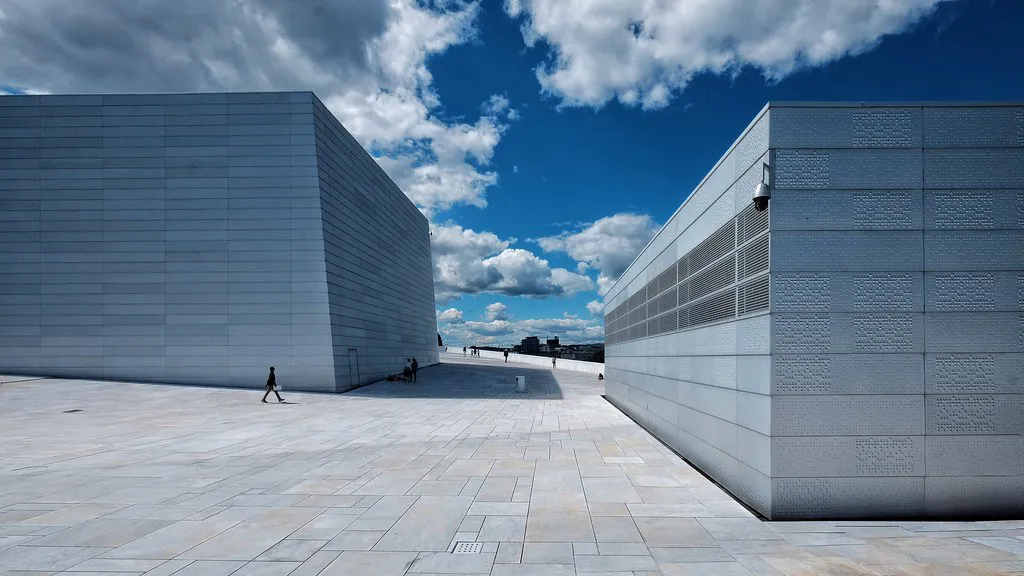
If you need a break from the late nights, Oslo offers incredible free culture by day. Walking the marble roof of the Oslo Opera House, exploring Vigeland Sculpture Park, or hiking to Ekebergparken for city views costs nothing. Take an Oslo Food Tour if you want to discover the culinary scene during the day.
For a classic day trip, the Bygdøy peninsula holds world-class outdoor museums and Viking history; the Fram Museum and the Norsk Folkemuseum combine well into a half-day. Ferry 91 departs from Aker Brygge every 20 to 30 minutes and takes 10 minutes. On a longer visit, a day in Fredrikstad or Drobak by train gives you a clean break from the city.
For getting home after the clubs close, Ruter night buses (numbered 1N to 4N) run every 30 minutes between 00:30 and 04:30 across Oslo at a flat 44 NOK fare using the RuterBillett app. A taxi across Sentrum costs 150 to 250 NOK and is rarely worth it at weekend surge pricing. Oslo is remarkably safe even at 03:30, and walking remains the fastest option across the compact city center.
Frequently Asked Questions
What time do clubs close in Oslo?
Most clubs and bars in Oslo are legally required to stop serving alcohol by 3:00 AM. Many venues will close their doors shortly after, typically by 3:30 AM. It is best to arrive before midnight to ensure you get enough time on the dance floor.
Is there a dress code for Oslo clubs?
The dress code is generally casual and focused on 'Scandi-chic' minimalism. While clean sneakers are usually fine, avoid sportswear or very baggy clothing at more upscale venues. Always use the cloakroom for your heavy winter jackets to avoid being turned away.
Which Oslo clubs are best for techno music?
The Villa Oslo Dancing is the premier destination for underground techno and house music. Jæger and Ingensteds also offer excellent electronic sets with a mix of local and international DJs. These venues are known for their high-quality sound systems and dedicated fan bases.
How much does it cost to get into a nightclub in Oslo?
Most Oslo nightclubs charge 100 to 250 NOK on Friday and Saturday nights, with big international DJ events sometimes rising to 300 NOK. Weekday student nights and early arrivals can be free or 50 to 100 NOK, especially at Cafe Sor, Tilt, Youngs, and Oslo Street Food.
Do Oslo nightclubs have a guestlist or bottle service?
Yes, but it depends on the venue. Music-first clubs such as The Villa, Jaeger, BLÅ, and Ingensteds rely more on pre-sale tickets and event lists than traditional VIP tables. Commercial rooms and private-party venues may offer bottle service, with table minimums commonly around 3,000 to 5,500 NOK for four people on weekends.
Oslo's nightlife may be expensive, but the intimacy and musical consistency of its venues make it one of Europe's most underrated party cities. By understanding vorspiel culture, respecting the strict age limits, and timing your arrival for 22:30 to 23:15, you can navigate the scene like a local. From the industrial riverside vibes of the Akerselva to the basement techno of Sentrum, there is a beat for every traveler.
Bring your physical passport, arrive before the midnight rush, plan your route around the walking hubs, and save room for a late-night kebab on Youngstorget on the way home.