
12 Best Rotterdam Clubs and Nightlife Hotspots
Rotterdam is the Netherlands' club capital for anyone who cares about sound systems more than skylines. The city's post-war rebuild left behind pedestrian tunnels, grain silos, and concrete shelters that have been converted into some of the most distinctive electronic music venues in Europe. In 2026 the 24-hour licensing experiment has expanded further into the M4H district, giving venues like Export real freedom to program marathon sets.
This guide covers the twelve venues that actually matter right now, grouped so you can plan a night by genre rather than by neighborhood. Expect techno tunnels near Central Station, afro and urban floors on West-Kruiskade, jazz under the Hofbogen arches, and queer spaces on Westblaak. Entry fees sit between €10 and €25 for most nights, rising to €35 for international headliners at Maassilo. Peak energy rarely starts before 01:00, so pace yourself on Witte de Withstraat first.
All prices, hours, and access details below were verified for the 2026 season. Where venues sit off the tram network, we flag the night bus line or the realistic walking distance from Rotterdam Centraal, since taxis after 02:00 can surge hard. Start with the electronic flagships, then branch into urban, alternative, and queer spaces based on your energy.
Toffler: Underground Techno in a Pedestrian Tunnel
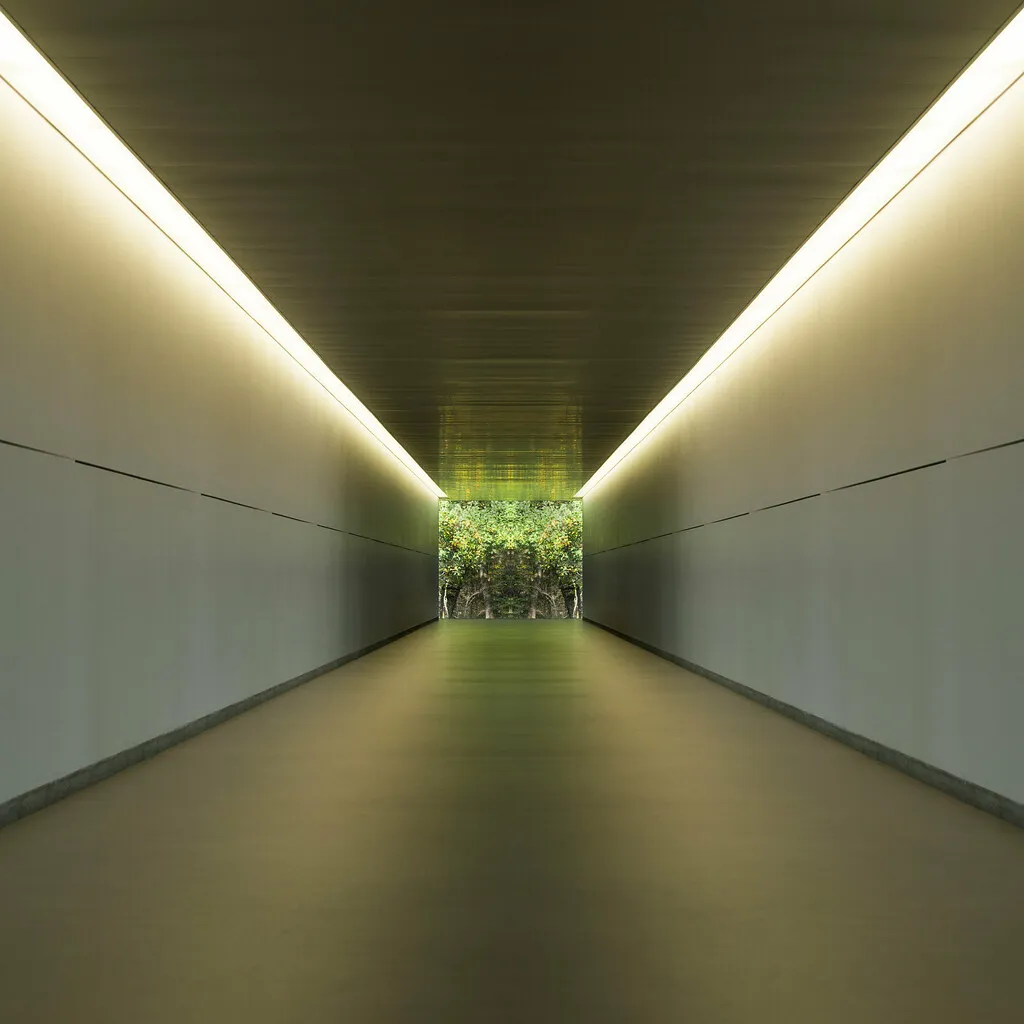
Toffler sits inside a converted pedestrian tunnel directly under the Weena boulevard, a five-minute walk from Rotterdam Centraal. The tubular concrete space gives it acoustics you cannot replicate on a purpose-built dance floor; the low ceiling and curved walls push the bass forward rather than letting it dissipate. The central section of the tunnel is where the sound is tightest, so arrive by midnight if you want to claim that spot before it fills.
Entry runs €15 to €25 depending on the lineup, with doors usually 23:00 and last entry around 04:00 even on nights billed as open-ended. The DJ booth physically moves on a hydraulic rail, adjusting its position to the crowd density, which is a detail most first-time visitors miss. Programming skews hard techno and house, Friday and Saturday only. Buy tickets in advance through the venue site — door sales disappear fast for international headliners.
Perron: The Industrial Hub for Electronic Music
Perron occupies a former post office on Schiestraat, a three-minute walk behind Central Station. The venue has concrete walls, minimal decoration, and one of the most forceful sound systems in the city — bass you feel in your sternum. Programming is weekly every Friday and Saturday with a rotating mix of Dutch residents and European guests, mostly in the raw techno and deep house spectrum.
Tickets fall between €15 and €20, with most events running midnight to 06:00. The venue enforces a discreet no-phone-on-the-floor culture; stickers cover cameras at the door on certain nights. That policy keeps the atmosphere focused and is a big reason Perron attracts a dance-first crowd rather than a content-first one. The coat check costs €3 per item and the queue is fastest between 00:30 and 01:30.
Maassilo and Now & Wow: Massive Industrial Clubbing
Maassilo is a century-old grain silo on the south bank of the Maas, reached directly by metro lines D and E to Maashaven. The building holds several independent rooms, including the legendary Now & Wow floor on the top level, and the scale is unlike anything else in the country: exposed concrete, original industrial rigging, and ceilings high enough to change the feel of the sound entirely. Big-room techno and house dominate the weekends.
Event tickets range €20 to €35 depending on the lineup and the rooms active that night. Doors are typically 23:00 and the venue runs until 06:00. Get to the lockers within fifteen minutes of arrival — once the main act starts, the queue wraps the ground floor. Metro D and E run until around 00:30, so factor in a night bus or a Bolt ride for the return journey if you stay past 02:00.
BIRD: Jazz, Soul, and Hip-Hop Vibes
BIRD is tucked under the Hofbogen viaduct arches on Raampoortstraat, about ten minutes on foot from Central Station. The venue mixes live jazz, soul, funk, and hip-hop programming with late-night club nights, and the arched brick space gives every show an intimate, warm feel. It is also the unofficial afterparty home during the North Sea Jazz Festival each July.
Entry sits €10 to €20 depending on the act. The kitchen serves wood-fired pizzas until midnight, which makes BIRD a rare venue that works as both dinner and dance floor in one evening. Doors open early — typically 19:00 for dining, 22:00 for club nights. This is the most social of the venues on the list and a strong first stop if you are warming up rather than going all-in on techno.
WORM: Experimental and Avant-Garde Nightlife
WORM styles itself as an "Institute for Avant-Garde Recreation" and sits on Boomgaardsstraat in the cultural district, walking distance from the best bars in Rotterdam. The interior is built from recycled and repurposed materials, and the programming pivots between noise, punk, experimental electronic, global club sounds, and analog synth nights. If you want a predictable Friday, this is not the venue; if you want surprises, there is nowhere better.
Tickets are the cheapest on this list, often €8 to €15, and WORM runs events most nights of the week rather than weekends only. Drinks are also well below city average — draft beer around €4, mixed drinks around €7 — because the venue operates as a foundation rather than a commercial club. Start here for a midweek night when the big techno venues are closed.
Superdisco: R&B and House in a Basement Setting
Superdisco is a basement club underneath the Latin-American restaurant Supermercado, just off Witte de Withstraat at the Schiedamse Vest corner. The programming mixes accessible house, hip-hop, and R&B, with the occasional disco night, and the crowd skews a touch more dressed-up than the techno venues. Cover runs €10 to €20 and the club stays busy until at least 04:00 on weekends.
Because the entrance is unmarked from street level — look for the neon sign near the Supermercado door — first-time visitors often miss it. That obscurity is part of the appeal. Eat upstairs at the restaurant first, then slide down as the tables clear. The bar downstairs runs fast even at peak, which is rare for Rotterdam basements.
Ferry: Rotterdam's Iconic Queer Club and Bar
Ferry is the anchor of Rotterdam's LGBTQ+ nightlife on Westblaak, a short walk from the Eendrachtsplein metro. It functions as a relaxed bar through the week and a full club Friday and Saturday, with a programming mix of pop, disco, and house across two floors. Entry is often free before 23:00 and rarely above €10 on headline nights, which makes it one of the most affordable club doors in the city.
Drag shows typically run 22:00 to 23:30, so arrive by 21:30 if you want to catch performances before the club portion begins. Ferry is also one of the most welcoming spaces in the city for solo visitors of any orientation — the staff are trained in conflict de-escalation and the door policy explicitly prioritizes mixed, respectful crowds. It is a strong first-night option if Rotterdam is new to you.
Sahara: Afro, Caribbean, and Urban Rhythms
Sahara sits on West-Kruiskade, the city's most diverse eating street, and specializes in music from the African and Caribbean diaspora: amapiano, afrorave, afrobeats, dancehall, modern reggae, R&B, and hip-hop. The scene here is distinct from anywhere else in the Netherlands — Amsterdam's urban spaces lean more toward US hip-hop, while Sahara's residents book directly from the South African and Nigerian circuits. If you have only caught amapiano through TikTok, the live low-end in this room is a different experience entirely.
Entry is €10 to €15 and peak energy runs 01:00 to 05:00. Doors from 23:00. The floor fills fastest on Saturday with a dedicated Amapiano Saturdays series, plus occasional Sunday afternoon carnival-style events in summer. West-Kruiskade itself stays busy late, which makes the post-club walk to a taxi easier than at venues in quieter industrial zones.
MONO: Alternative Beats and Cultural Fusion
MONO functions as a café by day and a club and exhibition space at night, tucked into the Zomerhofkwartier north of Central Station. Programming is intentionally mixed — alternative electronic, queer-friendly house nights, live sets from local producers, and occasional art openings that blur into DJ sets. Entry is modest at €5 to €12 and the venue usually closes 02:00 to 03:00, earlier than the pure-clubbing spots.
This is the easiest venue in the city for solo travelers to meet people, largely because the café layout keeps enough seating and conversation space that the night is not just a dance floor. If you are in Rotterdam on a Sunday or a weeknight and want something more textured than a bar, MONO is nearly always open.
Export: The New 24-Hour Underground Venue
Export lives in the basement of the Keilepand in the M4H port district and holds one of Rotterdam's real 24-hour licenses. Programming leans deep house, left-field techno, and extended sets from emerging local talent, often running from Friday evening straight through Saturday afternoon. Entry is €15 to €22. The interior mixes raw concrete with softer funk accents, which sounds odd but explains why the room feels less clinical than the average industrial techno space.
A common misconception: a 24-hour license does not mean you can walk in at noon. Doors still have controlled entry windows — typically 23:00 to 04:00 for new arrivals, after which re-entry is usually allowed but fresh entry is not. The real value is that you are not kicked out at 05:00 like most Dutch cities. Arriving after 04:00 means the legendary daylight-set crowd, but you need to already be inside. Cycle or rideshare; the M4H tram service is sparse overnight.
Annabel: Concerts and Club Nights Near Central Station
Annabel on Schiestraat is a hybrid live-music venue and club, two minutes from the rear exit of Central Station. Programming flips between international touring bands and electronic club nights, which means the vibe genuinely depends on the listing — check before you go. Cover runs €12 to €25 and the terrace is a prime pre-club drink spot in summer, with a full open-air bar.
The venue occasionally runs "free before midnight" deals for local talent showcases, which are posted to Instagram stories rather than the website, so follow ahead of your trip. For a first night in Rotterdam, an Annabel concert followed by a walk to Toffler or Perron is one of the cleanest itineraries available — all three are within ten minutes on foot.
Witte de Withstraat: Pre-Club Bar-Hopping Strip
Witte de Withstraat is the city's designated bar street and the default pre-club pivot for most Rotterdam nights. De Witte Aap (once voted one of the world's best bars by Lonely Planet readers) anchors the western end, while craft beer temple Bierboutique, Bazar for North African mezze, and Blender's cocktail-to-nightclub hybrid at Schiedamse Vest give you three to four hours of range before the real clubs open. The strip is walkable end-to-end in eight minutes.
Happy hours generally run 17:00 to 19:00 with 2-for-1 cocktails at the mid-range bars, and most spots stop taking dinner orders around 22:30 before flipping to standing crowds. Use Witte de Withstraat to eat and pace your drinks — starting here and arriving at a techno venue at 00:30 is the native Rotterdam rhythm. Walking from the east end to Toffler takes about fifteen minutes.
Where to Stay: Best Hotels for Rotterdam Nightlife
For nightlife-focused stays, prioritize walking distance to Central Station or Witte de Withstraat over rooftop views. nhow Rotterdam on the Wilhelminapier gives you a rooftop bar, modern rooms, and the water taxi across to Katendrecht — convenient for Maassilo after 02:00 when the metro stops. Hilton Rotterdam on Weena puts you five minutes from Toffler and Perron and has late check-out flexibility for guests who come home at sunrise.
On the budget end, King Kong Hostel sits directly on Witte de Withstraat, which means zero transport once you start drinking, and the communal layout is built for meeting other travelers. citizenM Rotterdam near Blaak offers compact tech-forward pod rooms with free bike rentals, putting WORM ten minutes away and all three station-adjacent clubs within a short cycle. Book the first two hotels twelve weeks out during North Sea Jazz Festival week (July) when rates triple.
Essential Rotterdam Nightlife Tips and Timing
Rotterdam's core rhythm differs from Amsterdam in three measurable ways. First, peak floor energy starts at 01:00, not 23:00 — arriving at Toffler or Perron before midnight generally means a half-empty room. Second, most techno clubs are Friday and Saturday only, with Thursdays limited to student-focused or free-before-midnight nights at Annabel and Ferry; plan weeknight trips around WORM, MONO, or BIRD instead. Third, coat checks cost €2 to €5 and are mandatory at larger venues, so pack light and carry exact cash.
On transport: BOB-bus night buses and night trams (lines 7, 8, 20, 23) cover most nightlife areas on Friday and Saturday, running until roughly 03:00. Metro D and E to Maashaven stops around 00:30 — after that you need a night bus or a Bolt ride (€15 to €22 to the city center). Bikes remain safe and are the fastest way back from M4H or Katendrecht if you are staying central. For solo travelers, use the Netherlands country pages for broader safety context and the (Budget Context) guide for specific hostel pickup tips.
Two cultural points competitor guides often miss. Most Dutch clubs still hand you a paper drink card at the door — you tick drinks through the night and settle at exit rather than paying per round. Lose the card and you are charged the maximum printed figure, which can hit €100. And while the drinking age is 18, many club doors check ID strictly up to age 25; bring your passport, not just a phone photo. For broader city context beyond the night scene, see the Rotterdam nightlife overview and the (Local Agenda) for this weekend's lineups. Tourism Board listings are on the (Official Tourism) site.
Frequently Asked Questions
What is the legal drinking age in Rotterdam?
The legal drinking age in Rotterdam and the rest of the Netherlands is 18 years old. You must carry a valid ID, as clubs strictly check age at the entrance and bars may ask for it during service.
Do Rotterdam clubs have strict dress codes?
Most clubs in Rotterdam have a relaxed dress code that favors casual or 'streetwear' styles. However, some techno venues prefer dark clothing, while high-end spots may prohibit sports sneakers or flip-flops.
Is it safe to walk alone at night in Rotterdam?
Yes, walking alone at night is generally safe in the city center and major nightlife areas like Witte de Withstraat. You should remain aware of your surroundings and avoid poorly lit industrial zones when alone.
Do I need to buy club tickets in advance?
For popular clubs like Toffler or Perron, buying tickets in advance is highly recommended to guarantee entry. Some smaller venues allow door sales, but these often sell out quickly for well-known international DJs.
Are there coat checks in Rotterdam clubs?
Almost every club in the city provides either a staffed coat check or self-service lockers for your belongings. Expect to pay between €2 and €5 per item, and keep your locker key or ticket safe.


