
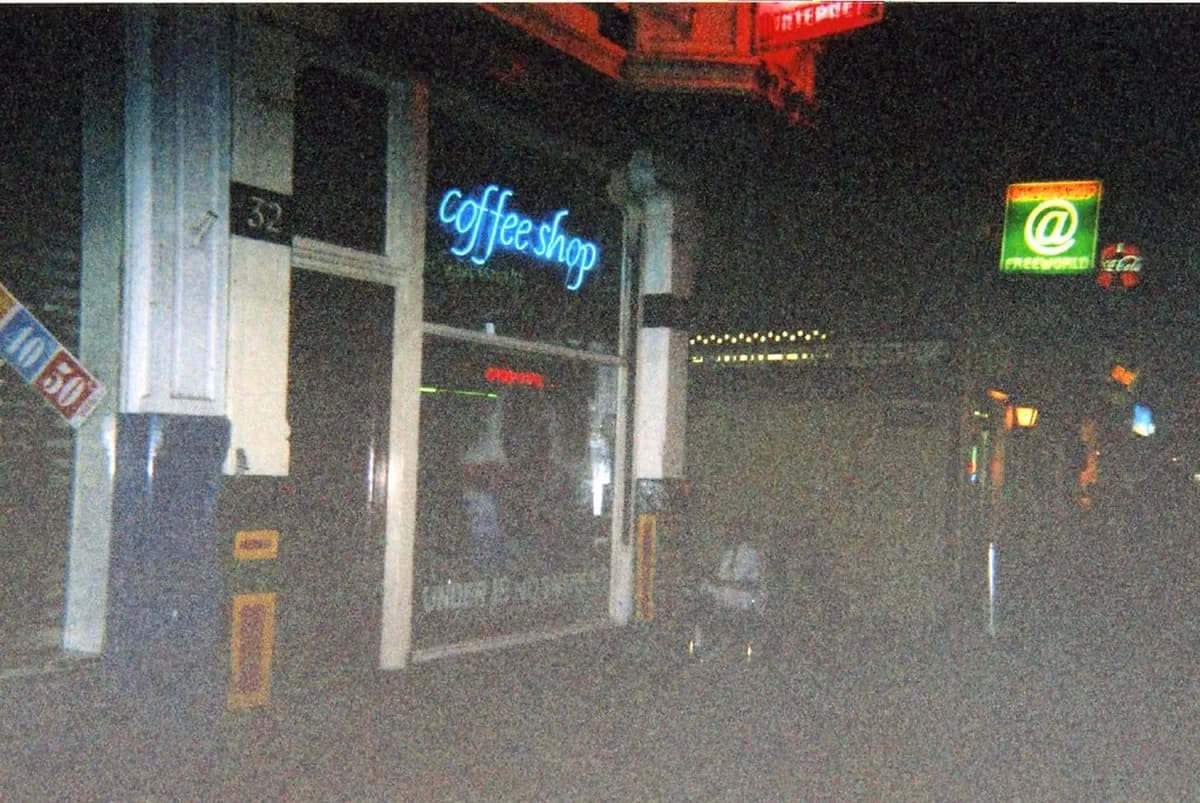
7 Best Amsterdam Coffee Shops and Visitor Tips (2026)
After my fourth visit to the Dutch capital last autumn, I realized how much the local scene has shifted. Walking through the Jordaan, I noticed many classic spots have adapted to new regulations while keeping their unique charm. This guide reflects the current landscape for any traveler looking to explore these cultural staples responsibly in 2026.
First, the most important distinction before you step through any door. In Amsterdam, a caffeine-focused cafe is called a 'koffiehuis' and serves espresso, apple pie, and light lunches. A 'coffee shop' (two words, local English usage) is the licensed establishment that legally sells cannabis. Walking into a specialty roaster like DAK or Five Ways Coffee Lab and asking for a menu of strains will earn you a polite but confused look.
The one fast rule: look for the green and white license sticker in the front window. Every licensed coffee shop in Amsterdam must display it, and you should not buy cannabis anywhere that cannot show you one. The sticker is roughly A5-sized, green at the top with 'OFFICIAL COFFEESHOP' text and a white municipal seal at the bottom. If you see a neon leaf in the window but no official sticker, keep walking.
Koffiehuis vs Coffee Shop vs Cafe: Know the Difference
A 'koffiehuis' is a traditional Dutch establishment serving espresso, tea, and light snacks like appeltaart. These venues do not sell cannabis and often have a family-friendly atmosphere focused on conversation. The newer wave of specialty-coffee venues, such as DAK near the Hallen or Elevate Coffee Lab in Oud-West, fall into this same category. They serve flat whites at 4 EUR and have absolutely nothing to do with cannabis, despite the English word 'coffee' in their name.
A 'coffee shop' is the specific legal term for a venue licensed to sell small amounts of cannabis. These shops are strictly regulated and must display the green and white sticker in their front window. Menu boards are kept behind the counter because advertising cannabis is still illegal under Dutch law. If you ask at the door, the budtender will slide the menu across the counter for you to review.
The word 'cafe' in Amsterdam usually refers to what locals call a 'bruin cafe' or brown bar: a traditional pub serving Heineken, Grolsch, and gin. These are not coffee shops. You cannot smoke cannabis inside a cafe, and mixing the two experiences in the same venue is illegal. The Dutch separation of soft-drug and alcohol licensing is the core of the 'gedoogbeleid' tolerance policy, and it explains why coffee shops do not serve beer.
One more distinction worth knowing: a 'smartshop' sells legal psychoactive items like truffles and vitamins, not cannabis. These shops operate in a separate legal lane and are not interchangeable with coffee shops. If you see three storefronts in a row with leaf iconography, each may belong to a different category entirely.
How to Spot a Legal Shop: The Green and White License
Every licensed coffee shop in Amsterdam is required by the municipality to display a specific decal in the front window or on the entrance door. The sticker has a green upper band with the word 'OFFICIAL' and 'COFFEESHOP' in white block letters, and a white lower half carrying the Amsterdam city seal with three vertical X shapes. The sticker is laminated, machine-printed, and roughly the size of a paperback book.
What you should not see: a handwritten sign, a generic cannabis-leaf poster, or a bouncer outside promising 'menu inside.' Unlicensed shops target first-time visitors around Centraal Station, the Damrak, and the edges of De Wallen. Buying from an unlicensed operation can mean overpaying 30 to 50 percent, receiving mislabeled strains, or being sold items mixed with synthetic additives.
The most dangerous alternative to a licensed shop is the street dealer. If someone approaches you near Nieuwmarkt, Zeedijk, or the narrow alleys of the Red Light District offering drugs, walk away without engaging. These dealers almost always sell fake or dangerous substances, and Dutch police aggressively target them. Buying from a licensed shop is both safer and cheaper than the street.
Legal Realities: Where You Can and Cannot Smoke
Cannabis in the Netherlands is decriminalized, not legalized. Under the official tolerance policy dating from 1976, coffee shops are permitted to sell up to 5 grams per customer per day, and adults 18 and over may possess up to 5 grams in public. Police generally ignore small personal quantities, but producing, importing, or exporting cannabis remains a criminal offense.
Smoking inside the coffee shop lounge is fine. Smoking on a public bench in a quiet Vondelpark corner, or in most parks, is also tolerated in practice. What is not tolerated: smoking on Centraal Station platforms, inside restaurants, on busy shopping streets like Kalverstraat, or near playgrounds and schools. The number of coffee shops in Amsterdam has fallen from roughly 350 in the early 2000s to around 165 today, largely because of a rule banning shops within 250 meters of primary schools and 350 meters of secondary schools.
The biggest regulatory shift for 2026 travelers: the Amsterdam city council has expanded the public cannabis smoking ban in De Wallen (the Red Light District) and nearby streets. Since mid-2023, smoking cannabis outdoors in this designated zone carries a 100 EUR fine. The ban does not affect consumption inside licensed shops or in private rental accommodation; it is specifically about the streets of the central tourist area. Always smoke inside the lounge or well away from De Wallen.
Hotels and hostels almost universally ban smoking of any kind indoors, and fines for smoking in a non-smoking room typically run 150 to 250 EUR. If you are staying near the Amsterdam nightlife core and want to consume in private, look for short-term apartments that explicitly advertise as '420 friendly' or choose a dedicated cannabis-friendly hotel like The Greenhouse Suites.
Essential Etiquette: How to Order and Social Rules
Approaching the counter for the first time can feel intimidating, but the budtenders are there to help you and they see nervous first-timers every single day. State that it is your first visit, describe your experience level honestly, and mention whether you prefer a relaxed body feeling (indica) or a brighter head feeling (sativa). Good budtenders will open three or four jars so you can smell the buds before choosing.
Tipping is appreciated but not expected. Rounding up to the nearest euro on a purchase, or leaving 1 to 2 EUR if the budtender spent real time walking you through options, is the local standard. Payment is cash preferred; many shops refuse foreign credit cards entirely, though Dutch debit cards and increasingly Apple Pay are accepted in the newer venues.
Inside the lounge, order a drink or a snack if you plan to stay. Sodas run 3 to 4 EUR, fresh mint tea 3 EUR, and most shops have a small food menu of tostis and cakes. Keep your volume moderate, avoid taking photos of other customers, and never try to film the staff. Group videos and flash photography are the fastest way to be asked to leave.
- Show a valid physical passport or EU national ID on request; digital photos rarely qualify.
- No alcohol inside coffee shops, and no hard drugs of any kind on the premises.
- Mixing tobacco with cannabis is banned under the national indoor-tobacco law; use the herbal mix jars provided free by most shops.
- Roll your own or ask for pre-rolled joints (4 to 12 EUR depending on strain and size).
- Do not carry your purchase openly through De Wallen or into restaurants.
Talking to a Budtender: A No-Panic Script
First-timers often freeze at the counter because they do not know the vocabulary. Here is the conversation in its simplest form. Open with: 'Hi, it is my first time in a coffee shop. Can you recommend something mild?' The budtender will ask two follow-ups: how experienced are you with cannabis generally, and do you prefer a body-heavy relaxing feel or a lighter head feel. From there, they will suggest a strain rated low to medium on THC.
Common menu categories you will see: buds (loose flower sold by the gram, typically 10 to 18 EUR per gram in 2026), hash (compressed resin, 12 to 22 EUR per gram), and pre-rolls (ready-rolled joints, 4 to 12 EUR each). The menu will often mark strains as 'I' for indica, 'S' for sativa, or 'H' for hybrid. Many venues also sell edibles such as space cakes or brownies at 8 to 15 EUR each.
Buy in small quantities. Dutch law caps each purchase at 5 grams and each shop visit produces a fresh receipt, but most visitors find 0.5 to 1 gram is more than enough for a full evening. If you are unsure, ask the budtender to weigh out half a gram. Every shop has a small digital scale on the counter for exactly this reason.
Understanding the Menu: Buds, Hash, and Space Cakes
Buds (also called 'weed' or 'grass' on menus) are the dried flowers of the cannabis plant. Dutch shops typically carry 6 to 15 strains, labeled by name, effect type, and price per gram. Popular gentler strains in 2026 include Amnesia Haze, Super Silver Haze, White Widow, and NY Diesel. If you are inexperienced, ask for anything labeled as 'light' or with a THC percentage under 18 percent.
Hash is a concentrated resin product traditionally imported from Morocco or pressed locally from the same plants. It looks like dark brown or black clay and is sold by the gram. Hash tends to be more sedating than flower and is often mixed with tobacco in Europe, though Dutch indoor rules mean you will mix it with the herbal substitute jars inside the shop. Classic varieties on menus include Polm, Zero Zero, and Ketama.
Edibles, commonly called space cakes or space brownies, are the single biggest source of tourist emergencies in Amsterdam. The problem is dosing: a typical space brownie contains 20 to 40 mg of THC, which is four to eight times a standard recreational dose. Effects take 60 to 120 minutes to appear, so the classic tourist mistake is eating the second half at the 45-minute mark thinking nothing happened. Eat no more than a quarter of a brownie if it is your first time, wait a full two hours before any additional dose, and stay somewhere comfortable with water on hand.
- Buds (flower): 10 to 18 EUR per gram for standard strains, 18 to 25 EUR per gram for top-shelf.
- Hash: 12 to 22 EUR per gram, with premium imports reaching 30 EUR.
- Pre-rolls: 4 to 12 EUR each.
- Space cakes and brownies: 8 to 15 EUR each; cut into quarters for first-timers.
- Vape sessions: some shops offer in-house vaporizer rental for 5 to 10 EUR.
7 Best Amsterdam Coffee Shops for 2026
The shortlist below covers the seven venues I return to most often, chosen for licensing, atmosphere, and consistent product quality. Every shop is inside the central canal ring and within walking distance of a major tram line. Prices reflect 2026 rates in euros and are based on standard mid-shelf buds; premium strains run higher.
- The Bulldog The First (Oudezijds Voorburgwal 90)
- Amsterdam's first licensed coffee shop, open since 1975 in a former police cellar on the edge of the Red Light District.
- Expect 12 to 20 EUR per gram and doors open until 01:00 daily.
- Five-minute walk from Dam Square, or take tram 14 to Dam and cross the canal east.
- Plan around 45 minutes to absorb the historic sticker-covered walls and the basement lounge.
- Arrive before 12:00 for a canal-side seat in the original cellar room.
- Dampkring (Handboogstraat 29)
- Featured in Ocean's Twelve, with carved wood interiors, colored glass, and a resident shop cat.
- Near Spui, 11 to 20 EUR per gram, daily from 10:00 to 01:00.
- Tram 2 or 12 to Koningsplein, then a two-minute walk south.
- Allow an hour for the decor and the house Belgian hot chocolate.
- More on the shop at dampkring-coffeeshop-amsterdam.nl.
- 420 Cafe (Oudebrugsteeg 27)
- A relaxed bar-style lounge that feels like a classic brown cafe with low lighting and wooden stools.
- Three-minute walk from Centraal Station, 12 EUR per gram, open 10:00 to 01:00.
- Budget 30 minutes for a quick visit, longer if you want to sit through the rock playlist.
- Staff are patient with beginners and happy to open multiple jars.
- Strong pick as your very first coffee shop in the city.
- Coffeeshop Rusland (Rusland 16)
- Historic shop in operation since 1975, famous for a 40-variety tea menu and two cozy upstairs floors.
- Quiet side street near the university, 10 to 16 EUR per gram, daily.
- Ten-minute walk from Waterlooplein, or Rokin metro on the North-South line.
- Spend an hour on the upper floor for a view of the historic center.
- Rotating specials listed at coffeeshop-rusland-amsterdam.com.
- Babylon (Beursstraat 19)
- Reggae-themed shop behind the Beurs van Berlage, minutes from Centraal Station.
- Prices run 12 to 17 EUR per gram with doors from 09:00.
- Five-minute walk from Centraal; convenient first or last stop of the day.
- Allow 40 minutes in the back lounge with its leather seating and island playlist.
- Ask the budtender for 'the strain of the day' to catch the freshest product.
- Boerejongens Center (Utrechtsestraat 21)
- High-end 'cannabis sommelier' shop with marble counters and staff in white pharmacy coats.
- Near Rembrandtplein, 12 to 22 EUR per gram for some of the city's most awarded products.
- Tram 4 to Prinsengracht drops you directly in front.
- Limited seating, so treat it as a 15-minute counter visit, then move to a park.
- Their Block Hash regularly wins Cannabis Cup category awards.
- Grey Area (Oude Leliestraat 2)
- Tiny Nine Streets shop favored by visiting American celebrities and expats for its high-grade flower.
- Typical pricing 15 to 25 EUR per gram, with short opening hours around 12:00 to 20:00.
- Ten-minute walk from Dam Square into the Jordaan-adjacent Nine Streets.
- Expect a 15 to 20 minute queue at peak times because the interior is barely four tables.
- Visit on a weekday morning to avoid the afternoon crowd and drop-day rushes.
Where the Shops Cluster: A Quick Mental Map
Amsterdam's coffee shops are concentrated in three walkable clusters, each a different vibe. If you imagine Dam Square as the anchor point, The Bulldog and Babylon sit east and north of it, five minutes into the Red Light District edge. This area is the most touristed, most expensive, and the place where the outdoor smoking ban actively applies, so buy here and consume back at the shop's lounge.
Ten minutes south and west of Dam Square, in the Spui and Nine Streets area, you will find Dampkring and Grey Area. This is the aesthetic cluster, with narrow canal bridges, vintage boutiques, and quieter lounges. It sits adjacent to the Jordaan, which is an excellent choice for lodging if you want coffee shops nearby without the De Wallen crowds. Browse the European nightlife cluster for more Jordaan context.
The third cluster runs along Utrechtsestraat and the Rembrandtplein fringe, where Boerejongens and several high-end shops operate. This is the polished, modern end of the scene, with less street chaos and more serious product. From Centraal Station, tram 4 to Prinsengracht is the single most useful line for visiting multiple shops in one afternoon.
Visiting With a Non-Smoker in Your Group
You can absolutely bring a non-smoking partner or friend into a coffee shop, and plenty of them do it every day for the atmosphere and the tea menu. Non-smokers should order a drink at the counter to participate in the shop's economy, then pick a seat on the less-smoky side of the room, usually nearest the door or windows where ventilation is strongest. Venues like Rusland (with its 40 teas) and Barney's (which has an all-day breakfast) are designed for mixed groups.
Ask the staff if the shop has a separate non-smoking room, which larger venues like The Bulldog Palace on Leidseplein do provide. Vaporizers produce far less secondhand exposure than joints and are available to rent at several shops for 5 to 10 EUR. If the smoke does bother you, step outside for ten minutes; your companions inside will barely notice the break.
For groups with children, do not enter. The 18-plus rule is enforced strictly, and most shops will refuse to admit anyone in your party if a minor is with you. Instead, split up: one adult supervises the child at a nearby koffiehuis or plays in a park, and the other visits the coffee shop solo for 20 minutes.
Can Tourists Still Buy Cannabis in Amsterdam in 2026?
Yes. Rumors about a national 'weed pass' restricting sales to Dutch residents appear every few years, and Amsterdam continues to exempt itself from that policy. As of 2026, all licensed coffee shops in the city sell to any adult visitor who can prove age with a physical government-issued ID. Some southern cities like Maastricht and Tilburg do enforce the residents-only rule, so if your itinerary includes them, do your cannabis shopping in Amsterdam.
You must be at least 18. Dutch staff are strict about this and will card anyone who looks under 25. A photocopy or phone photo of your passport is almost never accepted; carry the original. If you travel with a physical EU national ID card, that works equally well.
The legal purchase limit is 5 grams per person per day across all shops combined, and possession in public is capped at the same 5 grams. Most travelers buy much less than that. Buying two 0.5-gram pre-rolls for a single evening is the most common first-timer pattern, and it costs roughly 8 to 20 EUR total. Plan your Amsterdam logistics and tram routes via the European nightlife transport notes if you want to combine a coffee shop visit with other evening stops.
What to Skip: Overrated Picks and Tourist Traps
Avoid shops directly on the Damrak or adjacent to Dam Square that rely on aggressive neon leaf signs and promoters handing out flyers. These spots charge 20 to 30 percent premiums on average and tend to carry less fresh flower. Walking two blocks into any side street almost always leads to better product and better prices.
Never buy from someone offering drugs on the street, especially in De Wallen or near Nieuwmarkt. Street dealers in Amsterdam overwhelmingly sell fake product: benzocaine mixed with sugar, oregano, or far worse synthetic substances. Police conduct regular enforcement sweeps in these alleys, and any 'deal' is a trap.
Be cautious with space cakes and edibles if you have no cannabis tolerance. Effects arrive 60 to 120 minutes in, far longer than smoking, and the classic mistake is redosing before the first portion has even activated. Start with a quarter of a brownie, wait two full hours, and keep water and a simple carb snack nearby.
Combining a coffee shop with heavy drinking during Amsterdam nightlife hours is the single fastest way to ruin the evening. Locals call the dizzy nauseous endpoint 'greening out,' and it is entirely avoidable by picking one substance per session and staying hydrated. Most Amsterdam regulars alternate: drinks one night, coffee shop the next.
Frequently Asked Questions
Can tourists still buy weed in Amsterdam in 2026?
Yes, international tourists can still legally purchase cannabis in Amsterdam coffee shops as of 2026. You must be 18 years old and provide a valid physical ID. There are currently no resident-only restrictions in the city center.
What is the difference between a cafe and a coffee shop?
In Amsterdam, a cafe is a bar serving alcohol, while a coffee shop is a licensed cannabis dispensary. A 'koffiehuis' is a traditional place for coffee and cake. Always look for the green and white license sticker.
How much does cannabis cost in Amsterdam?
Typical prices range from $10 to $20 per gram depending on the quality and location. Most shops require cash or Dutch debit cards for payment. You are limited to buying five grams per day.
Exploring the coffee shops of Amsterdam is a unique cultural experience that rewards a small amount of prep. Choose a licensed shop with the green and white sticker, tell the budtender you are new, and start with a quarter-gram or a pre-roll. Follow the indoor smoking rules and avoid De Wallen's outdoor ban zone.
Whether you prefer the historic cellar at The Bulldog, the sommelier-style Boerejongens, or a quiet hour at Rusland with a pot of tea, there is a shop for every comfort level. Keep your passport handy, pay in cash, stay away from street dealers, and enjoy your 2026 visit to the canals, galleries, and culture of Amsterdam.


