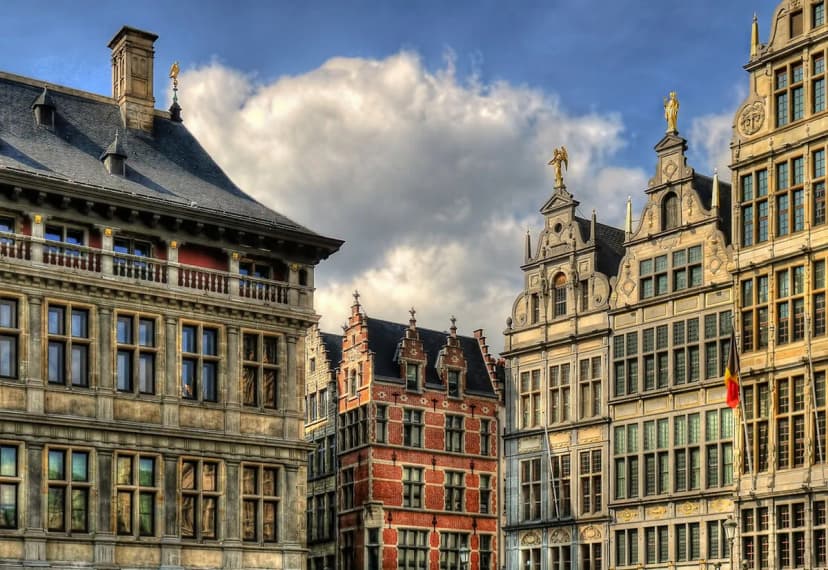

14 Best Bars in Antwerp for Every Kind of Drinker (2026)
Having spent countless weekends exploring the cobblestone alleys of the Diamond City, I have developed a deep appreciation for its drinking culture. Antwerp offers a unique blend of centuries-old tradition and cutting-edge mixology that few other European cities can match. This guide was last updated in April 2026 to reflect spring opening hours and recent ownership changes at two of the bars below.
The city is famous for its 'Bruine Kroegen' or brown cafes, which are the heart and soul of local social life. These cozy establishments are characterized by dark wood interiors, aged beer posters, and a relaxed atmosphere that encourages long conversations. Whether you seek a rare Trappist vintage or a modern gin cocktail, the Antwerp nightlife scene has something special for you.
In this guide, we will navigate through the historic center and the trendy Het Zuid neighborhood to find the perfect pour. Expect to learn about local rituals like the Bolleke, the technical distinction between Trappist and Abbey beers, and the specific etiquette required at legendary spots like Kulminator. Prepare your palate for a journey through one of the most underrated drinking destinations in Western Europe.
Antwerp's Bar Scene: More Than Just Diamonds and Fashion
Antwerp is a city that takes its leisure time seriously, especially when it involves a well-poured glass of local ale. While many visitors come for the fashion and diamonds, the real local character reveals itself in the dim light of a neighborhood pub. According to The European Bar Guide - Antwerp, the city's historic center holds the highest density of brown cafes in the Low Countries.
The drinking culture here is less about excess and more about the appreciation of craft and history. You will notice that locals often linger over a single glass for an hour, savoring the complex flavors of a regional brew. This slow pace is a hallmark of the Belgian experience, and service speed tends to match it: expect your second round to arrive when you are ready, not when the glass is half-empty.
Each neighborhood offers a distinct vibe. The Historic Center around Groenplaats and Grote Markt is home to the most famous brown cafes, the Theater District hides the serious beer temples, and Het Zuid leads the modern cocktail wave. Navigating these areas requires a bit of local knowledge to avoid the generic tourist traps that line the main squares. For those looking to dance until dawn, the best clubs in Antwerp offer a very different energy altogether.
Belgian Beer 101: Trappist, Abbey, and Craft
Before you order, it helps to know what is actually in your glass. A true Trappist beer must be brewed within the walls of a Trappist monastery, under the supervision of the monks, with profits dedicated to the community or charity. Only fourteen breweries worldwide carry the Authentic Trappist Product hexagon, and six of them are Belgian (Westmalle, Westvleteren, Chimay, Orval, Rochefort, Achel). If the bottle does not have that logo, it is not Trappist.
Abbey beers (Leffe, Grimbergen, Affligem, Maredsous) borrow monastic branding and sometimes historical recipes but are brewed commercially outside the abbey walls. They are still excellent, but the distinction matters to serious drinkers and to any bartender you are talking to. Calling a Leffe a Trappist will earn a polite correction in any of the bars on this list.
Beyond the monastic tradition, Antwerp has a growing craft scene that leans into sours, stouts, and hop-forward pales, brewed by operations like De Koninck (the city's flagship), Seef, and a rotating cast of microbreweries. The difference shows up on the tap list: traditional brown cafes pour the classics, while newer bars like Billie's Bier Kafeteria rotate craft options weekly.
Bruine Kroegen: What Actually Makes a Brown Cafe
'Bruine Kroeg' literally means brown pub, and the name describes the dark wood interior stained by a century of tobacco smoke, beer, and candlelight. These places are defined as much by what they lack as by what they contain. You will not find televisions, loud music, or a cocktail menu. What you will find is a patina of worn furniture, mismatched chairs, regulars in the same seats every evening, and a short list of well-kept Belgian beers on draft.
The atmosphere is deliberately 'gezellig' (a Dutch word meaning cozy, convivial, untranslatable in one English word). Lighting is low, conversation is soft, and the clock moves at a slower pace. A true brown cafe serves a local crowd first and welcomes visitors as long as they match the volume in the room.
Ordering etiquette is simple: greet the bartender when you walk in, sit down and wait for table service (do not order at the bar unless you see locals doing so), and pay at the end of your visit. Most brown cafes still run on cash or local Bancontact debit cards, so arriving with a 20 EUR note in your pocket will save awkwardness.
14 Best Bars in Antwerp for Every Kind of Drinker (2026)
To help you choose the right spot, we have grouped these 14 bars into thematic clusters based on their atmosphere. The first group focuses on the 'Beer Legends,' which are world-renowned destinations for serious enthusiasts of Belgian brewing. Locals often suggest starting a night with a specific ritual, as noted by Dropt.beer - Antwerp Insights regarding the city's favorite brew.
Next, we explore the historic brown cafes that have served the community for decades, and in some cases, centuries. These spots are perfect for those who want to feel the weight of history while enjoying a quiet afternoon drink. Finally, we look at the modern side of Antwerp, featuring high-end mixology and specialized spirit bars.
Regardless of your preference, each of these locations has been selected for its authenticity and quality of service. Keep in mind that many of these smaller bars only accept cash or local debit cards, so come prepared. Belgium is famous for its diverse drinking spots, and you can explore more across nightlife in Belgium as well.
- Kulminator (Beer Legend in the Theater District)
- This world-famous cellar specializes in rare and aged Belgian Trappist beers that you cannot find anywhere else.
- Expect to pay 6 to 30 EUR per bottle with hours typically from 16:00 to midnight on weekdays and closed Sundays and Mondays.
- Plan for two hours here, order one beer at a time, and use the 'tasting' terminology when greeting Dirk and Leen at the door.
- 't Waagstuk (Traditional Pub in the Historic Center)
- Located in a beautiful historic building near the old Waag, this bar offers a massive selection of regional craft beers and house specialties.
- Typical prices range from 4 to 10 EUR per glass, and they are open daily from 16:00 until at least 01:00.
- Try the Zeezuiper from Scheldebrouwerij, a strong blond they pour well-conditioned at 8% ABV.
- Billie's Bier Kafeteria (Cozy Craft Beer Haven)
- This friendly spot near the Cathedral is famous for its rotating craft taps leaning toward sours, stouts, and pales.
- Most beers cost between 5 and 12 EUR, with doors opening at 12:00 and closing around midnight daily.
- It also functions as an Estaminet, meaning kitchen snacks pair with the taps (order the cheese platter with a saison).
- De Vagant (The Ultimate Jenever Experience)
- This specialized Jenever house near the old port stocks over 200 varieties of the Belgian juniper spirit from small family distilleries.
- Small tasting glasses cost 3 to 8 EUR, and the bar is open from 11:00 to 23:00 most days of the week.
- Sip Jenever slowly from the tulip glass, and start with a young (Jonge) before moving to an aged (Oude) Jenever to appreciate the oak.
- The Jane Bar (High-End Mixology in a Chapel)
- For a truly elevated experience, visit The Jane Antwerp Official Site to book a spot at their upstairs cocktail bar.
- Cocktails here range from 14 to 22 EUR, and the bar usually opens at 19:00 for a sophisticated crowd.
- The decor pairs a restored chapel with a Studio Job chandelier, making it one of the most Instagram-worthy spots in the city.
- Dogma (Expert Cocktails and Speakeasy Vibes)
- This award-winning cocktail bar near the Grote Markt focuses on bespoke drinks tailored to your specific flavor preferences.
- Prices for custom creations are usually 13 to 20 EUR, and they serve guests from 18:00 until 02:00 on most nights.
- There is no traditional menu, so describe flavors you enjoy (smoky, citrus, floral, bitter) and let the bartender choose.
- Quinten Matsijs (Antwerp's Oldest Pub Since 1565)
- Stepping into this 16th-century pub feels like traveling back in time thanks to the original fireplace and ancient wood paneling.
- Drinks are affordable at 3 to 8 EUR, and the pub is open from 12:00 until 22:00 for a relaxed experience.
- It is located near the Vlaaikensgang alley, making it a perfect final stop after a walk along the Scheldt.
- De Koninck (The Antwerp City Brewery Taproom)
- This is the home of Antwerp's most famous beer, the Bolleke, served in its iconic spherical glass directly at the source.
- A fresh draft pour costs about 3.50 to 5 EUR, and the taproom is open from 10:00 to 18:00 for daytime visitors.
- Take the 75-minute Antwerp City Brewery tour before drinking to understand why this specific beer is the symbol of the city.
- Elfde Gebod (Drinking Among Angels and Statues)
- This unique bar beside the Cathedral is filled with hundreds of religious statues, some several feet tall.
- Expect to pay 5 to 12 EUR for a drink, with operating hours from 12:00 until 23:00 every day of the week.
- The two-floor interior stays busy with tourists, so arrive before 19:00 to get a quiet table near the upper balcony.
- Café Nostalgie (A Step Back into Tradition)
- This classic brown cafe near Groenplaats is the definition of a local neighborhood hangout with zero pretension.
- Prices are among the lowest in the center at 3 to 7 EUR, and they stay open from 14:00 until late.
- Bring cash or a Bancontact card, as they often do not accept international credit cards for small rounds.
- Bar Leon (Local Vibes in Het Zuid, Borgerhout's Creative Neighbor)
- Tucked between art galleries in Het Zuid, this bar is where the local creative crowd gathers on weekends for classic cocktails.
- A drink here will cost you 8 to 14 EUR, and the large terrace is open from 10:00 until midnight daily.
- It is a fantastic afternoon stop for families because of the nearby M HKA playground and spacious terrace seating.
- Pelgrom (Underground Candlelit Beer Cellar)
- This atmospheric bar is located in a 15th-century cellar under Pelgrimstraat and is lit almost entirely by flickering candles.
- Beers and medieval-style snacks range from 5 to 12 EUR, and the cellar opens its doors from 17:00 until midnight.
- It is one of the most romantic spots in Antwerp, though the steep stone staircase makes it inaccessible for wheelchairs or limited mobility.
- Vitrin (Trendy Minimalism in Het Zuid)
- This bar features a sleek, minimal interior and attracts a fashionable crowd from the nearby M HKA and Fotomuseum galleries.
- Cocktails and beers cost 5 to 11 EUR, and they are open from 10:00 until 01:00 for a late-night scene.
- The terrace on Marnixplaats is the best place in the city for people-watching during the warm summer months.
- Den Engel (The Quintessential City Pub on Grote Markt)
- No visit to Antwerp is complete without a stop at this legendary pub located directly on Grote Markt facing Brabo's fountain.
- Prices are reasonable for such a central location at 3 to 7 EUR, and the pub often stays open until 03:00 on weekends.
- Order a Bolleke immediately upon sitting down to fit in with the regulars who have gathered here for generations.
- Oud Arsenaal (Preserved Brown Cafe Since 1822)
- A beautifully preserved little brown cafe with lambic sours and gueuzes that attract specialist drinkers, not just tourists.
- Prices are fair at 3 to 8 EUR, and the place is open roughly 09:00 to 20:00 Tuesday through Saturday.
- Order a Bolleke here; it is widely said to be among the freshest and best-poured pints of De Koninck in the city.
The Kulminator Cellaring Story (and Why Aged Beer Tastes Different)
Kulminator is not just a bar; it is a functioning beer library. Dirk and Leen have spent more than four decades laying down bottles of high-gravity Belgian ales (Trappists, quads, lambics, barleywines) in a cool basement cellar beneath the pub. Some bottles on the menu are older than many of the people drinking them. The current list includes vintages from the 1980s alongside recent releases.
The science of why this matters is straightforward. Bottle-conditioned Belgian ales contain live yeast, residual sugars, and often a high alcohol content that preserves the liquid for years. Over time, the harsh phenolic and alcoholic edges round off, oxidation introduces sherry, leather, or dark fruit notes, and the yeast continues to slowly transform sugars. A ten-year-old Rochefort 10 does not taste like a fresh one; it tastes like a different beer entirely, closer to port wine than to ale.
Treat a visit here as a tasting session, not a drinking session. Order one bottle at a time, read the handwritten vintage on the list, and ask Leen for a pairing suggestion if you are lost. Dirk can be gruff if you arrive in a loud group or ask for a 'quick beer.' Greet them politely, tell them you are there 'to taste a nice beer,' and the door stays open.
Is Antwerp's Beer Scene Better Than Brussels?
Many travelers wonder if they should prioritize Antwerp or Brussels for a beer-focused trip through Belgium. While Brussels has the famous Delirium Cafe with its 2,000-beer list and the lambic heritage of Cantillon, Antwerp offers a much more intimate and curated drinking experience. The bars here tend to be smaller and more focused on specific niches, such as aged vintages at Kulminator or Jenever at De Vagant.
Antwerp also boasts a stronger connection to its city brewery, De Koninck, which creates a unified local identity. You will find that almost every bar in the city serves the local favorite with immense pride, and the Bolleke is pulled on dedicated taps rather than pushed through a generic dispenser. This local loyalty feels more palpable here than in the more international Brussels.
The city is also significantly more walkable, allowing you to visit four or five world-class bars in a single evening on foot. You can move from Kulminator in the Theater District to the Historic Center in twelve minutes, and the tram network (routes 2, 3, 6, and 9) connects Het Zuid and Borgerhout if you want to cover neighborhoods. For many beer-focused travelers, that ease of navigation makes Antwerp the superior choice for a dedicated bar crawl.
The Bolleke Ritual and Essential Bar Etiquette
Understanding the 'Bolleke' is the first step to drinking like a true Antwerpenaar. The name refers to the spherical stemmed glass used to serve De Koninck's flagship 5.2% amber ale. The glass is part of the ritual; its shape concentrates the malty aroma and keeps the head tight. Ordering 'een Bolleke' instead of just 'a beer' will immediately earn you a nod of approval from any Antwerp bartender.
Etiquette in Belgian bars is generally relaxed, but there are unwritten rules. At legendary spots like Kulminator, treat the experience as a tasting rather than a party: moderate volume, one bottle at a time, and let the staff guide you through the list. When a Trappist arrives, let it settle for two minutes before the first sip. The aromatics open up as the beer warms from cellar temperature toward room temperature.
When it comes to Jenever at De Vagant, the spirit is often served in a small tulip glass filled to the brim. Tradition says the first sip is taken while the glass is still on the table to avoid spilling; locals lean forward and sip without lifting. Shooting Jenever like a tequila is a dead giveaway of being an outsider. Sip slowly, then pick up the glass.
What to Order at Each Bar (the Insider Cheat Sheet)
Walking into a Belgian beer bar with hundreds of options on the menu is intimidating. Use this list as a shortcut so you order the beer each place is actually best at, not a random bottle you have heard of.
- Kulminator: an aged Oude Geuze (at least five years cellared) or a vintage Rochefort 10. Ask Leen what is drinking well this week.
- 't Waagstuk: Zeezuiper from Scheldebrouwerij, or a rotating Belgian stout from their board.
- Billie's Bier Kafeteria: whatever Belgian saison is on tap, paired with the cheese plate.
- De Vagant: a Jonge Jenever flight of three (young, aged, flavored) for about 12 EUR.
- The Jane Bar: the house signature cocktail that changes seasonally; the bar team will choose.
- Dogma: tell the bartender two flavor notes you like and let them improvise.
- De Koninck taproom: a fresh draft Bolleke, followed by the Triple d'Anvers.
- Den Engel or Oud Arsenaal: a Bolleke, no question; these two pull the freshest pints in the city.
- Quinten Matsijs: a Westmalle Dubbel, which pairs with the candlelit medieval atmosphere.
- Pelgrom: a Tripel Karmeliet served with the meat-and-cheese board for two.
What to Skip: Tourist Traps in the Grote Markt
While Grote Markt is undeniably beautiful, it is also home to some of the city's most overpriced bars. Many of the large terraces directly facing the Town Hall charge a 30 to 40 percent premium for a view that lacks authenticity. Service at these spots can be rushed, and the beer selection is often limited to mass-produced Heineken-group brands rather than regional specialties.
Avoid bars that have large, multi-language plastic menus displayed prominently on the sidewalk. These establishments target day-trippers and rarely offer the 'Bruine Kroeg' atmosphere that makes Antwerp special. You will have a much better time by walking just two blocks into the side streets (Suikerrui, Oude Koornmarkt, or Pelgrimstraat) for a drink at a real local pub.
Another thing to skip is the 'beer flights' offered by generic tourist pubs that include six tiny, warm glasses of whatever is cheapest. Belgian beer is meant to be served at specific temperatures (cellar temperature for most ales, 4 to 6 C for lagers and lambics) in its own dedicated glass. Instead, choose one high-quality beer and enjoy it at the proper temperature in its designated glassware.
Planning Your Antwerp Bar Crawl
The best way to experience Antwerp's bars is to plan your route by neighborhood to minimize walking time. Start your afternoon in the Historic Center (Quinten Matsijs, Den Engel, Elfde Gebod) before moving toward the Theater District for a more focused tasting at Kulminator. The walking distance between these two zones is about fifteen minutes, which allows your palate to reset between stops.

Most bars in Antwerp do not require reservations, but popular spots like Dogma and The Jane Bar are exceptions; book a week ahead for weekend evenings. If you have your heart set on a specific cocktail lounge, check their site first. Remember that many of the best brown cafes close on Mondays or Tuesdays to give the owners a rest, and Kulminator is closed both days.
For reaching further areas, tram lines 2, 3, and 6 connect the center to Het Zuid (stops at Hopland or Nationalestraat), and lines 10 and 11 serve Borgerhout. A single tram ticket costs 2.50 EUR from the driver or 1.80 EUR via the De Lijn app, and the last trams run until around 00:30. After that, taxis and Uber are reliable. Safety in Antwerp is generally high, but keep an eye on belongings in crowded central areas, and drink water between rounds because Belgian ales commonly hit 8 to 10% ABV.
Frequently Asked Questions
What is the most famous beer to try in Antwerp?
The most famous beer is the Bolleke, an amber ale from the De Koninck brewery. It is served in a unique spherical glass and is considered a symbol of the city. You can find it at almost every traditional pub in Antwerp.
Do Antwerp bars accept credit cards?
Most modern bars and cocktail lounges accept all major credit cards. However, many historic brown cafes still prefer cash or local Belgian debit cards. It is always wise to carry a small amount of cash for smaller rounds.
What time do bars usually close in Antwerp?
Closing times vary significantly depending on the day and the establishment. Many pubs in the center stay open until 1am or 2am on weekends. Some legendary spots like Den Engel are known for serving guests until 3am.
Antwerp remains one of the most rewarding cities in Europe for anyone who appreciates a fine drink and a historic atmosphere. From the candlelit cellars of Pelgrom to the aged vintages at Kulminator and the world-class cocktails at Dogma, the variety here is truly staggering. By following this guide, you can avoid the tourist traps and find the authentic soul of the Diamond City.
Whether you are a beer geek or a casual traveler, the hospitality of Antwerp's bartenders will make you feel at home as long as you match their pace. Take your time, order one Bolleke before you leave, and respect the quiet ritual of the brown cafe. Your Antwerp drinking adventure is just a train ride away, and the city's bars are ready to welcome you.