Your Guide to Bairro Alto Nightlife in Lisbon
Bairro Alto nightlife in Lisbon turns a quiet hillside neighborhood into one of the busiest bar-hopping scenes after dark. Locals and travelers pack the narrow streets from around 9pm, drink in hand, moving from doorway to doorway. Grasping the timing, the venues, and the etiquette makes the difference between a forgettable stroll and a memorable night out.
This guide breaks down the top bars, the fado houses, and the late-night food that define the district. It also covers safer routes home, dress expectations, and how Bairro Alto compares with nearby Cais do Sodré. Every recommendation below draws on verified local detail, not generic tourist copy.
Prices, hours, and crowd patterns below reflect typical 2026 conditions in the neighborhood. Always confirm current hours and prices directly with a venue before finalizing weekend plans.
Key Takeaways
- Bairro Alto nightlife peaks between 9pm and 2am, then shifts downhill toward Cais do Sodré.
- Budget €2-€5 for bar drinks and €12-€18 for cocktails on a typical night out.
- Eat a bifana or petiscos dinner before 10pm to beat the busiest street crowds.
- Book a local-guided night out if unfamiliar with the steep, unmarked side streets.
- Stick to well-lit main streets after 2am for a safer walk back.
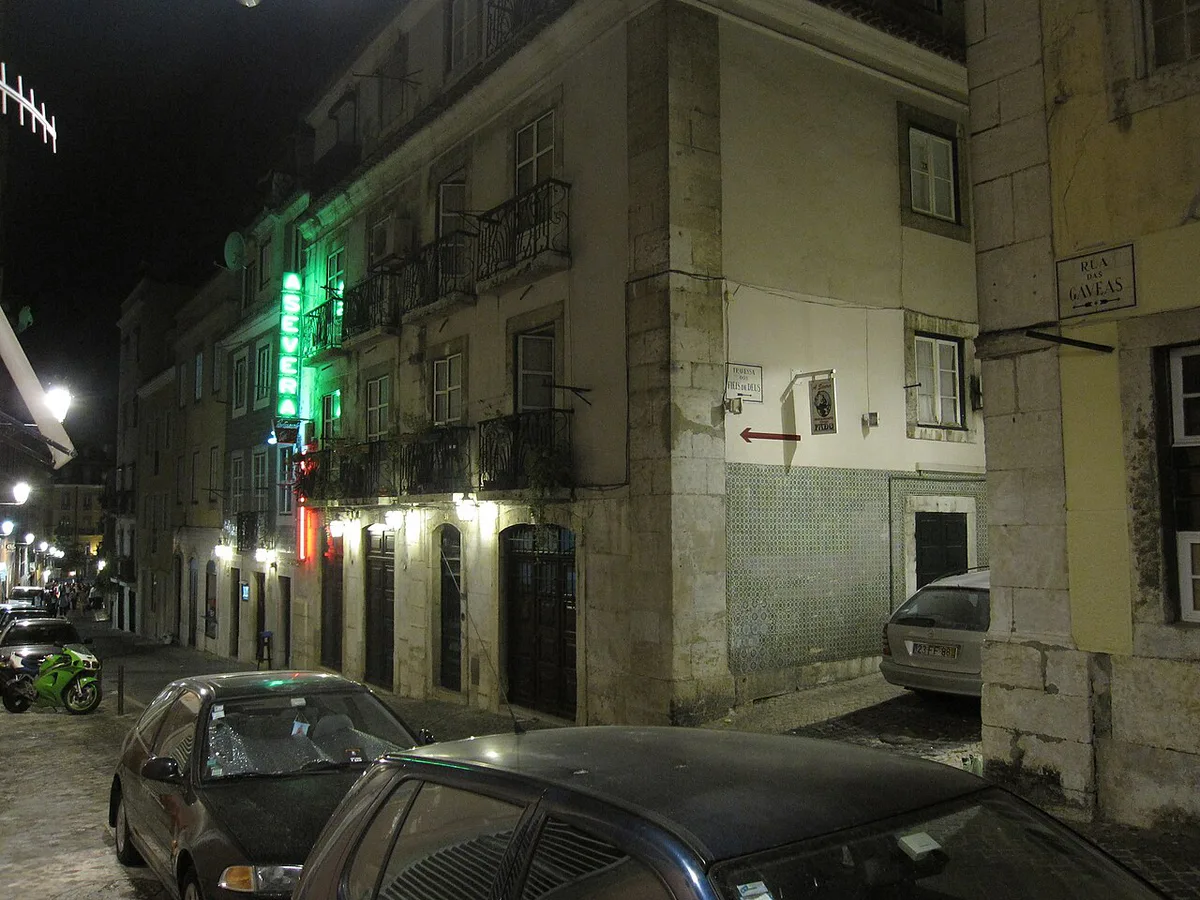
Bairro Alto Nightlife Lisbon: Neighborhood Basics
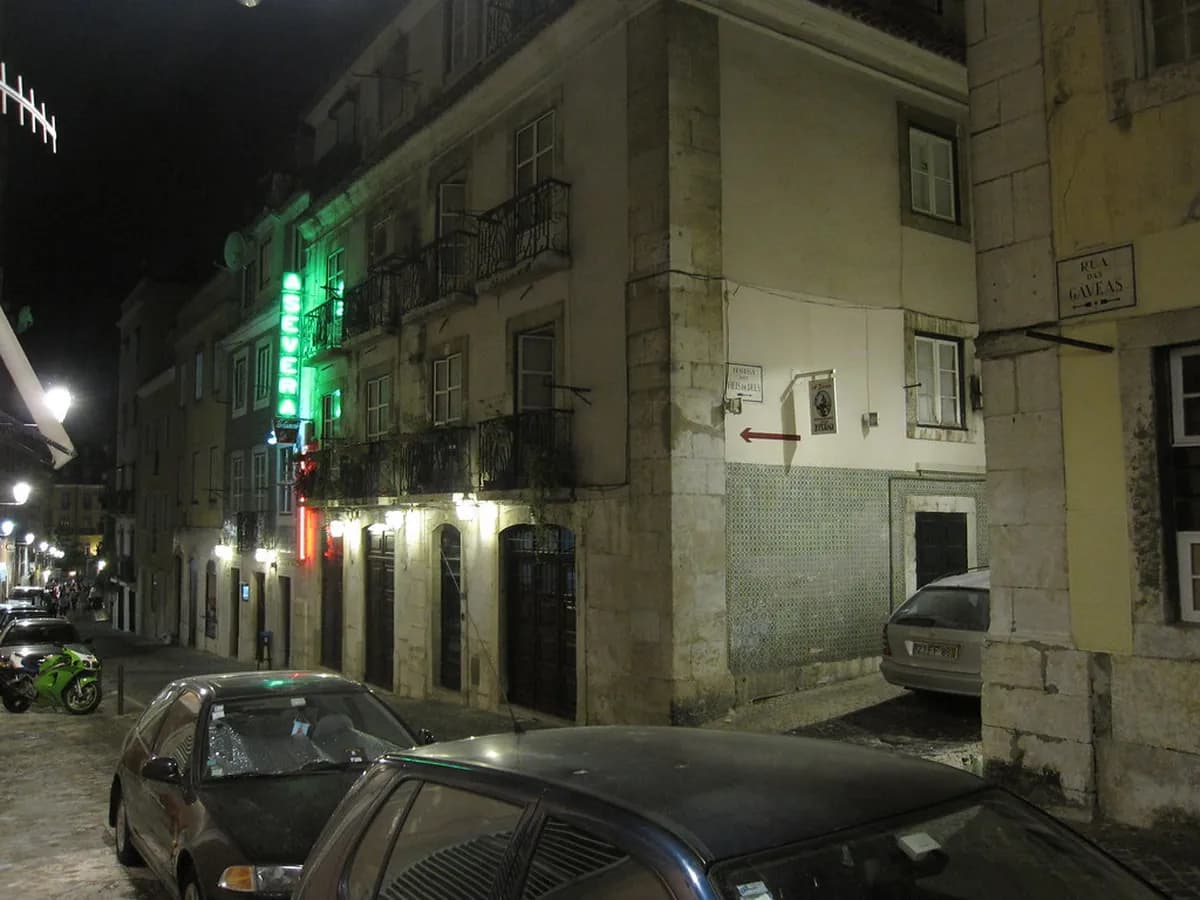
Bairro Alto nightlife in Lisbon centers on a tight grid of hillside streets above the Tagus River. Hundreds of small bars line these blocks, and most people drink standing in the street rather than seated inside. The scene typically builds from around 9pm and stays busy until roughly 2am most nights. After that point, the crowd usually thins and heads downhill toward Cais do Sodré for late-night clubs.
Shutters on the tiny bars often start rolling up around 7pm, though the street stays quiet a while longer. Many locals wait for sunset at a nearby viewpoint before heading into Bairro Alto for the night. Weeknights tend to feel calmer, while weekends bring bigger crowds and a livelier street-party feel. A season-by-season best time to visit Bairro Alto nightlife guide breaks down monthly crowd and weather patterns.
Reaching Bairro Alto from central Baixa takes about 15 to 20 minutes on foot, mostly uphill. Funiculars and city buses also connect the two districts for anyone skipping the climb. Taxis and ride-share apps typically run about €5 to €8 for the short trip most evenings.
Streets get crowded and slightly sticky underfoot by 1am, with spilled drinks common on busy weekends. Pickpocketing risk rises in dense crowds, so keeping valuables in a front pocket or zipped bag helps. None of this makes the district unsafe, but a little street awareness goes a long way.
Bairro Alto's raw, unpolished character comes from its history as a working-class printing and residential district. That layered past is part of why the streets still feel lived-in rather than built for tourists. Graffiti-covered walls and small independent shops by day give way to bars and street life by night.
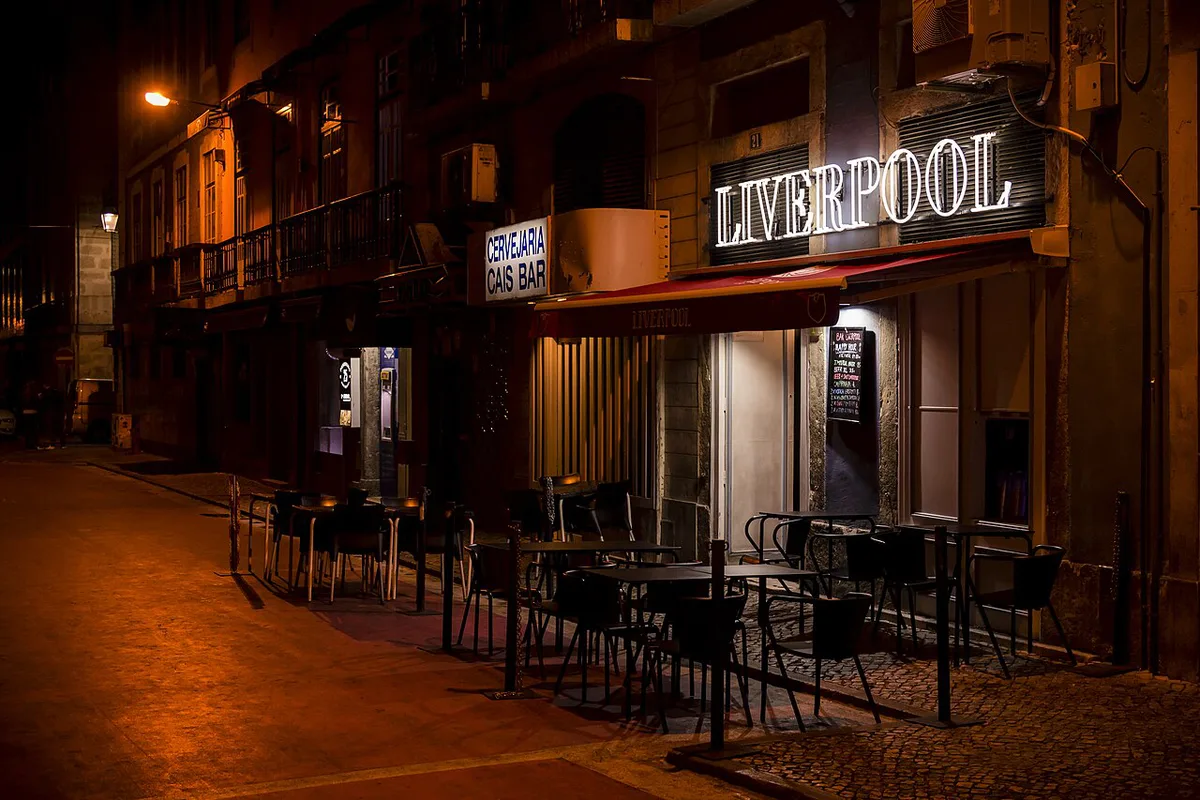
Top Bars to Start Your Night in Bairro Alto
Bairro Alto nightlife rewards wandering, but a handful of venues anchor most people's first stop. These bars represent the different moods on offer, from cozy taverns to theatrical former businesses. A curated list of the best Bairro Alto bars expands on each pick with hours and price ranges.
Expect small rooms, standing room only, and a soundtrack that shifts from fado to pop by the hour. Most bars charge €2 to €5 for a beer or house wine, keeping a night out affordable. Cocktails run higher, typically €12 to €18, closer to prices in the Cais do Sodré club district.
Tipping is not expected in most small Bairro Alto bars, though rounding up a euro is common. Cash still works better than cards in some of the smallest, family-run venues. Carrying small bills in €5 and €10 denominations avoids awkward change issues late at night.
For a structured route between these stops, a Bairro Alto Bar Crawl Itinerary: A 1-Night Lisbon Plan maps a full evening in order. Following a set path also helps avoid backtracking on the steep, uneven streets after dark. Most visitors comfortably cover four or five stops in a single night without rushing.
- A Capela: candlelit chapel-style wine bar
- Type: intimate wine and cocktail bar
- Best for: quiet conversation early evening
- Where: central Bairro Alto street
- Cost: wine from about €4
- The Old Pharmacy: apothecary-themed cocktail bar
- Type: themed cocktail bar
- Best for: photo-friendly décor and drinks
- Where: Rua do Norte area
- Cost: cocktails around €8 to €12
- Pub Português: classic street-level tavern
- Type: casual neighborhood bar
- Best for: mixing with locals
- Where: heart of Bairro Alto
- Cost: beer around €2 to €3
- Tasca do Chico: fado tavern with live sets
- Type: fado house and tavern
- Best for: authentic Monday fado nights
- Where: Rua do Diário de Notícias
- Cost: no cover, drinks from €3
- Pensão Amor: former brothel turned bar
- Type: theatrical bar near Cais do Sodré
- Best for: a later finish downhill
- Where: Cais do Sodré, short walk
- Cost: cocktails from about €10
Fado Houses and Late-Night Food in Bairro Alto
Traditional fado is one of the strongest draws behind Bairro Alto nightlife in Lisbon. Tourist-menu fado houses with fixed dinners and amplified vocals are common along the main streets. More authentic rooms, like small taverns that host informal fado on set nights, tend to sit on quieter side streets. A guide to Bairro Alto fado bars separates the tourist-oriented rooms from local favorites.
Eat a bifana around 7pm before drinks, then petiscos around 8–9pm. This avoids the packed 11pm–1am street rush when crowds peak and dining becomes difficult.
Timing matters when judging authenticity, since real fado nights often start later than tourist dinner shows. Arriving around 10:30pm for a show, after an earlier dinner, usually lines up with local habits. Cover charges vary, so confirming whether a venue requires a minimum spend is worth the effort.
Late-night eating is part of the culture, not an afterthought, and it centers on a few classic dishes. A bifana, thin pork marinated in garlic and wine and served in a bread roll, costs around €3 at most stalls. Many people eat one around 7pm before drinks, then again closer to 1am on the way home. Petiscos, small shared plates similar to tapas, fill the gap for a fuller sit-down dinner.
A sit-down dinner around 8 or 9pm, followed by drinks and a fado stop near 10:30pm, is a common local sequence. That spacing avoids the packed 11pm-to-1am window when the streets fill up fastest. A petiscos and wine guide for Bairro Alto lists specific dishes, price ranges, and pairing tips.
Nightlife Hotspots Beyond Bairro Alto
Bairro Alto rarely stands alone for a full night out, since nearby districts each add a different mood. Cais do Sodré sits downhill and stays open later, centered on Rua Nova do Carvalho, known locally as Pink Street. Bars there shift into nightclubs around 1am and often run until sunrise on weekends. A comparison of Bairro Alto and Cais do Sodré nightlife breaks down which district fits which kind of night.
Príncipe Real offers a calmer, more polished alternative, with cocktail bars favoring quality over volume. Graça, further from the main tourist strip, keeps a slower pace with wine bars and cafés. Vino Vero, a wine bar in Graça, draws locals seeking a quieter glass away from the Bairro Alto crush. The Vino Vero Lisbon wine bar page lists current hours and the seasonal wine list.
Rooftop bars and viewpoints add another layer, especially before the bar-hopping starts around sunset. Miradouro de São Pedro de Alcântara and similar viewpoints fill with people watching the sky change color over the river. A guide to Bairro Alto rooftop bars lists venues with river views and their approximate drink prices.
Crowd size shifts noticeably by season, with summer months drawing the largest weekend turnout. Winter weeknights feel far quieter, which suits travelers who prefer conversation over crowd noise. Shoulder-season visits in spring or early autumn often balance mild weather with manageable crowds.
Choosing between districts comes down to a few practical trade-offs worth considering in advance. Bairro Alto suits a short, walkable crawl with cheaper drinks and an earlier finish near 2am. Cais do Sodré suits travelers wanting a later finish, bigger dance floors, and higher drink prices. Príncipe Real and Graça suit anyone prioritizing quieter conversation over crowd energy.
Planning Your Bairro Alto Night: Tips and Safety
Deciding whether to explore Bairro Alto solo or with a local host depends on a few practical factors. A guided Bairro Alto tour with locals suits first-time visitors who want route planning handled for them. Solo exploring suits repeat visitors or anyone comfortable navigating steep, unmarked streets after dark. Budget, group size, and how much structure feels comfortable should guide the choice either way.
Pickpocketing risk rises in dense crowds, especially after 1am on weekends. Keep valuables in a front pocket or zipped bag, and stick to well-lit main streets after 2am to reduce common risks.
| Neighborhood | Distance to Bars | Noise Level | Best For |
|---|---|---|---|
| Bairro Alto | Shortest walk | Loudest at night | One- or two-night nightlife-focused visit |
| Chiado or Príncipe Real | 5–10 minute walk | Meaningfully quieter | Good middle ground |
| Baixa | Flat walk back | Quietest | Easy walk home without steep cobblestones |
Bairro Alto keeps dress fairly casual, though some cocktail bars in Príncipe Real lean smarter. Trainers, jeans, and a light jacket cover most venues without looking out of place. Basic etiquette matters more than outfit choice, including keeping noise down on residential side streets.
Public transport back to central Lisbon runs late on weekends, though service thins out after 1am. Licensed taxis and ride-share apps remain the most reliable option once trains and buses stop. Agreeing on a meeting point in advance helps groups regroup easily in crowded, noisy streets.
Overall safety in Bairro Alto is generally good, though crowded streets call for normal city caution. A Bairro Alto safety at night guide covers specific streets, exit routes, and late-transport options. Sticking to well-lit main streets and avoiding isolated alleys after 2am reduces most common risks. Budget travelers can also find cheaper drink specials earlier in the evening before the crowd peaks.
- Solo night out in Bairro Alto
- Time: flexible, no fixed schedule
- Cost: lowest, pay per bar
- Access: needs some route planning
- Best for: repeat visitors, confident walkers
- Guided local night out
- Time: fixed three to four hours
- Cost: higher, includes host fee
- Access: pickup and route handled
- Best for: first-timers, small groups
Where to Stay Near Bairro Alto Nightlife
Bairro Alto itself makes sense only for a short stay geared around nightlife — the neighborhood's narrow streets and old, thin-walled buildings mean bar noise and chatter carry well past 2am on weekends, even with windows closed. Light sleepers usually do better basing themselves just outside the core, in Chiado or Príncipe Real, both a 5-10 minute walk from the bars but noticeably quieter after midnight. Santos and Cais do Sodré work for travelers prioritizing proximity to the late-night club scene instead, though Cais do Sodré carries its own street noise until sunrise on weekends. Baixa, downhill and flatter, suits anyone wanting an easy walk home without the steep cobblestones back up to Bairro Alto.
- Stay inside Bairro Alto: shortest walk to bars, loudest at night, best for a one- or two-night nightlife-focused visit
- Stay in Chiado or Príncipe Real: 5-10 minute walk, meaningfully quieter, good middle ground
- Stay in Baixa: flat walk back, furthest from the steep streets, quietest option of the four
Frequently Asked Questions
What is the nightlife like in Bairro Alto, Lisbon?
Bairro Alto nightlife centers on hundreds of small bars packed into a steep, historic grid of streets. Most people drink standing in the street rather than seated inside, moving between venues from around 9pm. The atmosphere stays social and informal until roughly 2am, when the crowd typically shifts downhill toward Cais do Sodré.
Is Bairro Alto a good place to stay for Lisbon nightlife?
Bairro Alto works well for short stays focused on nightlife, since most bars are a short walk from each other. Noise carries late into the night, so light sleepers may prefer a quieter neighborhood nearby. Staying close by does cut down on late-night transport costs and travel time.
What time do bars close in Bairro Alto?
Most Bairro Alto bars wind down around 2am on weeknights and closer to 3am on weekends, based on local noise rules. After that point, crowds usually head downhill toward Cais do Sodré, where clubs stay open later. Confirm exact hours locally, since individual venues can vary by season.
How much do drinks cost in Bairro Alto?
Beer and house wine typically cost €2 to €5 per glass in most small Bairro Alto bars. Cocktails run higher, usually €12 to €18, closer to prices near the Cais do Sodré club district. Prices can shift by season, so treat these as general planning figures rather than fixed rates.
Is Bairro Alto safe at night?
Bairro Alto is generally safe for a nightlife-focused visit, though crowded streets call for normal city caution. Petty theft can happen in dense crowds, so keep valuables in a front pocket or zipped bag. Sticking to well-lit main streets after 2am lowers the most common risks further.
What should visitors eat before a night out in Bairro Alto?
A bifana, a thin pork sandwich seasoned with garlic and wine, is a classic pre-drinks snack costing around €3. Many visitors eat one around 7pm, then follow with a sit-down petiscos dinner before heading into the bars. Eating earlier helps avoid the packed 11pm-to-1am rush on the main streets.
Bairro Alto nightlife in Lisbon rewards travelers who plan around its rhythm rather than fighting it. Arriving after sunset, eating before the 11pm rush, and picking a fado stop in advance all smooth out the night. Whichever bars make the final list, the district's mix of history and street energy stays consistent.
Pairing Bairro Alto with a downhill finish in Cais do Sodré, or a calmer detour to Príncipe Real, rounds out most visits. For wider Portugal nightlife context beyond Lisbon, the Portugal nightlife overview covers other cities worth a stop. A little preparation turns a chaotic first impression into one of the more memorable nights of a Lisbon trip.
Explore More Lisbon Guides
Keep planning your Lisbon trip with these guides.
Lisbon Guides
- 9 Best Bairro Alto Fado Bars in Lisbon
- 9 Best Fado Bars in Bairro Alto
- Cheap Fado Bars in Bairro Alto Lisbon
- Authentic Bairro Alto Fado Experience Guide
- Bairro Alto Bar Crawl Itinerary: A 1-Night Lisbon Plan
- 12 Best Bairro Alto Rooftop Bars in Lisbon
- 9 Things to Know About Bairro Alto Safety at Night
- Bairro Alto vs Cais do Sodré: Lisbon Nightlife Guide
- 10 Best Bairro Alto Bars in Lisbon
- Best Time to Visit Bairro Alto Nightlife (2026 Guide)
- 10 Best Bars for Cheap Drinks in Bairro Alto Lisbon
- Late Night Food Bairro Alto Lisbon Travel Guide
- Live Music Venues Bairro Alto Not Fado Travel Guide
- Bairro Alto Getting There From Baixa Travel Guide
- Bairro Alto Opening Hours Guide: 10 Essential Timing Tips
- 8 Things to Know About a Bairro Alto With Locals Tour
- Bairro Alto Petiscos and Wine Guide: Best Bars & Local Tips
- 10 Bairro Alto Street Art and Bars Stops
- Bairro Alto Dress Code and Nightlife Etiquette Tips
- 10 Best Bars Near Bairro Alto Miradouro