
9 Best Fado Bars in Bairro Alto for an Authentic Night
Our editors have spent countless evenings tracing Bairro Alto's steep lanes to find where fado still sounds real in 2026. This guide narrows down the best fado bars in Bairro Alto, from grand old dinner-and-show houses to tiny amateur tascas. Expect real prices, real hours, and a few honest warnings along the way.
Lisbon actually has two fado strongholds, and Bairro Alto is the livelier, bar-dense one. Alfama gets more attention for fado's folklore roots, but Bairro Alto packs more houses, tascas, and casual bars into a few square blocks. This page was last checked and updated in July 2026, with prices and hours matched against current venue information where available.
The list below covers formal dinner-and-show houses, budget-friendly tascas, and one free option for wandering ears. A short planning section follows with booking, dress code, and safety notes. A closing section flags the fado experiences worth skipping, plus a few honestly better alternatives.
9 Best Fado Bars in Bairro Alto Right Now
Every pick below sits inside Bairro Alto proper, within a few streets of Praça Luís de Camões and Rua da Atalaia. The mix spans formal dinner-and-show houses charging €45 to €72 per person down to cash-only tascas near €35. For a deeper dive into the wider neighborhood scene, this Bairro Alto fado bars guide rounds up more context beyond this shortlist.
Formal houses like Café Luso and A Severa work best for a first fado night, since the structure and staff explain what to expect. Casual tascas like Tasca do Chico suit travelers who want the music without a long, multi-course commitment. Neither style is more authentic than the other; they simply serve different evenings.
Booking ahead matters most at the smaller, cash-only spots, since tables disappear fast on weekends. Larger houses take walk-ins more often but still fill up by 9pm in high season. Each entry below lists the venue's hours, typical cost, and one practical tip worth knowing before showing up.
- Café Luso, Bairro Alto's Historic Cellar Fado House
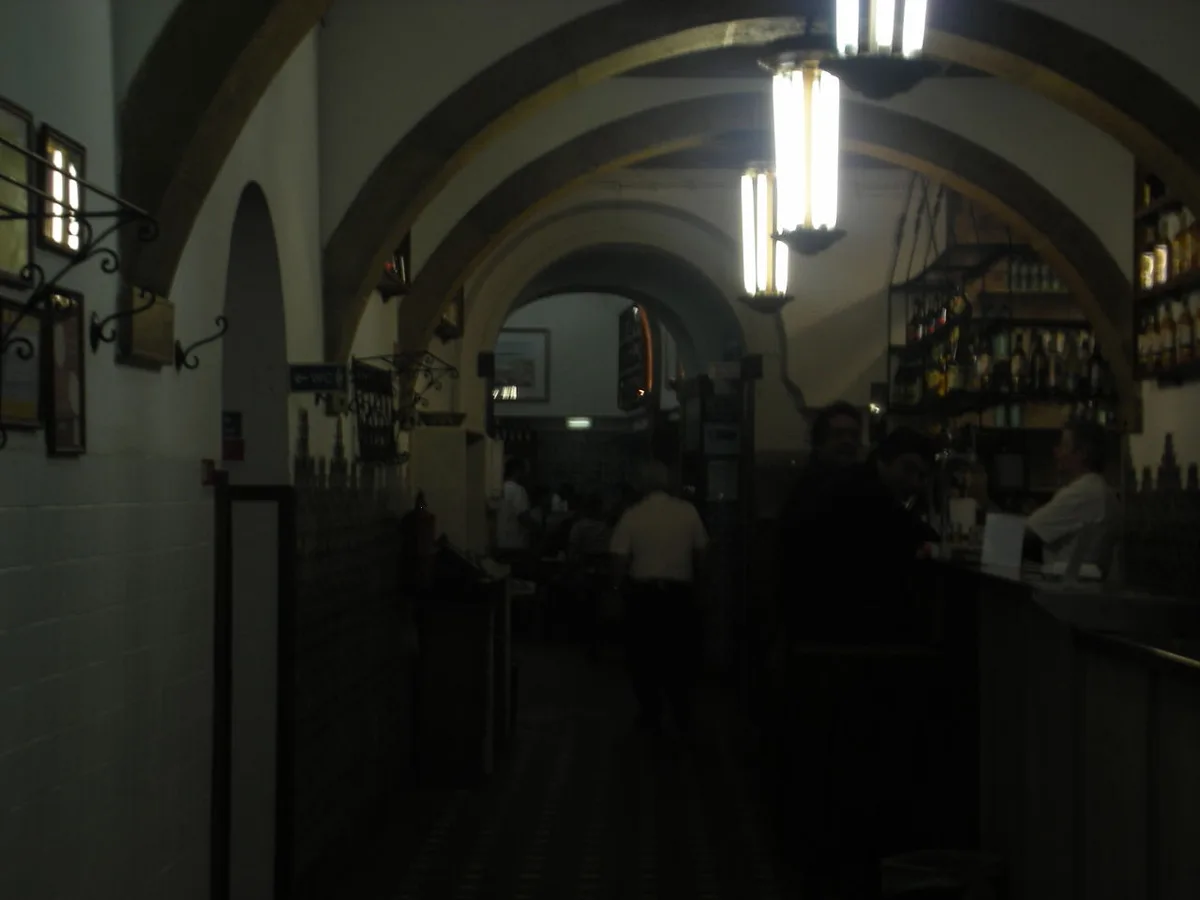
- Café Luso occupies the vaulted cellar of an 18th-century palace that survived the 1755 earthquake.
- Fado starts at 8pm and repeats at 20-minute intervals until around 2am most nights.
- A full dinner with the show costs about €45 per person, and stone ceilings sharpen the acoustics.
- It sits on Travessa da Queimada, a five-minute walk from Praça Luís de Camões.
- Book the earlier sitting, since tour groups pack in tables by around 9pm.
- A Severa, a Third-Generation Family-Run Fado House
- A Severa has been run by the same family since opening its doors in 1955.
- Hand-painted azulejo tiles and antique street lamps set a moodier, more traditional tone here.
- The fado begins around 9pm, and the kitchen stays closed on Wednesdays for its one night off.
- Expect a set menu near €65 per person, or a €45 minimum spend ordering à la carte.
- Rua das Gáveas puts it a short stroll from Praça Luís de Camões and Rua da Atalaia.
- Adega Machado, a Three-Story Fado Institution Since 1937
- Adega Machado has hosted fado nights across three floors since opening back in 1937.
- A 2012 renovation kept the historic bones while updating the sound system and seating.
- Both Lisbon-style fado and the more classical fado de Coimbra appear on the same bill.
- The house opens daily around 7:30pm, with dinner and show pricing near €47 per person.
- It shares ownership with Café Luso, so expect a similarly polished, tour-friendly evening overall.
- O Faia, Founded by Fado Singers in 1947
- O Faia was founded by working fado singers back in 1947, and singers still shape it.
- Azulejo tile panels cover the walls, and fado is sung between courses instead of one set.
- It runs 8pm to 1am and closes Sundays, with menus starting around €72 per person.
- It's the priciest formal house on Rua da Barroca, so budget travelers may prefer a shorter show.
- Ask for a table near the front room if catching every lyric matters more than photos.
- Tasca do Chico, the Bairro Alto Fado Vadio Icon
- Tasca do Chico skips the dinner-show format for cheaper, rawer amateur fado known as fado vadio.
- Fado singer Mariza has performed here in past years, according to the venue's long-standing reputation.
- It opens Thursday to Sunday, 7pm to 2am, with fado usually starting around 9pm.
- There's no minimum spend or cover fee, and a simple meal runs about €35, cash only.
- It's genuinely tiny and fills fast, so arrive by 8pm or expect to stand at the bar.
- Canto da Atalaia, a Cozy Dinner-and-Fado Corner
- Canto da Atalaia is a small dining room built for an intimate, close-up fado experience.
- Because the space is so compact, diners end up just a few feet from the musicians.
- It opens 7pm to 11pm, with a straightforward menu priced around €35 per person.
- Cod fish cakes and slow-cooked pork cheek are the standout dishes alongside the show.
- It sits on Rua da Atalaia, an easy add-on after wandering the street's bars earlier in the evening.
- Adega do Ribatejo, a Cash-Friendly Amateur Fado Tasca
- Adega do Ribatejo built its reputation on unpolished, late-night fado vadio rather than a formal show.
- It gained wider international attention after appearing in a televised food-and-travel episode about Lisbon.
- Pricing runs closer to a typical Bairro Alto tasca dinner than a formal fado house here.
- Hours and singer line-ups shift often, so confirm the current schedule locally before heading over.
- Locals mixing in with visitors is common, and the singing can start unannounced mid-meal.
- Associação do Casto, a Casual Petiscos-and-Fado Pick
- Associação do Casto trades white tablecloths for shared tables and a relaxed, community-hall feel.
- Small plates, called petiscos, replace a full set menu, suiting travelers who want a lighter night.
- Expect pricing closer to a casual tasca than the grand fado houses nearby, generally a gentler bill.
- It pairs well with an earlier wine stop, since fado here tends to start later in the evening.
- Confirm current opening days locally, since casual fado spots adjust their schedules more often than the big houses.
- Rua da Barroca and Rua Diário de Notícias Fado Strip
- These two narrow streets hold the highest concentration of fado houses and tascas in Bairro Alto.
- Doors and windows often stay open once a set begins, so fado spills into the street for free.
- Walking the strip costs nothing, though most bars expect a drink purchase if visitors stop inside.
- A glass of wine at these spots typically runs €5 to €10, whether or not fado is playing.
- The best window for catching spillover fado vadio is after 10pm, once dinner-show crowds have thinned.
What Is Fado, and Why Does Bairro Alto Own the Scene?
Fado is a Portuguese music genre that took shape in Lisbon's poorer neighborhoods during the late 1800s. The songs lean into saudade, a bittersweet longing that's hard to translate but easy to feel live. UNESCO added fado to its Intangible Cultural Heritage list in 2011, cementing its status as a national art form.
Portugal's 20th-century dictatorship actually shaped how fado is performed today, requiring licensed venues and approved lyrics for decades. That formal structure, dim lighting, hushed audiences, and a trio of singer plus two guitarists, stuck around even after the regime fell in 1974. It's part of why the big Bairro Alto houses still feel closer to a concert than a casual bar.
Alfama is technically fado's birthplace and still has its own respected houses, including ones covered in the best fado restaurants in Alfama. Bairro Alto took the tradition and multiplied it, packing dozens of bars, tascas, and dinner-show houses into a walkable grid. For visitors staying central, that density is the practical reason to start here rather than crossing town.
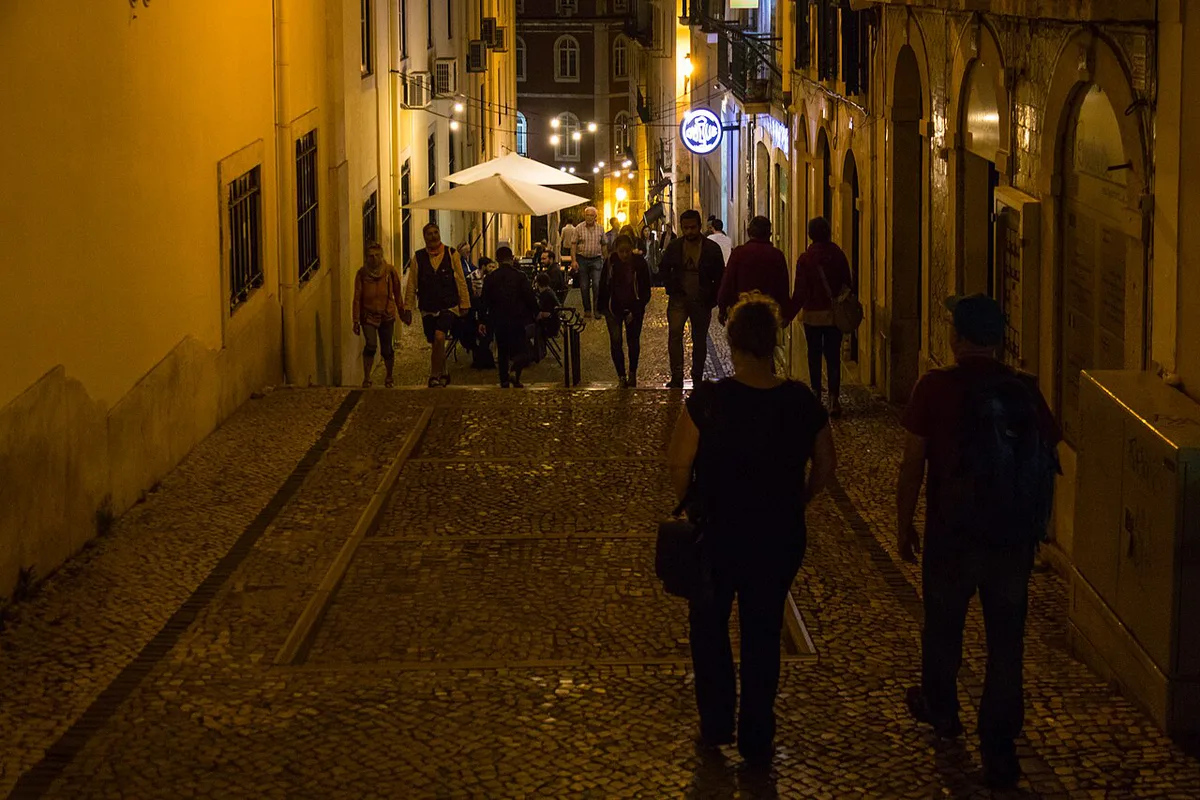
The neighborhood layout matters too. Steep, narrow streets like Rua da Barroca and Rua do Diário de Notícias hold the highest concentration of venues. Music tends to start later than most tourists expect, generally between 8pm and 9pm, and it runs in sets rather than one continuous performance.
How to Plan a Fado Night in Bairro Alto
Reservations matter most at the small, high-demand tascas, where a dozen tables might be the entire room. Larger dinner-and-show houses take walk-ins but fill quickly once tour buses arrive around 8:30pm. Budget roughly €35 to €45 per person at casual spots and €47 to €72 at the grand old houses. Travelers still mapping out a wider trip might find First Time in Lisbon useful for broader planning.
Fado music typically starts between 8pm and 9pm, later than many visitors anticipate, and runs in sets rather than continuously. Busier venues perform sets until 1am or 2am depending on season and demand.
Fado in Bairro Alto rarely starts before 8pm, and the busiest venues run sets until 1am or 2am. Timing varies by venue and season, so check the Bairro Alto Opening Hours Guide: 10 Essential Timing Tips before setting out. Arriving 30 minutes ahead of the first set generally secures a better table.
Bairro Alto's fado houses skew smart-casual rather than formal, though a few upscale ones prefer collared shirts. Staying silent once the music starts is the one rule nobody breaks, even at the loosest tascas. The Bairro Alto dress code and etiquette guide covers the finer points.
Bairro Alto sits uphill from Baixa, and most visitors walk it in 15 to 20 minutes or take a short taxi ride. Tram 28 skirts the edge of the neighborhood, though it's often faster to walk the final stretch. Full transit and walking notes live in this guide to getting to Bairro Alto from Baixa.
Bairro Alto is generally safe for a night out, though the same street-smart habits that apply to any nightlife district still apply here too. Keep an eye on drinks, stick to the busier lanes late at night, and avoid unofficial street touts selling fado show tickets. The Bairro Alto safety at night guide covers more specific, current notes.
Fado Bars to Skip and Better Alternatives
Café Luso earns its spot for history and acoustics, but it has a reputation among regulars as one of the more tour-bus-heavy houses. Anyone chasing a quieter, more intimate room might get more out of Canto da Atalaia or Tasca do Chico instead. Street touts working Praça Luís de Camões selling same-night fado tickets are worth skipping too, since legitimate houses rarely hard-sell tourists on the sidewalk.
Travelers working with a tighter budget don't need to skip fado altogether. A dedicated guide to cheap fado bars in Bairro Alto breaks down which tascas keep costs low without sacrificing a real performance. Expect to pay closer to €25 to €35 per person at that end of the scale. Tasca do Chico and Adega do Ribatejo already sit near that lower end.
For travelers who want the amateur, unscripted version of fado over a polished dinner show, that's a different kind of night entirely. The authentic Bairro Alto fado experience guide goes deeper into finding fado vadio nights and reading a room's crowd. Tascas rotate singers more often than formal houses, so no two visits sound quite the same.
Is Fado in Bairro Alto a Tourist Trap?
The honest answer is that it depends entirely on which venue gets picked. Formal houses charging €70-plus for a set dinner can feel transactional if the music itself isn't the priority for management. That's a real risk at the busiest, most-reviewed spots during peak summer months.
Smaller tascas like Tasca do Chico prioritize music over dining formality, with locals attending regularly—a meaningful authenticity marker. Amateur fado vadio nights rotate singers frequently, so each visit differs from the last.
Smaller, cash-only tascas like Tasca do Chico or Adega do Ribatejo lean the opposite direction. The room exists for the music first and the food second. Locals still show up regularly, which is a reasonable, if imperfect, proxy for authenticity. Prices under €40 per person also mean less financial pressure riding on a single show.
According to UNESCO's own framing of fado as intangible heritage, the tradition itself resists being reduced to a paid performance for outsiders. That doesn't mean every venue lives up to it equally. Picking a mix, one formal house plus one casual tasca, tends to give a fuller, more balanced picture than committing to just one type.
Fado Shows Without a Full Dinner Commitment
Not every fado night in Bairro Alto requires a full multi-course dinner. A handful of venues in and around the neighborhood sell standalone show tickets running roughly an hour, aimed at travelers who already ate, are short on time, or simply want the music without committing to a set menu. These tickets typically cost less than the dinner-show price point at houses like Café Luso or O Faia, and often bundle in a single drink, such as a glass of port or wine, instead of a full meal. Seating is limited since these rooms are small, so reserving a specific time slot in advance matters more here than at the larger dinner houses that take walk-ins more freely. Early evening slots, before the dinner crowd arrives, are usually the easiest to book.
- Best for: travelers on a tighter schedule or budget, or anyone who already had dinner elsewhere
- What's included: typically one drink, not a full meal
- Booking: reserve the specific showtime ahead, since ticket-only seating is limited
Frequently Asked Questions
What are the best fado bars in Bairro Alto?
Café Luso, A Severa, and Adega Machado are the best-known formal dinner-and-show houses in Bairro Alto. Tasca do Chico and Adega do Ribatejo offer cheaper, more casual fado vadio nights instead. Picking one of each type gives a fuller sense of the neighborhood's fado scene.
What is the best fado restaurant in Lisbon overall?
It depends on whether Bairro Alto or Alfama fits the trip better, since both neighborhoods have respected houses. Within Bairro Alto specifically, Café Luso stands out for its historic cellar setting and consistent 8pm show schedule. Travelers wanting Alfama's take can compare options in a separate Alfama-focused guide.
Is fado in Bairro Alto a tourist trap?
Some of the busiest formal houses can feel transactional during peak summer evenings, especially near Praça Luís de Camões. Smaller, cash-only tascas like Tasca do Chico tend to feel more locally driven and less staged. Mixing one of each type usually balances cost against authenticity fairly well.
Where did Anthony Bourdain eat fado in Lisbon?
Adega do Ribatejo, a small, cash-friendly tasca in Bairro Alto known for amateur fado vadio, appeared in a televised Lisbon food-and-travel episode. It remains a solid pick for a raw, unpolished fado night today. Confirm current hours locally, since schedules at casual tascas shift more often than at formal houses.
How much does a fado show cost in Bairro Alto?
Casual tascas like Tasca do Chico or Canto da Atalaia generally run €35 per person with no separate show fee. Formal dinner-and-show houses range from about €45 at Café Luso up to €72 at O Faia. Some formal houses also add a minimum spend on top of the menu price.
Bairro Alto rewards a flexible plan more than a rigid one. Starting with a formal house like Café Luso or A Severa, then drifting toward Tasca do Chico or the fado strip along Rua da Barroca later, covers both ends of the experience in one evening. Budgeting €35 to €70 per person, depending on the mix, keeps expectations realistic going in.
Pair the night with a broader look at the city using these Lisbon Itineraries for placing fado within a fuller trip plan. Reservations at the smaller tascas and a bit of patience at the bigger houses are really the only two things that matter on the night itself.