10 Tips for Bairro Alto Dress Code and Nightlife Etiquette
Bairro Alto turns from a quiet, hillside neighborhood into Lisbon's loudest street party after dark. Getting the bairro alto dress code and nightlife etiquette right matters more than most visitors expect. Doormen judge outfits and behavior fast, and a wrong read can mean a steep cover charge or a flat refusal.
This guide breaks down what to wear, when to arrive, and how locals expect guests to behave. It also explains the neighborhood's unwritten noise rules and how Bairro Alto compares to nearby Cais do Sodré. Expect specific prices, opening hours, and a few local habits that keep a night out running smoothly.
Essential Tips for Your Bairro Alto Night
Bairro Alto rewards visitors who plan around its rhythm rather than fighting it. Most bars stay half-empty before 22:00, then fill fast as the night moves toward its 01:00 peak. Weekday nights, especially Tuesday through Thursday, run noticeably calmer than Friday and Saturday crowds.
Bars peak around 01:00 but stay quiet before 22:00. Carry €10-20 cash for smaller venues. Eat before 22:00 at a tasca to save money. Book Fado shows days ahead. Wear flat, rubber-soled shoes on uneven Calçada Portuguesa cobblestones.
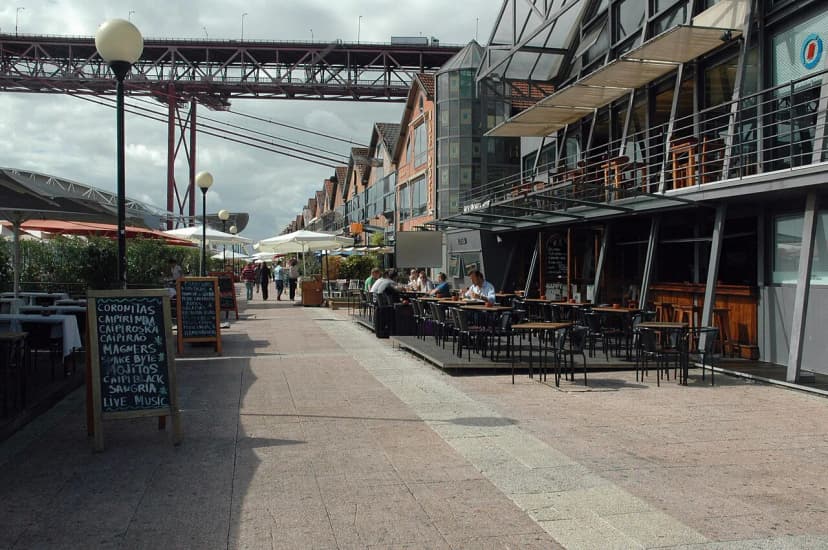
Carry some cash, since many of the smaller, independent bars along Rua da Atalaia still prefer it. Cards work at bigger venues, but cash speeds up ordering at counter-style spots and tips bartenders faster. A pre-night meal at a traditional tasca also saves money, since late-night food in Bairro Alto runs pricier.
Book Fado shows ahead of time, particularly at small casas de Fado that seat only a few dozen guests. Reserve a rooftop table at spots like Park Bar in summer, or arrive by 20:00 to grab space without one. Check current hours and typical fill times in the Bairro Alto Opening Hours Guide: 10 Essential Timing Tips before planning a route.
- Wear comfortable, flat shoes
- Why: Calçada Portuguesa is uneven
- Risk: heels catch and twist ankles
- Better pick: rubber-soled flats or sneakers
- Carry cash for small bars
- Typical need: €10-20 in small notes
- Why: many bars are cash-only
- Tip: also useful for street Ginjinha
- Eat before 22:00
- Where: a tasca outside Bairro Alto
- Why: late-night food costs more inside
- Bonus: pairs well with early bar-hopping
- Book Fado in advance
- Why: casas de Fado seat few guests
- When: a few days ahead
- Where: Rua do Diário de Notícias area
- Time arrival around 23:00
- Why: streets are quiet before 22:00
- Peak hour: near 01:00 on weekends
- Weeknights: calmer, Tue-Thu recommended
Dress Code and Door Policies at Bairro Alto Venues
Bairro Alto runs on smart-casual style rather than strict club dress codes. Jeans, a clean top, and closed shoes cover most bars and street-side spots without any issue. Rooftop bars and upscale cocktail lounges expect a slightly sharper look, though still far from formal wear.
A Reddit thread among Lisbon regulars, shared on Reddit.com, confirms there is no fixed dress code at most bars. Doormen at busier venues use price rather than outfit, and a cover charge can jump sharply for groups that look visibly intoxicated. Locals sometimes call this inflated fee a drunk tourist tax, and staying reasonably sober avoids it entirely.
Calçada Portuguesa, the wave-patterned cobblestone paving across the district, is a real safety factor after dark. These stones grow slick and uneven, and heels catch in the gaps far more often than flat soles do. Flat, rubber-soled shoes are the safer and more practical choice for both style and stability.
Bouncers at most Bairro Alto bars stay relaxed compared to Lisbon's larger clubs near Cais do Sodré. Expect a quick visual check rather than a strict guest list or formal inspection. Groups of six or more sometimes face a short wait, simply because interiors are small.
Nightlife Etiquette: How to Party Like a Lisboeta
Locals actually live above these bars, tucked into apartments between neon signs and doorways. Neighborhood associations have spent years pushing back against noise complaints from residents trying to sleep. Being a considerate guest means keeping party energy inside bars and only lightly out on the street.
One habit locals notice fast could be called the quiet queue strategy. Keep conversations low near apartment doorways and stairwells, even when the street itself feels loud. Save louder chatter for open stretches like Rua da Atalaia, since noise complaints have already shaped a few bar closures.
Avoid carrying glass bottles between bars, since broken glass on the cobblestones is a frequent complaint. Drop empty cups and bottles in bins rather than leaving them on windowsills or doorsteps. Trippin.world's breakdown of local customs frames this friction as a clash between visitor habits and resident routines.
Joining a small guided outing can make these unwritten rules easier to pick up in real time. A 8 Things to Know About a Bairro Alto With Locals Tour pairs visitors with residents who model the pace and etiquette firsthand. It also tends to reveal bars that never show up in typical tourist searches.
Fado Etiquette: Silence, Respect, and Booking Tips
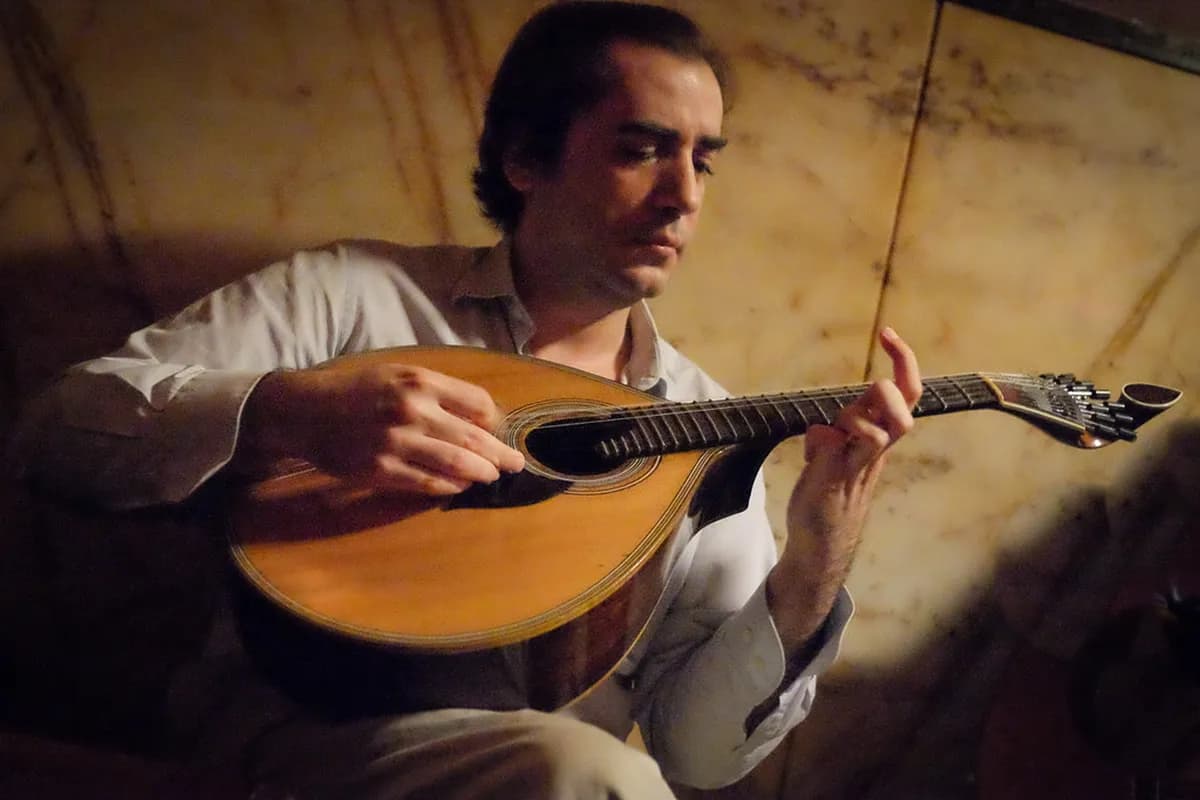
Fado shows sit at the opposite end of the spectrum from the street party outside. Performances are quiet, seated, and treated with real reverence inside most casas de Fado. Talking during a song is considered rude, even at a lower volume than normal conversation.
Fado performances demand silence and respect. Talking during a song is rude, even quietly. Servers pause during performances; guests should too. Save applause for the song's end. Avoid ordering food or drinks mid-performance to respect the performer.
Professional casas de Fado usually pair a dinner or drinks menu with scheduled performance sets, often booked days ahead. Fado Vadio, an informal amateur style, happens more spontaneously in smaller taverns without a fixed schedule. Either style rewards silence between verses, with applause saved until a song fully ends.
Servers typically pause moving through the room once a singer begins, and guests are expected to do the same. Ordering food or drinks mid-song is generally avoided out of respect for the performer. An Authentic Bairro Alto Fado Experience Guide guide can help match the right house to a given budget and evening.
Reservations typically run cheaper earlier in the week, with weekend seatings booking out first. Cover charges and minimum consumption vary by house, so confirm costs when reserving a table. Arriving a few minutes before the stated start time avoids being seated mid-performance.
Getting To and From Bairro Alto Safely
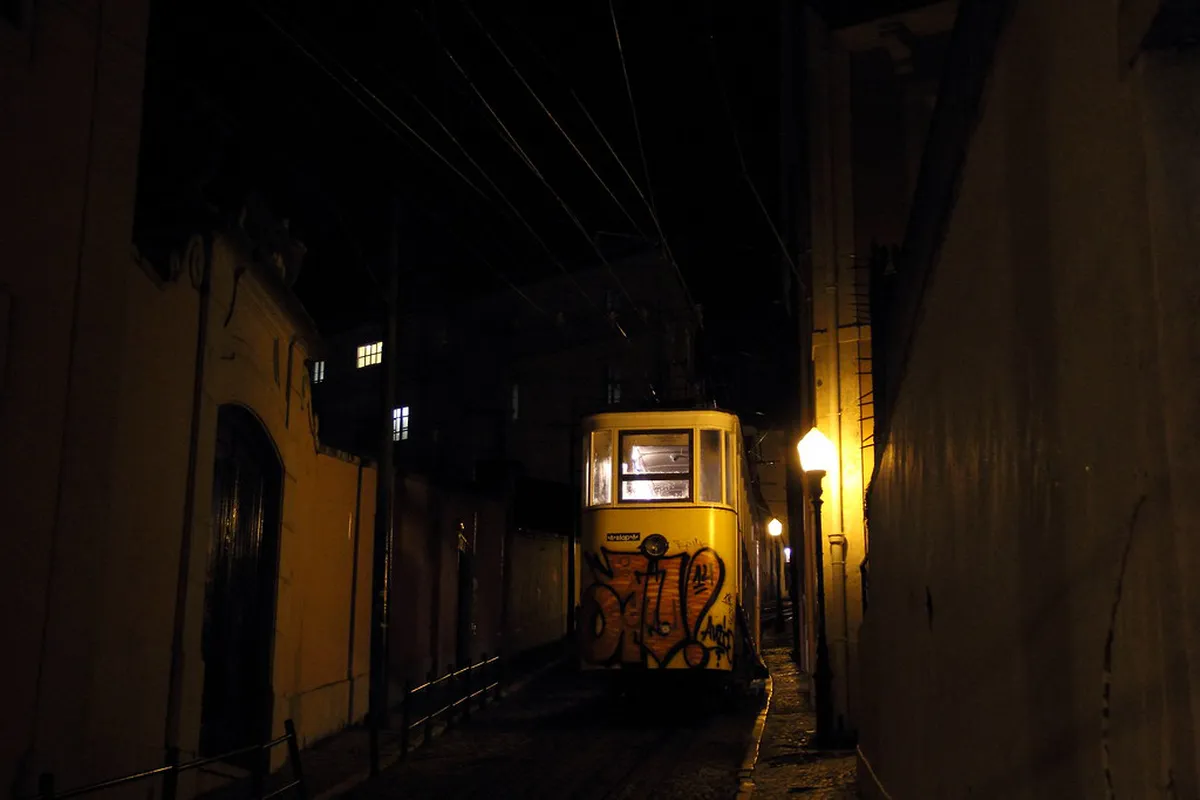
Bairro Alto sits on a hill just above Baixa and Chiado, an easy walk from the city center. The Elevador da Glória funicular connects Restauradores to the top of the hill in under three minutes. It runs regularly through the evening, making it a fast option for anyone skipping the uphill climb.

Bairro Alto is generally considered safe for solo travelers, including at night, by most visitor reports. Sticking to the busier, well-lit streets rather than empty side alleys is still the smarter habit. For a fuller breakdown of precautions, see this Bairro Alto safety at night guide.
Rideshare apps and licensed taxis operate reliably in the area, and walking downhill toward Baixa is common in groups. Pickup points can be tricky on narrow one-way streets, so confirm a nearby landmark with the driver. Devour Tours' local nightlife coverage, at Devourtours.com, notes that Bairro Alto's crowds thin out naturally after 02:00.
Bairro Alto vs Cais do Sodré: Which Should You Pick?
Bairro Alto and Cais do Sodré sit just downhill from each other, but they suit different nights out. Bairro Alto favors bar-hopping, live conversation, and an outdoor street-party feel over dedicated dance floors. Cais do Sodré leans toward late clubs, DJ sets, and a younger, dance-first crowd.
Bairro Alto quiets down noticeably by 02:00 to 03:00, especially on weeknights. Cais do Sodré, including Pink Street, often stays busy until 05:00 or 06:00 on weekends. Picking between them mostly comes down to preferred music style and how late the night should run.
Many visitors treat the two as one continuous night rather than an either-or choice. Starting in Bairro Alto around 23:00, then moving downhill toward Cais do Sodré near 02:00, covers both moods. This exact comparison gets a deeper breakdown in the Bairro Alto vs Cais do Sodré nightlife guide.
- Music and atmosphere
- Bairro Alto: bars, chatter, street mix
- Cais do Sodré: DJs, dance floors, clubs
- Typical age group
- Bairro Alto: mixed ages, broad crowd
- Cais do Sodré: younger, dance-focused crowd
- Best start time
- Bairro Alto: around 22:00 to 23:00
- Cais do Sodré: after 01:00 to 02:00
- Typical end time
- Bairro Alto: quiets by 02:00-03:00
- Cais do Sodré: open until 05:00-06:00
- Good fit for
- Bairro Alto: bar-hoppers, Fado fans, groups
- Cais do Sodré: clubbers, late-night dancers
Dance 'til Dawn: Where to Go After Bairro Alto
A full Lisbon night out often follows a loose but reliable timeline. Dinner around 21:00, Bairro Alto bars from 23:00, then Cais do Sodré clubs closer to 02:00 covers a full evening. Building a night around this rhythm avoids arriving anywhere too early or missing the peak crowd.
Cais do Sodré's Pink Street, officially Rua Nova do Carvalho, anchors the late-club stretch of the night. Venues here lean into dance music and stay open well past the point Bairro Alto empties out. It draws a younger, dance-oriented crowd compared to the bar-hopping energy uphill.
Rooftop bars offer a calmer alternative for anyone ready to wind down before the clubs. These spots trade street noise for skyline views and a slower pace, usually with a fuller cocktail menu. Late-night food is easy to find near Bairro Alto once the bars start thinning out.
A dedicated look at live music beyond Fado covers venues that stay loud well past midnight. These spots suit anyone chasing rock, jazz, or DJ sets without heading all the way to Cais do Sodré. Either direction, most nights naturally wind down somewhere between 04:00 and 06:00 on weekends.
Budgeting for Your Lisbon Night Out
A Bairro Alto night out can run cheap or add up fast, depending on where drinks happen. Street-side Ginjinha shots, the sour cherry liqueur sold from small kiosks, cost roughly €1 to €2 each. A basic beer or house wine at most bars runs closer to €4 to €5.

Mixed spirits with a simple mixer typically cost €6 to €10, while crafted cocktails run €8 to €15. Rooftop spots like Park Bar sit at the higher end, with cocktails closer to €10 to €14. Happy hour deals before 21:00 can meaningfully cut these prices at several bars.
Casas de Fado usually charge a cover fee or require a minimum spend on food and drinks. Budget more for a sit-down Fado dinner than for a casual round of bar-hopping. Tipping culture in Lisbon stays modest, and rounding up or leaving small change covers most casual service.
Carrying cash helps at smaller, independent bars that still prefer notes over cards. A closer breakdown of low-cost options appears in this cheap drinks in Bairro Alto guide. Wikinight.eu's broader look at Portuguese nightlife echoes similarly modest prices across other Portuguese cities.
- Ginjinha shot in a chocolate cup
- Price: about €1 to €2
- Where: street kiosks and small bars
- Best for: a quick, cheap starter
- Basic beer or house wine
- Price: about €4 to €5
- Where: most Bairro Alto bars
- Note: cheaper before 21:00 happy hour
- Standard cocktail or spirit mix
- Price: about €8 to €15
- Where: cocktail bars and rooftops
- Rooftop note: closer to €10-14
- Fado house cover or minimum spend
- Price: varies by venue and menu
- Where: casas de Fado
- Tip: confirm cost when booking
Frequently Asked Questions
What is the dress code for bars in Bairro Alto?
Most Bairro Alto bars follow smart-casual style rather than any strict code. Jeans, a clean top, and closed shoes work at nearly every bar and street-side spot. Rooftop bars and upscale lounges expect a slightly sharper look. Flat, rubber-soled shoes matter more than fashion, since the cobblestones get slick and uneven at night.
Is it legal to drink on the street in Lisbon?
Drinking on the street is common practice throughout Bairro Alto and is generally tolerated as part of the neighborhood's outdoor bar culture. Many visitors buy a drink and stand outside rather than staying indoors. Keep noise down near apartment entrances, since residents live directly above the bars. Avoid carrying glass bottles between venues to prevent broken glass on the cobblestones.
What time does Bairro Alto get busy?
Streets stay fairly quiet before 22:00, then fill steadily through the evening. Peak crowds gather closer to 01:00, especially on Friday and Saturday nights. Weeknights, particularly Tuesday through Thursday, run noticeably calmer with shorter waits at smaller bars. Check the Best Time to Visit Bairro Alto Nightlife (2026 Guide) guide for a fuller seasonal breakdown.
Do you need to book Fado shows in advance?
Booking ahead is strongly recommended, especially at well-known casas de Fado. These venues often seat only a few dozen guests per sitting, and weekend slots fill first. Reserving a few days early secures a table without a scramble on the night. Informal Fado Vadio performances tend to be more spontaneous and need less advance planning.
Is Bairro Alto safe for solo travelers at night?
Bairro Alto is generally considered safe for solo travelers, including after dark, based on most visitor reports. Sticking to busier, well-lit streets rather than quiet side alleys remains the smarter habit. Standard precautions, like watching drinks and keeping valuables secure in crowds, still apply. Rideshares and licensed taxis both operate reliably in the area at night.
Bairro Alto rewards visitors who read the room, dress simply, and keep noise down between bars. Comfortable shoes, a little cash, and a rough sense of timing solve most first-night mistakes. The dress code and nightlife etiquette here favor ease over spectacle, and locals notice the difference.
Pair a relaxed night uphill with a later stop in Cais do Sodré for a fuller sense of Lisbon after dark. Book Fado ahead, treat the street like a shared space, and the night tends to take care of itself. Locals notice guests who make the effort, and small courtesies go a long way over a full night out.