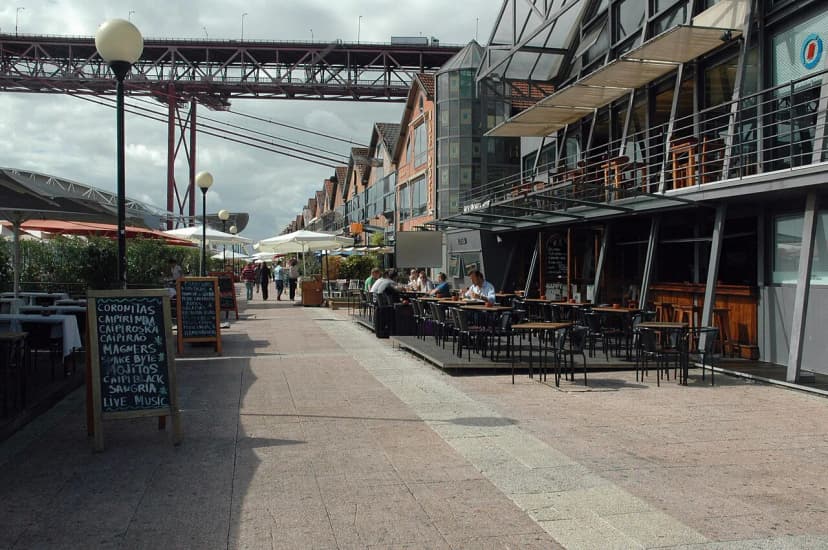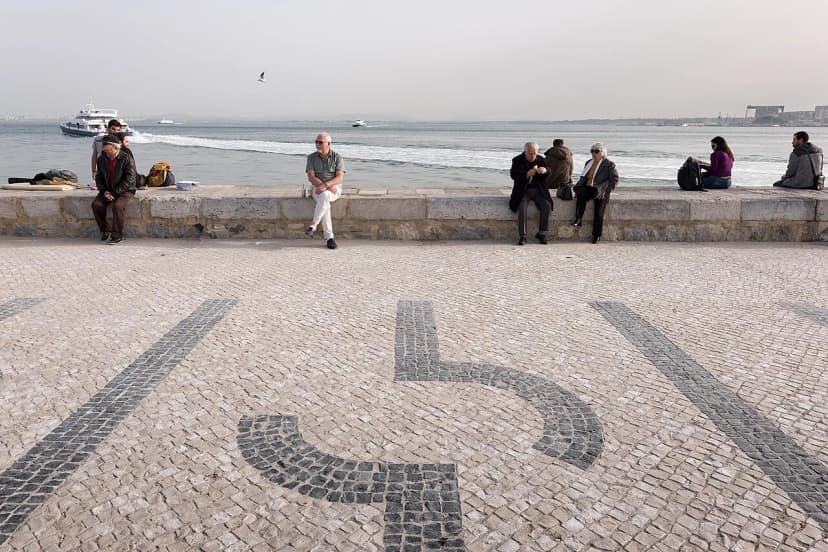
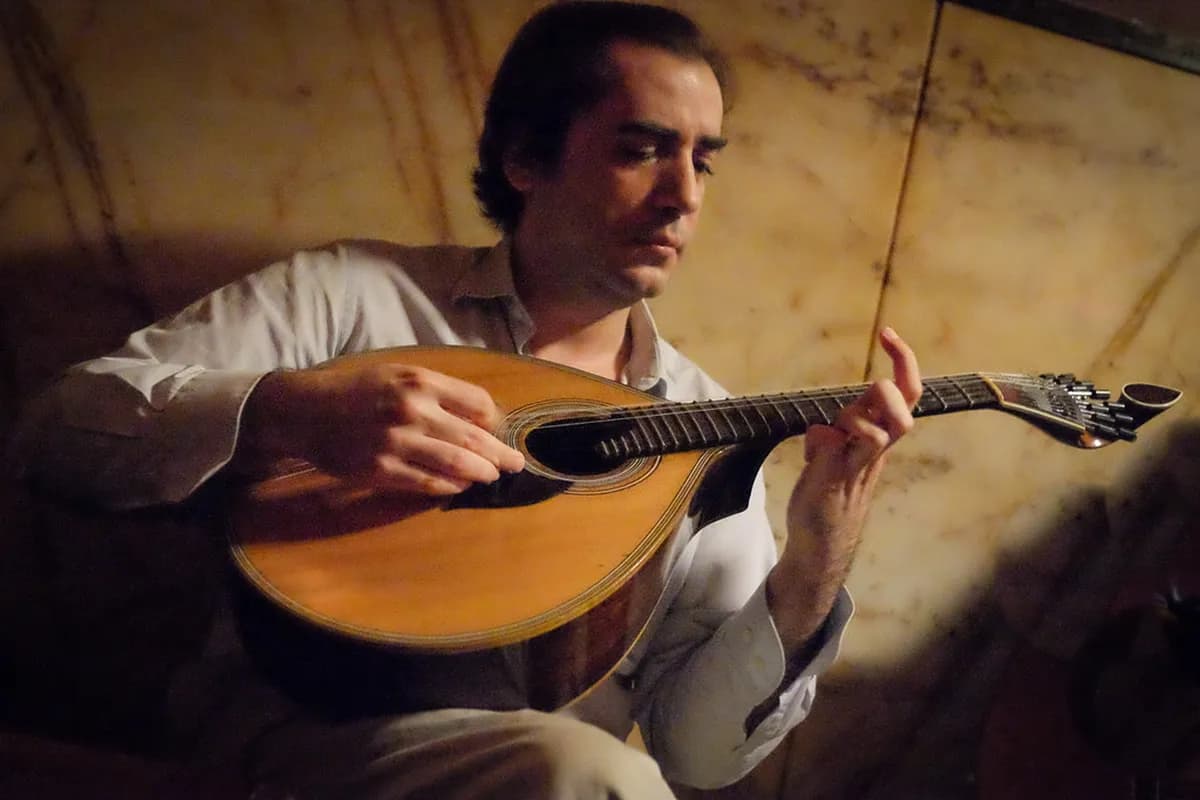
Bairro Alto Petiscos and Wine Guide
This bairro alto petiscos and wine guide unpacks Lisbon's most electric neighborhood after dark. Steep cobblestone lanes hide small plates, natural wines, and fado spilling out of tiny taverns. Locals call these dishes petiscos, a Portuguese cousin to Spanish tapas with its own personality. Expect graffiti-covered walls, plastic cups of wine, and heavy wooden doors hiding serious kitchens.
The guide maps the top petiscos bars, a sample itinerary, and streets worth skipping. A wine pairing primer covers Vinho Verde, Alentejo reds, and the local favorite Ginjinha. Practical logistics cover the Gloria Funicular, walking routes from Chiado, and realistic arrival times. Each section also flags what counts as a fair price versus a tourist markup.
Understanding Petiscos: The Heart of Portuguese Food Culture
Petiscos are Portugal's answer to small-plate dining, built around sharing and slow conversation. Spanish tapas often arrive free with a drink, while petiscos are ordered and paid for separately. Portions stay small by design, so most tables order several plates to share across the group. Codfish fritters, grilled chouriço, and marinated olives show up on almost every Bairro Alto menu.
The word tasca describes a traditional, family-run tavern rather than a polished restaurant concept. Wooden tables, handwritten chalkboards, and house wine served in small ceramic jugs define the format. Newer petiscos bars borrow this format but plate dishes with more technique and presentation. Both styles share one goal, pairing several small plates with a glass of local wine.
Bairro Alto sits just uphill from Chiado, and its food scene reflects that split personality. By day it feels residential and sleepy, with shuttered bars and quiet cobblestone lanes. After dark, the same streets fill with diners moving between tascas and modern wine bars. Understanding this rhythm helps travelers time a visit around the neighborhood's nightlife scene rather than against it.
Bairro Alto grew as a quiet residential quarter long before nightlife took over its lanes. The Rough Guides Bairro Alto overview traces this shift from a sleepy quarter to a nightlife hub. That contrast still shows in the mix of old-school tascas and newer wine bars today. Petiscos culture grew out of this overlap between everyday tavern food and evening socializing.
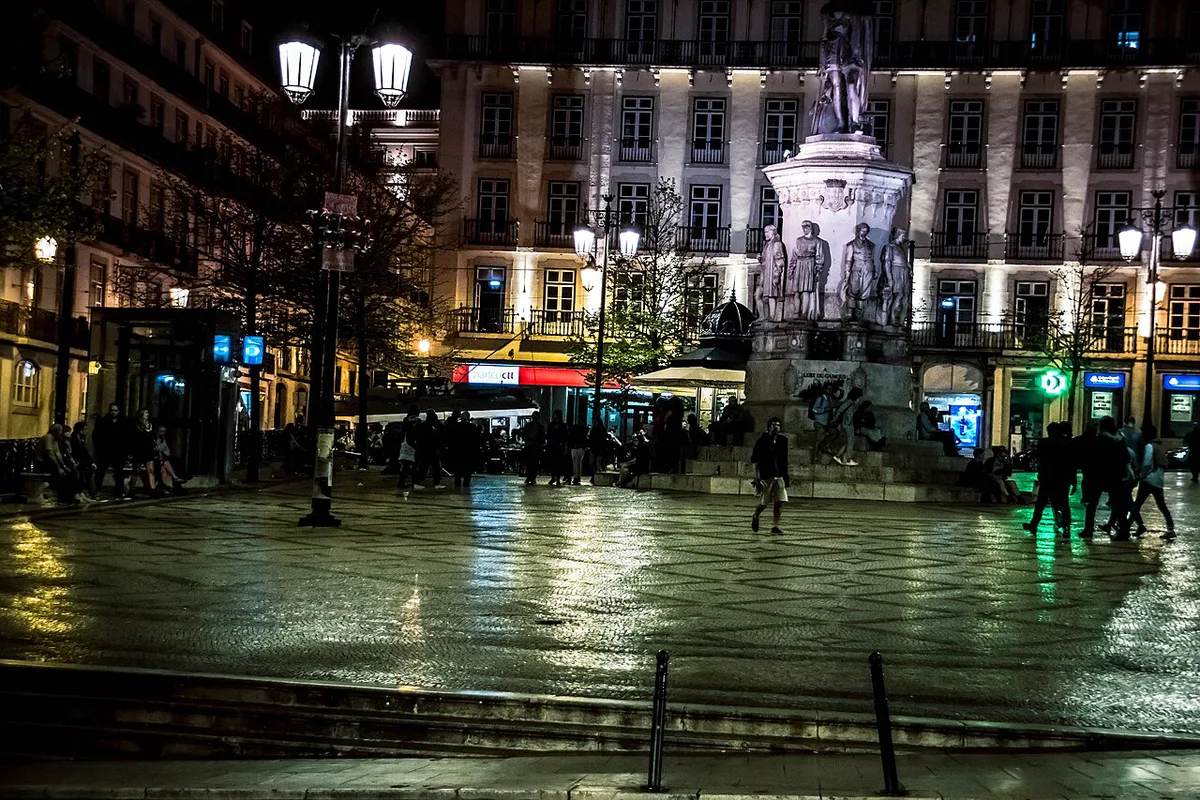
Top-Rated Petiscos and Wine Bars in Bairro Alto
Bairro Alto packs dozens of petiscos and wine bars into a few tight blocks. The four below represent the range, from a rowdy fado tasca to a quiet Italian retreat. For a longer roundup, the best Bairro Alto bars guide covers many more addresses nearby. Reservations matter for the smaller rooms, especially on weekend nights after 9 pm.
A rough price index helps here, since tascas sit firmly in the budget tier for both food and wine. Modern petiscos counters and wine bars charge noticeably more per plate and per glass. Fine-dining tasting menus sit in a different category entirely, priced closer to a full restaurant meal. Checking a menu posted outside, when available, is the most reliable way to confirm current prices.
| Venue | Type | Setting | Price Tier |
|---|---|---|---|
| Tasca do Chico | Traditional fado tasca | Cramped, loud, unpolished | Budget |
| A Obra | Modern petiscos counter (16 seats) | Intimate, facing chefs | — |
| Black Sheep | Independent natural wine bar | Tiny, standing room on pavement | — |
| Casanostra | Italian trattoria | Quiet, linen-covered, old-world | Mid-range |
Rua da Atalaia carries the loudest energy, packed with plastic cups and shouted conversations. Rua da Rosa runs quieter, with wine bars and tascas that reward a slower pace. Streets closer to Principe Real, like where Black Sheep sits, trade noise for conversation. Picking a street first often matters more than picking a specific bar name.
- Tasca do Chico: fado tasca classic
- Type: traditional fado tasca
- Must-order: grilled chouriço and house wine
- Price: budget-friendly across the board
- Vibe: cramped, loud, and unpolished
- A Obra: 16-seat petiscos counter
- Type: modern petiscos counter
- Seats: only 16, facing the chefs
- Must-order: chef's daily petiscos selection
- Vibe: intimate, open-kitchen dining
- Black Sheep: independent Portuguese wine bar
- Type: independent natural wine bar
- Location: steps away in Principe Real
- Must-order: small-batch Portuguese wine flight
- Vibe: tiny, standing room on the pavement
- Casanostra: Italian comfort-food retreat
- Type: long-running Italian trattoria
- Must-order: house pasta by candlelight
- Price: mid-range, quiet retreat option
- Vibe: linen-covered, old-world calm
The Insider Move: High-End Gastronomy vs. Traditional Tascas
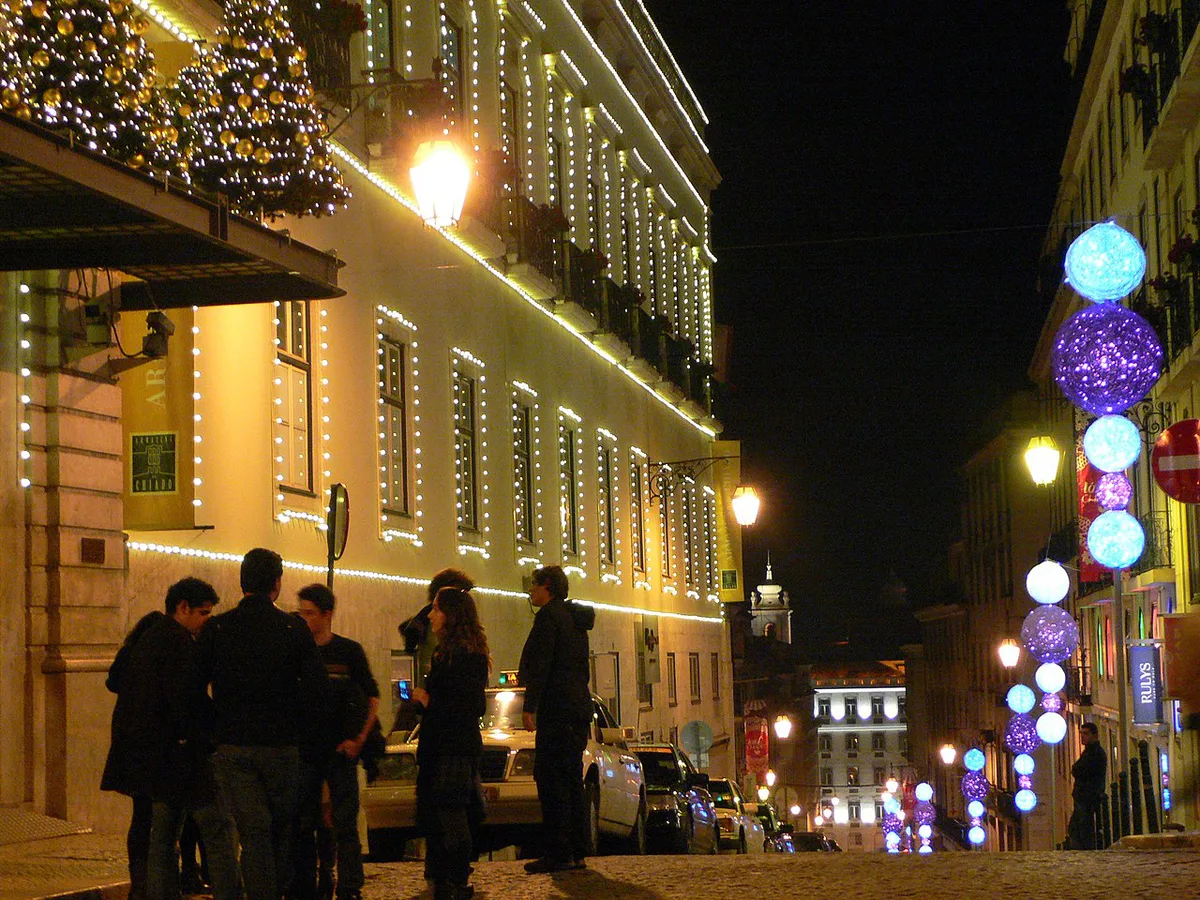
Bairro Alto runs two nightlife economies side by side, and both are worth understanding. Outside, crowds hold plastic cups of beer and wine bought cheaply from nearby corner stores. Behind unmarked wooden doors, kitchens like 100 Maneiras and Essencial run serious tasting menus. Choosing between them shapes the whole evening, from budget to dress code to noise level.
100 Maneiras, led by chef Ljubomir Stanisic, serves a multi-course tasting menu in a dark, theatrical room. Essencial, helmed by Andre Cruz, strips Portuguese flavors down to a handful of precise techniques. Both rooms require reservations, and walk-ins rarely find a table on weekend nights. Expect a tasting menu here to cost well beyond the price of any street-side tasca.
A few streets over, traditional tascas keep prices low and the door wide open. No tasting menu, no reservation, just a chalkboard list of grilled meat and fried fish. The contrast between these two worlds mirrors the broader Bairro Alto vs Cais do Sodré nightlife divide across the city. Both approaches are valid, and the choice comes down to budget and mood on a given night.
- Traditional tascas: cheap, loud, walk-in
- Price: budget-friendly across food and wine
- Vibe: loud, communal, plastic cups outside
- Must-order: grilled chouriço and house wine
- Access: walk-in, first come basis
- Modern petiscos bars: quiet and reserved
- Price: mid-range to premium tasting menus
- Vibe: quiet rooms behind heavy doors
- Must-order: tasting menus and low-intervention wine
- Access: book well ahead, especially weekends
A Sample Bairro Alto Food and Wine Itinerary
A single evening in Bairro Alto can cover dinner, wine, a viewpoint, and live fado. The timeline below spaces out five stops without rushing between them. Guided options exist too, and Devour Tours runs a structured petiscos and wine tour with similar pacing. Either approach works, though a guided tour removes the guesswork on reservations.
This is only one version of the evening, and plenty of variations work just as well. A longer Bairro Alto Bar Crawl Itinerary: A 1-Night Lisbon Plan extends the night with several extra stops. Swap the miradouro for Praça do Príncipe Real if a quieter square feels more appealing. Whatever the order, book the dinner table first since it anchors everything else.
Budget roughly five hours for this route, plus extra time if fado runs long. Most tascas do not rush guests out, so a table can hold for an hour or more. Walking distances between stops stay short on Bairro Alto's compact, walkable grid. Comfortable shoes matter more than a strict schedule on these narrow, uneven cobblestones.
- 7 PM: dinner reservation in Bairro Alto
- Where: a booked petiscos bar or tasca
- Order: a few shared small plates
- Pair: a glass of Vinho Verde
- 8:30 PM: wine bar detour nearby
- Where: a small independent wine bar
- Order: a flight of Portuguese regional wines
- Tip: standing room only once seating fills
- 9:30 PM: sunset at the miradouro
- Where: São Pedro de Alcântara viewpoint terrace
- Do: watch the sunset over the rooftops
- Extra: an on-site kiosk sells drinks
- 10:30 PM: live fado at a tasca
- Where: a small, unmarked fado tavern
- Order: grilled sausage and a glass of red
- Tip: arrive early to get a table
- Midnight: Rua da Atalaia street scene
- Where: the neighborhood's main nightlife strip
- Do: bar-hop or just watch the crowd
- Note: streets peak from midnight onward
Logistics: How to Get There and When to Arrive
Most travelers reach Bairro Alto on foot from Chiado, a short but steep uphill walk. The getting to Bairro Alto from Baixa route covers the Calçada da Glória climb in detail. For an easier ascent, the Elevador da Glória funicular runs from Praça dos Restauradores. A standard Viva Viagem transport card covers the fare on this and the other funiculars.
Arriving by 8 PM ensures quieter streets and better walk-in table odds. Bars don't peak until 10 PM, while streets reach maximum crowds after midnight. Time arrival based on preferred crowd level.
Daytime shops and cafés in Bairro Alto tend to close in the early evening, well before dinner. Dinner service at petiscos bars and tascas generally starts from 7 PM onward. Most bars do not really pick up until after 10 PM, even on busy weekends. Streets reach their loudest point after midnight, matching the neighborhood's late-night reputation.
Arriving by 8 PM generally means quieter streets and better odds at a walk-in table. Staying past 11 PM means navigating a fuller street party to reach any specific door. Reservations at fine-dining rooms like 100 Maneiras or Essencial should be made well in advance. Traditional tascas rarely take bookings, so early arrival is the only real strategy there.
Dietary Accommodations and Local Etiquette
Traditional petiscos lean heavily on seafood, pork, and cured meats, which can challenge vegetarians. Look for grilled vegetables, queijo fresco cheese, marinated mushrooms, and bread with olive oil. Many modern petiscos bars build vegetarian-friendly plates when asked directly, even without a printed option. Asking staff directly usually works better than scanning a menu that leans meat and fish.
Vinho Verde, a young and slightly fizzy white, pairs naturally with fried or grilled seafood. Alentejo reds bring more body and work well alongside grilled meats and cured chouriço. Ginjinha, a sour cherry liqueur, typically closes the night rather than accompanying a meal. Most tascas pour house wine by the glass, which is often the better value choice.
Dress in Bairro Alto stays casual almost everywhere, even at higher-end tasting menu rooms. The Bairro Alto dress code and etiquette guide covers specifics for stricter dining rooms. Tipping is not obligatory, though rounding up the bill is a common and appreciated gesture. Keep noise reasonable near residential entrances, since people still live above these bars.
Must-See Landmarks and Nightlife Tips
Bairro Alto rewards a daytime visit too, before the nightlife crowd arrives. Igreja de São Roque hides an elaborately gilded chapel behind a plain sixteenth-century facade. Convento do Carmo, a roofless Gothic ruin since the 1755 earthquake, sits a short walk away. Both sites pair naturally with an early dinner before the streets fill up.
Petty theft occurs in the densest crowds after midnight. Keep bags zipped and phones out of back pockets. Sticking to well-lit, crowded main stretches provides the best protection.
Miradouro de São Pedro de Alcântara offers a wide view across the rooftops toward the castle. A small kiosk sells drinks, making it a natural stop before the evening properly begins. Sunset draws the biggest crowds here, so arrive a little early for a spot along the railing. From the terrace, it is a short walk downhill into Bairro Alto's main nightlife streets.
Skip any fado house advertising a fixed-price dinner and show for around 20 euros. These setups often serve recorded or lower-quality performances aimed squarely at tour groups. Authentic fado tends to happen in small, unmarked taverns where singers perform between tables. Cheap sangria served to tourists along Rua da Atalaia is another signal to walk past.
Bairro Alto is generally safe for tourists, though petty theft can happen in dense crowds. Keep bags zipped and phones out of back pockets once the streets fill up after midnight. Staff and crowd presence increases on the busiest nights, particularly around weekends. Sticking to well-lit, crowded stretches is usually enough to avoid any real trouble.
Getting Home Late at Night from Bairro Alto
Bairro Alto's steep cobblestone lanes are pedestrian-heavy after dark, and getting home takes different planning than getting there. Lisbon's Metro network generally stops running around 1 AM, so anyone still out past midnight needs a backup option. Carris, the city's public transport operator, runs a limited night bus network (branded Rede da Madrugada) with routes timed to cover the gap between the Metro's last trains and its early-morning restart, though services run far less frequently than daytime buses. The Elevador da Glória funicular also stops well before the streets peak, so it only helps earlier in the evening, not for a late return. Ride-hailing apps like Uber and Bolt are the most reliable option once the Metro closes, and cover Bairro Alto despite its narrow one-way streets. Because those same narrow lanes make hailing a passing taxi difficult, walking a short distance downhill toward a wider street in Chiado or Restauradores often gets a faster pickup than waiting outside a packed bar.
- Metro: last trains run around 1 AM
- Rede da Madrugada night buses: limited late-night coverage
- Uber/Bolt: most reliable option after the Metro closes
Frequently Asked Questions
What is the difference between petiscos and tapas?
Petiscos are Portuguese small plates that are usually ordered and charged individually, unlike free bar snacks. Spanish tapas often arrive automatically with a drink order in many bars across Spain. Petiscos also lean on Portuguese staples such as grilled chouriço, codfish fritters, and marinated olives.
What time do restaurants open in Bairro Alto?
Most petiscos bars and tascas open for dinner around 7 PM, with tables filling up soon after. Wine bars and fado taverns generally get going closer to 10 PM. Daytime shops and cafés typically close in the early evening as the dinner crowd starts arriving.
Is Bairro Alto safe for tourists at night?
Bairro Alto is generally safe, though petty theft can happen in the densest, loudest crowds. Keeping bags zipped and valuables out of back pockets covers most of the real risk. The 9 Things to Know About Bairro Alto Safety at Night guide covers specific streets and later-hour precautions in more detail.
Do I need reservations for petiscos bars in Lisbon?
Reservations matter most at fine-dining rooms like 100 Maneiras and Essencial, which book out fast. Traditional tascas rarely take bookings and instead operate on a first-come basis. Arriving by 8 PM offers the best odds of a walk-in table at popular spots.
What wines pair well with Portuguese petiscos?
Vinho Verde, a light and slightly fizzy white, pairs naturally with grilled or fried seafood. Alentejo reds bring more structure and suit grilled meats and cured chouriço well. Ginjinha, a sour cherry liqueur, usually caps off the night rather than pairing with food.
Bairro Alto rewards travelers willing to move between two very different food scenes in one night. A plastic cup of wine on a loud corner and a candlelit tasting menu both belong here. Petiscos, wine, and fado tie the whole experience together, whichever version of the night gets chosen.
Start with a dinner reservation, save room for a viewpoint, and let the streets set the pace after that. Prices stay reasonable when the qualitative price tiers above get used as a rough guide. Bairro Alto in 2026 still runs on the same rhythm of tascas, wine bars, and late fado.