
Bairro Alto With Locals Tour: What to Know Before You Go
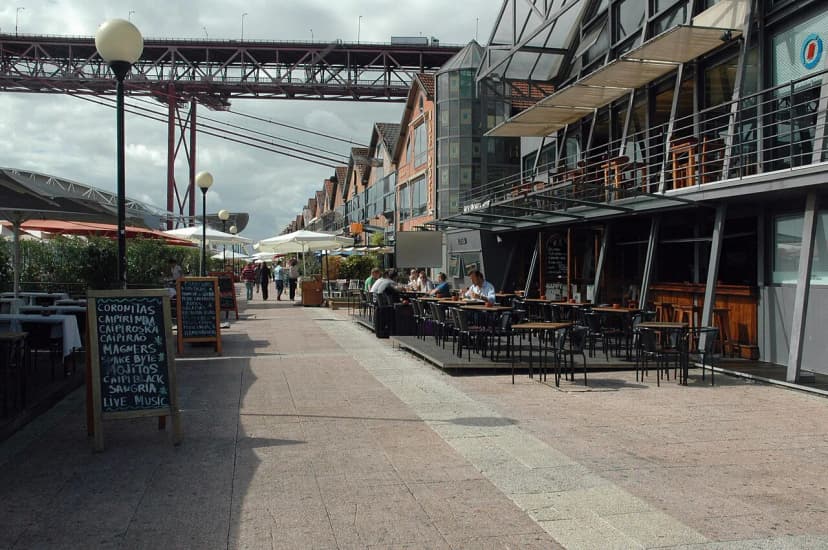
Bairro Alto looks like a quiet, sleepy hillside neighborhood by day, with laundry strung between windows and cats napping on worn cobblestones. By night, the same narrow streets fill with Fado music, clinking wine glasses, and crowds spilling out of tiny bars. A bairro alto with locals tour promises to show visitors both sides of this shape-shifting Lisbon district. This guide breaks down the history, the itinerary, the cost, and the local etiquette that most brochures skip.
Expect practical answers about meeting points, tipping, and footwear, plus insight into why locals still call this area home. Sensory details matter here too, from grilled sardine smoke drifting over rooftops to the low hum of a Fado singer's voice. Every section below pulls from real local knowledge, not generic tour-brochure language.
A Brief History of Bairro Alto
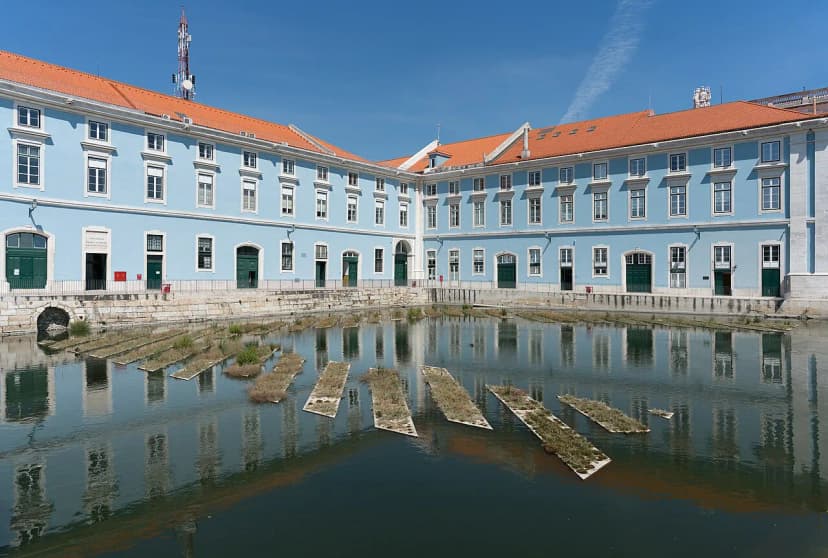
Bairro Alto took shape in the 16th century as a residential district built for Lisbon's working class. Jesuit orders and aristocratic families later moved in, which explains the mix of plain houses next to grand palaces and churches still visible today. That layered architecture gives the neighborhood a lived-in feel that newer districts simply cannot fake.
Artists and writers arrived over the following centuries, drawn by cheap rents and a bohemian reputation. Newspaper offices and printing presses set up shop here too, and street names like Diário de Notícias and O Século still honor them. That creative, ink-stained history helped shape the restaurants and bars that later filled the same buildings. The bohemian spirit those journalists and artists built has never really faded from the neighborhood.
Recent years brought a different kind of history: local pushback against unchecked nightlife growth. City authorities introduced noise restrictions and tighter licensing rules for new bars and restaurants. The goal was straightforward: keep Bairro Alto lively without turning it into a theme park for tourists.
Guided tours in the neighborhood often trace this timeline, pointing to a specific doorway, plaque, or shopfront. Those details are hard to notice alone, which is exactly why a local perspective adds so much value.
What to Expect on a Bairro Alto Locals Tour
A bairro alto with locals tour typically starts as a walking route through the neighborhood's steep, narrow streets. Guides usually keep groups small, often ten or fewer guests, so questions and conversation flow naturally along the way. That format lets a guide adjust the pace and focus based on what the group finds interesting.
Fado almost always comes up, since Bairro Alto has been one of its performance hubs for generations. A guide might point toward one of the Fado bars in Bairro Alto known for late-night sets. Even a short stop to hear a verse or two gives context that a self-guided walk often misses.
Tascas, the small family-run eateries scattered through the neighborhood, run on their own unwritten rules. Locals usually order a few small petiscos to share rather than one large plate each. Standing at the counter is common, tables are often first-come, and menus can be handwritten or spoken aloud. A guide who knows the difference between a tourist-facing tasca and a neighborhood regular's spot saves considerable guesswork.
Most tours run for roughly two to three hours, covering a handful of streets rather than the whole district. Expect stops for photos, a taste of local wine or ginjinha, and time to browse small shops or galleries. Ask in advance whether food or drink tastings are included, since this varies widely between operators.
Must-See Attractions in Bairro Alto
Bairro Alto is not packed with monuments, but a few landmarks anchor most tour routes. The Elevador da Glória funicular is a widely photographed favorite, linking the neighborhood to Praça dos Restauradores below. Its bright yellow cars and steep track make it a favorite photo stop, as this Glória Funicular image shows.
Reaching Bairro Alto usually means choosing between the funicular and a walk up from Baixa-Chiado. For a full breakdown of both routes, see this guide on getting to Bairro Alto from Baixa. Walking takes a bit more effort on the hill but costs nothing and lets travelers pass through Chiado's shopping streets first.
Chiado sits just downhill and blends bookshops, cafes, and boutiques with a more polished, less nocturnal atmosphere. Baixa spreads out below both districts in a grid of grand plazas and pedestrian streets. Together, the three districts form a walkable triangle that most locals-led tours weave through in a single outing.
Street art also turns up on Bairro Alto's side alleys, tucked between graffiti-covered shutters and quiet stairwells. These Bairro Alto street photos capture that same worn, layered texture up close. None of it is officially marked, so a guide's local knowledge matters more here than at any museum.
- Elevador da Glória funicular
- Connects: Bairro Alto to Praça dos Restauradores
- Effort: Low, seated ride uphill
- Wait: Can queue at peak evening hours
- Best for: Photos and tired legs
- Walking up from Baixa-Chiado
- Route: Metro to Baixa-Chiado, then uphill
- Effort: Moderate, steep cobbled streets
- Cost: Free aside from metro fare
- Best for: Passing through Chiado shops first
The Best Times to Visit: Day vs. Night
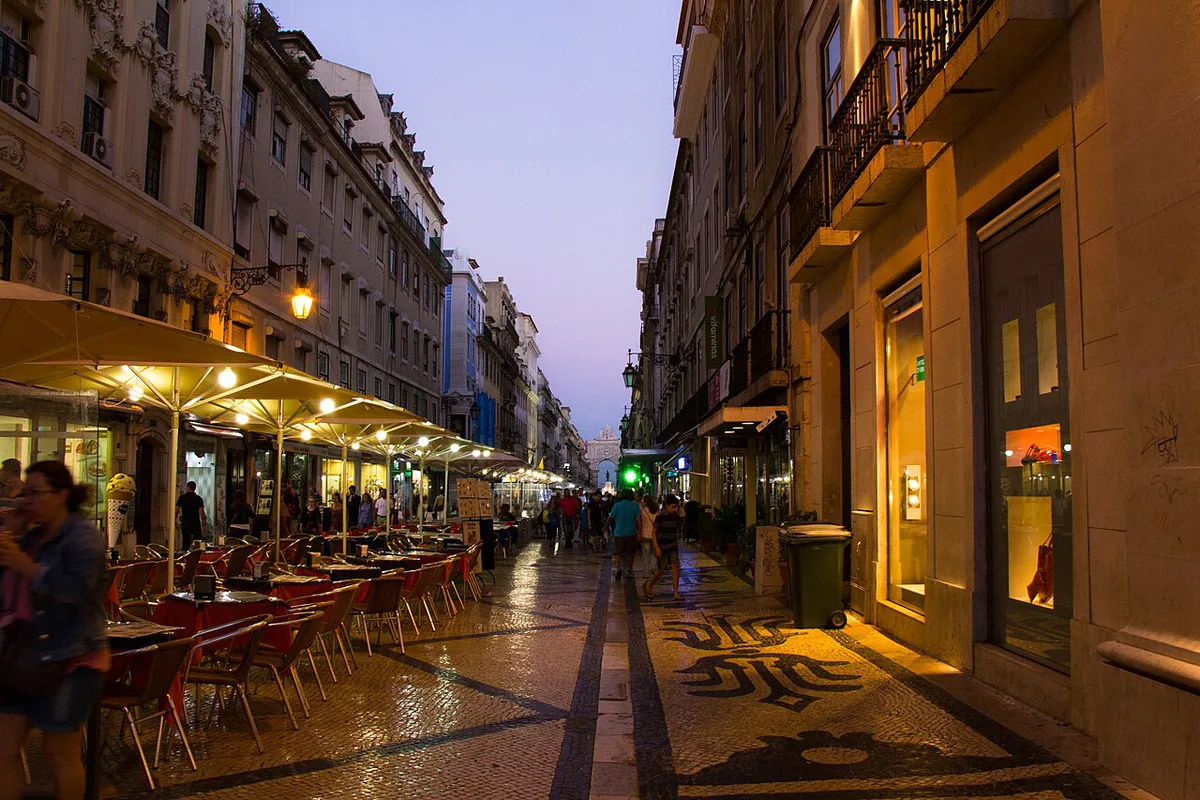
Bairro Alto genuinely lives two different lives depending on when travelers show up. Daytime hours feel sleepy, with shuttered bar fronts, quiet shops, and locals running errands along the hill. That quieter window makes it easy to appreciate the architecture and snap photos without dodging crowds.
Bairro Alto feels like two different neighborhoods. Daytime is quiet and walkable—ideal for photos and architecture. After sunset, Fado music, grilled sardine smoke, and crowds spill from tiny bars into the same narrow streets.
After sunset, the same streets fill with music, laughter, and the smell of grilled sardines drifting from open doorways. Bars open their doors, Fado spills from small clubs, and crowds gather right on the sidewalks. Weekends bring the biggest crowds, so weeknight visits suit travelers who prefer a calmer version of the scene.
Compared with Cais do Sodré, Bairro Alto stays social rather than rowdy, more conversation than dance floor. For a closer look at how the two nightlife districts differ, check this comparison of Bairro Alto vs Cais do Sodré nightlife. Both areas sit within easy walking distance, so many nights out end up touching both.
Spring and early autumn tend to offer the most comfortable evenings for wandering between bars on foot. Summer nights draw the largest crowds, since visitor numbers peak and outdoor seating fills up fast. Winter visits still work well, just expect a quieter, more local-feeling version of the same streets.
Practical Tour Details: Cost, Duration, and Meeting Points
Tour cost depends heavily on format, and Lisbon offers several models side by side. Free walking tours run on a pay-what-you-want structure, popularized by platforms like GuruWalk. Private, expert-led tours charge a set fee upfront and usually include smaller groups and more tailored routes.
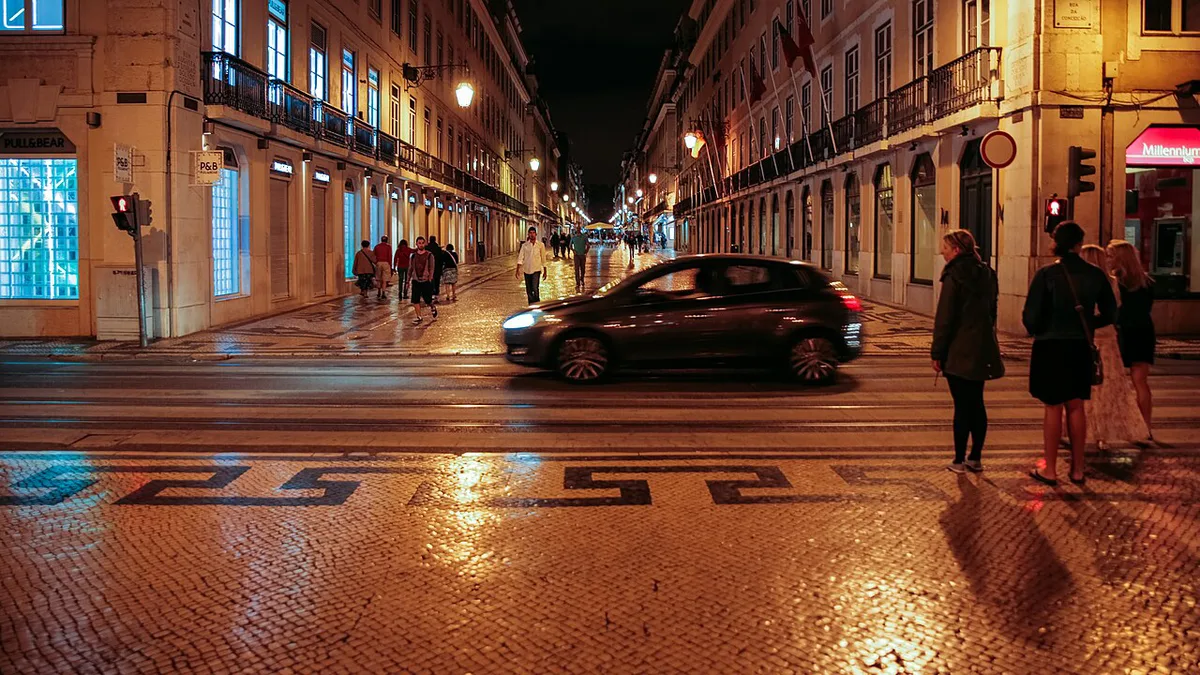
Closed, flat-soled sneakers are essential. Much of Bairro Alto sits on calçada portuguesa limestone pavement, which turns slick and uneven—especially after rain. Sandals, heels, and worn soles pose genuine risk on steep cobblestones.
Footwear deserves real attention before booking any walking route through this neighborhood. Much of Bairro Alto sits on calçada portuguesa, the traditional Portuguese limestone pavement, which turns slick and uneven fast. Sandals, heels, or worn-out soles make the steep, cobbled streets genuinely risky, especially after rain. Closed, flat-soled sneakers are the safer choice for both daytime wandering and nighttime bar-hopping.
Meeting points usually sit near a recognizable landmark, such as a central square or metro exit, to keep logistics simple. Duration commonly runs two to three hours, though private itineraries can stretch longer on request. See this Bairro Alto dress code and etiquette guide for a full rundown on what to wear.
Tipping etiquette varies by tour type, and confusion here is common among first-time visitors. Free tours generally expect a tip reflecting the group's satisfaction and the length of the route. Private tours often include gratuity guidance upfront, though guides still welcome extra thanks for exceptional service. When unsure, ask the tour operator directly about local tipping norms before the walk begins.
Booking at least a few days ahead helps secure a spot with well-reviewed guides during busy seasons. Walk-up availability exists for some free tours, but reserved spots remove any risk of a sold-out slot. Confirm cancellation and rescheduling policies before paying any deposit, especially for private bookings.
- Free walking tour
- Cost: Pay-what-you-want model
- Group size: Often larger, open sign-up
- Tipping: Expected, scaled to satisfaction
- Best for: Budget-conscious, flexible schedules
- Private guided tour
- Cost: Fixed fee paid upfront
- Group size: Small, often ten or fewer
- Tipping: Optional, still appreciated
- Best for: Tailored routes and small groups
How to Choose the Right Local Guide
Not every Bairro Alto tour suits every traveler, so matching format to priorities matters. Some operators lean toward history and architecture, while others build the walk around food, wine, or Fado. Reading a tour description closely reveals which angle a guide actually specializes in.
Group size is worth checking before booking, since a crowd of thirty feels very different from a group of six. Smaller groups, often capped around ten guests, tend to allow more direct conversation with the guide. That intimacy matters most for travelers who want to ask specific questions along the way.
Reviews from past travelers offer a quick gut check on a guide's storytelling and pacing. Look for comments mentioning specific stops, local anecdotes, or genuine neighborhood knowledge rather than generic praise. Travelers who prefer exploring solo can also follow a self-guided Bairro Alto bar crawl itinerary instead.
Language matters too, since not every guide runs tours in English or other common languages. Confirm the language in advance, and ask whether the route shifts with weather or season. A guide willing to answer these questions in advance usually delivers a smoother experience on the day.
Cancellation flexibility matters too, since weather or last-minute plans can disrupt a scheduled walk. Many private operators offer free rescheduling within a set window before the tour date. Checking this policy upfront avoids unwanted fees if plans change.
Beyond Bairro Alto: Nearby Neighborhoods to Explore
Bairro Alto sits within easy walking distance of several other Lisbon neighborhoods worth exploring. Chiado, just downhill, mixes historic cafes with bookshops and upscale shopping streets. Baixa spreads out below both districts in a grid of grand plazas and pedestrian streets. Travelers wanting to stay within stumbling distance of the bars can compare options like this Bairro Alto Hotel booking page.
Alfama, one of Lisbon's oldest districts, lies further east and offers a different pace entirely. Its maze-like alleys and hillside views make a natural add-on for travelers extending a Lisbon stay by a day. Many locals-led tour operators offer both neighborhoods as separate, dedicated walks.
Travelers building a broader Portugal nightlife itinerary can look beyond Lisbon entirely. This Portugal nightlife guide covers other cities worth adding to a longer trip. Porto and the Algarve both offer distinct after-dark scenes compared with the capital.
Pairing Bairro Alto with one or two nearby districts usually rounds out a fuller day of exploring. Most visitors comfortably cover two neighborhoods on foot within a single afternoon and evening.
A Local Language Cheat Sheet for Bairro Alto Tascas
Tascas run on spoken orders and quick counter exchanges, so a handful of Portuguese phrases go further than pointing at a menu. Locals notice the effort even from beginners, and a few key words help navigate the pace typical of these small, family-run eateries.
- Boa noite — good evening, the standard greeting walking in after dark
- Uma mesa para dois, por favor — a table for two, please
- Tem petiscos? — do you have small sharing plates?
- Uma imperial, se faz favor — a small draft beer, please
- Está delicioso — this is delicious, useful when complimenting the cook
- A conta, se faz favor — the bill, please
- Obrigado / Obrigada — thank you, said by male or female speakers respectively
Servers in neighborhood tascas rarely slow down for tourists, so short, direct phrases work better than full sentences. Pointing at a dish while asking "isto?" ("this one?") also helps when a menu is handwritten or only spoken aloud, which is common in Bairro Alto's smaller spots.
Frequently Asked Questions
How much does a local tour in Bairro Alto cost?
Cost depends on format. Free walking tours use a pay-what-you-want model, so travelers set their own contribution based on the experience. Private, expert-led tours charge a fixed fee upfront, often reflecting smaller group sizes and a more tailored route through the neighborhood.
Is Bairro Alto safe for tourists at night?
Bairro Alto is generally considered safe, since the streets stay busy with locals and visitors well into the night. Standard city precautions still apply, such as watching belongings in crowds and sticking to well-lit main streets. For a fuller breakdown, see this guide to Bairro Alto safety at night.
How long does a typical Bairro Alto walking tour last?
Most locals-led walking tours run around two to three hours, covering a compact section of the neighborhood rather than the entire district. Private itineraries can run longer if the group wants extra stops for food, wine, or Fado.
What is the best meeting point for tours in central Lisbon?
Meeting points usually sit near a recognizable landmark, such as Praça dos Restauradores or a central metro exit. That keeps logistics simple for every guest. Always confirm the exact address and any backup plan for bad weather before the scheduled start time.
Are free walking tours in Lisbon actually free?
Free tours are free to join, but guides rely on tips rather than a ticket price. This follows the pay-what-you-want model popularized by platforms like GuruWalk. Most travelers tip based on group size, tour length, and overall satisfaction with the guide.
Bairro Alto rewards travelers willing to see it twice: once in daylight, once after dark. A bairro alto with locals tour ties both versions together, adding context that a solo wander often misses. History, Fado, tascas, and steep calçada streets all make more sense with a local voice explaining them.
Before booking, weigh group size, cost structure, and tipping expectations against personal priorities for the evening. Comfortable shoes and a flexible attitude matter more here than any packed itinerary. With those basics sorted, Bairro Alto delivers a genuinely memorable night out in Lisbon.