
Live Music Venues in Bairro Alto (Not Fado)
Bairro Alto lights up every night with fado, but plenty of bars skip the mournful ballads entirely. Travelers searching for live music venues in Bairro Alto that skip fado want jazz, rock, and DJ sets instead. This guide maps out where those non-fado nights actually happen, from art-space gigs to late DJ floors.
Fado still matters here, and skipping it completely would mean missing part of the neighborhood's story. Understanding both sides makes planning a night out here far easier. For the full scene, a broader Bairro Alto nightlife guide covers the wider picture. Below sits a practical breakdown of venues, neighborhoods, timing, and costs for 2026.
Live Music Venues in Bairro Alto Without Fado
Bairro Alto built its reputation on bar-hopping crowds, but a handful of venues push past that formula. Galeria Zé dos Bois, known locally as ZDB, sits on Rua da Barroca and runs experimental music nights year-round. Expect indie bands and electronic sets rather than the guitar-and-vocal format found a few streets over.
Smaller bars along Rua da Atalaia and Rua Diário de Notícias often bring in DJs or live bands on weekends. Some basement bars keep drinks cheap, with beer running around 2 euros while a live act plays nearby. The street art and bars walking guide maps several of these spots block by block.
A roundup from Portugal.com highlights nine live music spots across Lisbon, several within walking distance of Bairro Alto. These non-fado stops range from gallery venues to warehouse gigs with rotating local acts. Checking a venue's social feed the same week works better than trusting old listings.
- ZDB (Galeria Zé dos Bois) on Rua da Barroca
- Genre: experimental music and art
- Best for: indie and electronic fans
- Where: Rua da Barroca, Bairro Alto
- Note: also hosts gallery openings
- Basement bars along Rua da Atalaia
- Genre: live bands, rotating DJs
- Best for: budget nightlife seekers
- Cost: beer from about 2 euros
- Where: Rua da Atalaia and nearby streets
- Small stages on Rua Diário de Notícias
- Genre: acoustic duos, weekend sets
- Best for: casual bar-hopping crowds
- Timing: acts often start after 10 PM
- Where: Rua Diário de Notícias
Why Fado Still Anchors Bairro Alto Nights
Fado still fills Bairro Alto after dark, and skipping it completely means missing half the neighborhood's identity. Tasca do Chico, open since 1993, remains the name locals mention first for informal fado nights. Shows there tend to start around 8 PM, and singers are often amateurs performing fado vadio for the price of a drink.
Formal fado houses charge more, with a dinner-and-show format running roughly 20 to 40 euros per person. That price fits travelers who want a seated, guided introduction to the art form on a single night. Budget-focused visitors or those craving louder music often prefer the non-fado bars covered above instead.
The 9 Best Bairro Alto Fado Bars in Lisbon (2026) guide breaks down the formal venues in more depth. Choosing between fado and a non-fado night mostly comes down to mood, budget, and how long anyone wants to sit still. A short visit to one fado bar early, then a switch to a livelier venue after, works well for many nights out.
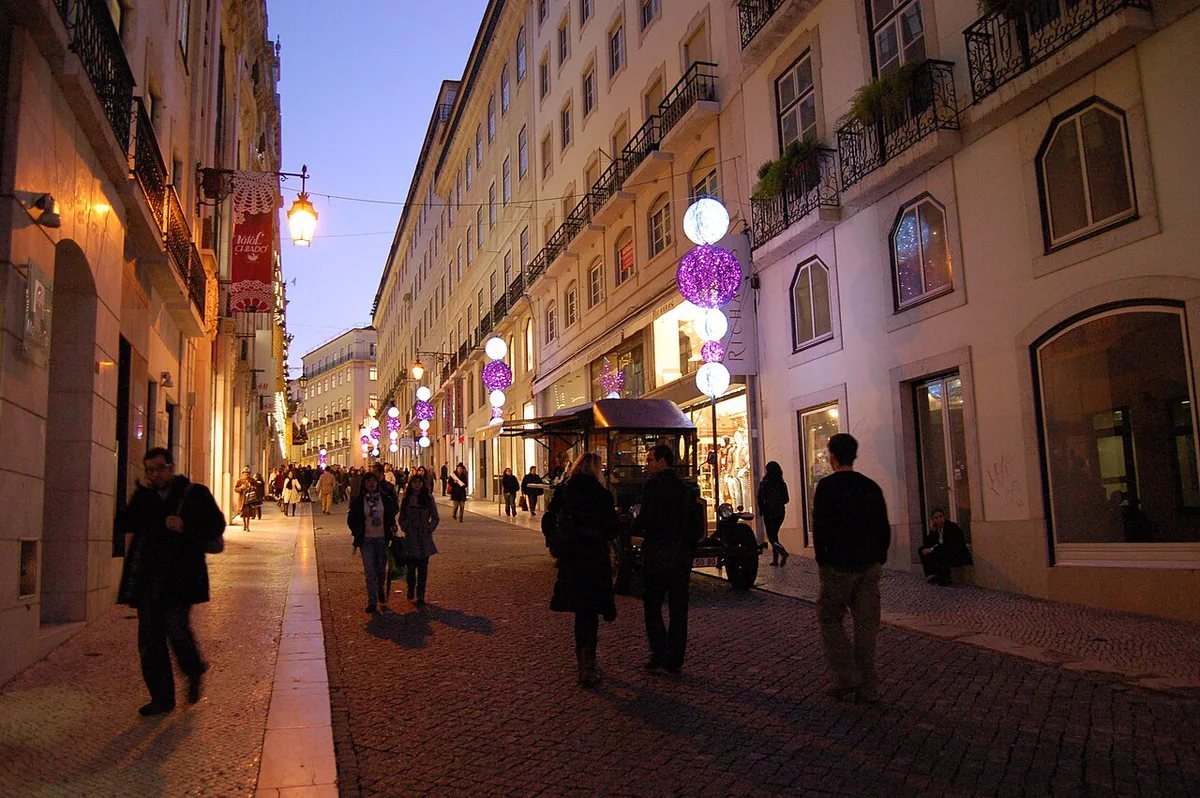
Nightlife Hotspots Beyond Bairro Alto
Bairro Alto is not the only neighborhood built for a night out in Lisbon. Cais do Sodré, a short walk downhill, trades bar-hopping crowds for dance floors and later closing times. MusicBox on Rua Nova do Carvalho runs concerts and electronic nights that often continue toward sunrise.
Príncipe Real leans toward a quieter, design-forward crowd with jazz and cocktail bars mixed in. Alcântara sits farther out and suits rock shows and larger club nights better than casual bar crawls. Picking a neighborhood depends on how loud, late, and crowded anyone actually wants the night to get.
The Bairro Alto vs Cais do Sodré nightlife comparison lays out travel times and crowd differences in detail. Walking between the two areas takes roughly 10 to 15 minutes downhill from Bairro Alto. That short distance makes it easy to combine both neighborhoods in a single evening.
Late-Night Food Culture Near Bairro Alto
Dinner in Lisbon rarely starts before 9 PM, since earlier seatings mostly serve children and tourists. Restaurants around Bairro Alto and Cais do Sodré often stay open until 1 or 2 AM. Petiscos, small shared plates, and grilled fish are the standard order once a live set wraps up.
Petiscos and wine cost less than sit-down dinners. Cocktails run 8–15 euros, beer costs less. Late bakeries sell warm pão com chouriço past midnight. Grazing between venues saves money.
Late bakeries nearby sell warm pão com chouriço well past midnight for visitors leaving a bar. A shared plate of petiscos with wine typically costs less than a sit-down dinner at a formal restaurant. That makes grazing between venues a cheaper way to eat while following live music around the neighborhood.
The petiscos and wine guide lists specific dishes worth ordering between sets. Eating a proper meal before 11 PM also helps balance out a night built around cheap bar drinks. Skipping dinner entirely tends to catch up with travelers well before the last band finishes.
Planning a Smooth Night Out in Bairro Alto
Arriving too early in Bairro Alto often means an empty bar and a bored bartender. Bars typically fill up around 10 or 11 PM, and most stay open until 2 or 3 AM. Dance-focused venues nearby can run until 6 AM, especially on weekends.
Bars fill up around 10–11 PM and stay open until 2–3 AM. Arriving before 9 PM means empty venues. Peak energy builds after midnight. Dinner rarely starts before 9 PM in Lisbon.
Cocktails across the neighborhood generally run between 8 and 15 euros, with beer usually cheaper. Dress code stays casual almost everywhere, though a few lounge-style bars expect smarter outfits after dark. The dress code and nightlife etiquette guide covers what specific venues expect.
Getting there from Baixa takes about 15 to 20 minutes on foot, mostly uphill. Wandering into quiet side streets alone late at night is not recommended in any unfamiliar city. Sticking to well-lit main streets and traveling in a group keeps the night simpler and safer.
Jazz and Blues Bars Bairro Alto Locals Actually Go To
Beyond ZDB and the rotating DJ bars on Rua da Atalaia, Bairro Alto keeps a small but steady jazz scene that rarely shows up on tourist lists. Catacumbas Jazz Bar, tucked into a cellar on Travessa da Água da Flor, has hosted live jazz sets for decades and draws an older, more listening-focused crowd than the bar-hop scene outside. Artis Bar, a few doors from the Diário de Notícias strip, packs a candlelit room barely big enough for two dozen people, so showing up early matters more than at louder venues nearby. Portas Largas, on Rua da Atalaia itself, leans into African and Latin live sets alongside its usual bar crowd and has anchored that corner of the neighborhood for years. These three sit within a five-minute walk of each other and of ZDB, making a jazz-focused crawl easy to plan alongside the louder non-fado spots already covered.
- Catacumbas Jazz Bar — Travessa da Água da Flor, cellar space, live jazz sets
- Artis Bar — Rua Diário de Notícias, small candlelit room, arrive early for seating
- Portas Largas — Rua da Atalaia, African and Latin live music nights
Frequently Asked Questions
Where can you hear live music in Bairro Alto without fado?
Galeria Zé dos Bois (ZDB) on Rua da Barroca runs experimental and indie music nights year-round. Smaller bars along Rua da Atalaia and Rua Diário de Notícias often bring in DJs or live bands on weekends. These non-fado spots sit blocks apart, so a short walk covers most options in one evening.
Is fado a tourist trap in Lisbon?
Some fado shows aimed at tour groups do overcharge for average performances. Independent tascas like Tasca do Chico keep prices low and lean on local singers instead. Checking whether a venue serves a fixed tourist menu versus simple drinks and petiscos usually reveals which type it is.
What time does Bairro Alto nightlife start?
Dinner usually runs from 8 or 9 PM, and bars stay quiet before that. Crowds build steadily from 10 or 11 PM onward, with peak energy after midnight. Arriving before 9 PM often means an empty room and a wait for the scene to start.
What is the hippest neighborhood in Lisbon for live music?
Príncipe Real and Cais do Sodré are often named among Lisbon's trendiest areas for live music and design-forward bars. Bairro Alto still wins on volume, with more bars packed into fewer streets than almost anywhere else. Which one feels hippest depends on whether crowds or curated venues matter more.
Is it worth joining a local guide for Bairro Alto nightlife?
A guided night can help first-time visitors skip overpriced tourist bars and find non-fado venues faster. Locals know which basement bars have a band that night and which streets to avoid. The 8 Things to Know About a Bairro Alto With Locals Tour guide covers how these small-group nights work and what they typically cost.
Bairro Alto works well for travelers who want fado, but it also rewards those chasing something louder. ZDB, basement bars, and streets like Rua da Atalaia keep a steady non-fado scene running most nights. Pairing a short fado stop with a livelier bar afterward often makes for the fullest night out.
Planning around bar-fill times, food breaks, and short walks to nearby neighborhoods makes the night easier to manage. Prices, opening hours, and lineups shift often, so checking current listings before heading out still helps. A little planning turns a single Bairro Alto evening into a well-rounded introduction to Lisbon after dark.