
Amsterdam Underground Nightlife: Beyond the Tourist Traps
Last updated August 2026, this Amsterdam underground nightlife guide focuses on techno, house, warehouse parties, queer crossover nights, and music-first rooms away from the easiest tourist circuits. You will get more from the scene if you choose the right district first, then check the exact event, door policy, and route home before you go. Amsterdam club names change, one-off parties move, and older lists still mention closed venues, so treat every night as event-led rather than venue-led.
What Amsterdam Underground Nightlife Means in Practice
Underground in Amsterdam usually means a music-led night rather than a bottle-service night. Techno, house, bass, experimental club music, and queer crossover parties matter more than a famous address. The strongest nights often sit outside the obvious Leidseplein and Rembrandtplein circuits. Start with the broader Amsterdam nightlife guide if you still need the basic layout of the city after dark.
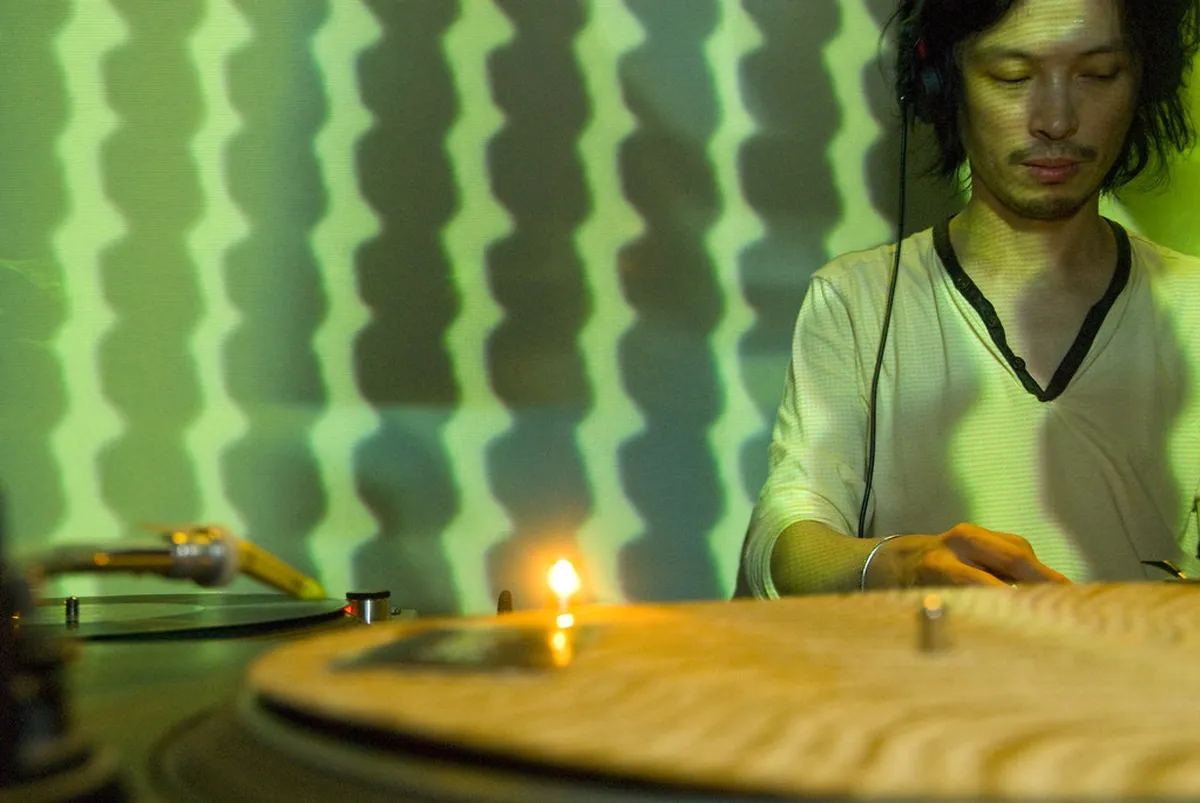
Mainstream areas still have useful late bars, casual clubs, and easy meeting points. Leidseplein works when you want a central room with low planning effort. Rembrandtplein works when your group wants a dense bar-and-club zone. Underground nights ask for more research. You usually check the promoter, lineup, ticket platform, crowd rules, and final transport plan before committing.
The key difference is rhythm. A central bar night can start after dinner and end whenever your group gets tired. A serious club night may not peak until 02:00 to 05:00, according to the brief. Arriving too early can leave you standing in a half-empty room. Arriving too late can mean longer entry lines, fewer ticket options, or a stricter door.
Amsterdam also has a 24-hour license culture in the brief. That matters because some venues and cultural spaces can run later than a standard bar. Do not assume every listed place runs all night, though. The permit matters only when the specific event uses it. Check the event page before treating any night as an after-hours plan.
Where the Scene Clusters: Noord, West, and Central Pockets
Amsterdam's underground map is easier when you divide it into 3 practical zones. Noord gives you the industrial after-dark feeling with names such as Garage Noord, Shelter, Lofi, Paradiso Noord, and Tolhuistuin in the brief. West brings warehouse and cultural-space energy through names such as Radion and Warehouse Elementenstraat. The center has smaller pockets, including Club Up, Bitterzoet, Club NYX, and OT301.
Noord usually asks for more route planning. The brief highlights the free ferry and a 24-hour ferry connection. That makes Noord more workable than it looks on a map, but you still need to check the return leg. If you rely on a bike, decide before drinking. If you rely on night transport, check the Nachtbus options before you enter the club.
West can feel more local because the venues are not stacked beside tourist bars. Radion is the key name in the brief because it is tied to 24-hour permit culture and cultural-space programming. Warehouse Elementenstraat should be treated as event-led, not a nightly club. Check its calendar before you build a weekend around it.
Central pockets are useful when you want underground-leaning music with less travel friction. Club Up sits in the Leidseplein orbit, so contrast it with the fuller Leidseplein nightlife guide. Club NYX sits closer to Amsterdam's queer nightlife map. Use the gay nightlife guide when inclusive rooms are your top priority.
| Area | Best fit | Effort level | Check before going |
|---|---|---|---|
| Amsterdam Noord | Industrial techno, late clubbing, event-led nights | High | Ferry timing, return route, exact event status |
| Amsterdam West | Warehouse parties, cultural spaces, 24-hour permit nights | Medium to high | Calendar, ticket status, final transport |
| Central pockets | Smaller clubs, mixed genres, queer crossover nights | Low to medium | Lineup, door policy, crowd fit |
| Leidseplein and Rembrandtplein | Easy meeting points and mainstream clubbing | Low | Tourist-heavy rooms and cover charges |
A Vibe vs Effort Matrix for Choosing the Right Night
Pick your night by effort, not hype. A warehouse party can be the better memory, but only if your group accepts ticket planning, late starts, and a longer journey home. A central club can be the better call when you have mixed music tastes or a short stay.
A high-effort warehouse choice is not just about mood; it also means committing to tickets, transport, and late energy. Keep €15-€30 in mind before choosing Noord or West over an easier central pocket.
Garage Noord fits the high-effort, industrial end of the brief. The appeal is the music-first setting and more intimate scale. Shelter gives you a clearer club format in Noord, with the brief placing it under the A'DAM Tower and noting a high-end sound system. Radion belongs in the warehouse and cultural-space lane. Club Up is the lower-effort central pick when you want a smaller underground-style room near Leidseplein.
Use the matrix as a planning filter, then check the specific date. Amsterdam parties are often promoter-led. The same venue can feel different from one night to the next. A techno booking, a queer night, and a hip-hop crossover can draw different queues, clothes, and door expectations.
| Choice | Vibe | Effort | Best for |
|---|---|---|---|
| Garage Noord | Industrial, music-first, intimate | High | Travelers who care more about the lineup than convenience |
| Radion | Warehouse, cultural space, late-night potential | High | Techno and event-led club nights |
| Shelter | Noord club room with serious sound | Medium to high | A bigger underground-leaning night with a clearer format |
| Club Up | Central, compact, underground-style | Low | A late plan near Leidseplein |
| Club NYX | Inclusive, queer crossover, multi-floor energy | Low to medium | Mixed groups and LGBTQ+ nightlife |
| Warehouse Elementenstraat | Warehouse event space | High | Specific parties, not casual walk-ins |
Essential Venues to Research Before You Buy Tickets
Garage Noord is one of the clearest names for a music-first night in Noord. The brief frames it as intimate and industrial. That makes it a better fit for travelers who already know they want a club night, not a casual bar crawl. Check the current event, lineup, and entry notes before you go.
Radion is the key West venue in the brief. Its 24-hour permit and cultural-space status make it important to Amsterdam's late-night identity. That does not mean every night runs for 24 hours. Read the event page closely, especially if you are planning around a very late finish.
Shelter is tied to the A'DAM Tower area in the brief. It works when you want Noord, a dedicated club room, and a more defined sound-system experience. Because Noord adds transport steps, decide your route back before entering. Do not leave that decision until 05:00.
Club NYX is the crossover pick. The brief highlights its inclusive and LGBTQ+ connection. It is useful when your group wants queer-friendly clubbing without making the whole night about one narrow genre. For a wider queer itinerary, connect this choice with Amsterdam gay nightlife.
OT301, Bitterzoet, and Club Up sit in the smaller central-pocket category. Older competitor material lists OT301, Bitterzoet, and Club Up among underground-style Amsterdam clubs. Treat that as a starting list, not a status guarantee. Club programming changes faster than evergreen travel pages.
De School and Sugar Factory need special caution. The brief specifically warns that many blogs still list De School or Sugar Factory. Do not plan around either name without checking current status. If a newer party or successor project appears, judge it by its own calendar and door notes.
- Use venue names as leads, not promises. Search the exact date before building the night.
- Check the promoter as well as the club. Amsterdam parties move between rooms.
- Treat Warehouse Elementenstraat as an event space. The brief does not frame it as a nightly club.
- Be careful with old lists. De School and Sugar Factory are common outdated entries in this topic.
Tickets, Cover Charges, and Planning Costs
Amsterdam underground nights are usually easiest when you buy before you arrive. The brief points to Resident Advisor culture for event discovery and ticketing, but no external source URL is supplied here. Use RA-style listings, venue calendars, and promoter pages to compare lineups and entry notes.
For 2026 planning, use €15-€30 as the practical ticket range supplied in the brief. Some older competitor examples list lower historical covers, such as €5-€10 or €10-€15 for certain central clubs. Do not treat those older figures as current prices. They are useful only as evidence that smaller central rooms can sit below major event pricing.
Door sales are weaker than advance tickets for a serious night. A sold-out warehouse party is not the same as a bar where you can drift in late. Buy early when the lineup matters. Keep your confirmation easy to find, and carry payment options accepted by the event.
Drink costs are mentioned in the brief, but no concrete 2026 drink range is supplied. Budget conservatively and avoid a plan that depends on cheap rounds inside a club. A rooftop or cocktail stop before the club can cost more, but it may suit a slower start. Use the best rooftop bars guide if you want a pre-club view instead of a long warm-up in the venue.
A pub crawl is a different product from an underground club night. Pub crawls can simplify meeting people, but they usually follow easier central nightlife. If your goal is techno or warehouse music, read the pub crawl guide only as a contrast.
Door Policy, Dress, Photos, and Club Culture
Amsterdam's underground door is less about formal clothing and more about fit. The brief contrasts come-as-you-are culture with the all-black techno aesthetic. You do not need a costume. You do need to look like you know where you are going and why that night interests you.
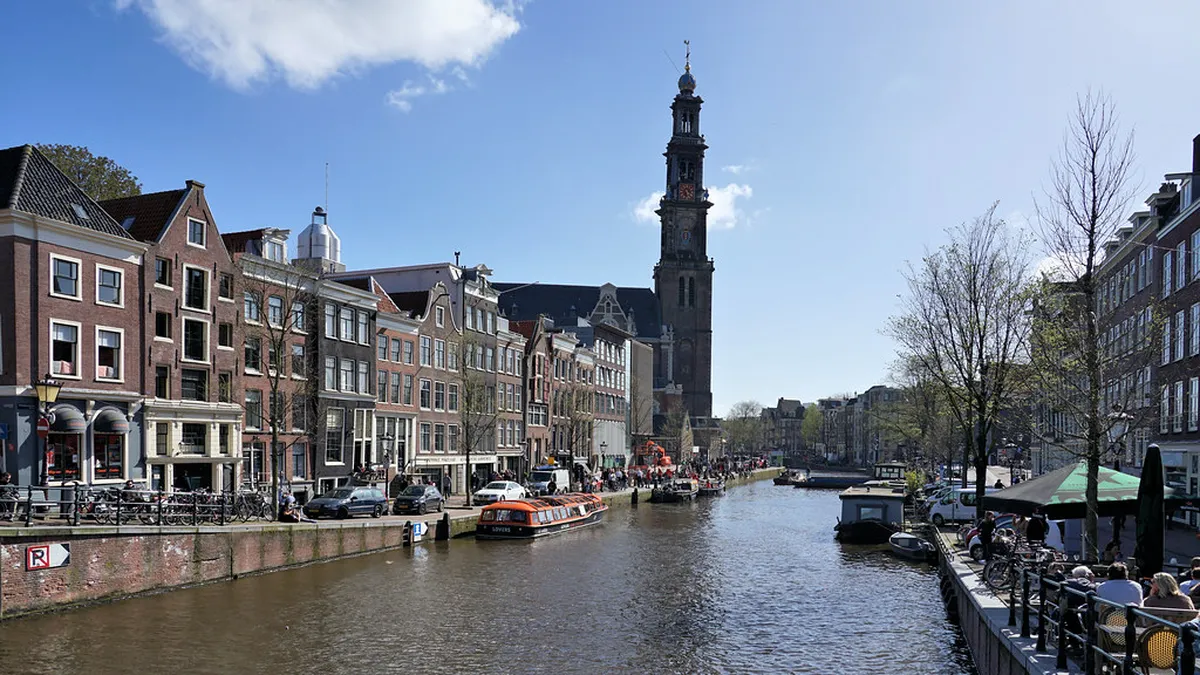
Door staff may ask simple questions when the event is crowded or musically specific. Know the DJ, promoter, or party name. Do not arrive as a loud group that looks ready to argue about the queue. Smaller rooms protect the floor by filtering for behavior as much as style.
Photography can be restricted. The brief mentions no-photo sticker policies at venues such as Radion or Lofi. If staff place a sticker over your camera, respect it. Underground rooms often protect anonymity, dancing, and queer comfort more than social-media content.
Awareness teams are also part of the modern club culture described in the brief. Use them if someone in your group feels unsafe, pressured, or unwell. Keep consent and personal space clear on the floor. For city-specific behavior outside clubs, the Red Light District rules guide gives useful context on Amsterdam's stricter public-nightlife expectations.
Coffee shops are not clubs, and the two scenes have different rules. If your group is mixing nightlife with cannabis culture, read the coffee shops guide before assuming what is allowed inside any venue.
Getting There and Getting Home After 02:00
Transport decides how relaxed your night feels. Noord and West are manageable, but they are less forgiving than a central bar street. The brief names the 24-hour ferry to Noord, GVB Night Bus options, and bikes as key late-night tools. Check current schedules before you leave your accommodation.
The 02:00-05:00 peak window makes the ride home part of the plan, not an afterthought. A Noord or West night can be worth the effort, but advance tickets, battery, and a saved return route matter more than they would near Leidseplein.
A bike is the local standard in the brief, but it is not a backup plan after heavy drinking. Decide in advance who is cycling, who is using night buses, and who is taking a car. If your group splits up, agree on the final stop or accommodation address before the music gets loud.
For Noord, the ferry is the major planning point. You need the crossing in both directions. For West, you need the night route back from the venue area. Rideshare can work, but the brief warns that Ubers can be expensive. Do not make it your only option for a remote warehouse event.
Central pockets reduce the transport problem. Club Up, Bitterzoet, and Club NYX can be easier to combine with late food, bars, or a short ride back. That convenience is the trade-off. You may sacrifice the warehouse feel for a simpler exit.
The broader things to do at night guide helps when one person in your group does not want a full club night. Keep that alternative ready before tickets are purchased.
How to Build a Night Around Music, Not Tourist Hubs
Start with the sound you want. Techno points you toward Radion, Garage Noord, Shelter, Lofi, and warehouse listings from the brief. Queer crossover can point you toward Club NYX and related LGBTQ+ nights. Smaller mixed-genre nights can point you toward Club Up, Bitterzoet, OT301, or promoter-led events.
Next, decide your tolerance for effort. A high-effort night needs advance tickets, transport checks, late energy, and group agreement. A low-effort night can begin around Leidseplein or Rembrandtplein, with a late pivot to a smaller club. Use Rembrandtplein nightlife when your group wants a central fallback.
Do not confuse a brown cafe, pub, bar, and club. Amsterdam's old pubs can be excellent, but they do not serve the same purpose as a 03:00 dance floor. The best pubs guide helps when you want beer and conversation first. The best bars guide works for a more flexible warm-up.
Couples should be especially clear about the night type. A loud warehouse party can be a poor match if one person wants conversation. A central bar plus a shorter club stop may be better. Use the couples nightlife guide for a softer plan before choosing an underground event.
Amsterdam Dance Event and Other Timing Traps
Amsterdam Dance Event changes the city's club calendar. The brief says ADE affects prices and availability. That means you should book earlier, expect tougher ticket competition, and avoid assuming normal door sales. A room that feels easy on a regular weekend can become difficult during ADE.
Peak time is another trap. The brief gives 02:00-05:00 as the key window. If you arrive at midnight, you may judge the room too early. If you arrive close to peak, you may face lines or ticket issues. Match your arrival time to the event style, not your home city's habits.
Old venue names are the third trap. De School and Sugar Factory still appear in older nightlife content. The brief flags them as names that need status warnings. Before you copy an old itinerary, verify the current calendar and the exact address.
Amsterdam's dance calendar can also create conflicts with dinner, last drinks, and transport. Plan a short route from accommodation to the first stop, then a clear second leg to the club. The Amsterdam dance events guide is the better next read when your dates overlap with a major event week.
Mistakes to Avoid on an Underground Night Out
The biggest mistake is treating underground as a fixed list of clubs. Amsterdam's scene is event-led. One Friday can belong to a warehouse party in West. Another can belong to a queer night in the center or a techno lineup in Noord.
Another mistake is ignoring the return trip. Noord and West are not hard, but they punish vague planning. Save the route before entering. Keep enough battery for tickets, maps, and the ride home.
Avoid dressing for a VIP club when the room is music-first. Over-polished nightlife clothes can look wrong at a rougher techno event. Clean, comfortable, and floor-ready is usually smarter.
Do not photograph people without permission. A no-photo policy is not a design detail. It protects the atmosphere and the people inside.
Finally, do not make your first Amsterdam night the hardest one. Start with a central pocket if you are tired from travel. Move to Noord or West when you have the energy for a later finish. For a broader club shortlist, compare this guide with Best Amsterdam Clubs: Top Nightlife Spots for 2026.
Planning a Noord Night Around the Ferry
Amsterdam Noord works best when you treat it as a small route, not a single club address. Most visitors cross from behind Amsterdam Centraal by free GVB ferry, then continue on foot, by bike, or by a short ride.
For Shelter, aim for the A'DAM Tower side of Noord. Tolhuistuin and Paradiso Noord sit nearby, so they can work as earlier music or drink stops when the calendar fits. For a rougher industrial feel, NDSM Wharf is the better reference point. It is farther west in Noord and suits warehouse-style events, art spaces, and larger one-off nights.
- Check the exact ferry landing before leaving Centraal.
- Save the return route before entering the venue.
- Do not assume every Noord event is walkable from Shelter.
This matters because Noord looks compact on a tourist map. In practice, Garage Noord, Shelter, Tolhuistuin, and NDSM-area events can require different late-night exits.
Frequently Asked Questions
What is the best area for Amsterdam underground nightlife?
Noord and West are the strongest starting points in the brief. Noord fits industrial and late club nights. West fits warehouse and cultural-space events. Central pockets work when you want lower effort.
How much should I budget for underground club tickets in Amsterdam?
Use €15-€30 as a 2026 planning range from the brief. Check the exact event page before buying. Older venue prices can be lower, but they are not reliable for current planning.
Are De School and Sugar Factory still good names to use for planning?
Do not plan around those names without checking current status. The brief warns that older blogs still list De School and Sugar Factory. Use current event calendars instead of old club lists.
What time do underground clubs get busy in Amsterdam?
The brief gives 02:00-05:00 as the main peak window. Arriving too early can feel flat. Arriving too late can mean longer lines or fewer ticket options.
Do Amsterdam underground clubs have strict dress codes?
Expect fit and behavior to matter more than formal dress. The brief notes both come-as-you-are culture and the all-black techno look. Comfortable clothes for dancing are usually the better choice.
Can you take photos inside Amsterdam underground clubs?
Sometimes no. The brief mentions no-photo sticker policies at venues such as Radion or Lofi. Respect the rule when staff apply it, and avoid filming strangers on the dance floor.