Live Music Venues in Berlin: Best Jazz, Concert Clubs and Arenas
Last updated July 2026, this guide to live music venues Berlin helps you plan a night around bands, jazz, punk, indie, experimental shows and bigger touring concerts instead of defaulting to a 4am DJ set. Berlin’s live-music map runs from 100-capacity DIY rooms and 200-capacity courtyard venues to 2,500+ concert halls, so the right choice depends on sound, crowd size, neighborhood and ticket style. Use this as a practical filter for where to go, what to book ahead and how to avoid the small logistical mistakes that can make Berlin venues harder to find than expected.
The Berlin Sound Beyond Techno
Berlin nightlife is often reduced to DJ-led clubs, but the city’s live-music side is broader and easier to tailor to your mood. You can build a night around jazz in Charlottenburg, indie and experimental sets in Mitte, punk history in Kreuzberg, RAW Gelände venues in Friedrichshain, or acoustic shows in Neukölln. If your trip is mainly about club culture, compare this guide with Berlin techno clubs; if you want a wider evening plan, start with the broader Berlin nightlife guide. The core split is simple: smaller venues reward flexibility and curiosity, while larger halls reward advance booking and a clearer idea of the act you want to see. The briefed venue range starts at Schokoladen’s 100-capacity room and Berghain Kantine’s 200-capacity space, then climbs through 250-capacity RAW Gelände venues and up to 2,500+ concert halls and arenas. That size difference changes everything: ticket price, queue pressure, sightlines, bar crowding, smoking exposure and whether you can treat the show as one stop on a longer night.
Small Live Music Venues in Berlin for DIY Shows and New Artists
The best small live music venues in Berlin are usually the places where you take a chance on the bill, arrive with cash, and accept that the entrance may be less obvious than the music. Schokoladen in Mitte is the clearest example from the brief: a 100-capacity alternative cultural center with a pub and live music on Ackerstrasse 169. Its appeal is scale. You are close to the band, the room feels local rather than polished, and the downside is that a full show can feel full quickly. Berghain Kantine in Friedrichshain sits in a very different mental category because of the Berghain name, but it is not the same decision as trying to enter the main club; use the Berghain entry guide only for context, then treat Kantine as a 200-capacity concert restaurant with its own live-program identity. Marie-Antoinette, listed at 200 capacity, works for emerging local and international artists by the Spree, while Prachtwerk in Neukölln is a 200-capacity music and culture venue that suits acoustic, folk-leaning and intimate shows better than a late-night club crawl. For this tier, the brief supports small DIY tickets around €5–€15, but that range should be treated as a planning baseline rather than a guarantee for every event.
- Schokoladen, Mitte: best when you want a rough-edged DIY room, a 100-capacity scale and a show where the bar and stage feel closely connected.
- Berghain Kantine, Friedrichshain: best when you want experimental, indie, avant-garde or genre-crossing live programming in a 200-capacity space tied to the wider Berghain complex.
- Marie-Antoinette, Mitte/Kreuzberg area: best when you want a 200-capacity concert hall and club format by the Spree, with a focus on emerging artists.
- Prachtwerk, Neukölln: best when you want a 200-capacity cultural venue suited to quieter live formats, acoustic shows and an easier pre- or post-show drink plan in the neighborhood.
Jazz and Acoustic Nights: Where to Slow the Evening Down
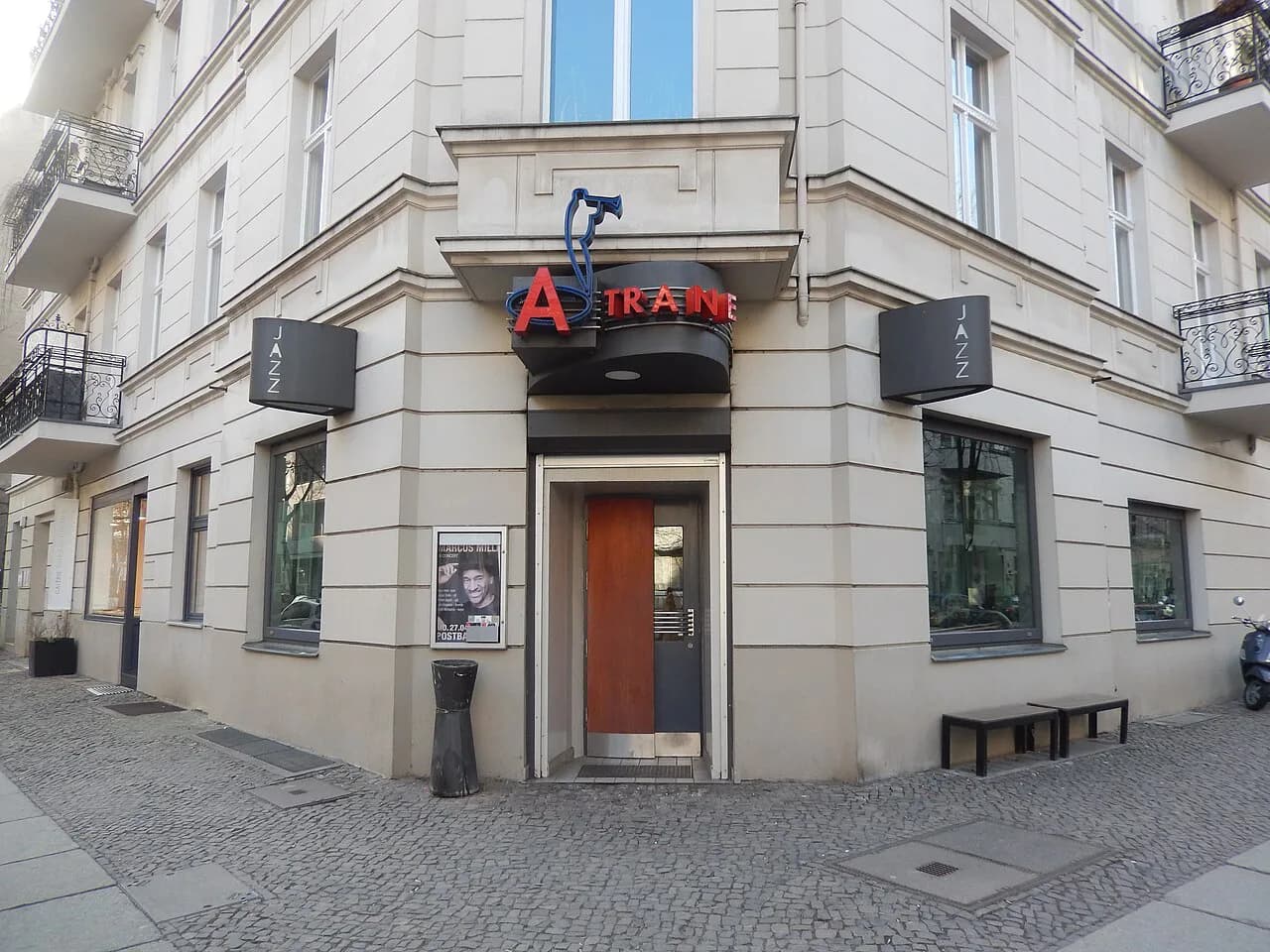
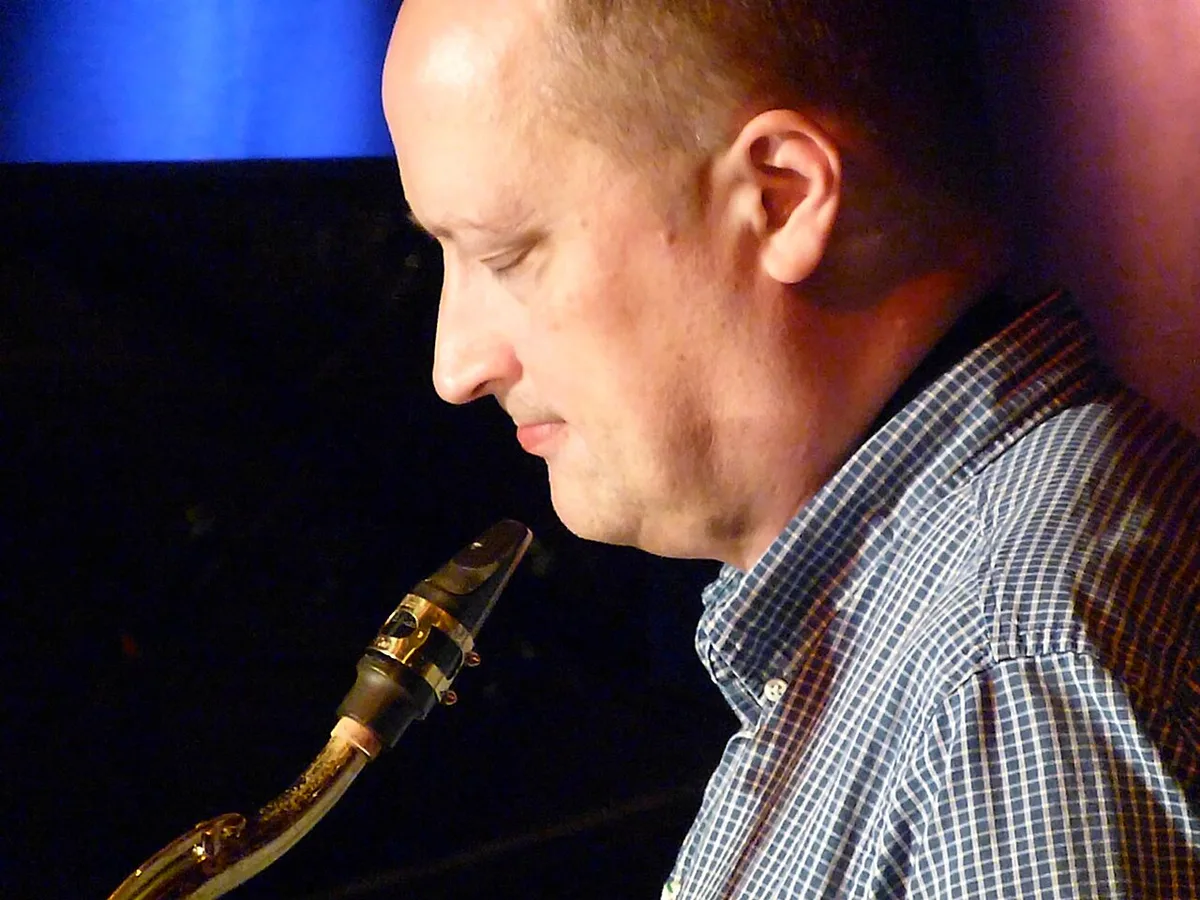
For jazz, use A-Trane in Charlottenburg as the first name on your shortlist because the supplied notes specifically call it out for readers looking beyond club pages. This is the right direction when you want a listening-room night rather than a standing gig where conversation and bar traffic dominate the edges of the show. Berlin’s jazz and acoustic choices also help balance a longer itinerary: one evening can be a seated or focused performance, while another can be a Kreuzberg or Friedrichshain gig night. Prachtwerk in Neukölln belongs in this part of the decision tree too, especially if the program leans folk, songwriter or acoustic. The practical advice is to check the bill before choosing the neighborhood. A jazz name in Charlottenburg, a folk night in Neukölln and an experimental booking in Friedrichshain can all count as live music, but they create very different nights. If you want a drink before the show without committing to a full pub crawl, pair this planning step with Berlin bar ideas. The hard number to remember for smaller shows remains €5–€15 when the event fits the DIY tier from the brief; if the artist is internationally touring or the venue is larger, expect the planning logic to shift toward the €25–€45 mid-sized range.
Medium Concert Clubs and Cultural Hubs for Indie, Punk and Touring Bands
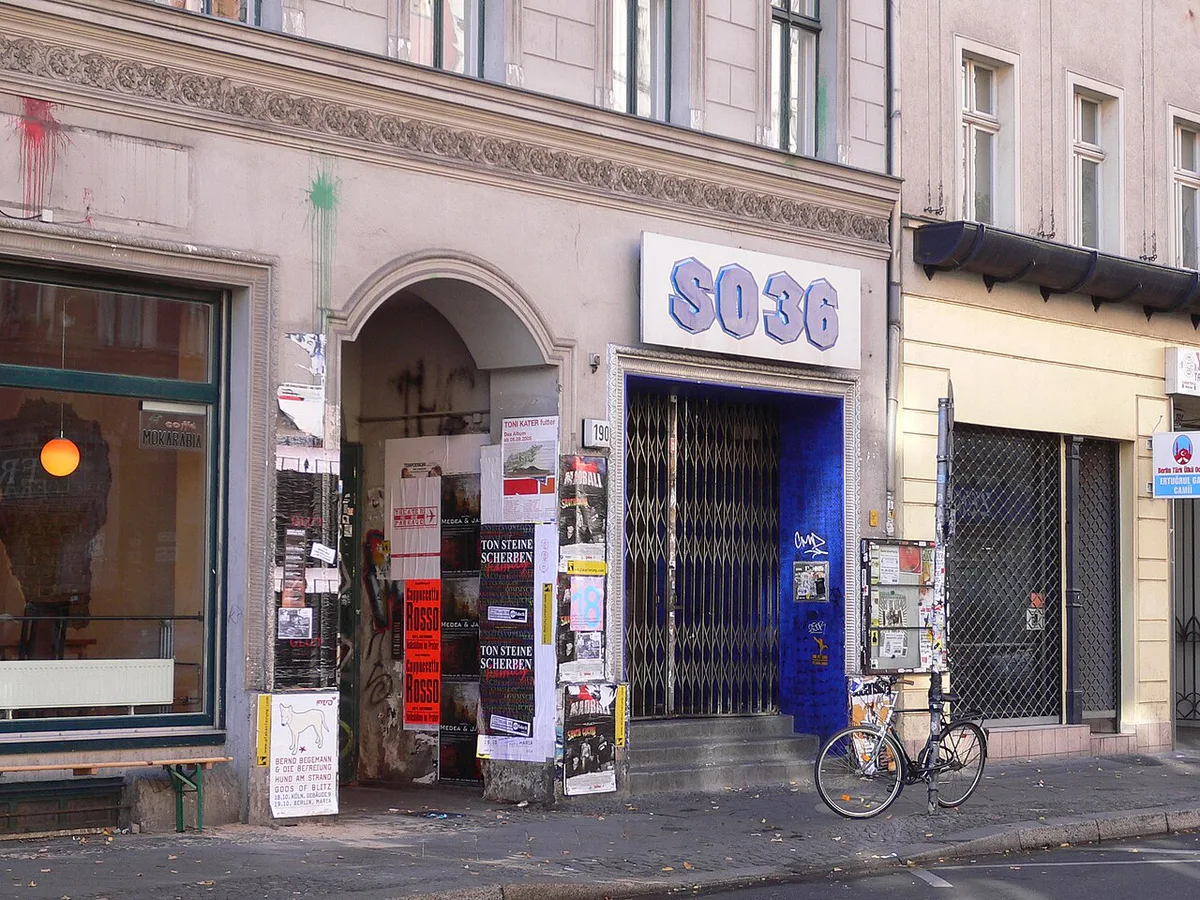
Medium-sized venues are the safest choice when you want a proper concert atmosphere without committing to an arena. Cassiopeia in Friedrichshain is one of the most useful names because it sits on the RAW Gelände at Revaler Str. 99, with a 200-capacity small floor mentioned in the competitor material and a broader identity around hip hop, 80s, 90s, crossover, punk and live-club culture. Badehaus and Urban Spree are also listed at Revaler Straße 99, which makes the RAW Gelände one of the easiest areas to understand as a live-music cluster. For neighborhood planning around RAW Gelände, Neukölln and other nightlife zones, use the Berlin Nightlife Areas: A Guide to the Best Neighborhoods and Vibes guide before you book. Kreuzberg gives you another strong run of options: FluxBau, Lido, SO36, Privatclub and Gretchen are all briefed or competitor-listed in the medium and small-to-medium live-club orbit. SO36 matters because the brief flags its historical significance for punk, while Gretchen is described in the competitor page as musically open and innovation-focused, with a 200–500 capacity range. This tier is where mid-sized touring-act planning starts to matter: the brief supports €25–€45 as a practical 2026 range for many mid-sized touring shows, and advance tickets become more sensible than relying on the door.
- Cassiopeia, Friedrichshain: use it for RAW Gelände nights, hip hop, punk, crossover and live-club programming, especially when you want other venues nearby.
- FluxBau, Kreuzberg: consider it when you want a music venue connected to FluxFM and a setting by the Spree, with the competitor page noting its terrace and second courtyard entrance.
- Lido, Kreuzberg: keep it in the indie and touring-band category when the bill fits a standing concert rather than a club night.
- SO36, Kreuzberg: choose it when punk history, scene identity and a louder room matter more than polished arena acoustics.
- Gretchen, Kreuzberg: useful for genre-crossing nights, with the competitor page placing it in a 200–500 capacity range.
RAW Gelände and Revaler Straße: The Easiest Area for Venue Hopping
If you want one Berlin area where live music, bars and late-night energy sit close together, RAW Gelände around Revaler Straße is the most practical cluster in the supplied brief. Cassiopeia, Urban Spree and Badehaus are all listed at Revaler Straße 99, and the brief highlights RAW Gelände as an important cultural location. This makes it easier to plan a night where the first choice is a concert but the backup plan is still nearby. That flexibility matters because smaller Berlin events can sell out, move slowly at the door, or feel different from what the listing suggested. RAW Gelände also sits naturally within a wider Friedrichshain nightlife plan, so it is a good fit if some of your group wants live bands while others are thinking about clubs later. For a more social route through bars and casual stops, compare the plan with a Berlin Pub Crawl Guide: Organized Tours, DIY Routes and Späti Stops, but do not treat a ticketed gig like a flexible bar stop. A 200-capacity room and a 250-capacity room do not absorb late arrivals the way a large bar might. Buy ahead when the artist matters, carry cash for smaller spaces, and check whether the listing says Einlass for doors or Beginn for the actual start.
Major Berlin Concert Halls and Arenas for Big Productions
For global artists, large productions and shows where sound, staging and crowd control are more predictable, shift your search to Berlin concert halls and arenas. The brief names Columbiahalle, Tempodrom, Max-Schmeling-Halle and Mercedes-Benz Arena, now referred to as Uber Arena, in the 2,500+ category. These venues are not substitutes for Schokoladen, Kantine or SO36; they serve a different job. You buy for the act first, then choose your ticket category based on view quality, price and how much distance from the stage you can accept. The trade-off is straightforward: larger rooms make the logistics cleaner but reduce the local-scene feeling that makes Berlin’s smaller venues memorable. When planning around these venues, use official event pages and VBB routing rather than guessing the best station exit or walking route. The brief specifically recommends transit accuracy from VBB, and that is the safest approach because event crowds can change the best arrival choice on the night. For a mixed trip, one arena show can pair well with another evening spent in a smaller venue; for more after-dark ideas that are not all concert-based, use Berlin at night as a wider planning layer.
Tickets, Door Sales and 2026 Budget Planning
Berlin ticket planning depends heavily on venue size. For small DIY spaces, the brief supports a 2026 planning range of €5–€15 and notes the continued relevance of Abendkasse, meaning door tickets. That can work well when you are flexible, but it is risky if the room is only 100 or 200 capacity and the act has a local following. For mid-sized touring acts, the brief supports €25–€45, and booking ahead through platforms such as Koka36, Eventim or Dice is the more sensible default. The key German words are Einlass and Beginn: Einlass tells you when doors open, while Beginn tells you when the performance starts. Berlin shows can start later than US or UK visitors expect, so read both times before building dinner or bar plans around the event. Cash also matters. The brief notes that many smaller venues remain cash only for entry and the bar, so arrive with euros even if you bought a digital ticket. If your evening includes a classic pub before the gig, use Berlin pubs for the low-pressure first stop, then move to the venue before doors if capacity is small.
Capacity should guide how relaxed your ticket plan can be. A flexible Abendkasse approach fits better with low-stakes DIY discovery, while 100- or 200-capacity rooms, hidden entrances and later-than-expected Beginn times make advance booking and early arrival more important when the act matters.
| Venue tier | Brief-supported capacity cue | 2026 ticket planning range | Best booking approach |
|---|---|---|---|
| Small DIY and intimate rooms | 100–250 capacity examples | €5–€15 | Check the listing, bring cash and use Abendkasse only when flexible |
| Medium concert clubs | 250–1,000 capacity category | €25–€45 for many touring acts | Book ahead through Koka36, Eventim, Dice or the venue |
| Major halls and arenas | 2,500+ category | Price varies by artist and seat type | Use official ticket channels and compare view quality before buying |
Acoustics, Sightlines and the DIY Versus Commercial Trade-Off
The most useful way to choose between Berlin venues is to decide what kind of imperfection you can tolerate. Smaller DIY venues can feel immediate and exciting, but the same intimacy that makes a 100-capacity or 200-capacity room special can also mean limited sightlines, crowded bars and less separation between audience noise and performance. Older industrial or alternative spaces can be legendary for atmosphere while still having acoustic compromises, especially when the room was not originally designed as a concert hall. Medium venues usually give you a stronger balance: enough crowd energy for indie, punk and hip hop, but not the distance of an arena. Large venues reverse the trade-off. You get bigger production, clearer entry systems and more predictable facilities, but less neighborhood texture. For Berlin, that distinction matters because a live-music night is often as much about place as artist. SO36 carries punk-scene weight; RAW Gelände carries cultural-location energy; Berghain Kantine carries the strange pull of being connected to a globally known complex without being the same plan as a main-floor club attempt. If your priority is dancing rather than watching musicians perform, shift back to Berlin clubs before buying a concert ticket.
Neighborhood Planning: Mitte, Kreuzberg, Friedrichshain, Neukölln and Charlottenburg
Plan by neighborhood when your artist choice is flexible, and plan by artist when the show is the point of the night. Mitte gives you Schokoladen at Ackerstrasse 169 and Marie-Antoinette at Holzmarktstrasse 15-18, both briefed in the small 100–200 capacity world. Friedrichshain gives you Berghain Kantine at Am Wriezener Bahnhof and the RAW Gelände cluster around Revaler Straße 99, including Cassiopeia, Urban Spree and Badehaus. Kreuzberg gives you several live-club names from the brief and competitor material, including FluxBau, Lido, SO36, Privatclub and Gretchen. Neukölln gives you Prachtwerk at Ganghoferstr. 21, a useful option when the night calls for music and culture rather than a heavy club plan. Charlottenburg gives jazz-focused readers A-Trane, as flagged in the supplied notes. The easiest mistake is to treat Berlin as compact because several venues appear close on a list. Do not guess walking times, exits or transport operators from memory; use VBB for the actual route on the day and check the venue listing for entrance notes such as courtyard access. A phrase like zweiter Hofeingang, used for FluxBau in the competitor material, means second courtyard entrance and is exactly the kind of detail that matters after dark.
Neighborhood choice also changes the kind of night you are building. RAW Gelände is useful for backup options because several venues cluster together, while Charlottenburg points more toward focused jazz and Neukölln toward quieter cultural or acoustic formats.
Mistakes to Avoid at Berlin Live Music Venues
The first mistake is arriving without cash. Even in 2026, the brief warns that many smaller venues may be cash only for entry or the bar, so a €5–€15 DIY ticket can still become awkward if you assume cards are accepted everywhere. The second mistake is reading the time badly. Einlass is doors; Beginn is the start. If you arrive at Beginn for a 100-capacity room, you may be stuck at the back or outside. The third mistake is ignoring hidden entrances. Berlin venues can sit in courtyards, former industrial sites or cultural complexes where the street address gets you near the building but not necessarily to the right door. Look for Vorderhaus and Hinterhaus notes, and pay attention to courtyard instructions. The fourth mistake is choosing only by name recognition. Berghain Kantine, SO36 and RAW Gelände all carry strong associations, but the actual event listing matters more than the mythology. The fifth mistake is forgetting comfort. Some venues may have smoking-room culture or indoor smoking tolerance that affects sensitive visitors, and older rooms can feel intense when full. When in doubt, choose a larger venue, arrive earlier, or build an easier backup plan around nearby bars rather than forcing the whole night through one small door.
How to Choose the Right Venue for Your Night
Use a simple filter. If you want discovery, choose a small room such as Schokoladen, Berghain Kantine, Marie-Antoinette or Prachtwerk and keep the night flexible. If you want scene atmosphere, choose Kreuzberg or RAW Gelände and let the neighborhood carry part of the experience. If you want jazz, put A-Trane in Charlottenburg on the list first. If you want a touring act with a reliable crowd and clearer production, move into the medium tier with Cassiopeia, Lido, SO36, FluxBau or Gretchen. If the artist is the whole reason for the night, choose the major hall or arena and treat the rest of the evening as secondary. Berlin rewards curiosity, but it also punishes vague planning when capacities are small. A 100-capacity room, a 200-capacity concert restaurant, a 250-capacity cultural venue and a 2,500+ concert hall are different products, even when all of them sit under the phrase live music. Match the room to your tolerance for crowds, cash, smoke, late starts and imperfect acoustics, then book the nights that matter most before leaving the rest open.
Finding the Hidden Entrances at Schokoladen and Berghain Kantine
Two of Berlin’s most useful small live-music rooms are easy to misread from the street. Schokoladen is at Ackerstrasse 169 in Mitte, but it sits in the kind of older building-and-courtyard setting where you should check the event page for the exact entrance rather than expecting a bright concert-hall frontage. Arrive before Beginn if the show matters: in a 100-capacity room, a few minutes can decide whether you get a good spot or end up squeezed near the bar.
Berghain Kantine is also a separate plan from the main Berghain club queue. Use the address at Am Wriezener Bahnhof, follow the posted event instructions, and do not assume the same entrance logic, dress-code mythology or waiting pattern as a club night. For both venues, save the listing offline, look for words such as Eingang, Hof, Vorderhaus or Hinterhaus, and keep enough cash for the door or bar if the event page does not clearly confirm card payment.
For trip-planning details, see SO36 - Wikipedia.
Frequently Asked Questions
Is live music expensive in Berlin?
It does not have to be. The brief supports €5–€15 as a practical 2026 range for small DIY shows and €25–€45 for many mid-sized touring acts. Major halls and arenas vary by artist, seat type and demand, so check official ticket pages before budgeting.
Where can you find live jazz in Berlin?
For jazz, start with A-Trane in Charlottenburg because the supplied notes specifically flag it for readers looking beyond Berlin’s club pages. For quieter acoustic or songwriter-leaning nights, also check Prachtwerk in Neukölln when its program fits.
Do I need to book concert tickets in advance in Berlin?
For small flexible shows, Abendkasse door tickets can still be part of the culture, especially in the €5–€15 DIY tier. For a 100-capacity or 200-capacity room, or for a mid-sized touring act in the €25–€45 range, advance booking through Koka36, Eventim, Dice or the venue is safer.
What is the best area in Berlin for live music venue hopping?
RAW Gelände around Revaler Straße 99 is the most practical cluster in the supplied brief because Cassiopeia, Urban Spree and Badehaus are all listed there. It works well when you want live music as the anchor but still want nearby backup options.
What is the difference between Einlass and Beginn on Berlin concert listings?
Einlass means doors, while Beginn means the performance start. Check both before making dinner, bar or transit plans, because Berlin shows can start later than US or UK visitors expect and small rooms fill quickly.
Are Berlin live music venues cash only?
Some smaller venues may still be cash only for entry or the bar, according to the brief. Bring euros even if you expect to use a card elsewhere, especially for DIY shows and smaller rooms.